
Stop Overthinking: Using Mindfulness to Quiet Anxious Thoughts


Welcome to Mind Care Guide, a safe space dedicated to nurturing your mental well-being. Are you tired of the relentless chatter in your mind, the constant worry that steals your peace? You're not alone. Dive into our guide on mindfulness quiet anxious thoughts and discover practical techniques to regain control and find a sense of calm amidst the storm. Ready to silence the noise and rediscover inner peace? Let's begin.
- Managing Performance Anxiety in Musicians Through Mindfulness
- Mindfulness for Musicians: A Tool for Managing Anxiety
- Practical Mindfulness Techniques for Musicians
- Integrating Mindfulness into a Musician's Daily Life
- Advanced Mindfulness Practices for Musicians
- Resources for Musicians Seeking Mindfulness Training
- Maintaining Mindfulness for Long-Term Performance Anxiety Management
-
Frequently Asked Questions
- What is mindfulness and how can it help with anxious thoughts?
- How does mindfulness specifically target overthinking?
- Are there specific mindfulness techniques effective for managing anxiety?
- How often should I practice mindfulness to see a noticeable reduction in anxiety?
- What if I find it difficult to focus during mindfulness exercises due to my anxiety?
- Final Reflection: Finding Stillness in a Noisy World
- Unveil Your Inner Calm: Take Control of Your Thoughts Today
Managing Performance Anxiety in Musicians Through Mindfulness
Performance anxiety is a significant challenge for many musicians, regardless of their skill level or experience. It can manifest as a range of physical and psychological symptoms, impacting everything from the enjoyment of playing to the quality of a performance. Understanding the roots and effects of this anxiety is the first step toward managing it effectively. For musicians seeking ways to quiet anxious thoughts, mindfulness offers a powerful and accessible approach.
Understanding Performance Anxiety
Performance anxiety, often referred to as stage fright, is a specific type of social anxiety disorder where the fear is triggered by the prospect of performing in front of others. While a certain level of adrenaline can enhance performance, excessive anxiety can be debilitating.
What is Performance Anxiety and How Does it Manifest in Musicians?
Performance anxiety in musicians is a state of intense fear or nervousness associated with performing music, whether in front of an audience, during an audition, or even in recording sessions. It's not just butterflies; it can involve a cascade of physical, cognitive, and behavioral symptoms. Physically, musicians might experience rapid heart rate, shortness of breath, trembling hands (particularly problematic for instrumentalists), sweating, dizziness, or muscle tension, especially in the shoulders, neck, and jaw.
Imagine a violinist whose bow shakes uncontrollably during a critical passage, or a singer whose voice tightens and loses its usual quality due to throat tension. These physical manifestations are direct results of the body's "fight or flight" response kicking in under perceived threat.
Cognitively, performance anxiety often involves negative self-talk, catastrophic thinking ("I'm going to mess up everything"), impaired concentration, and memory blanks. Musicians might find their minds racing with worries about making mistakes, being judged negatively by the audience or peers, or forgetting sections of the music. This mental clutter makes it incredibly difficult to stay focused on the music itself.
Behaviorally, it can lead to avoidance of performance opportunities, rushing through pieces, or making uncharacteristic errors due to loss of fine motor control. Studies suggest that a significant percentage of professional musicians, potentially over 50%, report experiencing moderate to severe performance anxiety at some point in their careers, with rates varying depending on the instrument and performance context.
The Impact of Performance Anxiety on Musical Performance and Well-being
The impact of performance anxiety extends far beyond the stage. On performance quality, it can degrade technical execution, distort musical interpretation, and hinder expressive freedom. A pianist might play too fast, a wind player might struggle with breath support, or an ensemble might lose cohesion. The anxiety can override years of practice and preparation, preventing the musician from demonstrating their true capabilities. For example, a study involving university music students found that those with higher levels of performance anxiety showed decreased accuracy in sight-reading tasks and reported lower satisfaction with their own performance quality.
Beyond the performance itself, chronic performance anxiety can severely affect a musician's overall well-being and career trajectory. It can lead to burnout, loss of enjoyment in music, and even physical health problems due to chronic stress. Musicians might turn down valuable performance opportunities, limiting their professional growth.
The constant fear of evaluation can erode self-esteem and create a cycle of negative reinforcement where poor performances (due to anxiety) confirm the musician's fears, increasing anxiety for future events. Anecdotally, stories abound of talented musicians who scaled back or even abandoned promising careers because the emotional toll of performance anxiety became too great.
Identifying Personal Triggers and Symptoms of Performance Anxiety
Recognizing the specific situations or thoughts that trigger performance anxiety, and the unique ways it manifests in your own body and mind, is crucial for developing effective coping strategies. Triggers can vary widely. For some, it might be the size of the audience, the presence of specific individuals (like teachers or critics), the importance of the event (auditions, competitions), or the perceived difficulty of the music. Others might find that anxiety is triggered by the lack of sufficient practice time, unfamiliar venues, or even just the act of walking onto the stage.
Keeping a performance journal can be incredibly helpful here. Note the date, venue, type of performance, your feelings before and during, the specific physical symptoms (e.g., "hands felt cold and stiff," "voice felt tight"), and the thoughts running through your mind ("What if I forget the lyrics? ", "Everyone is watching my bowing").
Symptoms also differ from person to person. While trembling hands might be a major issue for one guitarist, another might primarily struggle with rapid breathing and a racing heart. A singer might lose vocal control, while a percussionist might experience a mental block.
By tracking these specific manifestations, musicians can begin to anticipate their anxiety responses. For instance, if you notice that your shoulders always tense up intensely before a solo, you know exactly where to focus relaxation techniques. Understanding these personal patterns—what sets off the anxiety and how it feels—provides a roadmap for applying targeted strategies, including using mindfulness to quiet anxious thoughts and physical tension.
Mindfulness for Musicians: A Tool for Managing Anxiety
Mindfulness, often described as paying attention on purpose, in the present moment, and non-judgmentally, offers a powerful alternative perspective and set of tools for musicians struggling with performance anxiety. It's not about eliminating anxiety entirely, but changing the relationship one has with it.
Defining Mindfulness for Musicians: Present Moment Awareness During Practice and Performance
For musicians, defining mindfulness means bringing a focused, non-reactive awareness to the act of making music, both in practice and during performance. During practice, this involves paying deliberate attention to the physical sensations of playing (the feel of the instrument, the posture, the breath), the sounds produced, and the thoughts and emotions that arise, without getting caught up in judgment ("That sounded terrible," "I'll never get this right").
It's about being fully present with the notes, the rhythm, and the musical intention in that specific moment, rather than getting lost in worries about future performances or regrets about past mistakes.
In a performance context, mindful awareness shifts to the present reality of the stage. This means noticing the audience, the acoustics, the feel of the instrument, and the music being played right now, without allowing the mind to be consumed by fear of the outcome, self-criticism, or distraction. It's about grounding oneself in the sensory experience of performing.
For example, a mindful musician experiencing a shaking hand might simply notice the sensation without adding layers of panic or self-condemnation. This present-moment focus helps to quiet anxious thoughts by redirecting attention away from hypothetical future failures and towards the concrete reality of the music unfolding.
How Mindfulness Differs from Traditional Performance Anxiety Treatments (e.g., Beta Blockers)
Mindfulness offers a fundamentally different approach compared to pharmacological interventions like beta-blockers. Beta-blockers work by blocking the effects of adrenaline on the body, reducing physical symptoms like rapid heart rate and trembling. They address the physical manifestations of anxiety but do not address the psychological or cognitive components, such as negative self-talk or fear of judgment. While effective for some in managing physical symptoms, they don't teach the musician how to handle the underlying anxiety or the mental clutter.
Mindfulness, on the other hand, is a skill-based practice that targets both the physical and mental aspects of anxiety. It teaches musicians to observe their physical sensations and thoughts without immediate reaction or judgment. Instead of suppressing symptoms, mindfulness cultivates a capacity to be with the anxiety, understanding it as temporary sensations and thoughts rather than absolute truths or overwhelming threats.
This approach builds resilience and self-awareness over time, empowering the musician to manage anxiety from within, rather than relying on external substances. While beta-blockers offer a quick fix for symptoms, mindfulness provides a sustainable, long-term strategy for understanding and transforming the relationship with anxiety, helping musicians cultivate a calmer mind and quiet anxious thoughts from the source.
The Science Behind Mindfulness and its Impact on Performance Anxiety in Musicians
The effectiveness of mindfulness in managing anxiety, including performance anxiety, is supported by a growing body of scientific research. Neuroimaging studies have shown that regular mindfulness practice can lead to structural and functional changes in the brain. Specifically, it's associated with increased activity in the prefrontal cortex, the area responsible for executive functions like attention regulation and emotional control, and decreased activity in the amygdala, the brain's fear center. This means mindfulness can help musicians become better at focusing their attention away from anxious thoughts and regulating their emotional responses to stressful performance situations.
Furthermore, mindfulness practice has been shown to reduce levels of stress hormones like cortisol. High cortisol levels are linked to increased anxiety and impaired cognitive function, both detrimental to musical performance. By lowering cortisol, mindfulness helps create a physiological state more conducive to calm focus. Research specifically on musicians has shown promising results.
Studies using mindfulness-based interventions with music students have reported significant reductions in self-reported performance anxiety levels, improved performance quality as rated by objective observers, and enhanced self-efficacy. For example, one study involving collegiate musicians found that participation in an 8-week mindfulness program led to a statistically significant decrease in performance anxiety scores compared to a control group. This empirical evidence underscores the potential of mindfulness quiet anxious thoughts and physical tension for musicians.
Practical Mindfulness Techniques for Musicians
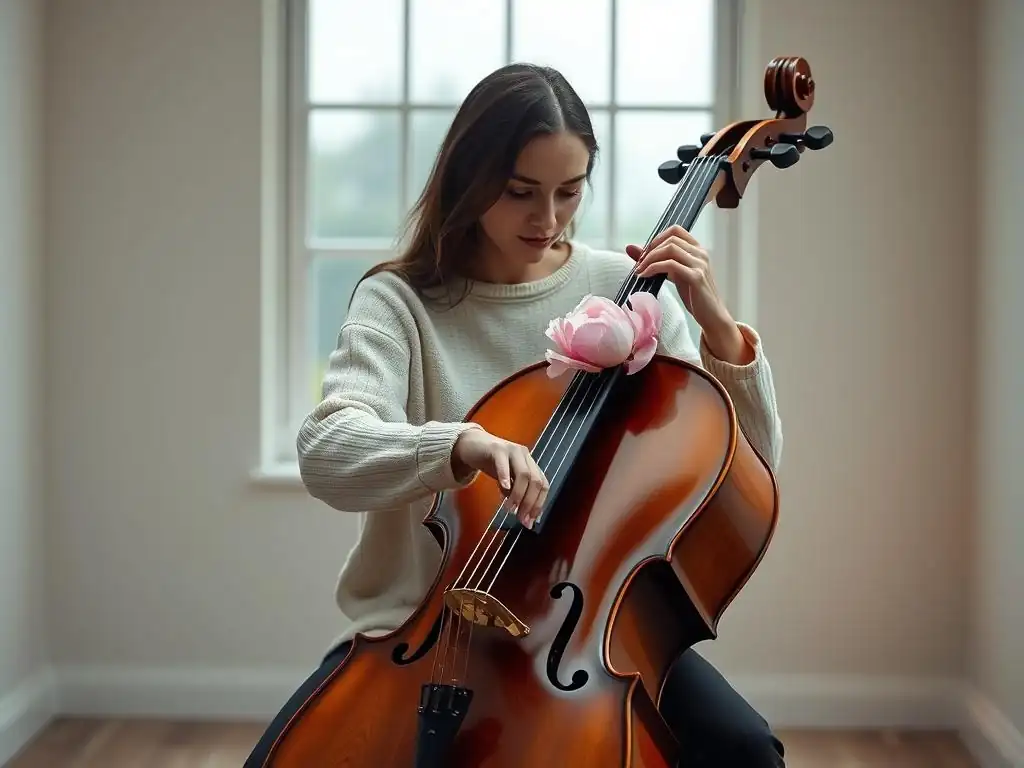
Mindfulness isn't just a concept; it's a practice. There are numerous techniques musicians can incorporate into their daily routines and pre-performance rituals to cultivate present-moment awareness and manage anxiety. These techniques help ground the musician, reduce physical tension, and quiet anxious thoughts.
Breathing Exercises for Calming Nerves Before and During Performances
The breath is a powerful anchor to the present moment and a direct pathway to influencing the body's stress response. Simple breathing exercises can be incredibly effective for calming the nervous system quickly.
Box Breathing for Pre-Performance Calm
Box breathing, also known as square breathing, is a simple, rhythmic technique that can quickly soothe the nervous system and quiet anxious thoughts just before stepping onto stage or starting a challenging piece. The technique involves inhaling, holding, exhaling, and holding again, each for the same count, typically four. Find a quiet space backstage or even in a practice room. Sit comfortably with your back straight. Inhale slowly through your nose for a count of four.
Hold your breath for a count of four. Exhale slowly through your mouth for a count of four. Hold your breath again for a count of four. Repeat this cycle for several minutes.
Practicing box breathing shifts your focus from anxious mental chatter to the simple, repetitive rhythm of your breath. It helps regulate heart rate and can interrupt the physiological cascade of the stress response. Musicians often find this technique useful in the final minutes before a performance or audition call, providing a concrete action to take instead of passively allowing anxiety to spiral. Incorporating this into your pre-performance routine can create a sense of control and quiet anxious thoughts, preparing your mind and body for the demands ahead.
Diaphragmatic Breathing for Stage Presence
Diaphragmatic breathing, or belly breathing, is fundamental for musicians, especially singers and wind players, as it promotes efficient air support. Beyond its musical function, it also activates the body's relaxation response, making it a powerful tool for managing anxiety during a performance. When anxious, we tend to breathe shallowly from the chest. Diaphragmatic breathing involves engaging the diaphragm, allowing the abdomen to expand on inhalation and contract on exhalation. To practice, lie down or sit upright.
Place one hand on your chest and the other on your abdomen. Inhale deeply through your nose, feeling your abdomen rise while your chest remains relatively still. Exhale slowly through your mouth, feeling your abdomen fall. Aim for slow, steady breaths.
During a performance, consciously returning to diaphragmatic breathing can help ground you and manage surges of anxiety. If you feel your heart racing or tension building, taking a few deep, deliberate belly breaths can help regulate your system. This focus on the breath also serves as a mindful anchor, bringing your attention back to the present moment and away from distracting, anxious thoughts. Mastering this technique in practice allows you to access its calming benefits naturally during high-pressure situations, helping to quiet anxious thoughts and maintain composure and physical control.
Body Scan Meditation for Releasing Tension in Musicians' Bodies
Musicians often hold significant tension in specific parts of their bodies due to the physical demands of playing. A body scan meditation is a practice of systematically bringing mindful awareness to different parts of the body, noticing sensations without judgment. This helps identify and release physical tension, which is closely linked to mental anxiety.
Performing a Body Scan Specifically Targeting Tension Areas (e.g., Shoulders, Hands)
A body scan for musicians can be tailored to focus on areas notoriously prone to tension: shoulders, neck, jaw, back, arms, and hands. Find a comfortable position, either sitting or lying down. Close your eyes if comfortable. Begin by bringing your awareness to your breath for a few moments. Then, gently direct your attention to your feet, noticing any sensations there – warmth, coolness, tingling, pressure. Slowly move your awareness up through your legs, hips, and torso.
As you reach the areas where musicians commonly hold tension, like the shoulders and neck, spend extra time there. Notice the sensations without trying to change them initially. Are they tight, sore, relaxed? Simply observe. Then, gently invite a release of tension with each exhale. Move down through your arms to your hands and fingers, paying close attention to the muscles and joints used for playing.
This practice helps musicians become acutely aware of where they hold physical anxiety. For example, a pianist might realize they clench their jaw throughout practice, or a cellist might notice chronic tension in their left shoulder. By mindfully observing these areas regularly, musicians can catch tension early and work towards releasing it. This awareness is the first step in preventing physical tension from escalating into debilitating performance issues. Regularly using the body scan helps quiet anxious thoughts by grounding the musician in their physical reality and promoting release.
Integrating Body Scan Results into Practice and Performance
The insights gained from body scan meditation are most valuable when integrated into musical practice and performance. If your body scan reveals significant tension in your hands, for instance, you can consciously focus on relaxing your hands during warm-ups and throughout your practice session. Regularly pause during practice to check in with your body: "Where am I holding tension right now?" and gently release it. This cultivates a continuous awareness of physical state while playing.
During performance, if you notice familiar anxiety-related tension arising (e.g., tight shoulders before a difficult run), you can use the micro-skill of bringing mindful awareness to that area for a moment, acknowledging the sensation without judgment, and gently inviting a release with an exhale. This isn't about fixing the tension instantly, but about not letting it consume your attention or dictate your physical response. Integrating body awareness helps manage the physical symptoms of anxiety, which in turn helps to quiet anxious thoughts that often arise from physical discomfort or loss of control.
Mindful Practice: Focusing on Process Over Outcome
Traditional musical practice can sometimes be heavily focused on achieving a perfect outcome – hitting every note flawlessly, achieving a specific tempo, or mastering a challenging passage. While goals are important, an exclusive focus on outcome can fuel performance anxiety. Mindful practice shifts the emphasis to the process of making music in the present moment.
How to Practice Mindfully, Paying Attention to Sound and Technique
Mindful practice involves bringing full, non-judgmental attention to the act of playing music as it is happening. Instead of just drilling passages repeatedly with the sole aim of getting them "right," pay attention to the quality of the sound you are producing in each moment. Listen deeply to the tone, the resonance, the balance. Feel the physical sensations involved in creating that sound – the pressure on the strings, the embouchure, the breath support, the finger placement. Notice the subtle nuances of technique.
When you encounter a mistake or a challenging section, instead of reacting with frustration or self-criticism, simply notice the error or difficulty. Observe it with curiosity: "What happened there? How did that feel physically? What was the sound like?"
This approach transforms practice from a potentially stressful evaluation session into an exploration. It allows you to learn from mistakes without getting emotionally derailed. By focusing on the present process – the sound, the feel, the technique in this moment – you naturally quiet anxious thoughts about future performances or past errors.
It cultivates a deeper connection with the music and the instrument itself. For example, spending five minutes mindfully practicing a single scale, paying exquisite attention to the evenness of tone and the relaxation in your shoulders, can be more beneficial for managing anxiety than rushing through the entire piece while worrying about the final performance.
Transforming Practice Sessions into Mindfulness Exercises
Practice sessions can be deliberately framed as mindfulness exercises. Begin each practice with a few minutes of focused breathing or a mini body scan to arrive in the present moment. Set an intention for the practice – perhaps not focused on perfection, but on mindful exploration of a specific section or technical element. Throughout the session, periodically check in with your mind and body. Are you distracted by anxious thoughts about an upcoming performance? Gently bring your attention back to the sound and feel of the music right now. Are you holding tension? Notice it and gently invite release.
When you make a mistake, instead of reacting with a groan or negative self-talk, pause. Take a breath. Mindfully observe the mistake without judgment ("Ah, the intonation was flat there," rather than "I'm so bad at this"). Then, mindfully approach the correction. This consistent practice of bringing awareness and non-judgment to the musical process builds the mental muscle needed to do the same during a performance. By making mindful awareness a habit in the low-stakes environment of the practice room, musicians become better equipped to quiet anxious thoughts and stay present on stage.
Thought Defusion Techniques: Separating Yourself from Self-Critical Thoughts
Performance anxiety is often fueled by a relentless stream of negative and self-critical thoughts. Thought defusion techniques, drawn from Acceptance and Commitment Therapy (ACT), teach you to see these thoughts as just words or mental events, rather than absolute truths or commands you must obey.
Recognizing Negative Self-Talk as Just Thoughts During Performance
During a performance, the anxious mind can flood with thoughts like, "You're going to forget the notes," "Your sound isn't good enough," "Everyone can see you're nervous," or "This is a disaster." These thoughts feel incredibly real and powerful in the moment. Thought defusion involves recognizing these as simply thoughts – mental constructs – rather than accurate reflections of reality or predictions of the future.
It's like noticing clouds passing in the sky; you see them, but you don't need to get into the cloud or let it determine your entire experience. A simple technique is to add the phrase "I'm having the thought that..." in front of the negative thought. So, "My hands are shaking" becomes "I'm having the thought that my hands are shaking."
This subtle linguistic shift creates a psychological distance between you and the thought. It reminds you that you are not the thought; you are the observer of the thought. During a performance, if the thought "I'm going to mess up" arises, you can internally acknowledge, "Ah, there's the thought about messing up." This act of noticing, without engaging or believing the thought, helps to quiet anxious thoughts by reducing their power over your emotional and physical state. It allows you to redirect your attention back to the music, rather than getting consumed by the internal narrative of failure.
Using Cognitive Defusion to Reduce Overthinking During Solos
Solos can be particularly anxiety-provoking moments, often leading to intense overthinking about every note, every technical challenge, and the audience's reaction. Cognitive defusion is especially useful here. Before a solo, instead of trying to eliminate anxious thoughts, practice noticing them without getting entangled. If the thought "Don't mess up this high note" appears, simply observe it: "Okay, that thought is here." You can also visualize the thought as something external – written on a leaf floating down a stream, or on a cloud drifting by.
During the solo itself, if overthinking starts ("Was that phrase in tune? What if I miss this shift? "), gently bring your awareness back to the present moment of playing. Focus on the physical sensation of your fingers on the strings, the feel of the bow, the sound you are creating right now.
When an anxious thought arises, acknowledge it ("There's the thought about intonation") and then consciously return your attention to the music. This is not about suppressing the thought, but about choosing where to place your attention. By practicing this redirection, you train your mind to be less reactive to anxious thoughts, allowing you to stay present and expressive during your solo, effectively using mindfulness quiet anxious thoughts and focus on the music.
Integrating Mindfulness into a Musician's Daily Life
Mindfulness is most effective when it's not just a technique used in moments of crisis but a consistent practice woven into the fabric of a musician's daily life. Regular practice builds resilience and makes it easier to access mindful states when anxiety is high.
Creating a Consistent Mindfulness Practice for Musicians
Consistency is key to reaping the full benefits of mindfulness. Even short, regular sessions are more impactful than infrequent long ones. Start small – perhaps 5-10 minutes of focused breathing or a brief body scan each morning. Find a time and place where you won't be interrupted. This dedicated time helps train your attention and creates a habit. Beyond formal meditation, look for opportunities to be mindful during non-musical activities: washing dishes, walking, eating. Pay full attention to the sensory experience.
For musicians, integrating mindfulness into practice sessions is crucial, as discussed earlier. Start each practice with a few minutes of mindful warm-up, focusing on physical sensations and breath. During practice, incorporate mindful check-ins. Consider using a mindfulness app or guided meditations specifically designed for anxiety or focus. A consistent practice, even just 10-15 minutes daily, builds the mental muscle needed to quiet anxious thoughts effectively when performance pressure mounts. Aim for consistency over duration.
Using Mindfulness in High-Pressure Performance Situations (e.g., Auditions)
High-pressure situations like auditions or competitions are prime opportunities to apply mindfulness skills. The preparation phase is critical. Leading up to the event, increase your formal mindfulness practice. Mentally rehearse the performance mindfully, focusing on staying present with the music rather than dwelling on potential errors or outcomes. On the day of the event, use breathing exercises (like box breathing) backstage to calm your nervous system. When waiting to go on, notice the physical sensations of anxiety without judgment.
As you walk onto the stage, feel your feet on the floor – a simple grounding technique. Before you start playing, take a mindful breath, centering yourself in the present moment. During the performance, if anxious thoughts or physical symptoms arise, acknowledge them without judgment ("There's the thought about forgetting the passage," or "My hands are trembling") and gently bring your attention back to the sound, the feel of the instrument, and the music right now.
This non-reactive awareness helps quiet anxious thoughts and prevents the anxiety from hijacking your performance. Remember, the goal isn't to feel no anxiety, but to perform effectively with the anxiety present by staying grounded in the present moment.
Overcoming Common Obstacles to Mindfulness Practice for Musicians (e.g., Limited Time)
Musicians often face demanding schedules with practice, rehearsals, performances, and teaching. Limited time is a common obstacle to establishing a mindfulness practice. The key is integration rather than adding another separate task. Can you build mindfulness into your existing routine? Instead of a separate 30-minute meditation, can you do 5 minutes before practice, 5 minutes during a break, and 5 minutes before bed? Can your warm-up become a mindful exercise?
Another obstacle is the feeling that "I'm not doing it right" or that mindfulness isn't "working" because anxious thoughts still arise. It's crucial to remember that mindfulness is not about emptying the mind or achieving perfect calm. It's about noticing what's happening in your mind and body without judgment. Anxious thoughts will still appear; the skill is in how you relate to them.
Be patient and compassionate with yourself. If you miss a day, don't get discouraged; just start again the next day. View mindfulness as training for your mind, similar to how you train your body and technique for your instrument. Small, consistent efforts yield significant results in learning to quiet anxious thoughts.
Advanced Mindfulness Practices for Musicians
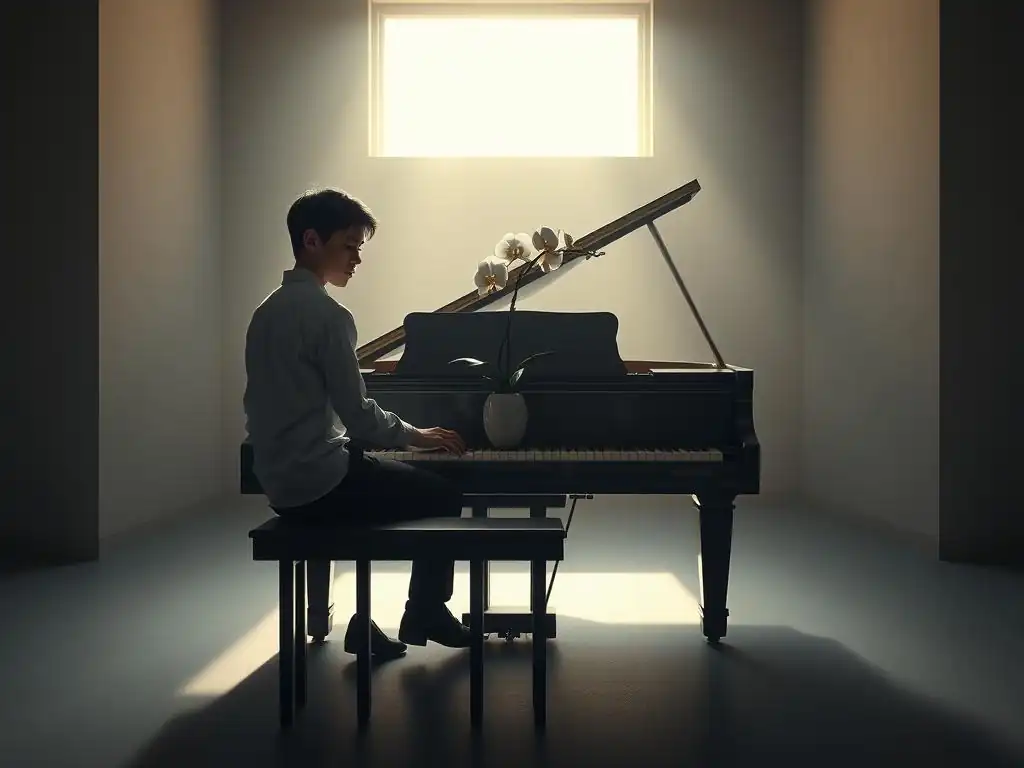
As musicians become more comfortable with basic mindfulness techniques, they may wish to explore more advanced practices that can further deepen their self-awareness and emotional regulation, particularly relevant to the emotional landscape of performance.
Loving-Kindness Meditation for Self-Compassion and Reducing Self-Criticism After Mistakes
Musicians are often highly self-critical, especially after perceived mistakes in performance. Loving-kindness meditation (Metta) cultivates feelings of warmth, compassion, and kindness towards oneself and others. This practice can be particularly healing for musicians who struggle with harsh inner critics. It typically involves silently repeating phrases wishing well-being, happiness, and freedom from suffering first to oneself ("May I be happy, may I be healthy, may I be safe, may I be free from suffering"), then gradually extending these wishes to loved ones, neutral persons, difficult persons, and finally to all beings.
For a musician, practicing loving-kindness towards themselves can directly counter the negative self-talk that arises after a performance perceived as flawed. Instead of dwelling on mistakes with harsh judgment ("I was terrible," "I should have practiced more"), the practice encourages a gentler response: "May I be free from this suffering of self-criticism. May I be kind to myself, even when I make mistakes." This shift in internal dialogue is vital for emotional resilience. By cultivating self-compassion, musicians can learn from errors without letting them define their worth, helping to quiet anxious thoughts fueled by perfectionism and fear of failure.
Vipassana Meditation: Gaining Insight into the Nature of Performance Anxiety
Vipassana, or "insight" meditation, involves observing reality as it is, focusing on the impermanent nature of physical sensations, feelings, and mental states. For musicians dealing with performance anxiety, Vipassana can offer profound insights into the transient nature of anxious thoughts and physical symptoms. Instead of trying to push away the racing heart or the fear, Vipassana encourages observing these experiences with mindful curiosity: "What does this sensation of a racing heart actually feel like? Where exactly is it? Is it constant or changing? What thoughts are arising alongside it?"
Through this practice, musicians can gain a deeper understanding that anxious feelings and thoughts are not fixed aspects of their identity but rather temporary phenomena that arise and pass away. This experiential understanding weakens the grip anxiety has. For instance, observing the trembling in your hands not as a catastrophic sign of failure but as a series of changing physical sensations can reduce the associated panic. Vipassana helps musicians see that anxiety is a process, not a permanent state, empowering them to meet it with greater equanimity and effectively quiet anxious thoughts by observing them without getting swept away.
Resources for Musicians Seeking Mindfulness Training
Accessing reliable resources is crucial for musicians looking to integrate mindfulness effectively into their lives and manage performance anxiety. Whether through reading, online programs, or working with professionals, support is available.
Recommended Books and Articles on Mindfulness for Musicians
Several excellent books and articles specifically address mindfulness for performers and musicians. These resources often tailor general mindfulness principles to the unique challenges faced by instrumentalists and vocalists. Look for titles that discuss performance psychology alongside mindfulness techniques.
Some widely recommended books include those by practitioners who are also musicians or work extensively with them. These resources often provide practical exercises, real-life examples from the music world, and guidance on integrating mindfulness into practice rooms and stage environments. Articles published in music journals or psychology publications focusing on performance science and well-being can also offer valuable, research-backed insights. Exploring these written resources provides a foundational understanding and a wealth of techniques tailored to the musician's experience, offering specific guidance on how mindfulness quiet anxious thoughts related to performance.
Online Mindfulness Courses and Guided Meditations Tailored for Musicians
The digital age offers numerous online resources, including courses and guided meditations. Many platforms now offer programs specifically designed for performers or for managing anxiety, which are highly relevant to musicians. Look for courses that cover the core principles of mindfulness, meditation techniques, and how to apply these to challenging situations.
Guided meditations, available through apps or websites, can be particularly helpful for beginners or for those who find it difficult to practice alone. Some meditations are specifically designed for focus, relaxation, or managing difficult emotions, all beneficial for musicians. Searching for guided meditations focused on "performance anxiety," "focus for artists," or "calming the mind" can yield relevant results. These online tools provide flexible and accessible ways for musicians to integrate mindfulness into their busy schedules, offering guided support to quiet anxious thoughts and cultivate inner calm.
Finding a Qualified Mindfulness Teacher or Therapist Experienced with Musicians
While self-guided practice is valuable, working with a qualified mindfulness teacher or a therapist experienced in performance anxiety can provide personalized guidance and support. A teacher can help refine your meditation practice, answer questions, and troubleshoot difficulties you encounter.
A therapist, particularly one specializing in music psychology or performance coaching, can help address deeper psychological roots of performance anxiety and integrate mindfulness within a broader therapeutic context. They can provide strategies tailored to your specific instrument, performance context, and personal history. Seeking professional support is a sign of strength, not weakness, and can significantly accelerate your progress in using mindfulness quiet anxious thoughts and building lasting resilience on stage. Look for practitioners who understand the unique demands and culture of the music profession.
Maintaining Mindfulness for Long-Term Performance Anxiety Management
Managing performance anxiety is often an ongoing process, not a one-time fix. Integrating mindfulness into your life long-term provides a sustainable framework for navigating the challenges of a musical career and maintaining well-being.
Tracking Performance Anxiety Levels and Identifying Triggers in Performance Settings
Consistent self-awareness is key. Continue using a journal or a simple note-taking system to track your performance anxiety levels over time. After each performance, audition, or even a particularly stressful rehearsal, note:
- Your anxiety level (e.g., on a scale of 1-10)
- Specific physical symptoms experienced
- Key anxious thoughts that arose
- The situation or triggers (e.g., "Audition for X," "Played piece Y for the first time in public")
- Which mindfulness techniques (if any) you used and how effective they felt
This ongoing tracking helps you identify persistent patterns and triggers you might not have noticed before. It provides objective data on how your anxiety fluctuates and helps you see the impact of your mindfulness practice. For example, you might notice that anxiety is consistently higher for solo performances than ensemble ones, or that specific venues trigger more intense symptoms. This information allows you to tailor your mindfulness strategies more effectively to the situations where you need them most, continually refining your ability to use mindfulness quiet anxious thoughts in specific performance contexts.
Seeking Professional Support When Needed (e.g., Music Psychologists)
Despite consistent mindfulness practice, there may be times when performance anxiety feels overwhelming or is significantly impacting your career or mental health. This is when seeking professional support is crucial. Music psychologists or therapists specializing in performance issues have specific expertise in the unique pressures faced by musicians.
They can help address underlying issues contributing to severe anxiety, such as perfectionism, fear of judgment, or past negative experiences. They can also integrate mindfulness techniques within a broader therapeutic approach, providing tools like Cognitive Behavioral Therapy (CBT) or Acceptance and Commitment Therapy (ACT) alongside mindfulness training. A professional can offer a safe space to explore difficult emotions and develop personalized strategies for managing complex cases of performance anxiety. Recognizing when you need help beyond self-management is a vital part of long-term well-being and performance sustainability.
Celebrating Small Wins and Cultivating a Growth Mindset
Managing performance anxiety with mindfulness is a journey, not a destination. It's essential to acknowledge and celebrate small victories along the way. Did you notice an anxious thought without getting completely carried away by it during practice? That's a win. Did you remember to take a mindful breath before starting your piece? That's a win. Did you perform with a little less physical tension than last time? That's a win. These small steps indicate progress and reinforce your efforts.
Cultivating a growth mindset is also critical. Instead of viewing performance anxiety or mistakes as evidence of inherent flaws, see them as opportunities for learning and growth. Mindfulness helps foster this mindset by encouraging non-judgmental observation. Every performance, regardless of perceived outcome, is a chance to learn more about your anxiety, your triggers, and how your mindfulness practice is helping. Embrace the process of learning and adaptation. By celebrating progress and maintaining a growth-oriented perspective, musicians can build resilience, reduce the fear associated with imperfection, and continue to use mindfulness quiet anxious thoughts effectively throughout their careers.
Frequently Asked Questions
What is mindfulness and how can it help with anxious thoughts?
Mindfulness is the practice of paying attention to the present moment without judgment. It helps quiet anxious thoughts by shifting focus from worries about the future or regrets about the past to the here and now.
How does mindfulness specifically target overthinking?
Mindfulness provides tools to observe thoughts without getting caught up in them. By recognizing thoughts as just thoughts, you can detach from overthinking and reduce its power over your emotions.
Are there specific mindfulness techniques effective for managing anxiety?
Yes, practices like mindful breathing, body scan meditations, and mindful walking are particularly helpful. These techniques anchor you in the present, reducing the intensity of anxious thoughts.
How often should I practice mindfulness to see a noticeable reduction in anxiety?
Consistency is key; even short, daily sessions of 5-10 minutes can make a difference. The more you practice, the better you become at managing anxious thoughts in daily life.
What if I find it difficult to focus during mindfulness exercises due to my anxiety?
That's normal! Acknowledge the difficulty without judgment and gently redirect your attention back to your chosen focus, like your breath. With practice, it becomes easier to manage distractions.
Final Reflection: Finding Stillness in a Noisy World
The relentless pace of modern life often leaves us overwhelmed, trapped in a cycle of anxious thoughts. This constant mental chatter, fueled by information overload and societal pressures, impacts our well-being profoundly. Learning to quiet these anxious thoughts, however, is not a passive pursuit; it's an active practice that empowers us to reclaim our mental space and live more fully present lives.
The journey towards mindful living, as explored in this article, is not a destination but a continuous process of self-discovery. It's about cultivating a relationship with our thoughts, observing them without judgment, and gently redirecting our attention to the present moment. This practice has profoundly impacted my own life, teaching me the invaluable lesson of self-compassion. You are not your thoughts; you are the awareness that observes your thoughts.
This simple yet powerful statement has become a guiding principle in navigating the complexities of daily life.
Now, it's your turn. Consider how often you find yourself caught in the whirlwind of anxious thoughts. Take a moment to breathe deeply, acknowledging these thoughts without judgment. Then, gently shift your focus to the sensations in your body – the feeling of your breath, the touch of your clothes against your skin. This simple act of mindful awareness is the first step towards creating a more peaceful and present existence. Embrace the journey, and discover the transformative power of stillness within.
Unveil Your Inner Calm: Take Control of Your Thoughts Today
Thanks for taking the time to explore the power of mindfulness in managing anxious thoughts! We hope you found practical strategies to quiet your mind and find greater peace. Now it's time to put these tools into action.
- Prioritize one mindfulness technique from the article — whether it's deep breathing, body scan meditation, or a mindful walk — and practice it for just five minutes daily this week. This small step can make a big difference.
- Share this article with a friend or family member who might also benefit from learning these techniques. Helping others is a great way to reinforce your own practice.
- Consider journaling your experiences with mindfulness. What shifts did you notice? What challenges did you face, and how did you overcome them?
Ready to experience the transformative effects of consistent mindfulness? What small step will you take today to cultivate a calmer, more focused mind?