
Simple Mindfulness Techniques for Students to Conquer Stress and Anxiety


Welcome to Mind Care Guide, a sanctuary dedicated to nurturing your mental well-being.
Feeling overwhelmed? You're not alone. Many students grapple with the pressures of academic life and the anxieties that come with it. But what if there was a simple, accessible tool you could use right now to find a sense of calm and control? Dive into our guide on Mindfulness for student anxiety and discover practical techniques to navigate stress and cultivate inner peace. Your journey to a calmer, more focused you starts here.
- Simple Mindfulness Techniques for Students to Conquer Stress and Anxiety | Mind Care Guide
- Easy Mindfulness Exercises for Students: Practical Techniques
- Mindfulness Practices for Academic Success: Improving Focus and Concentration
- Integrating Mindfulness into Daily Student Life: Simple Strategies
- Overcoming Challenges to Mindfulness: Tips and Tricks for Students
- Long-Term Benefits of Mindfulness for Students: Beyond Stress Relief
- Conclusion: Empowering Students with Mindfulness for a Healthier Future
-
Frequently Asked Questions
- What is mindfulness, and how can it help students with anxiety?
- How much time should students dedicate to mindfulness exercises each day to see benefits?
- What are some easy mindfulness techniques students can practice anywhere, anytime?
- Is mindfulness a replacement for traditional therapy or medication for student anxiety?
- Where can students find additional resources and support for learning and practicing mindfulness?
- Final Reflection: Cultivating Calm Amidst the Chaos
- Unlock Your Calm: Start Practicing Mindfulness Today!
Simple Mindfulness Techniques for Students to Conquer Stress and Anxiety | Mind Care Guide
The Growing Problem of Anxiety in Students: A Modern Challenge
The academic journey, while rewarding, often comes with significant pressure. Students today face an unprecedented level of stress stemming from rigorous coursework, social pressures, financial concerns, and planning for the future. Surveys consistently indicate that a substantial portion of college students report experiencing overwhelming anxiety. For instance, one widely cited study from the American College Health Association found that over 60% of undergraduates felt "overwhelmed by anxiety" in the past year. This isn't just a fleeting worry; it's a persistent state that can significantly impact their lives.
This heightened state of anxiety is not limited to college; high school students also report considerable stress related to standardized testing, college applications, and the transition to adulthood. The constant connectivity of social media can exacerbate feelings of inadequacy and comparison, adding another layer to the mental burden. Addressing this pervasive issue requires accessible and effective tools, and mindfulness for student anxiety is emerging as a powerful approach to navigate these turbulent years.
How Stress Impacts Academic Performance and Overall Well-being
Chronic stress and anxiety have a direct and detrimental effect on a student's ability to learn and thrive. Physiologically, prolonged stress can impair cognitive functions such as memory, concentration, and problem-solving skills. When a student is constantly in a state of fight or flight, their brain prioritizes survival over complex tasks like studying for an exam or writing an essay. This can lead to decreased academic performance, lower grades, and a reduced capacity to absorb and retain information effectively.
Beyond academics, unchecked stress impacts overall well-being. It can disrupt sleep patterns, leading to fatigue and further reducing cognitive function. Many students report physical symptoms like headaches, digestive issues, and muscle tension directly linked to stress. Socially, anxiety can lead to withdrawal, making it difficult to maintain friendships and participate in extracurricular activities, isolating the student further. Finding effective ways to manage this stress is crucial not just for grades, but for developing into a well-rounded, healthy individual.
Mindfulness as a Coping Mechanism: A Path to Inner Peace for Students
Mindfulness, simply put, is the practice of paying attention to the present moment without judgment. For students grappling with stress and anxiety, it offers a practical way to step out of the cycle of worrying about the future or dwelling on the past. Instead of being swept away by anxious thoughts about an upcoming test or a past social interaction, mindfulness encourages students to focus on what is happening right now, whether it's the sensation of breathing or the feeling of their feet on the ground.
Research supports the effectiveness of mindfulness for student anxiety. Studies have shown that regular mindfulness practice can reduce perceived stress levels, decrease symptoms of anxiety and depression, and even improve focus and attention span – all critical factors for academic success and mental well-being. It's not about eliminating stress entirely, but about changing the relationship with stressful thoughts and feelings, allowing students to respond more calmly and effectively to challenges.
Easy Mindfulness Exercises for Students: Practical Techniques

Breathing Exercises for Anxiety Relief: A Student's First Step
Breathing is fundamental to life, yet we rarely pay conscious attention to it. Simple breathing exercises are among the most accessible mindfulness techniques for students, offering immediate relief from anxiety by calming the nervous system. They can be practiced anywhere, anytime – before a presentation, during a study break, or when feeling overwhelmed. Focusing on the breath grounds you in the present moment, interrupting the cascade of anxious thoughts.
These techniques don't require any special equipment or environment, making them perfect for a student's busy and often unpredictable schedule. Even just one minute of focused breathing can begin to shift your state from panic to calm. Learning these basic skills provides students with a fundamental tool they can rely on throughout their academic career and beyond, empowering them to take control when anxiety flares up.
Diaphragmatic Breathing: Calming the Nervous System
Diaphragmatic breathing, also known as belly breathing, involves engaging the diaphragm, a large muscle located below the lungs, to pull more air into the lungs. This type of breathing is slower and deeper than shallow chest breathing, which is often associated with stress responses. By consciously breathing into your belly, you signal to your body that it is safe and can relax, directly counteracting the "fight or flight" response triggered by anxiety.
To practice, find a comfortable position, either sitting or lying down. Place one hand on your chest and the other on your belly just below your rib cage. Inhale slowly through your nose, feeling your belly rise significantly more than your chest. Exhale slowly through pursed lips, gently contracting your abdominal muscles to push the air out, feeling your belly fall. Aim for a longer exhale than inhale, perhaps inhaling for a count of four and exhaling for a count of six. Repeat this for several minutes, focusing solely on the sensation of your breath moving your belly.
Box Breathing Technique: A Simple Mindfulness Practice
Box breathing, also known as square breathing, is another straightforward yet powerful technique. It gets its name from the four equal steps involved, visualizing the sides of a box. This method helps regulate breath and calm the mind by providing a simple, rhythmic structure to focus on. It's particularly effective when the mind feels scattered or racing, as the counting provides a clear anchor.
To practice box breathing, exhale completely. Then, inhale slowly through your nose for a count of four. Hold your breath at the top of the inhale for a count of four. Exhale slowly through your mouth for a count of four. Hold your breath at the bottom of the exhale for a count of four. Repeat this cycle several times. The consistent rhythm and focus on counting help to quiet mental chatter and promote a sense of control, making it an excellent tool for managing acute moments of student stress and anxiety.
Body Scan Meditation for Students: Releasing Tension and Stress
Body scan meditation is a practice where you systematically bring your attention to different parts of your body, noticing any sensations without judgment. This technique helps students become more aware of where they hold tension – a common physical manifestation of stress and anxiety – and can help them consciously release it. It also cultivates a deeper connection with the physical self, grounding the mind and reducing the tendency to get lost in thoughts.
By slowly moving attention through the body, students learn to observe physical feelings – warmth, tingling, pressure, tension, relaxation – without needing to fix or change them. This simple act of non-judgmental observation is a core principle of mindfulness and builds the capacity to observe thoughts and emotions in a similar way. Regular body scans can improve body awareness, reduce physical symptoms of stress, and foster a greater sense of presence.
How to Perform a Body Scan: A Step-by-Step Guide
Find a quiet place where you can lie down comfortably, perhaps on a mat or your bed. Close your eyes if you feel comfortable doing so. Begin by bringing your attention to your breath for a few moments, noticing the gentle rise and fall of your abdomen or chest. Then, consciously shift your awareness to your feet. Notice any sensations present – warmth, coolness, tingling, pressure against the floor or surface. Spend a minute or two with your feet, simply observing.
Slowly, move your attention up through your body: to your ankles, then your lower legs, knees, upper legs, and hips. Spend time in each area, noticing sensations without trying to change them. Continue moving up through your torso – abdomen, lower back, upper back, chest, shoulders – then down your arms to your hands and fingers. Finally, bring your attention to your neck, face, and the top of your head. When you finish, rest in the awareness of your whole body for a few moments before gently opening your eyes.
Benefits of Body Scan Meditation: Increased Body Awareness
Regular practice of body scan meditation offers numerous benefits for students dealing with stress. One primary advantage is increased interoceptive awareness – the ability to sense the internal state of the body. This means students become better at recognizing the early signs of stress or anxiety in their physical body, such as a tightening in the chest or tension in the shoulders, before these feelings become overwhelming. This early recognition allows them to apply coping strategies sooner.
Furthermore, body scan helps to release stored tension. Many students carry significant physical stress in their necks, shoulders, and backs due to hours spent studying or sitting at desks. By bringing non-judgmental awareness to these areas, the body's natural relaxation response can be activated, leading to a reduction in physical discomfort. This practice also cultivates patience and self-compassion, as students learn to accept whatever sensations are present without criticism.
Mindful Walking: A Simple Way to Reduce Stress for Students
Mindful walking is a practice that integrates mindfulness into the simple act of walking. Instead of rushing from one place to another with your mind elsewhere, mindful walking involves bringing your full attention to the experience of walking itself. This can be a refreshing break from sedentary study and a way to incorporate movement and mindfulness into a student's day without needing extra time for a formal sitting meditation.
This practice is particularly beneficial for students who find it difficult to sit still for traditional meditation or who need a way to clear their heads after long periods of intense focus. It transforms a routine activity into an opportunity for stress reduction and present-moment awareness. Even a short mindful walk around campus or the block can significantly shift a student's state of mind, reducing feelings of being overwhelmed and increasing clarity.
Turning a Walk into a Meditation: Focusing on the Present Moment
To turn a walk into a mindful practice, start by simply becoming aware of your intention to walk mindfully. As you begin to move, bring your attention to the sensations in your feet as they make contact with the ground. Notice the lifting of one foot, the swing forward, and the placing down of the other. Feel the pressure, the texture of the surface, the temperature. Don't try to walk in a special way, just walk at your natural pace and pay attention.
Expand your awareness to include other sensations: the movement of your legs, the swing of your arms, the air on your skin, sounds around you, sights in your periphery. The goal isn't to block out thoughts or external stimuli, but to notice them without getting caught up in them. When your mind inevitably wanders to worries about assignments or social events, gently acknowledge the thought and guide your attention back to the physical sensations of walking.
Finding Mindful Walking Opportunities in a Student's Day
Students can easily integrate mindful walking into their existing routines. Instead of rushing to class, try walking mindfully for just five or ten minutes of the journey. Use the walk to the library, dining hall, or even just around your room or apartment as an opportunity to practice. If you have a longer commute or walk, dedicate a specific segment of it to mindful steps.
Even short periods count. A mindful walk across campus between classes, a few mindful laps around a park during a study break, or simply walking mindfully from your desk to the kitchen can provide moments of stress relief and presence. The key is consistency and consciously choosing to bring attention to the experience, making mindful walking a simple, accessible tool for managing student stress and anxiety throughout the day.
Guided Meditation for Student Anxiety: Finding Inner Calm
Guided meditations involve listening to an instructor who leads you through a practice, providing instructions on where to focus your attention, such as the breath, body sensations, or visualizations. This format can be particularly helpful for students who are new to mindfulness or who find it challenging to maintain focus on their own. The guidance provides structure and support, making it easier to settle into the practice and experience its calming effects.
Guided meditations are available in various lengths, from just a few minutes to half an hour or more, making them adaptable to a student's schedule. They offer a structured path to explore mindfulness techniques, helping students learn how to relax deeply, manage difficult emotions, and cultivate a sense of inner peace. Regularly engaging with guided meditations can be a powerful component of a student's overall strategy for managing stress and anxiety.
Apps and Resources for Guided Meditations: Headspace, Calm, Insight Timer
Several excellent apps and online resources offer a wide variety of guided meditations specifically designed for stress, anxiety, focus, and sleep – all common challenges for students. Popular options include Headspace, Calm, and Insight Timer. Headspace and Calm offer subscription-based services with structured courses and themed meditations, while Insight Timer provides a vast library of free guided meditations from various teachers, alongside a timer for unguided practice.
Many universities also offer access to meditation apps or provide guided meditation sessions through their counseling or wellness centers. Exploring these resources allows students to find styles and voices that resonate with them, making the practice more enjoyable and sustainable. These platforms often have categories specifically tailored to student needs, such as meditations for test anxiety, concentration, or managing overwhelm.
Creating a Regular Guided Meditation Practice: Consistency is Key
The benefits of guided meditation, like any mindfulness practice, are cumulative. Aiming for consistency, even if it's just for a few minutes each day, is more effective than sporadic long sessions. Students can try integrating a short guided meditation into their morning routine, before bed, or during a study break. Many apps offer short, 3-5 minute sessions perfect for fitting into a busy schedule.
Finding a designated time and space, even if it's just sitting in a quiet corner of their room with headphones, can help establish the habit. Starting small and gradually increasing the duration as they become more comfortable is a sustainable approach. Treating the practice with self-compassion and recognizing that some days will be easier than others is also important; the goal is progress, not perfection, in cultivating mindfulness for student anxiety.
Mindfulness Practices for Academic Success: Improving Focus and Concentration
Mindfulness and Concentration: Boosting Academic Performance
A common challenge for students is maintaining focus amidst distractions, whether internal (racing thoughts, worries) or external (social media, noise). Mindfulness directly addresses this by training the ability to pay attention. Regular mindfulness practice strengthens the "attention muscle," making it easier to concentrate on academic tasks for longer periods and resist distractions.
By practicing bringing their attention back to the present moment, students develop greater control over where their mind wanders. This improved ability to focus translates directly into enhanced learning, better retention of information, and ultimately, improved academic performance. It's not just about reducing stress; it's about optimizing the mind for learning.
Mindful Study Habits: Creating a Focused Learning Environment
Applying mindfulness principles to studying can transform the learning process. Instead of passively reading or multitasking, mindful studying involves engaging fully with the material. This means setting an intention before a study session, minimizing distractions (like putting phones away), and bringing full attention to the task at hand.
During a study session, a student can practice mindfulness by noticing when their mind drifts and gently bringing it back to the material. Taking short, mindful breaks – perhaps a few deep breaths or a quick body scan – can help refresh the mind and prevent burnout. Approaching studying with curiosity and presence, rather than just as a chore, can make it more effective and less stressful.
Using Mindfulness During Exams: Managing Test Anxiety
Test anxiety is a significant source of stress for many students, often hindering their ability to perform to their full potential. Mindfulness techniques offer practical ways to manage this anxiety during the exam itself. Simple practices like taking a few deep breaths before starting, grounding oneself by feeling their feet on the floor, or doing a quick body scan can help calm nerves and clear the mind.
During the exam, if anxious thoughts about time or performance arise, a student trained in mindfulness can notice these thoughts without getting caught up in them and gently return their attention to the question in front of them. This ability to stay present and focused on the task, rather than being overwhelmed by worry, can significantly improve performance and reduce the debilitating effects of test anxiety.
Integrating Mindfulness into Daily Student Life: Simple Strategies
Mindfulness in the Classroom: Creating a More Peaceful Learning Environment
Mindfulness isn't just for quiet meditation sessions; it can be integrated into the classroom experience. Students can practice mindful listening during lectures or discussions, paying full attention to the speaker without formulating responses or getting distracted. They can also take a mindful moment before a class presentation or answering a question to center themselves.
Some educators are also incorporating brief mindfulness exercises into the start of classes to help students transition from their previous activity and arrive fully in the learning space. This can help reduce restlessness, improve engagement, and create a more focused and peaceful atmosphere conducive to learning for everyone.
Mindful Eating for Students: Nourishing Body and Mind
Eating is a fundamental daily activity that often happens on autopilot for busy students, grabbed quickly between classes or while multitasking. Mindful eating involves paying full attention to the experience of eating – the sights, smells, textures, and tastes of the food, as well as the physical sensations of hunger and fullness.
Taking a few minutes to eat mindfully, even just for one meal or snack a day, can help students develop a healthier relationship with food, improve digestion, and increase the enjoyment of eating. It also provides a simple, regular opportunity to practice presence and connect with the body, offering a brief respite from the demands of student life and contributing to overall well-being.
Mindful Communication: Improving Relationships and Reducing Conflict
Student life involves constant interaction with peers, instructors, and family, and communication can be a source of stress or conflict. Mindful communication involves listening with full attention, speaking with intention and awareness of one's words and tone, and noticing one's own emotional reactions during conversations.
By practicing mindful communication, students can improve their relationships, reduce misunderstandings, and navigate disagreements more effectively. Taking a pause before reacting, truly hearing what another person is saying, and expressing oneself clearly and respectfully are skills enhanced by mindfulness and are invaluable for navigating the social landscape of university or college life.
Overcoming Challenges to Mindfulness: Tips and Tricks for Students
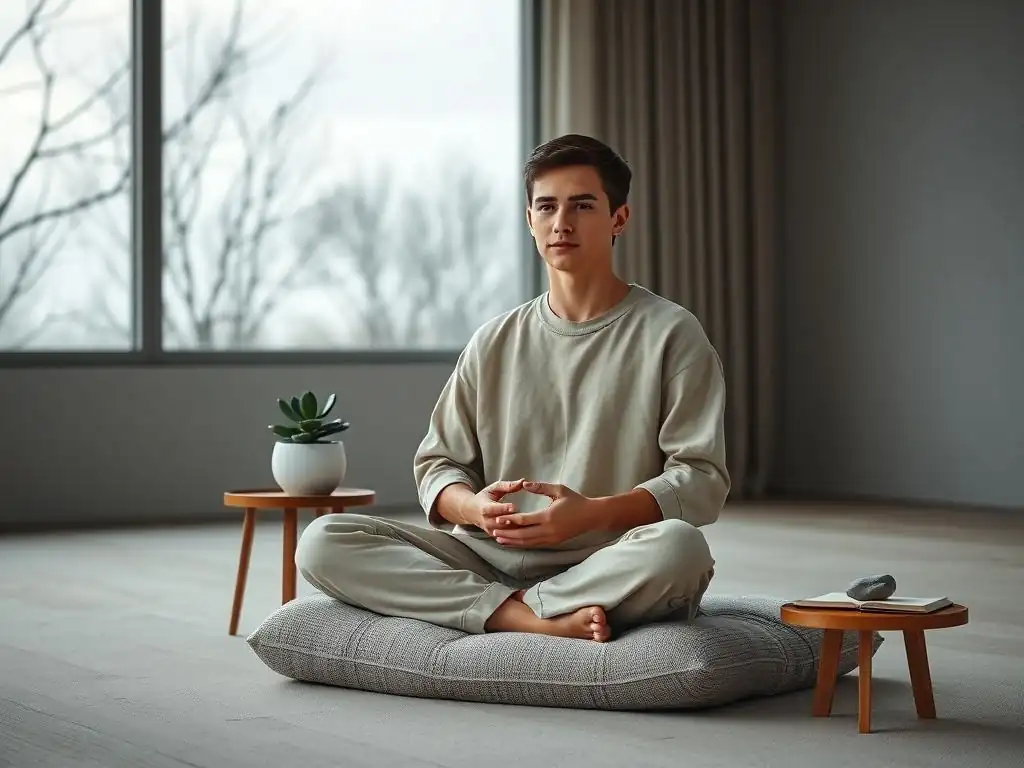
Dealing with Distractions During Meditation: Maintaining Focus
A common frustration for students new to mindfulness is the feeling that they "can't clear their mind" or are constantly distracted by thoughts. It's crucial to understand that the goal of mindfulness is not to stop thinking, but to become aware of thinking and learn to relate to thoughts differently. Distraction is a normal part of the process.
When distractions arise – whether thoughts, sounds, or physical sensations – the practice is simply to notice them without judgment and gently guide your attention back to your chosen anchor, like the breath. Think of it like training a puppy: when it wanders off, you gently bring it back, not scold it. Each time you notice your mind wandering and redirect it, you are strengthening your ability to focus, which is a core benefit of mindfulness for student anxiety.
Making Time for Mindfulness: Integrating it into a Busy Schedule
Students often feel overwhelmed by their packed schedules, believing they don't have time for mindfulness. However, even a few minutes a day can make a difference. The key is to integrate it into existing routines or find small pockets of time. This might mean waking up 5 minutes earlier, using the commute to practice mindful breathing, or incorporating a short mindful walk between classes.
Another strategy is to link mindfulness practice to an activity you already do, like brushing your teeth mindfully or eating one meal mindfully. Scheduling mindfulness like any other important appointment can also help ensure it happens. Remind yourself that this isn't another chore, but an investment in your well-being and academic performance, ultimately potentially saving you time and energy by reducing stress.
Addressing Common Misconceptions about Mindfulness: Separating Fact from Fiction
There are several misconceptions about mindfulness that can prevent students from trying or sticking with the practice. One is that it's a religious or spiritual practice; while it has roots in contemplative traditions, modern mindfulness is taught secularly as a mental training technique. Another is that you need to be "good" at it or achieve a state of complete emptiness; mindfulness is a practice, not a destination, and simply showing up is the goal.
Some students might think mindfulness is passive or a form of avoidance. In reality, it's an active process of engaging with the present moment, including uncomfortable feelings. It doesn't make challenges disappear, but it helps students develop the capacity to face them with greater clarity and resilience. Understanding what mindfulness is and isn't can help students approach it with realistic expectations and benefit fully from its potential to reduce student stress and anxiety.
Long-Term Benefits of Mindfulness for Students: Beyond Stress Relief
Improved Emotional Regulation: Managing Emotions Effectively
One of the profound long-term benefits of mindfulness for students is improved emotional regulation. By practicing observing their thoughts and feelings without judgment, students become less reactive to intense emotions like anger, frustration, or sadness. They learn to recognize these emotions as temporary states, rather than being consumed by them.
This increased ability to manage emotions means students can navigate challenging situations – such as receiving a poor grade, dealing with interpersonal conflicts, or coping with academic pressure – with more composure and less emotional distress. They develop the capacity to respond thoughtfully rather than react impulsively, leading to healthier coping mechanisms and improved mental well-being.
Increased Self-Awareness: Understanding Thoughts and Feelings
Mindfulness cultivates a deeper understanding of one's internal landscape. Through regular practice, students become more aware of their habitual thought patterns, emotional triggers, and physical sensations. They start to notice the connection between their thoughts, feelings, and behaviors. For example, a student might realize that worrying about an assignment consistently leads to procrastination.
This heightened self-awareness is empowering. It allows students to identify unhelpful patterns and make conscious choices to change them. Understanding their own reactions and tendencies is crucial for personal growth, making better decisions, and building a strong sense of self, which is particularly important during the formative years of student life.
Enhanced Resilience: Bouncing Back from Setbacks
Student life is full of challenges, rejections, and setbacks, from failing an exam to not getting into a desired program. Mindfulness helps students develop resilience – the capacity to recover quickly from difficulties. By learning to observe difficult experiences and emotions without being overwhelmed, students can process challenges more effectively.
Mindfulness teaches that suffering often comes not just from the difficult event itself, but from our resistance to it. By accepting the present moment, even when it's uncomfortable, students can move through difficulties with greater ease and less prolonged distress. This enhanced resilience is a vital skill that serves students not only during their academic years but throughout their entire lives.
Conclusion: Empowering Students with Mindfulness for a Healthier Future
The Power of Mindfulness in Student Mental Health
The demands placed upon students today are significant, leading to concerning levels of stress and anxiety. Mindfulness offers accessible, evidence-based techniques that empower students to navigate these challenges effectively. By incorporating simple practices like mindful breathing, body scans, and mindful walking into their daily lives, students can significantly reduce stress, improve focus, and cultivate a greater sense of calm and well-being.
Mindfulness for student anxiety is not a cure-all, but it is a powerful tool that provides students with agency over their internal experience. It equips them with skills to manage difficult emotions, enhance their concentration for academic success, and build resilience for future challenges. Embracing mindfulness is an investment in their mental health and overall capacity to thrive during their educational journey and beyond.
Resources for Students Seeking Mindfulness Support: University Counseling Services, The Jed Foundation, MentalHealth.gov
Students seeking further support for stress, anxiety, or mental health challenges, including exploring mindfulness more deeply, have several resources available. University and college counseling services are excellent on-campus resources offering therapy, workshops, and often access to mental wellness apps. Organizations like The Jed Foundation focus on protecting emotional health and preventing suicide among teens and young adults, offering valuable information and programs.
Additionally, national resources like MentalHealth.gov provide broad information on mental health topics and links to support services. Exploring these resources can provide students with professional guidance, community support, and further tools to enhance their mental well-being and effectively manage student stress and anxiety through mindfulness and other strategies.
Frequently Asked Questions
What is mindfulness, and how can it help students with anxiety?
Mindfulness is a mental state achieved by focusing on the present moment, accepting thoughts and feelings without judgment. It can help students by reducing overthinking and promoting emotional regulation, both crucial for managing anxiety.
How much time should students dedicate to mindfulness exercises each day to see benefits?
Even short periods of mindfulness can be effective. Aim for just 5-10 minutes daily to start. Consistency is key; even a few minutes of focused breathing can make a difference.
What are some easy mindfulness techniques students can practice anywhere, anytime?
Simple techniques include mindful breathing (focusing on the breath), body scan meditation (noticing sensations in the body), and mindful walking (paying attention to each step). These can be done discreetly in class or during breaks.
Is mindfulness a replacement for traditional therapy or medication for student anxiety?
No, mindfulness is generally considered a complementary practice, not a replacement. It can be a helpful tool alongside therapy or medication, but professional help should be sought for severe anxiety.
Where can students find additional resources and support for learning and practicing mindfulness?
Mind Care Guide offers articles, guided meditations, and links to other mental health resources. Many universities also provide mindfulness workshops and counseling services for students.
Final Reflection: Cultivating Calm Amidst the Chaos
The relentless pressure faced by students today—academic demands, social expectations, and the ever-present digital world—creates a breeding ground for stress and anxiety. This isn't just a fleeting feeling; it's a pervasive issue impacting mental health and academic performance on a massive scale. The simple mindfulness techniques explored in this article offer a powerful antidote, a readily accessible path towards reclaiming inner peace and enhancing overall well-being.
The impact of mindfulness extends far beyond the individual. By fostering self-awareness and emotional regulation, we cultivate a more compassionate and resilient student body. This ripple effect influences not only academic success but also contributes to a healthier and more supportive learning environment. As the Dalai Lama wisely stated, The time to repair the roof is when the sun is shining.
Integrating mindfulness practices now equips students with the tools to navigate future challenges with greater ease and grace, building a foundation for lasting mental well-being.
Now, consider how you can integrate even one of these mindfulness techniques into your daily routine. Perhaps it's a few minutes of deep breathing before an exam, a mindful walk during a study break, or simply pausing to appreciate the present moment. You don't need hours; you only need intention. Start small, be consistent, and witness the transformative power of mindfulness unfold in your life. Embrace the journey towards a calmer, more focused, and ultimately, more fulfilling student experience.
Unlock Your Calm: Start Practicing Mindfulness Today!
Thanks for taking the time to explore simple mindfulness techniques! We hope you gained valuable tools to manage stress and anxiety. Ready to put your newfound knowledge into practice?
- Prioritize one mindfulness exercise from the article: Choose the technique that resonates most with you and commit to practicing it for just 5 minutes each day this week. Even small steps make a big difference!
- Share this article with a friend or classmate: Mindfulness is more powerful when shared. Let's build a community of calm together!
- Explore a guided meditation: Search online for free guided meditations specifically designed for students – they can deepen your practice and provide focused relaxation.
What small act of self-care will you incorporate into your daily routine today?