
Navigating Social Waters: Mindfulness for Middle Schoolers Managing Peer Pressure

Welcome to Mind Care Guide, your sanctuary for mental well-being.
Feeling overwhelmed by the social pressures of middle school? You're not alone. This guide offers a gentle introduction to mindfulness for middle schoolers, a powerful tool for navigating peer pressure and finding your inner calm. Curious to discover how a few simple techniques can help you (or a young person you care about) build resilience and confidence? Let's explore the path to a more mindful and balanced life, starting now...
- Navigating Social Waters: Mindfulness for Middle Schoolers Managing Peer Pressure
- The Power of Mindfulness for Middle Schoolers
- Mindfulness Techniques for Handling Peer Pressure
- Practical Strategies: Applying Mindfulness in Social Situations
- Building a Mindfulness Practice for Middle Schoolers
- Overcoming Challenges to Mindfulness Practice
- Long-Term Benefits of Mindfulness for Middle Schoolers' Social Well-being
- Resources for Mindfulness and Peer Pressure Support
-
Frequently Asked Questions
- How can mindfulness help middle schoolers deal with peer pressure?
- What specific mindfulness exercises are suitable for middle school students?
- What are the benefits of teaching mindfulness to middle schoolers beyond managing peer pressure?
- How can parents and educators introduce mindfulness to middle school students in a way that is engaging and effective?
- Where can I find additional resources and support for implementing mindfulness programs for middle schoolers?
- Final Reflection: Cultivating Inner Peace Amidst the Storm of Middle School
- Unleash Your Inner Compass: Navigate Social Situations with Confidence
Peer pressure refers to the influence exerted by members of one's peer group, often encouraging individuals to change their attitudes, values, or behaviors to conform to the group's norms. In middle school, this influence can manifest in various ways, from subtle cues about clothing styles or music preferences to more overt pressure regarding academic effort, substance experimentation, or social activities. It's a powerful social dynamic rooted in the natural human desire for acceptance and belonging, which is particularly strong during early adolescence.
This pressure isn't always negative; positive peer influence can encourage healthy habits or academic engagement. However, the focus is often on the negative aspects where peers pressure someone into actions they might otherwise avoid, potentially leading to discomfort, stress, or engagement in risky behaviors. Understanding this dynamic is the first step for mindfulness for middle schoolers as they learn to recognize external influences versus their internal values.
The Impact of Peer Pressure on Middle School Students' Mental Health
The constant negotiation of peer expectations can significantly impact the mental well-being of young adolescents. Studies and anecdotal evidence suggest that navigating peer pressure is a major source of stress and anxiety for middle schoolers. Fear of rejection or exclusion can lead to chronic worry, difficulty sleeping, and even physical symptoms like headaches or stomachaches. This pressure can also erode self-esteem, particularly when a student feels they don't measure up to perceived group standards or when they conform against their better judgment, leading to feelings of guilt or inauthenticity.
Furthermore, succumbing to negative peer pressure, such as engaging in substance use or bullying, can have severe long-term consequences for mental health and development. Conversely, resisting negative pressure can be isolating, also impacting a student's social and emotional health. Teaching mindfulness for middle schoolers provides them with tools to navigate these complex social landscapes more effectively, fostering resilience and protecting their mental health. Research indicates that stress levels in adolescents often peak during these transitional years, making coping mechanisms like mindfulness vital.
Recognizing the Signs of Peer Pressure in Adolescents
Identifying when a middle schooler is struggling with peer pressure can be challenging, as adolescents naturally seek more independence and privacy. However, certain behavioral changes can be indicators. These might include sudden shifts in friends, interests, or style of dress that seem out of character or are accompanied by increased secrecy. A student might show a decline in academic performance, withdrawal from family activities, or express negative feelings about themselves or their friends.
Other signs could involve increased anxiety or nervousness, particularly before social events, or observable discomfort when discussing certain friends or activities. They might start using new slang or language that seems forced, or they could show changes in eating or sleeping patterns. Parents and educators should look for clusters of these signs and approach the situation with empathy and open communication, creating a safe space for the student to share their experiences. Understanding these signs is crucial before introducing supportive strategies like mindfulness for middle schoolers.
The Power of Mindfulness for Middle Schoolers
Mindfulness Defined: A Tool for Emotional Regulation
Mindfulness is the practice of intentionally bringing one's attention to the present moment without judgment. It involves observing thoughts, feelings, bodily sensations, and the surrounding environment with acceptance. For middle schoolers, who are often caught up in worrying about the future (social events, tests) or dwelling on the past (social mistakes, embarrassing moments), mindfulness offers a valuable anchor in the here and now. It's not about clearing the mind but about noticing what is happening as it is.
This practice is a powerful tool for emotional regulation because it creates space between a feeling or thought and a reaction. Instead of being immediately overwhelmed by anxiety about fitting in or anger at perceived exclusion, a mindful middle schooler can observe these emotions without being consumed by them. This pause allows for a more considered response rather than an impulsive or reactive one driven by peer pressure. Learning this skill is a core benefit of teaching mindfulness for middle schoolers.
How Mindfulness Helps Middle Schoolers Cope with Stress and Anxiety
Middle school is often a period of heightened stress due to academic demands, physical changes, and intense social dynamics. Mindfulness provides adolescents with practical techniques to manage the physiological and psychological responses to stress and anxiety. By focusing on breathing or bodily sensations, students can interrupt the stress response cycle (fight-or-flight) and activate the body's relaxation response. This can help lower heart rate, reduce muscle tension, and calm racing thoughts.
Regular mindfulness practice builds resilience, enabling middle schoolers to bounce back more effectively from stressful social interactions or academic pressures. It helps them develop a greater tolerance for discomfort and uncertainty, common feelings when navigating peer relationships. For instance, a student faced with a difficult social decision can use a brief mindful moment to reduce immediate anxiety and think more clearly. This capacity to manage stress is a key outcome of incorporating mindfulness for middle schoolers into their lives.
Beyond stress reduction, mindfulness offers specific advantages for adolescents dealing with social challenges like peer pressure. It enhances self-awareness, helping students understand their own values, feelings, and boundaries, making it easier to identify when external pressure conflicts with their internal compass. Improved self-awareness also allows them to recognize their automatic reactions to social situations and choose more constructive responses.
Mindfulness also cultivates empathy and understanding towards others, which can improve social interactions and reduce conflict. By learning to observe their own thoughts and emotions without judgment, middle schoolers can become less reactive to the actions or words of peers. This practice supports the development of healthy relationships based on mutual respect rather than conformity driven by fear. These benefits underscore why promoting mindfulness for middle schoolers is so valuable for their social and emotional development.
Mindfulness Techniques for Handling Peer Pressure
Mindful Breathing Exercises for Middle School Students
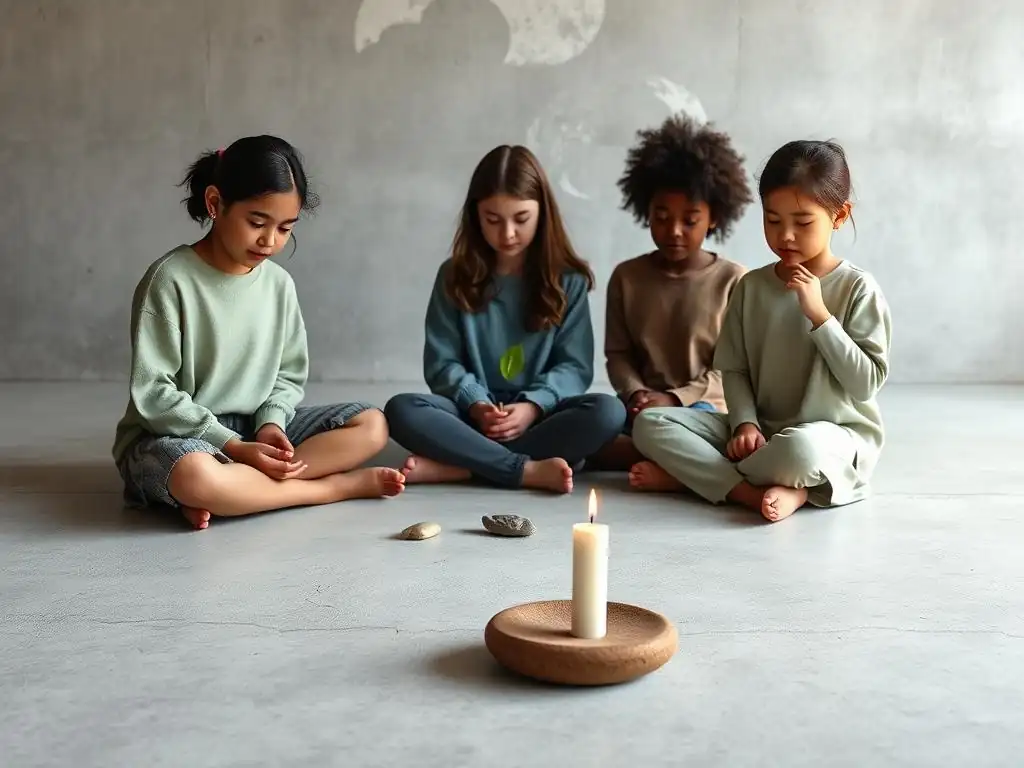
Simple mindful breathing is one of the most accessible techniques for middle schoolers. It involves focusing attention entirely on the sensation of the breath entering and leaving the body. Students can practice this anytime, anywhere – before entering a crowded hallway, during a tense conversation, or when feeling anxious about a social event. A common exercise is "4-7-8 breathing," where you inhale for a count of four, hold for seven, and exhale for eight.
Another technique is "balloon breathing," where students visualize their belly expanding like a balloon on the inhale and deflating on the exhale. Practicing mindful breathing for just a few minutes daily can build a foundation of calm that students can access when faced with peer pressure. It provides an immediate tool to pause, ground themselves, and create space before reacting to a difficult situation. Teaching these specific techniques is a practical application of mindfulness for middle schoolers.
Body Scan Meditation for Increased Self-Awareness
A body scan meditation involves systematically bringing attention to different parts of the body, noticing any sensations without trying to change them. This practice helps middle schoolers become more attuned to their physical state and how emotions manifest in the body (e.g., tension in the shoulders, butterflies in the stomach when nervous). Increased body awareness can help them recognize early signs of stress or discomfort related to social situations or peer pressure.
For instance, a student might notice their jaw clenching when a friend suggests skipping class. The body scan helps them become aware of this physical signal, prompting them to pause and consider why they feel tense before automatically agreeing or disagreeing. Regular body scans, even short 5-10 minute versions, can enhance overall self-awareness, a critical component in navigating social challenges authentically. This self-attunement is a significant benefit of practicing mindfulness for middle schoolers.
Mindful Walking: A Simple Exercise for Stress Reduction
Mindful walking integrates mindfulness into physical activity, making it a great technique for active middle schoolers. Instead of rushing from one place to another, mindful walking involves paying attention to the sensations of walking: the feeling of the feet hitting the ground, the movement of the legs, the rhythm of the breath, and the sights and sounds of the environment. This can be practiced during a walk to school, between classes, or during a break.
This practice can help students clear their heads, reduce stress, and return to the present moment when feeling overwhelmed by social concerns or pressures. It provides a mobile form of mindfulness that is accessible outside of a seated meditation. A 10-minute mindful walk can shift a student's perspective and calm their nervous system, offering a healthy alternative to dwelling on social anxieties. Incorporating movement makes mindfulness for middle schoolers more engaging for some students.
While not a traditional mindfulness technique focused solely on the present moment, gratitude practice is often integrated into mindfulness programs because it helps shift perspective and foster positive emotions. For middle schoolers preoccupied with social comparisons and the pressure to have certain things or fit a certain image, focusing on gratitude can be incredibly grounding. It involves intentionally noticing and appreciating the good things, no matter how small, in their lives.
This could be writing down three things they are grateful for each day, thinking about things they appreciate before bed, or simply taking a moment to feel thankful for a kind word from a teacher or a sunny day. By actively focusing on the positive aspects of their lives, students can reduce the mental space occupied by anxieties about fitting in or perceived social deficiencies. Cultivating gratitude is a powerful way to build resilience and perspective, complementing other mindfulness for middle schoolers techniques.
Responding Mindfully to Invitations to Vape
Middle schoolers often face pressure regarding substance use, with vaping being a prevalent concern. A mindful approach to such a situation involves pausing before reacting. Instead of an automatic "yes" driven by a desire to fit in or a panicked "no" driven by fear, a student can take a mindful breath. This pause allows them to connect with their internal feelings and values rather than acting solely on external pressure.
They can then mindfully assess the situation: How does this feel in my body? What are my genuine feelings about this? Does this align with what I value for myself? This internal check, facilitated by mindfulness, empowers them to make a decision based on self-awareness and personal integrity, rather than simply conforming. Practicing mindfulness for middle schoolers in hypothetical scenarios can prepare them for real-life pressure moments.
Setting Healthy Boundaries with Mindfulness Techniques
Mindfulness helps middle schoolers become aware of their emotional and physical boundaries. When feeling pressured to do something they're uncomfortable with, a mindful student can notice the internal cues – the feeling of unease, the racing heart, the intuitive sense that something isn't right. Acknowledging these sensations without judgment is the first step in honoring their boundaries.
Using mindful communication, they can then assert their boundaries clearly and respectfully. This doesn't necessarily mean a confrontational "no." It could be a calm statement like, "Thanks for inviting me, but I'm not comfortable with that," or "I think I'll sit this one out." The key is that the response comes from a place of self-awareness and self-respect cultivated through mindfulness, rather than a reactive or apologetic stance driven by fear of disappointing peers. This skill is essential for applying mindfulness for middle schoolers in daily interactions.
Developing Assertiveness Skills Through Mindful Communication
Assertiveness is the ability to express one's thoughts, feelings, and needs in a clear, honest, and respectful way. Mindfulness supports assertiveness by increasing self-awareness (knowing what you think and feel) and emotional regulation (staying calm and centered while expressing yourself). When a middle schooler is mindful, they are less likely to become overly aggressive (reacting from anger) or passive (silencing their needs to avoid conflict) when faced with peer pressure.
Mindful communication involves speaking attentively, listening carefully, and responding thoughtfully. For example, if a group is making fun of someone, a mindful student might notice their discomfort (self-awareness), take a breath (emotional regulation), and then calmly state, "Hey, I don't think that's fair," or "I'm not really comfortable with this kind of talk" (assertiveness). This ability to respond from a place of inner strength is a direct benefit of incorporating mindfulness for middle schoolers into their social development.
Building a Mindfulness Practice for Middle Schoolers
Creating a Daily Mindfulness Routine
Consistency is key to reaping the benefits of mindfulness. Building a daily routine doesn't have to be complicated; even 5-10 minutes a day can make a difference for middle schoolers. This could involve starting the day with a few minutes of mindful breathing, taking a mindful walk during a school break, or doing a short body scan before bed. The most effective routine is one that fits realistically into their schedule and feels sustainable.
Encouraging students to choose a time that works best for them increases the likelihood they'll stick with it. Linking mindfulness to existing activities, like brushing teeth or waiting for the bus, can also help establish the habit. The goal is not perfection but consistent effort. Establishing this routine is foundational for maximizing the impact of mindfulness for middle schoolers.
Tips for Staying Consistent with Mindfulness Practice
Staying consistent can be challenging for anyone, especially busy middle schoolers. Here are a few tips:
- Start Small: Begin with just 1-2 minutes if 5 feels too long.
- Use Reminders: Set a phone alarm or leave a visual cue (like a sticky note) in a noticeable spot.
- Find an Anchor: Choose a consistent time or activity (e.g., "I'll practice right after I finish my homework").
- Make it Enjoyable: Explore different techniques (breathing, walking, guided meditations) to find what resonates.
- Track Progress: Use a simple chart or app to mark off days they practice, providing a sense of accomplishment.
- Practice with a Friend or Family Member: Doing it together can provide motivation and accountability.
Emphasizing that it's okay to miss a day and simply pick up again the next is crucial. The practice is about non-judgment, even towards one's own consistency. These strategies support the long-term adoption of mindfulness for middle schoolers.
Incorporating Mindfulness into the Classroom: Examples for Teachers
Teachers can play a significant role in introducing and supporting mindfulness for middle schoolers. Simple practices can be integrated into the school day without taking up much time.
- Start of Class: Begin with 1-2 minutes of quiet, mindful breathing to help students transition and focus.
- Mindful Listening: Ask students to close their eyes briefly and listen mindfully to sounds inside and outside the classroom.
- Mindful Transitions: Encourage students to walk mindfully between classes or during breaks.
- Mindful Eating (Lunchtime): Briefly guide students to notice the look, smell, and taste of their food before eating.
- Stressful Moments: Lead a quick breathing exercise before a test or presentation.
- Mindful Movement Breaks: Incorporate short periods of mindful stretching or movement.
Integrating mindfulness into the classroom environment normalizes the practice and provides students with opportunities to use it in a familiar, supportive setting, reinforcing the skills learned as part of mindfulness for middle schoolers.
Overcoming Challenges to Mindfulness Practice
Addressing Common Obstacles to Mindfulness for Teens
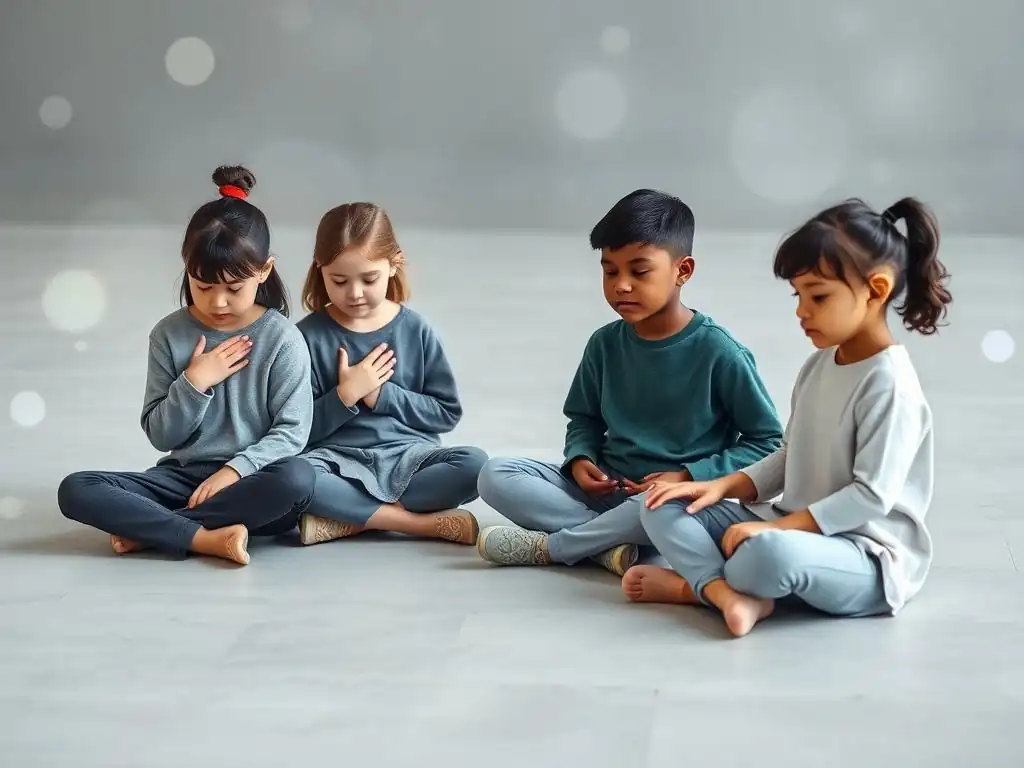
Middle schoolers face unique obstacles when trying to practice mindfulness. They might feel awkward or self-conscious, especially in group settings. They may struggle with the expectation that their mind should be "empty" and get discouraged when thoughts arise. Distraction is also a major challenge in a world filled with screens and constant stimulation.
It's important to normalize these challenges. Explain that the mind is meant to think and that mindfulness is simply noticing the thoughts without getting carried away by them. Reassure them that there's no "right" or "wrong" way to do it and that consistency is more important than achieving a perfect state of calm. Providing options for solitary practice versus guided group sessions can also help address self-consciousness. These conversations are vital when teaching mindfulness for middle schoolers.
Dealing with Distractions During Mindfulness Exercises
Distraction is perhaps the most common obstacle. When a middle schooler's mind wanders during a mindfulness exercise – thinking about social media, homework, or a friend – it's not a failure. The practice is in noticing that the mind has wandered and gently bringing the attention back to the chosen anchor (breath, body, sound).
Encourage students to treat their wandering thoughts with curiosity and kindness, like clouds floating by. They can even label the distraction ("thinking," "planning," "worrying") before returning to the present moment. The act of noticing and returning is the core skill being built. Short practice sessions (even 60 seconds) can be less daunting for easily distracted minds. Helping them navigate distractions is key to successful mindfulness for middle schoolers.
Seeking Support: Connecting with Mindfulness Resources
Middle schoolers don't have to navigate mindfulness practice or peer pressure alone. Encourage them to talk to a trusted adult – a parent, teacher, school counselor, or coach – about the challenges they are facing. These adults can offer guidance, support, and connect them with appropriate resources.
School counselors, in particular, are equipped to help students develop coping strategies for peer pressure and can often incorporate mindfulness techniques into individual or group sessions. Knowing where to turn for help is crucial. This support network complements the individual practice of mindfulness for middle schoolers, reinforcing its benefits and providing a safety net.
Improved Self-Esteem and Confidence
Regular mindfulness practice helps middle schoolers build a stronger sense of self. By spending time observing their thoughts and feelings without judgment, they learn to accept themselves as they are, flaws and all. This self-acceptance is the foundation of healthy self-esteem. As they become more aware of their internal values and less driven by external validation from peers, their confidence in their own choices and identity grows.
This improved self-esteem makes them less vulnerable to negative peer pressure, as their sense of worth is less dependent on fitting in. They feel more secure in expressing their individuality and making decisions that align with their well-being, even if those decisions differ from their friends'. This boost in confidence is a significant long-term outcome of practicing mindfulness for middle schoolers.
Enhanced Emotional Intelligence and Empathy
Mindfulness cultivates emotional intelligence – the ability to understand and manage one's own emotions and recognize and influence the emotions of others. By practicing observing their internal state, middle schoolers become more skilled at identifying their feelings in real-time. This allows them to respond to emotions constructively rather than being overwhelmed by them.
Furthermore, mindfulness practice often extends to observing others with greater presence and non-judgment. This can naturally lead to increased empathy, as students become better at understanding different perspectives and feelings. Enhanced emotional intelligence and empathy improve social interactions, reduce conflict, and help students build more meaningful and supportive friendships, vital for navigating the social dynamics of middle school. These skills are key benefits of integrating mindfulness for middle schoolers.
Paradoxically, while mindfulness is often practiced individually, it can significantly enhance social connections. By reducing anxiety and improving self-esteem, mindfulness makes middle schoolers more comfortable being themselves around others. This authenticity can attract genuine friendships based on mutual respect and understanding, rather than superficial connections based on conformity.
Improved communication skills, reduced reactivity, and increased empathy fostered by mindfulness also contribute to healthier relationship dynamics. Students become better listeners and more supportive friends. They are also better equipped to navigate disagreements or conflicts constructively. Ultimately, the skills gained from mindfulness for middle schoolers help them build a foundation for stronger, more resilient social connections that can last beyond their adolescent years.
Resources for Mindfulness and Peer Pressure Support
Books and Websites for Middle Schoolers and Parents
Numerous resources are available to support both middle schoolers learning mindfulness and parents seeking to understand and help their children navigate peer pressure. Books specifically written for this age group often use relatable language and examples, sometimes incorporating short exercises or stories. Websites from reputable mental health organizations or educational bodies frequently offer articles, tips, and guides on both topics.
Parents can find resources that explain adolescent development, common peer pressure scenarios, and how to talk to their teens effectively. Resources might also include strategies for parents to model mindful behavior or create a supportive home environment. Exploring these resources together can be a bonding experience and reinforce the importance of mindfulness for middle schoolers.
Mindfulness Apps and Guided Meditations for Teens
Technology can be a valuable tool for mindfulness practice. Many mindfulness apps are designed specifically for teens, featuring guided meditations, body scans, and breathing exercises tailored to their experiences and attention spans. These apps often include features like progress tracking, reminder notifications, and calming sounds or music.
Guided meditations can be particularly helpful for beginners, providing structure and instruction. Many free or subscription-based apps offer a variety of content, allowing students to explore different styles and lengths of practice to find what suits them best. Using these accessible digital tools can make practicing mindfulness for middle schoolers convenient and engaging.
Local Mindfulness Programs and Workshops
Many communities offer local programs or workshops focused on mindfulness, sometimes specifically for adolescents or families. These programs can provide in-person instruction, group support, and a deeper dive into mindfulness principles and practices. Schools, community centers, yoga studios, or mental health clinics might host such programs.
Participating in a local workshop can offer a different learning experience than using an app or book, providing direct interaction with instructors and peers. Group settings can also help normalize the practice and build a sense of community around mindfulness. Checking local resources for programs tailored to their age group can offer valuable hands-on support for mindfulness for middle schoolers.
Frequently Asked Questions
How can mindfulness help middle schoolers deal with peer pressure?
Mindfulness techniques can help middle schoolers become more aware of their thoughts and feelings in the moment, allowing them to respond to peer pressure with greater intention rather than reacting impulsively. This awareness also fosters self-compassion.
What specific mindfulness exercises are suitable for middle school students?
Simple exercises like mindful breathing, body scans, and mindful listening are effective. These practices help students focus their attention and develop a sense of calm, which is especially helpful in stressful social situations.
What are the benefits of teaching mindfulness to middle schoolers beyond managing peer pressure?
Mindfulness can improve focus, reduce anxiety, enhance emotional regulation, and promote overall mental well-being. These skills are beneficial for academic performance and building healthy relationships, contributing to a more positive school experience.
How can parents and educators introduce mindfulness to middle school students in a way that is engaging and effective?
Make it fun and relatable! Use age-appropriate language, incorporate games and activities, and lead by example by practicing mindfulness yourself. Also, creating a supportive environment is crucial for success.
Where can I find additional resources and support for implementing mindfulness programs for middle schoolers?
Websites like Mind Care Guide, as well as organizations dedicated to youth mental health, offer valuable information and resources. Look for evidence-based programs and seek guidance from mental health professionals.
Final Reflection: Cultivating Inner Peace Amidst the Storm of Middle School
The relentless pressure cooker of middle school demands a new kind of resilience, and mindfulness offers a powerful antidote. Navigating the complex social landscape of adolescence requires more than just good grades; it necessitates emotional intelligence and the ability to manage internal stress effectively. This article explored practical mindfulness techniques specifically designed to help middle schoolers cope with the unique challenges of peer pressure, social anxiety, and the overwhelming changes of this developmental stage.
The impact of peer pressure extends far beyond the playground and into the very fabric of a young person's self-esteem and future choices. It shapes identities, influences decisions, and can even contribute to long-term mental health challenges. The ability to cultivate inner peace and self-awareness, as promoted through mindfulness practices, becomes not just a helpful skill, but a crucial life tool. The greatest glory in living lies not in never falling, but in rising every time we fall.
– Nelson Mandela. This quote perfectly encapsulates the resilience that mindfulness helps foster, allowing young people to navigate setbacks with grace and learn from their experiences.
Now, consider your own experiences, your own journey through the turbulent waters of adolescence (or your observations of young people navigating it). How can you integrate the mindfulness techniques discussed – from mindful breathing to body scans to compassionate self-talk – into your life or the lives of the young people you care about?
Take a moment to reflect on the power of presence, the importance of self-compassion, and the transformative potential of a mindful approach to navigating the challenges of middle school. This is not just about surviving; it's about thriving, building a strong foundation for a happy and healthy future.
Thanks for taking the time to explore mindful strategies for navigating the sometimes-tricky world of middle school friendships. You've gained valuable tools to handle peer pressure with grace and self-awareness. Now, let's put them into action!
- Prioritize self-care this week: Schedule even just 15 minutes daily for a mindful activity – deep breathing, journaling, or listening to calming music. This will help you stay grounded amidst social pressures.
- Share this article with a friend or family member who might also benefit from these techniques. Starting a conversation can be a powerful act of support.
- Challenge yourself to use one mindful technique from the article in a social situation this week. Observe its impact, and let us know about your experience!
What’s one small step you can take today to strengthen your inner compass and manage social situations with more ease?