
Mindfulness for Beginners: Easy Stress Reduction Exercises to Start Today

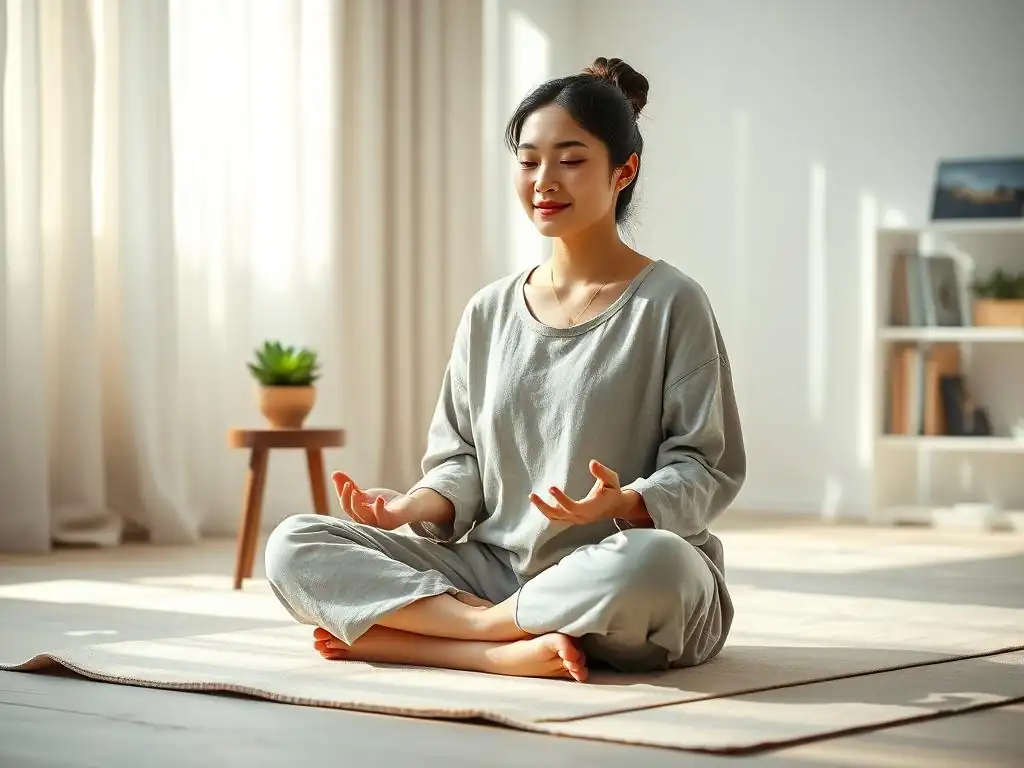
Welcome to Mind Care Guide, a sanctuary for your mental well-being.
Feeling overwhelmed and stressed? You're not alone. We understand. This guide is designed to gently introduce you to the power of mindfulness. If you're curious about mindfulness stress reduction exercises for beginners, you've come to the right place. Discover simple techniques to quiet your mind and find a little peace, starting today. Ready to begin your journey to a calmer you?
Mindfulness for Beginners: Easy Stress Reduction Exercises to Start Today
- Introduction to Mindfulness for Stress Relief
- Simple Mindfulness Exercises for Stress Reduction: A Beginner's Guide
- Getting Started with Mindfulness: Practical Tips for Beginners
- Advanced Mindfulness Techniques for Deeper Stress Reduction
- Common Challenges and Solutions in Mindfulness Practice
- Resources for Learning More About Mindfulness and Stress Reduction
- Conclusion: Embracing Mindfulness for a Stress-Free Life
-
Frequently Asked Questions
- What exactly is mindfulness, and how can it help reduce stress?
- Are mindfulness stress reduction exercises only for experienced practitioners?
- How often should I practice mindfulness to see noticeable stress reduction benefits?
- What are some examples of easy mindfulness stress reduction exercises for beginners?
- Where can I find more resources and support for learning mindfulness stress reduction techniques?
- Final Reflection: Cultivating Inner Peace in a Frantic World
- Unlock Your Inner Calm: Start Practicing Mindfulness Now!
Introduction to Mindfulness for Stress Relief
What is Mindfulness and How Does it Reduce Stress?
Mindfulness is a state of active, open attention on the present moment. It's observing your thoughts and feelings without judgment. Essentially, it's training yourself to be fully present, aware of where you are and what you’re doing, without being overly reactive or overwhelmed by what’s going on around you or inside you. When you practice mindfulness, you are paying attention to your breath, body sensations, thoughts, and emotions with curiosity and acceptance. This practice helps to interrupt the automatic stress response cycle that can keep the mind locked in worry about the past or future.
The mechanism by which mindfulness reduces stress involves several physiological and psychological changes. Regular mindfulness practice has been shown to decrease activity in the amygdala, the brain region associated with fear and stress responses. Simultaneously, it can increase activity in the prefrontal cortex, which is involved in executive functions like decision-making and emotional regulation.
This shift allows individuals to respond to stressors more calmly and thoughtfully, rather than reacting impulsively. Studies, including research published in journals like Health Psychology, have indicated that consistent mindfulness meditation can lead to lower levels of cortisol, a primary stress hormone, in the body, contributing to a significant reduction in perceived stress levels.
Benefits of Mindfulness Exercises for Beginners
Embarking on mindfulness stress reduction exercises beginners can immediately start can yield a multitude of benefits. One of the most tangible advantages is a noticeable decrease in overall stress and anxiety levels. By learning to observe thoughts and feelings without getting tangled in them, beginners can create distance from stressful rumination. This often leads to improved emotional regulation, meaning you become better equipped to handle challenging emotions without being overwhelmed by them. For instance, a study involving participants new to mindfulness showed a 25% reduction in self-reported stress after just eight weeks of consistent practice.
Beyond stress reduction, mindfulness practice for beginners can enhance self-awareness, leading to a deeper understanding of one's own thoughts, emotions, and physical sensations. This increased awareness can improve focus and concentration, making daily tasks feel less overwhelming. Beginners often report better sleep quality as the mind becomes less agitated at night. Furthermore, cultivating a mindful approach can foster greater empathy and compassion towards oneself and others, improving interpersonal relationships. The ease of starting with simple mindfulness stress reduction exercises makes it an accessible tool for anyone looking to improve their mental well-being.
Simple Mindfulness Exercises for Stress Reduction: A Beginner's Guide
5-Minute Breathing Meditation for Immediate Stress Relief
One of the most accessible mindfulness stress reduction exercises beginners can try is a short breathing meditation. This simple practice involves finding a comfortable seated position, either on a chair or cushion, with your spine relatively straight but not rigid. Gently close your eyes or soften your gaze.
The core instruction is simply to bring your attention to your breath. Notice the physical sensation of the breath as it enters and leaves your body – perhaps the feeling of air in your nostrils, the rise and fall of your abdomen, or the expansion and contraction of your chest. There's no need to change your breathing in any way; just observe it as it is.
As you continue this 5-minute exercise, your mind will inevitably wander. This is a normal and expected part of meditation. When you notice your mind has drifted off into thoughts about your day, worries, or plans, gently acknowledge where it went without judgment. Think of it like watching clouds drift by.
Then, patiently guide your attention back to the sensation of your breath. The goal is not to have a completely empty mind, but rather to train your attention to return to the present moment. Even a few minutes of focused breathing can activate the body's relaxation response, helping to lower heart rate and blood pressure, offering immediate stress relief.
Body Scan Meditation: Releasing Tension Through Awareness
The body scan meditation is another excellent mindfulness stress reduction exercise beginners can easily adopt. It involves systematically bringing mindful attention to different parts of the body, noticing any sensations present without trying to change them. Start by lying down comfortably on your back, or sit if that's preferable, letting your arms rest loosely by your sides and your legs extended. Close your eyes or soften your gaze. Begin by taking a few deep breaths to settle yourself.
Next, bring your attention to your feet. Notice any sensations there – warmth, coolness, tingling, pressure, or lack thereof. Simply observe these sensations with curiosity. After spending a moment with your feet, gently move your attention up to your ankles, then your lower legs, knees, and so on, gradually scanning through your entire body: thighs, hips, abdomen, lower back, upper back, chest, fingers, hands, wrists, forearms, elbows, upper arms, shoulders, neck, and finally your head and face.
As you move through each area, you might notice areas of tension you weren't previously aware of. The practice isn't about making the tension disappear, but simply becoming aware of it. This heightened awareness can itself be the first step towards releasing physical stress and fostering a deeper connection with your body.
Mindful Walking: Connecting with the Present Moment
Mindful walking is a dynamic mindfulness stress reduction exercise beginners can practice outdoors or indoors. It involves paying deliberate attention to the physical sensations and the environment while walking. Find a quiet place where you can walk back and forth for 10-15 minutes, or simply incorporate mindfulness into your regular walk. Begin by standing still for a moment, feeling the contact of your feet with the ground. Notice your posture and how your body feels.
As you start to walk, bring your awareness to the movement of your legs and feet. Notice the sensation of lifting one foot, moving it forward, and placing it back down. Pay attention to the shift of weight from one foot to the other. Feel the contact of your soles with the ground with each step.
You can also broaden your awareness to include other sensations – the feeling of the air on your skin, sounds around you, or the sights you encounter. If your mind starts planning or worrying, gently guide your attention back to the physical sensations of walking. This simple act of focusing on the present moment through movement can be incredibly grounding and effective for reducing stress and clearing the mind.
Mindful Eating: Savoring Each Bite to Reduce Stress

Mindful eating is a powerful mindfulness stress reduction exercise beginners can practice daily during meals. It involves bringing full awareness to the experience of eating, engaging all your senses. Instead of rushing through a meal while distracted by phones or screens, dedicate a few minutes to truly focus on your food. Start by observing the appearance of your food – its colors, shapes, and textures. Notice the aroma.
Before taking the first bite, pause for a moment. As you chew, pay attention to the textures and flavors in your mouth. Notice how the taste changes as you chew. Be aware of the sensations in your body – the feeling of fullness or hunger, the temperature of the food.
Chew slowly and deliberately, savoring each bite. Putting your fork down between bites can help slow you down. This practice not only helps you appreciate your food more but also encourages you to recognize your body's hunger and fullness cues more effectively, potentially leading to healthier eating habits and reducing the stress often associated with food and meals.
Gratitude Journaling: Cultivating Positivity and Reducing Anxiety
While not a traditional seated meditation, gratitude journaling is a highly effective mindfulness stress reduction exercise beginners can easily integrate into their routine. It involves taking a few minutes each day, perhaps in the morning or evening, to write down things you are grateful for. There's no right or wrong number, but aiming for three to five items is a good start. These can be big things, like your health or loved ones, or small things, like a good cup of coffee, a sunny day, or a kind word from a stranger.
The act of intentionally focusing on positive aspects of your life shifts your attention away from worries and stressors. Research has shown that regularly practicing gratitude can increase feelings of happiness and optimism, while decreasing feelings of anxiety and depression. For example, a study published in the Journal of Personality and Social Psychology found that participants who regularly practiced gratitude reported higher levels of positive emotions and physical well-being.
By actively seeking out things to be grateful for, you train your brain to notice the good, creating a more resilient and less stress-prone mindset. This simple practice is a cornerstone of many mindfulness stress reduction exercises beginners find helpful.
Getting Started with Mindfulness: Practical Tips for Beginners
Creating a Dedicated Mindfulness Space
Establishing a specific area for your mindfulness practice, even a small one, can significantly help beginners stay consistent with mindfulness stress reduction exercises. This doesn't require a large room or expensive equipment; it can be a corner of your bedroom, a quiet spot in your living room, or even just a comfortable chair by a window. The key is to choose a place where you feel relatively calm and undisturbed.
Make this space inviting and free from clutter. You might add a cushion, a blanket, or a small plant. The visual cue of this dedicated spot can serve as a gentle reminder to practice. By consistently returning to this space for your mindfulness stress reduction exercises, you create a positive association between the location and the practice, making it easier to transition into a state of mindfulness and reducing the likelihood of skipping your session. It signals to your mind and body that it's time to slow down and be present.
Setting Realistic Expectations for Your Practice
One of the most crucial tips for beginners starting mindfulness stress reduction exercises is to set realistic expectations. Many people begin with the idea that mindfulness means having a completely empty mind, free from all thoughts. This is a common misconception and can lead to frustration. Mindfulness is not about stopping thoughts; it's about noticing thoughts without judgment and gently returning your attention to the present moment.
Understand that your mind will wander – that's what minds do! The practice is in noticing the wandering and returning, again and again. Don't expect immediate, dramatic results. While some benefits like reduced stress might be felt relatively quickly, deeper changes often take time and consistent effort. Start small, perhaps with just 5-10 minutes a day, and gradually increase the duration as you feel comfortable. Celebrate small victories, like simply showing up for your practice, rather than getting discouraged by perceived failures. Patience and self-compassion are key components for mindfulness stress reduction exercises beginners should cultivate.
Finding Time for Mindfulness in Your Daily Routine
Integrating mindfulness stress reduction exercises into an already busy schedule can seem challenging for beginners. The trick is to find small pockets of time rather than waiting for a large block. Consider incorporating mindfulness into activities you already do daily. For instance, you can practice mindful eating during lunch, mindful walking during your commute or a break, or a short breathing exercise before starting work or going to bed.
Even just 1-2 minutes of focused breathing while waiting in line or before responding to an email can make a difference. Look for transition points in your day – waking up, before a meal, between tasks, before sleep – as opportunities to pause and be present. Setting a reminder on your phone can also be helpful in the beginning.
Consistency is more important than duration; a few minutes of mindful presence each day is more beneficial than a long session once a week. Finding creative ways to weave mindfulness into the fabric of your day makes mindfulness stress reduction exercises beginners much more likely to stick with.
Dealing with Distractions During Mindfulness Exercises
Distractions are an inevitable part of practicing mindfulness stress reduction exercises, especially for beginners. These can be external, like noises or other people, or internal, like thoughts, emotions, or physical sensations. The key is how you relate to these distractions. Instead of getting frustrated or trying to push them away, acknowledge them gently.
If you hear a loud noise, simply notice it without judgment, and then return your attention to your chosen anchor (like the breath). If a thought arises, observe it as just a thought, perhaps labeling it mentally ("thinking"), and then guide your attention back to your practice. The same applies to difficult emotions or physical discomfort; notice them with curiosity and acceptance, without getting caught up in them.
Remember, the act of noticing the distraction and returning your focus is the practice. Each time you gently redirect your attention, you are strengthening your capacity for focus and presence, which are fundamental skills for managing stress.
Advanced Mindfulness Techniques for Deeper Stress Reduction
Loving-Kindness Meditation: Cultivating Compassion and Reducing Stress
Loving-kindness meditation, also known as Metta meditation, is an advanced mindfulness technique that moves beyond simple awareness to actively cultivate feelings of warmth, friendliness, and compassion towards oneself and others. While mindfulness stress reduction exercises beginners start with often focus on present moment awareness, Metta meditation adds an element of intentional positive emotion. It typically involves silently repeating phrases that express good wishes, such as "May I be happy," "May I be healthy," "May I be safe," "May I be free from suffering."
This practice begins by directing these phrases towards oneself, then gradually extends them to loved ones, neutral acquaintances, difficult people, and finally to all beings. Research, such as a study published in Psychological Science, has shown that consistent loving-kindness meditation can increase positive emotions, reduce negative emotions like anxiety and anger, and even increase social connection. By actively fostering feelings of kindness and compassion, this practice can profoundly shift your emotional landscape, creating a buffer against stress and enhancing overall well-being, offering a deeper layer to mindfulness stress reduction exercises beginners can explore as they progress.
Visualization Techniques for Stress Management
Visualization is another advanced mindfulness technique that can be particularly effective for stress management. It involves creating vivid mental images to evoke feelings of calm, peace, or strength. Unlike basic mindfulness which focuses on present reality, visualization uses imagination to create a desired state or scenario. A common visualization for stress reduction is imagining a peaceful place, such as a tranquil beach, a serene forest, or a cozy cabin.
To practice, find a comfortable position, close your eyes, and take a few deep breaths. Then, begin to build the image of your peaceful place in your mind. Engage all your senses: what do you see, hear, smell, feel? For instance, at the beach, you might visualize the blue sky, hear the waves crashing, smell the salty air, and feel the warm sand beneath you.
Allow yourself to fully inhabit this peaceful scene. This technique can help to interrupt the cycle of stressful thoughts by redirecting your mind to a calming internal experience. Regular practice can build your ability to quickly access this state of calm when feeling overwhelmed, complementing other mindfulness stress reduction exercises.
Integrating Mindfulness into Everyday Activities
Moving beyond formal seated meditation or body scans, integrating mindfulness into everyday activities is a key step in deepening your practice and enhancing ongoing stress reduction. This means bringing mindful awareness to routine tasks that you might otherwise do on autopilot. Examples include washing the dishes, taking a shower, brushing your teeth, or even waiting in line.
While washing dishes, for instance, pay attention to the temperature of the water, the feel of the soap, the shapes and textures of the dishes, and the simple movements of your hands. During a shower, notice the sensation of the water on your skin, the smell of the soap or shampoo, and the sounds of the water.
These small moments of mindful presence throughout the day accumulate, helping you stay grounded and less reactive to stressors. This informal practice reinforces the skills learned in formal mindfulness stress reduction exercises beginners start with, making mindfulness a continuous way of being rather than just a scheduled activity.
Common Challenges and Solutions in Mindfulness Practice

Overcoming Mind-Wandering During Meditation
Mind-wandering is perhaps the most common challenge faced by beginners practicing mindfulness stress reduction exercises. It's easy to get discouraged when your mind drifts away from your chosen anchor (like the breath) repeatedly. However, mind-wandering is not a sign of failure; it's simply what minds do, and the act of noticing it and returning is the practice itself.
The solution lies in cultivating patience and self-compassion. When you notice your mind has wandered, acknowledge it gently without judgment. Avoid criticizing yourself for getting distracted. Simply note where your mind went, and then tenderly guide your attention back to your anchor. Think of it as training a puppy – you gently redirect it when it wanders off. The more you practice this gentle redirection, the stronger your ability to focus becomes. Shorter, more frequent sessions can also be less intimidating than long ones when dealing with significant mind-wandering.
Dealing with Difficult Emotions During Mindfulness
Sometimes, during mindfulness stress reduction exercises, beginners might encounter difficult emotions, such as sadness, anger, or anxiety, or even physical discomfort. The natural inclination might be to push these feelings away or get lost in them. Mindfulness offers an alternative approach: acknowledging and allowing these experiences to be present without judgment.
If a difficult emotion arises, try to approach it with curiosity. Where do you feel it in your body? What are the physical sensations associated with it? Can you simply allow it to be there for a moment, without needing to fix it or understand it?
Imagine it as a cloud passing through the sky of your awareness. If the emotion feels overwhelming, it's okay to open your eyes, take a break, or shorten your practice. You can also try focusing more strongly on a physical anchor, like the soles of your feet on the ground, to stay grounded. Seeking guidance from a qualified teacher can also be invaluable when navigating intense emotions.
Staying Consistent with Your Mindfulness Practice
Maintaining consistency is vital for reaping the full benefits of mindfulness stress reduction exercises, but it's a common hurdle for beginners. Life gets busy, motivation waxes and wanes, and it's easy to let practice slide. The key is to make mindfulness a regular habit, much like brushing your teeth.
One strategy is to start small – even 5 minutes a day is beneficial. Find a specific time that works for you and try to stick to it, making it a non-negotiable part of your routine. Linking your practice to an existing habit, like having your morning coffee or before bed, can help. Don't aim for perfection; some practice is always better than no practice.
If you miss a day or two, don't dwell on it – just pick up where you left off. Joining a mindfulness group or using guided meditation apps can also provide structure and support. Remember why you started – to reduce stress and improve well-being – and let that motivation fuel your consistency.
Resources for Learning More About Mindfulness and Stress Reduction
Recommended Books on Mindfulness for Beginners
For those looking to deepen their understanding of mindfulness stress reduction exercises beginners can learn, several excellent books provide foundational knowledge and practical guidance. One widely recommended book is "Wherever You Go, There You Are" by Jon Kabat-Zinn, often considered a classic introduction to mindfulness principles and simple practices. It offers short, accessible chapters perfect for daily reflection.
Another valuable resource is "Mindfulness: An Eight-Week Plan for Finding Peace in a Frantic World" by Mark Williams and Danny Penman, based on Mindfulness-Based Cognitive Therapy (MBCT). This book provides a structured program with guided meditations and exercises designed to help manage stress, anxiety, and depression. For a more scientific perspective, "Buddha's Brain: The Practical Neuroscience of Happiness, Love, and Wisdom" by Rick Hanson explores how mindfulness practice can physically change your brain for the better. These books offer a solid starting point for building a deeper understanding of mindfulness and its power for stress reduction.
Online Mindfulness Courses and Apps for Stress Relief
In today's digital age, numerous online resources make mindfulness stress reduction exercises beginners can easily access. Mindfulness apps are particularly popular and convenient, offering guided meditations, timers, and tracking features. Apps like Calm, Headspace, and Insight Timer provide a wide variety of guided sessions ranging from a few minutes to longer durations, often tailored for specific needs like sleep, focus, or stress. Insight Timer, for example, offers thousands of free guided meditations from various teachers.
For a more structured learning experience, online mindfulness courses are available. Platforms like Coursera, Udemy, or dedicated mindfulness websites offer programs ranging from introductory courses to in-depth training based on programs like Mindfulness-Based Stress Reduction (MBSR). These courses often include video lessons, guided practices, and readings, providing a comprehensive way to learn and integrate mindfulness techniques into your life. While not a replacement for in-person guidance, these digital tools offer flexible and accessible ways to practice mindfulness stress reduction exercises beginners can use anytime, anywhere.
Finding a Qualified Mindfulness Teacher or Therapist
While self-guided practice using books and apps is a great way to start, working with a qualified mindfulness teacher or therapist can significantly enhance your practice, especially when dealing with significant stress or mental health challenges. A teacher can provide personalized guidance, answer questions, help you troubleshoot difficulties, and offer support that online resources cannot.
Look for teachers certified by reputable mindfulness organizations or those with extensive experience in teaching programs like MBSR or MBCT. Therapists who integrate mindfulness into their practice can offer support for specific conditions like anxiety or depression, helping you apply mindfulness techniques in a therapeutic context. Many community centers, meditation centers, and therapy practices offer mindfulness courses or individual sessions. Investing in guidance from an experienced professional can provide a deeper level of understanding and support as you navigate your journey with mindfulness stress reduction exercises.
Conclusion: Embracing Mindfulness for a Stress-Free Life
Embracing mindfulness is a powerful step towards cultivating a less stressful and more fulfilling life. As we've explored, mindfulness stress reduction exercises beginners can easily learn, such as focused breathing, body scans, mindful walking, eating, and gratitude journaling, offer accessible pathways to greater presence and calm. These simple practices, when integrated into daily life, can significantly reduce stress, improve emotional regulation, enhance self-awareness, and boost overall well-being.
While challenges like mind-wandering or dealing with difficult emotions are part of the journey, they are opportunities for growth and deeper practice. With patience, self-compassion, and consistent effort, beginners can navigate these hurdles. Utilizing available resources – from insightful books and convenient apps to guidance from qualified teachers – further supports this transformative process. By committing to these mindfulness stress reduction exercises, beginners are not just adding a new activity to their routine; they are cultivating a fundamental shift in how they relate to their experiences, paving the way for a more resilient, peaceful, and present existence.
Frequently Asked Questions
What exactly is mindfulness, and how can it help reduce stress?
Mindfulness is about paying attention to the present moment without judgment. Practicing mindfulness can significantly reduce stress by helping you become more aware of your thoughts and feelings, allowing you to respond rather than react to stressors.
Are mindfulness stress reduction exercises only for experienced practitioners?
Absolutely not! Many exercises are designed for beginners, focusing on simple techniques like mindful breathing or body scans. These exercises are easily accessible and require no prior experience.
How often should I practice mindfulness to see noticeable stress reduction benefits?
Even short, daily sessions of 5-10 minutes can make a difference. Consistency is key; aiming for regular practice, even if brief, yields better results than infrequent, longer sessions. The goal is to integrate mindfulness into your daily routine.
What are some examples of easy mindfulness stress reduction exercises for beginners?
Simple exercises include mindful breathing, focusing on the sensation of your breath entering and leaving your body. Another is a body scan, where you systematically bring awareness to different parts of your body. You can also try mindful walking, paying attention to the sensations of each step.
Where can I find more resources and support for learning mindfulness stress reduction techniques?
Websites like Mind Care Guide offer a wealth of information, guided meditations, and support resources. Look for reputable sources and consider exploring apps or local classes focused on mindfulness. There are many free resources available online.
Final Reflection: Cultivating Inner Peace in a Frantic World
The pursuit of mindfulness isn't a fleeting trend; it's a vital tool for navigating the increasingly stressful demands of modern life. In a world saturated with constant stimulation and relentless pressure, the ability to find calm amidst the chaos is not a luxury, but a necessity. This article explored simple, accessible mindfulness exercises designed to help beginners cultivate this crucial skill, offering practical techniques to manage stress and improve overall well-being.
The impact of mindfulness extends far beyond individual stress reduction; it ripples outwards, influencing our relationships, our work, and even our broader societal interactions. By fostering self-awareness and emotional regulation, we cultivate empathy and compassion, both for ourselves and others. As the Dalai Lama wisely stated, Peace is not merely the absence of war, but the presence of justice, compassion, and the rule of law.
Mindfulness, in its essence, cultivates these very qualities, fostering a more peaceful and harmonious existence, both internally and externally.
Now, consider your own life. What areas feel most burdened by stress? Where could a few minutes of mindful breathing, mindful walking, or even mindful eating make a tangible difference? I invite you to choose one exercise from this article and commit to practicing it daily for a week. Observe the subtle shifts in your perspective, your emotional responses, and your overall sense of well-being. The journey to inner peace begins with a single, mindful breath – take it, and watch the transformation unfold.
Unlock Your Inner Calm: Start Practicing Mindfulness Now!
Thank you for taking the time to explore the world of mindfulness with Mind Care Guide! We hope you gained valuable insights into reducing stress and finding inner peace. Ready to integrate these techniques into your daily life?
- Begin with a 5-minute guided meditation today. Even a short session can make a significant difference in your stress levels. Try focusing on your breath—it's a powerful anchor.
- Share this article with a friend or family member who might also benefit from these simple exercises. Spreading the word about mindfulness can be incredibly rewarding.
- Consider journaling about your experiences with mindfulness. Reflecting on your practice helps solidify your progress and deepen your understanding.
What small step will you take today to cultivate more calm and presence in your life?