
Seamlessly Mindful: Weaving Awareness into Your Routine


Welcome to Mind Care Guide, a sanctuary where your mental well-being takes center stage.
Feeling overwhelmed by the daily grind? You're not alone. Discover how incorporating simple mindfulness practices can be a powerful tool for managing stress and reclaiming your inner peace. In this article, we'll explore practical techniques for mindfulness for everyday stress relief, offering a path towards a calmer, more centered you. Ready to begin weaving awareness into your routine?
Cultivating Resilience: Integrating Mindfulness for Stress Management
- Introduction: Embracing Mindfulness for Enhanced Well-being
- Core Principles of Mindfulness
- Identifying Stressors and Integrating Mindfulness Opportunities
- Practical Mindfulness Techniques for Daily Life
- Applying Mindfulness in Specific Contexts
- Addressing Challenges and Sustaining a Mindfulness Practice
- Resources for Continued Learning and Practice
- Conclusion: Embracing Mindfulness for Lasting Well-being and Resilience
-
Frequently Asked Questions
- ### What is mindfulness and how can it contribute to stress relief?
- ### How can I seamlessly incorporate mindfulness into my daily routine, even with a busy schedule?
- ### What are some practical mindfulness exercises I can try for everyday stress relief?
- ### Are there any resources or apps that can help me learn and practice mindfulness for stress relief?
- ### How long does it typically take to experience noticeable stress relief benefits from practicing mindfulness?
- Final Reflection: Weaving Mindfulness into the Tapestry of Life
- Unleash Your Inner Calm: Start Practicing Mindfulness Today
Introduction: Embracing Mindfulness for Enhanced Well-being
Understanding the Role of Mindfulness in Stress Reduction
Stress is an unavoidable part of modern life, impacting our physical and mental health in numerous ways. When we experience stress, our bodies activate the sympathetic nervous system, triggering the 'fight or flight' response. This involves the release of stress hormones like cortisol and adrenaline, increasing heart rate, blood pressure, and muscle tension. While useful in acute emergencies, chronic activation of this system due to persistent stressors can lead to exhaustion, anxiety, depression, and various physical ailments. Integrating mindfulness for everyday stress relief offers a powerful countermeasure to this chronic state.
Mindfulness works by engaging the parasympathetic nervous system, promoting a state of rest and digest. Through mindful practices, we train our attention to focus on the present moment without judgment. This shift in focus helps to interrupt the cycle of rumination about the past or worry about the future – common drivers of stress.
Regular engagement with mindfulness techniques can help to regulate the body's stress response, potentially leading to lower levels of cortisol and a more balanced physiological state over time. Research indicates that consistent mindfulness practice can lead to structural changes in the brain, such as increased gray matter density in areas associated with self-awareness, compassion, and emotion regulation, while potentially decreasing activity in the amygdala, the brain's fear center.
The Benefits of Daily Mindfulness Practice
Beyond its direct impact on stress physiology, weaving mindfulness into your daily routine yields a cascade of benefits that enhance overall well-being. A dedicated mindfulness practice for everyday stress relief can significantly improve emotional regulation. By becoming more aware of our emotions without immediately reacting, we gain the space to choose a more constructive response, rather than being overwhelmed by feelings like frustration or anger. This capacity to navigate emotions skillfully contributes to greater emotional resilience.
Furthermore, daily mindfulness enhances cognitive function. Practices that train attention, such as focused breathing or body scans, can improve concentration and working memory, making us more productive and less prone to distractions in tasks ranging from complex work projects to simple household chores.
Studies suggest that even short, consistent periods of mindfulness practice, perhaps just 10-15 minutes daily, can lead to noticeable improvements in focus and a reduction in mind-wandering. The cumulative effect of these benefits is a greater sense of calm, clarity, and control in the face of life's challenges, making mindfulness for everyday stress relief not just a technique, but a way of living that fosters enduring peace.
Core Principles of Mindfulness
Defining Mindfulness: Paying Attention with Intention
Mindfulness, at its heart, is the simple yet profound act of paying attention. It involves bringing a particular kind of awareness to the present moment, deliberately and without judgment. This definition, often attributed to Jon Kabat-Zinn, a pioneer in bringing mindfulness into mainstream healthcare through Mindfulness-Based Stress Reduction (MBSR), highlights two crucial components: attention and intention.
Attention refers to our capacity to focus on what is happening right now – the sensations in our body, the thoughts passing through our mind, the sounds around us, the taste of food, the feelings we are experiencing. It's about noticing the raw data of our experience as it unfolds.
The second component, intention, is equally vital. We choose to bring this awareness to the present moment, often with a specific purpose, such as understanding ourselves better, reducing suffering, or simply being more fully present in our lives. Crucially, this attention is cultivated with a specific attitude: non-judgment.
This means observing our experience – pleasant, unpleasant, or neutral – without labeling it as good or bad, right or wrong. It's about seeing things as they are, with curiosity and acceptance, rather than getting caught up in our reactions or evaluations. This non-judgmental awareness is fundamental to making mindfulness for everyday stress relief an accessible and compassionate practice.
Foundational Elements of Mindfulness Practice
Several foundational attitudes underpin a robust mindfulness practice, acting as guiding principles that deepen the experience and its effectiveness. These elements, often taught in mindfulness programs, create a fertile ground for cultivating awareness and resilience. Non-striving is a key principle; rather than trying to achieve a specific state or outcome, the practice is about simply being present with what is.
It's not about emptying the mind or reaching perfect calm, but about noticing the mind's natural tendency to wander and gently bringing attention back, again and again. This acceptance of the present reality, whatever it may be, is another core element.
Patience is essential, understanding that cultivating mindfulness is a gradual process, not a switch to be flipped. Progress comes from consistent effort and the willingness to start anew each time we practice. Trust in oneself and one's own experience is also important; we become the authority on our own internal landscape.
Beginner's mind encourages us to approach each moment with freshness and curiosity, as if seeing it for the first time, free from preconceived notions. Finally, letting go is crucial – the willingness to release thoughts, feelings, or sensations that we are clinging to or resisting, allowing them to be as they are and pass in their own time. Integrating these foundational elements strengthens the practice of mindfulness for everyday stress relief, making it a more gentle and sustainable path.
Addressing Misconceptions About Mindfulness
Despite its growing popularity, mindfulness is often misunderstood, leading to frustration or abandonment of the practice. One common misconception is that mindfulness is about clearing the mind or stopping thoughts altogether. This is inaccurate. The human mind naturally thinks, plans, remembers, and projects.
Mindfulness is not about achieving a blank slate but about becoming aware of this ongoing mental activity without getting swept away by it. It's about noticing thoughts as just thoughts, rather than absolute truths, and learning to observe them without judgment, gently redirecting attention when it wanders. Expecting a silent mind can make the practice feel like a failure when thoughts inevitably arise.
Another frequent misunderstanding is that mindfulness is a passive or withdrawn state, akin to checking out from life or avoiding difficult emotions. On the contrary, mindfulness is an active engagement with the present moment, requiring alertness and presence. It's about leaning into experience, including discomfort, with curiosity and courage.
It's not about suppressing emotions but about acknowledging them, understanding their transient nature, and learning to relate to them in a healthier way. Embracing the true nature of mindfulness – active, non-judgmental awareness of the present – is key to unlocking its potential as a powerful tool for mindfulness for everyday stress relief.
Identifying Stressors and Integrating Mindfulness Opportunities
Recognizing Personal Stress Triggers: A Self-Reflection
To effectively use mindfulness for everyday stress relief, the first step is often to identify what triggers stress in your own life. Stressors are highly individual and can range from major life events to subtle daily annoyances. Taking time for self-reflection is crucial in this process. You might keep a stress journal for a week or two, noting down moments when you feel tension, frustration, anxiety, or overwhelm. Alongside the feeling, jot down the specific situation, the time of day, the people involved, and your thoughts and physical sensations.
Was it a difficult conversation at work? Traffic on the commute? A looming deadline? Financial concerns? Relationship conflict?
Analyzing these notes can reveal patterns and recurring themes. You might discover that your stress consistently peaks during morning rush hour, before important meetings, when dealing with a particular task, or interacting with certain individuals. Understanding these specific triggers allows you to anticipate them and proactively apply mindfulness techniques.
For instance, if morning traffic is a major stressor, you can plan to use that time for mindful breathing or listening to a guided practice specifically designed for commutes. This self-awareness transforms you from a passive recipient of stress into an active participant in managing it, making the integration of mindfulness for everyday stress relief much more targeted and effective.
Identifying Potential Moments for Mindful Engagement
Once you've identified your stressors, the next step is to find opportunities within your existing routine to integrate mindfulness practices. This doesn't require carving out large blocks of time; even brief moments of intentional awareness can be beneficial. Look for transition points or routine activities that you currently do on autopilot. Waiting in line at the grocery store, brushing your teeth, washing dishes, walking between meetings, sitting at a red light, or simply taking a few sips of water can all become opportunities for mindful engagement.
Consider your daily schedule and pinpoint 3-5 moments where you could pause for 30 seconds to 2 minutes to simply notice your breath, observe your surroundings, or check in with your body. For example, before opening your email inbox, take three mindful breaths. While waiting for your computer to boot up, notice the sounds around you.
When eating lunch, focus on the tastes and textures of your food. These small, consistent moments build the muscle of attention and present-moment awareness, making mindfulness for everyday stress relief a seamless part of your day. The key is to start small and be consistent, gradually expanding these mindful pauses as they become more natural.
Practical Mindfulness Techniques for Daily Life
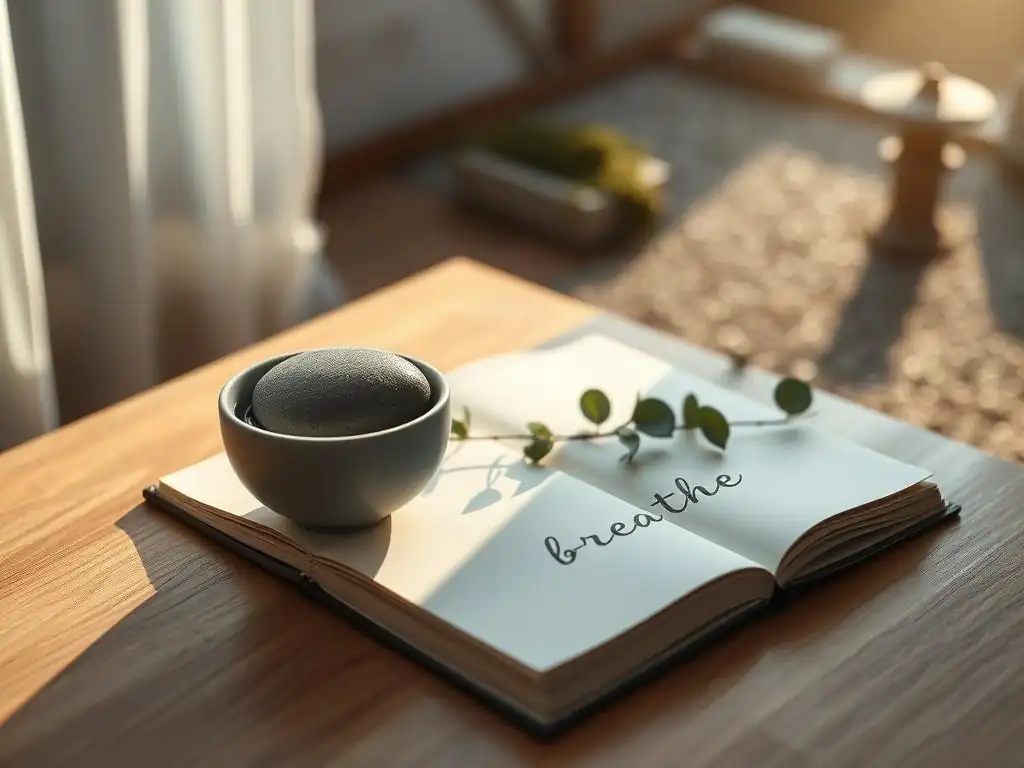
Breath Awareness Exercises for Immediate Calming
Focusing on the breath is one of the most accessible and immediate ways to practice mindfulness for everyday stress relief. Your breath is always with you and serves as a powerful anchor to the present moment. Simple breath awareness involves paying attention to the physical sensations of breathing – the rise and fall of your chest or abdomen, the feeling of air entering and leaving your nostrils or mouth, the temperature difference between the inhale and exhale. There's no need to change your breath; simply notice it as it is.
A quick and effective technique is a 3-part breath: inhale deeply, filling your belly, then your rib cage, then your chest; exhale slowly from chest, then ribs, then belly. Or try box breathing (also known as square breathing): inhale for a count of four, hold for a count of four, exhale for a count of four, hold for a count of four, then repeat.
Even just taking three conscious, deep breaths when you feel stress rising can activate the parasympathetic nervous system, helping to lower your heart rate and calm your nervous system within moments. Integrating these brief breath awareness practices throughout your day provides immediate access to mindfulness for everyday stress relief.
Body Scan Meditation: Enhancing Physical Awareness
The body scan is a foundational mindfulness practice that systematically brings attention to different parts of the body, noticing physical sensations without judgment. This technique helps to cultivate a deeper connection between mind and body, often revealing areas where tension is held unconsciously. It can be practiced lying down or sitting comfortably.
You typically begin by bringing awareness to your feet, noticing any sensations there – warmth, tingling, pressure, coolness. Then, you slowly move your attention up through your body – ankles, lower legs, knees, thighs, hips, torso, arms, neck, and head – pausing in each area to observe what you find.
The purpose isn't to feel specific sensations or to relax (though relaxation is often a pleasant side effect), but simply to notice what is present. If you encounter pain or discomfort, the practice is to acknowledge it with curiosity and acceptance, rather than trying to push it away. By regularly practicing the body scan, you become more attuned to the subtle signals your body sends, including early signs of stress or tension. This increased interoceptive awareness allows you to address stress more proactively and provides a grounding practice for integrating mindfulness for everyday stress relief.
Mindful Movement: Finding Presence in Activity
Mindfulness doesn't require sitting still. Integrating mindful movement into your routine allows you to cultivate present-moment awareness while engaging in physical activity. This could be formal practices like mindful walking, yoga, or Tai Chi, or simply bringing intentional awareness to everyday movements. When walking, for example, notice the sensation of your feet hitting the ground, the swing of your arms, the feeling of the air on your skin, the sights and sounds around you. Pay attention to the rhythm of your steps and your breath.
Even simple activities like stretching, climbing stairs, or reaching for something can become mindful moments. The key is to slow down slightly and bring conscious attention to the physical sensations involved. Mindful movement not only provides physical benefits but also helps to release stored tension and clear the mind. It offers a dynamic way to integrate mindfulness for everyday stress relief, transforming ordinary activities into opportunities for grounding and presence, and helping to break the cycle of rushing through life on autopilot.
Mindful Consumption: Paying Attention to What You Take In
Mindful consumption extends the practice of mindfulness to the things we take into our bodies and minds, particularly food, drink, and media. Mindful eating, for instance, involves paying full attention to the experience of eating. Before you begin, notice the appearance and aroma of the food.
As you eat, chew slowly and savor each bite, noticing the textures, temperatures, and flavors. Pay attention to your body's signals of hunger and fullness. Eating mindfully not only enhances the pleasure of food but can also improve digestion and help you develop a healthier relationship with eating, reducing stress related to food choices or body image.
Beyond food, mindful consumption applies to what we read, watch, and listen to. Are you scrolling through social media mindlessly, or are you intentionally choosing content that nourishes or informs you? Are you constantly seeking stimulation, or allowing moments of quiet? Being mindful of the information and stimuli we consume helps to protect our mental space and reduce overwhelm, which is a significant source of stress for many. Consciously choosing what we consume and engaging with it fully yet discerningly is an important aspect of integrating mindfulness for everyday stress relief.
Mindful Communication: Fostering Deeper Connection
Communication is a frequent source of stress and misunderstanding. Practicing mindful communication involves bringing awareness and intention to how we listen and speak. Mindful listening is about giving your full, undivided attention to the other person. This means putting away distractions (like your phone), making eye contact, and truly hearing what they are saying, without interrupting, formulating your response, or getting lost in your own thoughts. It involves listening not just to the words, but also to the tone of voice and body language, seeking to understand their perspective with empathy.
Mindful speaking involves pausing before you respond, considering your words carefully, and expressing yourself clearly and honestly, yet kindly. It's about speaking with awareness of your intention and the potential impact of your words on the other person. When conflicts arise, mindful communication helps to de-escalate tension by fostering understanding and preventing reactive or hurtful responses. By practicing mindful listening and speaking, you can improve your relationships, reduce interpersonal stress, and foster deeper, more authentic connections, contributing significantly to mindfulness for everyday stress relief in your social interactions.
Applying Mindfulness in Specific Contexts
Mindfulness in the Workplace: Promoting Productivity and Reducing Stress
The workplace is a common arena for stress, driven by deadlines, demands, and interpersonal dynamics. Integrating mindfulness into your professional life can significantly enhance focus, reduce reactivity, and improve overall job satisfaction. Even simple practices can make a difference. Before starting a challenging task, take a few mindful breaths to ground yourself. When moving between tasks, take a moment to pause and transition intentionally. Mindfulness can help you stay present during meetings, manage your workload more effectively, and navigate workplace relationships with greater ease.
Research suggests that mindfulness training in the workplace can lead to a noticeable reduction in reported stress levels among employees, sometimes by as much as 30% or more, while simultaneously boosting productivity and reducing absenteeism. For example, a study involving healthcare professionals found that an eight-week mindfulness program led to reduced burnout and improved emotional regulation. By cultivating present-moment awareness throughout the workday, you can approach challenges with greater clarity and composure, making mindfulness for everyday stress relief a vital tool for professional well-being.
Mindful Meetings and Interactions
Meetings can be draining, often characterized by distractions or unproductive exchanges. Bringing mindfulness to meetings involves being fully present from the moment you enter the room (or log into the call). Pay attention to the environment, the people present, and your own physical state. During the meeting, practice mindful listening: focus solely on the person speaking, without letting your mind wander to other tasks or formulate counter-arguments. Notice your own reactions – boredom, impatience, agreement – without judgment.
When it's your turn to speak, take a brief pause before responding. Consider your words and intention. Speak clearly and concisely. If the discussion becomes tense, notice the physical sensations of stress in your body and use your breath as an anchor. By practicing mindful interactions, you contribute to a more focused and respectful atmosphere, reduce misunderstandings, and navigate challenging conversations with greater skill, thereby applying mindfulness for everyday stress relief in a professional setting.
Mindful Email Management
The constant influx of emails can be a significant source of overwhelm and stress. Mindful email management is about approaching your inbox with intention and awareness, rather than reactivity. Instead of checking emails compulsively throughout the day, designate specific times for processing your inbox. Before opening your email client, take a moment to pause and set an intention, perhaps "I will process my emails efficiently and calmly."
As you review emails, read each one mindfully, understanding its content and required action before moving on. Avoid multitasking while reading emails. If an email triggers a strong emotional response, notice that reaction without immediately firing off a reply. Take a mindful pause, perhaps step away for a few minutes, and return to it with a clearer mind. By bringing awareness and structure to this often-stressful task, you can transform email management from a source of anxiety into a more controlled and less draining part of your workday, effectively using mindfulness for everyday stress relief in digital communication.
Mindfulness at Home: Creating a Peaceful Sanctuary
Home should ideally be a place of rest and rejuvenation, but it can also be a source of stress due to chores, family dynamics, or the pressures of daily life. Integrating mindfulness into your home environment and activities can help create a more peaceful sanctuary and improve relationships. Simple practices like mindfully preparing a meal, doing household chores with attention, or simply sitting quietly for a few minutes can ground you in the present moment and reduce feelings of overwhelm.
For instance, instead of rushing through cooking dinner, pay attention to the textures of the ingredients, the aromas as they heat, the sounds of chopping and sizzling. This transforms a routine task into a sensory experience. Similarly, dedicating a specific corner of your home for quiet reflection or a brief practice can serve as a visual reminder to pause and reconnect. By consciously weaving mindfulness into the fabric of your home life, you create a calmer atmosphere for yourself and those you live with, enhancing mindfulness for everyday stress relief within your personal space.
Mindful Household Tasks: Finding Purpose in Routine
Many household chores are seen as tedious necessities, but they can become opportunities for mindfulness practice. Washing dishes, folding laundry, sweeping the floor, or gardening can all be done with intentional awareness. When washing dishes, for example, feel the warmth of the water, the texture of the soap, the shape of the dishes in your hands. Notice the clean scent. Focus on the physical movements involved without letting your mind race ahead to the next task or dwell on frustrations.
Approaching chores mindfully helps to shift your perspective from "getting it done" to "being present while doing." This can reduce the feeling of drudgery and even cultivate a sense of accomplishment and peace in completing tasks. It's about finding purpose and presence in the mundane, demonstrating that mindfulness for everyday stress relief isn't limited to formal meditation cushions but can permeate every aspect of your day.
Mindful Relationships: Strengthening Bonds
Our relationships, particularly with those we live with, significantly impact our stress levels. Bringing mindfulness into these interactions involves being fully present with your loved ones. When having a conversation, practice mindful listening as described earlier. When spending time together, whether watching a movie or sharing a meal, try to put away distractions and simply be together, noticing the shared experience.
Mindfulness in relationships also involves being aware of your own emotional reactions during interactions, especially during disagreements. Taking a mindful pause before reacting allows you to respond thoughtfully rather than reactively. Expressing gratitude mindfully, by truly appreciating the other person and conveying it sincerely, strengthens bonds. By cultivating presence, empathy, and conscious communication within your home, you foster healthier, more resilient relationships, which is a crucial component of long-term mindfulness for everyday stress relief.
Mindfulness During Commuting: Transforming Travel Time
Commuting is frequently cited as a major source of stress, whether dealing with traffic, crowded public transport, or simply the feeling of wasted time. However, commute time can be transformed into an opportunity for mindfulness practice rather than just endured. If you drive, focus on the physical sensations of driving – your hands on the wheel, your foot on the pedal, the feeling of the seat beneath you. Pay attention to the visual field around you without getting lost in thoughts of frustration about traffic. Use red lights as opportunities for a few mindful breaths.
If you use public transport, this time offers a chance for more formal practice. You can listen to a guided meditation or simply sit and observe your breath, the sounds around you, or the sights outside the window without judgment. Avoid the urge to constantly check your phone or distract yourself. By intentionally bringing awareness to your commute, you reclaim this time from being a stressful void and turn it into a period of grounding and presence, making mindfulness for everyday stress relief a practical tool for navigating daily transitions.
Addressing Challenges and Sustaining a Mindfulness Practice

Managing Distractions and Mental Chatter
One of the most common challenges in practicing mindfulness is dealing with distractions and the constant stream of thoughts, often referred to as "mental chatter." It's crucial to understand that the mind's tendency to wander is completely normal; it's not a sign of failure in mindfulness practice. The practice isn't about stopping thoughts, but about noticing when the mind has wandered and gently bringing your attention back to your chosen anchor, whether it's the breath, bodily sensations, or the activity you are engaged in.
Think of it like training a puppy: the puppy will inevitably run off, and your job is to gently guide it back, not to scold it. Each time you notice your mind has wandered and gently redirect your attention, you are strengthening the muscle of awareness. Be patient and persistent. As you continue to practice, you may find that the gaps between thoughts lengthen, or that you become quicker at noticing the wandering. This process of recognizing and redirecting is the core work of cultivating mindfulness for everyday stress relief.
Cultivating Self-Compassion and Acceptance
Mindfulness practice can sometimes bring us face-to-face with difficult emotions, thoughts, or physical sensations. It's easy to become self-critical during these moments, judging ourselves for feeling stressed, anxious, or simply for having a wandering mind. This is where cultivating self-compassion and acceptance is vital. Self-compassion involves treating yourself with the same kindness, care, and understanding that you would offer a good friend who is struggling. It's recognizing that suffering and imperfection are part of the shared human experience.
Acceptance in mindfulness doesn't mean resignation or liking what's happening; it means acknowledging the present reality as it is, without resistance. It's saying, "Okay, this is what's happening right now," whether it's feeling stressed about a deadline or frustrated with a relationship. Resisting reality often amplifies suffering. By approaching your practice, and yourself, with self-compassion and acceptance, you create a gentler, more sustainable path for integrating mindfulness for everyday stress relief, allowing you to navigate challenges with greater resilience and less self-judgment.
Developing a Consistent Mindfulness Routine
Consistency is more important than duration when it comes to building a sustainable mindfulness practice for everyday stress relief. It's far more beneficial to practice for 5-10 minutes daily than for an hour once a week. Start small and gradually increase the time as it feels comfortable. Link your practice to an existing habit, such as before your morning coffee, after brushing your teeth, or before going to bed. This is known as 'habit stacking' and makes it easier to remember and integrate the practice.
Experiment with different times of day and different techniques (breath awareness, body scan, mindful walking) to see what resonates most with you. Schedule your practice in your calendar if necessary, treating it as an important appointment. Don't strive for perfection; some days your practice will feel easier, other days more challenging. Simply show up, be present as best you can, and acknowledge your effort. Building this consistent routine, even just a few minutes daily, lays the foundation for making mindfulness for everyday stress relief a lasting and transformative part of your life.
Resources for Continued Learning and Practice
Guided Meditations for Stress Reduction and Relaxation
For many people, starting a mindfulness practice, particularly formal meditation, is easier with guidance. Guided meditations provide instructions and prompts that help you focus your attention and navigate distractions. Numerous guided meditations are specifically designed for stress reduction and relaxation, often incorporating gentle instructions to release tension in the body or cultivate a sense of calm.
These resources can be particularly helpful when you feel overwhelmed or unsure how to begin. Listening to a calm voice leading you through a practice can make it feel less daunting and more accessible. Exploring different guides or styles can help you find what resonates best with your personal preferences and needs as you continue to integrate mindfulness for everyday stress relief.
Mindfulness Applications and Online Platforms
The digital age offers a wealth of resources to support mindfulness practice. Various applications and online platforms provide access to guided meditations, courses, talks, and tools for tracking your practice. These platforms often offer programs tailored to specific goals, such as reducing anxiety, improving sleep, or cultivating self-compassion.
While not a substitute for personal experience, these digital tools can serve as convenient companions for incorporating mindfulness into a busy life. They provide flexibility, allowing you to access practices whenever and wherever you have a few moments. Utilizing these resources can help maintain momentum and provide ongoing support in your journey towards leveraging mindfulness for everyday stress relief.
Books and Articles on Mindfulness and Meditation
For those who wish to deepen their understanding of the principles and science behind mindfulness, a vast body of literature is available. Books and articles offer insights into the history of mindfulness, its psychological and physiological effects, and practical guidance on various techniques. Reading about the experiences of others or exploring different perspectives can enrich your own practice and provide motivation.
Many authors and researchers have contributed significantly to the field, offering detailed explanations and practical exercises. Exploring these written resources can provide a deeper foundation for your practice, helping you understand why mindfulness works and how to apply its principles more broadly in your life, further solidifying your ability to use mindfulness for everyday stress relief.
Conclusion: Embracing Mindfulness for Lasting Well-being and Resilience
The Enduring Benefits of Mindfulness for Stress Management
Integrating mindfulness for everyday stress relief is not a quick fix, but a powerful, ongoing practice that cultivates resilience and enhances overall well-being over time. By consistently bringing non-judgmental awareness to the present moment, you train your mind to respond to challenges with greater calm and clarity, rather than reacting with habitual stress patterns. This practice helps to regulate the physiological stress response, potentially lowering stress hormone levels and reducing the physical toll of chronic stress.
Beyond stress reduction, the enduring benefits include improved emotional regulation, enhanced focus and cognitive function, better sleep, and stronger relationships. Mindfulness empowers you to navigate the inevitable ups and downs of life with greater presence, acceptance, and self-compassion. It shifts your relationship with stress from one of being overwhelmed to one of being able to observe and manage it skillfully, leading to a more peaceful and fulfilling life.
Continuing Your Mindfulness Journey
Cultivating mindfulness is a lifelong journey, not a destination. The key is to approach it with curiosity, patience, and self-compassion. There will be days when practice feels easy and beneficial, and days when it feels difficult or unproductive. Both are part of the process. Celebrate the small moments of presence you integrate into your day and don't be discouraged by distractions or lapses in practice. Simply acknowledge them and gently begin again.
Continue to explore different techniques and resources, find what resonates with you, and adapt your practice as your life circumstances change. By committing to the ongoing process of weaving awareness into your routine, you build a strong foundation of mindfulness for everyday stress relief, fostering lasting resilience and nurturing your mental and emotional well-being. The journey of being seamlessly mindful is one of continuous growth and deepening connection with yourself and the world around you.
Frequently Asked Questions
### What is mindfulness and how can it contribute to stress relief?
Mindfulness is the practice of paying attention to the present moment without judgment. It helps with stress relief by reducing overthinking and allowing you to respond to stressors with greater calm.
### How can I seamlessly incorporate mindfulness into my daily routine, even with a busy schedule?
Start with small, manageable moments like mindful breathing during your commute or while washing dishes. Integrating awareness into existing activities makes it easier than carving out separate time for meditation. Consistency is key to reaping the benefits.
### What are some practical mindfulness exercises I can try for everyday stress relief?
Try a body scan meditation, focusing on sensations in different parts of your body. Engage in mindful walking, paying attention to each step and your surroundings. Practice mindful eating, savoring each bite without distractions.
### Are there any resources or apps that can help me learn and practice mindfulness for stress relief?
Yes, many meditation apps like Headspace and Calm offer guided mindfulness exercises. Websites like Mind Care Guide provide educational articles and tips on incorporating mindfulness into your life. Local mindfulness workshops can also be beneficial.
### How long does it typically take to experience noticeable stress relief benefits from practicing mindfulness?
While individual results vary, many people experience initial benefits within a few weeks of regular practice. Consistent mindfulness over time leads to a greater sense of calm and resilience to stress.
Final Reflection: Weaving Mindfulness into the Tapestry of Life
The relentless pace of modern life often leaves us feeling overwhelmed, but the simple act of cultivating mindfulness offers a powerful antidote to everyday stress. This isn't about escaping reality; it's about engaging with it more fully, more consciously, and with greater compassion for ourselves and others. The techniques explored in this article – from mindful breathing to mindful movement – are not fleeting trends, but essential tools for navigating the complexities of the 21st century.
The integration of mindfulness into daily routines isn't just a personal journey; it's a societal shift. We're seeing a growing recognition of the importance of mental well-being, a move away from the relentless pursuit of productivity at all costs. This shift is vital, and it's fueled by a collective understanding that true success encompasses emotional and mental health alongside material achievements. The greatest weapon against stress is our ability to choose one thought over another.
– William James. This quote highlights the power we possess to shape our experiences through conscious awareness, a core principle of mindfulness.
Now, consider how you can weave these practices into your own life. Start small; choose one technique from the article and dedicate just five minutes a day to it. Notice the subtle shifts in your perspective, the increased awareness of your breath, your body, and your surroundings. This isn't about perfection; it's about progress. Embrace the journey, celebrate the small victories, and remember that the path to a more mindful, less stressful life begins with a single, conscious breath.
Unleash Your Inner Calm: Start Practicing Mindfulness Today
Thanks for taking the time to explore the world of mindful living! We hope you gained valuable insights into weaving awareness into your daily routine. Ready to take the next step?
- Begin with a 5-minute meditation: Even a short session can make a significant difference. Find a quiet space and focus on your breath.
- Share your mindfulness journey: Connect with others on social media using #MindCareGuide and inspire others to find their inner peace.
- Try a mindful activity: Experiment with mindful eating, walking, or listening— paying close attention to the details.
What small step will you take today to cultivate more presence and peace in your life?