
The Surprising Benefits of Mindful Movement for Easing Depression


Welcome to Mind Care Guide, a space dedicated to nurturing your mental well-being.
Feeling weighed down? You're not alone. Let's explore how something as simple as moving with intention can significantly impact your mood. Dive into our latest article and discover the surprising benefits of mindful movement ease depression. It's time to unlock the power within you and embark on a journey towards a brighter, more balanced you. Curious to know more? Read on to find out!
- The Surprising Benefits of Mindful Movement for Easing Depression
- Understanding the Link Between Mindful Movement and Depression Relief
- How Mindful Movement Helps Alleviate Depression Symptoms
- Types of Mindful Movement Practices for Depression
- Getting Started with Mindful Movement for Depression: A Practical Guide
- Integrating Mindful Movement into Your Daily Life
- The Science Behind Mindful Movement and Depression
- Precautions and Considerations
- Mindful Movement: A Tool for Easing Depression
-
Frequently Asked Questions
- How does mindful movement specifically help with depression?
- What types of movement are considered "mindful" and effective for depression?
- How often should I practice mindful movement to see improvements in my depression symptoms?
- Can mindful movement replace traditional depression treatments like therapy or medication?
- What if I have physical limitations or find it difficult to start practicing mindful movement?
- Final Reflection: Unfurling the Mind-Body Connection to Combat Depression
- Unleash Your Inner Calm: Move Towards a Brighter Mood
The Surprising Benefits of Mindful Movement for Easing Depression
Living with depression can feel overwhelming, often accompanied by a heavy weight of sadness, fatigue, and a loss of interest in activities once enjoyed. While traditional therapies and medication are cornerstone treatments, many people seek complementary approaches to enhance their well-being. Among these, incorporating physical activity is frequently recommended, but adding a layer of mindfulness can unlock surprising benefits. This article explores how integrating mindful movement can be a powerful tool in managing and easing the symptoms of depression, offering a gentle yet effective path towards improved mental health.
The journey towards recovery is personal, and finding strategies that resonate with you is key. Mindful movement offers a unique blend of physical engagement and mental presence, addressing both the body and the mind simultaneously. It's not about strenuous exercise or achieving peak physical performance; rather, it's about cultivating an awareness of your body and breath in the present moment while engaging in gentle activity. This approach can be particularly accessible and less intimidating for individuals struggling with the low energy and motivation often associated with depression.
Understanding the Link Between Mindful Movement and Depression Relief
The connection between physical activity, mindfulness, and mental health is increasingly recognized in therapeutic contexts. Depression often involves a disconnect between mind and body, and a tendency to dwell on negative thoughts about the past or future. Mindful movement helps bridge this gap, grounding individuals in the present and fostering a sense of embodiment. By understanding what mindful movement entails and how these elements interact, we can better appreciate its potential to positively impact mood and overall mental well-being.
What is Mindful Movement?
Mindful movement is the practice of intentionally bringing awareness to the physical sensations, emotions, and thoughts that arise during physical activity, without judgment. Unlike traditional exercise which might focus on performance or burning calories, the emphasis in mindful movement is on the experience of moving. This means paying attention to the feeling of your feet on the ground, the rhythm of your breath, the subtle shifts in your posture, or the warmth spreading through your muscles. It's about engaging fully with the present moment through the vehicle of your body.
This practice can take many forms, from structured activities like yoga or Tai Chi to simple everyday actions like walking or stretching. The key is the quality of attention brought to the movement. Instead of letting your mind wander to worries or distractions, you gently guide your focus back to the physical sensations of the activity.
This deliberate presence helps to quiet the often-noisy internal dialogue that contributes to distress, allowing for a sense of calm and groundedness to emerge. The goal is not perfect execution of a pose or movement, but rather cultivating a non-judgmental awareness of your body's capabilities and limitations in the here and now.
The Connection Between Physical Activity, Mindfulness, and Mental Health
The link between physical activity and improved mental health is well-established; studies consistently show that regular exercise can reduce symptoms of depression and anxiety. Physical activity triggers the release of endorphins, often called "feel-good" chemicals, which can elevate mood. It also helps regulate stress hormones like cortisol. However, the added dimension of mindfulness enhances these benefits by addressing the cognitive and emotional aspects of depression. Mindfulness teaches individuals to observe their thoughts and feelings without getting swept away by them, a skill particularly valuable for managing the negative rumination common in depression.
When physical activity is combined with mindfulness, as in mindful movement practices, the synergistic effect can be profound for those seeking to ease depression. The physical activity provides the physiological benefits – improved circulation, reduced tension, increased energy levels – while the mindfulness component cultivates a greater awareness of the body's signals, promotes acceptance of present feelings, and helps disrupt cycles of negative thinking.
For example, someone engaging in mindful walking might notice the physical sensation of fatigue but choose to observe it without self-criticism, perhaps even offering themselves compassion. This combination helps individuals feel more in control of their bodies and minds, fostering a sense of empowerment often diminished by depression.
How Mindful Movement Helps Alleviate Depression Symptoms
Mindful movement offers several distinct pathways through which it can help ease depression. It impacts the brain's chemistry, helps manage stress, improves sleep, and enhances self-perception. These interconnected benefits contribute to a holistic approach to managing the complex symptoms of depression, making mindful movement a valuable addition to a treatment plan. Let's explore some of the specific ways these practices can offer relief.
Mindful Movement and Neurochemical Changes: Boosting Mood
One significant way mindful movement helps ease depression is through its impact on brain chemistry. Physical activity is known to stimulate the release of neurotransmitters like serotonin, dopamine, and norepinephrine, which play crucial roles in regulating mood, motivation, and pleasure. While specific percentage increases are difficult to pinpoint outside controlled studies, the overall effect of regular movement is often reported as a noticeable lift in mood and energy levels, countering the lethargy and anhedonia (inability to feel pleasure) characteristic of depression.
Furthermore, mindful movement, particularly practices like yoga or Tai Chi, can also influence levels of Gamma-aminobutyric acid (GABA), a neurotransmitter associated with calming the nervous system. Higher GABA levels are often linked to reduced anxiety and a greater sense of relaxation, which can be immensely helpful for individuals experiencing comorbid anxiety alongside their depression. The focused, rhythmic nature of mindful movement, combined with controlled breathing, appears to enhance this effect, providing a natural way to promote a calmer, more positive internal state and further contributing to using mindful movement to ease depression symptoms.
Reducing Stress and Anxiety Through Mindful Movement Practices
Stress and anxiety frequently co-occur with depression, often exacerbating symptoms and making recovery more challenging. Mindful movement provides an effective strategy for managing these issues by activating the body's relaxation response. The focus on breath and present-moment awareness inherent in these practices helps to interrupt the stress cycle, shifting the nervous system from a state of fight-or-flight to one of rest and digest. This physiological shift can lead to a significant reduction in feelings of tension and worry.
By intentionally grounding oneself in the physical sensations of movement, individuals learn to detach from anxious thoughts and stressful ruminations. This skill, practiced repeatedly during mindful movement sessions, can then be applied to stressful situations in daily life. For instance, if faced with a stressful event, someone who practices mindful walking might recall the feeling of calm breath and grounded feet, using these anchors to manage their anxiety in the moment. This capacity to self-regulate stress is a powerful tool for those seeking to ease depression, as it reduces a major contributing factor to symptom severity.
Mindful Movement and Improved Sleep Quality
Sleep disturbances are a very common and distressing symptom of depression, often involving difficulty falling asleep, staying asleep, or experiencing non-restorative sleep. Poor sleep can significantly worsen mood, reduce energy, and impair cognitive function, creating a vicious cycle with depression. Incorporating mindful movement into a routine can help break this cycle by promoting better sleep quality. Regular physical activity, especially when done mindfully, can help regulate the body's natural sleep-wake cycle (circadian rhythm).
The stress and anxiety reduction benefits of mindful movement also contribute directly to improved sleep. By calming the nervous system and reducing mental chatter before bed, it becomes easier to relax and drift off to sleep.
For example, a gentle evening yoga practice or a short walking meditation can signal to the body and mind that it's time to wind down. While vigorous exercise too close to bedtime can be disruptive, the typically gentle nature of mindful movement makes it a suitable activity to promote relaxation and prepare the body for restful sleep, helping individuals find another way that mindful movement helps ease depression.
Enhancing Body Awareness and Self-Compassion
Depression can often lead to a disconnect from one's body, sometimes involving feelings of heaviness, pain, or simply a lack of sensation. There can also be significant self-criticism regarding physical appearance or capabilities. Mindful movement encourages individuals to gently reconnect with their physical selves without judgment. By paying attention to sensations, acknowledging limitations without frustration, and celebrating small movements, individuals can cultivate greater body awareness.
This increased awareness, combined with the non-judgmental attitude of mindfulness, naturally fosters self-compassion. Instead of pushing through pain or feeling frustrated by perceived weakness, mindful movement encourages listening to the body and responding with kindness. For someone struggling with depression, who may already be highly self-critical, learning to treat their body with care and acceptance during movement can be a powerful step towards developing a more compassionate relationship with themselves overall. This shift from self-criticism to self-compassion is vital for healing and finding effective ways that mindful movement can ease depression.
Types of Mindful Movement Practices for Depression

There are various forms of mindful movement, each offering unique benefits and appealing to different preferences and physical capabilities. The key is to find a practice that feels accessible, enjoyable, and sustainable for you. Exploring different options allows you to discover what resonates most deeply and provides the most effective way for you to use mindful movement to ease depression symptoms.
Yoga for Depression
Yoga is a popular and widely studied form of mindful movement that combines physical postures (asanas), breathing techniques (pranayama), and meditation or relaxation. Many styles exist, ranging from gentle and restorative to more dynamic. The emphasis on connecting breath with movement helps anchor the mind in the present, reducing rumination. Studies have shown that regular yoga practice can lead to reductions in depression symptom severity, sometimes comparable to other therapeutic interventions. For example, research has indicated that participants in regular yoga programs often report significantly lower scores on depression scales after several weeks compared to control groups.
Beyond the physical benefits of stretching and strengthening, yoga cultivates a deeper awareness of internal states. Holding poses, even briefly, can bring attention to areas of tension, both physical and emotional. Learning to breathe through discomfort in a pose can translate into a greater capacity to tolerate emotional discomfort off the mat. The meditative aspects of yoga, particularly in restorative or Yin styles, promote deep relaxation and nervous system regulation, directly counteracting the physiological arousal associated with stress and anxiety that often accompanies depression.
Tai Chi for Mental Well-being
Tai Chi is an ancient Chinese martial art practiced as a gentle form of exercise and moving meditation. It involves slow, flowing movements, deep breathing, and mental concentration. Often described as "meditation in motion," Tai Chi promotes balance, flexibility, and strength while calming the mind. Its gentle nature makes it particularly suitable for individuals with physical limitations or low energy levels, common challenges when experiencing depression.
Research suggests that regular Tai Chi practice can reduce symptoms of depression and anxiety, improve mood, and enhance overall psychological well-being. For instance, a meta-analysis looking at Tai Chi's effects on psychological health found significant positive impacts on mood disturbances and stress levels. The focus on posture, balance, and the smooth transition between movements requires significant present-moment attention, drawing the mind away from depressive thoughts. The rhythmic, predictable nature of the forms can also be very soothing and grounding, offering a sense of stability when feeling overwhelmed by depression.
Qigong for Depression
Qigong (pronounced "chee-gong") is another ancient Chinese mind-body practice that involves slow movements, controlled breathing, and meditation. Similar to Tai Chi, it focuses on cultivating and balancing "qi" (life energy) within the body. Qigong movements are often simpler and more repetitive than Tai Chi forms, making it highly accessible. The practice often includes specific exercises aimed at clearing emotional blockages or promoting relaxation, directly aligning with the goal of easing depression.
Studies exploring Qigong's effects on mental health have shown promise in reducing symptoms of depression, improving sleep, and increasing feelings of vitality. For example, some studies have indicated that participants practicing Qigong reported reduced fatigue and improved mood after several weeks of consistent practice. The emphasis on gentle, flowing movements combined with deep, intentional breathing helps to release physical tension and calm the nervous system. The meditative aspect encourages a quiet mind and present-moment awareness, providing a respite from negative thought patterns and offering another avenue for using mindful movement to ease depression.
Walking Meditation
Walking meditation is perhaps one of the simplest and most accessible forms of mindful movement. It involves bringing your full attention to the physical sensations of walking – the lifting and placing of each foot, the swing of your arms, the rhythm of your breath, the feeling of the ground beneath you. It can be practiced anywhere, from a quiet park to a busy street, though a calm environment is often easier for beginners. The pace is typically slow and deliberate, allowing for heightened awareness.
This practice helps to ground individuals in the present moment, disrupting the tendency to ruminate on the past or worry about the future that is common in depression. By focusing on the physical act of walking, the mind has less space to get caught in negative thought loops. Even a short 10-15 minute mindful walk can provide a significant shift in perspective and mood. It's a practical way to combine the mood-boosting effects of physical activity with the calming benefits of mindfulness, making it an effective tool for anyone looking for accessible ways that mindful movement can ease depression.
Dance Therapy
Dance therapy, or dance/movement therapy (DMT), is a creative arts therapy that uses movement to support intellectual, emotional, and motor functions of the body. It is based on the empirically supported premise that the body and mind are interconnected. Unlike structured dance classes, dance therapy focuses on the expressive and therapeutic potential of movement rather than performance or technique. Sessions might involve guided improvisation, mirroring movements, or exploring different qualities of motion to express feelings.
DMT has been shown to be effective in reducing symptoms of depression, anxiety, and stress, while improving mood, body image, and self-esteem. For example, research has indicated that individuals participating in dance therapy often experience significant reductions in depression severity scores. Movement can provide a non-verbal outlet for emotions that are difficult to articulate, allowing for release and processing. The social connection in group dance therapy settings can also combat feelings of isolation often associated with depression. By encouraging authentic movement and self-expression, dance therapy offers a unique and often joyful way to use mindful movement to ease depression.
Getting Started with Mindful Movement for Depression: A Practical Guide
Embarking on a new practice like mindful movement when you're experiencing depression can feel daunting. Low energy, lack of motivation, and feelings of hopelessness can make taking the first step challenging. However, starting small and setting realistic expectations can make it more manageable. This section offers practical tips to help you begin your journey with mindful movement as a tool for easing depression symptoms.
Setting Realistic Goals
When starting mindful movement to ease depression, it's crucial to set goals that are achievable, especially on days when motivation is low. Instead of aiming for an hour-long session every day, start with just 5 or 10 minutes a few times a week. The goal is consistency and building a habit, not immediate mastery or dramatic results. A realistic goal might be: "This week, I will do a 10-minute mindful walk on Monday, Wednesday, and Friday." Celebrate sticking to this small commitment, rather than focusing on what you didn't do.
It's also important to be flexible and compassionate with yourself. There will be days when even 5 minutes feels impossible. On those days, simply sitting mindfully for a few minutes or doing a brief body scan can count as engaging with the principles of mindful awareness. Remember, the journey to ease depression is not linear, and progress includes acknowledging and accepting challenging moments. Setting small, manageable goals reduces pressure and increases the likelihood you'll stick with the practice long enough to experience its benefits.
Creating a Safe Environment
Creating a safe and comfortable environment is important for practicing mindful movement, especially when you might feel vulnerable due to depression. This could mean finding a quiet corner in your home for yoga or Qigong, choosing a peaceful park for walking meditation, or finding a local studio with a welcoming atmosphere for classes like Tai Chi or dance therapy. Ensure the space is free from distractions where possible, allowing you to focus inward.
Consider simple things like comfortable clothing that allows for ease of movement. If practicing at home, you might dim the lights, play soft instrumental music (or practice in silence, depending on your preference), or use a comfortable mat or cushion. The aim is to create a space where you feel physically secure and mentally at ease, minimizing external stressors so you can fully engage with the practice and the process of using mindful movement to ease depression.
Finding Qualified Instructors
While many mindful movement practices can be explored on your own using online resources or apps, learning from a qualified instructor can be incredibly beneficial, particularly when using these practices to help manage depression. An instructor can guide you through the techniques safely, offer modifications if you have physical limitations, and provide cues that enhance the mindfulness aspect. They can help ensure you are practicing correctly to gain the most benefit and avoid potential injury.
Look for instructors who have experience teaching beginners or those with specific health considerations. If seeking dance therapy, ensure the therapist is certified or registered with a relevant professional body. Many studios or centers offer introductory classes or private sessions. Learning from someone knowledgeable can provide a solid foundation, boost your confidence, and make the practice more accessible and enjoyable, increasing the likelihood that you will continue using mindful movement to ease depression over the long term.
Integrating Mindful Movement into Your Daily Life
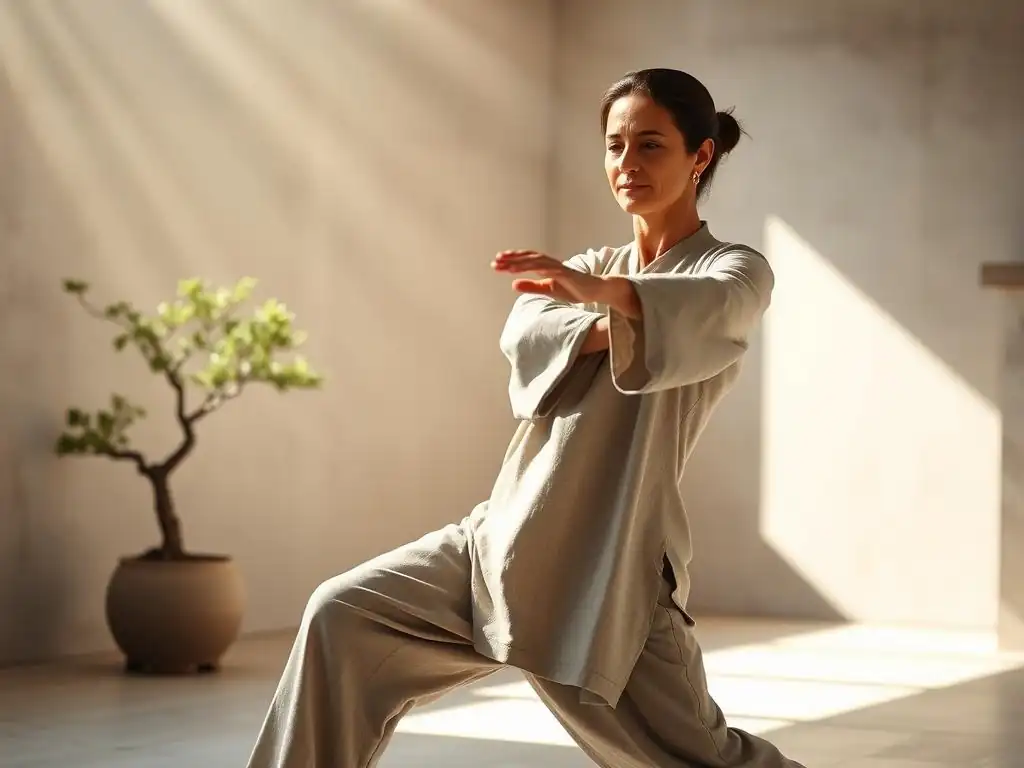
Making mindful movement a consistent part of your routine is key to experiencing its full potential for easing depression. It's not just about dedicated practice sessions; it's also about bringing mindful awareness to everyday movements. Integrating these principles throughout your day can amplify their benefits and help you cultivate a more embodied and present way of being, which is profoundly helpful in managing depression.
Combining Mindful Movement with Other Therapies
Mindful movement is a powerful complementary practice and can work very well alongside traditional treatments for depression, such as psychotherapy (like Cognitive Behavioral Therapy or Interpersonal Therapy) or medication. It is not typically recommended as a sole replacement for these established treatments, especially for moderate to severe depression. Discussing your interest in mindful movement with your therapist or doctor is advisable.
Integrating mindful movement can enhance the effectiveness of psychotherapy by helping you become more aware of your body's responses to thoughts and emotions discussed in therapy. For example, recognizing where you hold tension during a mindful movement practice can provide insight into how stress manifests physically, which can then be explored in therapy. It provides a practical, embodied way to practice skills learned in therapy, such as staying present or observing thoughts without judgment, reinforcing therapeutic progress and strengthening the ways mindful movement can ease depression.
Maintaining Consistency and Motivation
Maintaining consistency with any new habit, especially when dealing with low motivation from depression, is challenging. Finding ways to stay motivated is crucial. One strategy is to link your mindful movement practice to something you already do – for example, a 5-minute stretch and mindful breathing session right after waking up, or a mindful walk during your lunch break. Scheduling your practice like any other important appointment can also help.
Finding an accountability partner, joining a group class, or tracking your progress (even just noting how you felt after each session) can also boost motivation. Focus on how the practice makes you feel in the moment and immediately afterward – perhaps slightly more relaxed, a bit clearer-headed, or less tense – rather than fixating on long-term outcomes. Reminding yourself of these small, positive shifts can provide the encouragement needed to continue using mindful movement to ease depression symptoms.
Tracking Your Progress
Tracking your progress with mindful movement isn't about measuring performance (like how long you can hold a pose or how fast you walk), but rather about noticing subtle changes in your mood, energy levels, sleep quality, and overall sense of well-being. This can be done in a simple journal or a note on your phone. Note down the type of mindful movement you did, the duration, and how you felt before and after.
Over time, reviewing these notes can provide valuable insights and reinforce the benefits you are gaining. You might notice that consistent practice on certain days correlates with improved sleep that night, or that mindful walking seems particularly effective at lifting your mood in the afternoon. Recognizing these positive patterns can be incredibly motivating and serve as tangible evidence of how mindful movement is helping to ease depression symptoms, even on days when you feel discouraged.
The Science Behind Mindful Movement and Depression
Understanding the scientific basis for why mindful movement helps ease depression can provide further validation and encouragement. Research in psychology, neuroscience, and physiology continues to explore the intricate connections between the body, mind, and emotional states. The growing body of evidence supports the use of mindful movement as a therapeutic tool.
Research and Evidence
Numerous studies have investigated the impact of various mindful movement practices on depression. Meta-analyses, which combine the results of many individual studies, generally indicate that practices like yoga, Tai Chi, and Qigong can significantly reduce depressive symptoms.
For example, a review published in the Journal of Psychiatric Research found evidence supporting the effectiveness of yoga as a complementary therapy for depression, noting significant reductions in symptom scores compared to control groups across multiple studies. Similarly, research on Tai Chi has shown it can be as effective as other forms of exercise in improving mood and reducing stress in depressed individuals.
While large-scale, high-quality randomized controlled trials specifically isolating the "mindful" component of movement versus just the "movement" component are still evolving, the existing body of evidence suggests that the combination offers unique benefits. Studies using neuroimaging techniques are beginning to shed light on the brain changes associated with these practices, observing changes in areas related to emotional regulation and self-awareness. This growing scientific backing provides a strong rationale for using mindful movement to ease depression.
Mechanisms of Action
The mechanisms by which mindful movement exerts its effects on depression are multifaceted. As discussed earlier, physical activity triggers the release of mood-boosting neurotransmitters like serotonin and dopamine. It also helps reduce inflammation, which some research links to depression. Furthermore, regular movement can improve cardiovascular health, leading to better overall physical well-being, which in turn positively impacts mental health.
The mindfulness component adds cognitive and emotional layers. By fostering present-moment awareness, it helps disrupt the negative rumination cycles characteristic of depression. It also cultivates acceptance and reduces self-criticism, promoting self-compassion. Practices involving controlled breathing help regulate the autonomic nervous system, reducing the physiological symptoms of stress and anxiety. Essentially, mindful movement works by simultaneously addressing the biological, psychological, and emotional aspects of depression, offering a comprehensive approach to healing and providing multiple pathways through which mindful movement helps ease depression.
Precautions and Considerations
While mindful movement is generally safe and beneficial, it's important to approach it with awareness and caution, especially when dealing with depression or any other health condition. Taking necessary precautions ensures that the practice is helpful and supportive, rather than potentially harmful or overwhelming.
Consulting Professionals
Before starting any new physical activity, especially if you have pre-existing physical or mental health conditions, it is essential to consult with your doctor or a mental health professional. They can provide guidance based on your individual health status, recommend suitable types of mindful movement, and ensure it complements your existing treatment plan for depression. They can also advise on any modifications needed due to physical limitations or medication side effects.
Discussing your interest in using mindful movement to ease depression with your therapist can also be beneficial. They can help you integrate insights gained from your practice into your therapeutic work and address any emotional responses that might arise during movement. This collaborative approach ensures that mindful movement becomes a supportive and integrated part of your overall journey towards recovery.
Addressing Physical Limitations
Depression can sometimes be accompanied by physical symptoms like fatigue, pain, or muscle weakness. It's crucial to be mindful of any physical limitations you may have and choose practices that are appropriate for your current capabilities. Starting with very gentle forms, such as chair yoga, slow walking meditation, or simple Qigong movements, can be a good approach. Listening to your body and modifying movements as needed is paramount.
Do not push yourself through pain. Mindful movement is about honoring your body's current state, not forcing it into difficult positions. A qualified instructor can offer modifications for various physical conditions. If a particular movement or practice causes discomfort, it's okay to pause, rest, or try something different. The goal is to find movement that feels nurturing and sustainable, supporting your efforts to use mindful movement to ease depression without causing physical strain.
Listening to Your Body
A core principle of mindfulness is non-judgmental awareness, and this applies strongly to listening to your body during movement. Pay attention to sensations of comfort, discomfort, ease, or strain. Notice if you are holding tension in certain areas and gently try to release it. Be aware of your energy levels on any given day and adjust the intensity or duration of your practice accordingly.
There will be days when you feel more energetic and days when you feel less so. On low-energy days, a shorter, more restorative practice might be more beneficial than skipping it altogether. Learning to tune into your body's signals with compassion is a vital skill, especially when navigating the fluctuating energy levels often associated with depression. This practice of listening and responding kindly to your body reinforces self-compassion and makes mindful movement a truly supportive tool for easing depression.
Mindful Movement: A Tool for Easing Depression
Mindful movement offers a powerful and accessible approach to complementing traditional treatments for depression. By combining the physical benefits of movement with the mental and emotional benefits of mindfulness, practices like yoga, Tai Chi, Qigong, walking meditation, and dance therapy provide multiple pathways to alleviate symptoms. From boosting mood-regulating neurotransmitters and reducing stress hormones to improving sleep and fostering self-compassion, the surprising benefits of integrating mindful movement are supported by growing research.
Starting small, setting realistic goals, creating a safe environment, and seeking guidance from qualified professionals are practical steps to begin. Remember that mindful movement is a practice, not a performance; the emphasis is on present-moment awareness and non-judgment. By consistently integrating mindful movement into your daily life, perhaps combining it with other therapies and tracking your progress, you cultivate a deeper connection with your body and mind, building resilience and discovering a gentle yet effective way that mindful movement can help ease depression and support your journey towards improved well-being.
Frequently Asked Questions
How does mindful movement specifically help with depression?
Mindful movement helps by combining physical activity with present moment awareness. This dual approach reduces stress hormones and increases endorphins, leading to a significant mood boost.
What types of movement are considered "mindful" and effective for depression?
Mindful movement includes activities like yoga, tai chi, and walking meditation. The key is to focus on body sensations and breath during the exercise, rather than striving for a specific outcome.
How often should I practice mindful movement to see improvements in my depression symptoms?
While individual results vary, aiming for at least 30 minutes of mindful movement most days of the week is generally recommended. Consistency is key to experiencing long-term benefits and manage depression.
Can mindful movement replace traditional depression treatments like therapy or medication?
Mindful movement is a valuable complementary therapy but is generally not a replacement for professional mental health care. It can be a powerful tool when used in conjunction with therapy or medication, as prescribed by a doctor.
What if I have physical limitations or find it difficult to start practicing mindful movement?
Start with gentle, accessible movements, even if it's just a few minutes a day. Focus on small, achievable goals and consider seeking guidance from a qualified instructor experienced in working with individuals with physical limitations or mental health challenges.
Final Reflection: Unfurling the Mind-Body Connection to Combat Depression
The integration of mindful movement into our daily lives isn't just a trend; it's a powerful tool for navigating the complexities of depression. This exploration into the surprising benefits of mindful movement reveals a profound connection between physical activity and mental well-being, offering a path towards healing and resilience that's often overlooked in traditional approaches.
The impact of mindful movement extends far beyond the physical; it cultivates a deeper awareness of the body and its signals, fostering a sense of self-compassion that is crucial in managing depressive symptoms. This journey of self-discovery, of listening to the whispers of our bodies, is a deeply personal one. The body keeps the score,
as Bessel van der Kolk so eloquently puts it, and mindful movement allows us to begin to understand and re-write that score. It's a process of reclaiming agency and control over our own experience, a powerful antidote to the feelings of helplessness that often accompany depression.
Now, consider how you can integrate mindful movement into your own life. Perhaps it's a daily walk in nature, a gentle yoga session, or simply a few minutes of mindful stretching. Don't underestimate the power of these small acts; they are seeds of change, capable of blossoming into a more vibrant, healthier, and happier you. Embrace the opportunity to cultivate this mind-body connection, and discover the transformative potential that lies within.
Unleash Your Inner Calm: Move Towards a Brighter Mood
Thanks for taking the time to explore the powerful connection between mindful movement and easing depression. We hope you discovered some valuable insights that can help you on your journey to better mental well-being. Ready to take the next step?
- Begin a 5-minute mindful walking meditation today. Even a short session can make a surprising difference. Find a quiet space, and focus on the sensation of your feet hitting the ground.
- Share this article with someone who might benefit from learning about mindful movement. Let's spread the word about natural ways to improve mental health.
- Experiment with a new form of movement this week: perhaps yoga, tai chi, or even simply dancing to your favorite music.
What small step will you take today to nurture your mind and body?