
Mindfulness and SEL: A Powerful Combination for Holistic Student Development

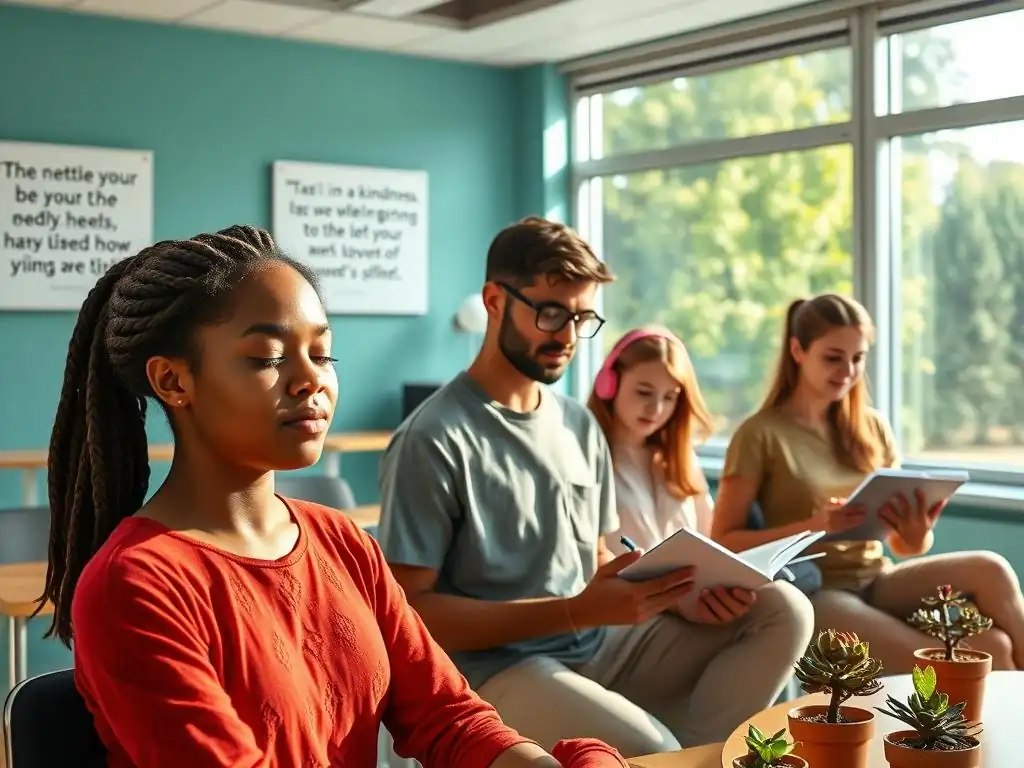
Welcome to Mind Care Guide!
Are you a student feeling overwhelmed? Or perhaps an educator seeking effective ways to support your students' well-being? We understand the unique pressures faced by students today, and that's why we're passionate about providing accessible resources for mental wellness. In this article, we delve into the transformative power of mindfulness, particularly its profound impact on student mental health. Curious to discover how mindfulness and SEL can create a more balanced and resilient learning environment? Let's explore together...
Mindfulness and SEL: A Powerful Combination for Holistic Student Development
- Understanding the Importance of Mindfulness for Student Mental Health
- Exploring Social and Emotional Learning (SEL)
- The Synergy of Mindfulness and SEL: Enhancing Student Development
- Practical Strategies for Integrating Mindfulness and SEL in the Classroom
- Implementing Mindfulness and SEL Programs: A Step-by-Step Guide
- Addressing Challenges and Fostering Sustainability
- Resources for Educators and Parents
- Conclusion: Empowering Students Through Mindfulness and SEL for a Brighter Future
-
Frequently Asked Questions
- What is mindfulness, and how does it relate to student mental health?
- How does mindfulness connect with Social-Emotional Learning (SEL)?
- What are some practical mindfulness exercises students can use daily?
- How can schools integrate mindfulness and SEL into the curriculum?
- What resources are available for students and educators to learn more about mindfulness for student mental health?
- Final Reflection: Cultivating Inner Peace for a Thriving Future
- Unlock Your Student's Potential: Cultivate Mindfulness & SEL Today!
Understanding the Importance of Mindfulness for Student Mental Health
The Growing Need for Mental Health Support in Education
The landscape of student well-being has shifted significantly in recent years, highlighting an increasing demand for robust mental health support within educational settings. Studies consistently indicate rising levels of anxiety, stress, and depression among young people. For instance, reports from organizations like the CDC have shown that a substantial percentage of high school students report persistent feelings of sadness or hopelessness, often exceeding 40% in recent surveys.
This underscores a critical need to address not just academic achievement but also the emotional and psychological health of students. The pressure to perform academically, coupled with social challenges, digital world complexities, and global uncertainties, contributes to this heightened vulnerability.
Furthermore, educators are increasingly recognizing that unresolved mental health issues can significantly impede learning and development. Students struggling with anxiety may find it difficult to concentrate in class, while those experiencing depression might lack the motivation to engage with schoolwork. Disruptive behavior can also sometimes stem from underlying emotional distress. Providing effective support, including practices like mindfulness for student mental health, is no longer a supplementary consideration but a fundamental component of creating a conducive learning environment where all students can thrive both academically and personally.
Defining Mindfulness: What It Means for Students
Mindfulness, in essence, is the practice of intentionally bringing one's attention to the present moment without judgment. For students, this translates into developing an awareness of their thoughts, feelings, bodily sensations, and the surrounding environment as they occur, moment by moment. It's not about emptying the mind or achieving a state of perpetual calm, but rather about observing one's internal and external experiences with curiosity and acceptance. This skill helps students navigate the often turbulent waters of adolescence and academic life with greater presence and clarity.
Practicing mindfulness helps students cultivate a non-reactive stance towards challenging emotions or stressful situations. Instead of being overwhelmed by a wave of anxiety before a test, a mindful student can notice the physical sensations and thoughts arising, acknowledge them without getting swept away, and choose a more constructive response. This simple yet profound practice builds mental resilience, enabling students to face difficulties with a greater sense of control and emotional balance. It empowers them to understand their internal world better, laying a foundation for healthier coping mechanisms.
Benefits of Mindfulness Practices for Student Well-being
Integrating mindfulness practices into the school day has demonstrated numerous benefits for student well-being. Research has shown that regular mindfulness training can lead to reductions in stress and anxiety levels among students. For example, studies in school settings have reported measurable decreases in perceived stress and improvements in self-reported emotional regulation after just a few weeks of consistent practice. This reduction in stress frees up cognitive resources that were previously consumed by worry, allowing students to focus more effectively on their studies.
Beyond stress reduction, mindfulness for student mental health also enhances focus and attention span, crucial skills for academic success. By training the mind to stay present, students become less susceptible to distractions, whether internal (like worrying thoughts) or external (like classroom noise). Furthermore, mindfulness cultivates greater self-awareness, helping students recognize their emotional states and triggers. This increased insight supports better emotional regulation, improved impulse control, and a greater capacity for empathy towards others, all of which contribute significantly to their overall mental and social well-being.
Social and Emotional Learning (SEL) is an educational process through which children and adults acquire and effectively apply the knowledge, attitudes, and skills necessary to understand and manage emotions, set and achieve positive goals, feel and show empathy for others, establish and maintain positive relationships, and make responsible decisions. It's a framework that recognizes the critical role of emotional intelligence and social skills in a person's overall success and happiness, extending far beyond academic achievement. SEL is typically taught through explicit instruction, integrated classroom activities, and the creation of a supportive school climate.
The core components of SEL revolve around developing competencies that enable individuals to navigate social situations and manage their internal world effectively. This includes skills such as self-awareness, which is the ability to recognize one's own emotions, thoughts, and values and how they influence behavior; self-management, involving regulating one's emotions, thoughts, and behaviors effectively in different situations; social awareness, understanding the perspectives of and empathizing with others; relationship skills, establishing and maintaining healthy and rewarding relationships; and responsible decision-making, making constructive choices about personal behavior and social interactions. These components are interconnected and build upon one another.
The Five Core Competencies of SEL: A Framework for Student Success
The Collaborative for Academic, Social, and Emotional Learning (CASEL) identifies five core competencies that form the foundation of effective SEL programs. These are: Self-Awareness, Self-Management, Social Awareness, Relationship Skills, and Responsible Decision-Making. Self-Awareness is foundational, involving recognizing one's emotions and thoughts and understanding how they impact actions. For a student, this might mean identifying feelings of frustration when encountering a difficult math problem or recognizing their strengths in a particular subject.
Self-Management builds on self-awareness, enabling students to regulate their emotions and behaviors. This could involve a student using a calming strategy when feeling overwhelmed or setting and working towards a personal goal, like completing homework on time. Social Awareness involves understanding and empathizing with others from diverse backgrounds and cultures, recognizing social cues, and understanding ethical standards.
This might manifest as a student offering help to a classmate who seems upset or understanding different perspectives during a class discussion. Relationship Skills involve communicating effectively, building positive relationships, working collaboratively, and resolving conflicts constructively. This is seen when students work together effectively on a group project or resolve a disagreement respectfully.
Finally, Responsible Decision-Making involves making constructive and ethical choices about personal behavior and social interactions based on consideration of consequences and the well-being of self and others. This could involve a student choosing to study for a test instead of playing video games or standing up for someone being treated unfairly.
How SEL Contributes to a Positive School Environment
Implementing SEL programs significantly contributes to fostering a positive and supportive school environment. When students develop stronger social and emotional skills, they are better equipped to interact respectfully with peers and adults, manage conflicts peacefully, and contribute positively to the classroom and school community. This leads to fewer instances of bullying, aggression, and disciplinary issues. For instance, schools that have implemented comprehensive SEL programs often report reductions in disciplinary referrals and improved student attendance rates.
Moreover, a focus on SEL helps create a culture of empathy and understanding. As students become more socially aware and develop better relationship skills, they are more likely to support one another, appreciate diversity, and feel a sense of belonging. Teachers trained in SEL principles are also better equipped to understand and respond to students' emotional needs, creating stronger teacher-student relationships. This positive climate is not only beneficial for student mental health and well-being but also enhances academic engagement, as students feel safer, more connected, and more motivated to learn in a supportive setting.
The Synergy of Mindfulness and SEL: Enhancing Student Development
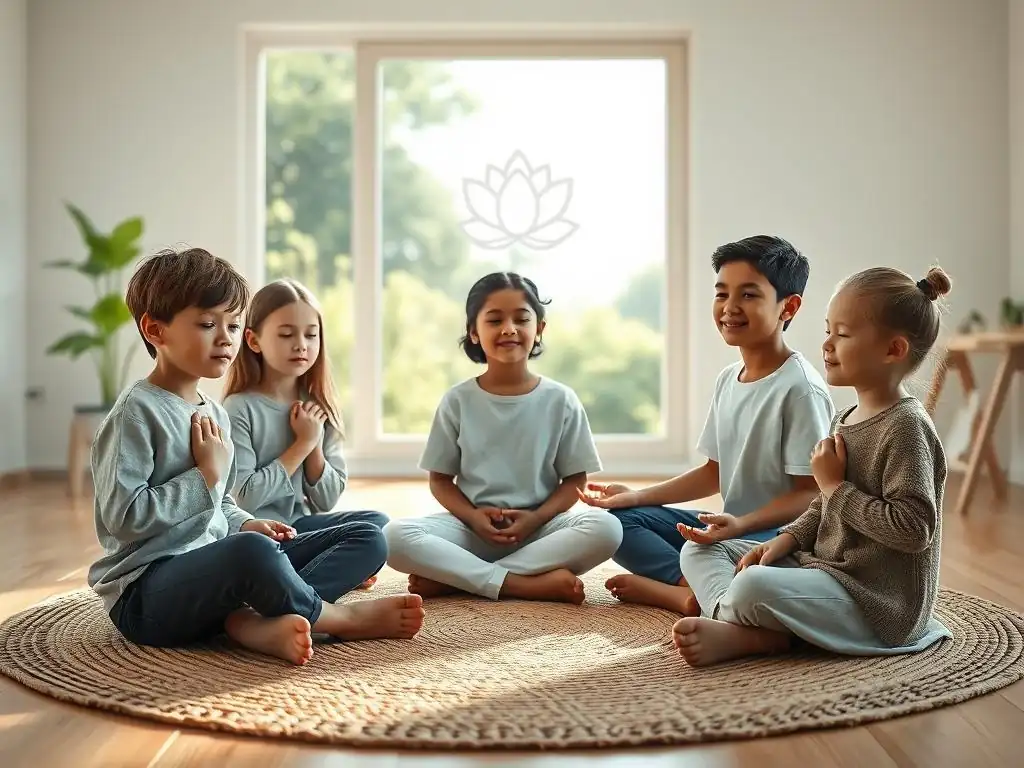
Combining Mindfulness and SEL: A Holistic Approach to Education
Integrating mindfulness and SEL creates a powerful, holistic approach to student development that addresses both internal awareness and external social interaction. While SEL provides a framework for understanding and applying social and emotional skills, mindfulness offers the foundational practice of self-awareness and emotional regulation that makes SEL competencies more accessible and effective.
Think of it as mindfulness helping students build the internal capacity to notice and manage their inner world, while SEL provides the map and tools for navigating their relationships and the social world around them. This combination moves beyond simply teaching skills; it cultivates a way of being that supports overall well-being.
A combined approach recognizes that a student's ability to connect with others (SEL relationship skills) is deeply linked to their ability to understand and manage their own emotions (mindfulness and SEL self-awareness/management). For example, practicing mindfulness helps a student become aware of anger rising, giving them a moment to pause before reacting impulsively.
This pause then allows them to apply SEL self-management techniques, like deep breathing, or relationship skills, like assertive communication, instead of resorting to yelling. This synergy empowers students to not only understand what to do in social situations but also develop the capacity to actually do it by managing their internal state.
Mindfulness as a Foundation for SEL Skills
Mindfulness serves as an excellent foundation for developing the core competencies of SEL, particularly Self-Awareness and Self-Management. By regularly practicing mindfulness, students become more attuned to their internal experiences – their thoughts, feelings, and bodily sensations. This heightened self-awareness is the first step in CASEL's framework. A student who practices mindfulness is better able to recognize when they are feeling stressed, anxious, or frustrated, rather than being blindsided by these emotions.
This increased self-awareness directly supports Self-Management. Once a student can identify an emotion, they are better positioned to choose how to respond to it. Mindfulness practice helps to create a space between the stimulus (e.g., a frustrating task) and the reaction (e.g., giving up or getting angry). In this space, the student can consciously choose a more constructive response, perhaps applying a coping strategy learned through SEL, like positive self-talk or breaking the task into smaller steps. Thus, mindfulness for student mental health provides the internal stability and awareness needed to effectively utilize SEL self-management techniques.
SEL as a Practical Application of Mindfulness Principles
While mindfulness builds internal capacity, SEL provides practical contexts and skills for applying mindful awareness in social and emotional situations. Mindfulness helps students become aware of their emotions in the moment; SEL teaches them what to do with that awareness in relation to themselves and others. For example, mindfulness might help a student notice feelings of impatience during a group project. SEL then provides the relationship skills needed to communicate that feeling constructively to the group or the self-management skills to regulate the impatience and focus on the task.
Furthermore, SEL competencies like Social Awareness and Relationship Skills encourage students to extend their mindful awareness beyond themselves to include others. Practicing empathy (a key part of Social Awareness) involves mindfully attending to another person's perspective and feelings without judgment – a direct application of mindful principles.
Similarly, effective communication and conflict resolution (Relationship Skills) require mindful listening and the ability to respond thoughtfully rather than react impulsively, drawing on both present-moment awareness and emotional regulation skills honed through mindfulness. Therefore, SEL provides the real-world scenarios where the internal skills cultivated by mindfulness can be put into practice for positive outcomes.
Practical Strategies for Integrating Mindfulness and SEL in the Classroom
Mindfulness Activities for Enhancing Student Self-Awareness
Integrating simple mindfulness activities into the school day can significantly enhance students' self-awareness. A common practice is a brief "mindful minute" or "body scan" at the start of class. Students are guided to simply notice their breath or sensations in their body for 60 seconds. This helps them transition from previous activities, ground themselves in the present, and tune into their physical and emotional state. Even just a few minutes daily can build this crucial skill over time.
Another effective activity is mindful listening. This involves students focusing their full attention on sounds around them or on a peer who is speaking, without interrupting or formulating a response. This not only improves listening skills but also cultivates awareness of their own internal reactions (e.g., impatience, judgment) while listening. Journaling about feelings or experiences after a brief mindful pause can also deepen self-awareness, encouraging students to label and explore their emotions in a non-judgmental way. These practices, aimed at fostering mindfulness for student mental health, make internal states more visible and understandable for young people.
SEL-based exercises are designed to actively build empathy and social skills through interaction and reflection. Role-playing different social scenarios is a powerful tool. Students can act out situations involving conflict resolution, peer pressure, or expressing feelings, practicing relationship skills in a safe environment. For example, two students might role-play resolving a disagreement over a shared toy, practicing active listening and compromise.
Discussions centered around characters in literature or historical figures can also promote social awareness and empathy. Asking students to consider the characters' motivations, feelings, and perspectives helps them step outside their own viewpoint and understand others. Cooperative learning activities, where students must work together towards a common goal, naturally build relationship skills, communication, and collaboration. Structured reflections after group work can highlight successful strategies and areas for improvement in social interaction. These activities provide concrete opportunities for students to practice the SEL skills that complement their growing mindful awareness.
Creating a Mindful and Emotionally Supportive Classroom Culture
Establishing a classroom culture that is both mindful and emotionally supportive is paramount for the success of integrated programs. This involves consistent modeling by the teacher, explicit teaching of concepts, and weaving principles into daily routines. Starting the day or transitioning between subjects with a brief mindful practice sets a tone of presence and calm. Creating a designated "calm corner" where students can go to regulate their emotions using tools like breathing exercises or fidgets validates the importance of emotional self-management.
Using emotionally literate language and encouraging students to express their feelings respectfully contributes to an emotionally supportive environment. This might involve checking in with students about how they are feeling or using restorative practices to address conflicts, focusing on understanding the impact of actions on others. Displaying visuals that illustrate feeling words or mindful breathing techniques serves as reminders and resources. When mindfulness for student mental health is integrated into the very fabric of the classroom, alongside explicit SEL instruction and practice, students feel safer, more understood, and better equipped to navigate their inner and outer worlds.
Implementing Mindfulness and SEL Programs: A Step-by-Step Guide
Assessing Student Needs and Setting Goals for Mindfulness and SEL Initiatives
Before launching any program, schools should assess the specific needs of their student population regarding mental health, social skills, and emotional regulation. This can involve surveys, focus groups with students and teachers, and reviewing existing data on disciplinary issues, attendance, and academic performance. For instance, if data shows a high incidence of conflict among students, relationship skills might be a primary focus. If survey data reveals high stress levels, stress reduction through mindfulness for student mental health could be prioritized.
Based on this assessment, schools can set clear, measurable goals for their mindfulness and SEL initiatives. Goals might include reducing bullying incidents by a certain percentage, increasing student self-reported coping skills, or improving students' ability to identify and articulate their emotions. Establishing these specific objectives provides direction and a basis for evaluating the program's effectiveness later on. It ensures that efforts are targeted towards the areas where students need the most support.
Selecting Appropriate Mindfulness and SEL Curricula and Resources
A wide variety of curricula and resources are available for teaching mindfulness and SEL in schools, and selecting the right fit is crucial. Curricula should be age-appropriate, culturally sensitive, and evidence-based or evidence-informed. Some programs focus more heavily on one area (e.g., a specific mindfulness curriculum), while others integrate both explicitly. Examples include established SEL programs like Second Step or RULER, and mindfulness programs like Mindful Schools or Inner Explorer.
Considerations when selecting resources include the time commitment required, the training needed for staff, the cost, and the format (e.g., digital vs. print materials). It's beneficial to pilot a program in a few classrooms or grades before scaling it school-wide. Resources might include teacher guides, student workbooks, digital lessons, guided meditations, and parent materials. The chosen resources should align with the goals set during the needs assessment and provide practical, easy-to-implement strategies for educators.
Training Teachers in Mindfulness and SEL Practices
Effective implementation hinges significantly on providing adequate training for teachers and staff. Educators need to understand the principles of mindfulness and SEL, experience the practices themselves, and learn how to effectively teach and integrate them into their daily instruction and classroom management. Initial training might cover the core competencies of SEL, the science behind mindfulness for student mental health, and practical strategies for leading activities.
Ongoing professional development is also vital. This could include follow-up workshops, coaching, or peer learning communities where teachers can share experiences, challenges, and successes. Teachers who have their own mindfulness practice are often better equipped to model and teach it authentically to students. Investing in comprehensive and sustained teacher training is perhaps the most critical factor in ensuring the successful and sustainable integration of mindfulness and SEL into the school culture.
The "Inner Explorer" Program: A Case Study in Mindfulness and SEL Implementation
The "Inner Explorer" program provides a compelling example of how mindfulness can be implemented in schools to support student mental health and foster SEL. This program offers brief, daily audio-guided mindfulness practices specifically designed for the classroom setting, ranging from 5 to 10 minutes. It provides different tracks for various age groups, from pre-K through high school. The accessibility of short, daily practice makes it easier for busy teachers to integrate it consistently.
Schools using the Inner Explorer program have reported positive outcomes. For instance, data collected by the program developers and partnering schools have indicated improvements in student attention, reduced stress levels, and enhanced emotional regulation. One study involving a school district using the program noted a decrease in disciplinary incidents and an increase in positive peer interactions. This case demonstrates how a focused, accessible mindfulness intervention can serve as a practical tool that supports the development of core SEL competencies simply by helping students become more present and aware of their internal states.
Addressing Challenges and Fostering Sustainability
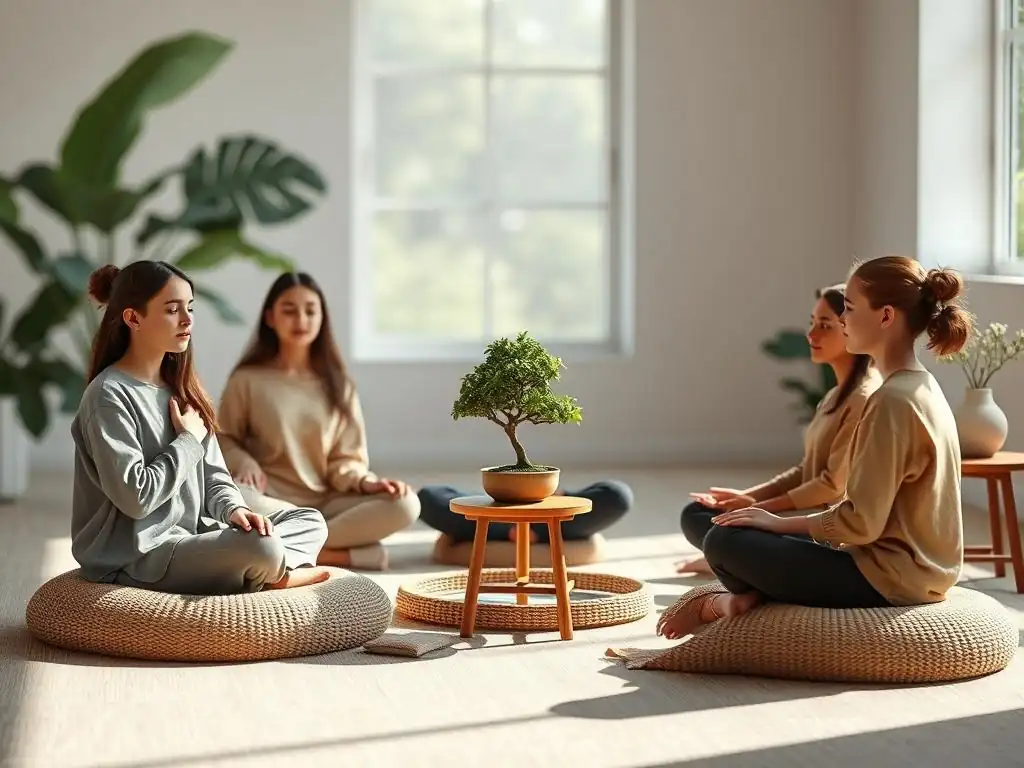
Overcoming Common Obstacles to Implementing Mindfulness and SEL
Implementing mindfulness and SEL programs in schools is not without challenges. One common obstacle is limited time in an already packed curriculum. Teachers often feel overwhelmed by the demands of academic instruction and may see SEL and mindfulness as add-ons rather than integral components. To overcome this, programs should be designed for efficient integration, such as short daily practices or weaving SEL into existing subjects like language arts or social studies. Gaining administrative buy-in and support is crucial, as leaders can prioritize these initiatives and allocate necessary time and resources.
Another challenge is resistance or skepticism from some staff, parents, or students who may view mindfulness as outside the scope of education or SEL as "fluff." Providing clear communication about the evidence-based benefits, focusing on the practical skills students gain, and involving stakeholders in the process can help build understanding and support. Addressing the misconception that mindfulness is religious or mystical is also important, emphasizing its secular nature as a mental training practice. Consistent, clear messaging about the positive impact on student mental health and academic readiness is key.
Measuring the Impact of Mindfulness and SEL Programs on Student Outcomes
Measuring the true impact of mindfulness and SEL programs is essential for demonstrating their value and securing ongoing support. Schools can use a variety of quantitative and qualitative measures. Quantitative data might include tracking changes in disciplinary referrals, attendance rates, standardized test scores (some studies show positive correlations), and results from student surveys on stress levels, coping skills, and sense of belonging. For example, a school might track if suspensions decreased by 15% after two years of implementation.
Qualitative data can be gathered through student and teacher interviews, focus groups, and classroom observations. Teachers can provide anecdotal evidence of changes in student behavior, emotional regulation, and peer interactions. Student reflections on their own experiences with mindfulness for student mental health and SEL activities offer valuable insights. While isolating the impact of SEL/mindfulness from other factors can be complex, using a combination of data points provides a more comprehensive picture of the program's effectiveness in fostering student well-being and development.
Strategies for Sustaining Mindfulness and SEL Initiatives Long-Term
Sustaining mindfulness and SEL initiatives requires embedding them deeply into the school culture rather than treating them as temporary projects. This involves ongoing professional development for new and existing staff, ensuring that SEL and mindfulness are part of the school's strategic plan and mission, and allocating dedicated resources in the budget. Creating a school-wide SEL team composed of administrators, teachers, counselors, and parents can help champion the initiatives and ensure consistent implementation across grades and classrooms.
Celebrating successes, big and small, is also important for maintaining momentum and enthusiasm. Sharing positive student outcomes, teacher testimonials, and parent feedback can reinforce the value of the programs. Integrating SEL and mindfulness principles into school-wide policies and practices, such as behavior management systems or parent-teacher conferences, ensures that the approach is consistent and reinforced throughout the school environment. Long-term commitment from leadership and continued investment in training and resources are critical for ensuring that mindfulness for student mental health and SEL remain integral parts of the educational experience.
Resources for Educators and Parents
Mindfulness Apps and Online Resources for Students and Teachers
Numerous digital resources can support the practice of mindfulness for student mental health and aid educators in bringing it into the classroom. Apps like Headspace and Calm offer guided meditations and exercises suitable for different age groups, with some providing specific content for schools. Websites such as Mindful Schools and Greater Good in Education offer free resources, lesson plans, and research articles on integrating mindfulness and SEL into education.
Online platforms like YouTube host guided meditations specifically for children and teens, often categorized by length or focus (e.g., focus, calming, sleep). Many educational organizations and non-profits also provide online toolkits and downloadable materials. While it's important to vet resources for quality and age-appropriateness, these digital tools offer accessible ways for both students to practice independently and teachers to incorporate brief, guided sessions into their day without extensive prior training.
Books and Articles on Mindfulness and SEL in Education
A wealth of literature explores the intersection of mindfulness and SEL in educational settings, providing deeper understanding and practical strategies. Books like "Mindful Teaching and Training" by Deborah Schoeberlein David and Suki Sheth offer frameworks for educators to develop their own practice and teach mindfulness to students. "Emotional Intelligence" by Daniel Goleman, while not solely focused on schools, provides the foundational understanding of SEL that is highly relevant for educators.
Academic articles published in educational and psychological journals present research findings on the effectiveness of various programs and approaches. Resources from organizations like CASEL and Mindful Schools often include curated lists of relevant books and research. Exploring these written resources allows educators and parents to gain a more comprehensive understanding of the theory and evidence supporting mindfulness for student mental health and the implementation of SEL programs.
Organizations Supporting Mindfulness and SEL: CASEL, Mindful Schools
Several prominent organizations are dedicated to advancing the fields of SEL and mindfulness in education, offering valuable resources, training, and advocacy. CASEL (Collaborative for Academic, Social, and Emotional Learning) is a leading organization focused on promoting high-quality SEL. They provide research, frameworks (like the five core competencies), guidelines for effective programs, and policy recommendations. Their website is a central hub for understanding the landscape of SEL.
Mindful Schools is a non-profit organization specifically focused on bringing mindfulness to educators and students. They offer professional development courses for teachers, curricula for different age groups, and extensive resources on implementing mindfulness practices in schools. Their work directly addresses how to integrate mindfulness for student mental health into the daily school routine. Other organizations, such as the Greater Good Science Center at UC Berkeley, also offer resources and research on the science of a meaningful life, including topics like mindfulness, empathy, and compassion, which are highly relevant to both SEL and mindfulness in education.
Conclusion: Empowering Students Through Mindfulness and SEL for a Brighter Future
The Transformative Potential of Mindfulness and SEL for Student Well-being
The integration of mindfulness and SEL holds immense transformative potential for enhancing student well-being. By nurturing both inner awareness through mindfulness and interpersonal skills through SEL, schools can equip students with the essential tools needed to navigate the complexities of modern life. This combined approach moves beyond traditional academic metrics to cultivate resilient, emotionally intelligent, and socially competent individuals. Students who practice mindfulness for student mental health alongside learning SEL skills are better prepared to face challenges, build positive relationships, and make responsible choices, contributing to their overall happiness and life satisfaction.
This holistic development fosters not just academic success but also prepares students for future careers and active, engaged citizenship. Employers increasingly value soft skills like collaboration, communication, and emotional intelligence – precisely the skills cultivated through SEL, underpinned by the self-awareness and regulation gained from mindfulness. By investing in these programs, schools are not just improving the current student experience but are actively shaping a generation better equipped to handle stress, connect with others, and contribute positively to society.
Fostering Resilience and Emotional Intelligence in Students Through Integrated Practices
Integrating mindfulness and SEL practices is a powerful strategy for fostering resilience and emotional intelligence in students. Resilience, the ability to bounce back from adversity, is strengthened when students can mindfully acknowledge difficult emotions without being consumed by them and then apply SEL self-management skills to cope constructively. Emotional intelligence, the capacity to understand and manage one's own emotions and recognize and influence the emotions of others, is directly built through the core competencies of SEL, with mindfulness providing the foundational self-awareness necessary for this process.
For example, a student who learns through mindfulness to notice the physical signs of stress before a test and then uses an SEL breathing technique to calm their nervous system is building both emotional intelligence and resilience. Similarly, a student who practices mindful listening during a disagreement with a peer and then applies SEL conflict resolution skills is demonstrating sophisticated emotional and social competence. These integrated practices provide students with a practical toolkit for navigating the emotional ups and downs of life, enabling them to face challenges with greater confidence and adaptability.
Investing in Student Mental Health: The Long-Term Benefits of Mindfulness and SEL
Investing in student mental health through comprehensive mindfulness and SEL programs yields significant long-term benefits that extend far beyond the school years. Students who develop strong social, emotional, and mindful capacities in their formative years are more likely to experience greater academic success, maintain healthier relationships, and demonstrate better overall physical and mental health throughout their lives. Studies tracking individuals who received SEL training in childhood have shown positive impacts on educational attainment, employment rates, and reduced engagement in risky behaviors later in life.
Prioritizing mindfulness for student mental health and integrating it with SEL is an investment in the future workforce and community. Emotionally intelligent and resilient adults are better equipped to handle workplace challenges, contribute effectively in teams, and build stable families. By fostering these skills early, schools play a vital role in promoting not just individual well-being but also the health and vitality of society as a whole. The initial investment in training, resources, and dedicated classroom time pays dividends in creating a generation of young people who are more connected, compassionate, and capable of thriving in an ever-changing world.
Frequently Asked Questions
What is mindfulness, and how does it relate to student mental health?
Mindfulness is the practice of paying attention to the present moment without judgment. It benefits student mental health by reducing stress and anxiety, promoting emotional regulation and improving overall well-being.
Mindfulness practices enhance SEL skills, such as self-awareness, self-management, social awareness, relationship skills, and responsible decision-making. It provides a foundation for students to understand and manage their emotions and interactions more effectively.
What are some practical mindfulness exercises students can use daily?
Students can practice mindful breathing exercises, body scan meditations, or mindful walking. These activities help them become more aware of their thoughts, feelings, and sensations, promoting a sense of calm and focus.
How can schools integrate mindfulness and SEL into the curriculum?
Schools can incorporate mindfulness exercises into classroom activities, create designated mindfulness corners, and offer SEL-focused workshops. Training teachers in mindfulness techniques is crucial for successful implementation.
What resources are available for students and educators to learn more about mindfulness for student mental health?
Mind Care Guide offers articles, guides, and resources on mindfulness and SEL. Many online platforms and community organizations also provide valuable training and support for promoting student mental well-being.
Final Reflection: Cultivating Inner Peace for a Thriving Future
The urgent need for effective mental health strategies in education is undeniable, and the combined power of mindfulness and Social-Emotional Learning (SEL) offers a potent solution. This article has explored how integrating mindfulness practices into the school curriculum can significantly enhance students' emotional regulation, focus, and overall well-being, ultimately contributing to improved academic performance and a more positive learning environment. The benefits extend far beyond the classroom, shaping resilient and compassionate individuals prepared for the challenges of the 21st century.
The impact of mindfulness on student mental health is profound and far-reaching, extending beyond stress reduction to foster self-awareness, empathy, and a greater sense of connection. It's not simply about teaching techniques; it's about cultivating a culture of self-compassion and understanding within educational settings. As Jon Kabat-Zinn eloquently stated, Mindfulness means paying attention in a particular way: on purpose, in the present moment, and non-judgmentally.
This simple yet powerful definition encapsulates the transformative potential of mindfulness for young minds grappling with the complexities of modern life. The shift from a purely academic focus to one that prioritizes holistic well-being is crucial for creating truly supportive and nurturing learning environments.
Consider the ways in which you can incorporate mindfulness into your own life, or advocate for its inclusion in your community. Perhaps it's through simple breathing exercises during stressful moments, practicing gratitude, or simply taking a mindful walk in nature. You have the power to cultivate inner peace and resilience, not only for yourself but also for the young people in your life. Let us embrace the opportunity to nurture the mental and emotional well-being of our students, empowering them to thrive academically, socially, and emotionally, creating a brighter and more compassionate future for all.
Unlock Your Student's Potential: Cultivate Mindfulness & SEL Today!
Thank you for taking the time to explore the powerful connection between mindfulness and Social-Emotional Learning (SEL)! We hope you gained valuable insights into how these practices can foster holistic student development. Now it's time to put this knowledge into action.
- Implement a short daily mindfulness exercise: Start with just 5 minutes of guided meditation or mindful breathing to see the positive impact on focus and well-being. This is your key step towards integrating mindfulness into your classroom or home.
- Share this article with a fellow educator or parent: Let's spread the word about the transformative benefits of mindfulness and SEL for students of all ages. Starting a conversation is a powerful step!
- Explore additional resources: Delve deeper into the world of mindfulness and SEL by researching age-appropriate activities and programs tailored to your specific needs.
Ready to witness the positive transformation in your students' lives? What small step will you take today to integrate mindfulness and SEL into their learning journey?