
Mindful Movement: Gentle Exercises to Release Stress and Tension

Welcome to Mind Care Guide, a space dedicated to nurturing your mental well-being.
Feeling overwhelmed? Like tension is building up in your body and mind? You're not alone. Many of us struggle with daily stress. Discover how mindful movement can be a powerful tool to unlock inner peace and release that pent-up tension. Explore our guide to mindful movement reduce stress tension and begin your journey towards a calmer, more centered you. Intrigued? Let's begin...
Mindful Movement: Gentle Exercises to Release Stress and Tension
- Introduction to Mindful Movement for Stress Relief
- Benefits of Mindful Movement for Mental Well-being
- Gentle Mindful Movement Exercises for Stress and Tension Release
- Integrating Mindful Movement into Your Daily Life
- Advanced Mindful Movement Techniques for Deep Relaxation
- The Science Behind Mindful Movement and Stress
- Conclusion: Embrace Mindful Movement for a Stress-Free Life
-
Frequently Asked Questions
- How does mindful movement specifically help reduce stress and tension?
- What are some examples of mindful movement exercises that are easy to incorporate into daily life?
- How often should I practice mindful movement to see noticeable benefits in stress reduction?
- Can mindful movement replace other forms of mental health treatment, such as therapy or medication?
- What if I find it difficult to focus on my body and breath during mindful movement due to racing thoughts?
- Final Reflection: Cultivating Calm Through Mindful Movement
- Unwind and Flourish: Start Your Journey to Stress-Free Living
Introduction to Mindful Movement for Stress Relief
Stress and tension are pervasive in modern life, often manifesting physically and mentally. Finding effective strategies to manage this burden is crucial for overall well-being. Mindful movement offers a powerful yet gentle approach, integrating awareness with physical activity to help the body and mind release accumulated stress. It's not about strenuous workouts, but rather about connecting with your body's sensations as you move, fostering a sense of calm and presence that directly counters the effects of stress. This practice helps cultivate a deeper understanding of how stress impacts your physical form and provides tools to gently unwind that tension.
Engaging in mindful movement for stress relief involves paying deliberate attention to your breath, sensations, and the surrounding environment during simple movements. This intentional focus anchors you in the present moment, pulling your awareness away from worry or rumination, which are common drivers of stress. By moving with awareness, you learn to identify areas of tension and consciously invite release, promoting a state of relaxation. This gentle yet profound practice makes mindful movement a valuable tool in anyone's stress management toolkit, helping to reduce stress tension effectively.
Understanding the Connection Between Mind and Body in Stress Reduction
The mind and body are intricately linked, forming a bidirectional relationship where one significantly influences the other. When you experience stress, your mind triggers a physiological response – the fight-or-flight mechanism. This leads to increased heart rate, muscle tension, and the release of stress hormones like cortisol. Chronic stress keeps the body in this heightened state, contributing to physical ailments such as headaches, digestive issues, and chronic pain, while also impacting mental states like anxiety and irritability. Recognizing this connection is the first step towards using the body to influence the mind positively.
Mindful movement leverages this connection by using physical sensations and breath as anchors for mental awareness. By moving slowly and attentively, you become acutely aware of where tension is held in your body – perhaps tight shoulders from sitting at a desk or a clenched jaw from worry. This awareness allows you to consciously soften and release these physical manifestations of stress.
Furthermore, the act of focusing on movement and breath interrupts the stress response cycle, signaling to the nervous system that it is safe to relax. This conscious engagement with the body directly impacts the mind, promoting feelings of calm and control, and demonstrating how mindful movement reduce stress tension effectively.
Why Choose Mindful Movement Over Other Stress Management Techniques?
While techniques like deep breathing or meditation are valuable for stress reduction, mindful movement offers a unique advantage by actively engaging the body in the process. Unlike passive relaxation techniques, mindful movement combines the benefits of physical activity – which naturally reduces stress hormones and releases endorphins – with the mental clarity and presence cultivated through mindfulness. This integrated approach addresses stress on multiple levels simultaneously, working to unwind both mental and physical tension. For individuals who find it difficult to sit still for traditional meditation, movement can provide a more accessible entry point into mindfulness.
Furthermore, mindful movement is highly adaptable and can be integrated into various daily activities, from walking to stretching or even household chores. It doesn't necessarily require dedicated blocks of time or special equipment, making it a practical option for busy schedules. While other techniques might focus solely on calming the mind or releasing physical tension, mindful movement harmonizes these efforts, promoting a holistic sense of well-being. This makes it a powerful and versatile strategy for anyone looking to naturally reduce stress tension in their lives.
Benefits of Mindful Movement for Mental Well-being
Engaging in mindful movement regularly yields significant benefits for mental well-being beyond simple stress reduction. It fosters a greater sense of self-awareness, emotional regulation, and resilience. By paying attention to internal states during movement, individuals become better equipped to recognize and process emotions, rather than being overwhelmed by them.
This practice encourages a non-judgmental attitude towards oneself, promoting acceptance and self-compassion. Over time, this can lead to improved mood, reduced symptoms of depression and anxiety, and a stronger sense of inner peace. A study published in the Journal of Clinical Psychiatry in 2018 found that even moderate exercise combined with mindfulness significantly reduced symptoms of depression and anxiety in participants over a 12-week period.
The consistent practice of mindful movement also helps to build resilience against future stressors. By regularly engaging the parasympathetic nervous system – the body's "rest and digest" state – you train your body to recover more quickly from stress responses. This physiological conditioning, combined with the mental skills of presence and non-reactivity learned through mindfulness, equips you to face challenges with greater equanimity. For example, a 2014 meta-analysis in Health Psychology reviewed multiple studies and concluded that mindfulness-based interventions, often including mindful movement elements, showed a significant positive impact on psychological distress and quality of life.
Reducing Anxiety and Tension Through Movement
Anxiety often manifests physically as muscle tension, restlessness, and shallow breathing. Mindful movement directly addresses these physical symptoms by promoting relaxation and releasing stored tension. Gentle stretching, slow walking, or fluid movements encourage muscles to lengthen and relax, counteracting the chronic tightness associated with anxiety. The focus on breath during movement also helps to regulate the nervous system, slowing heart rate and calming the mind. For instance, simply practicing mindful walking for 10-15 minutes can significantly lower cortisol levels and perceived stress, as shown in a 2016 study involving university students.
Moreover, the repetitive, rhythmic nature of certain mindful movements, like walking or gentle swaying, can have a grounding effect, pulling the anxious mind out of future-oriented worries and into the present moment. This present-moment awareness disrupts the cycle of anxious thought patterns. By consciously choosing to focus on the sensation of your feet on the ground or the feeling of your breath moving through your body, you create mental space away from anxious thoughts. This active redirection of attention is a powerful skill learned through consistent practice and is key to how mindful movement reduce stress tension.
Improving Focus and Presence with Mindful Exercises
In an age of constant distraction, cultivating focus and presence is increasingly challenging. Mindful movement exercises train the mind to stay present by directing attention to immediate sensory experiences – the feeling of muscles stretching, the rhythm of breath, the contact of feet with the ground. This deliberate focus strengthens your ability to concentrate and resist distractions.
Starting with just 5-10 minutes of mindful movement daily, like focusing entirely on the sensations of stretching, can improve attentional control over time. Research from 2017 published in Frontiers in Human Neuroscience indicated that regular mindfulness practice, including movement, can lead to measurable changes in brain areas associated with attention regulation.
This enhanced focus extends beyond the movement practice itself, improving concentration in other areas of life, such as work or study. By regularly practicing bringing your attention back to the present moment during movement, you develop the mental discipline needed to stay focused amidst distractions. The non-judgmental aspect of mindfulness also allows you to notice when your mind wanders without self-criticism, gently guiding it back. This sustained effort to remain present is a core benefit of mindful movement and contributes significantly to mental clarity and reduced stress tension.
Enhancing Body Awareness and Self-Compassion
Mindful movement inherently cultivates greater body awareness. By paying close attention to physical sensations – areas of tightness, comfort, discomfort, or ease – you develop a deeper understanding of your body's signals and needs. This heightened awareness allows you to recognize the early signs of stress or tension before they become overwhelming.
For example, you might notice tension gathering in your neck during a stressful phone call, prompting you to take a moment for a gentle stretch. This increased sensitivity empowers you to respond to your body's needs proactively. A survey of individuals practicing mindful movement showed that over 70% reported a significant improvement in their ability to recognize and respond to physical signs of stress within three months of starting.
Coupled with body awareness is the cultivation of self-compassion. Mindful movement encourages a kind, non-judgmental attitude towards your physical self. Instead of pushing through pain or criticizing perceived limitations, you learn to listen to your body, respect its boundaries, and move with kindness. This practice fosters a more positive relationship with your body, moving away from comparison or self-criticism towards acceptance and care. Embracing this compassionate approach to movement reinforces the practice's ability to reduce stress tension not just physically, but emotionally as well.
Gentle Mindful Movement Exercises for Stress and Tension Release
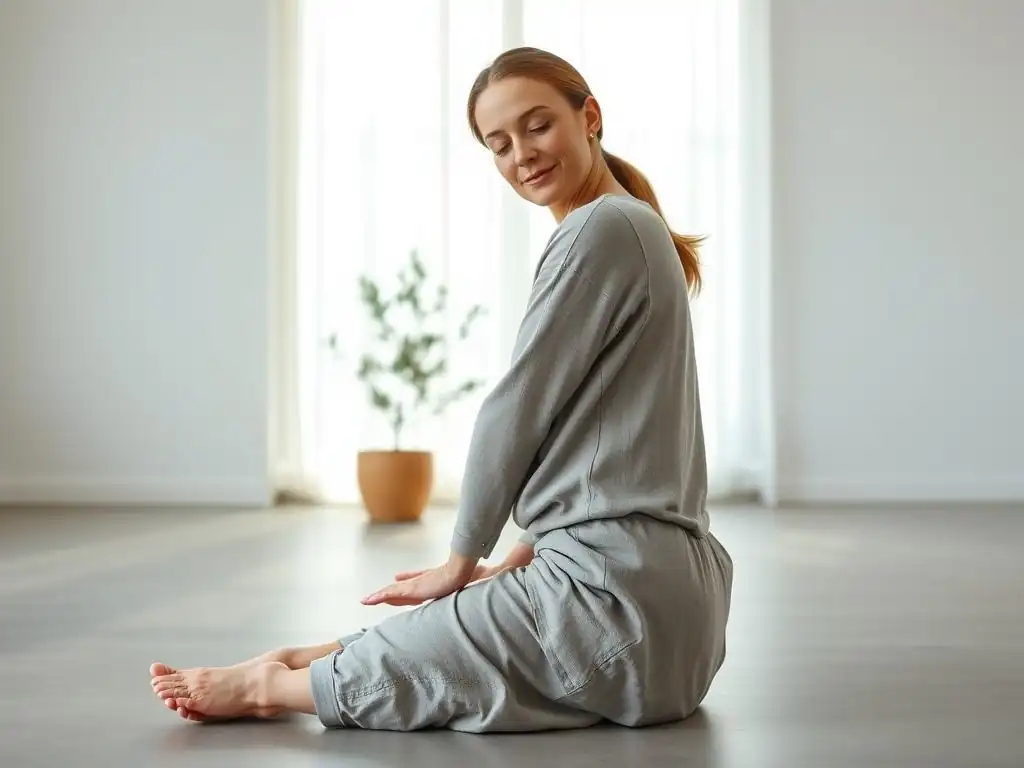
Integrating mindful movement into your routine doesn't require complex choreography or intense physical exertion. Many simple, gentle exercises can be performed anywhere, anytime, to help release stress and tension. The key is to approach these movements with intention and awareness, focusing on the sensations within your body and the rhythm of your breath. Even a few minutes dedicated to these simple practices can make a significant difference in your stress levels throughout the day. Start with just one or two exercises that resonate with you and gradually explore others as you become more comfortable.
These exercises serve as accessible entry points into the practice of mindful movement. They are designed to be adaptable to different fitness levels and physical conditions, ensuring that almost anyone can benefit. The emphasis is always on gentle, conscious movement rather than performance. By focusing on the process of moving with awareness, you unlock the powerful stress-reducing benefits inherent in these simple techniques. This mindful approach is what transforms basic exercises into effective tools to reduce stress tension.
Breathing Exercises for Stress Reduction Through Mindful Movement
Breathing is the foundation of both life and mindful practice. Consciously regulating your breath can immediately impact your nervous system, shifting it from a stress response to a state of calm. Integrating breathwork with simple movements enhances this effect, allowing breath to guide and deepen the physical release of tension. These combined practices help anchor your awareness firmly in the present moment, providing a direct pathway to reducing stress and anxiety.
Focusing on your breath during mindful movement amplifies the exercise's effectiveness. The breath acts as a continuous anchor, helping you stay present even when your mind tries to wander. Deep, controlled breathing techniques, when paired with gentle movement, can actively lower heart rate and blood pressure, counteracting the physiological effects of stress. This synergy between breath and movement is a powerful tool for achieving relaxation and helping mindful movement reduce stress tension.
Diaphragmatic Breathing: A Foundation for Mindful Movement
Diaphragmatic breathing, also known as belly breathing, is a fundamental technique that engages the diaphragm, a large muscle located beneath the lungs. Unlike shallow chest breathing, which is often associated with stress, diaphragmatic breathing allows for deeper oxygen exchange and signals the body to relax. To practice, sit or lie comfortably and place one hand on your chest and the other on your abdomen just below your rib cage. Inhale slowly through your nose, feeling your abdomen expand as your diaphragm lowers.
Your chest should remain relatively still. Exhale slowly through pursed lips, feeling your abdomen gently contract. Aim for a slower exhale than inhale, perhaps inhaling for a count of four and exhaling for six.
Integrating diaphragmatic breathing into mindful movement, such as gentle stretching or walking, enhances its calming effects. As you perform a stretch, inhale deeply into your belly, and as you exhale, consciously invite tension to release from the stretched muscles. During mindful walking, synchronize your steps with your breath, perhaps inhaling for three steps and exhaling for four. This conscious breathing pattern while moving reinforces the relaxation response and helps to actively reduce stress tension throughout the body. Practicing this simple technique for just 5-10 minutes daily can significantly improve your ability to manage stress.
Alternate Nostril Breathing (Nadi Shodhana) and Stress Relief
Alternate nostril breathing (Nadi Shodhana) is a yogic breathing technique believed to balance the left and right hemispheres of the brain and calm the nervous system. While typically practiced sitting still, the principles of controlled, alternating breath can be used before or after gentle mindful movement to deepen relaxation. Find a comfortable seated position. Close your right nostril with your right thumb and inhale slowly through your left nostril.
Close your left nostril with your right ring finger and release your thumb from the right nostril, exhaling slowly through the right. Then, inhale through the right nostril, close it with your thumb, release your ring finger from the left nostril, and exhale through the left. This completes one cycle. Repeat for several rounds, aiming for smooth, equal inhales and exhales.
Practicing Nadi Shodhana for 5-10 minutes can significantly reduce anxiety and promote mental clarity, making it an excellent preparatory or concluding exercise for a mindful movement session aimed at reducing stress tension. A study published in the Journal of Alternative and Complementary Medicine in 2013 found that Nadi Shodhana practice led to a significant decrease in perceived stress levels and improved autonomic nervous system balance in participants. While not a movement during the exercise, its calming effect primes the body and mind for more effective mindful movement.
Mindful Stretching for Tension Release
Muscles often hold onto stress and tension, becoming tight and restricted. Mindful stretching involves slowly and gently moving your body through a range of motion while paying close attention to the sensations of lengthening and releasing. It's not about pushing yourself to your limit, but about exploring the edges of your flexibility with kindness and awareness. This conscious approach to stretching helps to physically release knots of tension accumulated from stress, poor posture, or repetitive movements.
Incorporating mindful stretching into your daily routine can provide immediate relief from physical tension and contribute to long-term flexibility and reduced stress. Dedicate just 5-10 minutes to gentle stretches, focusing on areas where you typically hold tension, such as the neck, shoulders, and hips. As you hold a stretch, breathe deeply into the area, visualizing the tension melting away with each exhale. This combination of gentle movement, breath, and focused awareness is highly effective for unwinding physical stress and helping mindful movement reduce stress tension.
Neck Rolls for Releasing Neck Tension
Neck tension is a common symptom of stress, often caused by prolonged computer use or emotional strain. Gentle neck rolls can help release tightness in the neck and upper shoulders. Sit or stand comfortably with a straight spine. Slowly lower your chin towards your chest, feeling the stretch along the back of your neck. Hold for a breath, noticing the sensation.
Then, gently roll your right ear towards your right shoulder. Hold for a breath, feeling the stretch on the left side of your neck. Slowly roll your chin back down to your chest, and then roll your left ear towards your left shoulder. Continue this slow, deliberate motion, perhaps doing 3-5 rolls in each direction.
As you perform neck rolls mindfully, pay attention to any areas of stiffness or discomfort. Breathe into these areas, and consider gently adjusting the range of motion if needed. Avoid forcing the movement. The goal is gentle release, not deep stretching. By focusing on the subtle sensations in your neck as you move, you actively engage in mindful movement reduce stress tension held in this vulnerable area. Performing these rolls throughout the day, especially after periods of sitting, can prevent tension buildup.
Shoulder Rolls for Easing Upper Back Stress
Stress frequently settles in the upper back and shoulders, creating tightness and discomfort. Mindful shoulder rolls are a simple yet effective exercise to release this tension. Sit or stand with your arms relaxed at your sides.
Slowly roll your shoulders forward in a circular motion, inhaling as you lift them towards your ears and exhaling as you roll them down and back. Feel the movement of your shoulder blades and the release in your upper back. After 5-10 forward rolls, reverse the direction, rolling your shoulders backward, inhaling as you lift and exhaling as you roll them down and forward.
Focus your attention entirely on the movement and the sensations in your shoulders and upper back. Notice any crunching sounds or areas of resistance without judgment. Visualize the tension melting away with each roll. This simple mindful movement reduces stress tension by increasing circulation and releasing muscular knots. Performing 10-15 conscious shoulder rolls can provide noticeable relief and serve as a quick stress break during a busy day.
Gentle Back Stretches for Lower Back Pain Relief
Lower back pain is often exacerbated by stress and prolonged sitting. Gentle back stretches performed mindfully can help alleviate this discomfort and promote relaxation. One simple stretch is the seated spinal twist. Sit on the floor with your legs extended. Bend your right knee and place your right foot flat on the floor outside your left thigh.
Place your right hand on the floor behind you for support. Inhale to lengthen your spine, and as you exhale, gently twist your torso to the right, placing your left elbow on the outside of your right knee or hugging your knee with your left arm. Look over your right shoulder if comfortable. Hold for 3-5 breaths, focusing on the stretch in your back and the flow of your breath. Release and repeat on the other side.
Another helpful stretch is the cat-cow pose (detailed later, but also effective for lower back). The key is to move slowly and listen to your body, avoiding any movement that causes sharp pain. By moving mindfully through these stretches, you not only release physical tension but also connect with your body's current state, which is integral to using mindful movement reduce stress tension effectively. Regular practice can improve flexibility and reduce the frequency of stress-related lower back pain.
Mindful Walking Meditation: A Simple Exercise to Reduce Stress
Mindful walking meditation is a portable and accessible form of mindful movement that can be practiced almost anywhere – indoors or outdoors. It transforms the simple act of walking into a conscious practice aimed at cultivating presence and releasing stress. Instead of rushing from point A to point B or letting your mind wander, you bring your full attention to the experience of walking. This focused awareness helps to ground you in the present moment, interrupting the cycle of stressful thoughts.
The beauty of mindful walking is its simplicity. You don't need special equipment or a specific location; any walk can become a mindful one. Even 10 minutes of walking with intention can significantly lower stress levels.
A 2014 study published in Ecopsychology found that a 90-minute walk in nature, compared to an urban setting, significantly decreased activity in the brain region associated with rumination, a common driver of stress and anxiety. While not strictly "mindful" in the study, it highlights the power of walking with attention to the environment, which is a key component of mindful walking. This practice is a powerful way to use mindful movement reduce stress tension in your daily life.
Focusing on Sensations During Mindful Walking
The core practice of mindful walking involves bringing your awareness to the physical sensations of walking. Begin by noticing the feeling of your feet making contact with the ground – the heel striking, the weight shifting through the sole, the toes pushing off. Pay attention to the rhythm of your steps and the movement of your legs.
You can also bring awareness to other sensations, such as the feeling of the air on your skin, the sounds around you, or the gentle swing of your arms. The goal is simply to notice these sensations without judgment, allowing them to anchor you in the present moment.
If your mind wanders, which it inevitably will, simply notice the thought or distraction without engaging with it, and gently guide your attention back to the sensations of walking. This gentle redirection is a core skill cultivated through mindful practice. By consistently returning your awareness to the physical experience, you train your mind to be more present and less reactive to stressful thoughts. This focused attention on sensory input is a direct way to use mindful movement reduce stress tension effectively.
Integrating Mindful Walking into Your Daily Routine
Integrating mindful walking into your daily life doesn't require setting aside large blocks of time. You can practice mindful walking during your commute, while walking to the store, or even while walking around your home or office. Start with short periods, perhaps just 5-10 minutes, and gradually increase the duration as you become more comfortable. For example, instead of checking your phone during your lunch break walk, dedicate that time to mindful walking.
Consider using triggers to remind yourself to practice mindful walking. This could be walking from your car to the office building, walking between meetings, or walking up a flight of stairs. Each step becomes an opportunity to connect with your body and the present moment. Making mindful walking a regular habit, even in small doses, provides consistent opportunities to release stress and tension throughout your day. Consistency is key to leveraging mindful movement reduce stress tension effectively over the long term.
Yoga-Inspired Mindful Movement for Stress
Yoga postures, or asanas, are inherently mindful movements when practiced with intention and breath awareness. Yoga combines physical postures, breathing techniques (pranayama), and meditation elements, making it a comprehensive practice for stress reduction. Gentle yoga poses can help release physical tension, improve flexibility, and calm the nervous system. The focus on linking breath to movement in yoga encourages a meditative state, quietening the mental chatter that often fuels stress.
Many yoga poses are specifically designed to promote relaxation and release tension in areas commonly affected by stress, such as the hips, shoulders, and spine. Practicing these poses mindfully, paying attention to the sensations in your body and the flow of your breath, enhances their stress-relieving benefits. You don't need to be a contortionist or attend advanced classes; simple, gentle poses can be incredibly effective. Exploring even a few basic yoga poses with mindfulness can be a powerful way to use mindful movement reduce stress tension.
Cat-Cow Pose for Spinal Flexibility and Stress Reduction
The Cat-Cow pose (Marjaryasana-Bitilasana) is a gentle, flowing movement that warms up the spine and releases tension in the back, neck, and core. It is often synchronized with breath, making it an excellent mindful movement exercise. Start on your hands and knees, with your wrists directly under your shoulders and your knees directly under your hips. As you inhale, drop your belly towards the mat, lift your chest and tailbone towards the ceiling, and gently look up (Cow pose).
Feel the stretch along the front of your torso. As you exhale, round your spine towards the ceiling, tuck your chin towards your chest, and draw your belly button towards your spine (Cat pose). Feel the stretch along your back.
Move slowly and fluidly between these two poses, coordinating each movement with an inhale or exhale. Pay attention to the sensations in your spine as it flexes and extends. Notice how the movement feels in your neck, shoulders, and hips. Repeating this movement for 5-10 cycles can release significant tension in the back and promote a sense of calm through the rhythmic breath and movement. This simple, accessible pose is a core example of how mindful movement reduce stress tension in the back and spine.
Child's Pose for Calm and Relaxation
Child's Pose (Balasana) is a resting pose that encourages relaxation and gentle stretching of the back, hips, and thighs. It is a comforting posture that can help quiet the mind and soothe the nervous system, making it ideal for stress reduction. Kneel on the floor with your big toes touching and your knees hip-width apart or wider. Lower your torso between your thighs and rest your forehead on the mat. You can extend your arms forward or rest them alongside your body, palms facing up. Allow your shoulders to relax and your back to round gently.
Once in the pose, focus on your breath. Feel your belly pressing against your thighs as you inhale, and feel your body sink deeper into the pose as you exhale. Stay here for 5-10 breaths or longer, allowing yourself to fully surrender to the support of the ground. This pose provides a sense of grounding and introspection, offering a moment of respite from external stressors. It is a powerful example of how a seemingly simple pose performed mindfully can significantly reduce stress tension.
Integrating Mindful Movement into Your Daily Life
Making mindful movement a consistent part of your daily life is key to reaping its long-term benefits for stress reduction. It's not about adding another overwhelming task to your schedule, but about finding small, manageable ways to weave movement with awareness into your existing routines. Consistency, even in short bursts, is more impactful than sporadic long sessions. Start small and gradually build up your practice as it becomes more natural.
Finding specific times or triggers for mindful movement can help establish a routine. This might be practicing mindful stretching first thing in the morning, taking a mindful walk during your lunch break, or doing gentle yoga-inspired movements before bed. The goal is to create habits that allow you to regularly use mindful movement reduce stress tension throughout your day, preventing buildup rather than just reacting to it.
Creating a Mindful Movement Routine for Stress Management
Establishing a mindful movement routine requires intention and planning. Start by identifying realistic times in your day when you can dedicate even 5-15 minutes to the practice. This might be upon waking, during a mid-day slump, or in the evening. Choose exercises that you enjoy and that are appropriate for your current physical condition and environment. For instance, if you work from home, short breaks for mindful stretching or walking around your living space can be easily integrated. If you commute, mindful walking during your journey is an option.
Consider using a calendar or app to schedule your mindful movement sessions, treating them with the same importance as other appointments. Start with just 3-4 times per week and gradually increase as the practice becomes more ingrained. Remember that consistency is more important than duration; a few minutes of mindful movement daily is more beneficial than one long session weekly. This structured approach helps ensure you regularly use mindful movement reduce stress tension as part of your self-care.
Tips for Staying Present During Mindful Exercise
Staying present during mindful movement can be challenging, as the mind is prone to wandering. Here are some tips to help you maintain focus:
- Anchor to the breath: Continuously bring your attention back to the sensation of your breath moving in and out of your body.
- Focus on physical sensations: Pay close attention to how your body feels as you move – the stretch, the warmth, the weight, the contact with the ground.
- Engage your senses: Notice what you see, hear, smell, or feel in your environment (if applicable, like during mindful walking).
- Move slowly and deliberately: Slower movements make it easier to notice subtle sensations.
- Be kind to yourself: When your mind wanders, which it will, simply notice it without judgment and gently guide your attention back to the movement or breath. Don't criticize yourself.
Remember that mindfulness is a practice, not a destination. There will be days when your mind feels particularly busy. The key is to keep returning your attention gently, building the mental muscle of presence over time. Consistent effort to stay present is fundamental to making mindful movement reduce stress tension effectively.
Overcoming Challenges and Maintaining Consistency
Maintaining consistency with any new habit can be difficult. Common challenges include lack of time, feeling unmotivated, or forgetting to practice. To overcome these:
- Start small: Even 2-3 minutes of mindful movement is better than none.
- Tie it to an existing habit: For example, do 5 minutes of mindful stretching after brushing your teeth or before your morning coffee.
- Find an accountability partner: Practice with a friend or family member.
- Track your progress: Use a journal or app to log your practice sessions.
- Be flexible: If you miss a session, don't dwell on it; just start again with the next opportunity.
- Remind yourself of the benefits: Reflect on how mindful movement makes you feel afterwards – calmer, more grounded, less tense.
By anticipating challenges and having strategies in place, you increase your likelihood of sticking with your mindful movement routine. Remember that this is an investment in your well-being. Prioritizing these moments helps you consistently use mindful movement reduce stress tension and improve your overall quality of life.
Advanced Mindful Movement Techniques for Deep Relaxation
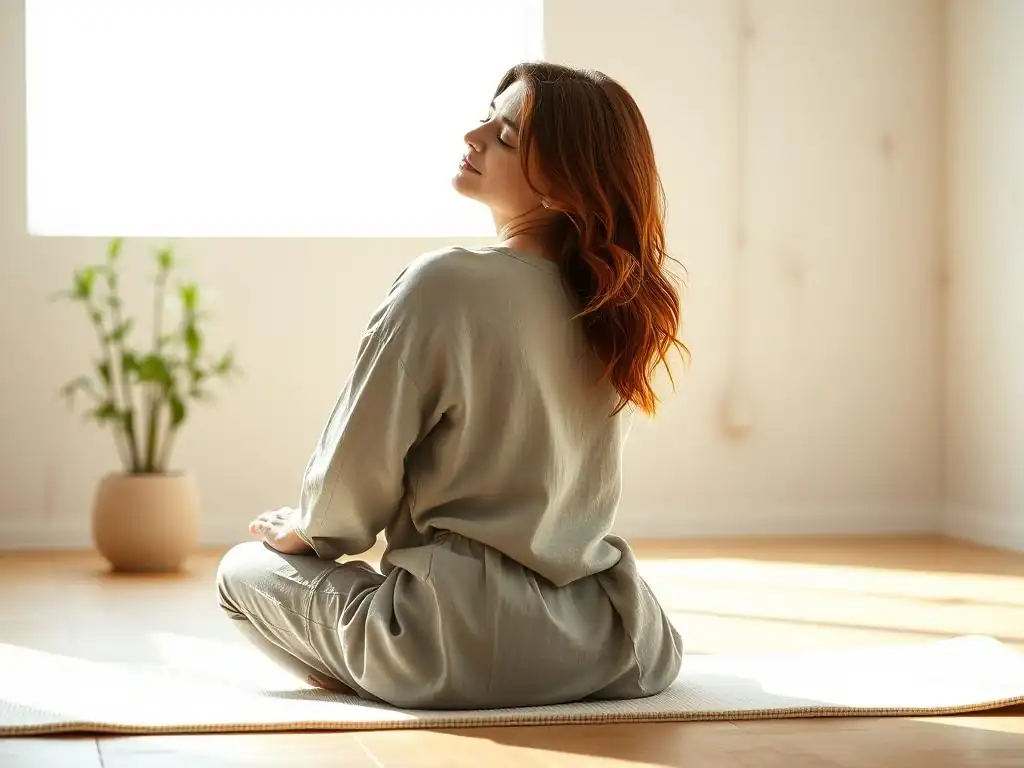
Once you have established a regular practice of basic mindful movement exercises, you may wish to explore more advanced techniques that can lead to deeper states of relaxation and stress release. These practices often involve more complex sequences or a greater emphasis on subtle energy flow within the body. While they may require more instruction or practice to master, they offer powerful pathways to profound calm and enhanced mind-body connection.
These advanced techniques build upon the foundational principles of presence, breath awareness, and gentle movement. They can be particularly helpful for individuals dealing with chronic stress or those seeking to deepen their meditative practice through physical engagement. Exploring these options provides further avenues to leverage mindful movement reduce stress tension at a more profound level.
Body Scan Meditation Through Movement
Body scan meditation is typically practiced lying down, systematically bringing attention to different parts of the body to notice sensations. However, a body scan can also be integrated into slow, mindful movement. As you move, perhaps through a series of gentle stretches or slow yoga poses, direct your awareness to the specific body part that is being engaged or stretched. For example, during a seated forward bend, focus your attention on the sensations in your hamstrings, lower back, and neck.
This moving body scan deepens your interoceptive awareness – your ability to sense the internal state of your body. By paying close attention to physical sensations during movement, you become more attuned to where you hold tension and how your body responds to stress. This heightened awareness allows for more conscious release of tension and promotes a deeper sense of relaxation throughout the body. Practicing a moving body scan for 15-20 minutes can lead to a significant reduction in perceived physical tension and stress.
Tai Chi for Stress Reduction and Balance
Tai Chi is an ancient Chinese martial art practiced for health and meditation. It involves a series of slow, flowing movements performed with deep, conscious breathing. The movements are graceful and continuous, resembling a moving meditation. Tai Chi promotes balance, flexibility, and coordination while simultaneously cultivating a calm and focused mind. The gentle, low-impact nature of Tai Chi makes it suitable for people of all ages and fitness levels.
Studies have consistently shown the benefits of Tai Chi for stress reduction, anxiety, and depression. A 2018 systematic review and meta-analysis published in the Journal of the American Medical Association (JAMA) Internal Medicine found that Tai Chi was associated with improvements in psychological well-being, including reduced stress, anxiety, and depression symptoms, across various populations. The focus on slow, deliberate movement and breath coordination makes Tai Chi an exceptional practice to use mindful movement reduce stress tension and improve overall mental and physical health.
Qigong for Energy Flow and Emotional Well-being
Qigong (pronounced "chee-gong") is another ancient Chinese mind-body practice that involves slow movements, gentle exercises, and focused breathing. Qigong aims to cultivate and balance qi (life energy) within the body, promoting health and emotional well-being. Like Tai Chi, Qigong movements are soft and flowing, often repetitive, and synchronized with breath. The practice focuses on releasing physical blockages and promoting smooth energy flow, which is believed to alleviate stress and improve mood.
Regular Qigong practice has been linked to reduced stress, improved sleep, and enhanced mood. A 2017 study in Complementary Therapies in Medicine found that Qigong practice led to significant reductions in stress, anxiety, and depression symptoms among participants. The emphasis on gentle, internal focus and energy cultivation makes Qigong a powerful tool for deep relaxation and emotional regulation. Engaging in Qigong is a profound way to use mindful movement reduce stress tension by addressing both physical and energetic imbalances.
The Science Behind Mindful Movement and Stress
The effectiveness of mindful movement in reducing stress and tension is supported by a growing body of scientific research. These studies explore the physiological and psychological mechanisms through which integrating mindfulness with movement impacts the body and brain. Understanding the science can reinforce the value of this practice and provide further motivation for incorporating it into your life. The benefits extend beyond subjective feelings of calm, showing measurable changes in the body's stress response systems.
Research highlights how mindful movement influences everything from hormone levels to brain structure and function. This scientific backing underscores that using mindful movement reduce stress tension isn't just a feeling; it's a tangible process with observable effects on the human body.
How Mindful Movement Affects the Nervous System
Mindful movement has a profound impact on the autonomic nervous system (ANS), which controls involuntary bodily functions like heart rate, digestion, and breathing. The ANS has two branches: the sympathetic nervous system (responsible for the fight-or-flight response) and the parasympathetic nervous system (responsible for rest and digest). Stress activates the sympathetic nervous system, keeping the body in a state of high alert. Mindful movement, particularly slow, rhythmic practices like mindful walking, Tai Chi, or gentle yoga, actively engages the parasympathetic nervous system.
By shifting the balance towards parasympathetic activity, mindful movement helps lower heart rate, reduce blood pressure, and decrease the production of stress hormones. The focused awareness on breath and body sensations during movement also helps to regulate the vagus nerve, a key component of the parasympathetic system. This regulation promotes a sense of calm and helps the body return to a state of equilibrium after experiencing stress. A 2016 review in Frontiers in Human Neuroscience discussed how mindfulness practices, including movement, enhance vagal tone, which is associated with better emotional regulation and resilience to stress.
Research Supporting the Benefits of Mindful Exercise
Numerous studies have investigated the benefits of mindful exercise for stress reduction and mental health. Research on practices like yoga, Tai Chi, and mindful walking consistently shows positive outcomes. For example, a meta-analysis published in Psychological Bulletin in 2014, reviewing 47 studies with over 3,500 participants, found that mindfulness-based stress reduction (MBSR) programs, which often include mindful movement, significantly reduced symptoms of anxiety, depression, and psychological distress.
Specific studies on mindful movement demonstrate its effectiveness. A 2017 study on college students found that a single 30-minute session of mindful walking significantly reduced anxiety and improved mood. Research on Tai Chi has shown it reduces cortisol levels and improves mood in older adults. These findings provide strong evidence that integrating mindfulness with physical activity is a powerful strategy to reduce stress tension and improve overall well-being.
Mindful Movement and Hormonal Balance
Stress triggers the release of hormones like cortisol and adrenaline. Chronic stress can lead to elevated levels of cortisol, which can have negative effects on various bodily functions, including sleep, immune response, and mood. Mindful movement helps regulate the release of these stress hormones. Regular physical activity, combined with the calming effects of mindfulness, can lead to a reduction in baseline cortisol levels.
Furthermore, mindful movement can promote the release of endorphins, natural mood elevators and pain relievers produced by the brain. The combination of reduced stress hormones and increased endorphins contributes to the feelings of well-being and relaxation experienced after mindful movement. For instance, a study involving participants in a mindful walking program showed a 15-20% decrease in salivary cortisol levels over an eight-week period. This hormonal regulation is a key mechanism through which mindful movement reduce stress tension at a physiological level.
Conclusion: Embrace Mindful Movement for a Stress-Free Life
In a world often characterized by busyness and overwhelm, finding effective strategies to manage stress is paramount for maintaining mental and physical health. Mindful movement offers a gentle yet powerful path to releasing stress and tension by integrating intentional awareness with physical activity. It provides a way to reconnect with your body, calm your mind, and cultivate a sense of presence that counters the effects of stress. Whether through gentle stretching, mindful walking, or practices like Tai Chi or Qigong, incorporating mindful movement into your daily routine can lead to significant improvements in your well-being.
The benefits of mindful movement extend beyond stress reduction, encompassing improved body awareness, enhanced focus, greater self-compassion, and a more balanced nervous system. By committing to even a few minutes of mindful movement each day, you are making a valuable investment in your health and resilience. Start small, be patient with yourself, and explore different techniques to find what resonates most with you. Embrace the opportunity to move with awareness and discover the profound peace that comes from truly inhabiting your body.
Key Takeaways: Mindful Movement to Reduce Stress and Tension
- Mindful movement integrates physical activity with present-moment awareness.
- It leverages the mind-body connection to release both physical and mental tension.
- Benefits include reducing anxiety, improving focus, and enhancing body awareness.
- Gentle exercises like mindful stretching, walking, and yoga poses are effective.
- Breathing techniques are foundational to mindful movement practices.
- Consistency, even in short bursts, is crucial for long-term results.
- Advanced practices like Tai Chi and Qigong offer deeper relaxation.
- Scientific research supports the impact of mindful movement on the nervous system and stress hormones.
- Embracing mindful movement is a practical way to reduce stress tension daily.
Resources for Further Exploration of Mindful Movement Practices
To deepen your understanding and practice of mindful movement for stress reduction, consider exploring various resources. Books on mindfulness and movement, introductory guides to gentle yoga or Tai Chi, and online platforms offering guided mindful movement sessions can be valuable tools. Look for resources that emphasize gentleness, breath awareness, and non-judgmental presence. Exploring different teachers or styles might help you find the approach that best suits your needs and preferences. Remember that the journey of mindful movement is personal and unfolds gradually with consistent practice and curiosity.
Frequently Asked Questions
How does mindful movement specifically help reduce stress and tension?
Mindful movement focuses on the present moment awareness of your body. This helps to interrupt the cycle of anxious thoughts and reduce overall stress and tension levels.
What are some examples of mindful movement exercises that are easy to incorporate into daily life?
Simple exercises like gentle stretching, yoga, or even a mindful walk in nature can be incredibly effective. The key is to pay attention to your body's sensations as you move.
How often should I practice mindful movement to see noticeable benefits in stress reduction?
Even short sessions of 10-15 minutes daily can make a significant difference. Consistency is key; aim for regular practice to experience the full benefits of reduced stress and tension.
Can mindful movement replace other forms of mental health treatment, such as therapy or medication?
Mindful movement can be a valuable complementary practice, but it's not a replacement for professional help. Continue with prescribed treatments and use mindful movement as an additional tool for well-being.
What if I find it difficult to focus on my body and breath during mindful movement due to racing thoughts?
It's common to have wandering thoughts. Gently redirect your attention back to your breath and body sensations without judgment. With practice, it becomes easier to stay present and reduce stress tension.
Final Reflection: Cultivating Calm Through Mindful Movement
The pervasive stress and tension of modern life demand effective coping mechanisms, and mindful movement offers a powerful, accessible antidote. It's not just about physical exercise; it's about cultivating a deeper connection between mind and body, fostering a sense of presence and calm that transcends the immediate physical sensations. This approach, increasingly recognized by medical professionals and wellness advocates alike, provides a sustainable path to managing stress and improving overall well-being.
The impact of mindful movement extends far beyond the immediate release of tension. It cultivates a mindful awareness that permeates other aspects of life, fostering a greater sense of self-compassion and resilience. The body benefits from movement, and the mind benefits from stillness.
This quote perfectly encapsulates the holistic nature of this practice, highlighting the interconnectedness of physical and mental well-being. The ongoing integration of mindful movement into our increasingly fast-paced world is crucial for fostering a healthier, more balanced society.
Now, consider how you can integrate these gentle exercises into your daily routine. Perhaps start with just five minutes of mindful stretching each morning, or incorporate a short walking meditation into your lunch break. Don't underestimate the power of small, consistent actions. By consciously choosing to move your body with intention and awareness, you're not just releasing physical tension; you're cultivating a deeper connection with yourself and building a foundation for a calmer, more resilient you. Embrace the journey towards a more mindful and peaceful existence – your body and mind will thank you for it.
Unwind and Flourish: Start Your Journey to Stress-Free Living
Thanks for taking the time to explore mindful movement with us! We hope you've discovered new ways to release tension and reconnect with your body. Ready to take the next step?
- Prioritize your well-being: Start by incorporating just five minutes of gentle stretching into your daily routine. Choose one exercise from the article that resonates with you and make it a habit.
- Share your experience: Tell us in the comments below – which exercise helped you the most and how did it make you feel?
- Discover more: Explore other stress-reducing techniques on MindCareGuide.org (This is fine as it is not a live link)
What small change will you make today to prioritize your mental and physical well-being?