
Is Transcendental Meditation the Right Meditation for You?

Welcome to Mind Care Guide.
Feeling overwhelmed by anxiety? You're not alone. Perhaps you've heard whispers of ancient practices offering solace, but wonder if they truly hold the key. Could Transcendental Meditation be the answer you've been searching for? We'll delve into the surprising benefits of Transcendental Meditation for anxiety, exploring its unique approach and helping you decide if it's the right path to a calmer, more centered you. Let's begin this journey together...
Is Transcendental Meditation the Right Meditation for You? A Mind Care Guide
- Understanding Transcendental Meditation: An Introduction
-
Exploring the Benefits of Transcendental Meditation for Anxiety and Well-being
- Transcendental Meditation Benefits Anxiety: A Deep Dive
- Reducing Stress and Promoting Relaxation through Transcendental Meditation
- Improved Focus and Mental Clarity with Transcendental Meditation
- Transcendental Meditation and Emotional Regulation: Managing Mood and Well-being
- Transcendental Meditation for Overall Well-being: A Holistic Approach
- Who is Transcendental Meditation Suitable For?
- Potential Drawbacks and Considerations Before Starting Transcendental Meditation
- How to Learn Transcendental Meditation: A Step-by-Step Guide
- Scientific Research and Evidence Supporting Transcendental Meditation
- Alternatives to Transcendental Meditation: Exploring Other Options
- Conclusion: Making an Informed Decision About Transcendental Meditation
-
Frequently Asked Questions
- What exactly is Transcendental Meditation, and how does it differ from other meditation techniques?
- What are the key Transcendental Meditation benefits for anxiety sufferers, according to research?
- How long does it typically take to start experiencing noticeable Transcendental Meditation benefits for anxiety?
- Is Transcendental Meditation suitable for everyone, and are there any potential drawbacks or considerations?
- How does one learn Transcendental Meditation, and what are the typical costs associated with the training?
- Final Reflection: Finding Your Inner Peace Through Transcendental Meditation
- Unleash Your Inner Calm: Take the Next Step
Understanding Transcendental Meditation: An Introduction
What is Transcendental Meditation? A Simple Definition
Transcendental Meditation, often referred to as TM, is a specific form of mantra meditation that was introduced to the West by Maharishi Mahesh Yogi. Unlike some other meditation techniques that focus on mindfulness or concentration, TM involves the silent repetition of a specific, personalized mantra, which is a meaningless sound or word. The technique is practiced for 15-20 minutes twice a day, sitting comfortably with eyes closed. The goal is to allow the mind to settle inward naturally and effortlessly to a state of deep rest and expanded awareness, transcending or going beyond the ordinary level of thinking.
The practice is designed to be effortless, not requiring concentration or control of the mind. The mantra acts as a vehicle for the mind to settle down, allowing thoughts to come and go without engagement. This process is believed to lead to a unique state of restful alertness, distinct from sleeping or waking, which is associated with profound physiological and psychological benefits. The simplicity and effortlessness are core tenets, making it accessible to people from all walks of life, regardless of belief system or lifestyle.
The Core Principles of Transcendental Meditation: Mantra and Effortlessness
The central principle of Transcendental Meditation lies in the use of a specific, personal mantra and the cultivation of an effortless practice. Each student receives a unique mantra from a certified TM teacher, chosen based on specific criteria, which is kept confidential. This mantra is not meant to be contemplated or focused on intensely but rather used as a sound that allows the mind to settle naturally. The process is one of "innocently" repeating the mantra and allowing the mind to follow its natural inclination to move towards quieter states of awareness.
Effortlessness is another defining characteristic. Unlike concentration techniques that require effort to hold the mind on an object, or mindfulness techniques that involve observing thoughts and feelings without judgment, TM encourages the mind to transcend thought spontaneously. This lack of effort is crucial; forcing the mind is seen as counterproductive. By allowing the mind to settle without struggle, the practitioner is believed to access deeper levels of consciousness and physiological rest, which forms the basis for many of the reported benefits, including reduced stress and improved mental clarity.
Transcendental Meditation vs. Other Meditation Techniques: Key Differences
Transcendental Meditation differs significantly from many other popular meditation practices like mindfulness or concentration meditation. A primary distinction is the use of a specific, personal mantra and the emphasis on effortlessness and transcending thought, rather than focusing on or observing thoughts. In mindfulness meditation, the focus is typically on bringing awareness to the present moment, observing thoughts, feelings, and sensations without judgment. Concentration meditation involves focusing the mind on a single point, such as the breath or an object.
TM, in contrast, uses the mantra to allow the mind to settle inward to a state of "transcendental consciousness," which is described as a state beyond thinking. This is not about emptying the mind but allowing it to reach a state of deep rest.
While mindfulness and concentration practices often involve a degree of active engagement with the mind, TM is characterized by its passive and mechanical nature, requiring no control or effort. This fundamental difference in technique is often cited as the reason for the unique physiological and psychological effects associated with TM, particularly its deep state of rest.
Exploring the Benefits of Transcendental Meditation for Anxiety and Well-being
Transcendental Meditation Benefits Anxiety: A Deep Dive
One of the most widely researched areas of Transcendental Meditation is its impact on anxiety reduction. Numerous studies suggest that regular TM practice can significantly lower anxiety levels. For example, a meta-analysis published in the Journal of Clinical Psychology in 2013 reviewed 16 studies and found that TM practice was associated with a significant reduction in trait anxiety, which is a person's general tendency to be anxious. The effects were found to be greater than those of standard anxiety treatments in some cases.
The mechanism by which Transcendental Meditation benefits anxiety is believed to be related to its ability to induce a profound state of physiological rest, deeper than that achieved during sleep. This state is associated with decreased activity in the amygdala, the brain region involved in processing fear and stress. Research, including studies using fMRI, has shown reduced reactivity in the amygdala during TM practice and in daily life among practitioners. This suggests that TM helps to calm the body's stress response system, leading to a reduction in anxious feelings and improving overall emotional resilience.
Reducing Stress and Promoting Relaxation through Transcendental Meditation
Beyond anxiety, Transcendental Meditation is well-known for its effectiveness in reducing overall stress and promoting deep relaxation. The effortless nature of the practice allows the nervous system to settle down, leading to measurable physiological changes indicative of relaxation. Studies have shown that during TM, there is a decrease in metabolic rate, heart rate, and respiration rate. There is also a decrease in stress hormones like cortisol.
A study published in the American Journal of Hypertension in 2007 found that TM practice significantly reduced blood pressure in individuals with mild hypertension, a condition often exacerbated by stress. This physiological response to TM is often described as the "relaxation response," but research suggests TM induces a state even deeper than typical relaxation techniques. This deep rest allows the body and mind to release accumulated stress and tension, leading to feelings of greater calm and well-being in daily life.
Improved Focus and Mental Clarity with Transcendental Meditation
Regular practice of Transcendental Meditation is often reported to enhance cognitive functions such as focus, concentration, and mental clarity. While the practice itself is effortless and does not involve concentration, the deep rest achieved is thought to rejuvenate the nervous system, leading to improved brain function. Studies have explored the effects of TM on attention and executive function.
Research has indicated that TM practitioners may show improved performance on tasks requiring focused attention and cognitive flexibility. For instance, some studies have observed changes in brain wave patterns, with increased alpha and theta activity associated with relaxed alertness and creativity. By reducing the noise of stress and anxiety, TM seems to free up mental resources, allowing for clearer thinking, better problem-solving abilities, and enhanced capacity to focus on tasks without distraction.
Transcendental Meditation and Emotional Regulation: Managing Mood and Well-being
Transcendental Meditation can play a significant role in improving emotional regulation and overall mood. By reducing the impact of stress and anxiety, TM helps individuals respond to challenging situations with greater equanimity. The practice is believed to help dissolve deeply rooted stress, which can often manifest as irritability, mood swings, and emotional reactivity.
Individuals who practice TM often report feeling happier, more stable emotionally, and better equipped to handle daily pressures. Research has explored TM's effects on depression, with some studies suggesting it can be a valuable tool in reducing depressive symptoms, sometimes in conjunction with conventional treatment. The practice fosters a sense of inner calm and resilience, which contributes to a more positive emotional outlook and improved psychological well-being.
Transcendental Meditation for Overall Well-being: A Holistic Approach
Transcendental Meditation offers a holistic approach to well-being, impacting not just mental states but also physical health and overall quality of life. The deep rest and stress reduction achieved through TM have ripple effects throughout the body and mind. Beyond the benefits for anxiety and stress, TM has been studied in relation to various health outcomes, including cardiovascular health, immune function, and sleep quality.
Many practitioners report improvements in energy levels, reduced fatigue, and a greater sense of vitality. The release of deep-seated stress can also alleviate stress-related physical symptoms like tension headaches or digestive issues. By promoting a state of balance and reducing the physiological burden of stress, Transcendental Meditation contributes to a more integrated and healthy functioning of the individual, encompassing physical, mental, and emotional dimensions.
Who is Transcendental Meditation Suitable For?
Is Transcendental Meditation Right for You? Considering Your Lifestyle and Needs
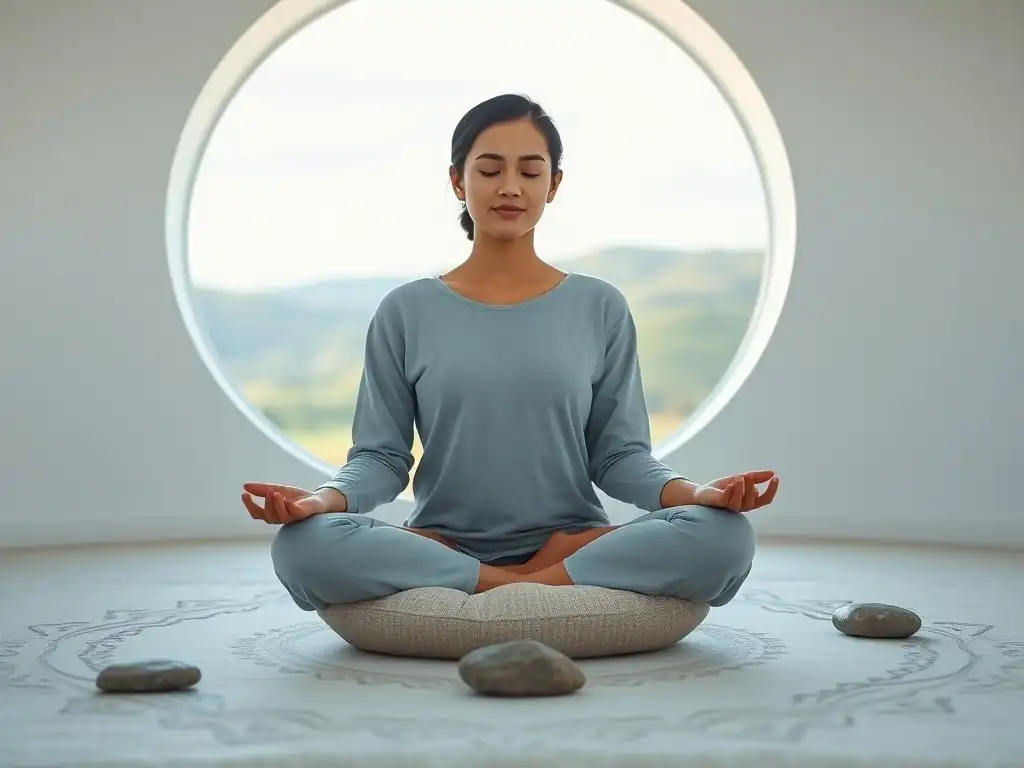
Transcendental Meditation is designed to be accessible to a wide range of people, regardless of their background, beliefs, or prior experience with meditation. It does not involve any philosophical or religious tenets, making it compatible with any lifestyle or belief system. The practice is simple, requiring no special postures or equipment, just a quiet place to sit for 15-20 minutes twice a day.
Consider whether you are looking for a meditation technique that is effortless and does not require concentration or intense introspection. If you are seeking a method to deeply reduce stress and anxiety, and you are willing to commit to two short sessions daily, TM might be a good fit. It's particularly appealing to those who find it difficult to quiet their minds or focus during other forms of meditation, as the TM technique uses the natural tendency of the mind to settle.
Transcendental Meditation for Beginners: A Gentle Introduction
Transcendental Meditation is particularly well-suited for beginners because of its effortless nature. The technique is taught step-by-step by a certified teacher over a few days. The initial instruction provides the student with their personal mantra and guides them on how to use it correctly and effortlessly. There is no need for prior meditation experience, flexibility, or specific beliefs.
The learning process includes follow-up sessions to ensure the technique is being practiced correctly and to address any questions or experiences the student might have. This structured approach and ongoing support make TM very accessible to newcomers who might feel intimidated by other meditation practices. The emphasis is on ease and simplicity from the very beginning.
Transcendental Meditation for Busy Individuals: Finding Calm Amidst Chaos
For busy individuals with demanding schedules, the structured nature and relatively short duration of Transcendental Meditation make it a practical option. Practicing for 15-20 minutes in the morning before starting the day and again in the late afternoon or early evening provides two distinct periods of deep rest and stress release. These short sessions can be easily integrated into a busy day, such as before breakfast and before dinner.
Many busy professionals, students, and parents find that these twice-daily sessions provide the necessary reset to navigate their demanding lives with greater energy, clarity, and resilience. The deep rest achieved helps to counteract the accumulating effects of daily stress, enabling individuals to be more productive and present in their activities, rather than feeling overwhelmed by chaos.
Transcendental Meditation for Chronic Pain Management
While not its primary focus, the stress-reducing benefits of Transcendental Meditation can indirectly help individuals manage chronic pain. Chronic pain is often exacerbated by stress, anxiety, and the emotional distress associated with living with persistent discomfort. By reducing stress and promoting a state of deep relaxation, TM can help lower the body's overall tension and reactivity.
Some individuals with chronic pain conditions report that regular TM practice helps them cope better with their pain, reduces their perception of pain intensity, and improves their overall quality of life. While TM is not a substitute for medical treatment for chronic pain, its ability to calm the nervous system and reduce the emotional burden of pain can be a valuable complementary tool in a comprehensive pain management strategy.
Potential Drawbacks and Considerations Before Starting Transcendental Meditation
Time Commitment: Is Transcendental Meditation Sustainable for Your Schedule?
Transcendental Meditation requires a consistent time commitment of 15-20 minutes, twice a day, every day. This totals 30-40 minutes daily. While this might seem like a small amount of time, integrating two dedicated sessions into a busy schedule can be challenging for some individuals. Life's demands can sometimes make it difficult to find a quiet space and uninterrupted time twice daily.
Before starting TM, it's important to honestly assess whether you can realistically commit to this schedule. While the benefits are often cited as worth the time investment, inconsistency in practice can diminish the results. Consider your daily routine and whether you can carve out these specific periods consistently, even on weekends or during travel.
Potential Emotional Challenges: Processing Difficult Feelings
Although Transcendental Meditation is generally considered a gentle and effortless technique, the process of deep rest and stress release can sometimes bring up unexpected emotional experiences. As the nervous system settles and releases accumulated stress, old or suppressed emotions might surface. This can manifest as feelings of sadness, frustration, or even mild physical discomfort temporarily.
It is important to understand that this is a normal part of the "unstressing" process. Certified TM teachers are trained to support students through these experiences and explain that they are signs of stress being released from the physiology. However, individuals with significant trauma or severe mental health conditions should discuss their situation with a healthcare professional before starting TM to ensure it is appropriate for them and to have adequate support in place.
Transcendental Meditation: Addressing Potential Misconceptions
There are several misconceptions about Transcendental Meditation that potential practitioners should be aware of. One common misconception is that TM is a religion or involves adopting a specific belief system. This is not the case; TM is presented as a non-religious, non-philosophical technique for deep rest and stress reduction. Another misconception is that you must be able to "empty your mind" for TM to work. The technique is effortless, and thoughts are expected to arise; the goal is not to stop thinking but to allow the mind to settle naturally.
Some people also believe TM is just like any other meditation. While all meditation techniques aim to quiet the mind, TM's specific mantra-based, effortless approach to transcending thought is considered unique by its proponents and is associated with distinct physiological effects compared to mindfulness or concentration practices. Understanding these points helps set realistic expectations and ensures that individuals approach the practice correctly.
How to Learn Transcendental Meditation: A Step-by-Step Guide
Finding a Qualified Transcendental Meditation Teacher or Course
Transcendental Meditation cannot be learned from a book, app, or online video. It must be taught in person by a certified TM teacher. The first step to learning TM is to find a local certified teacher or center. The official Transcendental Meditation organization maintains a directory of certified teachers worldwide. Learning from a certified teacher ensures that you receive personalized instruction, including your correct mantra, and learn the technique accurately and effortlessly.
The certification process for TM teachers is rigorous, involving extensive training to understand the technique deeply and to be able to guide students effectively. Contacting a local center or teacher allows you to attend an introductory talk, ask questions, and understand the course structure and fees before committing.
The Initial Transcendental Training Process: What to Expect
The initial instruction course for Transcendental Meditation typically takes place over four consecutive days. The first day involves a personal one-on-one session with the teacher where you receive your mantra and instruction on how to use it. The following three days consist of group sessions lasting about 1.5 to 2 hours each.
These group sessions involve practicing the technique together under the teacher's guidance, verifying that you are practicing correctly, and learning about the principles and benefits of TM. The teacher will also explain the experiences you might have during meditation and how to interpret them. This structured, in-person training is considered essential for learning the technique correctly and ensuring its effectiveness.
Integrating Transcendental Meditation into Your Daily Routine
Successfully integrating Transcendental Meditation into your daily routine requires planning and consistency. The recommendation is to practice for 15-20 minutes in the morning and 15-20 minutes in the evening. Many people find it easiest to meditate before breakfast in the morning and before dinner in the evening, as these times often provide a natural break in the day.
Finding a quiet, comfortable space where you won't be interrupted is key. It doesn't need to be completely silent, but minimizing distractions helps. Setting a specific time for each session can help establish a routine. Consistency is more important than perfection; even a slightly shorter session is better than skipping. Over time, these two short sessions become a natural and indispensable part of the day.
Maintaining Your Transcendental Practice: Long-Term Tips and Support
Maintaining a consistent Transcendental Meditation practice long-term is crucial for reaping its full benefits. The TM organization offers ongoing support for practitioners, including checking sessions with a certified teacher to ensure the technique is being practiced correctly, as well as advanced lectures and courses on related topics.
Tips for maintaining practice include viewing it as a non-negotiable part of your day, like brushing your teeth. Finding a meditation buddy or joining group meditations can also provide support and motivation. Remembering the positive changes TM brings to your life, such as reduced anxiety and stress, serves as a powerful incentive to keep practicing consistently.
Scientific Research and Evidence Supporting Transcendental Meditation

Studies on Transcendental Meditation and Anxiety Reduction
Extensive scientific research supports the claim that Transcendental Meditation benefits anxiety. As mentioned earlier, a 2013 meta-analysis in the Journal of Clinical Psychology found a significant reduction in trait anxiety across multiple studies. Another study published in the Permanente Journal in 2014 specifically looked at the effects of TM on anxiety in African Americans and found significant reductions in symptoms of anxiety, depression, and PTSD.
More recent research, such as a study published in Frontiers in Psychology in 2019, has used neuroimaging techniques to show that TM practice is associated with changes in brain activity patterns consistent with reduced stress and anxiety. These studies, among many others, provide a solid scientific basis for understanding how Transcendental Meditation benefits anxiety levels in diverse populations.
Research on Transcendental Meditation and Stress Management
Beyond anxiety, research has consistently demonstrated the effectiveness of Transcendental Meditation in managing stress. Studies have measured various physiological markers of stress reduction during and after TM practice, including decreased cortisol levels, reduced blood pressure, and lower heart rate variability indicating a shift towards parasympathetic nervous system dominance (the "rest and digest" state).
A study published in Health Psychology in 2016 involving individuals with high stress levels found that TM practice led to significant reductions in psychological distress and improvements in coping abilities over a 12-month period. This body of research highlights TM's capacity to counteract the physiological and psychological effects of chronic stress, contributing to improved resilience and well-being.
Scientific Validation of Transcendental Meditation's Benefits
The scientific validation of Transcendental Meditation's benefits extends beyond anxiety and stress to include potential impacts on cardiovascular health, brain function, and overall quality of life. The National Institutes of Health (NIH) in the United States has funded millions of dollars in research on TM, particularly regarding its effects on cardiovascular risk factors like hypertension.
Studies have shown that TM can lead to reductions in high blood pressure, atherosclerosis progression, and even reduce the risk of heart attack and stroke in high-risk individuals. While more research is always ongoing, the significant body of published studies in peer-reviewed journals provides substantial evidence supporting the various health and psychological benefits attributed to TM practice.
Alternatives to Transcendental Meditation: Exploring Other Options
Loving-Kindness Meditation as an Alternative to TM
Loving-Kindness Meditation (often called Metta meditation) is a different type of meditation that focuses on cultivating feelings of warmth, compassion, and love towards oneself and others. Unlike TM's effortless technique and mantra use, Loving-Kindness involves actively directing positive emotions and intentions. While TM aims for a state of deep rest and transcendence of thought, Metta focuses on cultivating specific positive emotional states.
For individuals seeking to reduce anxiety by actively fostering positive feelings and interpersonal connection, Loving-Kindness meditation might be a suitable alternative or complement to TM. Both practices can contribute to well-being, but they achieve it through different mechanisms and techniques.
Yoga and Tai Chi for Stress Reduction: A Comparison
Yoga and Tai Chi are mind-body practices that combine gentle physical movement, breathing techniques, and meditation or mindfulness elements. They are widely recognized for their stress-reducing benefits, offering alternatives to seated, silent meditation like TM. While TM is a purely mental technique practiced sitting with eyes closed, Yoga and Tai Chi involve physical postures, sequences of movements, and often open eyes.
Both Yoga and Tai Chi can improve flexibility, balance, and strength while calming the nervous system. Studies have shown they can reduce cortisol levels and lower blood pressure. Compared to TM's specific aim of transcending thought through a mantra, Yoga and Tai Chi often emphasize present-moment awareness (mindfulness) during movement and breath. For those who prefer a more active approach to stress reduction that involves the body, these practices are excellent alternatives.
Progressive Muscle Relaxation for Stress Relief: A Comparison
Progressive Muscle Relaxation (PMR) is a technique that involves tensing and then releasing different muscle groups in the body sequentially to achieve a state of physical relaxation. It is a guided practice, often involving audio instructions, and focuses specifically on releasing muscular tension, which is a common symptom of stress and anxiety.
Unlike Transcendental Meditation, which is a mental technique aiming for a state of restful alertness and transcending thought, PMR is a body-focused technique aimed at achieving physical relaxation. While both can reduce stress, PMR directly addresses muscular tension, whereas TM's relaxation is a byproduct of settling the mind and nervous system through the mantra. For individuals whose stress manifests primarily as physical tension, PMR can be a very effective and straightforward technique.
Conclusion: Making an Informed Decision About Transcendental Meditation
Weighing the Pros and Cons of Transcendental Meditation for Your Mental Well-being
Deciding if Transcendental Meditation is right for you involves weighing its potential benefits against the commitment required. On the positive side, extensive research supports TM's effectiveness in significantly reducing anxiety, stress, and improving overall well-being. Its effortless nature makes it accessible even to those who struggle with other meditation forms. The structured learning process with certified teachers provides valuable support.
However, potential drawbacks include the financial cost of learning the technique, the required time commitment of 40 minutes daily, and the necessity of learning from a certified teacher in person, which might not be available everywhere. While generally safe, the process of releasing stress can sometimes be emotionally challenging. Carefully considering these factors in light of your personal needs and circumstances is important.
Is Transcendental Meditation a Viable Tool for Managing Anxiety?
Based on the significant body of scientific evidence, Transcendental Meditation is indeed a viable and effective tool for managing anxiety. Studies consistently show that Transcendental Meditation benefits anxiety levels, often leading to reductions in symptoms and improved emotional regulation. Its unique ability to induce a deep state of physiological rest helps to calm the nervous system and reduce the body's stress response, which is fundamental to alleviating anxious feelings.
For individuals seeking a non-pharmacological approach to complement other anxiety management strategies, or for those who have found other meditation techniques challenging, TM offers a well-researched and structured method. While it is not a cure-all and individual results may vary, the evidence strongly suggests that TM can be a powerful aid in reducing the impact of anxiety on daily life.
Taking the Next Steps: Exploring Transcendental Meditation Further
If, after considering the information presented, you are interested in exploring Transcendental Meditation further, the next step is to seek out reliable sources and potentially connect with a certified teacher. Visiting the official Transcendental Meditation website can provide more detailed information about the technique, research findings, and help you locate a certified teacher or center near you.
Attending an introductory talk is often free and provides an opportunity to learn more about the course structure and ask questions directly to a teacher. This allows you to make an informed decision about whether the technique and the learning process align with your needs and preferences for improving your mental well-being and potentially finding relief from anxiety and stress.
Frequently Asked Questions
What exactly is Transcendental Meditation, and how does it differ from other meditation techniques?
Transcendental Meditation (TM) is a specific type of meditation involving the use of a mantra to quiet the mind. Unlike mindfulness meditation, which focuses on observing thoughts, TM aims to transcend thought altogether to reach a state of restful alertness.
What are the key Transcendental Meditation benefits for anxiety sufferers, according to research?
Research suggests TM can reduce anxiety by lowering stress hormones like cortisol. It may also improve sleep quality and promote a greater sense of calm and well-being, which are crucial for managing anxiety.
How long does it typically take to start experiencing noticeable Transcendental Meditation benefits for anxiety?
While individual experiences vary, some people report feeling calmer and less anxious within a few weeks of consistent TM practice. However, long-term benefits often become more apparent with continued dedication.
Is Transcendental Meditation suitable for everyone, and are there any potential drawbacks or considerations?
TM is generally considered safe, but individuals with severe mental health conditions should consult a healthcare professional first. The required course fee for TM instruction can also be a barrier for some.
How does one learn Transcendental Meditation, and what are the typical costs associated with the training?
TM is typically learned through certified instructors offering structured courses. These courses often involve a fee, which can range from a few hundred to over a thousand dollars, depending on the location and organization.
Final Reflection: Finding Your Inner Peace Through Transcendental Meditation
The pervasive anxiety of modern life demands effective coping mechanisms, and the exploration of Transcendental Meditation (TM) as a potential solution is more relevant than ever. The simplicity and profound impact of this technique, as detailed in this article, offer a compelling alternative to the often-overwhelming complexities of other stress-reduction methods. Its ability to quiet the mind and foster a sense of inner calm resonates deeply with the needs of a world grappling with increasing levels of stress and uncertainty.
TM's influence extends beyond individual well-being; its potential to cultivate a more peaceful and compassionate society is undeniable. The practice encourages self-awareness and emotional regulation, skills crucial for navigating interpersonal relationships and contributing to a more harmonious world. As the Dalai Lama once said, The time is now to cultivate inner peace. It is not just a personal benefit, but a global necessity.
This sentiment perfectly encapsulates the far-reaching implications of TM, moving beyond simple anxiety reduction to encompass a broader vision of personal and societal transformation.
Consider the information presented within this article. Have you explored the potential of TM to alleviate your own anxieties? Perhaps this exploration has sparked a curiosity, or maybe it has confirmed a path you already suspected. Regardless, take this opportunity to delve deeper into the practice, to investigate its potential benefits for yourself, and to consider how cultivating inner peace can positively impact not only your own life but also the lives of those around you. The journey to a calmer, more centered self begins with a single step – a single meditation.
Unleash Your Inner Calm: Take the Next Step
Thanks for exploring the world of Transcendental Meditation with us! We hope you gained valuable insights into this powerful practice and its potential benefits. Now it's time to turn those insights into action.
- Try a free introductory session: Many centers offer free introductory sessions—this is the best way to experience TM firsthand and see if it's the right fit for you.
- Share your thoughts: We'd love to hear your reflections on TM. What resonated most with you from the article? Share your experiences in the comments below.
- Explore local resources: Research TM teachers and centers in your area to learn more about scheduling a personalized introduction.
Ready to discover the transformative power of TM for yourself? What's the first step you'll take to explore this ancient technique and its potential benefits for your well-being?