
Living Mindfully: Practical Steps for a Present Life

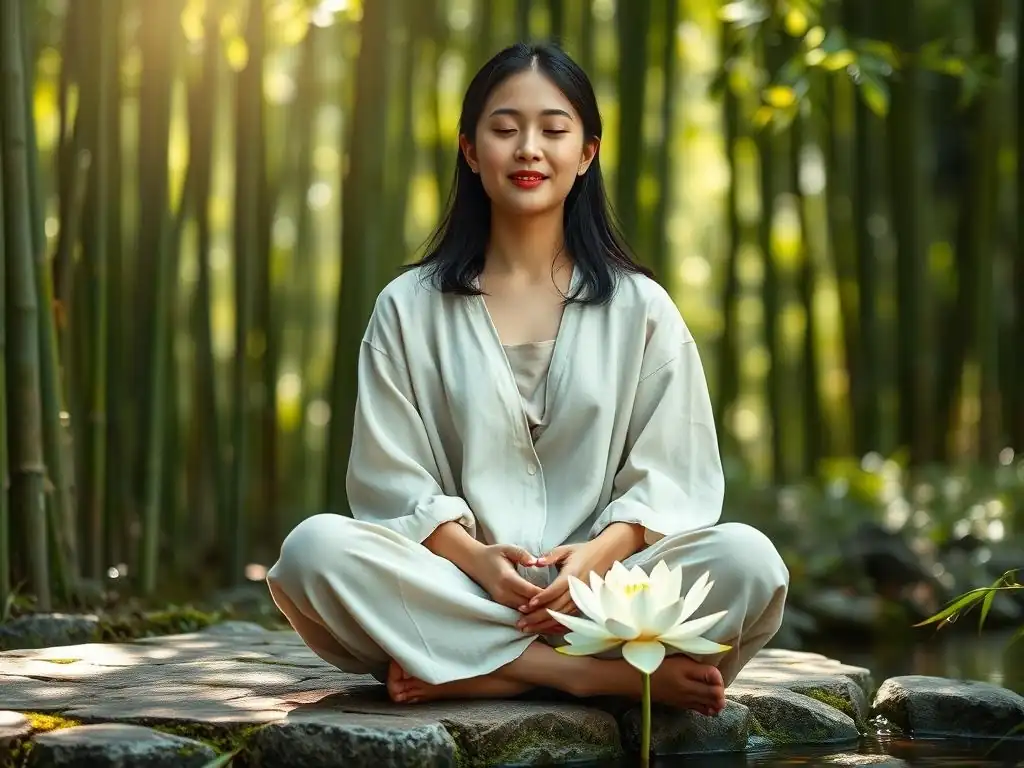
Welcome to Mind Care Guide.
Are you feeling overwhelmed by the constant demands of modern life? Do you long for a sense of calm and control amidst the chaos? You're not alone. Explore how mindful living reduces anxiety stress and discover practical, actionable steps to cultivate a more present and peaceful existence. Ready to reclaim your inner peace and find solace in the present moment? Let's begin this journey together.
Living Mindfully: Practical Steps for a Present Life
- Introduction to Mindfulness and its Impact on Emotional Well-being
- Practical Techniques for Cultivating Mindfulness
- Navigating Difficulties in Mindfulness Practice
- Applying Mindfulness to Specific Life Domains
- Long-Term Benefits of Mindfulness on Emotional Health
- Conclusion: Embracing the Present Moment for a More Fulfilling Life
-
Frequently Asked Questions
- What is mindful living and how does it relate to reducing anxiety stress?
- How can I incorporate mindful breathing exercises into my daily routine to reduce anxiety?
- Are there specific mindfulness techniques besides breathing that are effective for managing stress?
- How does mindful living differ from traditional meditation practices?
- What resources are available to learn more about mindful living and its benefits for mental well-being, particularly anxiety stress reduction?
- Final Reflection: Cultivating Presence, Harvesting Peace
- Unlock Your Present: Start Living Mindfully Today!
Introduction to Mindfulness and its Impact on Emotional Well-being
Understanding Mindfulness: A Path to Emotional Regulation and Clarity
Mindfulness is fundamentally about paying attention, on purpose, to the present moment, without judgment. It's a simple concept, yet its practice can profoundly impact our emotional landscape. By training our awareness to rest on our current experience – sensations, thoughts, feelings, and the environment – we create space between ourselves and our reactions.
This space is crucial for emotional regulation. When we feel overwhelmed by stress or anxiety, mindfulness allows us to observe these feelings as temporary states rather than being consumed by them. This objective observation helps to lessen their intensity and provides clarity on how to respond skillfully.
The ability to step back and observe thoughts and feelings without immediate judgment is a cornerstone of developing emotional resilience. Research indicates that regular mindfulness practice can lead to measurable improvements in affect regulation.
For instance, studies using the Five Facet Mindfulness Questionnaire often show increased scores in areas like Non-reacting and Describing in participants who engage in consistent practice, suggesting a greater capacity to observe inner experiences without being swept away by them. This demonstrates how mindful living reduces anxiety stress by equipping individuals with tools to navigate challenging emotions more effectively, fostering a sense of inner stability even amidst external pressures.
The Neuroscience of Mindfulness: How it Reshapes the Brain
Scientific research into mindfulness has revealed tangible changes in brain structure and function associated with regular practice. Neuroimaging studies, using techniques like fMRI, have shown that areas of the brain linked to stress and anxiety, such as the amygdala, can show reduced activity in experienced meditators when presented with emotional stimuli. Conversely, areas associated with attention, self-awareness, and emotional regulation, such as the prefrontal cortex and the insula, often show increased connectivity and gray matter density.
One frequently cited finding comes from a study by Harvard researchers, which reported changes in brain regions associated with memory, self-referential processing, and stress after just eight weeks of a mindfulness program. Specifically, the study found a decrease in gray matter density in the amygdala, correlating with self-reports of reduced stress.
Simultaneously, increases were observed in the hippocampus, involved in learning and memory, and in areas of the prefrontal cortex, associated with decision-making and self-awareness. These findings provide compelling evidence for the neurobiological basis of why mindful living reduces anxiety stress, illustrating how dedication to presence can physically reshape the brain for improved emotional health.
Our Approach to Integrating Mindfulness into Everyday Life
Integrating mindfulness isn't about adding another chore to a busy schedule; it's about subtly shifting the way we engage with the activities we already do. Our approach emphasizes finding small, practical moments throughout the day to anchor your attention in the present. This could be during your morning coffee, your commute, a conversation, or even washing the dishes. The goal is to cultivate a continuous thread of awareness, weaving mindfulness into the fabric of daily living rather than isolating it to a formal meditation cushion. This makes the practice accessible and sustainable for everyone, regardless of their lifestyle.
This practical, incremental approach is designed to build momentum and make the benefits of mindful living, such as reduced anxiety and stress, more attainable. We believe that consistency in small doses is more effective than infrequent, long sessions. By focusing on mindful moments sprinkled throughout the day, individuals can gradually build the habit of presence. This doesn't require significant time commitments but rather a gentle intention to be more aware. Over time, these small shifts accumulate, leading to a more centered, less reactive state of being that naturally helps to reduce anxiety and stress levels.
Practical Techniques for Cultivating Mindfulness
Technique 1: Breath Awareness for Grounding and Presence
Focusing on the breath is perhaps the most fundamental mindfulness technique. The breath is always in the present moment, making it a perfect anchor for attention. When the mind wanders, as it inevitably will, gently bringing attention back to the sensation of breathing helps to ground you in the here and now. This simple act interrupts the cycle of ruminative thoughts that often fuel anxiety and stress. It doesn't require any special equipment or location; you can practice breath awareness anytime, anywhere.
Regularly returning to the breath helps train the mind to be less reactive and more present. Even just a few moments of conscious breathing can shift your state from feeling overwhelmed to feeling more centered. For example, if you feel a surge of panic or frustration, pausing to take three mindful breaths can create enough space to choose a more constructive response rather than acting impulsively. This consistent practice of bringing attention back to the breath strengthens your capacity for presence, demonstrating a core way that mindful living reduces anxiety stress by providing an immediate tool for self-regulation.
Box Breathing: A Technique for Calming the Nervous System
Guided Breath Meditation: Focusing on the Natural Rhythm of Breathing
Technique 2: Bringing Mindfulness to Daily Activities
Mindfulness isn't confined to formal meditation sessions; it can be woven into almost any daily activity. This involves intentionally bringing your full attention to what you are doing, engaging your senses and noticing the details of the experience. Whether you're eating, walking, or doing chores, shifting from autopilot to conscious presence can transform mundane tasks into opportunities for grounding and appreciation. This practice helps break the habit of constantly being lost in thought about the past or future, which are common sources of worry.
Integrating mindfulness into daily tasks helps reinforce the practice throughout the day, making it a more natural way of being. For instance, mindfully washing dishes involves noticing the temperature of the water, the feel of the soap, the sounds, and the visual appearance of the clean dishes. This simple focus keeps your mind anchored in the present task, reducing the tendency to worry about other things. By making ordinary moments mindful, you build a continuous practice that supports the overall goal of mindful living, which effectively reduces anxiety and stress by keeping you anchored in the present reality.
Mindful Tea Drinking: Engaging All Senses to Enhance the Experience
Mindful Commuting: Transforming Travel into an Opportunity for Reflection
Technique 3: Mindful Communication for Enhanced Relationships
Mindful communication involves being fully present when interacting with others, paying attention not only to their words but also to their tone of voice, body language, and the emotions underlying their message. It also requires being aware of your own thoughts and feelings as you communicate, choosing your words thoughtfully rather than reacting impulsively. This approach fosters deeper connection, reduces misunderstandings, and helps navigate conflicts more constructively.
Applying mindfulness to communication can significantly improve the quality of relationships, both personal and professional. For example, in a heated discussion, taking a moment to breathe and observe your own rising emotions before responding can prevent escalating the conflict. Similarly, truly listening mindfully to someone without interrupting or formulating your own response can make them feel heard and valued. This deliberate practice of presence in interactions contributes to healthier dynamics, illustrating how mindful living reduces anxiety stress not just internally, but also by improving external relationships, a significant source of stress.
Empathetic Listening: Fully Attending to Others' Perspectives
Nonviolent Communication: Expressing Needs and Feelings with Clarity
Technique 4: Cultivating Gratitude for Increased Positivity

Cultivating gratitude is a powerful mindfulness practice that involves intentionally focusing on and appreciating the positive aspects of your life, no matter how small. This shifts your attention away from what is lacking or what is causing worry and directs it towards abundance and moments of joy. Regularly acknowledging things you are grateful for can change your perspective, fostering a more optimistic outlook and increasing overall well-being.
Research consistently shows a correlation between gratitude practices and increased happiness, alongside reductions in symptoms of depression and anxiety. For example, journaling about gratitude a few times a week has been shown in studies to increase participants' optimism and life satisfaction after just a few weeks. This intentional focus on the positive aspects of life helps to counter the mind's natural negativity bias. By actively seeking out things to appreciate, you train your brain to notice the good, reinforcing how mindful living reduces anxiety stress by promoting positive emotional states and resilience.
Gratitude Prompts: Shifting Focus to Appreciating the Present
Expressing Gratitude to Loved Ones: Strengthening Bonds and Fostering Joy
Technique 5: Mindfulness Meditation Practices
Formal mindfulness meditation involves setting aside dedicated time to practice techniques like focusing on the breath, body sensations, or sounds. While daily life integration is valuable, dedicated meditation time allows for deeper training of attention and awareness. Even short periods, like 10-15 minutes daily, can build significant capacity for presence and equanimity. These practices provide a structured way to observe the mind's patterns without getting entangled in them.
Engaging in regular formal meditation strengthens the mental muscle of attention and non-reactivity, making it easier to apply mindfulness in everyday life. For instance, consistently sitting with distracting thoughts during meditation trains you to notice them without immediately following them down a rabbit hole. This translates to being less likely to get caught up in anxious thought spirals during the day. These dedicated sessions are a core component of how mindful living reduces anxiety stress, building a foundation of inner calm and stability that permeates all aspects of life.
Walking Meditation: Connecting with the Body and the Earth
Sound Meditation: Using Sound to Anchor Attention and Promote Relaxation
Recognizing Common Challenges in Developing Mindfulness
Embarking on a mindfulness journey isn't always smooth; it comes with its own set of common hurdles. One of the most frequent challenges is the wandering mind. Beginners often feel discouraged when their thoughts constantly drift away from the intended focus, whether it's the breath, body sensations, or a daily activity.
It's easy to mistake mindfulness for emptying the mind, which is not the goal. The practice is about noticing where the mind goes and gently bringing it back, over and over. Impatience and self-criticism are also significant obstacles; people may get frustrated with their perceived lack of progress or judge themselves for having certain thoughts or feelings.
Another challenge is finding the time and motivation to practice consistently amidst busy lives. The demands of work, family, and other commitments can make it difficult to carve out even a few minutes each day. Additionally, some individuals may experience uncomfortable emotions or thoughts arising during practice that they would typically avoid, leading them to discontinue. Recognizing these challenges as normal parts of the process, rather than signs of failure, is crucial. Understanding that mindful living reduces anxiety stress through persistent, gentle effort, not perfection, helps manage these difficulties.
Strategies for Maintaining Consistency in Mindfulness Practice
Maintaining a consistent mindfulness practice requires intention and practical strategies. Scheduling dedicated time, even if it's just 5-10 minutes daily, can help establish a routine. Treating this time as non-negotiable, like any other important appointment, increases the likelihood of sticking with it. Integrating mindfulness into existing habits, such as practicing mindful brushing teeth or mindful eating, can also help build consistency without requiring extra time slots. Using reminders, either on your phone or physical cues, can prompt you to pause and practice throughout the day.
Flexibility is also key; if you miss a day or a scheduled session, avoid self-criticism and simply recommit to practicing the next day. Finding a practice that resonates with you, whether it's breath work, walking meditation, or mindful movement, can increase motivation. Tracking your practice, perhaps with a simple journal or app, can provide a sense of accomplishment and highlight patterns. By implementing these strategies, you create a supportive structure for your practice, reinforcing how consistent mindful living reduces anxiety stress by building resilience over time.
Finding Support: Connecting with a Mindfulness Group
Connecting with others who are also exploring mindfulness can provide invaluable support and encouragement. Joining a mindfulness group, whether meeting in person or online, offers a sense of community and shared experience. These groups often provide guided practices, opportunities to discuss challenges and insights, and a supportive environment to deepen understanding. Hearing about others' experiences can normalize your own struggles and offer new perspectives on the practice.
Group settings also provide a structured environment for regular practice, which can help with accountability and consistency. Learning from experienced facilitators or teachers within a group can offer guidance on techniques and navigating difficulties. The shared intention and collective energy of a group can also enhance the practice experience itself. Engaging with a community reinforces the benefits of mindful living, providing a social dimension that further supports reduced anxiety and stress by fostering connection and mutual understanding.
Applying Mindfulness to Specific Life Domains
Mindfulness in the Workplace: Enhancing Focus and Reducing Burnout
The modern workplace is often characterized by high demands, constant distractions, and pressure, making it a significant source of stress. Applying mindfulness in this domain involves bringing intentional awareness to tasks, interactions, and breaks. This can mean focusing fully on the current project without multitasking, listening attentively during meetings, or taking a few mindful breaths before responding to a challenging email. Such practices help improve concentration, enhance productivity, and reduce the feeling of being overwhelmed.
Studies have shown that mindfulness training in the workplace can lead to measurable reductions in stress, improved focus, and decreased rates of burnout. For example, a study involving employees in a high-stress environment reported a significant reduction in perceived stress and an increase in self-compassion after participating in a mindfulness program. By cultivating presence amidst workplace pressures, individuals can respond more skillfully to challenges, manage their energy more effectively, and maintain a greater sense of well-being throughout the workday. This demonstrates how mindful living reduces anxiety stress specifically within the professional context.
Mindful Parenting: Nurturing Connection and Emotional Intelligence
Parenting is a deeply rewarding but also incredibly demanding role, often filled with moments of chaos, frustration, and exhaustion. Mindful parenting involves bringing intentional awareness to interactions with children, responding thoughtfully rather than reacting automatically, and being present for both the joyful and challenging moments. This includes paying full attention when a child is speaking, managing your own emotional responses to their behavior, and appreciating the fleeting moments of connection.
Practicing mindfulness as a parent can lead to more patient responses, improved communication with children, and a stronger emotional bond. For instance, pausing to take a mindful breath before responding to a child's tantrum can help you choose a calm approach instead of yelling. Research suggests that mindful parenting is associated with reduced parenting stress and improved child outcomes, including better emotional regulation. By cultivating presence in the parent-child relationship, mindful living reduces anxiety stress for both parent and child, fostering a more harmonious and emotionally intelligent family environment.
Mindful Self-Compassion: Treating Yourself with Kindness and Understanding
Mindful self-compassion is a critical aspect of a present life, involving extending the same kindness, understanding, and acceptance towards ourselves that we would offer a close friend facing difficulty. It means recognizing that suffering, mistakes, and imperfections are part of the shared human experience and responding to our own pain or shortcomings with warmth and non-judgment. This contrasts with the common tendency towards harsh self-criticism.
Cultivating mindful self-compassion is strongly linked to increased emotional resilience and reduced psychological distress. Studies have shown that individuals with higher levels of self-compassion experience lower levels of anxiety and depression and are better able to cope with challenging life events. For example, instead of berating yourself after making a mistake, self-compassion involves acknowledging the difficulty, validating your feelings, and reminding yourself that everyone makes mistakes. This practice is fundamental to how mindful living reduces anxiety stress internally, by transforming the relationship we have with ourselves into one of support and acceptance.
Long-Term Benefits of Mindfulness on Emotional Health
Building Emotional Resilience Through Mindfulness
Emotional resilience is the capacity to navigate life's challenges, bounce back from adversity, and maintain well-being in the face of stress. Mindfulness practice directly contributes to building this resilience by training the mind to observe emotions without being overwhelmed by them. By regularly practicing non-reactivity and cultivating awareness, individuals become more adept at recognizing emotional states as temporary visitors rather than permanent residents. This allows for a more flexible and adaptive response to difficult feelings.
Over time, consistent mindfulness practice strengthens the neural pathways associated with emotional regulation, as discussed earlier regarding brain changes. This leads to a reduced intensity and duration of negative emotional responses. For instance, while a stressful event might trigger a prolonged period of worry in someone with low resilience, a mindful individual may experience the stress but recover more quickly, returning to a state of calm. This enhanced capacity to weather emotional storms is a core long-term benefit, showcasing how sustained mindful living reduces anxiety stress by building a robust inner capacity to handle life's inevitable ups and downs.
Sustaining a Mindful Lifestyle for Continued Well-being
Sustaining a mindful lifestyle is an ongoing practice, not a destination. It involves a continued commitment to integrating moments of presence into daily life and, for many, maintaining a formal meditation practice. The long-term benefits, such as reduced anxiety and stress, improved focus, and enhanced emotional regulation, become more deeply ingrained with consistent effort. It's about cultivating a way of being that prioritizes awareness and intentionality.
Maintaining consistency often involves revisiting why you started practicing mindfulness and reminding yourself of the positive changes it brings. Adapting the practice as your life circumstances change is also important; perhaps shorter, more frequent practices are needed during busy periods. Engaging with a community or seeking guidance from teachers can also provide support for long-term commitment. By making mindfulness a sustained part of your life, you continue to reap its rewards, ensuring that mindful living consistently reduces anxiety stress and supports overall emotional health and a deeper connection to the present moment.
Conclusion: Embracing the Present Moment for a More Fulfilling Life
Summary of Key Mindfulness Techniques
We have explored several accessible techniques for cultivating mindfulness, each offering a unique pathway to greater presence. From the simplicity of breath awareness as an immediate anchor for grounding to the intentional engagement with daily activities like drinking tea or commuting, mindfulness can be woven into the fabric of everyday life.
We also looked at how mindful communication enhances our connections with others through empathetic listening and clear expression, and how cultivating gratitude shifts our perspective towards appreciation, fostering positivity. Finally, we touched upon the power of formal meditation practices like walking or sound meditation for deeper training of attention.
These techniques, while varied, share the common thread of bringing non-judgmental awareness to the present moment. They are not about achieving a state of perfect calm or emptying the mind, but rather about training the mind to be more present and less reactive to thoughts and feelings. By applying these practical steps, individuals can gradually shift from living on autopilot to living more intentionally, opening the door to the profound benefits that mindful living offers, particularly its proven ability to reduce anxiety and stress and enhance overall well-being.
Invitation to Continue Your Mindfulness Journey with Resources
Embarking on the path of mindful living is a journey of discovery, and there are many resources available to support you as you continue to deepen your practice. Exploring guided meditations can be particularly helpful for beginners, providing structure and gentle guidance as you train your attention. Many excellent resources offer audio or video sessions focusing on various techniques, such as breath awareness, body scans, or loving-kindness meditation.
Furthermore, consider exploring online courses or workshops dedicated to mindfulness. These often provide a more comprehensive understanding of the principles behind the practice and offer structured programs to help you integrate mindfulness more deeply into your life. Engaging with these resources can provide ongoing learning, inspiration, and practical tools to help you sustain your mindful living practice, further reinforcing its capacity to reduce anxiety and stress and cultivate a more present and fulfilling life.
Frequently Asked Questions
What is mindful living and how does it relate to reducing anxiety stress?
Mindful living is paying attention to the present moment without judgment. It helps reduce anxiety stress by shifting focus away from worries and promoting a sense of calm.
How can I incorporate mindful breathing exercises into my daily routine to reduce anxiety?
Start with just a few minutes each day, focusing on your breath entering and leaving your body. This anchors you in the present and helps to calm your nervous system, reducing anxiety.
Are there specific mindfulness techniques besides breathing that are effective for managing stress?
Yes, techniques like body scans, mindful walking, and mindful eating can be very effective. These practices encourage present moment awareness and reduce the impact of stressful thoughts.
How does mindful living differ from traditional meditation practices?
While related, mindful living is broader. It's about integrating mindfulness into daily activities, not just formal meditation. It emphasizes intentional awareness throughout your day.
What resources are available to learn more about mindful living and its benefits for mental well-being, particularly anxiety stress reduction?
Websites like "Mind Care Guide" offer information, support, and resources for mindful living. You can also find books, apps, and workshops focused on mindfulness practices.
Final Reflection: Cultivating Presence, Harvesting Peace
The pursuit of mindful living is not a fleeting trend; it's a vital antidote to the pervasive anxiety and stress of modern life. In a world saturated with constant stimulation and relentless demands, the ability to anchor ourselves in the present moment is more crucial than ever. This article explored practical techniques – from mindful breathing exercises to cultivating gratitude – offering tangible pathways to reduce the overwhelming grip of anxiety and stress.
The impact of mindful living extends far beyond individual well-being; it ripples outwards, influencing our relationships, our work, and the very fabric of our society. By choosing presence over preoccupation, we cultivate empathy, improve communication, and foster a more compassionate world. As Thich Nhat Hanh wisely said, Peace is not something you can achieve by force. Peace is something you can achieve by understanding.
This understanding, this mindful awareness, is the cornerstone of a less anxious and more fulfilling existence. It's a journey, not a destination, and the rewards are immeasurable.
Now, consider your own life. Where do you feel the weight of stress and anxiety most acutely? What small steps can you take today to cultivate more presence in your daily routine? Perhaps it's a few minutes of mindful breathing before your workday begins, or a conscious effort to savor a meal without distractions. Commit to one small act of mindfulness, and watch as the ripple effect of peace and calm expands throughout your life. The journey to a less stressful, more mindful existence begins with a single, conscious breath.
Unlock Your Present: Start Living Mindfully Today!
Thanks for taking the time to explore the power of mindful living with us! We hope you gained valuable insights into creating a more present and peaceful existence. Now it's time to put those insights into action.
Here are a few ways to continue your mindful journey:
- Begin a daily mindfulness practice: Even 5 minutes of focused breathing can make a significant difference. Try incorporating a simple meditation into your morning routine.
- Engage with our Mind Care Guide community: Share your experiences and tips with fellow mindful living enthusiasts in the comments below. Let's inspire each other!
- Experiment with a mindful activity you haven't tried before, such as mindful eating or a nature walk. See how it shifts your perspective.
What small step will you take today to cultivate more presence in your life?