Increase Your Pain Management Toolkit: Adding Meditation for Chronic Conditions
🌟 Discover how incorporating meditation for chronic pain relief can expand your pain management toolkit, offering a calming, effective way to reduce…
Read article
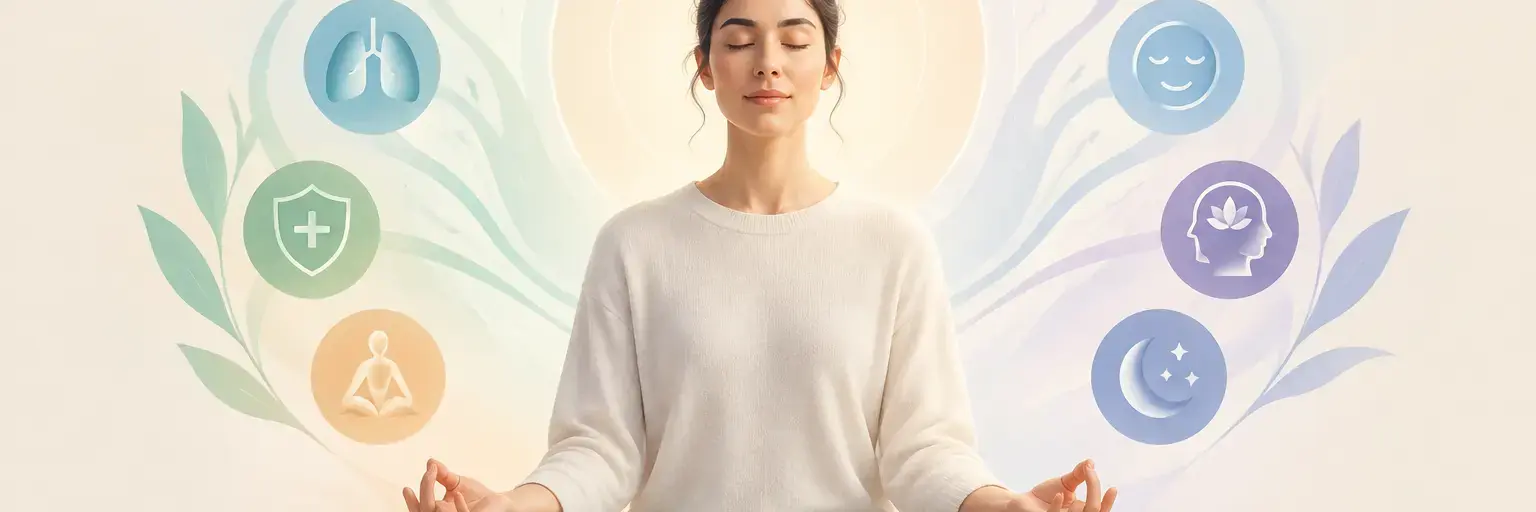
Discover the life-changing benefits of meditation for both your body and mind. From reducing stress and anxiety to improving focus, emotional balance, and sleep quality, meditation is a scientifically backed practice that enhances overall well-being. Unlock better mental clarity, lower blood pressure, and a calmer, more resilient you—start your journey to holistic health today.

🌟 Discover how incorporating meditation for chronic pain relief can expand your pain management toolkit, offering a calming, effective way to reduce…
Read article
🌟 Discover how mindfulness meditation for daily life can help you stay grounded, reduce stress, and enhance your well-being. This powerful practice…
Read article
🌿 Discover how meditation can reduce anxiety naturally, offering a calming sanctuary amidst life's chaos. This powerful practice enhances mental well-being, providing…
Read article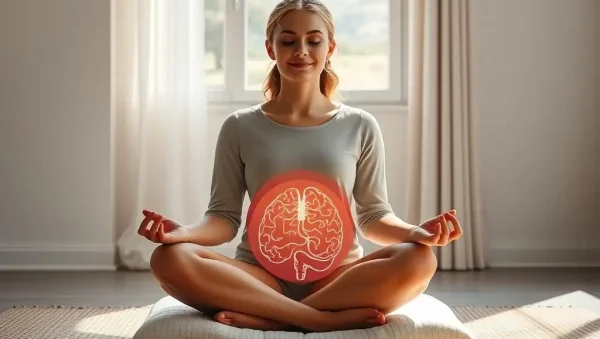
🌟 Discover how meditation reduces gut distress by calming the Gut-Brain Axis, promoting digestive health and mental well-being. This powerful practice offers…
Read article
🌟 Discover how meditation lowers blood pressure and boosts mood, offering a simple yet powerful way to enhance your mental well-being. Embrace…
Read article
🌟 Discover how stress reduction meditation headaches can significantly diminish migraines and tension. This powerful practice offers relief, promotes mental clarity, and…
Read article
🌟 Discover the ultimate Restored Energy Mental Wellbeing Guide to overcoming fatigue, unlocking vibrant vitality, and revitalizing your mind. Empower yourself with…
Read article
🌟 Discover how self-compassion meditation for anxiety can help tame your inner critic, fostering kindness and understanding within. This powerful practice in…
Read article
🌱 Discover how consistent meditation builds patience, transforming your mental resilience. Regular practice fosters calmness, enhances emotional regulation, and deepens self-awareness—crucial steps…
Read article
🌟 Discover how meditation boosts immune resilience, strengthening your body’s defenses against illness. This powerful practice enhances mental well-being and offers a…
Read article
🌟 Discover how mastering emotional regulation meditation techniques can transform your mental well-being by reducing reactivity and fostering inner peace. This comprehensive…
Read article
🌟 Discover how focused meditation can significantly reduce racing thoughts, helping you achieve mental clarity. This powerful practice is essential for improving…
Read articleWelcome to the Benefits of Meditation subcategory on Mind Care Guide, your trusted resource for mental well-being. Here, we explore how a simple daily practice can transform your brain, body, and overall quality of life. Whether you are a beginner seeking stress relief or an experienced meditator looking to deepen your practice, this page curates science-backed insights into the physical benefits of meditation, mental health advantages, and practical guidance for integrating mindfulness into busy routines. Unlock calm, resilience, and vitality—one breath at a time.
Regular meditation doesn’t just relax you temporarily; it creates lasting structural changes in your brain. Neuroimaging studies show that consistent practice increases gray matter density in the hippocampus (responsible for memory and learning) and the prefrontal cortex (linked to decision-making and emotional regulation). Simultaneously, it shrinks the amygdala, your brain’s fear and stress center, leading to reduced reactivity to threats. This neuroplasticity means that even 10 minutes daily can strengthen your ability to manage anxiety, depression, and intrusive thoughts. By cultivating mindfulness, you train your mind to observe thoughts without judgment, breaking cycles of rumination. Expect improved focus, greater emotional stability, and a calmer inner dialogue.
Beyond structural changes, meditation boosts the production of GABA (a calming neurotransmitter) and balances serotonin, akin to natural antidepressants. For those with chronic stress, this practice lowers cortisol levels, protecting the brain from inflammation that contributes to cognitive decline. You’ll also enhance your working memory, creativity, and cognitive flexibility—skills essential for problem-solving and adapting to life’s challenges. As a result, meditation becomes a powerful adjunct to therapy and medication, helping you build a resilient mind that bounces back faster from setbacks. The mental benefits ripple into every aspect of life, from better relationships to higher productivity.
The body responds profoundly to meditation, making it a cornerstone of holistic self-care. Clinical research shows that mindfulness-based stress reduction can lower blood pressure, reduce heart rate, and improve circulation, decreasing the risk of cardiovascular disease. By activating the parasympathetic nervous system—your “rest and digest” response—meditation counters the fight-or-flight overload that fuels hypertension and inflammation. For chronic pain sufferers, practices like body-scan meditation reduce pain intensity by modulating pain signals in the brain, often reducing reliance on painkillers. Additionally, meditation boosts immune function, increasing antibody production and reducing markers of cellular aging, which means a stronger defense against infections and faster recovery.
One of the most celebrated physical benefits is improved sleep quality. Meditation raises melatonin levels and calms the racing thoughts that cause insomnia, helping you fall asleep faster and enjoy deeper, more restorative rest. This, in turn, regulates appetite hormones, supporting healthy weight management and reducing stress-induced eating. Regular practitioners also report lower inflammation markers (like C-reactive protein), which is linked to arthritis, diabetes, and autoimmune conditions. Whether you’re managing a chronic illness or simply want to feel more energetic, meditation serves as a natural, drug-free toolkit for physical renewal. Even five minutes of mindful breathing before meals can improve digestion by activating your rest-and-digest state.
Stress is inevitable, but meditation gives you the tools to respond instead of react. The RAIN method (Recognize, Allow, Investigate, Nurture) helps you dissolve anxiety loops, while **box breathing** (inhale 4-4-4-4 seconds) instantly calms your nervous system during high-pressure moments. Body-scan meditation teaches you to release physical tension stored in your shoulders, jaw, and stomach, often unnoticed until they cause headaches or fatigue. For busy professionals, mini-meditations—like a 60-second focus on your breath during a commute—recharge your attention and reduce mid-day crashes. Pair these with guided apps (e.g., Headspace, Calm) to establish a consistent routine, even if you only have three-minute windows.
Mindfulness-based stress reduction (MBSR) goes beyond techniques, changing how you perceive stress itself. Instead of viewing pressure as a threat, you learn to see it as a challenge, using the body’s alertness as fuel for focus. Studies show that meditators have lower baseline cortisol levels and recover faster from stressful events, meaning fewer panic attacks, less irritability, and improved relationships. At work, this translates into better conflict resolution and decision-making under deadlines. For parents and caregivers, a short mindfulness pause can prevent burnout and foster patience. The key is consistency: even imperfect daily practice rewires your stress tolerance, making you more adaptable to life’s ups and downs.
Meditation is not about emptying your mind—it’s about building emotional resilience. Regular practice increases your ability to observe emotions (anger, sadness, joy) without being swept away, giving you a spaciousness that reduces knee-jerk reactions. This emotional intelligence improves self-compassion, helping you treat yourself kindly during failures, which is critical for mental health. Research links meditation to higher levels of positive affect and life satisfaction, as it enhances gratitude and present-moment joy. For those with mood disorders, loving-kindness meditation, which focuses on sending goodwill to yourself and others, has been shown to reduce depression symptoms and increase social connection.
Mentally, meditation acts as a workout for your attention span. Focused-attention practices improve your ability to ignore distractions, which is vital in our notification-saturated world. This heightened concentration boosts academic and professional performance, making you more productive with less effort. Additionally, meditation fosters cognitive flexibility, allowing you to shift perspectives and solve problems creatively. Over time, you’ll notice a subtle but powerful shift: less procrastination, deeper flow states, and a more profound sense of inner peace. This holistic well-being extends to your relationships, as you become a better listener and more empathetic partner. Ultimately, meditation helps you live more authentically, aligned with your values rather than reactive patterns.
Starting meditation is simplicity itself—you don’t need special equipment or spiritual beliefs. Begin with just 2-5 minutes daily, sitting comfortably with your eyes closed, focusing on the natural flow of your breath. When your mind wanders (which it will), gently bring it back without frustration; that “return” is the actual practice. Choose a consistent time, like morning before breakfast or evening before bed, to build a routine. Use a timer or meditation app to avoid clock-watching. For beginners, guided meditations from Mind Care Guide’s library or platforms like YouTube offer step-by-step instructions, reducing initial uncertainty. Don’t worry about “doing it right”—there’s no perfect session, only your own.
To sustain the habit, anchor meditation to an existing activity, like brushing your teeth, and use habit stacking. Set realistic goals; three minutes daily is better than 30 minutes once a week because consistency builds neural pathways. Overcome common obstacles by choosing a quiet corner, using earplugs, or trying walking meditation if sitting still feels hard. Track your practice with a simple calendar or journal, noting mood shifts after each session. If you miss a day, avoid self-criticism—just resume the next day, as perfectionism is a common barrier. As you progress, gradually extend your sessions to 10-20 minutes, exploring techniques like body scan, transcendental, or mindfulness of thoughts. For long-term success, join a local meditation group or online community for accountability and support. Remember, the goal isn’t relaxation but awareness—and that awareness grows with every minute you sit.
Many people notice reduced stress and better sleep within 1-2 weeks of daily practice. For measurable brain changes, studies show improvements in attention and emotional regulation after 8 weeks of regular meditation (about 10-30 minutes daily). Physical benefits like lower blood pressure may take slightly longer, depending on consistency and baseline health.
Meditation is a powerful complement but not a replacement for professional treatment. For anxiety, depression, or trauma, it can enhance therapy outcomes and reduce symptoms, but always consult a licensed mental health provider. Use meditation as a support tool, not a substitute, especially if you’re on medication.
Body-scan meditation is highly effective, focusing attention on each body part to relax tension and alter pain perception. Mindfulness-based stress reduction (MBSR) also teaches you to observe pain without resistance, reducing its emotional grip. For acute pain, try focused breathing to calm your nervous system first.
That’s normal! Actually, noticing your wandering mind is a sign of practice, not failure. Start with guided meditations or breathing counts (inhale 4, exhale 6) to anchor attention. Short sessions (2-3 minutes) multiple times daily are easier than long ones. With patience, your mind will settle, but never aim for zero thoughts.
The best time is whenever you can be consistent. Morning meditation can set calm intentions and improve focus for the day, while evening meditation helps unwind and improve sleep. Some meditators use both: a short morning sit and a longer evening body scan. Experiment to find what feels sustainable for you.