
Building Student Resilience: How Mindfulness Equips Kids to Handle Life's Ups and Downs

Welcome to Mind Care Guide.
Are you navigating the turbulent waters of student life and feeling overwhelmed? You're not alone. We understand the unique pressures faced by students today. In this space, we offer compassionate guidance and practical tools to nurture your mental well-being. Dive into our latest article where we explore Mindfulness for Student Resilience. Discover how this powerful practice can equip young minds to navigate challenges, build inner strength, and thrive, both academically and personally. Intrigued? Let's begin building a more resilient you.
Building Student Resilience: How Mindfulness Equips Kids to Handle Life's Ups and Downs
- Understanding Student Resilience and the Importance of Mental Well-being
- Mindfulness for Student Resilience: A Powerful Tool for Coping
- Practical Mindfulness Techniques for Building Student Resilience
- Benefits of Mindfulness Training for Students: Evidence-Based Results
- Overcoming Challenges and Implementing Mindfulness Programs in Schools
- Supporting Student Resilience at Home: Mindfulness for Parents and Families
- Long-Term Impact: Cultivating a Generation of Resilient and Mindful Individuals
-
Frequently Asked Questions
- How does practicing mindfulness specifically help students build resilience?
- What are some simple mindfulness exercises students can incorporate into their daily routine?
- What are some potential obstacles students might face when trying to practice mindfulness, and how can they overcome them?
- How can parents and educators support students in developing mindfulness and resilience?
- Where can students find additional resources and support for practicing mindfulness and improving their mental well-being?
- Final Reflection: Cultivating Inner Strength Through Mindfulness
- Unlock Your Child's Inner Strength: Cultivate Resilience Today!
Understanding Student Resilience and the Importance of Mental Well-being
Defining Resilience in the Context of Childhood Development
Resilience in childhood development refers to a child's ability to successfully adapt and cope with adversity, stress, trauma, and other significant challenges. It's not about being immune to difficulties, but rather about possessing the skills and inner strength to navigate them effectively, recover from setbacks, and continue to thrive.
This involves a complex interplay of internal factors, such as emotional regulation and problem-solving skills, and external factors, like supportive relationships and environments. A resilient child can face academic pressures, social conflicts, family changes, or even larger societal issues with a greater capacity to manage their emotional responses and find positive ways forward.
Developing resilience is a dynamic process that unfolds over time, influenced by a child's experiences and the support systems around them. While some children may appear naturally more resilient, these capacities can be nurtured and strengthened through targeted interventions and positive experiences.
For instance, research indicates that children with at least one stable and committed relationship with a supportive caregiver are significantly more likely to develop resilience. Building resilience for student resilience is crucial for their long-term success and happiness, equipping them not just to survive challenges but to learn and grow from them, fostering a positive outlook on life.
The Growing Need for Mental Health Support Among Students
The current generation of students faces unprecedented pressures, from academic expectations and social media influences to global uncertainties. Data from various studies points to a concerning rise in mental health challenges among young people. For example, surveys indicate that a significant percentage of adolescents report persistent feelings of sadness or hopelessness, with some studies showing this affecting perhaps 30-40% of high school students in recent years. Anxiety rates also continue to climb, impacting academic performance, social interactions, and overall well-being.
This escalating need highlights the critical importance of providing accessible and effective mental health support within educational settings. Schools are uniquely positioned to reach a large population of young people and integrate mental well-being strategies into their daily lives. However, resources are often stretched thin, and traditional counseling services alone may not be sufficient to address the scale of the need. Proactive, preventative approaches that build internal coping resources, such as mindfulness for student resilience, are becoming increasingly recognized as vital components of a comprehensive support system.
How Mindfulness Practices Contribute to Overall Well-being for Children
Mindfulness is the practice of paying deliberate attention to the present moment without judgment. For children, this translates into learning to notice their thoughts, feelings, bodily sensations, and the world around them with curiosity and acceptance. Engaging in mindfulness practices helps children become more aware of their internal states, allowing them to recognize stress or difficult emotions as they arise, rather than being overwhelmed by them. This increased self-awareness is a foundational element of emotional intelligence and resilience.
Regular mindfulness practice can significantly contribute to a child's overall well-being by fostering a sense of calm and presence. By focusing on the breath or simple sensory experiences, children learn to anchor themselves in the here and now, reducing rumination about the past or worry about the future – common sources of anxiety. Studies suggest that even short, regular mindfulness sessions can lead to improvements in mood, reduced stress levels, and a greater sense of peace, laying essential groundwork for building resilience for student resilience.
Mindfulness for Student Resilience: A Powerful Tool for Coping
Exploring the Connection Between Mindfulness and Emotional Regulation in Students
Emotional regulation is the ability to understand and manage one's emotional responses. It's a key component of resilience, enabling individuals to navigate challenging situations without being completely derailed by intense feelings. Mindfulness directly supports the development of emotional regulation by teaching students to pause and observe their emotions rather than reacting impulsively. By practicing non-judgmental awareness, children learn that emotions are temporary states that can be experienced and processed, rather than fixed identities or uncontrollable forces.
Through mindfulness, students gain insight into the triggers for their emotions and learn techniques to respond more skillfully. For instance, a student feeling frustrated with a difficult school assignment might typically react with anger or withdrawal. With mindfulness training, they might learn to notice the physical sensations of frustration, acknowledge the feeling without judgment, and choose a more constructive response, like taking a short break or asking for help. This conscious choice, cultivated through mindful awareness, is central to enhancing emotional regulation and building resilience for student resilience.
Reducing Stress and Anxiety in Students Through Mindfulness Techniques
Stress and anxiety are pervasive issues for many students, impacting their health, happiness, and academic success. Mindfulness techniques provide practical methods for mitigating these feelings by shifting attention away from anxious thoughts and towards the present moment. Simple practices like focusing on the breath can activate the body's relaxation response, counteracting the physiological effects of stress, such as a rapid heart rate or tense muscles.
Incorporating mindfulness for student resilience offers tangible benefits in reducing the burden of stress and anxiety. For example, a study involving middle school students who participated in a mindfulness program reported feeling significantly less stressed and anxious compared to their peers. By regularly practicing these techniques, students build a personal toolkit they can access whenever they feel overwhelmed, providing an immediate and empowering way to regain composure and face challenges with greater calm.
Enhancing Focus and Concentration with Mindfulness Exercises
In today's distracting world, maintaining focus and concentration is a significant challenge for students. Mindfulness exercises, particularly those involving focused attention on a single object like the breath or a sound, train the brain to stay present and resist distractions. This practice strengthens the neural pathways associated with attention regulation, improving a student's ability to concentrate in class, during homework, and on tests.
Regular engagement with mindfulness for student resilience can lead to measurable improvements in cognitive function. Studies have shown that students who practice mindfulness tend to exhibit better sustained attention and working memory capacity. For example, some research indicates that students participating in mindfulness programs demonstrate improved performance on tasks requiring sustained focus after just a few weeks of practice. This enhanced ability to concentrate directly supports academic achievement and helps students feel more capable and less overwhelmed by demanding tasks.
Practical Mindfulness Techniques for Building Student Resilience
Mindfulness Meditation for Students: A Beginner's Guide
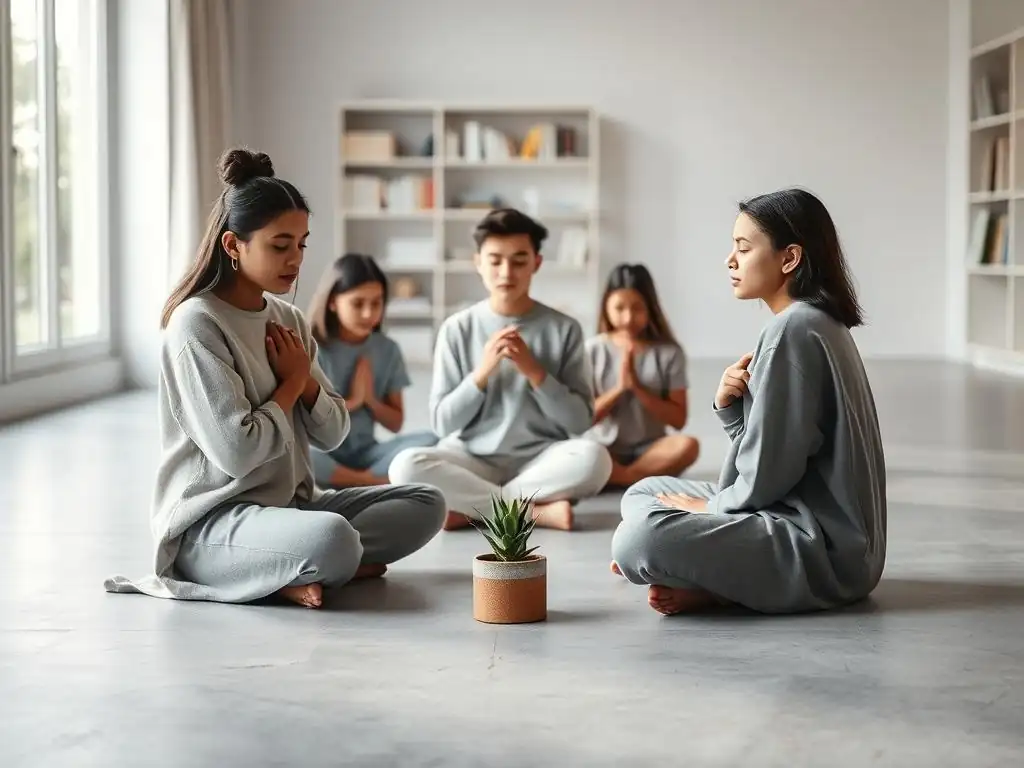
Mindfulness meditation is a core practice, adapted for young minds to make it accessible and engaging. The goal is not to empty the mind, but to gently bring attention back to a chosen anchor whenever the mind wanders. For students, this anchor is often the breath, bodily sensations, or sounds. Starting with very short durations, perhaps just 1-2 minutes, is key to building comfort and consistency.
Guiding students through a simple meditation might involve inviting them to find a comfortable seated position, gently close their eyes or soften their gaze, and simply notice the feeling of their breath entering and leaving their body. When their mind gets distracted by thoughts or sounds, they are encouraged to simply notice the distraction without judgment and gently guide their attention back to the breath. This repeated process of noticing and returning builds the muscle of attention and non-reactivity, fundamental to mindfulness for student resilience.
Simple Breathing Exercises for Young Minds
Breathing exercises are perhaps the most fundamental mindfulness technique and are particularly effective for helping young children calm down and focus. A simple exercise is "Balloon Breathing," where children imagine their belly is a balloon that inflates gently with each inhale and deflates with each exhale. Another is "Five Finger Breathing," where they trace their hand with a finger, inhaling as they trace up one finger and exhaling as they trace down the other side.
These exercises provide an immediate anchor to the present moment and help regulate the nervous system. They are easy to teach, can be done anywhere, and offer students a portable tool for managing stress or overwhelming emotions. Practicing these simple techniques regularly helps students become more aware of their breath and its calming power, a vital skill for building resilience for student resilience.
Body Scan Meditation for Increased Awareness
Body scan meditation involves systematically bringing attention to different parts of the body, noticing any sensations without trying to change them. For students, this can be framed as a journey through their body, starting perhaps with the toes and slowly moving up to the top of the head. They are encouraged to simply observe what they feel – warmth, coolness, tingling, pressure, or nothing at all – with gentle curiosity.
This practice helps students develop greater interoceptive awareness, the ability to sense internal bodily states. This awareness is crucial for recognizing early signs of stress, anxiety, or other emotions held in the body, allowing for earlier intervention. A regular body scan can also help students relax tense muscles and feel more grounded in their physical presence, contributing to a sense of stability and well-being essential for building resilience for student resilience.
Loving-Kindness Meditation for Compassion
Loving-kindness meditation, or Metta, involves cultivating feelings of warmth, care, and compassion towards oneself and others. For students, this often begins with silently repeating simple phrases like "May I be happy. May I be safe. May I be healthy. May I live with ease." They then extend these wishes to loved ones, neutral individuals, those they find challenging, and eventually to all beings.
This practice actively cultivates positive emotions and empathy, vital components of social-emotional learning and resilience. By intentionally generating feelings of kindness, students can reduce negative self-talk, improve their relationships with peers, and foster a more compassionate outlook on the world. Research suggests that practicing loving-kindness can increase positive emotions and decrease social isolation, significantly supporting mindfulness for student resilience.
Mindful Movement Activities to Promote Physical and Mental Well-being
Mindful movement integrates awareness with physical activity, helping students connect with their bodies and release tension. Unlike competitive sports, the focus is on the experience of movement itself, paying attention to bodily sensations, breath, and the present moment. This can range from simple stretching to mindful walking or adapted yoga poses.
Incorporating mindful movement provides an alternative way for students to practice mindfulness, especially for those who find seated meditation challenging. It helps improve body awareness, reduces physical tension often held during stress, and promotes a sense of embodiment and presence. These activities contribute to both physical health and mental well-being, reinforcing the skills needed for building resilience for student resilience.
Mindful Walking: Connecting with the Present Moment
Mindful walking involves paying deliberate attention to the physical sensations of walking – the lifting and lowering of the feet, the movement of the legs, the swing of the arms, the feeling of the ground beneath them. It's about experiencing the act of walking itself, rather than rushing to a destination or getting lost in thought. This can be done indoors or outdoors, even just walking down a hallway.
For students, mindful walking offers a simple way to break from sedentary activities and ground themselves in their physical experience. It can be a calming practice to do between classes, during a short break, or as a way to transition from one activity to another. By focusing on the sensations of walking, students can quiet a busy mind and connect with the present environment, enhancing their capacity for mindfulness for student resilience.
Yoga and Stretching for Stress Relief
Gentle yoga poses and stretching exercises can be powerful tools for stress relief and promoting body awareness among students. Yoga combines physical postures with breath awareness, encouraging students to move with intention and notice the sensations in their bodies. Simple poses like child's pose, cat-cow, or gentle twists can help release physical tension often associated with stress or prolonged sitting.
These activities offer a holistic approach to well-being, addressing both physical stiffness and mental clutter. Practicing yoga or stretching mindfully encourages students to listen to their bodies, respect their limits, and cultivate a sense of ease and flexibility, both physically and mentally. This physical release and body connection significantly support the development of resilience for student resilience.
Integrating Mindfulness into the Classroom Environment
Integrating mindfulness into the classroom doesn't require a complete overhaul of the curriculum; it can be woven into the existing structure through simple, consistent practices. This creates opportunities for students to practice mindfulness throughout the school day, normalizing the practice and making it an accessible tool for managing daily challenges. Even a few minutes a day can make a difference.
Classroom integration helps create a more positive and supportive learning environment. When teachers model and facilitate mindfulness, it signals to students that their emotional well-being is valued. This consistent exposure builds familiarity and comfort with the practices, increasing the likelihood that students will use them independently when needed, thereby strengthening mindfulness for student resilience.
Creating a Calm and Focused Learning Space
The physical and emotional atmosphere of the classroom significantly impacts student well-being and ability to learn. Creating a calm and focused space involves thoughtful consideration of the environment. This might include using soft lighting, minimizing clutter, incorporating calming colors, or even designating a small "calm corner" where students can go to practice a short mindfulness exercise or simply take a moment to regulate their emotions.
Beyond the physical space, a calm environment is fostered through consistent routines, clear expectations, and a teacher's mindful presence. When the teacher remains calm and centered, especially during challenging moments, it provides a model for students and helps regulate the collective energy of the classroom. A focused learning space, nurtured by mindfulness practices, supports students' ability to concentrate and feel secure, enhancing their potential for mindfulness for student resilience.
Incorporating Short Mindfulness Breaks Throughout the Day
Short, intentional mindfulness breaks can be easily incorporated into the school day without sacrificing significant instructional time. These can be as brief as 30 seconds to 2 minutes. Examples include a minute of silent breathing before a test, a quick body scan after recess, or a moment of mindful listening to classroom sounds before starting a new activity.
These brief pauses provide students with opportunities to reset, transition between activities, and practice self-regulation in the moment. They help break up long periods of sitting or intense focus, reducing restlessness and improving overall engagement. Regularly incorporating these short breaks normalizes mindfulness as a tool for managing the daily rhythm of school life, reinforcing its role in building resilience for student resilience.
Benefits of Mindfulness Training for Students: Evidence-Based Results
Improved Academic Performance and Cognitive Function
Evidence suggests a strong link between mindfulness practice and improved academic outcomes. By enhancing focus, concentration, and working memory, mindfulness helps students absorb and process information more effectively. A meta-analysis of studies on mindfulness in schools, for example, found a positive correlation between mindfulness interventions and improvements in executive functions, which are critical for planning, problem-solving, and academic success.
Furthermore, by reducing stress and anxiety, mindfulness frees up cognitive resources that might otherwise be consumed by worry. This allows students to approach learning tasks with a clearer mind and greater capacity. While individual results vary, the overall trend in research indicates that integrating mindfulness for student resilience can create a more fertile ground for learning and academic growth.
Mindfulness cultivates self-awareness, which is the foundation for understanding others. By becoming more attuned to their own emotions and thoughts, students can better recognize and understand the feelings of their peers. Practices like loving-kindness meditation directly foster empathy and compassion. Studies have shown that school-based mindfulness programs can lead to improvements in social skills, reduced aggression, and increased prosocial behavior among students.
For example, a study involving elementary school children found that participation in a mindfulness program resulted in improved peer relationships and a greater ability to understand others' perspectives. These enhanced social-emotional skills are crucial for navigating social challenges, building positive relationships, and fostering a supportive school community, all of which contribute significantly to resilience for student resilience.
Increased Self-Awareness and Emotional Intelligence
Mindfulness is fundamentally a practice of self-awareness – paying attention to one's internal landscape without judgment. This increased awareness allows students to identify their emotions, thoughts, and physical sensations as they arise. This is the cornerstone of emotional intelligence, which involves recognizing, understanding, and managing one's own emotions, as well as recognizing and influencing the emotions of others.
Through regular mindfulness practice, students become better able to label their feelings accurately ("I feel frustrated" vs. "I feel bad") and understand the connection between their thoughts and emotions. This insight empowers them to make conscious choices about how to respond to challenges rather than being driven by automatic reactions. Developing this level of self-awareness is a core benefit of mindfulness for student resilience.
Better Coping Mechanisms for Dealing with Challenges and Setbacks
Resilience is largely defined by the ability to cope effectively with difficulties. Mindfulness equips students with practical coping mechanisms that they can use when faced with stress, disappointment, or failure. Rather than resorting to avoidance, denial, or negative self-talk, mindful students are better equipped to acknowledge the difficulty, tolerate uncomfortable emotions, and respond constructively.
For instance, if a student receives a low grade on a test, a mindful response might involve acknowledging the feeling of disappointment, perhaps practicing a few minutes of mindful breathing to calm down, and then mindfully assessing what went wrong and planning next steps, rather than getting stuck in self-criticism. This ability to pause, process, and respond skillfully is a direct result of mindfulness training and is central to building resilience for student resilience.
Overcoming Challenges and Implementing Mindfulness Programs in Schools
Addressing Common Concerns and Misconceptions About Mindfulness
Implementing mindfulness in schools can sometimes face resistance due to common misconceptions. Some might view it as religious practice (it's not; it's secular), or as simply "relaxation" (it's more about awareness and presence). Others might worry it takes away from academic time or is too difficult for children. Addressing these concerns requires clear communication about what mindfulness is and isn't, emphasizing its evidence-based benefits for cognitive and emotional skills, which directly support learning.
Providing clear, age-appropriate explanations and involving parents and staff in introductory sessions can help demystify the practice. Highlighting its practical application in reducing stress and improving focus can resonate with teachers and administrators concerned about student well-being and academic performance. Open dialogue and pilot programs can also help demonstrate the positive impact of mindfulness for student resilience in a specific school context.
Creating a Supportive School Culture for Mindfulness Practices
Successful implementation of mindfulness programs relies heavily on creating a school culture that supports mental well-being. This involves buy-in from leadership, training for teachers and staff, and integration of mindfulness into the broader school ethos. When mindfulness is modeled by adults and woven into daily routines, it becomes a natural part of the school environment rather than an isolated activity.
This supportive culture can be fostered through professional development for staff, providing resources and time for their own mindfulness practice, as well as integrating mindful moments into staff meetings. Celebrating small successes and sharing positive student feedback can also help build enthusiasm. A school-wide commitment to fostering well-being through practices like mindfulness strengthens the collective capacity to support resilience for student resilience.
Resources for Educators: Implementing Mindfulness Programs Successfully
Educators play a vital role in bringing mindfulness to students. Access to quality resources and training is essential for successful implementation. Numerous organizations offer professional development workshops specifically designed for school staff, providing practical strategies for teaching mindfulness to different age groups and integrating it into the classroom.
Many curricula and lesson plans are available, offering structured approaches to introducing mindfulness concepts and practices. These resources often include age-appropriate scripts, activities, and guidance on how to handle common challenges. Utilizing these established resources can provide educators with the confidence and tools needed to effectively teach mindfulness for student resilience.
Recommended Books and Websites for Educators
While links are prohibited, educators can find valuable resources by searching online for organizations like Mindful Schools, Committee for Children (Second Step program often includes mindfulness components), or accessing books like "Sitting Still Like a Frog" by Eline Snel or "Mindful Teaching and Training" by Deborah Schoeberlein David. These resources offer practical guidance, lesson plans, and background information on teaching mindfulness to children and adolescents, supporting efforts to build resilience for student resilience.
Supporting Student Resilience at Home: Mindfulness for Parents and Families
Modeling Mindfulness: Parents as Role Models for Emotional Well-being
Parents and caregivers are powerful role models for children. When parents practice mindfulness themselves, they not only experience personal benefits but also demonstrate healthy coping strategies for their children. Children learn by observing how adults manage stress, navigate challenges, and regulate their emotions. A parent who responds to frustration with a few deep breaths models a mindful approach that a child can emulate.
Sharing personal experiences with mindfulness in an age-appropriate way can also normalize the practice and encourage children to explore it. For example, a parent might say, "I'm feeling a bit stressed right now, so I'm going to take a minute to focus on my breath," inviting the child to join or simply witness the practice. This modeling is a subtle yet profound way to support mindfulness for student resilience.
Family Mindfulness Activities: Strengthening Bonds and Reducing Stress
Engaging in mindfulness activities as a family can strengthen connections and create shared moments of calm and presence. These activities don't need to be formal meditation sessions; they can be integrated into everyday life. Examples include mindful eating together, where everyone pays attention to the taste, texture, and smell of their food, or taking a mindful walk in nature, noticing the sights and sounds around them.
Simple practices like a short gratitude exercise before dinner or a brief body scan before bed can become positive family rituals. These shared experiences provide opportunities for connection, reduce collective stress, and teach children that mindfulness is a valuable tool for the whole family, reinforcing the importance of mindfulness for student resilience beyond the school setting.
Creating a Mindful Home Environment: Fostering Calm and Connection
Just as in the classroom, the home environment can be intentionally shaped to support mindfulness and well-being. This doesn't require a complete lifestyle change but rather small, consistent efforts. Creating designated quiet spaces, minimizing excessive noise or screen time, and establishing predictable routines can contribute to a calmer atmosphere.
Encouraging open communication about feelings, practicing active listening, and responding to challenges with patience and understanding are all aspects of fostering a mindful home. When children feel safe to express themselves and see their emotions met with empathy, it builds trust and emotional security, crucial components of resilience. A mindful home environment provides a nurturing foundation for the skills learned through mindfulness for student resilience.
Long-Term Impact: Cultivating a Generation of Resilient and Mindful Individuals
The Ripple Effect: How Mindfulness Benefits Students Beyond the Classroom
The skills developed through mindfulness training are not confined to the classroom; they have a ripple effect that extends into all areas of a student's life. Improved emotional regulation helps them navigate friendships and family dynamics more effectively. Enhanced focus supports participation in extracurricular activities and hobbies. Reduced stress allows them to approach challenges outside of school with greater confidence.
As students grow and encounter new experiences, the foundation of mindfulness and resilience they have built continues to serve them. They are better equipped to handle the transitions of adolescence, the pressures of higher education or early careers, and the inevitable challenges of adult life. The benefits of mindfulness for student resilience are truly lifelong.
Building a Foundation for Lifelong Mental Well-being and Success
Introducing mindfulness early in life provides students with a powerful toolkit for managing their mental and emotional health throughout their lifespan. The ability to pause, observe, and respond skillfully to internal and external experiences is a fundamental life skill. It helps individuals navigate stress, prevent burnout, maintain healthy relationships, and pursue their goals with greater presence and clarity.
Mindfulness fosters a proactive approach to mental well-being, empowering individuals to take an active role in managing their internal states rather than feeling like victims of their circumstances. This self-efficacy, cultivated through consistent practice, is a key ingredient for long-term success and fulfillment. Building resilience for student resilience is an investment in their future health and happiness.
Fostering a More Compassionate and Empathetic Society Through Mindfulness Education
As more students learn and practice mindfulness, the positive impact extends beyond their individual lives to the wider community. Increased self-awareness and emotional intelligence naturally lead to greater understanding and empathy for others. When individuals are better able to manage their own difficult emotions, they are less likely to project them onto others or react with anger or judgment.
A generation of mindful individuals is more likely to approach social interactions with compassion, listen deeply to diverse perspectives, and contribute positively to their communities. By fostering empathy and understanding from a young age, mindfulness education has the potential to contribute to a more peaceful, connected, and compassionate society. The collective impact of promoting mindfulness for student resilience is significant.
Frequently Asked Questions
How does practicing mindfulness specifically help students build resilience?
Mindfulness equips students with the ability to observe their thoughts and emotions without judgment, allowing them to better manage stress and develop a more positive and adaptable mindset. This ultimately fosters greater resilience in the face of challenges.
What are some simple mindfulness exercises students can incorporate into their daily routine?
Students can try mindful breathing exercises, focusing on their breath to anchor them in the present moment. Another technique is body scan meditations, paying attention to physical sensations. Finally, mindful walking can help connect with their surroundings.
What are some potential obstacles students might face when trying to practice mindfulness, and how can they overcome them?
Common obstacles include distractions and difficulty focusing. Students can overcome these by finding a quiet space, starting with short sessions, and practicing patience and self-compassion.
How can parents and educators support students in developing mindfulness and resilience?
Parents and educators can create a supportive and encouraging environment where students feel safe exploring mindfulness. They can also model mindful behavior themselves and provide resources and guidance on mindfulness practices.
Where can students find additional resources and support for practicing mindfulness and improving their mental well-being?
Mind Care Guide offers a comprehensive range of resources, including articles, exercises, and support for various mental health challenges. Additionally, many schools and communities offer mindfulness programs and workshops tailored to students' needs.
Final Reflection: Cultivating Inner Strength Through Mindfulness
The ability to navigate life's challenges with grace and resilience is no longer a luxury, but a necessity for our students. The pressures of academic achievement, social media, and a rapidly changing world demand that we equip young people with the inner resources to thrive, not just survive. Mindfulness, far from being a fleeting trend, offers a powerful and practical pathway to building this essential resilience.
The impact of mindfulness on the cultural landscape is undeniable, moving beyond the yoga studio and into schools, workplaces, and even therapy rooms. Its emphasis on self-awareness and emotional regulation provides a much-needed antidote to the constant stimulation and pressure of modern life. The mind is everything. What you think you become.
– Buddha. This ancient wisdom rings truer than ever in our current context, highlighting the profound power of cultivating a mindful approach to navigate the complexities of adolescence and beyond. The shift towards prioritizing mental well-being, fueled in part by the growing understanding of mindfulness, is a positive and necessary evolution in how we support our young people.
Consider the ways in which you can integrate mindfulness practices into your own life, and the lives of the young people you influence. Perhaps it's a simple moment of quiet reflection each morning, a mindful breathing exercise during a stressful situation, or introducing your students to age-appropriate mindfulness activities. You have the power to foster resilience, not just by teaching facts and figures, but by nurturing the inner strength that allows students to face any challenge with courage and compassion. Embrace the opportunity to cultivate a generation of resilient, mindful individuals ready to shape a brighter future.
Unlock Your Child's Inner Strength: Cultivate Resilience Today!
Thanks for taking the time to learn about building resilience in your child through mindfulness. We hope you found valuable insights into empowering them to navigate life's challenges with greater ease. Now, let's put this knowledge into action!
- Start a daily mindfulness practice with your child: Even 5 minutes of focused breathing or a short meditation can make a significant difference. Try incorporating it into your existing bedtime routine.
- Share this article with other parents – Let's build a supportive community focused on raising resilient kids. What strategies work best for your family?
- Explore age-appropriate mindfulness resources together: Discover new ways to connect and strengthen your bond while building crucial life skills.
Ready to empower your child with the gift of resilience? What small step will you take today to nurture their inner strength?