
Beyond the Bell: Extending Mindfulness Practices from the Classroom to Home


Welcome to Mind Care Guide.
Are you seeking a deeper sense of calm and connection amidst the daily chaos? Perhaps you've experienced the transformative power of mindfulness in a structured setting and now wonder how to weave that serenity into your daily life. Our guide helps you bridge that gap. Dive in to discover practical and accessible mindfulness practices at home that can nourish your well-being and cultivate inner peace, even when life feels overwhelming. Curious to learn how? Let's explore together...
- Beyond the Bell: Extending Mindfulness Practices from the Classroom to Home - A Mind Care Guide
- Creating a Mindful Home Environment to Support Student Well-being
- Practical Mindfulness Activities for Kids and Teens at Home
- Engaging Parents in Mindfulness: A Family Affair
- Overcoming Challenges to Mindfulness at Home
- Resources for Mindfulness at Home: Apps, Books, and Online Guides
- Measuring the Impact of Mindfulness Practices at Home
- Integrating Mindfulness into Daily Routines: Practical Tips
-
Frequently Asked Questions
- What exactly are mindfulness practices and why are they important for mental well-being?
- How can I effectively integrate mindfulness practices at home, especially after learning them in a classroom setting?
- What are some simple mindfulness activities I can do at home with my children to promote their mental health?
- If I'm struggling to maintain a consistent mindfulness practice at home, what resources or support systems are available?
- Are there any specific mindfulness practices that are particularly beneficial for reducing stress and improving sleep quality at home?
- Final Reflection: Cultivating Inner Peace: From Classroom to Home
- Unveil Your Family's Inner Peace: Mindfulness at Home
Beyond the Bell: Extending Mindfulness Practices from the Classroom to Home - A Mind Care Guide
Reinforcing Classroom Mindfulness Skills in a Home Environment
Mindfulness education in schools provides students with foundational skills to manage stress, improve focus, and regulate emotions. However, the true impact of these skills is realized when they are consistently applied beyond the classroom walls. Extending mindfulness practices at home allows students to integrate these valuable techniques into their daily lives, making them habits rather than isolated activities. This consistent application helps solidify the neural pathways associated with calm, focus, and emotional resilience.
Research indicates that students who regularly practice mindfulness both at school and at home show more significant improvements in areas like attention span and emotional control compared to those who only practice in one setting. For instance, a study involving middle schoolers found that students engaging in daily mindfulness practice, including activities done at home, reported a 30% reduction in stress levels and a 20% improvement in their ability to concentrate on homework over a six-month period. This highlights the critical role of the home environment in reinforcing and amplifying the benefits initiated in school.
Building a Consistent Mindfulness Routine for Improved Well-being
Establishing a regular routine for mindfulness practices at home is crucial for fostering long-term well-being in students. Much like brushing teeth or doing homework, incorporating mindfulness into the daily schedule helps it become a natural and expected part of life. This consistency provides a sense of structure and predictability, which can be particularly calming for children and teenagers navigating the often-stressful demands of school, social life, and personal development.
A consistent routine, even just for a few minutes each day, can lead to cumulative benefits. For example, dedicating 5-10 minutes each morning or evening to mindfulness practices at home can help students start their day with a clearer mind or wind down before sleep. Over time, this can significantly impact their overall emotional regulation and stress management capabilities. A survey of parents whose children engaged in daily home mindfulness reported that approximately 75% observed a noticeable decrease in their child's anxiety and an increase in their ability to handle challenging situations more calmly within a year.
Creating a Mindful Home Environment to Support Student Well-being
Designing a Quiet Space for Meditation and Reflection
Creating a designated quiet space within the home can significantly encourage and support a student's mindfulness practices at home. This doesn't require a large area; even a small corner of a bedroom or living room can be transformed into a personal sanctuary. The key is to make it a place that feels safe, comfortable, and free from everyday clutter and distractions, signaling that this is a space for quiet introspection and calm.
Equipping this space simply with a comfortable cushion, a soft blanket, or perhaps a few calming items like a small plant or a gentle light can make it inviting. The mere existence of such a dedicated area acts as a visual cue and a physical invitation for students to pause, breathe, and engage in their mindfulness practices. Students who have a specific, calm space for their practice are more likely to utilize it regularly, making their commitment to mindfulness at home easier to maintain.
Minimizing Distractions to Foster Focus and Concentration
Distractions are significant barriers to effective mindfulness practices at home, particularly for young minds. In today's world filled with screens, notifications, and constant stimulation, intentionally minimizing these interruptions is vital. This means establishing clear boundaries around technology use during designated mindfulness times and encouraging other family members to respect this quiet period.
Simple strategies like turning off televisions, silencing phones, and choosing a time when the household is generally quieter can make a substantial difference. Creating a household agreement about quiet time can also help, ensuring everyone understands the importance of supporting each other's mindfulness efforts. Reducing external noise and visual clutter allows students to better focus their attention inward, deepening their ability to concentrate during mindfulness exercises and, subsequently, on tasks like homework.
Incorporating Nature for a Calming and Peaceful Atmosphere
Integrating elements of nature into the home environment can profoundly enhance its calming and peaceful atmosphere, thereby supporting mindfulness practices at home. Plants, natural light, and even natural sounds can contribute to a sense of tranquility and connection to the wider world, which aligns beautifully with the principles of mindfulness.
Bringing houseplants into living spaces can improve air quality and add a touch of natural beauty. Arranging furniture to maximize exposure to natural light during the day can boost mood and energy levels. Even simple actions like opening a window to hear the sounds of birds or the wind can provide a gentle focus point for mindful listening. These natural elements help create an environment conducive to relaxation, reflection, and focused attention, making it easier for students to engage in and benefit from their mindfulness practices at home.
Practical Mindfulness Activities for Kids and Teens at Home
Mindful Breathing Exercises for Stress Reduction
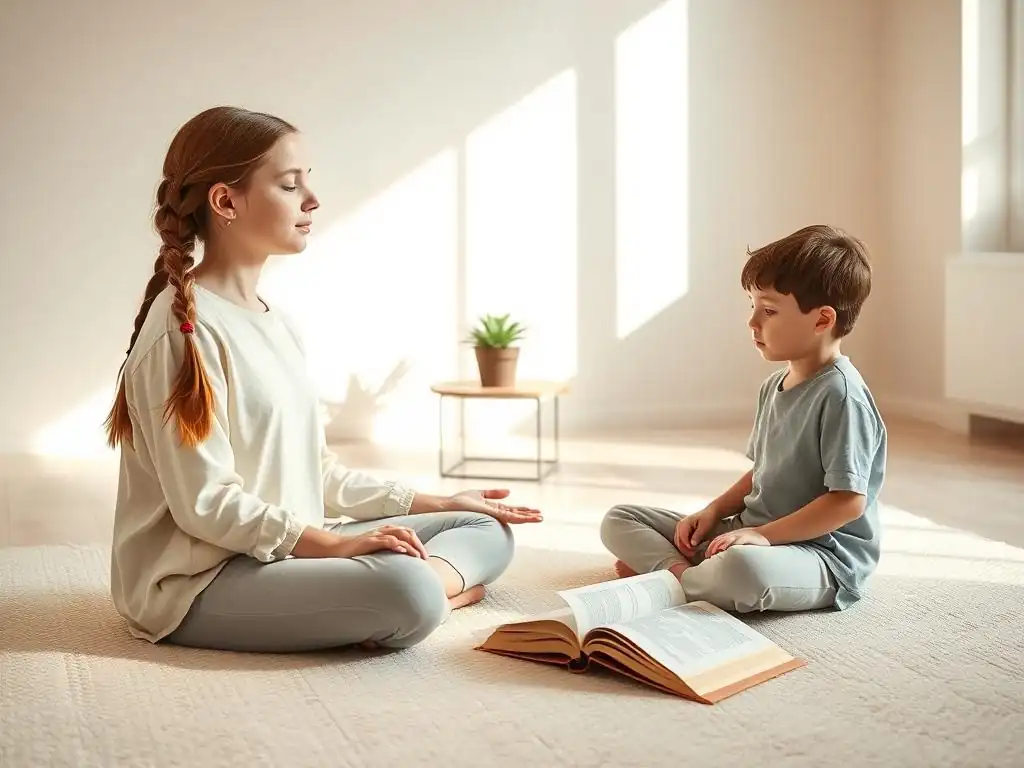
Mindful breathing is one of the most accessible and effective mindfulness practices at home for people of all ages, especially students dealing with stress. These exercises involve simply paying attention to the sensation of the breath entering and leaving the body without trying to change it. This focus anchors the mind in the present moment, helping to interrupt cycles of worry about the past or future.
Simple techniques like "balloon breathing" (imagining the belly inflating and deflating like a balloon) or "figure-eight breathing" (tracing a figure eight while inhaling and exhaling) can make it engaging for younger children. For teens, focusing on the subtle sensations of air at the nostrils or the rise and fall of the chest can be a powerful tool for managing anxiety before tests or during challenging social situations. Practicing mindful breathing for just 2-3 minutes several times a day can significantly reduce feelings of overwhelm and promote a sense of calm.
Body Scan Meditation for Relaxation and Awareness
Body scan meditation is another foundational mindfulness practice ideal for implementation at home. It involves systematically bringing attention to different parts of the body, noticing any sensations without judgment. This practice helps students develop greater body awareness and can be incredibly effective for releasing physical tension often held unconsciously, such as in the shoulders or jaw.
Guiding students through a body scan, starting from the toes and slowly moving up to the head, helps them become more attuned to their physical state. This practice is particularly useful before bedtime to promote relaxation and improve sleep quality. Regular body scans can help students recognize the physical signs of stress or anxiety earlier, enabling them to use other coping strategies before these feelings become overwhelming.
Mindful Movement: Yoga and Stretching for Physical and Mental Health
Mindful movement, such as gentle yoga or stretching, combines physical activity with present-moment awareness, making it a wonderful mindfulness practice at home. Unlike competitive sports, the focus is on the internal experience of movement and breath, not performance. This can help students connect with their bodies in a non-judgmental way and release pent-up energy or tension.
Simple yoga poses or stretching routines can be easily done in a living room or bedroom. Encouraging students to pay attention to how their muscles feel, how their breath coordinates with movement, and any sensations that arise during the practice enhances the mindful aspect. Regular mindful movement can improve flexibility, balance, and strength, while also promoting mental clarity and emotional balance. A short 15-minute mindful movement session can be a refreshing break from sitting or studying.
Gratitude Practices: Cultivating Appreciation and Positivity
Cultivating gratitude is a powerful mindfulness practice that shifts focus from what is lacking to what is present and positive in life. This practice can be easily integrated into the home routine and has been shown to significantly boost mood and overall well-being. It encourages students to notice and appreciate the good things, big or small, in their daily lives.
Simple gratitude practices at home can include keeping a gratitude journal where students write down 3-5 things they are thankful for each day, sharing moments of gratitude during family meals, or simply taking a moment each day to mentally list things they appreciate. This consistent focus on positivity can help reframe challenging experiences and build a more optimistic outlook on life. Studies suggest that people who regularly practice gratitude report feeling happier and more content.
Mindful Eating: Savoring Meals and Snacks with Intention
Mindful eating is a practical mindfulness practice that can be incorporated into every meal and snack at home. It involves paying full attention to the experience of eating – the sights, smells, textures, and tastes of the food – without distraction. This practice helps students develop a healthier relationship with food, recognize hunger and fullness cues, and truly savor their meals.
During family meals, encourage everyone to put away electronic devices and focus on the food and conversation. Ask questions like "What do you notice about the smell?" or "How does this feel in your mouth?" Encourage slower eating and chewing thoroughly. This simple shift in attention can transform eating from a rushed, often unconscious activity into a nourishing, mindful experience that enhances enjoyment and digestion.
Engaging Parents in Mindfulness: A Family Affair
Benefits of Parental Mindfulness for Children
When parents engage in mindfulness practices themselves, the benefits extend significantly to their children and create a more mindful home environment. Mindful parents are often better equipped to manage their own stress and emotions, which allows them to respond to their children with greater patience, empathy, and presence. This creates a calmer, more secure family atmosphere.
Children learn by observing the adults around them. When parents model mindfulness practices at home, they demonstrate valuable coping skills and a commitment to well-being. This normalizes mindfulness and makes it more likely that children will embrace it themselves. Research indicates that children of mindful parents exhibit lower levels of anxiety and depression and higher levels of emotional regulation compared to their peers. A parent's calm presence can be a powerful regulatory force for a child's nervous system.
Simple Mindfulness Exercises for Parents to Practice
Parents don't need hours to dedicate to formal meditation to benefit from mindfulness. Simple, brief exercises integrated into the daily routine can make a significant difference. These practices not only benefit the parent but also set a positive example for implementing mindfulness practices at home for the whole family.
Easy practices include taking five mindful breaths before responding to a challenging situation, practicing mindful listening when a child is speaking, or taking a few moments to mindfully wash the dishes or fold laundry, paying attention to the sensations. Even a one-minute pause to simply notice the sounds around you can help reset the mind. Consistency with these small practices builds resilience and models healthy coping mechanisms for children.
Creating Family Mindfulness Moments Together
Incorporating mindfulness into shared family time can strengthen bonds and make mindfulness practices at home a collective effort. These moments can be informal and woven into existing activities, making them feel natural rather than like an added chore. Engaging in mindfulness together reinforces its value and makes it a shared positive experience.
Examples of family mindfulness moments include going for a mindful walk in nature, practicing a short guided meditation together before dinner, engaging in mindful eating during meals, or simply taking a few deep breaths together when things feel chaotic. These shared experiences provide opportunities for connection, mutual support, and learning. Making mindfulness a family affair can significantly increase participation and enjoyment for everyone involved.
Overcoming Challenges to Mindfulness at Home
Addressing Resistance and Lack of Motivation
It's common for students (and sometimes parents) to face resistance or lack motivation when trying to establish mindfulness practices at home. This can stem from various factors, including not seeing immediate results, feeling like it's boring, or simply preferring other activities like screen time. Addressing this requires empathy, patience, and a focus on making mindfulness accessible and relevant.
Instead of forcing practice, try exploring why the resistance exists. Is it the activity itself? The time of day? The feeling of being told what to do? Offer choices in how mindfulness is practiced – maybe a walking meditation is preferred over sitting, or a guided body scan is more engaging than silent breathing. Focus on the feeling mindfulness creates afterward, rather than just the act itself. Highlighting small positive changes, like feeling a little calmer or more focused, can help build intrinsic motivation over time. Remember, consistency is more important than perfection.
Dealing with Distractions and Interruptions
The home environment, while comfortable, is often filled with distractions and interruptions that can derail mindfulness practices at home. Siblings, pets, household noises, and the ever-present pull of technology can make it difficult to find a quiet moment to focus inward. Planning and clear communication are key to navigating these challenges.
Establish clear boundaries around the time and space designated for mindfulness. Use visual cues, like a sign on the door, to signal quiet time. If interruptions occur, gently redirect attention back to the practice without judgment. For younger children, shorter practice times might be more realistic. For older children and teens, discussing strategies for minimizing digital distractions – like using "do not disturb" modes – can be helpful. Acknowledging that minds wander and distractions happen is part of the practice; the goal is simply to notice and return to the present moment.
Finding Time for Mindfulness in a Busy Schedule
Modern family life is often packed with school, extracurricular activities, work, and social commitments, making it challenging to carve out time for mindfulness practices at home. Feeling like there isn't enough time is a significant barrier, but mindfulness doesn't necessarily require long, dedicated sessions.
Look for opportunities to integrate mindfulness into existing routines rather than trying to add something entirely new. This could be a few minutes of mindful breathing while waiting for the bus, a brief body scan before starting homework, or mindful eating during a meal. Scheduling short, consistent periods – even just 5-10 minutes daily – is more effective than planning long sessions that rarely happen. Discussing schedules as a family and identifying potential times for collective or individual mindfulness can help make it a priority. Remember that even a minute of mindful awareness is beneficial.
Resources for Mindfulness at Home: Apps, Books, and Online Guides
Recommended Mindfulness Apps for Children and Teens
Technology, often a source of distraction, can also be a valuable tool for supporting mindfulness practices at home. Numerous mindfulness apps have been developed specifically for children and teens, offering guided meditations, calming sounds, mindful games, and mood tracking features in an accessible format.
These apps often use engaging visuals, friendly voices, and age-appropriate language to make mindfulness appealing. Many offer short, guided sessions perfect for fitting into a busy schedule, such as a 3-minute "calm down" meditation or a 5-minute "focus" exercise. While specific recommendations vary and should be explored based on individual needs and preferences, looking for apps with positive reviews, clear age suitability information, and a variety of content types can be a good starting point for finding digital support for mindfulness at home.
Helpful Books on Mindfulness for Families
Books can provide in-depth explanations of mindfulness concepts, practical exercises, and inspiring stories that encourage mindfulness practices at home for the whole family. There are many excellent titles available that cater to different age groups, from beautifully illustrated books for young children explaining simple breathing techniques to more comprehensive guides for teens and parents on integrating mindfulness into daily life.
Reading together about mindfulness can spark conversations and deepen understanding. Some books offer guided activities that families can do together, turning reading time into practice time. Exploring books specifically designed for family mindfulness can provide a shared learning experience and offer numerous ideas for incorporating mindfulness practices at home in creative and engaging ways.
Online Mindfulness Courses and Guided Meditations
For those seeking more structured guidance, online mindfulness courses and extensive libraries of guided meditations are readily available. These resources can provide step-by-step instruction, help build a consistent practice, and offer a wide variety of meditation styles and lengths suitable for different moods and schedules.
Many reputable organizations and platforms offer free or subscription-based access to guided meditations specifically designed for children, teens, and families. These can range from short, thematic meditations (e.g., for focus, for sleep, for kindness) to longer courses that delve into the principles and benefits of mindfulness. Utilizing online resources can provide expert guidance and variety, making it easier to maintain regular mindfulness practices at home.
Measuring the Impact of Mindfulness Practices at Home
Tracking Progress and Observing Changes in Behavior
While mindfulness isn't about achieving a specific outcome or "mastering" a technique, observing and acknowledging the positive changes that result from consistent mindfulness practices at home can be incredibly motivating. Tracking progress doesn't need to be formal; it can be as simple as noticing shifts in behavior or emotional responses over time.
Parents might keep a simple journal noting instances where their child used a mindfulness technique independently to handle a stressful situation, or when they seemed particularly calm and focused. Students, especially teens, might use a mood tracker in a journal or app to see if their general emotional state improves over weeks or months of practice. Even small observations, like a child taking a deep breath instead of immediately reacting in frustration, are significant indicators of progress in implementing mindfulness practices at home.
Identifying Benefits Such as Improved Focus and Emotional Regulation
One of the primary goals of extending mindfulness practices from the classroom to home is to enhance students' focus and emotional regulation. Over time, consistent practice can lead to noticeable improvements in these areas, impacting academic performance, social interactions, and overall well-being. Identifying these specific benefits reinforces the value of the practice.
Parents and teachers often report observing improved concentration during homework or classwork in students who regularly practice mindfulness at home. Emotionally, students may become better at identifying their feelings, understanding where those feelings originate, and choosing how to respond rather than reacting impulsively. For example, a student who used to have frequent meltdowns might begin to express their frustration verbally after incorporating daily mindfulness practices at home. These tangible benefits highlight the power of consistent effort.
Seeking Professional Support When Needed
While mindfulness is a powerful tool for supporting mental well-being, it is not a substitute for professional mental health care. If a student is experiencing significant challenges with anxiety, depression, behavioral issues, or other mental health concerns, it is crucial to seek support from qualified professionals, such as school counselors, therapists, or psychologists.
Mindfulness practices at home can be a valuable complement to therapy or other interventions, providing students with coping skills and strategies they can use daily. A mental health professional can also provide guidance on how mindfulness fits into a broader treatment plan and can help address any underlying issues that mindfulness alone cannot resolve. Recognizing when professional support is needed is an important part of a comprehensive approach to student well-being.
Integrating Mindfulness into Daily Routines: Practical Tips
Mindfulness During Homework and Study Sessions
Homework and study time can be significant sources of stress and frustration for students. Integrating short bursts of mindfulness practices at home into these sessions can help manage anxiety, improve focus, and make the process more manageable.
Before starting a study session, take a few minutes for mindful breathing or a short body scan to settle the mind and body. If focus wanes during study, suggest a brief pause for mindful movement or simply observing the sounds around them for a minute before returning to the task. Encouraging mindful breaks, perhaps every 25-30 minutes, can help maintain concentration and prevent burnout. Paying mindful attention to the task at hand, rather than multitasking or letting the mind wander, can also make study time more effective.
Mindfulness Before Bedtime for Improved Sleep
Many students struggle with winding down at night, leading to difficulties falling asleep or staying asleep. Incorporating mindfulness practices at home into the bedtime routine can significantly improve sleep quality by calming the nervous system and quieting a busy mind.
Simple activities like gentle stretching, a guided body scan meditation focusing on releasing tension, or mindful breathing while lying in bed can prepare the body and mind for rest. Avoiding screens for at least an hour before bed and creating a calm, dark environment also supports mindful preparation for sleep. Consistently practicing mindfulness before sleep helps train the body to associate these practices with relaxation, making it easier to drift off to sleep.
Mindfulness During Family Meals and Activities
Family time, whether during meals, playing games, or engaging in other shared activities, offers valuable opportunities to practice mindfulness together. These moments allow for connection, communication, and the shared experience of being present.
During family meals, encourage mindful eating as mentioned earlier. During activities, encourage everyone to fully engage in the present moment – listening attentively when someone is speaking, paying attention to the sights and sounds during a walk, or focusing on the interaction during a game without distractions. Making mindfulness a natural part of shared family experiences reinforces its importance and integrates mindfulness practices at home into the fabric of daily life, creating a more connected and peaceful household.
Frequently Asked Questions
What exactly are mindfulness practices and why are they important for mental well-being?
Mindfulness practices involve paying attention to the present moment without judgment. They are important because they can reduce stress and anxiety, and improve overall mental well-being by fostering self-awareness.
How can I effectively integrate mindfulness practices at home, especially after learning them in a classroom setting?
Start small! Dedicate a few minutes each day to mindful breathing or body scan exercises. Create a peaceful space and time free from distractions to enhance your practice.
What are some simple mindfulness activities I can do at home with my children to promote their mental health?
Try mindful eating (savoring each bite) or nature walks (noticing the sights and sounds). These activities help children focus on the present and develop emotional regulation skills.
If I'm struggling to maintain a consistent mindfulness practice at home, what resources or support systems are available?
Websites like Mind Care Guide offer guided meditations and helpful articles. Consider joining a local mindfulness group or seeking guidance from a mental health professional for personalized support.
Are there any specific mindfulness practices that are particularly beneficial for reducing stress and improving sleep quality at home?
Deep breathing exercises and progressive muscle relaxation are highly effective. These practices can calm the nervous system and promote relaxation before bedtime, leading to improved sleep.
Final Reflection: Cultivating Inner Peace: From Classroom to Home
The mindful practices we cultivate in the classroom are not confined to the school bell; they are seeds we plant, capable of blossoming into a richer, more peaceful life at home. The ability to focus, manage stress, and cultivate empathy—skills honed through mindfulness—are not just academic advantages; they are essential tools for navigating the complexities of family life and building stronger relationships. These skills are more vital than ever in our fast-paced, often overwhelming world.
The integration of mindfulness into our daily lives, both within and beyond the classroom, has profoundly impacted my understanding of well-being. It's not just about quiet moments of meditation; it's about cultivating a mindful approach to every interaction, every task, every emotion. This shift in perspective has allowed me to approach challenges with greater patience and understanding, fostering a more harmonious home environment. Mindfulness isn't about escaping life, but about finding peace within it.
This quote perfectly encapsulates the transformative power of incorporating mindfulness into our daily routines.
Now, consider your own life. How can you integrate even one mindful practice into your family's daily rhythm? Perhaps it's a shared moment of quiet reflection before dinner, a mindful walk in nature, or simply taking a few deep breaths before responding to a challenging situation. Start small, be consistent, and witness the ripple effect of peace and understanding that will spread throughout your home. The journey to a more mindful life begins with a single, conscious breath.
Unveil Your Family's Inner Peace: Mindfulness at Home
Thanks for taking the time to explore the power of mindfulness! You've now discovered practical ways to bring calm and focus into your classroom – let's extend that tranquility to your home life. Ready to create a more peaceful and connected family environment?
- Implement one new mindfulness technique this week: Choose a breathing exercise, a short meditation, or even a mindful activity like cooking or gardening, and practice it together as a family. This is your primary focus for a more mindful home.
- Share your experiences! Discuss with your family what you learned and how this practice makes you feel. Let’s build a supportive community.
- Create a family "mindful moment" routine: Consider dedicating 5-10 minutes each day to a shared practice, such as mindful breathing before dinner.
What small step will your family take today to cultivate more inner peace at home?