
The Accessible Path to Mindfulness: Start Walking Today.

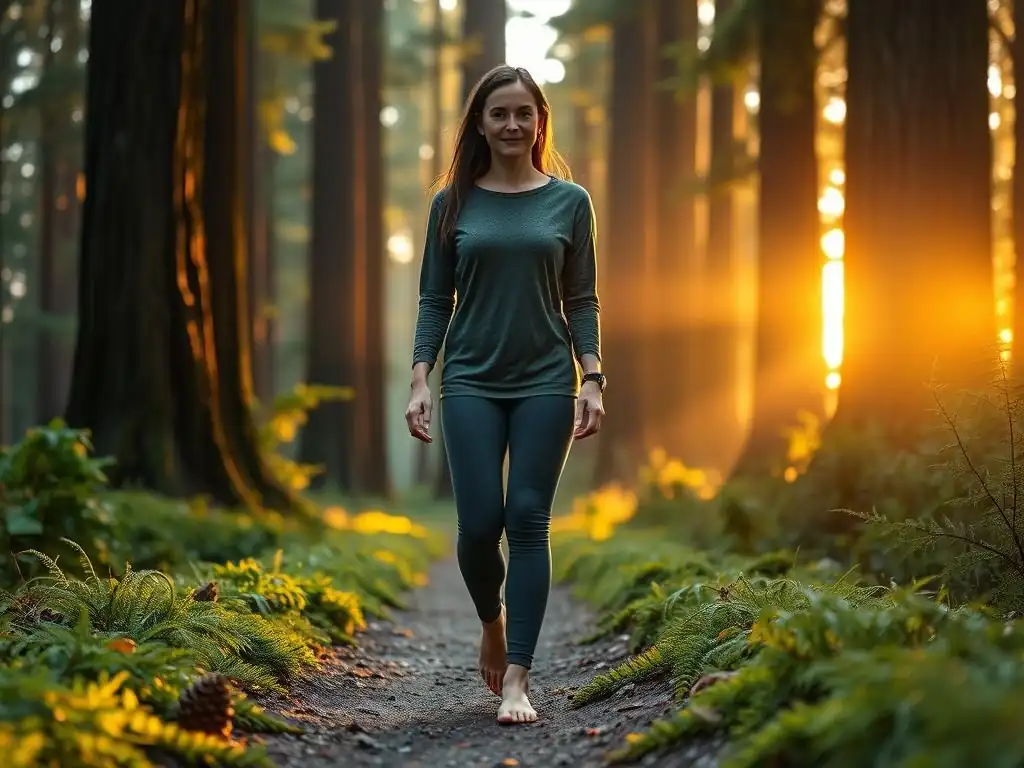
Welcome to Mind Care Guide, your sanctuary for navigating the complexities of mental well-being. Feeling overwhelmed by everyday anxiety? You're not alone. Perhaps the answer lies closer than you think. Let's gently explore the accessible path of Mindfulness for Everyday Anxiety, and discover how simple practices can bring profound peace. Curious to learn more? Your journey to a calmer you starts right here.
The Accessible Path to Mindfulness: Start Walking Today
- Walking Meditation: Your Gateway to Mindfulness for Everyday Stress
- Getting Started with Walking Meditation: A Step-by-Step Guide
- Integrating Walking Meditation into Your Daily Routine for Reduced Stress
- Deeper Dive: Enhancing Your Mindfulness Practice While Walking
- The Science Behind Walking Meditation and Stress Reduction
- Beyond Stress: Additional Benefits of Walking Meditation
- Resources for Learning More About Walking Meditation and Mindfulness
- Making Mindfulness a Habit: Sustaining Your Walking Meditation Practice
-
Frequently Asked Questions
- How can mindfulness help with everyday anxiety?
- Is mindfulness difficult to learn and practice?
- What are some practical ways to incorporate mindfulness into my daily routine to manage anxiety?
- Are there any risks or downsides to practicing mindfulness for anxiety?
- Where can I find reliable resources to learn more about mindfulness for anxiety?
- Final Reflection: Cultivating Calm in the Everyday Chaos
- Unleash Your Inner Calm: Start Your Mindfulness Journey Now!
Walking Meditation: Your Gateway to Mindfulness for Everyday Stress
Walking meditation is a simple yet profound practice that brings the principles of mindfulness into the act of walking. Unlike simply strolling, mindful walking involves paying deliberate attention to the physical sensations of movement, the breath, and the surrounding environment without judgment. This practice transforms an ordinary activity into an opportunity to cultivate present moment awareness, offering a readily accessible tool for anyone seeking Mindfulness for everyday anxiety. It requires no special equipment or location, making it an ideal entry point into mindfulness for beginners and a valuable addition for experienced practitioners.
The beauty of incorporating walking into your mindfulness practice lies in its inherent simplicity and accessibility. Most people walk every day, whether it's a short walk to the store, a commute, or just moving around the house. By consciously shifting your attention during these moments, you can weave threads of mindfulness throughout your day. This consistent engagement with the present moment, even in brief intervals, can significantly impact your ability to manage stress and cultivate a sense of calm amidst the demands of modern life, making it a powerful strategy for developing Mindfulness for everyday anxiety.
Understanding the Benefits of Walking Meditation for Stress Reduction
Walking meditation offers a unique combination of physical activity and mental focus that is highly effective for stress reduction. The rhythmic nature of walking can have a calming effect on the nervous system, similar to other repetitive movements. This physical aspect, combined with the mental discipline of focusing on the present, helps to interrupt the cycle of anxious thoughts that often fuel everyday stress.
Research suggests that engaging in mindful movement like walking can lead to measurable physiological changes. For instance, some studies indicate that regular moderate exercise, including mindful walking, can help lower levels of cortisol, often referred to as the body's primary stress hormone. While specific reductions vary, findings often point towards improvements in stress markers and an increase in feelings of well-being. Furthermore, the practice encourages a shift from rumination about past or future worries to an awareness of the here and now, directly addressing a core component of Mindfulness for everyday anxiety.
Getting Started with Walking Meditation: A Step-by-Step Guide
Getting started with walking meditation is straightforward. It doesn't require mastering complex techniques, only a willingness to pay attention. The key is to approach the practice with patience and self-compassion, understanding that your mind will wander, and the goal is simply to notice and gently redirect your attention.
Step 1: Finding a Suitable Environment for Mindful Walking
Choosing the right place to practice mindful walking can significantly enhance your experience, especially when you are starting out and aiming to build Mindfulness for everyday anxiety. Look for a location where you feel safe and are less likely to be interrupted or overly stimulated. This could be a quiet park path, a less-trafficked sidewalk in your neighborhood, a walking trail, or even a long hallway or backyard if outdoor options are limited.
The ideal environment allows you to focus on your internal experience and the sensations of walking without needing to constantly navigate obstacles or interact with others. While walking in busy places is possible with practice, beginning in a calm setting makes it easier to cultivate the necessary concentration and awareness. A consistent location can also help establish a routine, making the practice feel more familiar and accessible over time.
Step 2: Focusing on Your Breath and Body Sensations While Walking
Once you are in your chosen environment, begin by simply walking at a comfortable, natural pace. Bring your awareness to your breath – notice the inhales and exhales without trying to change them. Then, gently shift your focus to the physical sensations of walking. Pay attention to how your feet lift and fall, the contact they make with the ground, and the feeling of your legs moving.
Expand your awareness to include other bodily sensations: the swing of your arms, the rhythm of your steps, the feeling of the air on your skin. This deliberate focus on the physical experience of walking grounds you in the present moment. It provides an anchor for your attention, helping to pull you away from distracting thoughts and worries, which is particularly helpful when practicing Mindfulness for everyday anxiety.
Step 3: Observing and Releasing Distracting Thoughts During Walking
As you walk and focus on your breath and body, your mind will inevitably start to wander. This is a completely normal part of the process and not a sign of failure. You might start thinking about your to-do list, a conversation you had, or future plans. The practice here is to simply notice these thoughts without judgment. Acknowledge them, perhaps mentally noting "thinking" or "planning."
Once you've noticed a thought, gently release it and guide your attention back to the physical sensations of walking or the rhythm of your breath. There's no need to analyze the thought or get frustrated that your mind has strayed. Each time you notice your mind wandering and gently bring it back, you are strengthening your capacity for present moment awareness – a core skill for developing Mindfulness for everyday anxiety. This process of noticing and returning is the essence of the practice.
Integrating Walking Meditation into Your Daily Routine for Reduced Stress
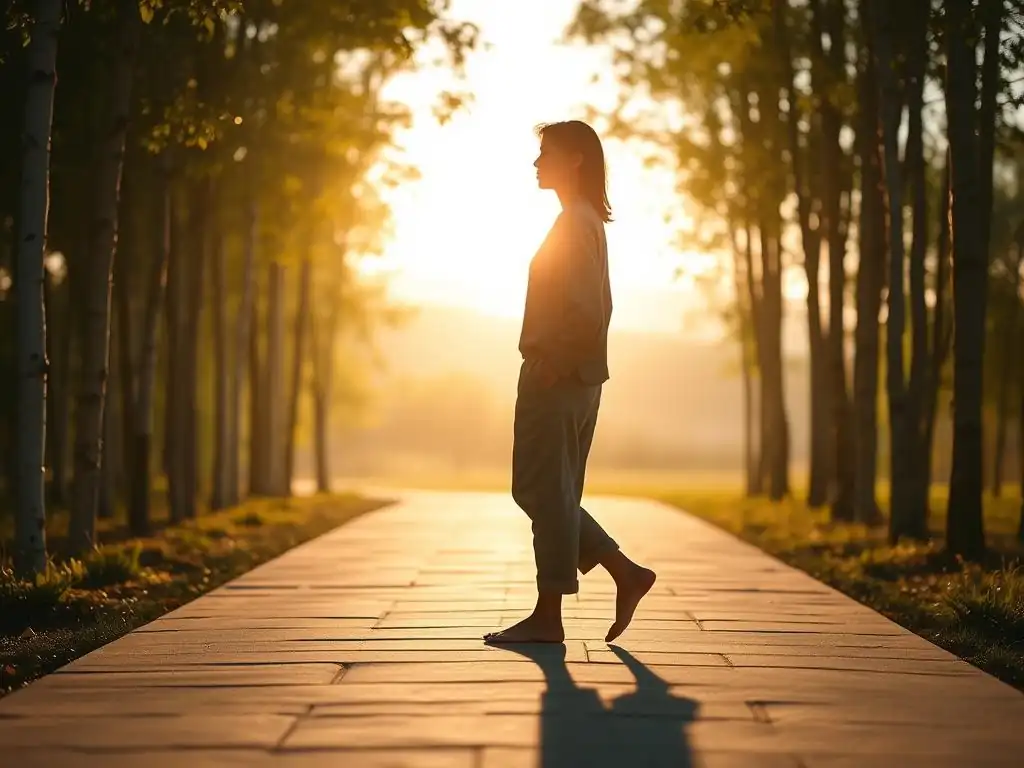
Making walking meditation a regular part of your life can significantly enhance its benefits for stress management and overall well-being. Consistency is key, even if you can only dedicate a few minutes each day. Finding ways to weave mindful walking into existing routines makes it more sustainable.
Practical Techniques to Incorporate Mindful Walking into Your Day
Start small. Even 5-10 minutes of mindful walking can make a difference. Consider incorporating it into activities you already do: walk mindfully during your commute to work, take a short mindful walk during your lunch break, or make a mindful walk part of your evening routine. You could also turn errands like walking the dog or going to the post office into opportunities for practice.
Set a specific time or trigger. For example, decide that you will take a 10-minute mindful walk every morning before starting your workday, or that you will walk mindfully whenever you feel stressed or overwhelmed. Using reminders on your phone or integrating it into a checklist can help establish the habit. Remember, the goal is progress, not perfection, when cultivating Mindfulness for everyday anxiety through walking.
Addressing Common Obstacles in Walking Meditation
One common obstacle is finding the time. By integrating mindful walking into existing activities, you minimize the need to find extra time. Another challenge is dealing with distractions, whether external (noise, people) or internal (racing thoughts). When distractions arise, simply notice them and gently return your focus to your walking.
Feeling impatient or like "nothing is happening" is also a common experience. Mindfulness is a practice of being, not doing. The benefits accumulate over time and through consistent effort. Don't get discouraged if your mind feels busy; the act of repeatedly bringing your attention back is the practice itself. Approaching the practice with self-compassion is vital when using walking meditation for Mindfulness for everyday anxiety.
Deeper Dive: Enhancing Your Mindfulness Practice While Walking
Once you are comfortable with the basic steps, you can explore ways to deepen and enrich your walking meditation practice. These variations can help keep the practice fresh and allow you to tailor it to your specific needs or interests.
Exploring Variations in Walking Meditation Techniques
Experiment with different paces. Some find a slow, deliberate pace helpful for focusing on subtle sensations, while others prefer a more natural, brisker walk. You can also vary your focus. Instead of just body sensations, you might choose to focus primarily on the sounds around you, noticing them without labeling or judging, or focus on the visual field, observing colors and shapes as they pass by.
Another variation is intention-based walking. Before you start, set an intention for your walk, such as cultivating kindness, releasing tension, or simply being present. During the walk, periodically return to this intention. You might also try walking with a focus on gratitude, noticing things you are thankful for as you move. These variations can add layers to your practice and make it a more dynamic tool for Mindfulness for everyday anxiety.
Utilizing Walking Meditation to Manage Specific Stressors
Mindful walking can be a powerful tool for actively working with specific stressors. If you are feeling anxious about an upcoming event, you can dedicate your walk to simply being present with the physical sensations while acknowledging the anxiety without getting swept away by it. Use the rhythm of your steps and breath as anchors to stay grounded.
Similarly, if you are processing a difficult situation or conversation, walking meditation can provide a moving space for mindful processing. Instead of getting lost in rumination, you can observe the thoughts and feelings that arise with curiosity and non-judgment, using the physical movement to help release pent-up energy. This active processing through mindful movement can be incredibly effective for managing Mindfulness for everyday anxiety related to specific triggers.
The Science Behind Walking Meditation and Stress Reduction
Understanding the scientific basis for why walking meditation is effective can reinforce your commitment to the practice and highlight its validity as a tool for well-being. The combined effects of movement and mindfulness have a synergistic impact on the brain and body.
How Rhythmic Movement Influences the Stress Response
Rhythmic activities like walking have been shown to activate the parasympathetic nervous system, often referred to as the "rest and digest" system. This system works in opposition to the sympathetic nervous system, which triggers the "fight or flight" stress response. Engaging the parasympathetic system helps to lower heart rate, reduce blood pressure, and decrease the production of stress hormones like cortisol.
The repetitive motion of walking can also act as a gentle form of bilateral stimulation, which some therapeutic approaches utilize to help process stressful or traumatic experiences. While walking meditation is not therapy, the rhythmic left-right movement combined with mindful focus can help to calm the nervous system and create a sense of stability, contributing to its effectiveness for Mindfulness for everyday anxiety.
Scientific Studies on Walking Meditation and Stress Reduction
Numerous studies have explored the benefits of mindfulness and walking separately, and increasingly, research is focusing on their combination. Studies on mindfulness practices, including walking meditation, have demonstrated positive outcomes such as reduced self-reported stress levels and improved mood states. For example, some research indicates that participants engaging in regular mindfulness practices report average reductions in perceived stress by 20-30% over a period of several weeks or months.
Brain imaging studies have also shown that mindfulness meditation can lead to changes in brain structure and function, including increased gray matter density in areas associated with self-awareness and emotional regulation, and decreased activity in the amygdala, the brain's fear center. While specific studies on walking meditation are still emerging compared to seated meditation, the evidence from both movement studies and mindfulness research strongly supports its potential as a powerful tool for cultivating Mindfulness for everyday anxiety and enhancing mental resilience.
Beyond Stress: Additional Benefits of Walking Meditation

While stress reduction and managing anxiety are significant benefits, walking meditation offers a range of other positive impacts on your mental and physical well-being.
Cultivating Present Moment Awareness Through Mindful Walking
At its core, walking meditation is a practice in cultivating present moment awareness. By focusing on the sensations of walking, your breath, and your surroundings, you train your mind to stay grounded in the "now" rather than being swept away by thoughts about the past or future. This enhanced ability to be present translates into all areas of your life, allowing you to engage more fully with experiences, conversations, and tasks.
This heightened awareness is crucial for developing Mindfulness for everyday anxiety because it helps you recognize anxious thought patterns as they arise, giving you the opportunity to respond skillfully rather than automatically reacting. It also allows you to appreciate the simple moments of beauty and peace that exist around you, even amidst challenges.
Promoting Overall Well-being with Walking Meditation
Incorporating regular mindful walking into your routine can contribute significantly to overall well-being. Physically, it provides low-impact exercise that benefits cardiovascular health, strengthens muscles, and can improve balance and coordination. Mentally, it can boost mood, improve focus and concentration, and enhance self-awareness.
The combination of physical activity and mindfulness can also lead to better sleep quality and increased energy levels. By providing a structured way to release physical and mental tension, walking meditation supports a holistic approach to health, making it a valuable practice for anyone seeking to improve their overall quality of life and build resilience against Mindfulness for everyday anxiety.
Resources for Learning More About Walking Meditation and Mindfulness
Exploring various resources can deepen your understanding and enhance your practice of walking meditation. While personal exploration is key, guidance and information can provide valuable insights and motivation.
Recommended Resources for Guided Walking Meditations
Many mindfulness and meditation apps offer guided walking meditations of varying lengths and focuses. These can be particularly helpful when you are starting out, as a guide's voice can help keep you focused and remind you what to pay attention to. Look for apps that offer different styles or lengths to find what resonates with you.
Numerous websites and online platforms dedicated to mindfulness and meditation also provide free or paid guided walking meditation audio or video. Additionally, books on mindfulness often include chapters or sections specifically dedicated to the practice of mindful walking, offering detailed instructions and philosophical context. Exploring these resources can provide structure and support as you build your practice of Mindfulness for everyday anxiety through walking.
To complement your walking meditation practice, explore other resources on related mindfulness techniques. Articles on seated meditation, body scan meditation, and mindful breathing can provide a broader understanding of mindfulness principles that can inform your walking practice.
Look for articles that discuss integrating mindfulness into daily activities beyond walking, such as mindful eating or mindful communication. Understanding the versatility of mindfulness can inspire you to find even more opportunities to cultivate present moment awareness throughout your day, further supporting your efforts to manage Mindfulness for everyday anxiety and cultivate a more peaceful mind.
Making Mindfulness a Habit: Sustaining Your Walking Meditation Practice
Starting a walking meditation practice is a great first step, but sustaining it over time requires intention and effort. Like any habit, consistency is key to reaping the full benefits.
Strategies for Maintaining Consistency and Motivation
Schedule your mindful walks into your day, just as you would any other important appointment. Using a calendar or setting reminders can help ensure you don't forget. Find an accountability partner, perhaps a friend or family member who is also interested in mindfulness, and encourage each other to stick to your practice.
Keep a simple journal of your experience. Note how you felt before, during, and after the walk. Over time, reviewing these entries can reveal the positive impact the practice is having on your stress levels and overall mood, providing powerful motivation to continue. Celebrate small victories, like completing a week of consistent walking, to reinforce the positive habit of building Mindfulness for everyday anxiety through movement.
Addressing Common Challenges in Practice
You might encounter days when you feel bored, restless, or simply unmotivated. On these days, try shortening your walk or changing your route. Remind yourself that simply showing up is the practice. If your mind is particularly busy, gently acknowledge the thoughts without judgment and recommit to focusing on the physical sensations of walking.
Don't strive for perfect focus; wandering is natural. The practice is in the return. If you miss a day (or several), don't dwell on it. Simply start again the next day with kindness towards yourself. Building a sustainable practice of Mindfulness for everyday anxiety through walking is about cultivating patience, persistence, and self-compassion over the long term.
Frequently Asked Questions
How can mindfulness help with everyday anxiety?
Mindfulness techniques, such as focused breathing or body scans, help you become more aware of present moment sensations, allowing you to observe anxious thoughts and feelings without judgment. This awareness can reduce the intensity of anxiety by shifting your focus from worry to the now.
Is mindfulness difficult to learn and practice?
No, mindfulness is surprisingly accessible. While consistent practice is key, even short, daily sessions can provide benefits. Start with simple exercises like mindful walking or paying attention to your breath for a few minutes each day.
What are some practical ways to incorporate mindfulness into my daily routine to manage anxiety?
You can integrate mindfulness by mindfully eating, paying attention to the taste and texture of your food. Another approach is mindful walking, focusing on the sensation of your feet on the ground and the sights and sounds around you.
Are there any risks or downsides to practicing mindfulness for anxiety?
Generally, mindfulness is safe. However, if you have a pre-existing mental health condition, it's best to consult with a therapist before starting, as some techniques might initially increase anxiety. It's crucial to listen to your body and adjust your practice accordingly.
Where can I find reliable resources to learn more about mindfulness for anxiety?
Mind Care Guide offers a wealth of information, including articles, exercises, and resources on mindfulness. You can also explore reputable apps or websites that provide guided meditations and mindfulness programs designed for anxiety management.
Final Reflection: Cultivating Calm in the Everyday Chaos
The pursuit of mindfulness is no longer a luxury; it's a vital tool for navigating the anxieties of modern life. In a world saturated with information and demands, the simple act of paying attention to the present moment offers a powerful antidote to the overwhelming tide of stress and worry. This article explored practical, accessible methods for incorporating mindfulness into daily routines, proving that even small, consistent efforts can yield significant benefits for mental well-being.
The impact of mindfulness on our collective cultural landscape is undeniable. We are increasingly recognizing the limitations of a solely productivity-driven existence and seeking more holistic approaches to well-being. The rise in popularity of meditation apps, mindfulness-based therapies, and even mindfulness-infused workplaces speaks volumes about this shift. The present moment is filled with joy and happiness. If you are attentive, you will see it.
– Thich Nhat Hanh. This quote beautifully encapsulates the core message: finding peace and contentment isn't about escaping reality, but about engaging with it fully and consciously.
Now, I invite you to consider your own journey toward mindful living. What small step can you take today to cultivate more presence in your life? Perhaps it's a few minutes of deep breathing before your morning coffee, a mindful walk during your lunch break, or simply paying closer attention to the sensations of your body as you sit at your desk. Remember, the path to mindfulness is a personal one, and every mindful moment, no matter how small, contributes to a calmer, more centered you. Start walking today, and discover the transformative power of presence.
Unleash Your Inner Calm: Start Your Mindfulness Journey Now!
Thanks for taking the time to explore the accessible world of mindfulness with Mind Care Guide. We hope you gained valuable insights into how easily you can incorporate mindful practices into your daily life. Ready to take the next step?
- Begin your personal mindfulness practice today: Even 5 minutes of focused breathing can make a difference. Try one of the techniques discussed in the article!
- Share your mindfulness journey: Inspire others by sharing your experiences and favorite techniques on social media. Use #MindCareGuide to connect with our community.
- Explore our free guided meditations: (This will be a link in reality) Dive deeper into mindfulness with our curated collection designed to help you relax and focus.
What small step will you take today to cultivate more peace and presence in your life?