
Mindful Living: How to Integrate Advanced Awareness into Every Moment

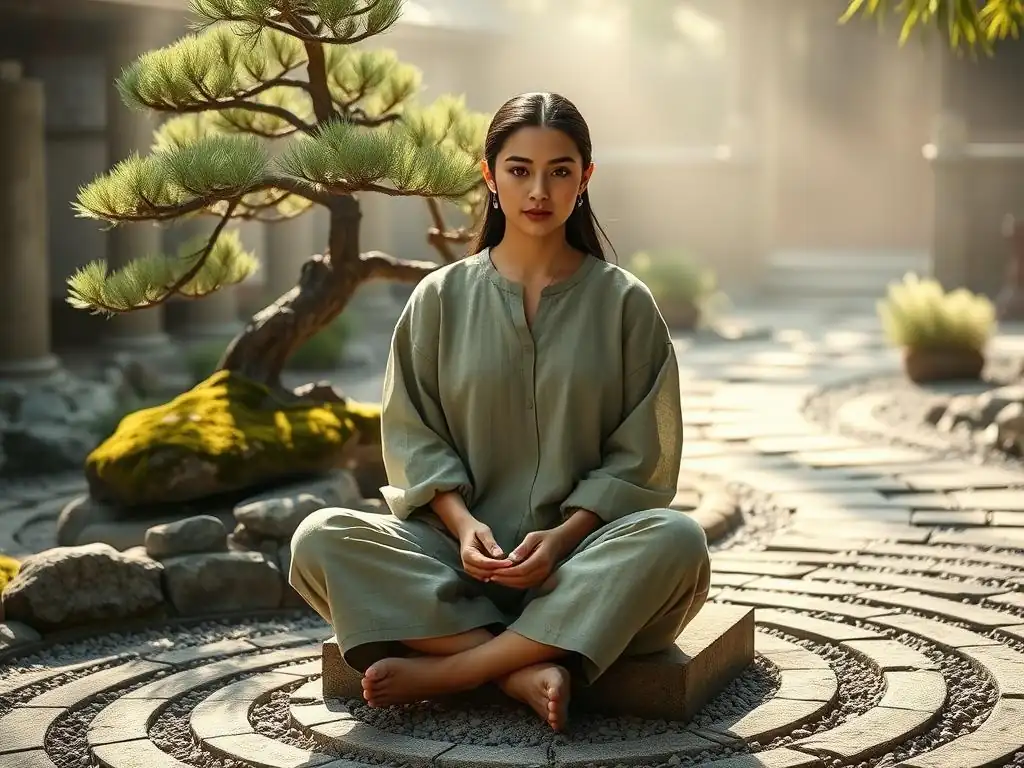
Welcome to Mind Care Guide, a sanctuary dedicated to nurturing your mental well-being.
Feeling overwhelmed by everyday anxiety? You're not alone. This week, we delve into the powerful practice of Mindfulness for everyday anxiety, offering practical tools and techniques to help you cultivate inner peace amidst the chaos. Discover how integrating advanced awareness into each moment can dramatically shift your perspective and empower you to navigate life's challenges with greater resilience. Ready to reclaim your calm? Read on to begin your journey towards a more mindful and peaceful you...
Mindful Living: How to Integrate Advanced Awareness into Every Moment
- Understanding Advanced Mindfulness for Everyday Anxiety
- Cultivating Present Moment Awareness: Techniques for Daily Life
- Integrating Mindfulness into Daily Activities
- Overcoming Common Obstacles to Mindful Living
- Advanced Mindfulness Practices for Deeper Awareness
- Practical Tips for Sustaining a Mindful Lifestyle
- Mindfulness for Everyday Anxiety: Real-Life Applications
- The Science Behind Mindfulness and Anxiety Reduction
- Resources for Continuing Your Mindfulness Journey
- Conclusion: Embracing a Mindful Approach to Life and Anxiety Management
-
Frequently Asked Questions
- How can mindfulness specifically help with everyday anxiety?
- What are some advanced mindfulness techniques someone can use to manage anxiety?
- Is mindfulness a quick fix for anxiety, or does it require consistent practice?
- How does mindful living differ from simply being aware of my surroundings?
- Where can I find reliable resources to learn more about mindfulness for everyday anxiety?
- Final Reflection: Cultivating Calm Amidst the Chaos
- Unleash Your Inner Calm: Start Living Mindfully Today!
Understanding Advanced Mindfulness for Everyday Anxiety
Defining Advanced Mindfulness and Its Role in Anxiety Reduction
Advanced mindfulness moves beyond basic meditation techniques to cultivate a state of deep, pervasive awareness that informs every aspect of life. It's not just about sitting quietly for 10 minutes; it's about bringing non-judgmental attention to thoughts, feelings, bodily sensations, and the external world throughout the day. For individuals struggling with everyday anxiety, this deepened practice offers a powerful tool. Instead of reacting automatically to anxious triggers, advanced mindfulness allows for a pause, creating space to observe the anxiety without being consumed by it. This shift in perspective can significantly reduce the intensity and duration of anxious episodes.
This deeper level of mindful living involves recognizing habitual patterns of thought and behavior that contribute to anxiety. For instance, someone with everyday anxiety might constantly ruminate on future worries or past mistakes. Advanced mindfulness helps to gently but firmly redirect attention back to the present moment, where anxiety often has less power.
It cultivates a sense of psychological flexibility, enabling individuals to acknowledge difficult emotions like fear or worry without getting stuck in them. This continuous practice builds resilience, making it easier to navigate the unpredictable challenges of daily life with greater calm and clarity, ultimately lessening the grip of everyday anxiety.
The Benefits of Deepening Your Mindfulness Practice
Deepening your mindfulness practice yields profound benefits that extend far beyond simple stress reduction. Research consistently shows that regular, sustained mindfulness practice can lead to measurable changes in brain structure and function. For example, studies using fMRI have indicated that experienced meditators often show reduced activity in the amygdala, the brain's fear center, and increased activity in prefrontal cortex regions associated with higher-order processing and emotional regulation. This neurological shift translates directly into a reduced reactivity to stressors, which is crucial for managing everyday anxiety.
Beyond the brain, a deeper practice enhances emotional intelligence and self-compassion. As you become more attuned to your internal landscape without judgment, you develop a greater capacity to understand and kindly respond to difficult emotions. This is particularly beneficial for tackling everyday anxiety, which can often be accompanied by self-criticism or feelings of inadequacy.
A consistent practice can also improve focus, concentration, and working memory. anekdotal evidence and preliminary studies suggest that individuals with a consistent practice report feeling more present in conversations, more focused at work, and generally more engaged in their lives, all of which contribute to a sense of well-being that counteracts the pervasive nature of everyday anxiety.
Cultivating Present Moment Awareness: Techniques for Daily Life
Body Scan Meditation for Enhanced Body Awareness
The body scan meditation is a foundational practice that involves systematically bringing attention to different parts of the body, noticing sensations without judgment. Starting perhaps with the toes and slowly moving up to the crown of the head, the aim is simply to observe what is present – tingling, warmth, tension, or the absence of sensation. This practice is incredibly effective for grounding yourself in the present moment, especially when the mind is racing with anxious thoughts. By focusing on the physical body, you interrupt the cycle of rumination and anchor your awareness in the here and now.
Regular body scans build a crucial skill: interoceptive awareness, or the ability to sense the internal state of your body. For many people experiencing everyday anxiety, physical symptoms like a racing heart, shallow breathing, or muscle tension are common.
The body scan helps you become familiar with these sensations in a non-threatening way, allowing you to recognize the physical manifestations of anxiety as they arise, rather than being blindsided by them. Over time, this increased awareness enables you to respond to these physical cues with mindful techniques, such as deep breathing, instead of reacting with panic, thereby effectively using mindfulness for everyday anxiety management.
Mindful Breathing Exercises to Calm Anxiety
Mindful breathing is perhaps the most accessible and immediate technique for managing spikes in anxiety. It involves simply paying attention to the sensation of the breath entering and leaving the body. There's no need to change the breath, just to observe its natural rhythm.
Noticing the rise and fall of the abdomen or chest, the feeling of air moving through the nostrils – these simple anchors can quickly pull the mind out of anxious thought loops and into the present moment. This practice can be done anywhere, anytime, making it an invaluable tool for navigating unexpected waves of everyday anxiety.
More structured breathing exercises, like 4-7-8 breathing (inhale for 4, hold for 7, exhale for 8) or box breathing (inhale for 4, hold for 4, exhale for 4, hold for 4), can further engage the parasympathetic nervous system, which helps calm the body's stress response. While these are more active techniques than passive observation, they still rely on bringing mindful attention to the breath.
The consistent focus required for these exercises leaves less mental capacity for anxious thoughts to take hold. Practicing mindful breathing regularly, even for just a few minutes a day, builds your capacity to use your breath as an immediate anchor when confronting everyday anxiety.
Sensory Awareness: Engaging All Senses Mindfully
Engaging the senses mindfully involves deliberately paying attention to the sights, sounds, smells, tastes, and textures of your current environment. This practice is a powerful way to ground yourself in the present moment, especially when your mind is caught up in future worries or past regrets, common drivers of everyday anxiety. For example, you might take a moment to truly see the details of an object nearby, hear the distinct sounds around you, smell the aroma of your coffee, feel the texture of your clothes, or taste the nuances of your food.
This deliberate sensory engagement serves as a direct antidote to the abstract nature of anxious thoughts. While anxiety often resides in hypothetical scenarios, the senses are always rooted in the immediate reality. By consciously shifting your attention to sensory input, you redirect mental energy away from the anxious narrative and towards concrete, present-moment experiences. This practice can be integrated throughout the day – while walking, working, or simply sitting. It provides a reliable pathway back to the present, making it easier to apply mindfulness for everyday anxiety management in real-time situations.
Integrating Mindfulness into Daily Activities
Mindful Eating: Savoring Each Bite
Mindful eating involves bringing full attention to the experience of eating, from preparation to digestion. Instead of rushing through meals or eating while distracted, you engage all your senses: noticing the colors and textures of the food, smelling the aromas, feeling the temperature and consistency in your mouth, and truly tasting the flavors. You also pay attention to your body's hunger and fullness cues, eating when you are hungry and stopping when you are satisfied, rather than eating out of stress or habit.
This practice slows down the eating process and transforms it from a rushed necessity into a nourishing ritual. For those dealing with everyday anxiety, mindful eating can be a calming anchor in the day, providing a moment of focused presence. It also helps cultivate a healthier relationship with food and your body, reducing anxiety often associated with eating habits or body image. Simply taking three mindful breaths before starting a meal can be a simple entry point into this beneficial practice, helping to ground you before you even take the first bite.
Mindful Walking: Finding Peace in Movement
Mindful walking is a practice that turns the simple act of moving from one place to another into an opportunity for awareness. It involves paying deliberate attention to the physical sensations of walking: the feeling of your feet touching the ground, the movement of your legs, the swing of your arms, and the rhythm of your breath. You can also expand your awareness to include the sights, sounds, and smells of your surroundings, noticing them without getting lost in thought or judgment.
This practice is particularly effective for releasing physical tension often associated with everyday anxiety. The gentle, repetitive motion combined with focused attention helps to calm the nervous system. Unlike walking for exercise or transportation, the goal of mindful walking is the experience itself – the present moment awareness cultivated with each step. Even a short 5-minute mindful walk around the block can significantly shift your state, providing a portable method for applying mindfulness for everyday anxiety relief throughout your day.
Mindful Communication: Listening with Intention
Mindful communication involves bringing full, non-judgmental attention to interactions with others. This includes both speaking and listening. When speaking, it means being aware of your intentions, your tone of voice, and the impact of your words. When listening, it means giving your full attention to the other person, truly hearing what they are saying without formulating your response, getting distracted by your own thoughts, or making assumptions.
For those prone to social anxiety or worry about interactions, mindful communication can be transformative. By focusing on truly listening, you are anchored in the present moment of the conversation rather than being lost in self-conscious thoughts about how you are perceived. This presence allows for more genuine connection and reduces misunderstandings that can fuel anxiety. Practicing mindful listening, even in casual conversations, strengthens your ability to remain present and engaged, making social situations less daunting and improving your overall experience of everyday interactions.
Overcoming Common Obstacles to Mindful Living
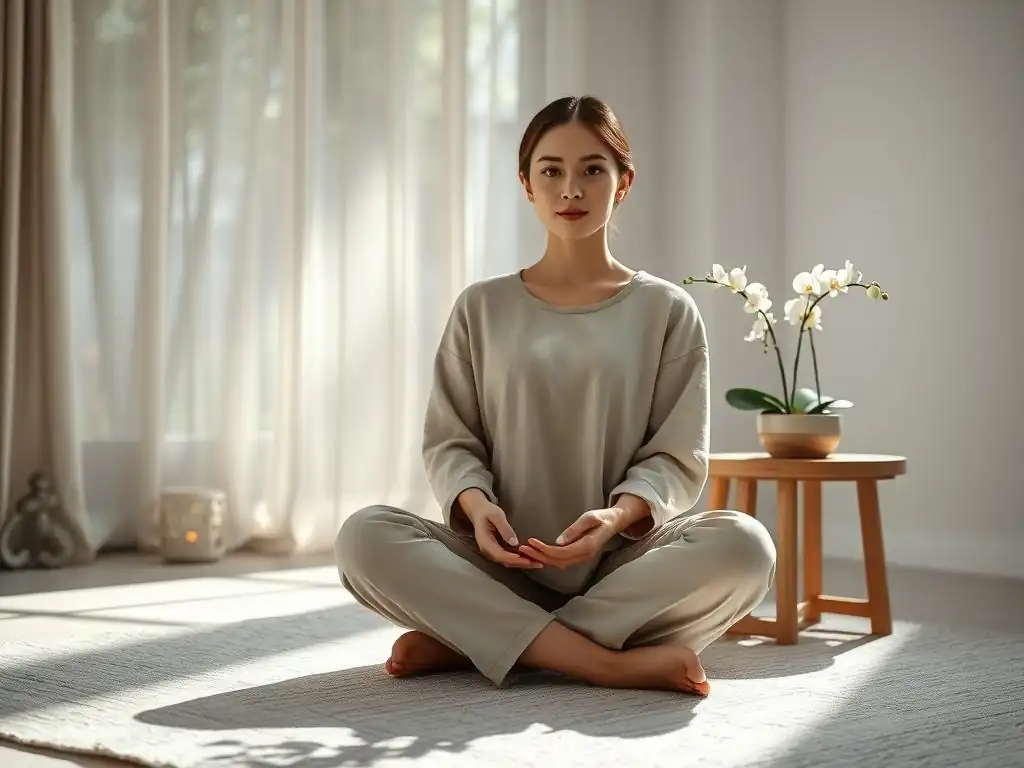
Dealing with Distractions During Meditation
Distractions are a universal experience in mindfulness practice, not a sign of failure. The mind is naturally prone to wandering, and thoughts, sounds, and physical sensations will inevitably arise during meditation. The practice is not about stopping distractions, but about noticing them non-judgmentally and gently redirecting your attention back to your chosen anchor, whether that's the breath, bodily sensations, or sounds. This act of noticing and returning is the core of the training.
When a distraction arises, acknowledge it ("Ah, a thought about dinner") without criticizing yourself. Imagine the thought or sensation as a cloud passing in the sky, and then simply guide your attention back to your breath or body. This process strengthens your "attention muscle" and builds resilience. Recognizing that distractions are normal and approaching them with patience and kindness is key to a sustainable mindfulness practice, particularly when using mindfulness for everyday anxiety, as anxious thoughts are often persistent distractions.
Managing Negative Thoughts and Emotions
Negative thoughts and emotions are often amplified by everyday anxiety, creating a challenging landscape for mindful living. The mindfulness approach is not to suppress or eliminate these difficult experiences, but to relate to them differently. Instead of getting entangled in negative thought spirals or being overwhelmed by painful emotions, you learn to observe them with curiosity and acceptance, like a scientist studying a phenomenon.
When a negative thought arises, you can label it mentally ("thinking") and observe its characteristics – is it repetitive? Does it have an image? What feelings does it trigger?
Similarly, with difficult emotions like fear or sadness, you can notice where you feel them in your body and observe the physical sensations without trying to push them away. This practice of mindful observation creates distance between you and the difficult experience, revealing that you are not your thoughts or emotions, but the awareness that notices them. This distance is vital for navigating the intense feelings that can accompany everyday anxiety.
Finding Time for Mindfulness in a Busy Schedule
One of the most common obstacles to integrating mindful living is the perception of not having enough time in a busy life often exacerbated by everyday anxiety. However, mindfulness is not solely about setting aside long periods for formal meditation. While dedicated practice is beneficial, mindfulness can also be woven into the fabric of your day through brief, informal moments of awareness.
Consider integrating "mindful micro-practices" throughout your day. This could be taking three conscious breaths before opening an email, paying full attention to the taste of your first sip of coffee, noticing the feeling of water during a shower, or simply pausing for 30 seconds to notice the sounds around you. These small moments add up, cultivating present-moment awareness without requiring significant time commitments. Setting realistic goals, perhaps starting with just 5-10 minutes of formal practice daily and incorporating informal moments, makes establishing a consistent practice much more achievable, even amidst a demanding schedule.
Advanced Mindfulness Practices for Deeper Awareness
Vipassana Meditation: Insight Through Observation
Vipassana, often translated as "insight" meditation, is a practice aimed at developing deep awareness of the impermanent nature of all phenomena – physical sensations, thoughts, feelings, and external experiences. It typically involves sustained, silent observation of these phenomena as they arise and pass away, often anchored by the breath. The goal is to see reality as it is, without judgment or reaction, thereby gaining insight into the root causes of suffering, including the clinging and aversion that fuel anxiety.
This practice goes beyond simply calming the mind; it seeks to fundamentally shift your relationship with your internal and external world. By diligently observing the constant flux of experience, you begin to understand that difficult thoughts and feelings, like those associated with everyday anxiety, are temporary. This understanding can significantly reduce their power over you. Vipassana retreats, often lasting 10 days or longer in silence, offer an intensive environment for cultivating this profound level of insight and can be a powerful catalyst for transforming your experience of everyday anxiety.
Loving-Kindness Meditation (Metta): Cultivating Compassion
Loving-Kindness meditation, or Metta, is a practice focused on cultivating feelings of warmth, compassion, and goodwill towards oneself and others. It typically involves silently repeating phrases such as "May I be happy, may I be healthy, may I be safe, may I live with ease" first towards oneself, then towards loved ones, neutral persons, difficult persons, and finally towards all beings. The practice is about intentionally generating positive emotional states.
This practice is particularly potent for counteracting the negative self-talk and fear that often accompany everyday anxiety. By directing kindness inwards, you challenge the inner critic and build a foundation of self-compassion, which is essential for navigating difficult emotions. Extending kindness outwards also helps to reduce feelings of isolation and fosters a sense of connection, both of which can alleviate aspects of social anxiety. Regular Metta practice builds an internal reservoir of warmth and resilience, making it easier to meet challenges, including everyday anxiety, with a more open and compassionate heart.
Walking Meditation: A Deeper Dive
While previously mentioned as a daily integration technique, walking meditation can also be practiced at a more advanced level, similar to seated Vipassana. This involves slow, deliberate walking, paying minute attention to the sensations in the feet and legs with each step – lifting, moving, placing. The pace is often much slower than casual walking, allowing for heightened sensitivity to subtle physical movements.
This advanced walking practice serves as a powerful moving meditation, integrating mindfulness into physical activity at a deep level. It helps to cultivate a profound connection between mind and body, reinforcing the present moment anchor. For individuals who find seated meditation challenging, this practice can be a more accessible route to deep awareness. It also directly addresses the restlessness and physical tension that often accompany everyday anxiety, providing a structured way to move through these sensations mindfully.
Practical Tips for Sustaining a Mindful Lifestyle
Creating a Dedicated Mindfulness Space
Designating a specific area, even a small corner, in your home for mindfulness practice can significantly support consistency. This space doesn't need to be elaborate; it could simply be a comfortable cushion or chair in a quiet spot. The purpose is to create a physical cue that signals it's time to transition into a state of mindful awareness. This dedicated space can help minimize distractions and establish a ritual around your practice, making it easier to show up consistently.
Making this space appealing and conducive to practice can further enhance its effectiveness. Keeping it tidy, perhaps adding a plant or a meaningful object, can make it a more inviting place to spend time. Having your meditation cushion or mat readily available removes one potential barrier to practice. This simple act of creating a physical anchor for your mindfulness journey reinforces your commitment and provides a sanctuary to return to when seeking calm from the demands of everyday anxiety.
Setting Realistic Mindfulness Goals
Setting achievable goals is crucial for maintaining motivation and building a sustainable mindfulness practice. Instead of aiming for an hour of meditation every day from the start, which can feel daunting, begin with a smaller, more manageable commitment. Perhaps aim for 5 or 10 minutes of formal practice daily, or commit to incorporating three mindful moments into your day. Successfully meeting these smaller goals builds confidence and makes the practice feel less like a chore.
As your comfort and capacity grow, you can gradually increase the duration or frequency of your practice. It's also helpful to define why you are practicing – perhaps it's specifically to reduce the impact of everyday anxiety, improve focus, or cultivate patience. Keeping this intention in mind can provide motivation during challenging times. Remember that consistency is more important than duration, especially in the early stages; showing up for even a few minutes each day is more beneficial than sporadic long sessions.
The Importance of Consistency and Patience
Consistency and patience are arguably the most critical factors in developing a deep and impactful mindfulness practice. Like learning any new skill, mastering mindful living takes time, effort, and regular application. Sporadic practice yields limited results, whereas consistent daily engagement, even for short periods, gradually rewires the brain and strengthens your capacity for awareness. Think of it like exercising a muscle – regular workouts, even brief ones, build strength over time.
Patience is essential because the benefits of mindfulness are often subtle and cumulative. You might not feel dramatically different after a single session. There will be days when your mind feels particularly restless or your anxiety feels overwhelming, making practice difficult. These are precisely the times when showing up, even imperfectly, is most valuable. Approaching your practice with patience, acknowledging challenges without judgment, and trusting the process is key to unlocking the long-term benefits of mindfulness for everyday anxiety.
Mindfulness for Everyday Anxiety: Real-Life Applications
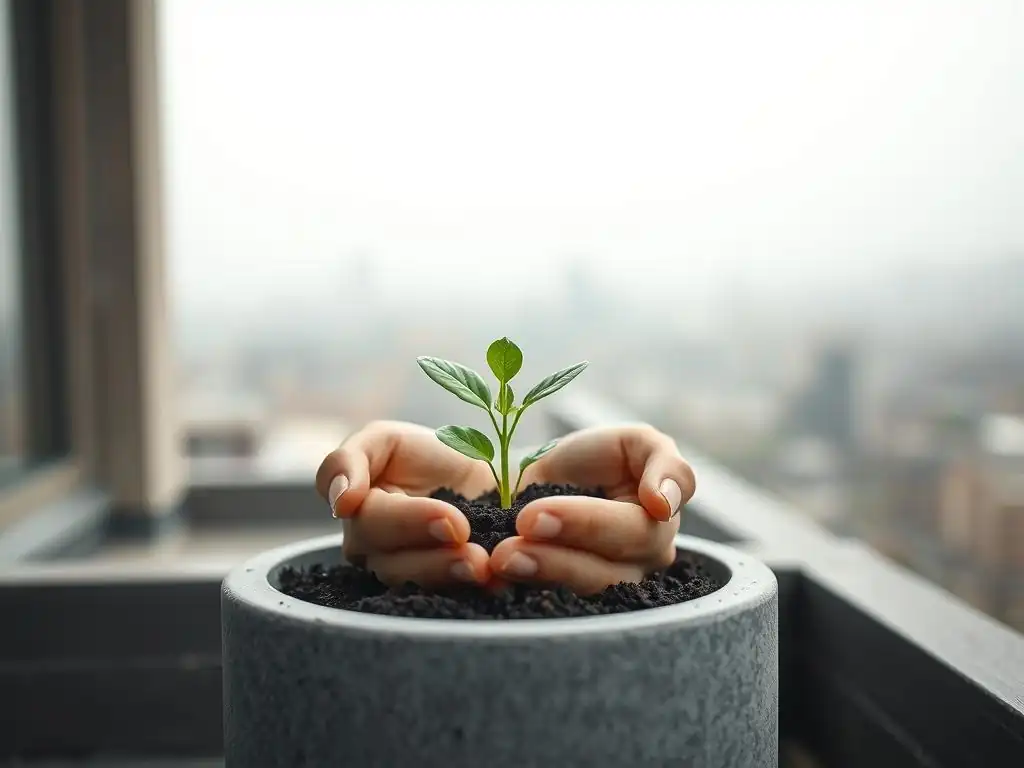
Using Mindfulness to Manage Panic Attacks
Mindfulness offers powerful tools for navigating the intense physiological and psychological storm of a panic attack. During an attack, the body's alarm system is fully activated, often leading to terrifying physical sensations and catastrophic thoughts. Attempting to fight or suppress these sensations can often make them worse. Mindfulness, however, teaches you to relate to these experiences differently.
Instead of struggling against the panic, you can use techniques like mindful breathing or body scan to anchor yourself in the present moment. For example, focusing intensely on the feeling of your feet on the ground or the sensation of your breath can provide a point of stability amidst the chaos. The goal isn't to stop the panic immediately, but to observe the sensations and thoughts with non-judgmental awareness, recognizing that they are temporary.
This mindful observation can help to shorten the duration and reduce the intensity of the attack, providing a sense of agency even when feeling overwhelmed. Anecdotal reports and preliminary studies suggest that individuals trained in mindfulness report fewer panic attacks or a reduced fear of them.
Social anxiety often stems from excessive worry about being judged or scrutinized by others, leading to avoidance or discomfort in social situations. Mindfulness can help by shifting attention away from these self-critical thoughts and towards the present moment of interaction. Instead of rehearsing conversations internally or analyzing past interactions, you learn to simply be present with the person or group you are with.
Mindful communication, as discussed earlier, is particularly relevant here. By focusing on truly listening to others and observing the interaction as it unfolds, you reduce the mental space available for self-judgment. Techniques like mindful breathing can be used discreetly in social settings to manage rising anxiety. Furthermore, cultivating self-compassion through practices like Metta can counteract the harsh inner critic often present in social anxiety. A study involving mindfulness-based stress reduction (MBSR) for social anxiety disorder, while needing further research, indicated significant reductions in anxiety symptoms for participants.
Mindfulness Strategies for Workplace Stress
Workplace stress is a significant contributor to everyday anxiety for many people. Deadlines, difficult colleagues, heavy workloads, and the pressure to perform can create a constant state of tension. Mindfulness provides practical strategies to navigate these challenges without being consumed by them. Informal practices can be integrated throughout the workday.
Taking mindful breaks – even just 60 seconds to focus on your breath or notice your surroundings – can help reset your nervous system. Mindful walking during lunch breaks can release tension. Applying mindful communication skills during meetings or emails can prevent misunderstandings and reduce interpersonal stress.
When faced with a stressful task, taking a moment to mindfully assess the situation and your capacity can lead to a more effective and less anxious approach. A study published in the Journal of Occupational Health Psychology found that mindfulness training led to reduced stress and improved well-being among employees in high-stress occupations, demonstrating the tangible benefits of mindfulness for everyday anxiety experienced in professional settings.
The Science Behind Mindfulness and Anxiety Reduction
How Mindfulness Affects the Brain
The scientific community has shown increasing interest in the neurological effects of mindfulness. Research using neuroimaging techniques like fMRI and EEG has provided compelling evidence that regular mindfulness practice can alter brain structure and function in ways that are beneficial for mental health, particularly in reducing everyday anxiety. One notable finding is the observed reduction in the size and activity of the amygdala, the brain region responsible for processing fear and triggering the stress response.
Simultaneously, studies suggest that mindfulness practice can increase gray matter density in areas associated with attention, self-awareness, and emotional regulation, such as the prefrontal cortex and the hippocampus. These changes indicate an enhanced capacity to manage emotional reactions and maintain focus. For someone experiencing everyday anxiety, these structural and functional changes mean a reduced likelihood of going into fight-or-flight mode in response to minor stressors and an increased ability to regulate anxious feelings when they arise, fundamentally supporting the use of mindfulness for everyday anxiety management.
The Role of Mindfulness in Reducing Stress Hormones
Beyond brain changes, mindfulness practice has been linked to physiological changes that directly impact stress and anxiety levels. One significant finding is the observed reduction in levels of stress hormones, particularly cortisol. Cortisol is released by the body in response to stress, and chronically elevated levels are associated with numerous health problems, including heightened anxiety.
Several studies have measured cortisol levels in participants before and after mindfulness interventions, such as MBSR programs. Results often show a decrease in cortisol levels among those who consistently practice mindfulness compared to control groups. This hormonal shift indicates a calming effect on the body's stress response system. By dampening the physiological reaction to stressors, mindfulness helps to break the vicious cycle where physical symptoms of stress exacerbate psychological anxiety, thus proving effective in reducing the impact of everyday anxiety.
Research Supporting the Benefits of Mindfulness for Mental Health
A substantial and growing body of research supports the efficacy of mindfulness-based interventions for a range of mental health conditions, including generalized anxiety disorder, social anxiety, and panic disorder, all of which contribute to everyday anxiety. Meta-analyses, which combine the results of multiple studies, have consistently shown that mindfulness-based programs lead to significant reductions in anxiety symptoms. For instance, a 2014 meta-analysis published in JAMA Internal Medicine reviewed 47 trials and found that mindfulness meditation programs had moderate evidence of improving anxiety and depression.
While research is ongoing, findings suggest that mindfulness helps by increasing emotional regulation, improving attention control, and altering self-perspective (reducing identification with anxious thoughts). Clinical trials comparing mindfulness interventions to other therapeutic approaches or control groups often demonstrate comparable or superior outcomes in reducing anxiety severity. This scientific backing provides strong support for integrating mindful living practices as a valuable approach for individuals seeking to manage and alleviate the burden of everyday anxiety.
Resources for Continuing Your Mindfulness Journey
Recommended Mindfulness Apps and Websites
Numerous digital resources can support and guide your mindfulness practice, making it more accessible and structured. Mindfulness apps offer guided meditations, timers, and tracking features that can help establish a consistent routine. Popular options often include introductory courses, short emergency meditations for acute anxiety, and longer deep-dive practices. While specific app names cannot be listed here, searching app stores for "mindfulness" or "meditation" will reveal many highly-rated options with millions of users globally.
Websites dedicated to mindfulness and meditation also provide a wealth of information. Many offer free guided practices, articles explaining different techniques, and directories to find local resources. These online platforms can be particularly helpful for understanding the principles behind mindful living and finding practices tailored to specific needs, such as using mindfulness for everyday anxiety or improving sleep. Exploring these resources can provide valuable support as you deepen your practice.
Books and Articles on Advanced Mindfulness Practices
For those interested in exploring the theoretical underpinnings and advanced techniques of mindfulness, books and articles offer in-depth knowledge. Foundational texts by pioneers in the field provide comprehensive guides to practices like MBSR or MBCT (Mindfulness-Based Cognitive Therapy). More contemporary books delve into specific applications, such as using mindfulness for emotional regulation, developing self-compassion, or integrating practice into challenging life circumstances.
Academic articles published in psychology, neuroscience, and medical journals provide the latest research findings on the effects of mindfulness on the brain and body, as well as its clinical applications for conditions like everyday anxiety. While often technical, summaries and popular science articles based on this research can make the science accessible. Engaging with these resources can deepen your understanding and inspire further exploration of your practice.
Finding a Qualified Mindfulness Teacher or Therapist
While self-guided practice through apps and books is a valuable starting point, working with a qualified mindfulness teacher or therapist can significantly enhance your journey, particularly when addressing complex issues like persistent everyday anxiety. A teacher can provide personalized guidance, clarify misunderstandings about the practice, and offer support in navigating challenges that arise.
Mindfulness-based therapies, such as MBSR or MBCT, are often delivered by licensed therapists who have undergone extensive training in both mindfulness and clinical psychology. These programs integrate mindfulness techniques within a therapeutic framework to address specific mental health challenges. Seeking out a certified teacher or therapist ensures you receive instruction from someone with expertise and experience, which can be particularly beneficial when using mindfulness as a core strategy for managing significant everyday anxiety.
Conclusion: Embracing a Mindful Approach to Life and Anxiety Management
Embracing mindful living is a transformative journey that extends far beyond formal meditation sessions. It is about cultivating a state of present-moment awareness that permeates every activity, interaction, and internal experience. For those navigating the challenges of everyday anxiety, this deeper level of awareness is not just a coping mechanism, but a path towards fundamentally changing your relationship with anxious thoughts and feelings. By consistently practicing techniques like body scans, mindful breathing, and sensory awareness, you build resilience and create space between yourself and your anxiety.
Integrating mindfulness into daily life – through mindful eating, walking, and communication – anchors you in the present and reduces the mind's tendency to dwell on worries. While obstacles like distractions and negative emotions will arise, approaching them with patience and non-judgmental observation is part of the practice itself. Exploring advanced techniques like Vipassana and Metta can lead to profound insights and cultivate essential qualities like self-compassion. Supported by growing scientific evidence and numerous available resources, committing to mindful living is a powerful and empathetic approach to managing everyday anxiety, fostering greater peace, clarity, and well-being in every moment.
Frequently Asked Questions
How can mindfulness specifically help with everyday anxiety?
Mindfulness helps by training you to observe your thoughts and feelings without judgment. This creates distance from anxiety-provoking thoughts, reducing their power and promoting emotional regulation in the present moment. It allows you to respond, not react, to anxiety.
What are some advanced mindfulness techniques someone can use to manage anxiety?
Beyond basic breathing, advanced techniques include body scan meditations to increase body awareness, loving-kindness meditation to cultivate compassion, and mindful movement practices like yoga to release tension and promote relaxation.
Is mindfulness a quick fix for anxiety, or does it require consistent practice?
Mindfulness is not a quick fix. It's a skill that requires consistent practice and dedication to cultivate present moment awareness. The more you practice, the better you become at managing anxiety.
How does mindful living differ from simply being aware of my surroundings?
Mindful living is about intentionally paying attention to the present moment without judgment. Simply being aware may be passive; mindful living is active and involves cultivating a non-reactive attitude towards your experiences.
Where can I find reliable resources to learn more about mindfulness for everyday anxiety?
The Mind Care Guide website offers information, support, and resources for managing anxiety through mindfulness. You can also explore reputable meditation apps and qualified mindfulness teachers for guidance and further learning.
Final Reflection: Cultivating Calm Amidst the Chaos
The relentless pace of modern life often leaves us feeling overwhelmed, triggering anxiety and hindering our ability to truly live. This pursuit of mindful living, as explored throughout this article, isn't a fleeting trend; it's a vital tool for navigating the complexities of our increasingly demanding world. The techniques discussed—from mindful breathing to cultivating present moment awareness—offer a tangible path towards reducing everyday anxiety and finding a sense of inner peace.
The integration of mindfulness into daily life is not merely a personal journey; it's a societal shift, a quiet revolution against the constant pressure to "do more, be more." It's a reclaiming of our time and attention, a conscious choice to prioritize our well-being. The present moment is filled with joy and happiness. If you are attentive, you will see it.
– Thich Nhat Hanh. This quote beautifully encapsulates the power of mindful awareness to transform even the most mundane moments into opportunities for peace and contentment. The more we cultivate this awareness, the more we collectively challenge the pervasive culture of anxiety and stress.
Now, consider how you can integrate these practices into your own life. Start small—perhaps with just five minutes of mindful breathing each day. Notice the sensations in your body, the sounds around you, the thoughts that arise without judgment. With consistent practice, you will discover a profound shift in your perspective, a newfound ability to navigate challenges with greater ease and resilience. Embrace the journey towards mindful living; it's a gift you give yourself, and the world around you, every single day.
Unleash Your Inner Calm: Start Living Mindfully Today!
Thanks for taking the time to explore the power of mindful living! We hope this article equipped you with practical tools to enhance your awareness and find more peace in your daily life. Ready to take the next step?
- Begin a 5-minute daily mindfulness practice: Even just five minutes of focused attention on your breath can dramatically shift your perspective. Try it now—you might be surprised by the results!
- Share this article with someone who could benefit from increased mindfulness: Spread the awareness and invite them to join your journey towards inner peace.
- Try a surprising mindfulness technique: Engage one sense at a time—listen intently to the sounds around you for a full minute, or pay close attention to the texture of an object in your hand. You might discover new layers of experience.
So, what small step will you take today to cultivate more presence in your life?