
LovingKindness Expanded: Cultivating Boundless Compassion Through Advanced Practice

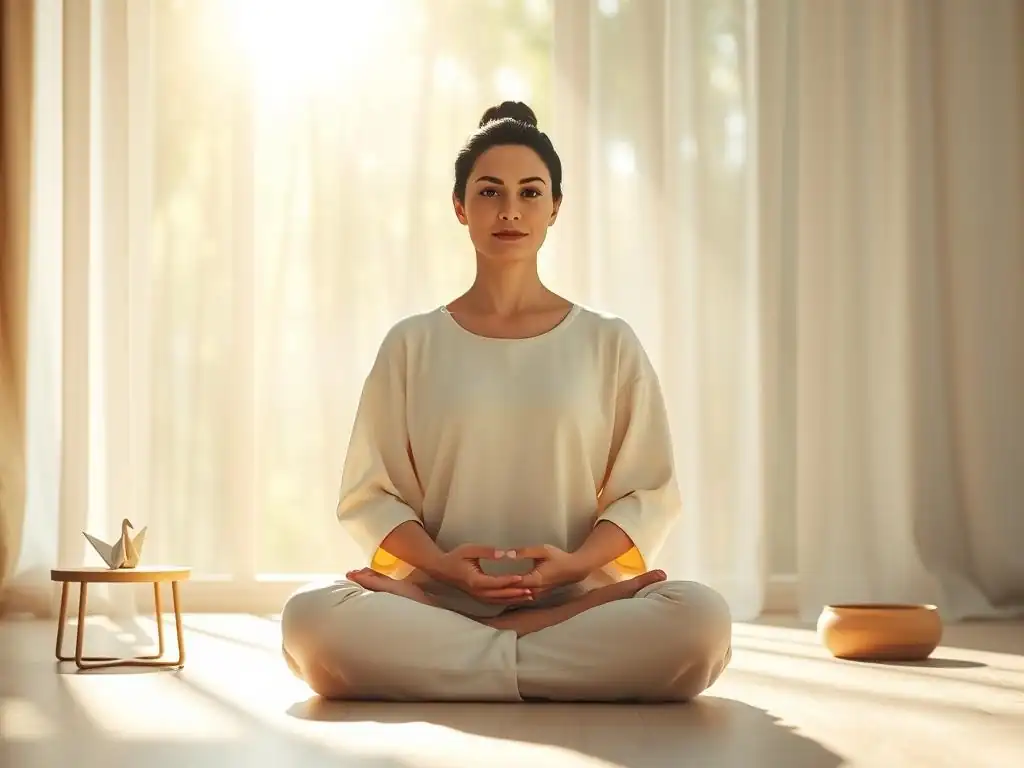
Welcome to Mind Care Guide, a sanctuary for your mental well-being.
Feeling overwhelmed by anxiety? Discover how Loving Kindness Meditation extends beyond simple affirmations. This ancient practice offers profound and lasting benefits, cultivating a deep sense of compassion that can gently reshape your inner landscape and ease anxiety's grip. Explore our article, "LovingKindness Expanded: Cultivating Boundless Compassion Through Advanced Practice," and begin your journey towards a more compassionate and peaceful you. What if true healing starts with embracing kindness, not just for others, but for yourself?
LovingKindness Expanded: Cultivating Boundless Compassion Through Advanced Practice
- Understanding Loving-Kindness Meditation for Anxiety Relief
- Deepening Your Loving-Kindness Practice: Moving Beyond the Basics
- Advanced Techniques for Cultivating Boundless Compassion
- Loving-Kindness Meditation and Mental Well-being: Practical Applications
- The Science Behind Loving-Kindness: Evidence-Based Benefits
- Troubleshooting Common Challenges in Advanced Practice
- Resources for Continuing Your Loving-Kindness Exploration
-
Frequently Asked Questions
- What are the primary Loving-Kindness Meditation benefits for individuals experiencing anxiety?
- How does Loving-Kindness Meditation differ from other meditation techniques in addressing anxiety?
- Can Loving-Kindness Meditation be practiced effectively even when someone is experiencing high levels of anxiety?
- How long does it typically take to experience noticeable Loving-Kindness Meditation benefits in terms of reducing anxiety?
- What are some advanced techniques within Loving-Kindness Meditation that can further enhance its anxiety-reducing effects?
- Final Reflection: Expanding the Heart, Calming the Mind
- Unleash Your Boundless Compassion: Take the Next Step
Understanding Loving-Kindness Meditation for Anxiety Relief
Exploring the Core Principles of Loving-Kindness (Metta)
Loving-kindness, known in Pali as Metta, is a fundamental Buddhist practice focused on cultivating unconditional friendliness and acceptance towards oneself and others. At its core, Metta is not just a feeling but an active intention – a sincere wish for the well-being and happiness of all beings. The traditional practice involves systematically directing benevolent wishes towards oneself, followed by loved ones, neutral persons, difficult persons, and finally, all beings without distinction.
These wishes are often expressed through simple, powerful phrases like "May you be safe," "May you be happy," "May you be healthy," and "May you live with ease." The repetition and mindful focus on these intentions gradually build a reservoir of warmth and connection, counteracting feelings of isolation, fear, and hostility.
This practice is built upon the understanding that genuine happiness arises not from external circumstances but from inner states of mind, particularly those rooted in connection and empathy. Metta challenges the habitual tendency to categorize individuals as 'friend,' 'foe,' or 'stranger,' instead encouraging an inclusive perspective where the wish for well-being extends universally. By starting with oneself, the practice acknowledges the necessity of self-compassion as a foundation for extending genuine kindness outward.
Neglecting the self in this process can lead to burnout or inauthentic expressions of care. The principles of Metta are designed to systematically dismantle the mental barriers that prevent us from experiencing and expressing boundless compassion.
How Loving-Kindness Meditation Benefits Anxiety and Stress
One of the most significant benefits of loving kindness meditation benefits anxiety by directly addressing the root causes of worry and fear. Anxiety often stems from a state of perceived threat, either external or internal (like self-criticism or fear of future events). Loving-kindness practice cultivates a sense of safety, acceptance, and connection that can counteract these threat responses.
By intentionally generating feelings of warmth and good wishes, the practice helps to soothe the nervous system, reducing the physiological arousal associated with anxiety, such as rapid heart rate and shallow breathing. Over time, this consistent practice can lower baseline stress levels and improve emotional resilience.
Research has shown that engaging in loving-kindness meditation can lead to measurable reductions in symptoms associated with generalized anxiety disorder and social anxiety. For example, some studies indicate participants report a decrease in anxiety scores by an average of 20-30% after a dedicated period of practice.
This reduction is often linked to an increase in positive emotions and a shift in perspective away from self-preoccupation and towards a more compassionate view of oneself and the world. The intentional cultivation of positive states like kindness, joy, and equanimity provides a powerful antidote to the negative thought loops and fear-based narratives that fuel anxiety.
Distinguishing Loving-Kindness from Other Meditation Techniques
While often grouped under the umbrella of mindfulness, loving-kindness meditation (Metta) has a distinct focus compared to techniques like mindfulness of breathing or Vipassana (insight meditation). Mindfulness of breathing primarily cultivates present-moment awareness by focusing on the sensory experience of respiration, helping to anchor attention and observe thoughts without judgment. Vipassana meditation, on the other hand, aims to develop insight into the nature of reality – the impermanence, suffering, and non-self aspects of experience – through bare attention to physical and mental phenomena as they arise and pass away. These practices emphasize observation and understanding.
Loving-kindness meditation, while also requiring attention and awareness, actively cultivates a specific positive emotional state and intention. Instead of merely observing thoughts and feelings, the practitioner is actively generating feelings of warmth, friendliness, and compassion.
This makes Metta a generative practice, intentionally bringing forth positive qualities, whereas mindfulness and Vipassana are more observational or analytical. While all these practices can contribute to mental well-being and reduce suffering, the direct focus on cultivating positive social emotions is unique to loving-kindness, making it particularly potent for addressing issues related to social connection, self-worth, and interpersonal conflict, in addition to its noted benefits for reducing anxiety.
Deepening Your Loving-Kindness Practice: Moving Beyond the Basics
Expanding the Circle of Compassion: From Self to All Beings
The standard progression in loving-kindness meditation begins with cultivating kindness towards oneself, then moves to loved ones, neutral individuals, difficult individuals, and finally, all beings. Deepening the practice involves truly embracing each stage and extending the feeling authentically. Moving beyond loved ones to neutral people (like the cashier at the grocery store or someone you see daily but don't know) challenges the mind's tendency to limit connection based on relationship.
It requires actively bringing these individuals to mind and sincerely wishing them well, breaking down unconscious barriers of indifference. This stage is crucial for developing a more universal sense of connection.
The most challenging, yet profoundly transformative, stage involves extending loving-kindness to difficult individuals – those who have caused harm or evoked negative feelings. This doesn't mean condoning their actions, but rather wishing for their freedom from suffering, which is often seen as the root cause of harmful behavior. Approaching this stage requires courage and patience, often revisiting earlier stages for support.
Successfully cultivating Metta towards difficult people can dramatically reduce resentment, anger, and fear, freeing up significant emotional energy. While initial attempts might feel forced or insincere, consistent practice can gradually soften the heart and expand the capacity for forgiveness and understanding, which are vital components when using loving kindness meditation benefits anxiety rooted in interpersonal conflict.
Overcoming Obstacles in Loving-Kindness Meditation: Working with Difficult Emotions
As one deepens their loving-kindness practice, various obstacles may arise. One common challenge is encountering resistance when trying to send kindness, particularly towards oneself or difficult people. Feelings of unworthiness, guilt, anger, or aversion can surface. Instead of trying to push these feelings away, advanced practice involves bringing loving-kindness to these difficult emotions themselves. This means acknowledging the feeling without judgment and offering compassion to the part of oneself that is experiencing it. For instance, if self-criticism arises, one might inwardly say, "May this feeling of unworthiness be free from suffering."
Another obstacle is boredom or restlessness, especially during longer sits. While these are common in all meditation forms, they can feel particularly frustrating when the goal is to cultivate a warm, positive state. In advanced Metta practice, one learns to apply loving-kindness to the boredom or restlessness itself, treating these states with patience and acceptance rather than aversion.
Furthermore, encountering individuals towards whom it feels impossible to send kindness is a significant challenge. In such cases, the practice might involve simply acknowledging the difficulty and wishing for the capacity to send kindness, or focusing on the shared human desire to be free from suffering, even in that person. This nuanced approach prevents the practice from becoming superficial and allows it to penetrate deeper layers of emotional conditioning.
The Role of Intention and Visualization in Advanced Loving-Kindness
Intention is the bedrock of all meditation, but it plays a particularly potent role in advanced loving-kindness practice. A clear and strong intention to cultivate genuine kindness, compassion, joy, and equanimity amplifies the effectiveness of the meditation.
Before beginning a session, setting a specific intention, such as "May this practice deepen my capacity for self-compassion" or "May this Metta contribute to the reduction of anxiety for myself and others," provides focus and purpose. As practice deepens, the intention can become more subtle, shifting from 'generating' a feeling to simply 'being' kindness, allowing the inherent quality of Metta to permeate one's awareness beyond formal practice.
Visualization can be a powerful tool in advanced Metta, helping to make the abstract intention of sending well-being more tangible. While not mandatory, many practitioners find it enhances the feeling component of the practice. This might involve visualizing a warm, radiant light emanating from the heart and flowing outwards to the intended recipient, or picturing the recipient looking happy, healthy, and at ease.
When directing Metta towards difficult individuals, visualization might involve seeing them as they were as a child, or simply visualizing their desire for freedom from suffering. This sensory component can help bypass intellectual resistance and connect more directly with the feeling of warmth and care, making the benefits of loving kindness meditation benefits anxiety more accessible by providing a positive internal focus.
Advanced Techniques for Cultivating Boundless Compassion

Using Mantras and Affirmations to Enhance Loving-Kindness
Mantras and affirmations serve as powerful anchors and amplifiers in advanced loving-kindness practice. While the traditional phrases ("May you be safe, happy, healthy, live with ease") are common, practitioners can also develop personalized affirmations that resonate deeply with their specific intentions or challenges. Repeating these phrases, either silently or aloud, helps to focus the mind, reinforce the intention to cultivate kindness, and counteract negative self-talk or judgments towards others. The rhythmic repetition can also induce a calm state conducive to deepening the practice.
Beyond simple repetition, advanced use of mantras involves infusing each word with genuine feeling and intention. It's not just saying the words, but meaning them deeply, allowing the sentiment of kindness to permeate one's being with each phrase. For example, when saying "May I be happy," one actively connects with the desire for their own well-being and the possibility of happiness. This conscious engagement transforms the mantra from a mere verbal exercise into a potent tool for rewiring the mind towards positive states, significantly enhancing how loving kindness meditation benefits anxiety by consistently reinforcing positive internal messaging.
Walking Meditation with Loving-Kindness: Integrating Movement and Compassion
Integrating loving-kindness into walking meditation allows the practice to extend beyond seated sessions and permeate daily activities. This technique involves bringing mindful awareness to the physical sensations of walking while simultaneously cultivating and directing loving-kindness. The rhythm of the steps can become an anchor, and with each step or breath, one can silently repeat Metta phrases, sending wishes of well-being to oneself, those nearby, or all beings. This practice helps to ground the abstract intention of Metta in the physical body and the present moment.
Practicing walking Metta in everyday environments, like a park or a busy street, adds another layer of depth. It provides opportunities to direct loving-kindness towards the people one encounters, challenging the tendency to remain lost in thought or disconnected. Sending silent wishes of well-being to strangers passing by, or even to the environment itself, expands the sense of interconnectedness and compassion. This integration makes loving-kindness a living practice, accessible throughout the day, which can be particularly helpful in managing moments of anxiety that arise outside of formal meditation time.
Tonglen Practice: Transforming Suffering with Loving-Kindness
Tonglen, a Tibetan Buddhist practice meaning "giving and taking," is an advanced technique deeply rooted in compassion and closely related to loving-kindness. It involves a radical form of empathy where one breathes in the suffering of oneself or others and breathes out relief, healing, and well-being. While potentially challenging, Tonglen directly confronts suffering with the power of compassion. Typically, practitioners visualize breathing in dark, heavy smoke representing suffering and breathing out bright, clear light representing healing and peace.
This practice goes beyond simply wishing others well; it actively engages with the reality of suffering and uses one's own capacity for compassion as a transformative force. It can be applied to personal suffering (physical pain, emotional distress), the suffering of loved ones, or the vast suffering of the world. Tonglen requires a solid foundation in loving-kindness and self-compassion, as it can be emotionally intense. However, mastering this technique can profoundly deepen one's capacity for empathy and courage, making the intention of alleviating suffering a palpable experience.
Loving-Kindness Meditation and Mental Well-being: Practical Applications
Integrating Loving-Kindness into Daily Life for Increased Compassion
True mastery of loving-kindness involves weaving its principles and practice into the fabric of daily life, not just confining it to formal meditation sessions. This can involve small, intentional acts throughout the day. For example, before interacting with someone, take a moment to silently wish them well. When encountering someone who is struggling, internally offer them compassion. Even mundane tasks can become opportunities; while washing dishes, one might reflect on wishing cleanliness and ease for all who use water.
Another practical application is using Metta as a tool for mindful communication. Before responding in a conversation, especially a difficult one, pause and silently direct loving-kindness towards the other person and oneself. This brief pause can shift the interaction from reactivity to mindful, compassionate engagement. Consistently integrating these small moments of Metta helps to cultivate a pervasive attitude of warmth and connection, transforming ordinary interactions and fostering a more compassionate presence in the world. This daily practice reinforces the long-term benefits of loving kindness meditation benefits anxiety by building a resilient foundation of positive regard.
Loving-Kindness for Caregivers: Preventing Burnout and Fostering Empathy
Caregiving roles, whether professional or personal, are emotionally demanding and can lead to significant stress and burnout. Loving-kindness meditation offers a powerful antidote by providing a sustainable way to maintain empathy without becoming overwhelmed by the suffering of others. Caregivers can use Metta to replenish their emotional resources by directing kindness towards themselves, acknowledging the difficulty of their work and offering self-compassion for their own fatigue or frustration. This self-care aspect is crucial for preventing depletion.
Furthermore, directing loving-kindness towards those they care for, even in challenging moments, can help caregivers maintain patience and a compassionate perspective. Wishing the recipient of care well, despite their difficult behaviors or circumstances, reinforces the caregiver's underlying intention to help and can soften feelings of resentment or exhaustion. A study involving healthcare professionals found that regular Metta practice led to decreased burnout symptoms and increased feelings of emotional flourishing, demonstrating its practical value in high-stress, empathy-required professions.
Utilizing Loving-Kindness to Heal Relationships and Improve Communication
Relationships are fertile ground for both joy and conflict. Loving-kindness meditation can be a transformative tool for healing strained relationships and improving communication dynamics. When conflict arises, or resentment lingers, directing Metta towards the person involved can soften hard feelings and shift perspective. This doesn't mean ignoring issues or condoning harmful behavior, but rather approaching the situation with a foundation of basic goodwill, wishing for resolution and well-being for all parties.
Practicing Metta for difficult people in one's life outside of direct interaction prepares the mind to approach future encounters with more openness and less reactivity. During actual conversations, recalling the intention of loving-kindness can help one listen more empathetically and respond more thoughtfully. Even if the other person remains difficult, maintaining an inner stance of Metta protects one's own emotional state and prevents the interaction from escalating into further negativity. This practice fosters an environment where understanding and healing are more possible, showcasing how loving kindness meditation benefits anxiety often triggered by interpersonal tension.
The Science Behind Loving-Kindness: Evidence-Based Benefits

Research on Loving-Kindness Meditation and Anxiety Reduction
Numerous scientific studies have investigated the impact of loving-kindness meditation on mental health, particularly its effectiveness in reducing anxiety. Research consistently shows that regular practice leads to significant decreases in self-reported anxiety levels across various populations, including college students, individuals with clinical anxiety disorders, and even those with chronic pain. For instance, a meta-analysis compiling data from multiple studies indicated an average effect size demonstrating a moderate to large reduction in anxiety symptoms following Metta interventions, comparable to or exceeding the effects seen with some other therapeutic approaches for anxiety.
These studies often measure anxiety using standardized scales and compare outcomes in groups practicing Metta versus control groups engaging in other activities or no intervention. The findings suggest that the active cultivation of positive emotions and connection inherent in Metta directly counteracts the negative thought patterns and physiological hyperarousal characteristic of anxiety. The practice appears to build psychological resources that help individuals better cope with stressful situations and reduce their overall reactivity to perceived threats, further solidifying the benefits of loving kindness meditation benefits anxiety.
The Impact of Loving-Kindness on Brain Activity and Emotional Regulation
Neuroscience research provides insights into how loving-kindness meditation affects the brain. Studies using fMRI (functional magnetic resonance imaging) have shown changes in brain regions associated with empathy, emotion regulation, and social connection in experienced Metta practitioners. For example, activity in the amygdala, the brain's fear center, tends to decrease in response to negative stimuli after Metta practice, suggesting a reduced reactivity to threats. Conversely, areas in the prefrontal cortex associated with emotional regulation and positive emotions show increased activation.
This shift in brain activity indicates that loving-kindness meditation trains the brain to respond to internal and external stimuli with less fear and more positive engagement. The practice strengthens neural pathways associated with empathy and compassion, making these responses more accessible and automatic. This enhanced capacity for emotional regulation is a key mechanism through which loving kindness meditation benefits anxiety, enabling individuals to navigate challenging emotional states with greater ease and resilience.
Exploring the Physiological Benefits of Cultivating Compassion
Beyond the psychological and neurological effects, cultivating loving-kindness has also been linked to positive physiological changes. Research suggests that consistent Metta practice can influence markers of stress and well-being in the body. Studies have observed improvements in heart rate variability (HRV), an indicator of the nervous system's ability to adapt to stress, among practitioners. Higher HRV is generally associated with better emotional regulation and resilience, while lower HRV is often seen in individuals experiencing chronic stress or anxiety.
Furthermore, some research points to potential effects on stress hormones like cortisol, with suggestions that Metta practice may contribute to lower baseline cortisol levels. While more research is needed in this area, these preliminary findings suggest that cultivating compassion and kindness through meditation may have tangible benefits for physical health by mitigating the harmful effects of chronic stress. These physiological changes complement the mental benefits, providing a holistic pathway through which loving kindness meditation benefits anxiety symptoms.
Troubleshooting Common Challenges in Advanced Practice
Addressing Feelings of Unworthiness or Self-Criticism
A significant obstacle in loving-kindness practice, particularly when directing it towards oneself, is the presence of deep-seated feelings of unworthiness or pervasive self-criticism. For many, sending genuine warmth and acceptance inward feels unnatural or even impossible due to years of negative self-talk or past experiences. When these feelings arise, it's crucial not to view them as failures of the practice, but as the very material the practice is meant to work with.
Advanced practice involves acknowledging these feelings with compassion rather than judgment. One approach is to offer loving-kindness directly to the feeling of unworthiness itself: "May this feeling of unworthiness be met with kindness. May I be free from this suffering." Another is to focus intensely on the fundamental human desire to be free from suffering, recognizing that even the critical part of oneself ultimately seeks peace. Gently and persistently returning to the intention of self-kindness, perhaps starting with very simple phrases like "May I be free from pain," can gradually erode the resistance of self-criticism.
Dealing with Resistance or Discomfort During Meditation
Resistance can manifest in various ways during loving-kindness meditation, from physical restlessness and sleepiness to aversion towards the practice itself or specific individuals one is trying to send Metta to. Discomfort might arise when confronting uncomfortable emotions or realizing the depth of one's own judgments or limitations in extending kindness. It's important to approach these experiences with the same gentle awareness cultivated in mindfulness.
When resistance or discomfort appears, try applying loving-kindness to the feeling itself. Acknowledge the resistance: "Ah, resistance is here. May this resistance be met with kindness." If aversion towards a difficult person arises, rather than forcing the feeling of warmth, one can simply acknowledge the aversion and wish for its softening: "May this aversion lessen. May this person, who also seeks happiness, be free from suffering." This approach transforms obstacles into opportunities for deeper practice, teaching patience and non-reactivity.
Maintaining Consistency and Motivation in Your Loving-Kindness Journey
Like any practice, maintaining consistency in loving-kindness meditation can be challenging, especially as the initial novelty wears off or when faced with difficult life circumstances. Motivation can wane, and it's easy to let the practice slide. Advanced practitioners understand that consistency is more important than the duration or perceived 'success' of any single session. Even short, daily moments of practice are valuable.
Strategies for maintaining consistency include setting a regular time for practice, even if it's just 5-10 minutes. Connecting with a meditation community or finding a teacher can provide support and accountability. Reflecting on the positive impact the practice has already had on reducing anxiety or improving relationships can also rekindle motivation. Viewing lapses in practice not as failures but as opportunities to gently return reinforces the compassionate attitude central to Metta. Remembering the intention behind the practice – to cultivate well-being for oneself and others – can serve as a powerful intrinsic motivator to continue the journey.
Resources for Continuing Your Loving-Kindness Exploration
Recommended Books and Articles on Loving-Kindness Meditation
To deepen your understanding and practice of loving-kindness meditation, exploring foundational texts and contemporary writings can be invaluable. Many authors and teachers have written extensively on the theory and application of Metta, offering detailed instructions, personal anecdotes, and guidance on navigating common challenges. These resources often provide historical context for the practice within Buddhist traditions while also presenting it in a universally accessible way.
Look for books that offer step-by-step guidance on the traditional Metta progression and discuss how to work with specific obstacles like anger, fear, or self-judgment. Articles from reputable mindfulness and psychology sources can also offer scientific perspectives, practical tips for integration into daily life, and discussions on how loving kindness meditation benefits anxiety and other specific mental health concerns.
Guided Loving-Kindness Meditations for Anxiety and Stress
For many practitioners, especially when starting or navigating difficult periods, guided meditations are extremely helpful. Audio or video recordings led by experienced teachers can provide structure, gentle reminders, and support in cultivating the intended feelings and focus. Guided loving-kindness meditations specifically tailored for anxiety and stress often include specific phrases or visualizations aimed at soothing the nervous system and building inner resources for calm and resilience.
These resources are widely available through various platforms. They offer the benefit of allowing the practitioner to relax and follow instructions without having to remember the steps or phrases independently. Experimenting with different guides and styles can help you find what resonates most deeply and supports your practice effectively, enhancing the direct experience of how loving kindness meditation benefits anxiety.
Finding a Qualified Teacher or Community for Support
While much can be learned from books and guided recordings, studying with a qualified teacher or practicing within a supportive community can significantly enhance and deepen your loving-kindness journey. A teacher can offer personalized guidance, answer questions, and help you navigate challenges that arise in your practice in ways that written or recorded materials cannot. They can provide feedback and help correct misunderstandings of the techniques.
Practicing with a community, whether in person or online, provides a sense of connection and shared purpose. Meditating in a group can sometimes feel more potent, and hearing about the experiences of others can offer insights and encouragement. Communities often provide a safe space to discuss difficulties and celebrate progress. Finding such support structures can be invaluable for maintaining motivation and gaining deeper insights into the transformative power of loving-kindness.
Frequently Asked Questions
What are the primary Loving-Kindness Meditation benefits for individuals experiencing anxiety?
Loving-Kindness Meditation (LKM) can significantly reduce anxiety symptoms by fostering positive emotions and decreasing self-criticism. It helps cultivate feelings of warmth, empathy, and connection, counteracting the negative thought patterns often associated with anxiety.
How does Loving-Kindness Meditation differ from other meditation techniques in addressing anxiety?
Unlike mindfulness meditation, which focuses on present moment awareness, LKM actively cultivates feelings of love, compassion, and kindness towards oneself and others. This proactive approach directly targets the emotional roots of anxiety, fostering resilience and emotional regulation.
Can Loving-Kindness Meditation be practiced effectively even when someone is experiencing high levels of anxiety?
Yes, even during periods of heightened anxiety, LKM can be adapted. Start with shorter sessions and focus on directing loving-kindness towards oneself, gradually expanding to include others. Consistency is key, even if initial feelings are challenging.
How long does it typically take to experience noticeable Loving-Kindness Meditation benefits in terms of reducing anxiety?
The timeframe varies, but many people report experiencing initial benefits within a few weeks of consistent practice (e.g., 10-20 minutes daily). However, significant and lasting changes often require several months of dedicated practice.
What are some advanced techniques within Loving-Kindness Meditation that can further enhance its anxiety-reducing effects?
Advanced techniques include visualizing specific individuals or situations that trigger anxiety, and extending loving-kindness to them. Also exploring the source of your compassion can deepen the practice and increase its effectiveness in managing anxiety.
Final Reflection: Expanding the Heart, Calming the Mind
The practice of loving-kindness meditation, far from being a niche spiritual exercise, offers a potent antidote to the pervasive anxiety of our modern world. Its benefits extend beyond simple relaxation; it cultivates a fundamental shift in perspective, fostering resilience and genuine connection in the face of daily stressors. This ability to cultivate inner peace and compassion is more vital now than ever before.
The ripple effect of cultivating loving-kindness is profound. It not only transforms our inner landscape, reducing anxiety and increasing self-compassion, but also influences our interactions with others, creating a more empathetic and interconnected society. Compassion is not a relationship between the healer and the wounded. It's a relationship between equals. Only when we know our own darkness well can we be present with the darkness of others. Compassion becomes real when we recognize our shared humanity.
This quote highlights the transformative power of self-compassion as a prerequisite for extending compassion outwards, a core tenet explored throughout this article.
Now, consider how you can integrate these practices into your daily life. Begin with small acts of self-compassion; acknowledge your struggles without judgment. Then, extend that kindness outwards, starting with loved ones and gradually expanding to include strangers, even those you find challenging. You are not merely learning a technique; you are cultivating a way of being, a path towards a more peaceful and compassionate existence. Embrace the journey, and witness the transformative power of loving-kindness unfold within you and around you.
Unleash Your Boundless Compassion: Take the Next Step
Thanks for taking the time to explore the power of LovingKindness! You've now gained valuable insights into cultivating deeper compassion. Ready to integrate these practices into your daily life?
- Begin your daily LovingKindness meditation: Even 5 minutes a day can make a profound difference. Start small, and gradually increase the duration as you feel comfortable.
- Share this article with someone you care about: Spread the warmth and encourage them on their own journey of compassion. This is a simple yet powerful way to amplify the positive effects of LovingKindness.
- Consider joining a local meditation group or online community: Connecting with others who share your interest can provide support and motivation, ensuring that the benefits of your practice become even deeper.
What small act of LovingKindness will you commit to today?