
Beyond the Breath: Unlocking Deeper States in Mindfulness Practice

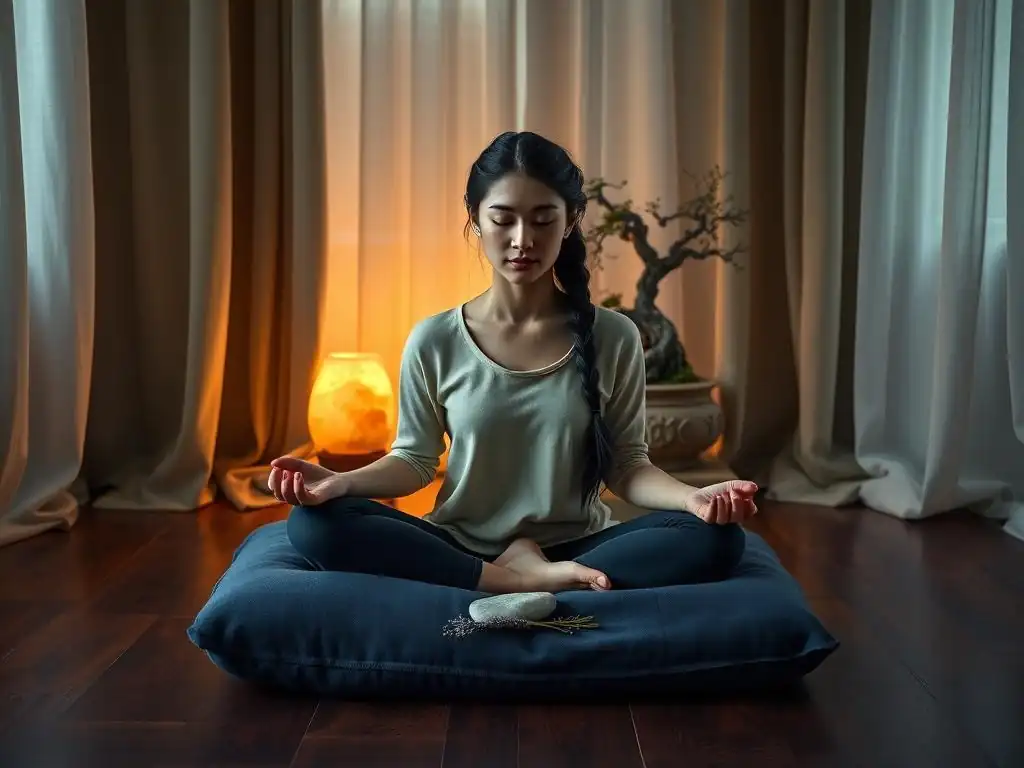
Welcome to Mind Care Guide, a sanctuary for your mental well-being.
Feeling overwhelmed or simply seeking a moment of peace? We understand. Perhaps you've dabbled in meditation, but haven't quite unlocked the profound relaxation it promises. This is where our journey begins. In "Beyond the Breath: Unlocking Deeper States in Mindfulness Practice," we delve into the secrets of mindfulness for deeper relaxation, offering practical techniques and insights to help you cultivate a more profound and transformative experience. Are you ready to go beyond the surface and discover the true potential of your inner landscape? Let's explore together...
- Beyond the Breath: Unlocking Deeper States in Mindfulness Practice | Mind Care Guide
- Preparing for Deeper Mindfulness Sessions
- Advanced Mindfulness Techniques for Profound Relaxation
- Overcoming Challenges in Deepening Your Mindfulness Practice
- Integrating Deeper Mindfulness into Daily Life
- The Science Behind Deeper Mindfulness and Relaxation
- Conclusion: Embracing the Journey to Deeper Mindfulness
-
Frequently Asked Questions
- How does mindfulness help with relaxation?
- What are some techniques to deepen mindfulness beyond just focusing on the breath?
- Is mindfulness practice a quick fix for stress, or does it require consistent effort?
- What are the potential benefits of achieving deeper states of mindfulness?
- Can anyone practice mindfulness, or are there any contraindications?
- Final Reflection: The Profound Stillness Beyond the Breath
- Unlock Your Inner Calm: Dive Deeper into Mindfulness
Beyond the Breath: Unlocking Deeper States in Mindfulness Practice | Mind Care Guide
Moving Beyond Basic Breath Awareness in Mindfulness
For many who begin their journey into mindfulness, focusing on the breath serves as a foundational anchor. It's a simple yet powerful technique to bring awareness to the present moment, providing a tangible object for attention. However, the breath is just the beginning.
While essential for cultivating initial focus and grounding, relying solely on breath awareness can sometimes feel repetitive or insufficient for addressing more complex emotional states or achieving profound levels of calm. Moving beyond this initial stage involves exploring other facets of present moment awareness – sensations, sounds, thoughts, and emotions – with the same non-judgmental observation fostered by breath work.
Deepening your practice means expanding the scope of your awareness. Instead of just the breath, you might intentionally bring attention to the subtle pressure points where your body meets the chair, the ambient sounds in the room, or the fleeting nature of thoughts as they arise and pass. This broader field of awareness allows for a richer, more nuanced experience of the present.
It’s like learning to appreciate the entire symphony, not just the lead instrument. This expansion is crucial for developing a more robust and adaptable form of mindfulness for deeper relaxation and resilience in the face of life's challenges.
Why Deepening Your Mindfulness Practice Matters for Emotional Resilience
Emotional resilience is the capacity to adapt well in the face of adversity, trauma, tragedy, threats, or significant sources of stress. A basic mindfulness practice can certainly help by creating space between a stimulus and your reaction, but deepening that practice provides more sophisticated tools. When you move beyond simply noticing the breath, you begin to observe the patterns of your mind and the texture of your emotions with greater clarity and less reactivity. This enhanced awareness allows you to recognize emotional triggers earlier and understand your habitual responses, providing an opportunity to choose a different path.
Further exploration of mindfulness techniques, such as compassionate self-inquiry or observing difficult emotions as transient energy, builds a stronger internal foundation. It helps you cultivate a sense of internal safety and acceptance, even when experiencing discomfort.
For instance, research suggests that regular, deeper mindfulness practice can lead to measurable changes in brain structure related to emotional regulation, such as increased gray matter density in areas like the hippocampus (associated with learning and memory, including emotional memory) and the temporoparietal junction (linked to perspective-taking and empathy). These neurological changes underpin an increased ability to navigate stress and bounce back from emotional setbacks, fostering true mindfulness for deeper relaxation that permeates your entire being.
Preparing for Deeper Mindfulness Sessions

Creating a Sanctuary: Optimizing Your Environment for Mindfulness
The physical space you choose for your mindfulness practice significantly impacts your ability to relax deeply and focus. While it's true that mindfulness can be practiced anywhere, establishing a dedicated "sanctuary" or optimizing your regular practice space can make a profound difference, especially when seeking deeper states. This doesn't require a complete room renovation; it's about minimizing potential distractions and creating an atmosphere conducive to introspection and calm.
Consider factors like noise levels – perhaps using earplugs or choosing a quieter time of day. Lighting can also play a role; soft, natural light or dim artificial light is often more relaxing than harsh overhead fluorescents.
Furthermore, the tidiness and comfort of your space are important. A cluttered environment can be mentally distracting. Ensure your seating or lying surface is comfortable enough to allow you to remain still for the duration of your practice without excessive fidgeting or discomfort. This might mean using cushions, blankets, or a supportive chair. Even small details, like ensuring the room temperature is pleasant, contribute to creating an environment where you feel safe and settled, allowing your mind and body to fully engage in the practice of mindfulness for deeper relaxation.
Setting Intentions: Defining Your Goals for Each Session
Before diving into a deeper mindfulness session, taking a few moments to set a clear intention can significantly enhance your experience and guide your focus. An intention isn't a rigid goal you must achieve, but rather a gentle direction you wish to explore or cultivate during your practice. This could be something as simple as "to be fully present with whatever arises," "to approach myself with kindness," or "to explore sensations of tension in my body." Having an intention helps give purpose to your practice beyond just sitting and waiting for time to pass.
Setting an intention also helps frame the experience, making it more meaningful. For example, if your intention is to cultivate self-compassion, you might be more attuned to noticing critical self-talk and meeting it with a gentle awareness rather than judgment. It anchors your practice in a specific quality you wish to develop or a particular area of your experience you want to explore. Regularly setting intentions reinforces what you hope to gain from mindfulness for deeper relaxation and personal growth, making each session a deliberate step on your journey.
Cultivating the Right Mindset: Acceptance and Curiosity
Approaching deeper mindfulness practice with a specific mindset is crucial for navigating the experience effectively. Two pillars of this mindset are acceptance and curiosity. Acceptance means acknowledging whatever is happening in the present moment without trying to change it, judge it, or push it away. This includes accepting wandering thoughts, uncomfortable sensations, or challenging emotions. It's not about resigning yourself to negativity, but about acknowledging reality as it is, which paradoxically creates the space for change and release.
Curiosity involves approaching your internal and external experience with an attitude of gentle inquiry, like a scientist observing a new phenomenon. Instead of labeling a sensation as "bad" or a thought as "annoying," you might become curious: "What does this sensation actually feel like?" or "Where does this thought come from, and where does it go?"
This curious stance transforms potential obstacles into objects of interest, reducing resistance and making it easier to stay present. Cultivating acceptance and curiosity fosters a non-striving attitude essential for allowing mindfulness for deeper relaxation to unfold naturally, rather than trying to force a specific outcome.
Advanced Mindfulness Techniques for Profound Relaxation
Body Scan Meditation: Cultivating Body Awareness and Releasing Tension
Body scan meditation is a powerful technique for grounding yourself in the present moment by systematically bringing awareness to different parts of the body. It moves beyond simple breath focus to explore the landscape of physical sensations, often revealing areas of tension we hold unconsciously. By gently directing attention from head to toe (or vice versa), you cultivate a heightened sensitivity to your physical form, noticing subtle feelings like pressure, warmth, tingling, or coolness. This practice is not about fixing anything but simply observing what is present with non-judgmental awareness.
Engaging in regular body scans can significantly improve interoception – the sense of the internal state of the body. Enhanced interoception is linked to better emotional regulation and self-awareness. As you scan, you may notice areas of tightness or discomfort. The practice encourages you to simply acknowledge these sensations with acceptance, and sometimes, just bringing mindful awareness to tension can facilitate its release. This systematic exploration of the physical body is a fundamental technique for achieving mindfulness for deeper relaxation by addressing the physical manifestations of stress.
Performing a Body Scan: A Step-by-Step Guide
A typical body scan meditation involves lying down comfortably, or sitting if preferred, and bringing gentle attention to the breath for a few moments to settle the mind. Then, systematically move your awareness through the body.
- Begin with the toes of one foot, noticing any sensations present.
- Slowly move your attention up through the foot, the ankle, the lower leg, and the knee.
- Continue this process, moving through the upper leg, hip, and then repeating for the other leg.
- Bring awareness to the pelvic area, then the lower back, abdomen, and upper back.
- Move to the chest, noticing the gentle rise and fall with the breath.
- Scan through the fingers of one hand, up the hand, wrist, forearm, elbow, and upper arm, repeating for the other arm.
- Bring attention to the shoulders, neck, and throat.
- Finally, scan the face, noticing sensations in the jaw, mouth, nose, eyes, and forehead, then the entire head.
- Conclude by resting your awareness on the body as a whole, breathing with the entire form.
Throughout the scan, if the mind wanders (which it will), gently guide your attention back to the body part you intended to focus on, without judgment. The goal is not to clear the mind, but to train attention and cultivate awareness of physical sensations.
Benefits of Body Scan for Improved Body Awareness
One of the primary benefits of regular body scan practice is a significant increase in body awareness. Many people carry physical tension in their shoulders, jaw, or stomach without even realizing it until they bring mindful attention to those areas. The body scan helps you become more attuned to these subtle signals your body is sending. This improved awareness allows you to catch stress and tension before it becomes overwhelming, enabling you to take preventative action or release it in the moment.
Beyond simply noticing tension, the body scan can also deepen your appreciation for your body and its ability to support you. It fosters a sense of being in your body rather than just inhabiting it. This embodied presence is crucial for overall well-being and forms a strong foundation for mindfulness for deeper relaxation. It can also help individuals who struggle with dissociation or feeling disconnected from their physical selves to gently reconnect and feel more grounded.
Walking Meditation: Finding Stillness in Motion
Mindfulness isn't confined to sitting on a cushion. Walking meditation is a dynamic practice that brings mindful awareness to the simple act of walking, transforming a mundane activity into an opportunity for presence and reflection. It involves paying deliberate attention to the physical sensations of walking – the lifting of the foot, the movement of the leg, the placing of the heel, the shift of weight. The rhythm of walking can become an anchor, much like the breath in sitting meditation.
This practice allows you to cultivate mindfulness while engaged in activity, bridging the gap between formal practice and daily life. It can be particularly helpful for those who find sitting still challenging or whose minds feel more active when sedentary. Walking meditation grounds you in the physical reality of your movement and surroundings, offering a unique pathway to finding stillness within motion and achieving mindfulness for deeper relaxation, even when you're on the move.
The Art of Mindful Walking: Connecting with the Present Moment
Mindful walking can be practiced indoors or outdoors, over short or long distances. The key is to slow down your pace slightly from your usual stride and bring your full attention to the sensations in your feet and legs.
- Notice the feeling of your foot lifting off the ground.
- Feel the movement of your leg swinging forward.
- Observe the contact as your heel touches the ground.
- Feel the weight transferring from heel to toe.
- Notice the moment your other foot begins to lift.
You can also expand your awareness to include the sensations in your body as a whole, the gentle sway of your arms, the feeling of air on your skin, or the sounds around you. If your mind wanders, gently redirect your attention back to the sensations of walking. There's no destination or goal other than to be fully present with each step.
Integrating Walking Meditation into Your Daily Routine
Integrating walking meditation doesn't require setting aside large blocks of time. You can practice mindful walking during your daily commute, a short walk during a lunch break, or even walking from one room to another in your home. Start with just 5-10 minutes. For example, instead of rushing to the coffee machine, walk mindfully, noticing the sensations in your feet and body.
Using a short walk during your workday – perhaps stepping outside for 15 minutes – can be a powerful way to break cycles of stress and re-center yourself. This deliberate practice of mindfulness for deeper relaxation while moving helps train your brain to be present in action, making it easier to apply mindfulness principles to other daily activities and fostering a sense of calm throughout your day.
Loving-Kindness Meditation (Metta): Expanding Compassion and Acceptance
Loving-Kindness Meditation, or Metta, is a practice focused on cultivating feelings of warmth, compassion, and acceptance towards oneself and others. Unlike techniques primarily focused on attention or sensation, Metta actively engages the heart and emotional center. It typically involves silently or softly repeating phrases that express goodwill, directing them towards oneself, loved ones, neutral people, difficult people, and eventually all beings. This practice is profoundly impactful for reducing self-criticism, decreasing social anxiety, and fostering a sense of connection.
While seemingly different from attention-based mindfulness, Metta complements it beautifully. By intentionally cultivating positive emotional states, Metta helps create a fertile ground for mindfulness to flourish. It addresses the emotional component of well-being directly, offering a pathway to mindfulness for deeper relaxation that comes from an open and compassionate heart, rather than just a calm mind. Research has shown that regular Metta practice can increase positive emotions and reduce negative ones like anger and anxiety.
Generating Feelings of Loving-Kindness: A Guided Practice
Metta practice often follows a specific sequence, directing loving-kindness outward in expanding circles. You can use traditional phrases or adapt them to feel authentic to you. Common phrases include:
- May I be safe.
- May I be happy.
- May I be healthy.
- May I live with ease.
Begin by directing these phrases towards yourself. Imagine breathing in kindness and breathing out any self-criticism or negativity. Spend several minutes gently repeating these phrases, allowing the feelings of warmth and care to arise. Then, move on to directing the phrases towards:
- A benefactor or loved one (someone who easily evokes feelings of warmth).
- A neutral person (someone you encounter regularly but have no strong feelings about, like a cashier).
- A difficult person (someone with whom you have conflict or negative feelings).
- Finally, extend the phrases to all beings everywhere.
If you encounter resistance or difficulty generating feelings for certain individuals, simply acknowledge it with acceptance and gently return to the phrases or the person you found easier to focus on.
Benefits of Metta Meditation for Fostering Connection and Reducing Isolation
One of the most significant benefits of Metta meditation is its capacity to foster a sense of connection and belonging, directly counteracting feelings of loneliness and isolation. By intentionally cultivating goodwill towards others, you shift your internal landscape from one of judgment or separation to one of empathy and shared humanity. This practice can literally change how you perceive and interact with the world around you.
Studies have indicated that Metta practice can increase feelings of social connection and reduce symptoms of social anxiety. For individuals struggling with difficult relationships or a sense of alienation, Metta offers a practical way to soften the heart and approach interactions with greater openness. This cultivation of positive interpersonal emotions contributes significantly to overall well-being and provides a powerful pathway to mindfulness for deeper relaxation rooted in compassion.
Visualization Techniques: Harnessing the Power of the Mind
Visualization is a technique that uses the power of imagination to create calming mental images or scenarios. While sometimes used in conjunction with mindfulness, it can also be a standalone practice to induce states of relaxation and focus. It involves vividly imagining sensory details – sights, sounds, smells, textures, and even tastes – to transport the mind to a peaceful internal environment. This bypasses analytical thinking and engages the subconscious mind, often leading to a profound sense of calm and stress reduction.
Unlike pure mindfulness which focuses on present reality, visualization intentionally creates an imagined reality for therapeutic effect. However, the mindful component comes in the process of visualization – paying close attention to the details of the imagined scene, noticing the feelings it evokes, and gently bringing the mind back when it wanders. This focused engagement with a positive internal landscape is a powerful tool for achieving mindfulness for deeper relaxation, particularly when the external environment is stressful or challenging.
Creating Mental Images for Relaxation and Emotional Regulation
The ability to create vivid mental images is a skill that can be developed with practice. Start by choosing a scene or image that you associate with peace and calm. This could be a natural setting, a cozy room, or any place where you feel safe and relaxed. Once you have the basic scene, begin to fill in the sensory details. What do you see? Are there colors, shapes, movements?
What do you hear? The sound of waves, birdsong, silence? What do you smell? Salty air, pine needles, fresh rain? What do you feel? Warm sun on your skin, soft grass underfoot, a gentle breeze?
Engaging multiple senses makes the visualization more immersive and effective. This process of focused imagination can help downregulate the nervous system, reducing the production of stress hormones like cortisol and promoting a state of physiological relaxation. Regularly practicing visualization strengthens your ability to access this calm state on demand, enhancing your overall capacity for emotional regulation.
Guided Visualization Scripts for Deeper States of Mindfulness [Example: Peaceful Beach Visualization]
Guided visualizations, often led by an instructor or a recording, can be very helpful, especially when starting out. They provide a narrative structure to follow, making it easier to immerse yourself in the scene. Here is a brief example of elements in a peaceful beach visualization:
- Imagine yourself standing on a warm, sandy beach. Feel the soft sand beneath your bare feet.
- Look out at the vast expanse of the ocean. Notice the shades of blue and green in the water.
- See the gentle waves rolling onto the shore, creating white foam that dissolves back into the sea.
- Hear the rhythmic sound of the waves crashing and receding – shhh... whoosh... shhh... whoosh...
- Feel the warmth of the sun on your skin and a gentle, cooling breeze blowing from the ocean.
- Smell the salty air, clean and fresh.
- Perhaps you see a few seagulls circling overhead, or distant sailboats on the horizon.
- Take a deep breath, inhaling the clean air, and exhale slowly, letting go of any tension.
- Walk slowly along the water's edge, feeling the cool water occasionally touch your ankles. Notice the tiny shells or smooth stones at your feet.
- Find a comfortable spot to sit or lie down on the sand, feeling completely supported by the earth beneath you.
- Continue to watch and listen to the waves, allowing their rhythm to soothe you into a state of deep peace and mindfulness for deeper relaxation.
This kind of detailed imagery helps bypass the analytical mind, allowing the body and nervous system to respond as if you were actually in that peaceful environment, promoting profound relaxation.
Overcoming Challenges in Deepening Your Mindfulness Practice
Dealing with Distractions and Wandering Thoughts
One of the most common challenges in any mindfulness practice, and especially when trying to go deeper, is dealing with a wandering mind. Thoughts will inevitably arise – planning, remembering, worrying, judging. This is not a sign of failure; it's simply what the mind does. The goal is not to eliminate thoughts, but to change your relationship with them. When you notice your mind has wandered, the practice is to gently acknowledge where it went without judgment and kindly guide your attention back to your chosen anchor, whether that's the breath, body sensations, or a visualization.
Think of your attention like a puppy – it will run off, but you patiently bring it back, again and again. Each time you notice the wandering and return to the present, you are strengthening the 'muscle' of attention. As you deepen your practice, you may become more adept at recognizing thought patterns earlier or observing thoughts as transient events rather than getting swept away by them. This compassionate redirection is key to developing more sustained focus necessary for achieving mindfulness for deeper relaxation.
As you cultivate deeper awareness, you may encounter difficult emotions or uncomfortable physical sensations that have been suppressed or unnoticed. This can be challenging and sometimes even frightening. It's important to approach these experiences with the same non-judgmental acceptance and curiosity that you bring to other aspects of your practice. Instead of trying to push the discomfort away, try to turn towards it with gentle awareness.
Ask yourself: What does this emotion or sensation actually feel like in my body? Where is it located? Does it have a temperature, a texture, a shape? Can I allow it to be there without needing to change it?
This practice of mindful inquiry, sometimes called RAIN (Recognize, Allow, Investigate, Nurture), can help you process difficult experiences. If the discomfort becomes overwhelming, it's perfectly okay to gently shift your attention back to a more neutral anchor like the breath or even pause the practice. Deepening mindfulness for deeper relaxation doesn't mean avoiding difficulty, but learning to be with it skillfully.
Maintaining Consistency and Motivation
Deepening a mindfulness practice requires consistency, which can be difficult to maintain amidst busy lives and fluctuating motivation. Life gets in the way, or practice sessions might feel uninspired. It's helpful to view consistency not as perfection (practicing for a specific duration every single day) but as a commitment to showing up regularly, even if it's just for a few minutes. Even short, consistent periods of practice are more beneficial than infrequent long ones.
Finding ways to integrate mindfulness into daily activities (as discussed later) can help maintain momentum. Reflecting on the benefits you've experienced – perhaps noticing a greater sense of calm, less reactivity, or improved sleep – can also be a powerful motivator. Connecting with a community, using guided meditations, or working with a mindfulness teacher can provide support and renewed inspiration when motivation wanes. Remember that the journey of deepening your practice is ongoing, and periods of less intensity are normal. Be patient and compassionate with yourself.
Integrating Deeper Mindfulness into Daily Life
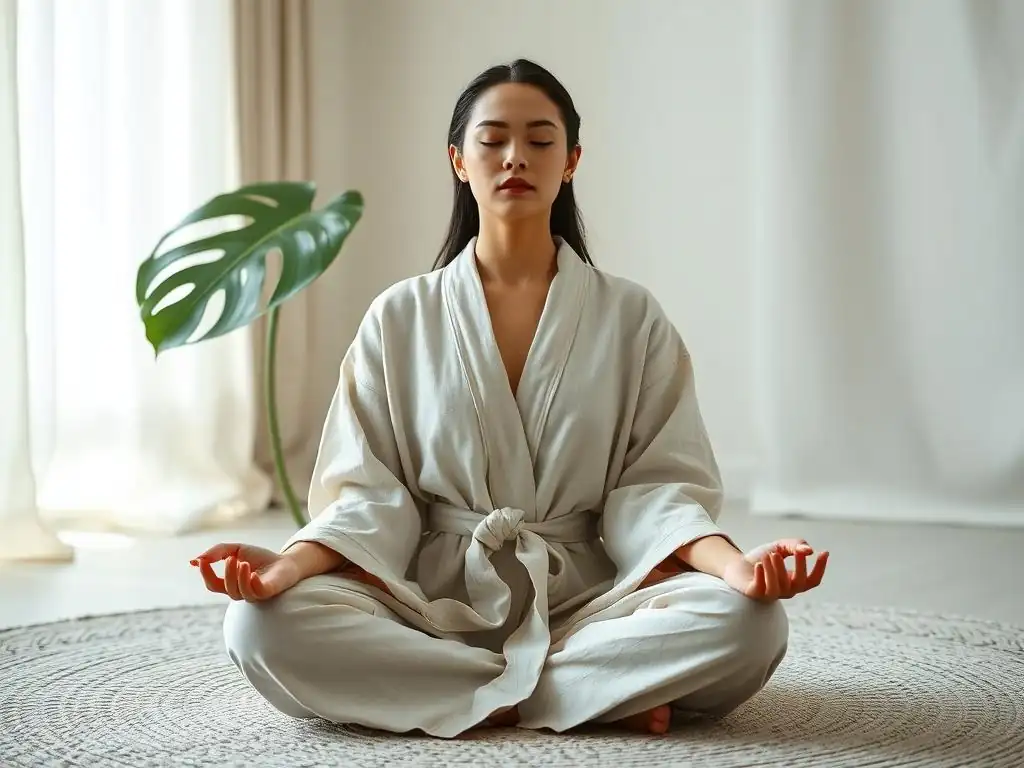
Mindful Eating: Savoring Each Meal
Mindful eating is a practice that brings full awareness to the experience of eating. It involves paying attention to the sensory details of food, the physical sensations of hunger and fullness, and the thoughts and emotions that arise around eating. Instead of rushing through meals while distracted by screens or tasks, mindful eating encourages you to slow down and engage all your senses – noticing the colors and textures of the food, smelling its aroma, tasting the flavors, and feeling the sensations in your mouth and stomach.
This practice not only enhances the enjoyment of food but also improves digestion and helps cultivate a healthier relationship with eating. By tuning into your body's signals, you can better recognize true hunger and satiety cues, potentially reducing overeating or emotional eating. Integrating mindful eating into just one meal a day is a practical step towards weaving mindfulness for deeper relaxation into the fabric of your everyday life.
Mindful Communication: Listening with Empathy
Mindful communication involves bringing present moment awareness to your interactions with others, focusing particularly on listening with full attention and speaking with intention and kindness. In conversations, this means truly hearing what the other person is saying, rather than just waiting for your turn to speak or formulating your response while they are still talking. It involves paying attention not only to their words but also their tone of voice, body language, and the emotions they might be conveying.
Speaking mindfully means choosing your words carefully, considering the impact they might have, and expressing yourself honestly and respectfully. It's about communicating from a place of presence and empathy. Practicing mindful communication strengthens relationships, reduces misunderstandings, and fosters a greater sense of connection. This form of mindfulness for deeper relaxation extends beyond the individual, creating a more peaceful and understanding environment in your interactions with others.
Mindful Work: Cultivating Focus and Reducing Stress
Bringing mindfulness into the workplace can significantly enhance productivity, reduce stress, and improve job satisfaction. Mindful work involves applying present moment awareness to your tasks, whether that's writing an email, attending a meeting, or working on a complex project. It means focusing your attention on the task at hand, noticing when your mind wanders (to worries about deadlines or distractions), and gently bringing it back.
Simple practices like taking a few mindful breaths before starting a task, taking short mindful breaks throughout the day, or walking mindfully to the water cooler can make a big difference. When feeling overwhelmed, pausing to simply notice the physical sensations of stress in the body without judgment can help dissipate some of the intensity. Cultivating mindfulness at work helps you stay focused, manage stress more effectively, and experience a greater sense of presence and calm even amidst demands, providing crucial mindfulness for deeper relaxation in a high-pressure environment.
The Science Behind Deeper Mindfulness and Relaxation
Brainwave Activity and Mindfulness: Exploring the Neurological Benefits
Scientific research into mindfulness has revealed fascinating insights into its effects on the brain, particularly concerning brainwave activity. Brainwaves are electrical impulses in the brain, measured in cycles per second (Hertz), and different states of consciousness are associated with different frequencies. Beta waves (13-30 Hz) are common during alert, active thinking. Alpha waves (8-12 Hz) are associated with relaxed alertness and often appear during meditation. Theta waves (4-7 Hz) are linked to deep relaxation, creativity, and sometimes light sleep. Delta waves (0.5-3 Hz) are present during deep, restorative sleep.
Deeper mindfulness practices, especially those practiced consistently over time, have been shown to increase alpha and theta wave activity. Increased alpha waves correlate with a reduction in stress and anxiety, promoting a state of calm. Elevated theta waves are associated with deeper relaxation and access to subconscious processes, potentially facilitating insights and emotional processing. This shift in brainwave patterns provides a neurological basis for the profound relaxation and altered states of consciousness that can be experienced through advanced mindfulness for deeper relaxation.
The Role of the Vagus Nerve in Relaxation and Stress Reduction
The vagus nerve is the longest cranial nerve, extending from the brainstem down through the neck, chest, and abdomen, connecting to major organs including the heart, lungs, and digestive system. It is a key component of the parasympathetic nervous system, often referred to as the "rest and digest" system, which counteracts the sympathetic nervous system's "fight or flight" response. Stimulating the vagus nerve helps slow down heart rate, regulate breathing, and promote a state of calm.
Mindfulness practices, particularly those involving slow, deliberate breathing (like mindful breathing techniques) and body awareness (like the body scan), have been shown to stimulate vagal tone. Higher vagal tone means the vagus nerve is more active, allowing your body to relax more quickly after experiencing stress. This physiological mechanism underscores how practices aimed at achieving mindfulness for deeper relaxation directly impact the body's stress response system, promoting both mental and physical well-being.
Research Supporting the Effectiveness of Advanced Mindfulness Practices
Numerous studies have investigated the benefits of advanced mindfulness practices like MBSR (Mindfulness-Based Stress Reduction) and MBCT (Mindfulness-Based Cognitive Therapy), which incorporate techniques like body scan, mindful movement, and sitting meditation. Research consistently shows positive outcomes across various populations. For example, a meta-analysis of over 200 studies indicated that mindfulness interventions are effective in reducing symptoms of anxiety, depression, and stress.
Specific studies on techniques like Loving-Kindness Meditation have demonstrated increases in positive emotions, reductions in negative emotions, and even measurable changes in brain regions associated with empathy and emotion regulation. Research on long-term meditators often shows structural changes in the brain, such as increased cortical thickness in areas related to attention and sensory processing, and reduced activity in the amygdala, the brain's fear center. These findings provide compelling evidence that deepening your mindfulness practice can lead to tangible, positive changes in both psychological well-being and brain function, reinforcing its power for achieving mindfulness for deeper relaxation and resilience.
Conclusion: Embracing the Journey to Deeper Mindfulness
The Ongoing Process of Cultivating Inner Peace and Emotional Well-being
Embarking on the path to deeper mindfulness is a continuous journey, not a destination. There is no final state of perfect calm or enlightenment to reach, but rather an ongoing process of learning, growth, and self-discovery. Cultivating inner peace and emotional well-being through advanced mindfulness techniques involves dedication, patience, and self-compassion. Some days practice will feel effortless and deeply relaxing, while others may feel challenging or restless. All of it is part of the process.
Embracing this journey means committing to regular practice, exploring different techniques to find what resonates with you, and applying mindful awareness to the ups and downs of daily life. It's about building a sustainable relationship with yourself and your inner experience, fostering resilience, and finding moments of peace and clarity amidst the chaos. The pursuit of mindfulness for deeper relaxation is ultimately a path towards living a more present, authentic, and fulfilling life.
Resources for Further Exploration of Mindfulness for Deeper Relaxation [Links to relevant articles/resources]
- [Resource 1 Placeholder: Article on MBSR Basics]
- [Resource 2 Placeholder: Guided Body Scan Audio]
- [Resource 3 Placeholder: Article on the Science of Metta]
- [Resource 4 Placeholder: Guide to Mindful Walking]
- [Resource 5 Placeholder: Book Recommendation on Deepening Practice]
Frequently Asked Questions
How does mindfulness help with relaxation?
Mindfulness practices, such as meditation, help you focus on the present moment, reducing stress and anxiety. This focused attention allows you to observe thoughts and feelings without judgment, promoting a state of calm and relaxation.
What are some techniques to deepen mindfulness beyond just focusing on the breath?
Beyond breath awareness, you can incorporate body scan meditations, loving-kindness meditations, and mindful movement like yoga or walking. These methods broaden your awareness and help you connect with your body and emotions, fostering deeper relaxation.
Is mindfulness practice a quick fix for stress, or does it require consistent effort?
Mindfulness is not a quick fix. It's a skill that develops with consistent practice. While you might experience immediate benefits, long-term relaxation and improved mental well-being come from regular engagement.
What are the potential benefits of achieving deeper states of mindfulness?
Achieving deeper mindfulness can lead to reduced stress, improved sleep quality, and a greater sense of inner peace and well-being. It can also enhance emotional regulation and self-awareness.
Can anyone practice mindfulness, or are there any contraindications?
Generally, mindfulness is safe, but individuals with severe mental health conditions should consult with a qualified mental health professional before starting a practice. They can help tailor the practice to ensure it's beneficial and safe.
Final Reflection: The Profound Stillness Beyond the Breath
The pursuit of deeper relaxation through mindfulness isn't merely a trend; it's a vital necessity in our increasingly frenetic world. The techniques explored in this article – from body scans to mindful movement – offer pathways to a tranquility that transcends the superficial, reaching the core of our being and offering respite from the constant demands of modern life. This isn't about escaping reality, but about engaging with it from a place of profound inner peace.
The journey into deeper states of mindfulness is a deeply personal one, revealing layers of self-awareness that often surprise and challenge us. It's a process of uncovering hidden tensions, releasing ingrained patterns, and cultivating a more compassionate relationship with ourselves and the world around us. As Thich Nhat Hanh wisely said, Peace is every step. Every breath is a step toward peace.
This resonates deeply, highlighting the incremental, yet transformative, nature of this practice. The impact on our cultural landscape is undeniable, with mindfulness increasingly integrated into healthcare, education, and even the corporate world, reflecting a growing recognition of its power to enhance well-being and resilience.
You now hold the key to unlocking a deeper level of relaxation and self-understanding. Don't just read about these techniques; experience them. Dedicate even five minutes each day to exploring the breath, the body, the sensations within. Observe without judgment, allowing yourself to simply be. The journey may be challenging at times, but the rewards – a calmer mind, a more resilient spirit, and a profound connection to your inner self – are immeasurable. Embrace the stillness, and discover the profound peace that awaits you beyond the breath.
Unlock Your Inner Calm: Dive Deeper into Mindfulness
Thanks for taking the time to explore the world of deeper mindfulness practices! We hope you gained valuable insights into expanding your breathwork and finding a more profound sense of inner peace. Ready to take the next step?
- Begin a daily mindfulness journal: Track your experiences, noticing shifts in your awareness and emotional state. This will help you personalize your practice and chart your progress.
- Share your mindfulness journey: Connect with our community on social media and inspire others by sharing your experiences and insights. Let's build a supportive network together!
- Explore different guided meditation styles: Experiment with different techniques to find what resonates most deeply with you. Discover the unique power of sound baths, visualization, or loving-kindness meditations.
What aspect of deeper mindfulness practice are you most excited to explore further, and how will you integrate it into your daily life?