
Beyond Thoughts: Dissolving Mental Chatter with Advanced Mindfulness Techniques

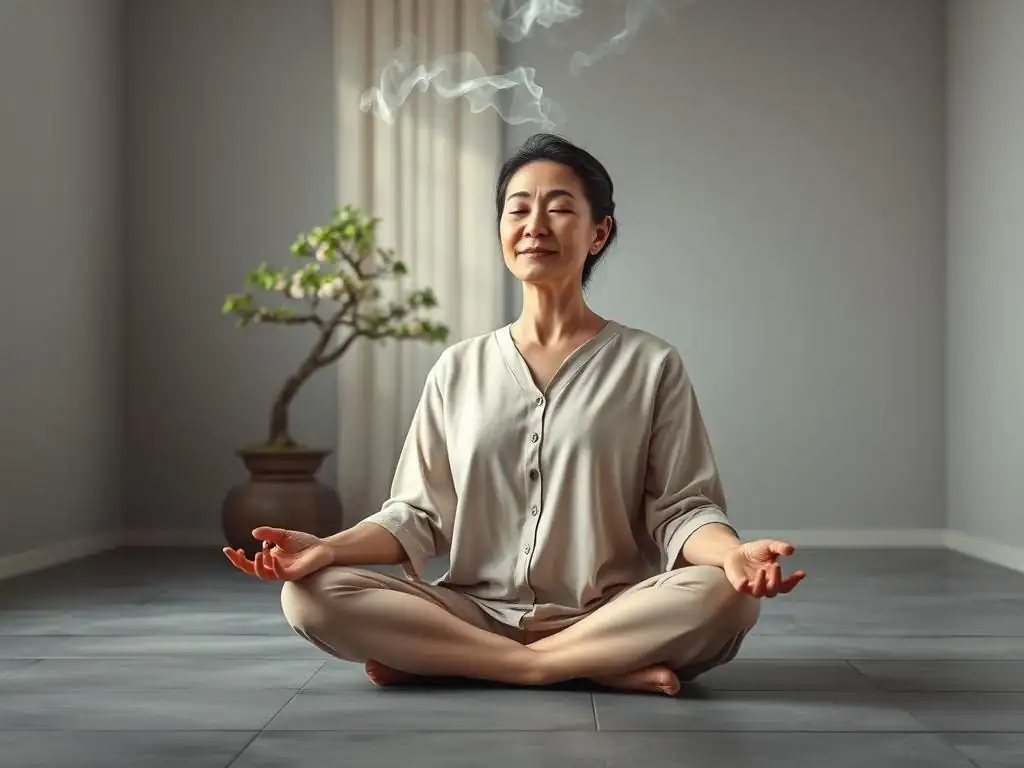
Welcome to Mind Care Guide, your sanctuary for cultivating inner peace and navigating the complexities of mental well-being.
Are you tired of the relentless mental chatter that keeps you up at night? Do you yearn for a moment of genuine quiet amidst the storm of thoughts? You're not alone. In this article, we delve deep into how mindfulness techniques can reduce mental chatter, offering practical strategies to help you reclaim control over your mind and discover a profound sense of calm. Intrigued? Let's explore the path to a quieter, more centered you.
Managing Stress and Anxiety Through Mindfulness and Relaxation Techniques
- Understanding Stress and Anxiety and Their Impact
- Effective Mindfulness and Relaxation Techniques for Stress Relief
- Integrating Mindfulness and Relaxation into Daily Life
- Conclusion: Building Resilience Through Mindful Living
-
Frequently Asked Questions
- What exactly is "mental chatter," and why is it problematic for mental well-being?
- How do mindfulness techniques, as described in the article, specifically help reduce mental chatter?
- What are some "advanced" mindfulness techniques mentioned in the article that go beyond basic meditation practices?
- How frequently should someone practice mindfulness techniques to experience noticeable reductions in mental chatter?
- Are there any potential downsides or challenges to using mindfulness for reducing mental chatter, and how can these be addressed?
- Final Reflection: Quieting the Inner Noise, Finding Inner Peace
- Unlock Your Inner Calm: Practical Steps to Quieter Thoughts
Understanding Stress and Anxiety and Their Impact
What is Stress? Exploring the Body's Response to Pressure
Stress is the body's natural reaction to demands or threats. When you perceive a challenge, your body triggers a fight-or-flight response, releasing hormones like cortisol and adrenaline. This physiological cascade prepares you to confront or escape the perceived danger, leading to increased heart rate, rapid breathing, and muscle tension. While acute stress can be beneficial, helping you meet deadlines or react quickly in emergencies, persistent activation of this response can become problematic.
This persistent state often fuels what is commonly referred to as "mental chatter" – a stream of intrusive thoughts, worries, and ruminations that can be difficult to quiet. For instance, anticipating a difficult conversation might trigger stress, leading to a loop of worrying thoughts about potential outcomes. Understanding stress involves recognizing both the physical symptoms and the accompanying mental noise that often overwhelms clarity and calm.
The Detrimental Effects of Chronic Stress and Anxiety on Physical and Mental Health
Chronic stress and anxiety can have profound and widespread negative impacts on health. Physically, prolonged exposure to stress hormones can contribute to serious conditions such as heart disease, high blood pressure, diabetes, and weakened immune function. Digestive problems like irritable bowel syndrome and sleep disorders are also frequently linked to chronic stress. The constant activation takes a toll on virtually every system in the body.
Mentally, chronic stress and anxiety significantly contribute to conditions like depression, burnout, and exacerbation of existing mental health challenges. The incessant mental chatter associated with these states – the constant worry, self-criticism, and future-tripping – can impair concentration, decision-making, and overall cognitive function. Studies have shown that individuals experiencing chronic stress report lower levels of life satisfaction and significantly higher rates of emotional exhaustion compared to their less-stressed counterparts.
The Role of Mindfulness and Relaxation in Stress Reduction
Mindfulness and relaxation techniques offer powerful tools for counteracting the harmful effects of stress and anxiety. Mindfulness, at its core, involves paying attention to the present moment without judgment. By cultivating this awareness, individuals can learn to observe their thoughts and feelings, including the relentless mental chatter, without getting swept away by them. This creates a crucial space between the trigger and the reaction.
Relaxation techniques, on the other hand, focus more directly on reducing physiological tension. Practices like deep breathing or progressive muscle relaxation actively engage the parasympathetic nervous system, the body's natural "rest and digest" system, counteracting the fight-or-flight response. Integrating mindfulness techniques reduces mental chatter by helping you notice when your mind is racing and gently bring your focus back to the present, while relaxation techniques calm the physical agitation that often accompanies anxious thoughts. Together, they form a synergistic approach to managing stress.
Effective Mindfulness and Relaxation Techniques for Stress Relief

Progressive Muscle Relaxation (PMR) for Releasing Tension
Progressive Muscle Relaxation (PMR) is a technique that involves tensing and then releasing different muscle groups in the body sequentially. The goal is to become more aware of physical sensations and to learn how to consciously release muscle tension, which is often held unknowingly, especially during periods of stress and anxiety. By systematically working through the body, from your feet to your head, you can identify areas of tightness and actively promote relaxation.
This practice is particularly effective because it directly addresses the physical manifestation of stress – taut muscles. Learning to differentiate between the feeling of tension and the feeling of relaxation allows you to recognize when you are holding stress in your body during daily life and provides you with a method to release it. Regular PMR practice can significantly reduce overall muscle tension, decrease physical symptoms of anxiety like headaches and back pain, and contribute to a calmer mental state.
Practicing PMR: A Step-by-Step Guide
To practice PMR, find a quiet, comfortable place where you won't be disturbed. Lie down or sit comfortably, closing your eyes if you wish. Begin by focusing on your feet. Tense the muscles in your feet tightly for about 5-10 seconds, noticing the sensation of tension. Then, abruptly release the tension, exhaling deeply, and notice the feeling of relaxation flooding into your feet. Rest for 20-30 seconds, focusing on the pleasant sensation of looseness.
Move systematically up your body, repeating the tense-and-release process for each major muscle group:
- Lower legs (calves, shins)
- Upper legs (thighs)
- Gluteals (buttocks)
- Abdomen
- Chest
- Back (lower, then upper)
- Hands and forearms
- Upper arms
- Shoulders
- Neck and jaw
- Face (eyes, forehead)
Remember to tense the muscles firmly but without causing pain, and to allow ample time to feel the relaxation after each release.
Benefits of Regular PMR for Anxiety Reduction
Regular practice of Progressive Muscle Relaxation has been shown to yield significant benefits for anxiety reduction. By consistently engaging in the tense-and-release cycle, individuals become more attuned to the physical signals of stress in their bodies, allowing them to intervene sooner. This heightened body awareness, a form of mindfulness, helps to interrupt the cycle where physical tension exacerbates anxious thoughts and mental chatter.
Moreover, the act of consciously releasing muscle tension sends a signal to the nervous system that the perceived threat has passed, helping to activate the relaxation response. Studies indicate that consistent PMR practice can lead to decreased levels of physiological arousal, such as reduced heart rate and blood pressure, and can alleviate common anxiety symptoms like muscle stiffness, tension headaches, and difficulty sleeping. Incorporating PMR into your routine is a tangible way that mindfulness techniques reduce mental chatter driven by physical unease.
Diaphragmatic Breathing: Calming the Nervous System
Diaphragmatic breathing, also known as abdominal or belly breathing, is a fundamental relaxation technique that involves engaging the diaphragm, a large muscle located below the lungs. Unlike shallow chest breathing, which is often associated with stress and anxiety, diaphragmatic breathing allows for deeper inhalation, expanding the abdomen and filling the lungs more fully. This slower, deeper breathing signals the nervous system to calm down, activating the parasympathetic response.
Mastering diaphragmatic breathing provides an immediate tool to reduce physiological arousal. It helps to regulate heart rate, lower blood pressure, and decrease the levels of stress hormones circulating in the body. By shifting focus to the breath, this technique also serves as a simple yet powerful anchor for mindfulness, helping to redirect attention away from racing thoughts and mental chatter, bringing you back to the present moment.
How to Practice Diaphragmatic Breathing Effectively
To practice diaphragmatic breathing, find a comfortable position, either sitting or lying down. Place one hand on your upper chest and the other hand on your abdomen, just below your rib cage. This helps you monitor your breathing and ensure you are using your diaphragm.
Inhale slowly and deeply through your nose, allowing your abdomen to rise as you fill your lungs. Your chest should remain relatively still. Imagine filling a balloon in your belly. Exhale slowly through pursed lips, gently contracting your abdominal muscles to push the air out. As you exhale, your abdomen should fall. The exhalation should be slightly longer than the inhalation. Practice this for several minutes, focusing on the sensation of your abdomen rising and falling with each breath. Aim for a slow, steady rhythm, perhaps counting to four on the inhale and six on the exhale.
Using Diaphragmatic Breathing to Manage Panic Attacks
Diaphragmatic breathing is an incredibly effective tool for managing the acute symptoms of panic attacks. During a panic attack, breathing often becomes rapid and shallow, contributing to hyperventilation, dizziness, and an intensification of fear. Focusing on slow, deep diaphragmatic breaths can help interrupt this cycle by regulating oxygen intake and calming the physiological alarm system.
By consciously slowing your breathing and focusing on the physical sensation of your abdomen rising and falling, you provide your mind with an anchor away from the overwhelming panic and the associated mental chatter. This simple act helps to activate the body's relaxation response, counteracting the fight-or-flight surge. Practicing diaphragmatic breathing regularly when you are not panicking builds the skill, making it more accessible and effective when you need it most during moments of intense anxiety.
Guided Imagery: Creating Mental Peace and Relaxation
Guided imagery is a relaxation technique that involves creating calming and peaceful mental images or scenes to promote relaxation and reduce stress. It typically involves a guide (either a therapist, recording, or script) who leads you through a journey using descriptive language that engages your senses – what you see, hear, smell, feel, and even taste in the imagined environment. The goal is to transport your mind away from stressors and into a state of calm.
This technique works by leveraging the power of the mind-body connection. By focusing on pleasant, relaxing imagery, you can influence your physiological state, reducing muscle tension, slowing heart rate, and decreasing stress hormone levels. Guided imagery is a way that mindfulness techniques reduce mental chatter by deliberately filling the mental space with positive, calming content, leaving less room for worries and anxious thoughts to dominate.
Techniques for Effective Guided Imagery Sessions
To have an effective guided imagery session, find a quiet, comfortable space free from distractions. You can sit or lie down. Begin by taking a few deep breaths to settle your body and mind. If using a recording or script, follow along, allowing yourself to become fully immersed in the narrative. If practicing on your own, choose a scene that you find particularly peaceful – perhaps a serene beach, a lush forest, or a cozy cabin.
As you imagine the scene, engage all your senses. What colors do you see? What sounds do you hear (waves, birds, wind)? What do you smell (salt air, pine needles, woodsmoke)? What do you feel (warm sun, soft breeze, comfortable chair)? The more detailed and sensory your imagery, the more absorbing and relaxing the experience will be. Allow any intrusive thoughts or mental chatter to simply float by like clouds, gently returning your focus to your imagined scene. Spend 10-20 minutes in your chosen environment.
Using Guided Imagery to Reduce Worry and Promote Sleep
Guided imagery is a particularly useful technique for reducing worry and promoting restful sleep, as it directly addresses the overactive mind that often keeps people awake. When worries and mental chatter dominate thoughts at bedtime, they create a state of arousal that is incompatible with sleep. Engaging in guided imagery shifts the focus from anxious thoughts to peaceful, calming scenes, effectively providing a mental escape hatch.
For instance, imagining yourself walking through a tranquil garden or floating on a calm body of water can help quiet the racing thoughts associated with worry. This redirection of mental energy reduces cognitive arousal. Many people find that incorporating a guided imagery session into their bedtime routine helps them drift off to sleep more easily, as it creates a relaxed mental and physical state conducive to rest. By providing a structured, positive focus, mindfulness techniques reduce mental chatter that interferes with falling asleep.
Autogenic Training: Self-Suggestion for Relaxation
Autogenic Training is a relaxation technique developed by German psychiatrist Johannes Heinrich Schultz in the early 20th century. It involves a series of self-suggested phrases or visualizations designed to induce feelings of warmth, heaviness, and calmness in different parts of the body. The term "autogenic" means "generated from within," highlighting that the relaxation response is initiated by your own mind and body.
The technique is based on the principle that specific phrases focusing on physiological sensations (like "My right arm is very heavy," or "My heartbeat is calm and regular") can influence the autonomic nervous system, leading to physical relaxation. It's a form of mindful self-regulation that requires consistent practice to achieve proficiency. Autogenic training is a more advanced technique than basic breathing or PMR, often requiring instruction to learn effectively, but it offers a powerful method for achieving deep relaxation and reducing stress-related mental chatter.
Understanding Autogenic Training Principles
Autogenic Training operates on the principle that the mind can influence the body's involuntary functions. By repeatedly focusing on specific phrases related to physiological states associated with relaxation – such as warmth (indicating increased blood flow) and heaviness (indicating muscle relaxation) – you train your body to respond with a relaxation reflex. The standard exercises typically progress through sensations of heaviness in the limbs, warmth in the limbs, regulation of the heart, regulation of breathing, warmth in the abdomen, and coolness in the forehead.
The phrases act as cues to the nervous system. For example, suggesting "My arms and legs are heavy" encourages muscles to relax, counteracting the tension often caused by stress. Suggesting "My solar plexus is warm" promotes relaxation in the abdominal area, which can hold significant tension. Consistent, mindful repetition of these phrases helps to condition the body to enter a state of deep relaxation more easily, thereby reducing the physiological arousal that fuels anxious mental chatter.
Techniques for Developing Self-Suggestion for Calming the Mind
To develop proficiency in Autogenic Training, consistency is key. Find a quiet place to sit or lie down comfortably. Begin by repeating standard phrases internally, focusing on the sensation (or lack thereof) in the specified body part. For instance, "My right arm is heavy... my left arm is heavy... my arms are very heavy." Spend several minutes on each phrase before moving to the next set (warmth, heart, breath, etc. ).
As you practice, pay attention to the subtle shifts in sensation in your body. The goal is not to force the feeling but to allow it to happen naturally in response to the suggestion. With regular practice, you'll find that the sensations of heaviness and warmth become more pronounced, and you'll be able to induce a state of deep relaxation more quickly. This disciplined focus on internal states is a powerful way that mindfulness techniques reduce mental chatter by directing awareness inward and promoting a calm physiological state.
Integrating Mindfulness and Relaxation into Daily Life

Incorporating Short Mindfulness Practices Throughout the Day
Integrating mindfulness and relaxation doesn't require hours of dedicated practice; short, intentional moments throughout the day can be incredibly effective. These brief practices help to punctuate the day's stressors, providing micro-breaks that reset your nervous system and reduce the build-up of tension and mental chatter. The key is consistency – finding small opportunities to pause and become present.
For example, simply taking three conscious breaths before answering the phone or starting a new task can make a difference. Eating your lunch mindfully, paying attention to the tastes, textures, and smells, is another opportunity. Even washing your hands can become a mindful moment by focusing on the sensation of water and soap. These seemingly insignificant pauses add up, helping you stay grounded and less reactive to daily pressures.
Mindful Moments: Brief Exercises for Stress Reduction
Brief mindful moments are excellent ways that mindfulness techniques reduce mental chatter and stress on the go. Here are a few examples:
- Mindful Breathing: Take 1-3 minutes to simply focus on the sensation of your breath entering and leaving your body. Notice the rise and fall of your chest or abdomen. If your mind wanders to worries, gently guide it back to the breath.
- Body Scan Lite: Quickly scan your body from head to toe, noticing any areas of tension. Without trying to change anything, simply acknowledge the sensation. This increases body awareness and helps you catch stress early.
- Sensory Awareness: Pick one sense and focus on it for a minute. What do you see right now? What sounds are present? What do you feel against your skin? This grounds you in the present moment, pulling you out of your head.
- Mindful Walking: As you walk, pay attention to the sensation of your feet touching the ground, the movement of your legs, and your posture.
Creating a Relaxing Bedtime Routine
A relaxing bedtime routine is crucial for winding down the mind and body, especially for those whose mental chatter intensifies at night, interfering with sleep. This routine should signal to your body that it's time to transition from the day's activity to rest. It's an intentional period dedicated to calming the nervous system.
Your routine might include activities like taking a warm bath, reading a physical book (avoiding screens), listening to calming music or a podcast, gentle stretching, or practicing a specific relaxation technique like diaphragmatic breathing or guided imagery for sleep. The key is consistency and making the routine a non-negotiable part of your evening. Establishing these calming rituals is a powerful way that mindfulness techniques reduce mental chatter and prepare you for restful sleep.
Addressing Challenges and Maintaining Consistency
Maintaining a consistent mindfulness and relaxation practice can present challenges. Common obstacles include feeling like you don't have enough time, experiencing skepticism about the effectiveness of the techniques, or feeling frustrated when your mind still wanders or anxiety persists. It's important to remember that these are normal parts of the process and not signs of failure.
Time constraints can be addressed by committing to short, manageable practices, like the mindful moments discussed earlier. Even five minutes a day is beneficial. Skepticism often diminishes as you begin to experience small shifts in your stress levels or reactivity. Frustration with a wandering mind is common; the practice isn't about stopping thoughts, but about noticing them without judgment and gently returning your attention. View each return as a success, not a failure.
Overcoming Common Obstacles to Relaxation [e.g., time constraints, skepticism]
Time is arguably the biggest perceived barrier. Counter this by scheduling your practice like any other important appointment, even if it's just 10-15 minutes. Start small and gradually increase duration as you feel comfortable. Use transition times – like your commute, the first few minutes after waking, or before bed – for brief practices. Remember that consistency trumps duration; a few minutes daily is better than a long session once a month.
Skepticism often stems from expecting immediate, dramatic results. Frame your practice as an experiment. Approach it with curiosity. Pay attention to subtle shifts in your reactions to stressful situations, your ability to concentrate, or your sleep quality over time. Journaling about your experiences can help you notice progress you might otherwise overlook. If a particular technique doesn't resonate, try another. There's no one-size-fits-all approach.
Strategies for Staying Committed to Your Relaxation Practice
Staying committed requires intention and structure. Here are some strategies:
- Set Realistic Goals: Don't aim for perfect stillness; aim for regular practice. Even 5 minutes counts.
- Integrate into Existing Habits: Pair your practice with something you already do, like brushing your teeth or drinking your morning coffee.
- Find a Practice Buddy or Group: Practicing with others can provide accountability and support.
- Track Your Progress: Use a journal or app to note when you practice and any benefits you notice. Seeing progress is motivating.
- Be Kind to Yourself: If you miss a day or a week, don't give up. Simply acknowledge it without judgment and start again. Consistency is built on returning to the practice, not on never missing it.
- Remind Yourself of the Benefits: Reflect on how mindfulness techniques reduce mental chatter, improve your mood, or help you handle challenges.
The Science Behind Stress Reduction Techniques
The effectiveness of mindfulness and relaxation techniques in reducing stress and anxiety is well-supported by scientific research. These practices don't just make you feel better; they induce measurable physiological changes that counteract the stress response. Understanding the science can reinforce commitment to practice.
Research using fMRI scans has shown that regular mindfulness meditation can lead to changes in brain structure and function, including increased gray matter density in areas associated with learning, memory, emotion regulation, and perspective-taking (like the hippocampus and prefrontal cortex), and decreased activity in the amygdala, the brain's fear center. These changes contribute to a reduced reactivity to stress and a greater capacity to observe mental chatter without becoming overwhelmed.
Physiological Benefits of Relaxation Techniques
Relaxation techniques like diaphragmatic breathing, PMR, and guided imagery directly influence the autonomic nervous system. They shift dominance from the sympathetic nervous system (fight-or-flight) to the parasympathetic nervous system (rest-and-digest). This shift results in a cascade of physiological benefits:
- Reduced Heart Rate: The heart beats slower and more regularly.
- Lowered Blood Pressure: Vasodilation occurs, reducing pressure on artery walls.
- Slower Respiration Rate: Breathing becomes deeper and more controlled.
- Decreased Muscle Tension: Physical stiffness and aches are reduced.
- Lowered Cortisol Levels: The primary stress hormone decreases.
- Improved Immune Function: Chronic stress suppresses immunity; relaxation supports it.
- Enhanced Digestive Function: Blood flow returns to the gut, improving digestion.
These physiological changes directly counter the physical symptoms of stress and anxiety, making it easier to manage the accompanying mental chatter.
Research Supporting the Effectiveness of Mindfulness and Relaxation for Anxiety
Numerous studies have demonstrated the efficacy of mindfulness and relaxation techniques for anxiety disorders. For instance, a meta-analysis published in JAMA Internal Medicine in 2014 reviewed 47 trials and found that mindfulness meditation programs showed moderate evidence of improving anxiety and depression. While the effects were moderate, they were significant enough to be clinically relevant for many individuals.
Specific techniques also have supporting evidence. Research on diaphragmatic breathing shows its effectiveness in reducing symptoms of hyperventilation and panic disorder. Studies on PMR have indicated its utility in decreasing generalized anxiety and improving sleep quality in anxious populations. Guided imagery has been shown to reduce pre-procedure anxiety in medical settings and improve relaxation. This body of research provides strong evidence that mindfulness techniques reduce mental chatter and anxiety through both psychological and physiological pathways.
Conclusion: Building Resilience Through Mindful Living
The Importance of Regular Practice for Long-Term Stress Management
Effectively managing stress and anxiety is not about eliminating them entirely, but about building resilience – the capacity to adapt and recover from challenges. Regular practice of mindfulness and relaxation techniques is fundamental to developing this resilience. Just as physical exercise strengthens muscles, consistent mental and emotional training builds the capacity to navigate difficulties with greater ease and less distress.
The benefits of these practices accumulate over time. Short-term relief from acute stress is valuable, but the long-term impact lies in retraining your brain and body's default response to pressure. Regular practice helps you become more aware of your triggers, more skilled at interrupting the cycle of anxious mental chatter, and better equipped to return to a state of calm. It's an investment in your long-term well-being.
Resources for Continued Learning and Support in Stress Management
Embarking on the journey of managing stress and anxiety through mindfulness and relaxation is a continuous process of learning and growth. There are many avenues for deepening your understanding and practice. Books by pioneers in the field, such as Jon Kabat-Zinn or Tara Brach, offer comprehensive guidance on mindfulness meditation.
Numerous apps provide guided meditations, body scans, and breathing exercises, making practice accessible anytime, anywhere. Online courses and workshops offer structured learning paths. If you are struggling with significant stress or anxiety, seeking support from a qualified mental health professional, such as a therapist or counselor, is highly recommended. They can provide personalized strategies and support tailored to your specific needs. Remember, you don't have to navigate these challenges alone.
Frequently Asked Questions
What exactly is "mental chatter," and why is it problematic for mental well-being?
Mental chatter refers to the constant stream of thoughts and inner dialogue that can be repetitive and negative. It's problematic because it can contribute to stress, anxiety, and difficulty focusing.
How do mindfulness techniques, as described in the article, specifically help reduce mental chatter?
Mindfulness techniques help by training your attention to the present moment, allowing you to observe thoughts without getting caught up in them. This creates space between you and your thoughts, reducing their power over you.
What are some "advanced" mindfulness techniques mentioned in the article that go beyond basic meditation practices?
The article may discuss advanced techniques like body scan meditations, loving-kindness meditation, or formal walking meditation. These practices help cultivate deeper awareness and acceptance.
How frequently should someone practice mindfulness techniques to experience noticeable reductions in mental chatter?
While individual results vary, consistent practice is key. Aim for at least 10-15 minutes daily to begin, gradually increasing as you become more comfortable and observe positive changes.
Are there any potential downsides or challenges to using mindfulness for reducing mental chatter, and how can these be addressed?
Challenges might include initial frustration with quieting the mind or encountering difficult emotions. Address these by starting slowly, being patient, and seeking guidance from a qualified mindfulness teacher if needed.
Final Reflection: Quieting the Inner Noise, Finding Inner Peace
The relentless mental chatter that plagues so many of us is not merely an annoyance; it's a significant barrier to genuine well-being and productivity. This article explored advanced mindfulness techniques designed to not just manage, but actively dissolve this internal noise, paving the way for a calmer, more focused, and ultimately more fulfilling life. The techniques discussed offer a practical path towards reclaiming mental space and cultivating inner peace, a need more urgent than ever in our fast-paced, hyper-connected world.
The impact of constant mental chatter extends far beyond simple stress; it influences our relationships, our creativity, and even our physical health. The ability to cultivate a quiet mind is not a luxury, but a fundamental skill for navigating the complexities of modern life. As the poet Mary Oliver so eloquently stated: Pay attention. Be astonished. Tell about it.
This ability to truly pay attention, free from the distractions of mental noise, is the very essence of what these mindfulness techniques aim to unlock. It's a journey of self-discovery, a process of reclaiming our inner landscape, and a path towards a more authentic and meaningful existence.
Now, consider your own mental landscape. What echoes resonate within you? What patterns of thought consistently distract you from present moment awareness? I invite you to experiment with the techniques outlined in this article – even just one, consistently practiced – and observe the subtle shifts in your experience. Embrace the silence, the stillness, the space that emerges when you quiet the inner noise. This is not a destination, but a continuous practice, a journey towards a more peaceful and present you. Begin today.
Unlock Your Inner Calm: Practical Steps to Quieter Thoughts
Thanks for taking the time to explore advanced mindfulness techniques with us! We hope you gained valuable insights into silencing that mental chatter and finding a deeper sense of peace. Now it's time to put your new knowledge into action.
- Prioritize a Daily Mindfulness Practice: Even 5 minutes of focused breathing can make a world of difference. Try incorporating a guided meditation into your routine. This is your primary action - make it a habit!
- Share Your Experience: Tell a friend or family member about a mindfulness technique you found helpful. Discussing it will strengthen your practice and might inspire others to join you on this journey.
- Explore a New Mindfulness Technique: Don't be afraid to experiment! There's a whole world of mindfulness practices beyond meditation, such as mindful movement or nature walks. Try something new this week.
What small step can you take today to cultivate more inner peace and quiet your mental chatter?