
Mastering the Mind: Advanced Techniques for Daily Mindfulness Integration

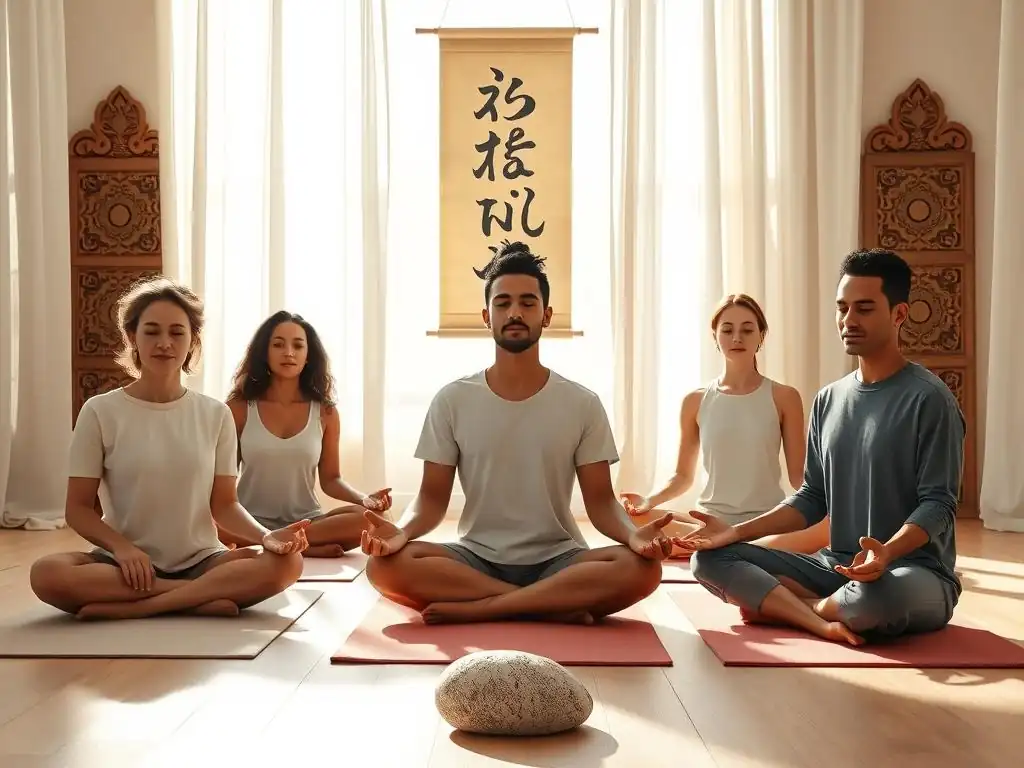
Welcome to Mind Care Guide, your trusted companion on the journey to mental well-being.
Ever feel like your mind is racing, even when you're trying to relax? You're not alone. In this article, "Mastering the Mind," we delve into advanced techniques for daily mindfulness integration. Discover practical strategies to cultivate inner peace and resilience, starting today. Ready to unlock the power of the present moment? Explore how to seamlessly weave mindfulness into your everyday life and reclaim control over your mental landscape.
- Cultivating Presence: Advanced Mindfulness Techniques for Daily Integration
- Section 1: Anchoring Awareness: Refining Focused Attention
- Section 2: Embodied Presence: Deepening Body Awareness Through Somatic Practices
- Section 3: Emotional Intelligence: Cultivating Emotional Resilience Through Mindfulness
- Section 4: Mindful Movement: Transforming Activity into Meditation
- Section 5: Cognitive Defusion: Observing and Detaching from Thought Patterns
- Section 6: Relational Mindfulness: Enhancing Connection and Communication
- Section 7: Navigating Challenges: Sustaining Mindfulness in Daily Life
- Section 8: Deepening Your Practice: Continued Growth and Exploration
- Conclusion: Embracing the Transformative Power of Integrated Mindfulness
-
Frequently Asked Questions
- How can I effectively integrate mindfulness into my already busy daily schedule?
- What are some advanced techniques beyond basic meditation that I can use for daily mindfulness integration?
- How can I track my progress and stay motivated when integrating mindfulness daily?
- What do I do if I find myself getting distracted or frustrated during my daily mindfulness practice?
- Are there any specific resources or support groups recommended for individuals looking to deepen their daily mindfulness integration?
- Final Reflection: Cultivating Inner Peace Through Daily Mindfulness
- Unleash Your Inner Calm: Start Practicing Mindfulness Today!
Cultivating Presence: Advanced Mindfulness Techniques for Daily Integration
Understanding the Benefits of Daily Mindfulness
Engaging in daily mindfulness integration techniques offers profound and cumulative benefits that extend far beyond simple stress reduction. Consistent practice cultivates a deeper sense of presence, enhancing cognitive function, emotional resilience, and overall well-being.
For instance, studies consistently show that individuals who practice mindfulness regularly report a significant decrease in symptoms of anxiety and depression, often citing improvements in mood regulation and reduced rumination. This isn't merely anecdotal; neuroimaging research indicates that mindfulness practice can lead to structural changes in the brain, strengthening areas associated with attention, self-awareness, and emotional processing, such as the prefrontal cortex and hippocampus, while potentially reducing activity in the amygdala, the brain's fear center.
Beyond mental health, the benefits of daily mindfulness integration techniques translate into improved performance in various aspects of life. Enhanced focus and concentration allow individuals to be more present and effective in their work or studies, potentially increasing productivity by 10-15% according to some self-reported surveys among practitioners. Furthermore, better emotional regulation fostered by mindfulness helps in navigating interpersonal relationships with greater patience and understanding, leading to more fulfilling connections. The ability to non-judgmentally observe thoughts and feelings empowers individuals to respond to challenges with greater wisdom and less reactivity, making daily life feel less overwhelming and more manageable.
Expanding Beyond Foundational Mindfulness
While foundational mindfulness practices, such as basic breath awareness meditation, are crucial starting points, truly mastering the mind involves expanding one's repertoire to include advanced techniques for daily mindfulness integration. Moving beyond sitting on a cushion for a set period, advanced practice involves weaving mindfulness into the fabric of everyday activities, transforming mundane moments into opportunities for awareness. This evolution might involve transitioning from guided meditations to silent, self-led practices, or exploring longer durations of formal practice, perhaps extending from 10-15 minutes to 30 minutes or more daily.
Expanding one's practice also means exploring different facets of mindfulness beyond focused attention. This includes developing a deeper connection with bodily sensations (somatic awareness), cultivating greater insight into emotional states (emotional intelligence), learning to observe thoughts without getting entangled in them (cognitive defusion), and bringing mindful presence into interactions with others (relational mindfulness). These advanced daily mindfulness integration techniques are not about doing more, but about refining the quality of awareness and applying it comprehensively across all experiences, leading to a more integrated and consistently mindful way of being in the world.
Section 1: Anchoring Awareness: Refining Focused Attention
Technique 1: Breath Counting and Sensory Immersion
Refining focused attention involves using anchors like the breath or sensory input with greater precision and sensitivity. Breath counting is an advanced technique where you count each exhale, perhaps up to ten, and then start over. If your mind wanders before reaching ten, you simply note the wandering and gently return to counting from one.
This simple act significantly strengthens the mental muscle of returning attention. For instance, dedicating just 5-10 minutes each morning to mindful breath counting can dramatically improve your ability to stay focused during challenging tasks later in the day, helping to reduce distractions and improve task completion rates.
Sensory immersion takes anchoring awareness a step further by fully engaging with one or more senses. This could involve focusing intently on the subtle feeling of your feet on the ground as you walk, the precise sounds in your environment without labeling them, or the detailed visual textures and colors around you.
For example, during a brief break, instead of checking your phone, spend 2-3 minutes fully immersing yourself in the sensory experience of drinking a cup of tea – noticing the warmth of the mug, the aroma, the taste on your tongue, the feeling as you swallow. This practice hones your ability to drop into present-moment experience using readily available anchors, making daily mindfulness integration techniques more accessible throughout the day.
Technique 2: Mindful Listening to Ambient Sounds
Mindful listening, especially to ambient sounds, is a powerful technique for anchoring awareness in the present moment without needing a specific focal point like the breath. Instead of identifying and labeling sounds ("That's a car," "That's a bird"), the practice involves simply observing the pure auditory sensation – the pitch, volume, duration, and texture of the sounds as they arise and pass away. This can be practiced anywhere, anytime. Sitting at your desk, take 2-5 minutes to simply listen to the soundscape around you – the hum of electronics, distant traffic, nearby conversations – without judgment or analysis.
This technique helps to cultivate non-reactivity, as you learn to observe sounds (and by extension, thoughts and feelings) without getting caught up in their meaning or implications. Practicing mindful listening while commuting, for example, can transform a potentially stressful experience into an opportunity for presence. Instead of dwelling on traffic delays, you can tune into the sounds of the journey. This advanced daily mindfulness integration technique enhances your ability to remain grounded and aware in dynamic environments, making it a versatile tool for navigating the complexities of modern life.
Integrating Focused Attention into Everyday Tasks
Integrating focused attention into everyday tasks is where the real power of daily mindfulness integration techniques lies. This means bringing your full, undivided attention to whatever you are doing, whether it's washing dishes, brushing your teeth, or sending an email. The goal is not to rush through the task, but to be fully present for each step.
For instance, when washing dishes, notice the temperature of the water, the feel of the soap, the texture of the plate, the sounds of the washing. If your mind wanders to future plans or past events, simply notice the thought and gently guide your attention back to the current action.
This practice transforms mundane chores into opportunities for mindfulness, combating the tendency to live on autopilot. By consciously choosing to focus on the task at hand, you train your brain to resist distractions and improve concentration. Applying focused attention to work tasks, like writing a report or preparing a presentation, can significantly enhance quality and efficiency. Even simple acts, like walking mindfully from one room to another, paying attention to the sensation of your feet and the movement of your body, are potent daily mindfulness integration techniques that build the capacity for sustained, present-moment awareness throughout the day.
Section 2: Embodied Presence: Deepening Body Awareness Through Somatic Practices

Advanced Somatic Exploration: Attuning to Internal Sensations
Advanced somatic exploration involves moving beyond a basic body scan to cultivate a deep, nuanced awareness of internal bodily sensations. This practice encourages you to notice subtle feelings like warmth, coolness, tingling, pressure, or vibration within different parts of the body, without trying to change them. It's about becoming intimately familiar with the body's internal landscape.
For example, you might spend 10-15 minutes focusing solely on the sensations in your hands or feet, noticing the pulse, the feeling of blood flow, or subtle muscular tensions you weren't previously aware of. This level of attunement helps you recognize how emotions manifest physically, such as tension in the shoulders when stressed or a knot in the stomach when anxious.
This deeper body awareness is a powerful tool for emotional regulation and stress reduction. By noticing physical sensations associated with difficult emotions as they arise, you can often intervene before they become overwhelming. Recognizing the first signs of tension in the jaw, for instance, can prompt you to take a mindful breath or gently release the muscle, preventing the escalation of stress. This form of daily mindfulness integration techniques allows the body itself to become a primary source of information and a guide for navigating your internal state with greater wisdom and compassion.
Releasing Tension Through Mindful Movement and Body Awareness
Integrating mindful movement with body awareness is an effective way to release physical and emotional tension stored in the body. Practices like gentle stretching, yoga, or even conscious shaking can be performed with a heightened sense of internal awareness, focusing on the sensations of movement, stretch, and release.
Instead of just going through the motions, you pay attention to how the body feels as it moves, noticing areas of tightness and consciously breathing into them. For instance, during a simple shoulder roll, notice the feeling of the muscles engaging and releasing, paying particular attention to any sticking points or areas of discomfort.
This approach to movement isn't about achieving a specific physical goal but about using movement as a vehicle for presence and release. Even a brief 5-minute mindful stretch break during your workday can help alleviate physical tension accumulated from sitting, while simultaneously bringing you back into your body and out of your head. By consciously connecting movement with internal sensation, you create opportunities for the body to naturally unwind and release stored stress, making mindful movement a vital component of advanced daily mindfulness integration techniques.
Daily Integration: Mindful Posture and Gait
Mindful posture and gait are simple yet profound daily mindfulness integration techniques that bring embodied presence into your everyday activities. Becoming aware of your posture throughout the day – whether sitting, standing, or walking – allows you to notice and correct habits that might be contributing to physical discomfort or mental distraction. For example, simply noticing if you are slumping while sitting and consciously choosing to sit upright with a sense of dignity and ease can subtly shift your internal state, promoting alertness and reducing physical strain.
Similarly, bringing mindful awareness to your gait involves paying attention to the physical sensations of walking – the lifting and placing of each foot, the swing of your arms, the rhythm of your steps. It's not about walking in a rigid or unnatural way, but about being present with the natural movement of your body.
Even a short walk to the kitchen or around the block can become a walking meditation, grounding you in the present moment through the sensations of movement. Consistently checking in with your posture and gait throughout the day serves as a constant, gentle reminder to inhabit your body fully, enhancing your overall sense of presence and well-being through these accessible daily mindfulness integration techniques.
Section 3: Emotional Intelligence: Cultivating Emotional Resilience Through Mindfulness
Identifying and Naming Emotions with Precision
Cultivating emotional intelligence through mindfulness begins with the ability to accurately identify and name your emotions. This practice involves pausing when you notice a shift in your internal state and asking yourself, "What am I feeling right now?" Moving beyond broad labels like "bad" or "stressed," the goal is to use more precise language – such as "frustrated," "anxious," "sad," "irritated," "joyful," or "calm." For example, if you feel tension in your chest and a racing mind, instead of just thinking "I'm stressed," you might identify the feeling as "anxiety" or perhaps a combination of "worry" and "physical unease."
This precise labeling, sometimes called "affect labeling," has been shown in research to actually decrease activity in the amygdala, the brain's emotion center, thereby helping to downregulate intense emotional responses. By giving a name to an emotion, you create a slight distance from it, moving from being consumed by the feeling to observing it. Practicing this multiple times a day, perhaps by setting a gentle reminder on your phone or simply pausing during transitions between activities, is a foundational daily mindfulness integration technique for building emotional awareness and resilience.
Working with Difficult Emotions: Acceptance and Compassionate Inquiry
Working with difficult emotions mindfully involves cultivating acceptance and applying compassionate inquiry rather than trying to suppress or avoid them. Acceptance doesn't mean liking or condoning the emotion, but simply acknowledging its presence without resistance. When a difficult emotion arises, like anger after a disagreement, instead of getting lost in judgmental thoughts about the anger or trying to push it away, you can approach it with curiosity and kindness. You might say to yourself, "Ah, here is anger. It feels hot and tight in my chest." This simple acknowledgment can lessen the emotion's grip.
Compassionate inquiry involves gently exploring the emotion without judgment. Asking questions like, "What does this anger feel like in my body?" or "What does this sadness need?" or "Can I offer myself kindness in this moment?"
shifts your relationship with the emotion. Instead of seeing it as an enemy, you see it as a messenger or a part of your human experience that needs attention. Practicing this type of mindful processing during challenging moments, even for just a few minutes, is a powerful daily mindfulness integration technique that fosters emotional resilience and self-compassion, helping you navigate distress with greater ease.
Daily Application: Responding to Emotions with Skillful Action
The ultimate goal of cultivating emotional intelligence through mindfulness is to enable a shift from reactive behavior to skillful action. When you can identify emotions accurately, accept their presence, and explore them with compassion, you create space to choose how to respond rather than being automatically driven by the feeling.
For instance, if you feel frustrated while working on a difficult problem, instead of impulsively giving up or snapping at a colleague, your mindful awareness allows you to pause, notice the frustration, perhaps take a few deep breaths, and then choose a more constructive response – like asking for help, taking a short break, or reframing the challenge.
This ability to pause and choose is a hallmark of advanced daily mindfulness integration techniques applied to emotional life. It involves recognizing that while you cannot always control the emotions that arise, you can learn to control your reaction to them. By consistently practicing identifying, accepting, and inquiring into emotions, you build the capacity to respond to life's challenges, both internal and external, with greater wisdom, patience, and effectiveness. This leads to improved decision-making, stronger relationships, and a greater sense of agency over your emotional landscape.
Section 4: Mindful Movement: Transforming Activity into Meditation
Advanced Walking Meditation Techniques: Sensory Awareness and Terrain Adaptation
Advanced walking meditation goes beyond simply being aware of putting one foot in front of the other. It involves cultivating a rich sensory awareness of the entire experience of walking and adapting the practice to different environments and paces.
This can include paying detailed attention to the subtle shifts in weight as you transfer from one foot to the next, the feeling of the ground beneath your feet (hard pavement, soft grass, uneven trail), the movement of air on your skin, and the coordinated rhythm of your body. For instance, walking barefoot on grass allows for a heightened sense of texture and temperature, deepening sensory connection.
Adapting walking meditation to different terrains or paces means maintaining presence whether you are strolling leisurely in a park or walking briskly through a busy street. The practice becomes about meeting the present moment as it is, noticing how your body responds to inclines or declines, how your breath changes with pace, and how external stimuli (sounds, sights) interact with your internal state. This flexibility makes walking meditation a highly practical daily mindfulness integration technique, allowing you to transform your commute, errands, or exercise into opportunities for deepening awareness.
Integrating Mindful Movement into Daily Routines
Integrating mindful movement into daily routines means intentionally bringing awareness to physical activities that are already part of your day. This could be anything from climbing stairs, cycling, doing household chores, or even fidgeting mindfully. The key is to shift from performing these activities on autopilot to engaging with them with full presence. For example, when climbing stairs, notice the engagement of your leg muscles, the rhythm of your steps, and your breath. Instead of rushing, allow yourself to be fully present for the movement.
This approach transforms ordinary activities into potent daily mindfulness integration techniques. Washing dishes can become a practice of mindful movement and sensation. Gardening involves mindful bending, digging, and feeling the soil. Even standing in line can be an opportunity to feel your feet grounded and notice your posture. By consciously choosing to bring awareness to these moments of movement, you build a continuous thread of mindfulness throughout your day, reducing the time spent lost in thought and increasing your connection to the present reality of your physical experience.
Benefits of Mindful Movement for Stress Reduction and Mental Clarity
The practice of mindful movement offers significant benefits for stress reduction and mental clarity. By focusing attention on the physical sensations of movement, you naturally draw your awareness away from stressful thoughts and worries, effectively interrupting cycles of rumination. The gentle, rhythmic nature of many mindful movements can also have a calming effect on the nervous system, similar to meditation. Research suggests that even short bursts of mindful movement can reduce cortisol levels and promote feelings of relaxation.
Furthermore, mindful movement enhances proprioception – your body's awareness of its position and movement in space – which is linked to improved body image and reduced anxiety. By grounding your attention in the physical body, you create a sense of stability and presence that counteracts feelings of being overwhelmed or disconnected. Integrating mindful movement as a regular component of your daily mindfulness integration techniques provides a dynamic way to release physical tension, calm the mind, and cultivate a clear, centered state of being, accessible throughout your day.
Section 5: Cognitive Defusion: Observing and Detaching from Thought Patterns
Recognizing Recurring Thought Patterns and Belief Systems
A key aspect of cognitive defusion is developing the ability to recognize recurring thought patterns and underlying belief systems that often shape our perception and reactions. These are the habitual mental loops or core ideas we hold about ourselves, others, and the world (e.g., "I'm not good enough," "People will always disappoint me," "The future is uncertain"). Identifying these patterns isn't about analyzing their truth but simply noticing their presence and frequency. For instance, you might start noticing that whenever you face a challenge at work, the thought "I'm going to fail" consistently appears.
This recognition is the first step in detaching from these patterns. Keeping a simple thought journal for a week, noting down recurring negative or limiting thoughts, can provide valuable insight into your mental habits. Understanding that these are just patterns the mind runs, often on autopilot, rather than objective truths, is crucial for applying effective daily mindfulness integration techniques related to thoughts. This awareness creates the necessary space to work with thoughts rather than being controlled by them.
Techniques for Non-Judgmental Observation of Thoughts as Mental Events
Cognitive defusion involves seeing thoughts for what they are: simply mental events, words, or images passing through the mind, not necessarily factual representations of reality. Techniques like "I am having the thought that..." help to create distance. For example, instead of thinking "I am a failure," you consciously reframe it as "I am having the thought that I am a failure." This shifts your relationship with the thought from identification ("I am this thought") to observation ("I am noticing this thought").
Other techniques include visualizing thoughts as leaves floating down a stream, clouds drifting across the sky, or words on a screen scrolling by. The aim is to observe the thought without getting hooked by its content or judging yourself for having it.
For instance, when the thought "This task is too difficult" arises, you might visualize it written on a cloud and watch it drift away. Practicing these techniques, even for a few minutes when you notice a strong thought pattern, is a powerful daily mindfulness integration technique that weakens the power of unhelpful thoughts and reduces their impact on your feelings and behavior.
Daily Integration: Responding to Thoughts with Equanimity and Perspective
Integrating cognitive defusion into daily life means consistently applying these observation techniques to respond to thoughts with equanimity and perspective. When a challenging thought arises, instead of immediately reacting with worry, self-criticism, or avoidance, you pause, notice the thought as a mental event, and choose your response. This doesn't mean eliminating negative thoughts – the mind will always produce them – but learning to not be automatically controlled by them.
For example, if you have the thought "They didn't like my idea," instead of spiraling into self-doubt, you can observe the thought non-judgmentally, perhaps acknowledge the feeling of disappointment, and then choose to focus on the next task or seek constructive feedback. This practice builds mental flexibility and resilience. By consistently applying cognitive defusion as one of your daily mindfulness integration techniques, you gain greater freedom from the dictates of your internal narrative, allowing you to act in alignment with your values rather than being driven by limiting beliefs or transient worries.
Section 6: Relational Mindfulness: Enhancing Connection and Communication

Empathetic Listening with Full Presence
Relational mindfulness involves bringing mindful awareness into our interactions with others, starting with empathetic listening. This means listening with full presence – giving your complete, undivided attention to the speaker without simultaneously planning your response, checking your phone, or letting your mind wander. It involves not just hearing the words but also paying attention to the tone of voice, body language, and underlying emotions the person might be expressing. For example, during a conversation with a friend, consciously set aside distractions and focus solely on listening for a set period, perhaps 5 or 10 minutes, before responding.
Empathetic listening requires setting aside your own judgments and assumptions temporarily to truly understand the other person's perspective. It's about creating a space where the other person feels heard and validated. This deep level of listening fosters trust and strengthens connection. Incorporating empathetic listening into daily conversations, whether with family, friends, or colleagues, is a powerful daily mindfulness integration technique that enhances the quality of your relationships and promotes understanding.
Expressing Needs and Boundaries with Clarity and Compassion
Relational mindfulness also involves expressing your own needs and boundaries with clarity and compassion. This practice requires self-awareness – knowing what you need and what your limits are – and the ability to communicate this respectfully. It's about being assertive without being aggressive, honoring your own well-being while also considering the other person.
For instance, if you are feeling overwhelmed with requests, instead of silently resenting it or reacting defensively, you can mindfully pause, identify your capacity and needs, and then communicate your boundary calmly, perhaps saying, "I appreciate you asking, and I want to help, but I'm currently at capacity. Can we revisit this next week?"
Expressing needs and boundaries mindfully involves choosing your words carefully, using "I" statements (e.g., "I feel overwhelmed when...") rather than "you" statements ("You always..."), and maintaining an open, non-confrontational posture. This practice respects both yourself and the other person. Consistently applying this in your interactions is a crucial daily mindfulness integration technique for maintaining healthy relationships, preventing burnout, and ensuring your own needs are met with kindness and firmness.
Applying Relational Mindfulness in Conflict Resolution
Applying relational mindfulness in conflict resolution can transform potentially damaging interactions into opportunities for growth and understanding. When conflicts arise, the natural tendency is often to become reactive, defensive, or withdrawn. Relational mindfulness encourages pausing before responding, bringing awareness to your own emotional state (e.g., anger, fear, frustration), and choosing to approach the situation with presence and a genuine intention to understand. For example, in a disagreement with a partner, take a mindful breath, notice the tension in your body, and consciously choose to listen to their perspective before articulating your own, even if it's difficult to hear.
This involves practicing empathetic listening even when you disagree, speaking your truth with clarity and compassion, and remaining open to finding a mutually acceptable solution. It might mean taking a mindful break from the discussion if emotions run too high, agreeing to revisit it when both parties are calmer. By integrating these daily mindfulness integration techniques into conflict situations, you cultivate the capacity to navigate disagreements with greater skill, reducing harm and fostering deeper connection through challenging moments.
Addressing Common Obstacles to Consistent Practice
Sustaining daily mindfulness integration techniques inevitably involves encountering obstacles. Common challenges include lack of time, forgetfulness, feeling like you're "doing it wrong," boredom, restlessness, or resistance. Acknowledging that these are normal parts of the journey is the first step. For the obstacle of "lack of time," reframe your practice not as an added chore but as an essential investment in your well-being, perhaps starting with very short practices (1-3 minutes) integrated into existing routines (e.g., mindful teeth brushing).
For forgetfulness, use simple reminders like sticky notes, calendar alerts, or linking mindfulness to specific triggers (e.g., mindfulness every time your phone rings). When feeling like you're "doing it wrong," remember that the essence of mindfulness is simply noticing what is happening without judgment – wandering thoughts are not a failure, but an opportunity to practice gently returning attention. Addressing resistance or boredom can involve experimenting with different techniques or durations.
Recognize that consistency, even in small doses, is more important than perfection. Cultivating a mindset of patience and self-compassion is key to navigating these common hurdles in your daily mindfulness integration techniques.
Strategies for Maintaining Mindfulness Under Pressure
Maintaining mindfulness under pressure is perhaps the most valuable application of daily mindfulness integration techniques. When faced with stressful situations – a tight deadline, a difficult conversation, unexpected news – the mind often speeds up, attention narrows, and reactivity increases. Strategies for staying mindful in these moments include taking a conscious pause and a few deep breaths to ground yourself. This simple act interrupts the stress response and brings you back to the present moment. For instance, before responding to a challenging email, take three mindful breaths, noticing the sensation of the air entering and leaving your body.
Another strategy is to anchor your awareness in physical sensations – feeling your feet on the ground, the weight of your body in a chair. This helps to prevent your mind from being completely consumed by the stressful thoughts. Using cognitive defusion to observe thoughts like "I can't handle this" as just mental events, rather than truths, also helps to maintain perspective.
Practicing very short bursts of mindfulness throughout a stressful day, even just 30 seconds of mindful breathing or body scan, can accumulate to significantly reduce overall tension and improve your ability to respond skillfully rather than react impulsively under pressure. These are essential daily mindfulness integration techniques for building resilience.
Cultivating a Supportive Community for Continued Growth
Cultivating a supportive community is a powerful way to sustain and deepen your daily mindfulness integration techniques. Connecting with others who are also exploring mindfulness provides encouragement, shared wisdom, and accountability. This could involve joining a local meditation group, participating in online forums or communities, or finding a mindfulness buddy to practice with or check in with regularly. Hearing about others' experiences, challenges, and insights can normalize your own struggles and inspire new approaches.
A supportive community offers a space to ask questions, share successes, and receive empathetic understanding when facing difficulties in your practice. Many people find that committing to practice with others, even if infrequently, reinforces their personal commitment. For example, attending a weekly group session or participating in a monthly online retreat can provide structure and motivation. Building connections with fellow practitioners strengthens your resolve and provides valuable resources for continued learning and growth in your journey of daily mindfulness integration techniques.
Section 8: Deepening Your Practice: Continued Growth and Exploration
Setting Intentions and Tracking Progress
Deepening your practice involves intentionally setting goals and tracking your progress, not in a rigid, performance-oriented way, but as a means of conscious growth and learning. Start by setting clear intentions for your practice – what do you hope to cultivate or explore? This might be improving focus, increasing self-compassion, or becoming more present in relationships. For instance, you might set an intention to practice mindful listening for 5 minutes during one conversation each day for a week.
Tracking progress can be as simple as keeping a brief journal entry after a formal practice or at the end of the day, noting what you practiced, how long, and any observations about your experience. This isn't about judging whether you had a "good" or "bad" practice, but about noticing patterns, challenges, and insights.
For example, journaling might reveal that you consistently feel restless during morning meditation but more settled during evening practice, suggesting a potential shift in timing. Setting intentions and tracking helps to maintain motivation, provides valuable feedback, and allows you to consciously steer your exploration of daily mindfulness integration techniques.
Exploring Advanced Meditation Techniques and Retreats
To deepen your practice further, consider exploring more advanced meditation techniques and participating in retreats. While this article focuses on daily integration, formal practice remains a cornerstone. Advanced techniques might include loving-kindness meditation (Metta), insight meditation (Vipassana), or choiceless awareness practices. These practices cultivate specific qualities like compassion, wisdom, and open awareness, complementing focused attention. For instance, dedicating a weekly 20-minute session to loving-kindness meditation can significantly enhance feelings of warmth and connection towards yourself and others.
Retreats offer an immersive environment away from daily distractions, allowing for extended periods of practice and deeper insight. Participating in a silent retreat, even for a weekend, can provide a profound experience of sustained mindfulness and clarify your understanding of the practice. Retreats often offer guidance from experienced teachers and the support of a dedicated environment. While a significant commitment, retreats can catalyze significant shifts in your practice and understanding, providing invaluable momentum for your continued daily mindfulness integration techniques.
Continuous Learning and Self-Reflection for Sustained Practice
Sustained practice over the long term relies on a commitment to continuous learning and self-reflection. The path of mindfulness is not linear, and there is always more to discover. This involves reading books, attending workshops, listening to talks or podcasts by experienced teachers, and engaging with the rich body of knowledge available on mindfulness and related practices. For example, exploring different perspectives from various mindfulness traditions can broaden your understanding and offer new ways to approach challenges.
Self-reflection is the process of regularly checking in with yourself about your practice – what is working? What are the challenges? How is mindfulness impacting your daily life?
This can be done through journaling, mindful review at the end of the day, or discussing your practice with a trusted friend, teacher, or therapist. Regularly reflecting on your experience allows you to adapt your approach, overcome obstacles, and ensure that your daily mindfulness integration techniques remain relevant and beneficial to your evolving needs. This ongoing process of learning and self-inquiry is what keeps the practice alive and allows for sustained growth over years and decades.
Conclusion: Embracing the Transformative Power of Integrated Mindfulness
The Long-Term Benefits of Daily Mindfulness
Embracing daily mindfulness integration techniques leads to profound and lasting transformation in virtually every aspect of life. Over the long term, consistent practice cultivates a deep reservoir of resilience, enabling you to navigate stress, change, and adversity with greater ease and wisdom. The cumulative effect of regularly bringing awareness to your thoughts, emotions, and bodily sensations is a fundamental shift in your relationship with your internal and external experience – moving from reactivity to conscious response, from being tossed about by circumstances to standing more firmly in your own presence.
Individuals who maintain a consistent mindfulness practice over years often report significant, enduring reductions in chronic stress, improvements in overall physical health (such as lower blood pressure), enhanced cognitive function including memory and problem-solving abilities, and a greater capacity for joy, gratitude, and compassion. For example, long-term practitioners frequently describe feeling more connected to others, experiencing deeper empathy, and finding greater meaning in their daily lives. These are not temporary fixes but fundamental shifts in how you perceive and interact with the world, demonstrating the truly transformative power of integrated mindfulness.
Resources for Further Exploration of Advanced Mindfulness
For those ready to deepen their journey with daily mindfulness integration techniques, a wealth of resources is available for further exploration. While this article provides an overview, engaging with dedicated materials and experienced guidance is invaluable. Look for reputable books on advanced mindfulness practices, such as those focusing on insight meditation, compassionate living, or applied mindfulness in specific areas like relationships or work. Many experienced mindfulness teachers offer detailed guides on refining techniques like breath awareness, body scanning, and working with emotions and thoughts.
Additionally, exploring guided meditations specifically designed for intermediate or advanced practitioners can introduce new nuances and depths to your formal practice. Many online platforms and apps offer extensive libraries covering a wide range of techniques. Consider seeking out qualified mindfulness teachers or centers in your area for workshops, courses, or individual guidance. Engaging with these resources provides structured learning, supports your motivation, and offers opportunities to clarify your understanding and troubleshoot challenges as you continue to master the art of daily mindfulness integration techniques.
Frequently Asked Questions
How can I effectively integrate mindfulness into my already busy daily schedule?
Start small by incorporating micro-mindfulness practices like mindful breathing for a minute or two at a time. Schedule these short bursts of awareness into existing routines, such as before meals or during commutes, to build consistency. Gradually increase the duration as you become more comfortable.
What are some advanced techniques beyond basic meditation that I can use for daily mindfulness integration?
Explore techniques like body scan meditations for heightened body awareness, mindful movement practices like yoga or Tai Chi, and loving-kindness meditation to cultivate compassion. Experiment to find what resonates with you.
How can I track my progress and stay motivated when integrating mindfulness daily?
Keep a mindfulness journal to record your experiences, noting changes in your mood, thoughts, and reactions. Set realistic goals and celebrate your achievements, no matter how small. Consider using mindfulness apps for guided meditations and progress tracking.
What do I do if I find myself getting distracted or frustrated during my daily mindfulness practice?
Acknowledge the distraction or frustration without judgment. Gently redirect your attention back to your chosen focus, such as your breath or bodily sensations. Remember that distraction is a normal part of the process, not a failure.
Are there any specific resources or support groups recommended for individuals looking to deepen their daily mindfulness integration?
The Mind Care Guide website offers a wealth of information and resources. Consider joining a local mindfulness group or online forum for peer support and shared learning. Explore guided meditations and workshops led by qualified mindfulness instructors.
Final Reflection: Cultivating Inner Peace Through Daily Mindfulness
The pursuit of daily mindfulness integration is not a fleeting trend; it's a fundamental shift in how we engage with life's complexities. In a world saturated with constant stimulation and demands, the ability to find inner peace and clarity becomes increasingly crucial for both individual well-being and societal harmony. This article explored advanced techniques to deepen your mindfulness practice, moving beyond simple meditation to integrate mindful awareness into every aspect of your day.
The journey towards mastering the mind is a deeply personal one, a continuous process of self-discovery and growth. The techniques discussed—from mindful movement and mindful eating to cultivating compassionate self-talk—are not merely tools, but pathways to a more conscious and fulfilling existence. As the Dalai Lama wisely stated, Peace is not merely the absence of war, but the presence of justice, compassion, and the understanding of others.
This sentiment underscores the transformative power of daily mindfulness, extending its benefits beyond personal tranquility to foster empathy and understanding in our interactions with the world.
Now, consider how you can integrate these advanced techniques into your own life. Don't view mindfulness as a rigid practice, but as a flexible lens through which to experience the world. Experiment with the different approaches outlined, finding what resonates most deeply with you. Embrace the challenges, celebrate the small victories, and remember that the journey itself is a testament to your commitment to a more mindful and meaningful life. The rewards—increased self-awareness, reduced stress, and a deeper connection to yourself and others—are well worth the effort.
Unleash Your Inner Calm: Start Practicing Mindfulness Today!
Thanks for taking the time to explore the world of advanced mindfulness techniques with us! We hope you gained valuable insights into cultivating a more peaceful and present you. Now it's time to put your new knowledge into practice.
Here are a few ways to integrate mindfulness into your daily life:
- Begin a personalized mindfulness practice: Dedicate just 5 minutes each morning to quiet reflection, focusing on your breath. This small step can significantly impact your day.
- Share your mindful journey: Tell a friend or family member about what you've learned and encourage them to join you on this path. Sharing your experience can deepen your understanding.
- Explore a new mindful activity: Try a guided meditation, mindful walking, or even mindful eating – find an activity that resonates with you and makes mindfulness fun.
Ready to discover the transformative power of consistent mindfulness? What small step will you take today to cultivate inner peace?