
The Joy of Practice: Rekindling Enthusiasm for Deep Mindfulness

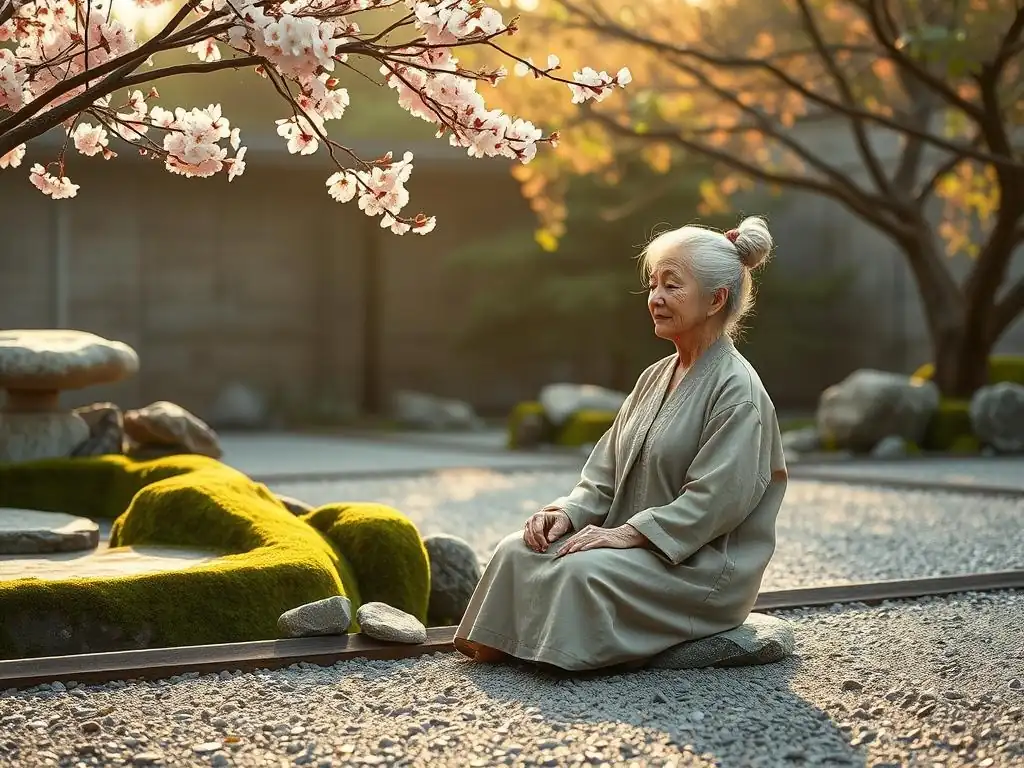
Welcome to Mind Care Guide, your haven for cultivating inner peace and navigating the complexities of mental well-being.
Feeling the spark dim? The Joy of Practice explores how Mindfulness for sustained enthusiasm can reignite your passion and transform your approach to life, even when the path feels challenging. Discover practical techniques and insightful perspectives to rediscover the joy in every moment. Are you ready to cultivate lasting enthusiasm? Let's begin.
- The Joy of Practice: Rekindling Enthusiasm for Deep Mindfulness
- Rekindling Enthusiasm: Practical Strategies for Deepening Mindfulness
- Overcoming Obstacles: Addressing Challenges in Sustaining Mindfulness
- The Benefits of Sustained Mindfulness: A Deeper Dive
- Mindfulness for Sustained Enthusiasm: Tips and Techniques
- Deepening Your Practice: Advanced Mindfulness Techniques
- Maintaining Momentum: Long-Term Strategies for Mindfulness
-
Frequently Asked Questions
- What is mindfulness and how does it relate to sustained enthusiasm?
- How can mindfulness practices help me overcome burnout and regain my enthusiasm?
- What are some practical mindfulness techniques I can use daily to boost my enthusiasm?
- How does "The Joy of Practice" approach to mindfulness differ from other methods in sustaining enthusiasm?
- What resources does Mind Care Guide offer to support my mindfulness journey and maintain sustained enthusiasm?
- Final Reflection: Cultivating the Everlasting Spring of Mindfulness
- Unlock Your Inner Calm: Deepen Your Mindfulness Practice Today
The Joy of Practice: Rekindling Enthusiasm for Deep Mindfulness
The Initial Spark: Excitement and Novelty in Early Mindfulness
Many individuals embark on their mindfulness journey with a palpable sense of excitement and curiosity. This initial phase is often fueled by positive introductory experiences – perhaps a single guided meditation session that offered a moment of calm amidst chaos, or reading about the profound benefits reported by others, such as reduced anxiety or improved focus. The novelty of paying attention to the present moment, seemingly simple yet surprisingly powerful, can feel like discovering a new continent within oneself.
This phase is characterized by a willingness to commit time daily, often seeing noticeable, sometimes dramatic, shifts in perspective or emotional state relatively quickly, which further reinforces the initial enthusiasm. It's like learning a new skill where early progress feels significant and motivating.
During this honeymoon period, the beginner's mind is open and receptive. Practitioners might diligently follow a 21-day challenge or a beginner's course, dedicating perhaps 10-15 minutes each day to formal practice. The challenges encountered, such as a wandering mind or physical discomfort, are often viewed as part of the learning process, met with a sense of hopeful perseverance rather than frustration.
This early engagement is crucial for establishing the habit, but it relies heavily on the novelty effect and the relatively quick wins that can occur when first introducing mindfulness into a busy, distracted life. The promise of deep mindfulness feels readily accessible, driving consistent effort.
The Plateau Effect: Recognizing Stagnation in Your Mindfulness Journey
As the initial novelty wears off, many practitioners encounter what is often described as the "plateau effect." This is a period where the seemingly rapid progress experienced at the beginning appears to slow down or even halt. Daily meditation sessions might feel less profound or insightful; the mind still wanders frequently, distractions seem persistent, and the initial 'aha!'
moments become less frequent. This can lead to a sense of stagnation, where the practice feels more like a chore or a routine obligation rather than a source of joy or significant growth. The perceived lack of progress can be disheartening and directly impact one's enthusiasm for deep mindfulness.
Recognizing this plateau is the first step towards moving beyond it. It's important to understand that this phase is a natural part of any long-term skill development, including mindfulness for sustained enthusiasm. It doesn't necessarily mean you're doing anything wrong; rather, it signifies that the initial, surface-level shifts have occurred, and the practice is now inviting you into deeper, more subtle layers of awareness.
Instead of chasing peak experiences, the practice evolves into cultivating a steady, stable presence. This shift in perspective from seeking dramatic results to embracing consistent, gentle awareness is key to navigating the plateau and preventing the loss of enthusiasm.
Common Pitfalls Leading to Loss of Enthusiasm in Mindfulness
Several common challenges can chip away at enthusiasm for mindfulness practice. One significant pitfall is unrealistic expectations. Many beginners anticipate a constant state of bliss or complete absence of thoughts, which is not the goal of mindfulness. When reality – the messy, fluctuating nature of the mind – sets in, disappointment can lead to discouragement. Another common issue is inconsistency; life happens, schedules get busy, and practice time is often the first thing to be dropped. Skipping days turns into skipping weeks, and the habit erodes, making it harder to return and diminishing the perceived benefits.
Furthermore, comparing one's own practice to others, whether peers or teachers, can be detrimental. Seeing someone else seemingly effortlessly entering deep states of calm can foster feelings of inadequacy. Focusing solely on formal sitting meditation while neglecting to integrate mindfulness into daily activities also limits its potential impact and can make the practice feel confined and separate from real life. These pitfalls, often intertwined, create a cycle where decreased enthusiasm leads to reduced practice, which in turn leads to fewer perceived benefits, further diminishing enthusiasm for sustaining mindfulness.
Rekindling Enthusiasm: Practical Strategies for Deepening Mindfulness

Reconnecting with Your "Why": Remembering Your Original Intention for Mindfulness
When enthusiasm wanes, pausing to reconnect with the initial motivation for starting mindfulness practice can be incredibly powerful. Think back to what first drew you in. Was it a desire to manage stress better, improve focus, cultivate patience, or simply find moments of peace in a hectic world? Writing down these original intentions can serve as a tangible reminder of the value you initially saw in the practice. For instance, someone who started mindfulness to cope with work-related anxiety might reflect on specific instances where early practice helped them navigate stressful meetings or deadlines with greater ease.
This reflection isn't about romanticizing the past but about grounding yourself in the purpose behind your effort. Consider how mindfulness has already positively impacted your life, even in small ways. Perhaps you've noticed a slight increase in patience with family, a greater ability to pause before reacting, or simply moments where you truly tasted your food.
Acknowledging these real, albeit perhaps subtle, changes reinforces that the practice is working and aligns with your deeper goals. This process of remembering and reaffirming your "why" injects purpose back into the routine, making mindfulness for sustained enthusiasm a conscious choice rather than a burden.
Varying Your Mindfulness Techniques: Exploring Different Meditation Styles
Sticking to just one type of formal meditation can sometimes contribute to the feeling of stagnation. The world of mindfulness offers a rich diversity of practices, and exploring different styles can refresh your approach and uncover techniques that resonate more deeply with your current needs or mood. If seated meditation feels stale, perhaps a more active form is needed. If your mind is particularly restless, a guided body scan might be more accessible than silent sitting. Trying a new style introduces novelty and can highlight different facets of awareness.
Committing to trying a new technique for a set period, perhaps for one week or ten sessions, can provide a structured way to explore. For example, dedicating a week to walking meditation or incorporating loving-kindness practice every other day can break the monotony of a single routine. This exploration keeps the practice dynamic and prevents it from becoming rigid or predictable. It's about finding what nourishes your present moment awareness in different ways, fostering a renewed sense of discovery and making mindfulness for sustained enthusiasm an ongoing adventure.
Body Scan Meditation for Renewed Awareness
The body scan meditation is a foundational practice that can be particularly effective when the mind is busy or when you feel disconnected from physical sensations. It involves systematically bringing gentle attention to different parts of the body, noticing sensations without judgment. This practice helps ground awareness in the physical realm, which can be a welcome change from solely focusing on breath or thoughts. Spending 20-30 minutes moving attention from toes to head can reveal areas of tension you weren't aware of or simply cultivate a deeper appreciation for the physical form.
This technique is excellent for developing interoceptive awareness – the ability to feel what's happening inside your body. For someone feeling stuck in their head, a body scan provides a concrete anchor for attention, making mindfulness feel more tangible. It can also be deeply relaxing, releasing physical tension that might be contributing to mental fatigue or lack of enthusiasm. Reintroducing or deepening the body scan can revitalize your practice by bringing a different quality of attention and connection.
Walking Meditation: Mindfulness in Motion
Walking meditation brings the practice off the cushion and into movement, offering a dynamic way to cultivate presence. It involves paying deliberate attention to the physical sensations of walking – the lifting and placing of feet, the shifting weight, the rhythm of breath, the swing of the arms. This can be done indoors in a small space or outdoors, integrating awareness with the environment. A typical walking meditation might involve focusing on the sensation of the feet for 10-15 minutes, noticing each step with intention.
This form of mindfulness is particularly beneficial for those who find sitting still challenging or who spend much of their day sedentary. It demonstrates that mindfulness isn't confined to formal meditation periods but can be woven into everyday activities. Practicing mindfulness while walking can transform a mundane commute or a simple stroll into an opportunity for cultivating awareness, proving that mindfulness for sustained enthusiasm is adaptable and accessible throughout the day.
Loving-Kindness Meditation: Cultivating Compassion
Metta, or loving-kindness meditation, focuses on cultivating feelings of warmth, goodwill, and compassion towards oneself and others. Unlike practices that primarily focus on sensory awareness or thought observation, Metta actively engages the heart. It typically involves silently repeating phrases wishing well-being, safety, happiness, and peace, starting with oneself, then moving to loved ones, neutral persons, difficult persons, and finally all beings. Even a short 5-10 minute Metta practice can shift one's emotional landscape.
When feeling disconnected or finding the practice dry, cultivating positive emotions through Metta can re-inject a sense of warmth and purpose. It broadens the scope of mindfulness beyond mere observation to actively nurturing beneficial states of mind. Introducing or dedicating time to loving-kindness meditation can significantly enhance the emotional richness of your practice, fostering a deeper sense of connection and making mindfulness for sustained enthusiasm a practice of the heart as well as the mind.
Setting Realistic Goals for Sustained Mindfulness Practice
Unrealistic expectations about progress or outcomes are major drivers of lost enthusiasm. Instead of aiming for complete thoughtlessness or perpetual calm, set achievable, process-oriented goals. For example, instead of "I will never be stressed again," a realistic goal might be "I will notice moments of stress sooner and respond with a brief pause before reacting" or "I will practice formal meditation for 15 minutes, 5 days a week." These goals focus on the doing of the practice and the process of cultivating awareness, rather than an idealized end state.
Break down larger aspirations into smaller, manageable steps. If you want to deepen your practice, perhaps commit to trying one new technique per month or increasing your daily sit by just 2 minutes. Tracking your practice, not in terms of performance but simply consistency (e.g., using a calendar to mark days you practiced), can provide a tangible sense of accomplishment and highlight your commitment. Setting and achieving these smaller, realistic goals builds momentum and reinforces the value of consistent effort, which is fundamental for mindfulness for sustained enthusiasm.
Integrating Mindfulness into Daily Life: Beyond Formal Meditation
Mindfulness is not just something you do for 20 minutes on a cushion; it's a way of being that can permeate all aspects of life. Focusing solely on formal meditation while neglecting informal practice can make mindfulness feel like a separate, sometimes burdensome, activity rather than a living skill. Integrating mindfulness into daily routines helps bridge this gap, making the practice feel more relevant and accessible throughout the day. This informal practice reinforces the benefits of formal meditation and keeps the principles of mindfulness alive between sessions.
Start small by choosing one or two daily activities to approach mindfully. This could be washing dishes, taking a shower, brushing your teeth, or walking to the mailbox. The intention is simply to bring your full attention to the sensory experience of that activity without judgment. Notice the temperature of the water, the feel of the soap, the sensations in your body as you move. These brief moments of intentional presence add up, strengthening your overall capacity for mindfulness and demonstrating its pervasive potential.
Mindful Eating: Savoring Each Bite
Mindful eating is a powerful way to integrate awareness into a daily ritual. It involves paying full attention to the experience of eating – noticing the appearance, smell, texture, and taste of the food, as well as the physical sensations of hunger and fullness. Instead of rushing through a meal while distracted by screens or thoughts, mindful eating invites you to slow down and truly savor each bite. This can transform a simple meal into a rich sensory experience.
Practicing mindful eating for just one meal a day can significantly enhance your connection to the present moment and your body's signals. It cultivates appreciation for the food and the process of nourishment. This simple, accessible practice demonstrates that mindfulness doesn't require special circumstances; it can be found in the most ordinary activities, making mindfulness for sustained enthusiasm easier to weave into the fabric of your life.
Mindful Communication: Listening with Intention
Bringing mindfulness to interactions with others involves paying full, non-judgmental attention to conversations. Mindful communication means truly listening when someone is speaking, without formulating your response or getting distracted by internal thoughts. It also involves speaking consciously, being aware of your tone, words, and the intention behind them. This practice fosters deeper connection and understanding in relationships.
Even dedicating a few minutes each day to truly listen to a colleague, friend, or family member without interruption or distraction can be a profound act of mindfulness. Noticing your own reactions and impulses during a conversation without immediately acting on them is another aspect. Mindful communication highlights how awareness can improve interpersonal skills and bring mindfulness into the relational sphere, adding another dimension to sustaining your practice.
Mindful Movement: Awareness in Everyday Activities
Beyond formal walking meditation, mindful movement can be integrated into various physical activities throughout the day. This involves bringing attention to the sensations in your body while you move – whether stretching upon waking, climbing stairs, gardening, or doing household chores. It's about being present with the physical experience rather than just going through the motions on autopilot. Noticing the feeling of muscles engaging, the rhythm of breath, or the sensation of air on your skin.
Incorporating mindful movement doesn't require setting aside extra time; it's about shifting your attention during activities you're already doing. For example, simply focusing on the sensation of water and soap on your hands while washing them, or noticing the feeling of your feet on the ground as you walk across a room. These small moments of embodied awareness reinforce the principle that mindfulness is available anytime, anywhere, making it easier to maintain mindfulness for sustained enthusiasm.
Overcoming Obstacles: Addressing Challenges in Sustaining Mindfulness
Dealing with Distractions: Strategies for Focused Attention
A wandering mind is perhaps the most common challenge in mindfulness practice, and it can be a significant source of frustration, leading to a loss of enthusiasm. It's crucial to understand that the mind will wander; that's what minds do. The practice isn't about stopping thoughts but about noticing when the mind has wandered and gently bringing it back to the chosen anchor, whether it's the breath, body sensations, or sounds. This act of noticing and returning is the core exercise, strengthening the muscle of attention.
Developing patience and self-compassion towards distractions is key. Instead of getting annoyed with yourself for losing focus, acknowledge the distraction with kindness ("Ah, thinking again") and gently redirect your attention. You can also experiment with different anchors; if the breath feels elusive, try focusing on the sensations in your hands or the sounds around you.
Short, frequent periods of practice (e.g., 5 minutes several times a day) can sometimes be more manageable for a restless mind than one long session. Recognizing that noticing distractions is the practice helps reframe this challenge from a failure into an opportunity for training attention, supporting mindfulness for sustained enthusiasm.
Managing Difficult Emotions: Mindfulness as a Tool for Emotional Regulation
Mindfulness practice can sometimes bring difficult emotions to the surface – sadness, anger, anxiety, or discomfort. This can be challenging and may cause some practitioners to shy away from deep practice. However, mindfulness provides a powerful framework for relating to these emotions not by suppressing them, but by observing them with curiosity and acceptance. Instead of getting swept away by an emotion, you learn to notice its physical sensations, its intensity, and its impermanent nature.
Approaching difficult emotions mindfully involves acknowledging their presence ("I notice sadness is here") without judgment or the need to fix them immediately. It's about creating space for the emotion to simply be, observing it like a cloud passing in the sky. This practice builds emotional resilience, allowing you to experience difficult feelings without being overwhelmed by them. Learning to navigate inner discomfort skillfully through mindfulness is a significant step in deepening your practice and maintaining enthusiasm, as it demonstrates the practice's real-world utility in fostering well-being.
Cultivating Patience: Accepting the Impermanence of Practice
Progress in mindfulness is rarely linear. There will be days when practice feels effortless and deeply rewarding, and days when it feels like a struggle, filled with restlessness and distraction. Expecting constant progress or peak experiences is unrealistic and sets the stage for disappointment. Cultivating patience involves accepting this natural ebb and flow, understanding that consistency over time is more important than the quality of any single session. It's about showing up, day after day, regardless of how you feel about the practice in that moment.
Patience also extends to the results you seek. Significant shifts in ingrained habits or emotional patterns take time and consistent effort. Research often shows that noticeable reductions in stress or anxiety occur after several weeks or months of regular practice (e.g., 8 weeks in many studies). Trusting the process and recognizing that even challenging sessions are contributing to your overall capacity for awareness and resilience is vital. Embracing patience transforms the practice from a performance to be judged into a lifelong journey of gentle, persistent cultivation, fostering mindfulness for sustained enthusiasm through acceptance of its natural rhythms.
The Benefits of Sustained Mindfulness: A Deeper Dive
Enhanced Self-Awareness Through Consistent Practice
One of the most profound benefits of sustained mindfulness practice is a significantly enhanced level of self-awareness. By consistently paying attention to your thoughts, emotions, and bodily sensations without judgment, you gain deeper insight into your own patterns, triggers, and automatic reactions. This isn't just about knowing what you think or feel, but understanding how you think and feel, and the underlying tendencies of your mind. For example, a sustained practice might reveal a recurring pattern of negative self-talk triggered by minor setbacks, or a tendency to physically tense up when anticipating a difficult conversation.
This heightened self-awareness provides the foundation for conscious choice. Instead of being driven by unconscious habits or reactive impulses, you gain the capacity to pause, observe your internal state, and choose a more skillful response. This leads to greater authenticity and a clearer understanding of your values and motivations. Longitudinal studies and practitioner reports consistently highlight increased self-insight as a key outcome of regular mindfulness, demonstrating its value in fostering personal growth and making mindfulness for sustained enthusiasm a worthwhile pursuit.
Reduced Stress and Anxiety with Long-Term Mindfulness
Numerous studies and countless anecdotal reports confirm that regular mindfulness practice is highly effective in reducing levels of perceived stress and anxiety. While initial practice can offer temporary relief, sustained engagement leads to more fundamental shifts in how the mind and body respond to stressors. By becoming more aware of stress signals in the body and mind, practitioners can intervene sooner, often before stress escalates. Furthermore, the ability to observe anxious thoughts without getting entangled in them diminishes their power.
Over time, sustained mindfulness appears to influence the brain's stress response pathways, particularly the amygdala (often called the brain's fear center) and the prefrontal cortex (associated with executive functions and regulation). While specific percentages vary across studies, research frequently indicates significant reductions in reported stress levels, sometimes by 20-40% or more after consistent practice over several months. This tangible benefit in managing daily pressures and chronic worry is a powerful motivator for maintaining mindfulness for sustained enthusiasm.
Improved Emotional Resilience and Well-being
Beyond reducing negative states, sustained mindfulness cultivates positive psychological capacities, leading to improved emotional resilience and overall well-being. Resilience is the ability to bounce back from adversity, and mindfulness fosters this by teaching you to navigate difficult emotions with greater acceptance and less reactivity. Instead of being knocked off balance by challenges, you develop the capacity to stay grounded and observe the situation and your internal response with greater clarity.
This long-term practice also nurtures positive emotions and states of mind, such as gratitude, compassion (as cultivated in practices like Metta), and contentment. By intentionally bringing attention to positive experiences, even small ones, you train your brain to notice and appreciate them more readily. This overall shift towards greater emotional balance, reduced reactivity, and an increased capacity for positive states significantly enhances subjective well-being, making mindfulness for sustained enthusiasm a path towards a richer, more fulfilling life.
Mindfulness for Sustained Enthusiasm: Tips and Techniques

Creating a Supportive Environment for Mindfulness Practice
The physical and social environment can significantly impact your ability to maintain a consistent mindfulness practice. Designating a specific, quiet space in your home for formal meditation, free from clutter and distractions, can make it easier to sit down and begin. Even a small corner with a cushion or chair can serve as a dedicated spot. Ensuring the space is comfortable and inviting makes showing up for practice more appealing.
Beyond the physical space, consider your daily schedule. Can you carve out a consistent time that works for you, whether it's first thing in the morning, during a lunch break, or in the evening? Protecting this time as non-negotiable, like any other important appointment, reinforces its priority. Communicating your commitment to mindfulness practice with household members can also help create a supportive atmosphere, reducing interruptions and fostering understanding. A supportive environment, both physical and temporal, reduces friction and makes maintaining mindfulness for sustained enthusiasm more achievable.
Joining a Mindfulness Community or Group
Connecting with others who share an interest in mindfulness can provide invaluable support, motivation, and a sense of accountability. Joining a local meditation group, attending retreats or workshops, or participating in online forums or communities offers opportunities to share experiences, learn from others' challenges and insights, and feel less alone on the path. Hearing how others navigate difficulties or celebrate small victories can be incredibly inspiring.
Group practice can also deepen your experience. Meditating in the presence of others can sometimes create a palpable sense of collective calm and focus. Discussions within a community can provide new perspectives on techniques or obstacles. Many find that simply knowing others are also putting in the effort strengthens their own resolve. This sense of belonging and shared purpose cultivated within a community significantly bolsters motivation and makes mindfulness for sustained enthusiasm a shared, supported endeavor.
Seeking Guidance from a Qualified Mindfulness Teacher
Working with an experienced and qualified mindfulness teacher can provide personalized guidance and support that is difficult to obtain through self-study alone. A teacher can offer insights into your specific challenges, clarify misunderstandings about the practice, introduce new techniques tailored to your needs, and help you navigate difficult experiences that may arise. They can also provide context for the journey, reminding you that the plateaus and challenges are normal parts of the process.
A teacher can offer structured courses (like an 8-week MBSR or MBCT program) or individual sessions that provide a framework for deepening your understanding and practice. They can help you refine your technique and offer encouragement when motivation flags. While self-practice is essential, the wisdom and perspective of a teacher can be invaluable for overcoming obstacles, gaining deeper insights, and maintaining momentum, significantly contributing to mindfulness for sustained enthusiasm over the long term.
Deepening Your Practice: Advanced Mindfulness Techniques
Vipassana Meditation: Insight Through Observation
Vipassana, meaning "to see clearly," is a classical Buddhist meditation practice focused on developing insight into the true nature of reality, particularly the characteristics of impermanence, suffering (or dissatisfaction), and non-self. While often introduced in its basic form (like observing the breath), deeper Vipassana practice involves systematically observing the changing nature of physical sensations, mental states, and phenomena as they arise and pass away. This detailed, non-judgmental observation aims to dismantle illusions and cultivate profound wisdom.
Engaging in dedicated Vipassana practice, often in the context of silent retreats lasting 10 days or longer, allows for sustained, intensive investigation of mind-body processes. Practitioners spend hours daily observing sensations, thoughts, and feelings with rigorous attention. This deep dive can lead to significant insights into the causes of suffering and a greater sense of freedom from reactive patterns, offering a powerful path for those seeking to move beyond basic calm and truly deepen their understanding through mindfulness for sustained enthusiasm.
Zen Meditation: Cultivating Presence in the Moment
Zen meditation, particularly Zazen (seated meditation), emphasizes cultivating a state of alert, present awareness without focusing on any specific object. While breath is often used as an initial anchor, the practice moves towards simply sitting with whatever arises in consciousness, allowing thoughts, feelings, and sensations to come and go without engagement or judgment. The emphasis is on the posture, the breath, and a relaxed yet attentive state of mind.
Zen practice often takes place within a structured environment, such as a Zen center, and includes periods of walking meditation (Kinhin) and formal talks (Dharma talks). The rigor and discipline of Zen can be particularly appealing to those who appreciate simplicity and direct experience. By training the mind to simply "be" in the present moment, Zazen cultivates a deep sense of stillness and presence that permeates daily life, offering a distinct pathway for those committed to mindfulness for sustained enthusiasm through focused awareness.
Transcendental Meditation: Focusing on a Mantra
Transcendental Meditation (TM) is a specific form of mantra meditation that involves silently repeating a specific sound or word (a mantra) provided by a certified teacher. The technique is practiced for 15-20 minutes twice a day, typically sitting comfortably with eyes closed. The mantra is used effortlessly to allow the mind to settle down to a state of deep rest and relaxation, while remaining alert.
TM is often described as a method for accessing a state of "transcendental consciousness," a state of restful alertness distinct from waking, dreaming, or sleeping. Unlike some other mindfulness practices that emphasize observing thoughts, TM encourages a more effortless process of allowing the mind to settle naturally. Many practitioners report significant reductions in stress and anxiety, improved focus, and enhanced well-being. Its structured approach and focus on deep rest offer another avenue for those seeking a specific technique to support mindfulness for sustained enthusiasm.
Maintaining Momentum: Long-Term Strategies for Mindfulness
Regular Self-Reflection: Assessing Your Progress and Identifying Areas for Growth
Consistent self-reflection is vital for maintaining long-term engagement with mindfulness. Periodically taking time to review your practice journey allows you to acknowledge how far you've come, identify patterns that support or hinder your practice, and pinpoint areas where you might want to focus next. This could involve journaling about your experiences, reflecting on challenges you've overcome, or simply setting aside time each month to consider how mindfulness is impacting your life.
Questions for reflection might include: What have I learned about myself through practice recently? What challenges am I currently facing, both on and off the cushion? Are there specific areas of my life where I could apply mindfulness more effectively? What kind of practice feels most nourishing right now? This intentional assessment prevents the practice from becoming stagnant or rote and helps you tailor your approach to your evolving needs, making mindfulness for sustained enthusiasm a dynamic and responsive process.
Embracing Flexibility: Adapting Your Practice to Changing Needs
Life is constantly changing, and so too should your mindfulness practice. Rigidity in your approach can be a major barrier to long-term commitment. There will be times when your schedule allows for a longer sit, and times when only 5 minutes is possible. There will be periods when formal meditation feels essential, and others when informal practice is more accessible or needed. Embracing flexibility means giving yourself permission to adjust your practice without guilt or self-criticism.
This might involve shifting the time of day you practice, trying different lengths of meditation, or focusing on different techniques depending on your energy levels or emotional state. For instance, during a particularly stressful week, shorter, more frequent breath awareness practices might be more beneficial than attempting a long body scan. During a period of low motivation, committing to just one minute of mindful breathing might be the key to maintaining consistency. This adaptability ensures that mindfulness remains a supportive tool rather than another source of pressure, crucial for maintaining mindfulness for sustained enthusiasm through life's inevitable shifts.
Celebrating Small Victories: Acknowledging Your Commitment to Mindfulness
Maintaining enthusiasm over the long haul requires recognizing and appreciating your effort and progress, no matter how small. In a results-oriented world, it's easy to overlook the simple act of showing up for practice, especially on challenging days. Taking a moment to acknowledge your commitment – the discipline it takes to sit when you'd rather do something else, the courage to turn towards difficult emotions, the patience required to redirect a wandering mind countless times – is incredibly important for reinforcing positive motivation.
Celebrate consistency rather than perfection. Give yourself credit for sitting for 10 minutes, even if your mind was racing the entire time. Notice instances where mindfulness helped you pause before reacting, even if you still reacted eventually. Share your journey with a supportive friend or community. These small acknowledgments reinforce the value of your effort and help cultivate a sense of accomplishment and self-compassion, fueling the intrinsic motivation needed for mindfulness for sustained enthusiasm over the years.
Frequently Asked Questions
What is mindfulness and how does it relate to sustained enthusiasm?
Mindfulness is a mental state achieved by focusing on the present moment. It helps cultivate sustained enthusiasm by reducing reactivity and fostering appreciation for the journey.
How can mindfulness practices help me overcome burnout and regain my enthusiasm?
Mindfulness combats burnout by promoting self-awareness and reducing stress. This allows you to reconnect with your values and purpose, fueling enthusiasm.
What are some practical mindfulness techniques I can use daily to boost my enthusiasm?
Simple techniques include mindful breathing, body scans, and mindful walking. These practices help you ground yourself and appreciate the present, boosting enthusiasm.
How does "The Joy of Practice" approach to mindfulness differ from other methods in sustaining enthusiasm?
"The Joy of Practice" emphasizes finding joy in the process, rather than focusing solely on outcomes. This creates a sustainable foundation for enthusiasm by emphasizing enjoyment.
What resources does Mind Care Guide offer to support my mindfulness journey and maintain sustained enthusiasm?
Mind Care Guide provides articles, guided meditations, and community forums to support your mindfulness practice. These resources help you cultivate and maintain sustained enthusiasm long-term.
Final Reflection: Cultivating the Everlasting Spring of Mindfulness
The pursuit of sustained enthusiasm, so often elusive in our fast-paced world, finds a powerful ally in the consistent practice of mindfulness. It's not a fleeting feeling, but a cultivated state of being, a wellspring of energy that can be tapped into again and again, regardless of external circumstances. This article has explored the transformative power of consistent mindfulness practice, demonstrating how it can become a bedrock of enduring joy and motivation.
The impact of mindfulness on our cultural landscape is undeniable, slowly but surely shifting the focus from relentless productivity to a more holistic approach to well-being. We are seeing a growing recognition of the importance of mental health, and mindfulness practices are increasingly integrated into workplaces, schools, and even healthcare settings. This shift is profoundly encouraging. The mind is everything. What you think you become.
– Buddha. This ancient wisdom resonates deeply today, as we increasingly understand the power of our thoughts and intentions to shape our experiences and ultimately, our lives.
Now, consider your own life. Where can you integrate more mindful moments into your daily routine? Perhaps it's a few minutes of quiet reflection each morning, a conscious awareness of your breath during a stressful situation, or simply taking the time to savor a cup of tea without distraction. Embrace the joy of practice; it is not a destination, but a journey of continuous growth and self-discovery. Begin today, and watch as the seeds of mindfulness blossom into a sustained enthusiasm that enriches every aspect of your life.
Unlock Your Inner Calm: Deepen Your Mindfulness Practice Today
Thank you for taking the time to explore the joy of consistent mindfulness practice with us! We hope this article has provided you with valuable insights and renewed your enthusiasm for this transformative journey. Now, it's time to put these learnings into action.
Here's how you can continue to cultivate your inner peace:
- Prioritize a daily mindfulness session: Even 5 minutes of dedicated practice can make a significant difference. Schedule it in your calendar, treat it as an important appointment with yourself, and stick to it.
- Share your mindfulness journey: Tell a friend or family member about your practice. Discussing your experiences can deepen your understanding and provide support. Consider starting a mindfulness journal to track your progress.
- Explore a new mindfulness technique: Experiment with different meditation styles or mindful activities (yoga, nature walks). Discover what resonates most with you and brings you the greatest sense of calm.
Ready to transform your relationship with stress and cultivate lasting inner peace? What small step will you take today to nurture your mindfulness practice?