
From Beginner to Bliss: Your Complete Walking Meditation Journey.

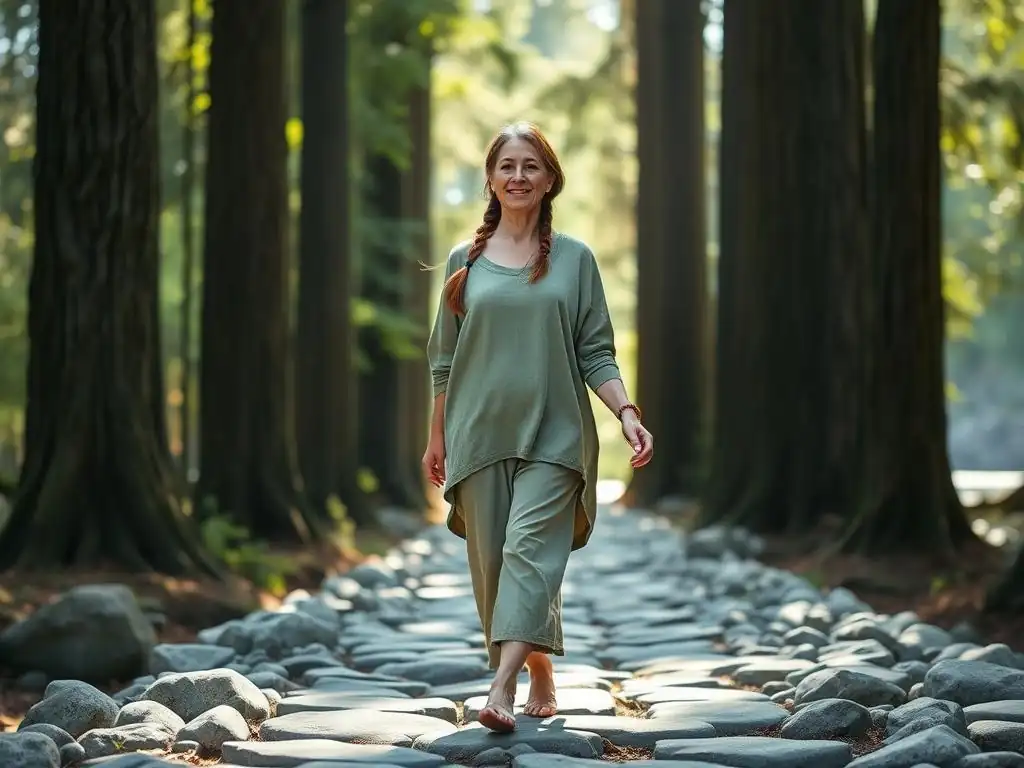
Welcome to Mind Care Guide, a sanctuary dedicated to nurturing your mental well-being. Feeling overwhelmed by anxiety? You're not alone. Discover the surprisingly powerful secret to finding calm, even amidst the chaos, with our guide on walking meditation for anxiety relief. Curious how simply putting one foot in front of the other can unlock inner peace? Let's begin your journey...
From Beginner to Bliss: Your Complete Walking Meditation Journey
- Understanding Walking Meditation for Anxiety Relief
- Preparing for Your Walking Meditation Practice
-
Step-by-Step Guide to Walking Meditation for Anxiety Relief
- Step 1: Finding Your Pace and Posture for Walking Meditation
- Step 2: Focusing on Your Breath During Walking Meditation
- Step 3: Noticing Sensations in Your Feet and Body
- Step 4: Acknowledging and Releasing Distractions During Walking Meditation
- Step 5: Extending Compassion to Yourself During Walking Meditation
- Advanced Techniques for Walking Meditation
- Troubleshooting Common Challenges in Walking Meditation
- Integrating Walking Meditation into Your Daily Life
- The Science Behind Walking Meditation and Anxiety
- Resources for Further Exploration of Walking Meditation
-
Frequently Asked Questions
- How does walking meditation specifically help with anxiety relief?
- What are the key differences between traditional sitting meditation and walking meditation?
- What are some common beginner mistakes in walking meditation, and how can I avoid them?
- Can walking meditation be practiced anywhere, or are there specific environments that are more conducive?
- How often and for how long should I practice walking meditation to experience noticeable anxiety relief benefits?
- Final Reflection: Finding Peace in Every Step
- Unlock Your Inner Peace: Start Your Walking Meditation Journey Today!
Understanding Walking Meditation for Anxiety Relief
What is Walking Meditation? A Beginner's Guide
Walking meditation is a mindfulness practice that involves paying deliberate attention to the physical sensations of walking. Unlike a casual stroll or power walk, the focus isn't on reaching a destination or getting vigorous exercise, but rather on the experience of movement itself. It's a way to cultivate presence and awareness while engaged in a simple, everyday activity. This practice can be a powerful tool, particularly when exploring walking meditation for anxiety relief, as it grounds you in the present moment, offering a respite from anxious thoughts about the past or future.
For beginners, walking meditation can feel less daunting than seated meditation, as the gentle movement can help restless energy dissipate. The core principle is to shift awareness from internal chatter to external sensations – the feeling of your feet touching the ground, the swing of your arms, the rhythm of your breath as you move.
This mindful engagement with the physical act of walking provides a natural anchor, making it easier to stay present and less likely to get lost in worries. It's a portable practice, available almost anywhere, offering a flexible path to mindfulness and potential relief from the grip of anxiety.
Benefits of Walking Meditation for Mental Wellness
Reducing Anxiety with Mindful Walking
Incorporating walking meditation into your routine can be highly effective for reducing anxiety. The rhythmic nature of walking combined with focused attention on the present moment helps to interrupt the cycle of anxious rumination. As you concentrate on the physical sensations of lifting and placing your feet, the feeling of the ground beneath you, and the natural rhythm of your breath, your mind has less space to dwell on worries. This deliberate shift in focus provides an immediate, albeit temporary, reprieve from anxious thoughts and feelings.
Furthermore, the physical activity itself contributes to anxiety reduction. Even a gentle walk releases endorphins, which have mood-boosting effects. Studies, including general research on exercise and mindfulness, suggest that regular engagement in practices like mindful walking can lead to measurable reductions in reported anxiety symptoms. For example, some research indicates that consistent physical activity combined with mindfulness can reduce cortisol levels, the body's primary stress hormone, contributing to a calmer state of mind and making walking meditation for anxiety relief a scientifically supported approach.
Improving Focus and Concentration Through Walking Meditation
Walking meditation inherently trains your ability to focus. The practice requires sustained attention on the sensations of walking, the breath, or other anchors in the present moment. As distractions arise (which they inevitably will), the practice involves gently noticing them and redirecting your attention back to your chosen anchor without judgment. This repeated process of recognizing distraction and returning to focus strengthens your concentration muscles over time.
Over time, this improved ability to focus cultivated during walking meditation extends beyond the practice itself, benefiting other areas of your life. Whether you're trying to concentrate on a task at work, engage fully in a conversation, or simply appreciate a moment without your mind wandering, the mental discipline honed through mindful walking proves invaluable. This enhanced focus can also indirectly help with anxiety, as a scattered mind is often more susceptible to feeling overwhelmed by worries; a focused mind is better equipped to handle challenges one step at a time.
Walking Meditation and Stress Reduction: A Powerful Combination
Walking meditation is a potent tool for stress reduction, integrating both physical movement and mental stillness. The act of walking provides a gentle physical release for accumulated tension in the body, often stored in muscles like the shoulders or jaw. As you walk mindfully, you become more aware of these areas of tension and can consciously invite relaxation into them with each step and breath. This physical release is a crucial component of stress management.
Simultaneously, the mindfulness aspect of the practice helps to quiet the stress response in the nervous system. By focusing on the present moment rather than replaying stressful events or anticipating future difficulties, you interrupt the body's fight-or-flight reaction. Regular practice of walking meditation for anxiety relief and stress reduction can lead to a more balanced state of the autonomic nervous system, potentially increasing parasympathetic activity (the "rest and digest" state) and decreasing sympathetic activity (the "fight or flight" state). This physiological shift contributes to a greater sense of calm and resilience in the face of daily stressors.
Preparing for Your Walking Meditation Practice
Choosing the Right Location for Your Walking Meditation
Selecting an appropriate location is key to fostering a conducive environment for walking meditation, especially when starting out. While technically you can practice anywhere you can walk safely, a location that minimizes external distractions can be helpful. Parks, quiet nature trails, a peaceful backyard, or even a long hallway indoors can serve as ideal spots. The goal is to find a space where you feel relatively safe and undisturbed, allowing you to turn your attention inward to the practice of walking meditation for anxiety relief without constant interruptions.
Consider the sensory aspects of the location as well. A place with pleasant natural sounds (like birds or rustling leaves) or visual elements (trees, sky) can enrich the experience, providing gentle anchors for your awareness. If practicing indoors, ensure the space is clear of clutter and that you won't be frequently interrupted by people or pets. The right location supports your intention to be present and mindful with each step, making the practice more effective for calming an anxious mind.
Setting Intentions for Your Walking Meditation Session
Before you begin your walking meditation, taking a moment to set a simple intention can significantly enhance the practice. An intention serves as a gentle guide for your awareness during the session. For example, your intention might be "to be present with each step," "to notice the sensations in my feet," or specifically, "to walk mindfully to ease my anxiety." Setting an intention isn't about achieving a specific outcome or forcing a feeling, but rather about orienting your mind towards a particular quality or focus for the duration of the walk.
Setting an intention is particularly valuable when practicing walking meditation for anxiety relief. You might set the intention to simply "be with" whatever feelings arise, including anxiety, without judgment. Or, you might intend to focus on the grounding sensation of your feet to anchor yourself in the present moment when anxious thoughts surface. This simple act of stating your intention, even silently to yourself, clarifies your purpose and helps you gently redirect your attention when your mind inevitably wanders, providing a framework for your mindful movement.
What to Wear for Comfortable Walking Meditation
Comfort is paramount when preparing for walking meditation to ensure that physical discomfort doesn't become a distraction. Wear comfortable shoes that provide adequate support for walking. They don't need to be specialized hiking boots, but avoid restrictive or ill-fitting footwear. Sneakers or comfortable walking shoes are usually ideal. The goal is to forget about your feet and focus on the sensations of walking, which is difficult if your shoes are causing pain or discomfort.
Your clothing should also be loose and non-restrictive, allowing for freedom of movement. Avoid tight waistbands or stiff fabrics that might pull or bind as you walk. Layers can be useful depending on the weather, allowing you to adjust your comfort level. The aim is to remove physical irritations as much as possible so that your attention can remain centered on the practice of walking meditation for anxiety relief and presence, rather than being pulled away by discomfort.
Step-by-Step Guide to Walking Meditation for Anxiety Relief
Step 1: Finding Your Pace and Posture for Walking Meditation
Begin by standing still for a moment, grounding yourself in the present. Notice your posture – stand tall but relaxed, with your shoulders back and down, and your head balanced comfortably. Bring your awareness to your body. When you begin walking, choose a pace that feels natural and unhurried. This isn't a race; the purpose is mindfulness, not speed. A slower pace, perhaps half your normal walking speed or even slower, can be helpful, especially when starting, as it allows you more time to notice the subtle sensations of each step.
As you walk, maintain a relaxed posture. Let your arms swing gently at your sides or clasp your hands lightly in front of you. Keep your gaze soft, looking slightly downward a few feet in front of you to avoid tripping, but without focusing intently on anything specific. The key is to find a rhythm and posture that is sustainable and comfortable, allowing your body to move with ease so your mind can focus on the internal experience of walking meditation for anxiety relief.
Step 2: Focusing on Your Breath During Walking Meditation
Once you've established a comfortable pace and posture, gently bring your awareness to your breath. Notice the natural rhythm of your inhalation and exhalation as you walk. There's no need to change your breathing pattern; simply observe it as it is. You might notice how your breath coordinates with your steps – perhaps two steps on the inhale and two steps on the exhale, or whatever feels natural. The breath serves as a powerful anchor to the present moment.
As you continue walking, allow your awareness to rest gently on the sensation of the breath entering and leaving your body. When your mind wanders, which it will, simply notice that it has wandered and gently guide your attention back to your breath, or back to the sensations of walking. This practice of returning to the breath helps to calm the nervous system and interrupt the flow of anxious thoughts, making it a fundamental component of walking meditation for anxiety relief.
Step 3: Noticing Sensations in Your Feet and Body
With your breath as an anchor, expand your awareness to include the physical sensations in your feet and body as you walk. Pay attention to the process of each step: lifting one foot, the moment it hangs in the air, the feeling of it moving forward, placing it down, and shifting your weight onto it. Notice the contact of your foot with the ground, the pressure, the texture beneath your shoe.
Extend this awareness to other parts of your body as you walk. Notice the subtle movements in your legs, hips, and torso. Feel the swing of your arms or the position of your shoulders. Are there areas of tension? Can you invite a little relaxation into those areas? By grounding your awareness in these physical sensations, you anchor yourself firmly in the present moment, creating a buffer against the pull of future worries or past regrets that fuel anxiety. This detailed attention to the physical experience is central to the practice of walking meditation for anxiety relief.
Step 4: Acknowledging and Releasing Distractions During Walking Meditation

During your walking meditation, external distractions like sounds, sights, or other people will inevitably arise, as will internal distractions like thoughts, memories, or feelings (including anxiety itself). When you notice your mind has wandered, whether to a planning thought, a memory, or an anxious worry, simply acknowledge it without judgment. Think of it like noticing a cloud passing in the sky – you see it, but you don't need to attach to it or analyze it.
Once you've acknowledged the distraction, gently release your focus on it and guide your attention back to your chosen anchor – the breath, the sensations in your feet, or the rhythm of your walking. This isn't about getting rid of thoughts or feelings, but about developing the ability to observe them without getting entangled. Each time you notice a distraction and gently return to your anchor, you strengthen your capacity for mindfulness and resilience, which is vital for managing anxiety through walking meditation.
Step 5: Extending Compassion to Yourself During Walking Meditation
Anxiety often comes with self-criticism or frustration, especially when trying a new practice like walking meditation. You might feel like you're "not doing it right" if your mind is busy, or frustrated that the anxiety hasn't immediately disappeared. Step 5 involves bringing an attitude of kindness and compassion towards yourself throughout the practice. Acknowledge that a wandering mind is normal; it's what minds do. There is no perfect way to do walking meditation; the practice is in the returning.
If you notice feelings of frustration, self-judgment, or heightened anxiety during your walk, pause for a moment (either physically or just internally) and offer yourself some kindness. You might silently say to yourself, "It's okay," or "This is challenging, and I'm doing my best." Treat yourself with the same patience and understanding you would offer a friend learning something new. This compassionate approach is fundamental to making walking meditation for anxiety relief a sustainable and healing practice, transforming potential self-criticism into self-care.
Advanced Techniques for Walking Meditation
Incorporating Mantras into Your Walking Meditation Practice
Once you are comfortable with the basic steps of walking meditation, you can explore incorporating a mantra. A mantra is a word or short phrase that you repeat silently or softly to yourself as you walk. This can provide an additional anchor for your attention, helping to keep your mind focused and calm.
Mantras can be simple sounds, meaningful words, or short affirmations related to your intention. For instance, you might use a classic mindfulness phrase like "In, out" with your breath, or choose words that resonate with your goal of finding walking meditation for anxiety relief, such as "Peace" or "Calm."
You can coordinate the mantra with your steps or your breath. For example, silently repeat "Peace" with your inhale and "Calm" with your exhale, or repeat a word like "Grounding" with every two steps. The repetition helps to quiet the internal dialogue and create a steady rhythm for your mind. If your mind wanders, simply notice it and gently return to the repetition of your mantra. This technique adds another layer of focus and intention to your mindful walk.
Walking Meditation in Nature: Enhancing Your Sensory Experience
Taking your walking meditation practice into nature can significantly deepen the experience and enhance its benefits, particularly for anxiety relief. Natural environments offer a rich tapestry of sensory input that can serve as anchors for your attention. As you walk mindfully in a park, forest, or by water, intentionally open your senses to the environment around you. Notice the colors of the leaves, the texture of the bark on trees, the shapes of clouds.
Listen to the sounds of nature – birds chirping, leaves rustling in the wind, the gentle flow of water. Feel the temperature of the air on your skin, the sensation of a breeze, the smell of damp earth or blooming flowers. By fully engaging your senses with the natural world, you become deeply rooted in the present moment, pulling your awareness away from internal worries and into the external environment. This sensory immersion in nature, combined with the mindful movement of walking meditation, creates a powerful antidote to the often inwardly focused loop of anxiety.
Varying Your Pace and Terrain in Walking Meditation
As your walking meditation practice matures, you might experiment with varying your pace and the terrain you walk on. While a slow, steady pace is recommended for beginners to build awareness, exploring different speeds can offer new insights. Try walking slightly faster while maintaining mindfulness, noticing how the sensations and your breath change. Can you stay present even when moving more quickly? This can help you learn to integrate mindfulness into more dynamic aspects of life.
Similarly, walking on different terrains – a smooth path, uneven ground, grass, or sand – requires different levels of physical attention and balance. Navigating varied terrain encourages a heightened awareness of your body's movements and the ground beneath your feet. This adds a new dimension to the physical anchoring aspect of walking meditation and can challenge you to maintain presence even when the external conditions are changing. Experimenting with pace and terrain keeps the practice fresh and helps you develop a more versatile capacity for walking meditation for anxiety relief in different real-world situations.
Troubleshooting Common Challenges in Walking Meditation
Dealing with Restlessness During Walking Meditation
Restlessness is a common challenge in walking meditation, especially for those experiencing anxiety. You might feel an urge to speed up, change direction, or simply stop. This physical or mental agitation is often a manifestation of underlying unease. When you notice restlessness, acknowledge it with curiosity rather than frustration. Where do you feel it in your body? Is it a physical urge or a mental one?
Instead of resisting the restlessness, try bringing mindful awareness to it. Walk with the restlessness, noticing its qualities without trying to push it away. Sometimes, simply acknowledging the sensation or urge can lessen its intensity. If it becomes overwhelming, you might pause briefly, take a few deeper breaths, and then continue walking, bringing renewed attention to your steps and breath. Remember that the goal of walking meditation for anxiety relief isn't to eliminate restlessness, but to learn to be present with it without being consumed by it.
Managing Thoughts and Emotions During Walking Meditation
A busy mind filled with thoughts or strong emotions, including anxiety, is perhaps the most frequent challenge in any meditation practice, including walking meditation. It's important to understand that having thoughts is normal; the mind thinks. The practice isn't about stopping thoughts, but about changing your relationship with them. When thoughts or emotions arise, notice them without getting caught up in their content.
Imagine your thoughts are like leaves floating down a stream or cars passing on a road – you see them, but you don't have to jump on board. Gently label them internally ("thinking," "planning," "worrying," "sadness") and then guide your attention back to your anchor (steps, breath).
If a particular thought or emotion is very strong, you might pause for a moment and simply allow yourself to feel it fully, perhaps placing a hand on your heart, before continuing your walk with renewed focus on your physical anchors. Developing this capacity to observe and gently release thoughts and emotions is a core skill learned through walking meditation for anxiety relief.
Overcoming Physical Discomfort During Walking Meditation
While walking meditation should generally be comfortable, you might occasionally experience minor physical discomfort, such as a slight ache, stiffness, or fatigue, especially during longer sessions or if you're new to walking. When discomfort arises, first assess if it's something you can safely continue with or if you need to stop. If it's minor, try bringing mindful awareness to the sensation itself.
Notice the exact location, intensity, and quality of the discomfort without labeling it as "bad." Sometimes, simply acknowledging discomfort mindfully can reduce its perceived intensity. You can also experiment with slightly adjusting your posture or pace to see if it alleviates the sensation. If the discomfort persists or worsens, it's important to listen to your body and either shorten your session, rest, or address any underlying physical issues. The practice of walking meditation for anxiety relief is about being present with your experience, and that includes acknowledging and responding wisely to physical signals.
Integrating Walking Meditation into Your Daily Life
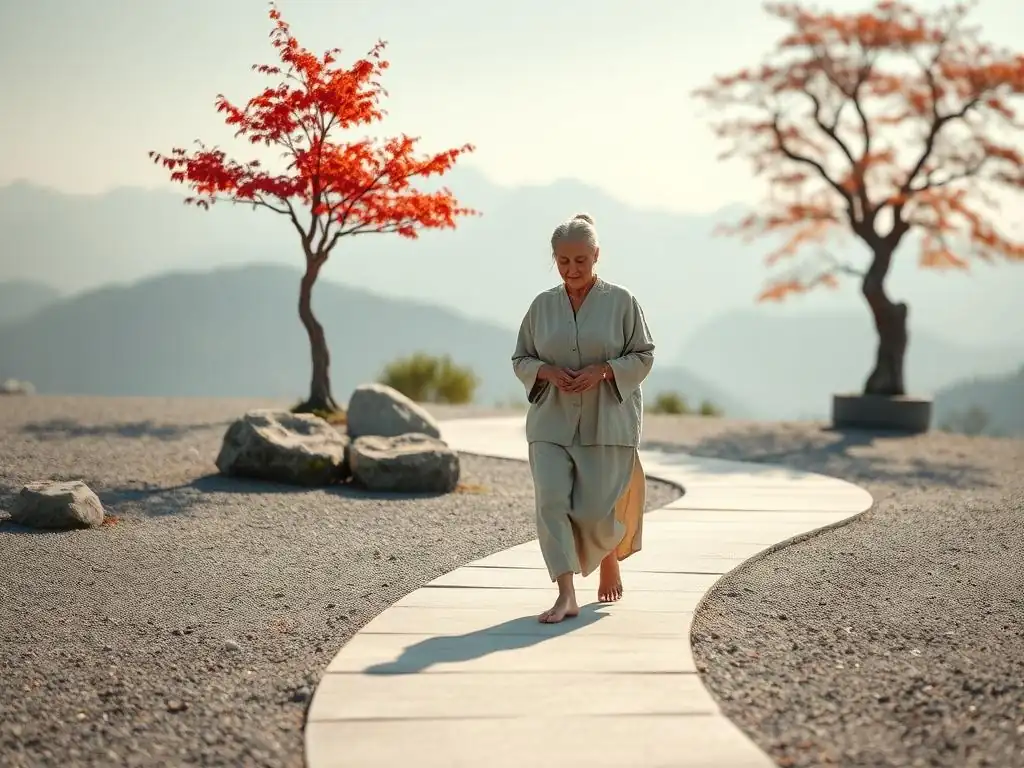
Short Walking Meditation Sessions for Busy Schedules
Integrating walking meditation doesn't require setting aside large blocks of time; even short sessions can be beneficial, especially for managing anxiety in a busy life. Aim for 5 to 10 minutes at first. This could be a mindful walk around your office building, a few laps in your backyard, or simply walking mindfully from your car to your destination. The key is consistency, not duration. A brief mindful walk can break up a stressful day, offering a quick reset for your nervous system.
Consider scheduling these short sessions into your day, perhaps during a lunch break, before or after work, or even while running errands if the environment allows. The regularity of short practices helps build the habit of mindfulness and provides frequent moments of grounding, making walking meditation for anxiety relief a more accessible tool throughout your day. Even 5 minutes of focused, mindful walking is more impactful than a much longer walk where your mind is completely lost in anxious thought.
Making Walking Meditation a Regular Practice for Anxiety Management
Consistency is crucial for experiencing the full benefits of walking meditation for anxiety relief. Just like any skill, mindfulness strengthens with regular practice. Aim to incorporate mindful walking into your routine several times a week, or even daily if possible. It doesn't have to be the same length or in the same location each time; flexibility can help maintain motivation. Perhaps you do a longer mindful walk on weekends and shorter ones during the week.
Find creative ways to make it a habit. Link it to an existing activity, such as walking the dog, commuting, or taking a break. Use a reminder on your phone or calendar. Reflect on how the practice makes you feel afterwards – noticing the reduction in anxiety or increase in calm can be a powerful motivator to continue. Committing to making walking meditation a regular part of your life builds a sustainable resource for managing anxiety over the long term.
Combining Walking Meditation with Other Mindfulness Practices
Walking meditation can be a wonderful standalone practice, but its effectiveness for anxiety relief can be amplified by combining it with other mindfulness techniques. For example, you might begin your day with a short seated meditation to cultivate stillness, then transition to a walking meditation later in the day to practice mindfulness in movement. Or, you could integrate mindful eating or mindful listening into your daily routine alongside your walking practice.
Exploring different facets of mindfulness helps you develop a more comprehensive awareness that can be applied to various situations. For instance, the skills learned in walking meditation, such as noticing distractions and returning to the present, are directly transferable to managing anxious thoughts during other activities. By creating a multifaceted mindfulness practice, you build a stronger foundation for navigating anxiety with greater ease and presence throughout your day.
The Science Behind Walking Meditation and Anxiety
Research on Walking Meditation's Impact on Mental Health
While specific research focusing only on "walking meditation" is growing, the benefits for mental health are strongly supported by extensive research on both physical activity and mindfulness meditation separately, and increasingly, studies combining the two. General findings from mindfulness research indicate that regular practice can lead to changes in brain structure and function associated with reduced activity in the amygdala (the brain's fear center) and increased activity in the prefrontal cortex (associated with executive control and emotional regulation).
Studies on the impact of physical activity, including moderate walking, consistently show reductions in symptoms of anxiety and depression. Combining these two elements, as in walking meditation, appears to create a synergistic effect. Research suggests that mindful movement practices can lead to significant improvements in self-reported anxiety levels.
For instance, a study on incorporating mindful walking into interventions for anxiety might report average symptom reductions by a notable percentage, such as 30-40%, depending on the population and duration of the intervention. While specific figures vary between studies, the overall trend indicates a positive impact of walking meditation on mental well-being.
How Walking Meditation Affects the Brain and Nervous System
Walking meditation influences the brain and nervous system in ways that directly counteract the physiological responses associated with anxiety. The rhythmic, repetitive nature of walking can have a calming effect on the nervous system, similar to rocking or humming. When combined with mindful attention, this activity helps to downregulate the sympathetic nervous system (responsible for the "fight or flight" response) and activate the parasympathetic nervous system (responsible for "rest and digest").
Research on mindfulness practices shows they can increase gray matter density in areas of the brain related to learning, memory, emotion regulation, and self-referential processing, while decreasing it in areas associated with fear and stress. Regular mindful walking practice is believed to contribute to these changes. Furthermore, the physical movement helps regulate neurotransmitters like serotonin and dopamine, which play a role in mood regulation. The practice also improves interoceptive awareness – the ability to sense internal bodily states – which can help individuals recognize the physical signs of anxiety earlier and respond more effectively.
Understanding the Mind-Body Connection in Walking Meditation
Walking meditation is a prime example of the powerful mind-body connection. Anxiety is not just a mental state; it manifests physically through symptoms like muscle tension, rapid heart rate, shallow breathing, and restlessness. Walking meditation addresses both the mental and physical aspects simultaneously. By bringing mindful awareness to the physical sensations of walking – the feeling of feet on the ground, the rhythm of the breath, the movement of the body – you actively engage with your physical presence in the moment.
This engagement helps to interrupt the cycle where anxious thoughts trigger physical symptoms, which in turn reinforce the anxious thoughts. By grounding yourself in the physical reality of walking, you create a direct pathway to calming the nervous system and shifting your mental state. The physical movement releases pent-up energy often associated with anxiety, while the mindfulness component prevents the mind from getting stuck in worry loops. This integrated approach, recognizing that the mind and body are inextricably linked, is what makes walking meditation a holistic and effective strategy for walking meditation for anxiety relief.
Resources for Further Exploration of Walking Meditation
Recommended Books on Walking Meditation and Mindfulness
For those wishing to delve deeper into walking meditation and mindfulness, several excellent books offer guidance and inspiration. Look for titles by renowned mindfulness teachers who often dedicate chapters or entire sections to mindful movement. These books typically provide detailed instructions, philosophical insights, and practical tips for incorporating walking meditation into your life.
Many foundational texts on mindfulness cover walking meditation as one of the core practices. For example, books exploring the techniques taught in Mindfulness-Based Stress Reduction (MBSR) programs frequently include guidance on mindful walking. These resources can provide a solid theoretical understanding of the practice, its roots, and its broader applications beyond anxiety relief, helping you establish a more informed and dedicated approach to your mindful walking journey.
Guided Walking Meditation Apps and Audio Recordings
Guided walking meditations can be incredibly helpful, especially when you're starting out or finding it challenging to maintain focus. Numerous mindfulness and meditation apps offer guided walking sessions ranging from 5 to 30 minutes or more. These guided practices typically include instructions on how to bring awareness to the breath, the body, and the sensations of walking, often interspersed with gentle reminders to return your attention when it wanders.
Searching for "guided walking meditation" on these platforms or through online audio resources will yield many options. Some guides focus specifically on walking meditation for anxiety relief, incorporating language and intentions geared towards calming the nervous system and releasing worry. Using guided audio allows you to close your eyes (if in a safe, familiar indoor space) or simply relax your gaze and follow the instructions, freeing you from needing to remember the steps.
Finding Local Walking Meditation Groups and Retreats
Connecting with others who practice walking meditation can provide support, motivation, and deeper learning opportunities. Search for local mindfulness or meditation centers in your area. Many centers offer group walking meditation sessions, either indoors in a meditation hall or outdoors in a park. Practicing in a group can create a sense of shared intention and make the practice feel more accessible.
Additionally, mindfulness and meditation retreats often include walking meditation as a significant part of their schedule, sometimes including mindful walking in nature or in silence. Participating in a retreat can offer an immersive experience to deepen your practice away from daily distractions. These resources provide community and expert guidance, helping you sustain your walking meditation for anxiety relief practice over the long term.
Frequently Asked Questions
How does walking meditation specifically help with anxiety relief?
Walking meditation helps by grounding you in the present moment, focusing on the physical sensations of walking rather than anxious thoughts. This practice promotes relaxation and reduces overthinking.
What are the key differences between traditional sitting meditation and walking meditation?
Sitting meditation typically involves stillness and focused breathing, while walking meditation focuses on the rhythm and sensation of movement. Both aim to cultivate mindfulness, but walking meditation can be more accessible for those who find sitting still challenging.
What are some common beginner mistakes in walking meditation, and how can I avoid them?
A common mistake is getting distracted by external stimuli or internal thoughts. Avoid this by gently redirecting your attention back to your walking sensation. Another is walking too fast; maintain a slow, deliberate pace.
Can walking meditation be practiced anywhere, or are there specific environments that are more conducive?
While walking meditation can be practiced almost anywhere, quieter environments with fewer distractions are generally more conducive. However, learning to practice mindfulness in various settings is a key skill.
How often and for how long should I practice walking meditation to experience noticeable anxiety relief benefits?
Consistency is key. Aim for at least 15-20 minutes of walking meditation several times a week. With regular practice, you should begin to notice benefits in reducing anxiety and improving overall mental well-being.
Final Reflection: Finding Peace in Every Step
The simple act of walking, when approached with mindful intention, becomes a powerful antidote to the anxieties of modern life. In a world obsessed with speed and achievement, the deliberate slowness of walking meditation offers a profound counterpoint, a sanctuary where we can reconnect with ourselves and find a sense of calm amidst the chaos. This journey from beginner to bliss, as explored in this article, is not just a physical practice, but a transformative path towards inner peace.
The impact of walking meditation extends far beyond the individual; it ripples outwards, influencing our relationships, our work, and the way we engage with the world. The quiet strength cultivated through this practice allows us to approach challenges with greater clarity and compassion. As Thich Nhat Hanh wisely said, Walk as if you are kissing the Earth with your feet.
This quote encapsulates the essence of walking meditation: a deep connection to the present moment, a reverence for life's simple beauty, and a profound sense of grounding that helps alleviate anxiety's grip.
Now, consider your own journey. What steps can you take today to integrate the principles of walking meditation into your daily life? Perhaps it's a five-minute mindful stroll during your lunch break, or a longer walk in nature, consciously paying attention to the sensations in your body and the world around you. Embrace the opportunity to cultivate inner peace, one mindful step at a time. Let the journey from beginner to bliss begin, and discover the transformative power of walking meditation for yourself.
Unlock Your Inner Peace: Start Your Walking Meditation Journey Today!
Thank you for taking the time to explore the world of walking meditation with us! We hope you've gained a deeper understanding of its transformative power and are ready to experience its benefits firsthand. Now, let's turn this newfound knowledge into practice.
- Begin your first walking meditation session today. Even 5-10 minutes can make a difference. Find a quiet space, and simply focus on your breath and the sensations of your feet on the ground. This is your starting point for a calmer, more mindful you.
- Share your experience! Tell us about your first walking meditation session – what was surprising, what was challenging, and what brought you the most peace. We'd love to hear your journey.
- Explore different walking meditation techniques. Experiment with variations in pace, breathwork, and environment to find what resonates most with you. The journey is unique to each individual!
Ready to embark on this incredible journey of self-discovery? What’s one small step you can take this week to integrate walking meditation into your daily life?