
The Power of Now: Using Mindfulness to Anchor Yourself During Anxiety

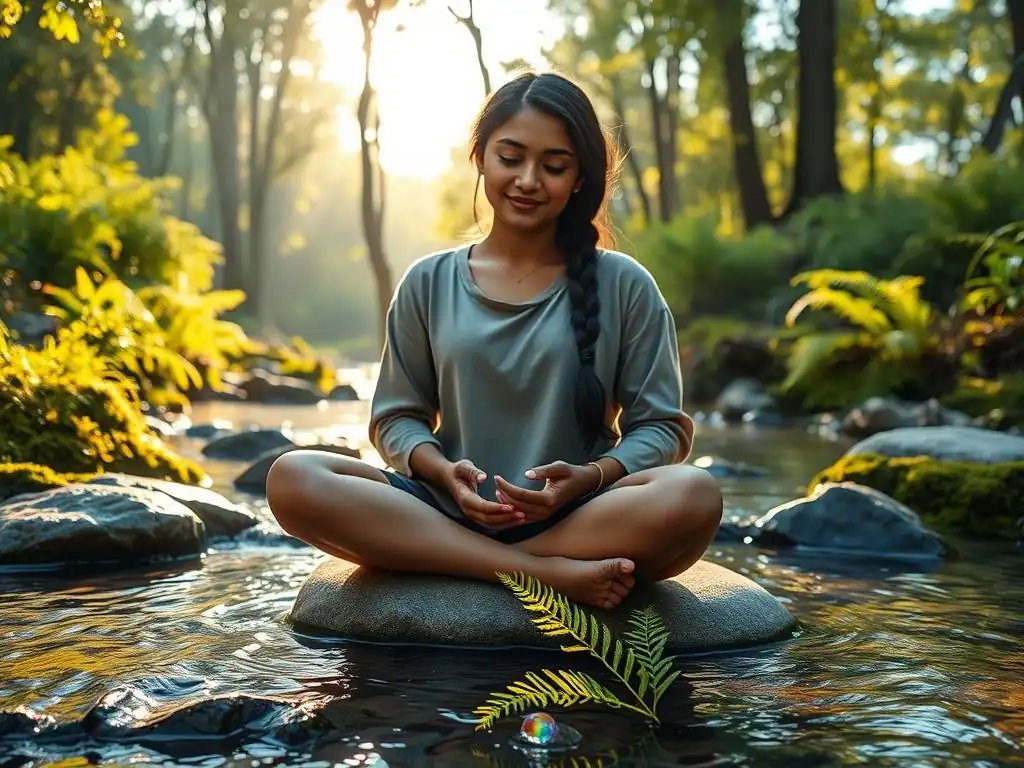
Welcome to Mind Care Guide, a space dedicated to nurturing your mental well-being.
Feeling overwhelmed by anxiety? You're not alone. In The Power of Now, we explore practical Mindfulness anxiety relief techniques that can help you anchor yourself in the present moment and find a sense of calm amidst the storm. Discover how cultivating mindfulness can be a powerful tool in managing anxiety and reclaiming your inner peace. Ready to begin your journey to a more grounded and centered you?
Managing Anxiety: Mindfulness-Based Strategies
Anxiety is a pervasive challenge in modern life, often leaving individuals feeling overwhelmed, disconnected, and powerless. While it's a natural human response to stress or perceived threats, chronic or excessive anxiety can significantly impair quality of life. Many seek effective ways to manage this distress, and mindfulness anxiety relief techniques have emerged as a promising path. This article explores how anchoring yourself in the present moment through mindfulness can be a powerful tool in navigating the turbulent waters of anxiety.
- Understanding Anxiety and the Present Moment
- Core Principles and Techniques of Mindfulness
- Practical Mindfulness Exercises for Anxiety Reduction
- Integrating Mindfulness into Daily Life
- Benefits of Mindfulness for Anxiety
- Mindfulness Compared to Other Anxiety Management Techniques
- Resources for Continued Learning
-
Frequently Asked Questions
- How does mindfulness help with anxiety?
- What are some simple mindfulness anxiety relief techniques I can try?
- How often should I practice mindfulness for anxiety relief?
- What if I find it difficult to quiet my mind during mindfulness practice?
- Where can I find more resources and support for mindfulness and anxiety?
- Final Reflection: Embracing the Present Moment to Conquer Anxiety
- Unlock Your Inner Calm: Practical Steps to Mindfulness
Understanding Anxiety and the Present Moment
Anxiety often pulls us away from the present, either dwelling on past regrets or future uncertainties. It's a state of being caught between 'what was' and 'what might be,' leaving little room for 'what is.' Understanding this dynamic is the first step in utilizing mindfulness anxiety relief techniques effectively.
Defining Anxiety and Its Impact
Anxiety is characterized by feelings of worry, nervousness, or unease, typically about an imminent event or something with an uncertain outcome. It manifests physically through symptoms like a racing heart, sweating, trembling, shortness of breath, and muscle tension. Mentally, it can involve persistent intrusive thoughts, difficulty concentrating, and a sense of impending doom.
Globally, it's estimated that millions of people experience anxiety disorders each year, making it one of the most common mental health conditions. For instance, a significant percentage of adults, perhaps around 1 in 5 in many Western countries, report experiencing an anxiety disorder in any given year, highlighting its widespread impact.
The impact of anxiety extends far beyond just feeling worried. It can disrupt sleep patterns, affect appetite, strain relationships, and hinder performance at work or school. Chronic anxiety can even contribute to other health issues over time. The relentless nature of anxious thoughts and feelings can make it difficult to enjoy daily life, leading to avoidance behaviors that further restrict one's world. It's a state of perpetual alert, exhausting both the mind and body.
The Anxiety Feedback Loop: Thoughts, Feelings, and Behaviors
Anxiety often operates as a self-perpetuating cycle. An anxious thought arises, perhaps "What if I fail this presentation?". This thought triggers physical sensations like a knot in your stomach and a rapid heartbeat. These physical feelings are then interpreted by the mind, often leading to more anxious thoughts, such as "My heart is racing, something is wrong," or "I can't handle this." This reinforces the initial thought, intensifying the feelings, and can lead to behaviors like avoiding the situation entirely or engaging in excessive reassurance seeking. This loop can spin rapidly, escalating anxiety levels quickly.
Breaking this feedback loop is crucial for managing anxiety. The cycle thrives on reactivity – reacting to thoughts as facts and feelings as dangers. Mindfulness offers a way to step outside this loop by observing the thoughts and feelings without immediately reacting or getting swept away by them. It teaches us to notice the components of the loop – the thought, the physical sensation, the emotion – as temporary events rather than absolute truths or threats.
Mindfulness as a Tool for Anxiety Management
Mindfulness is, at its core, the practice of bringing one's attention to experiences occurring in the present moment without judgment. For anxiety management, this means learning to observe anxious thoughts and physical sensations with a sense of curiosity and acceptance, rather than fear or resistance. By anchoring attention in the present, mindfulness helps to interrupt the automatic leap from an anxious thought to a full-blown panic response. It creates space between the stimulus (the thought or feeling) and the reaction.
Regular practice of mindfulness anxiety relief techniques can help to rewire the brain's response to stress. Studies using fMRI have shown that mindfulness meditation can lead to changes in brain regions associated with anxiety and emotional regulation, such as the amygdala (the brain's fear center) and the prefrontal cortex. Over time, this can result in a reduced intensity and frequency of anxious episodes, building resilience and a greater sense of calm even when challenges arise.
Core Principles and Techniques of Mindfulness
Mindfulness is more than just a technique; it's a way of being. Understanding its foundational principles is key to effectively applying mindfulness anxiety relief techniques in daily life. These principles guide the practice and help cultivate a different relationship with difficult experiences like anxiety.
Defining Mindfulness: Awareness and Acceptance
Mindfulness is often defined as paying attention, on purpose, to the present moment, non-judgmentally. The two central pillars are awareness and acceptance. Awareness involves noticing what is happening right now – the sensations in your body, the thoughts in your mind, the sounds around you, the emotions you are feeling.
It's about waking up to your direct experience. Acceptance doesn't mean liking or condoning what you are experiencing; it means acknowledging its presence without resistance or trying to push it away. For someone with anxiety, this means acknowledging the feeling of unease or the worried thought without immediately trying to fix it or escape it.
Cultivating awareness helps you recognize the early signs of anxiety before they become overwhelming. Practicing acceptance allows you to sit with discomfort without adding layers of judgment ("I shouldn't feel this way") or fear ("This feeling will never end"), which often fuel anxiety. Together, awareness and acceptance provide a stable foundation from which to explore and relate to anxious experiences in a new way, making mindfulness anxiety relief techniques truly effective.
Foundational Principles: Non-Judgment, Acceptance, and Beginner's Mind
Beyond the core definition, several principles deepen the practice of mindfulness. Non-judgment is crucial – observing thoughts, feelings, and sensations without labeling them as good or bad, right or wrong. This is particularly challenging with anxiety, as anxious thoughts are often highly self-critical or catastrophic. Practicing non-judgment means noticing the thought "I'm a failure" simply as a thought, not as an absolute truth about yourself. Acceptance, as mentioned, is acknowledging reality as it is, moment by moment, without resistance. This doesn't mean resignation, but rather a willingness to face your current experience.
Beginner's Mind is another vital principle – approaching each moment with curiosity, as if you were experiencing it for the first time. When applying mindfulness anxiety relief techniques, this means letting go of preconceived notions about anxiety or mindfulness itself. Instead of thinking "I've tried this before and it didn't work" or "I'm always anxious, nothing helps," you approach the present moment with openness to whatever arises. Other principles include patience, trust (in yourself and the process), non-striving (not trying to force a particular outcome), and letting go (releasing the need to hold onto certain experiences or resist others).
Sensory Awareness: Anchoring in the Present
One of the most accessible ways to practice mindfulness and anchor yourself during anxiety is through sensory awareness. When anxiety pulls your mind into worries about the future or ruminations about the past, focusing on your senses immediately brings you back to the physical reality of the present moment.
This can involve consciously noticing what you see, hear, smell, taste, and feel through touch right now. For example, you might focus on the feeling of your feet on the floor, the texture of the chair you're sitting on, the sounds of traffic or birds outside, or the taste of a drink.
Engaging the senses acts as a powerful anchor, pulling your attention away from the abstract world of anxious thoughts and into the concrete, tangible world around you. This simple act can disrupt the anxiety feedback loop and create a moment of calm. Many mindfulness anxiety relief techniques start with or incorporate sensory awareness, as it's a fundamental way to ground yourself when feeling overwhelmed by internal distress. It's a portable practice you can use anytime, anywhere.
Practical Mindfulness Exercises for Anxiety Reduction
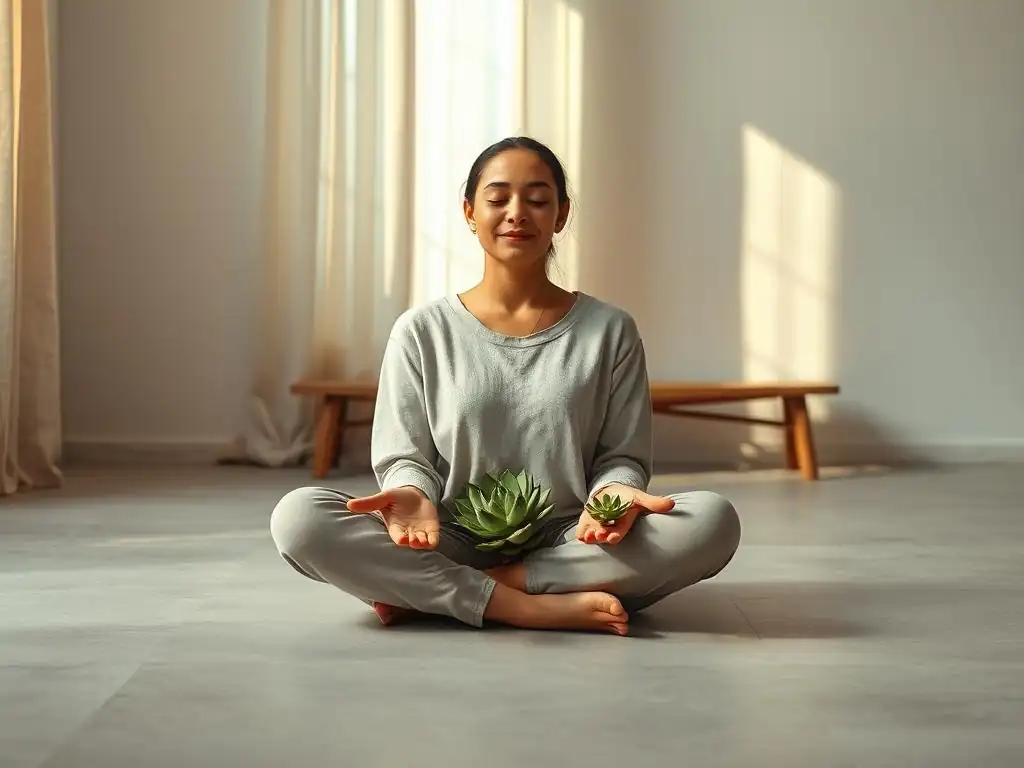
Applying mindfulness principles through regular practice is key to developing its benefits for anxiety. A variety of exercises can help cultivate the skills of awareness, acceptance, and present-moment focus. These mindfulness anxiety relief techniques can be practiced formally during dedicated meditation sessions or informally throughout the day.
Focused Attention Meditation: Breath Awareness Practice
Focused attention meditation involves directing your attention to a single object, most commonly the breath. The breath is an ideal anchor because it is always present and reflects your current state (calm or agitated). In this practice, you simply focus on the physical sensations of breathing – the rise and fall of your abdomen or chest, the feeling of air entering and leaving your nostrils.
The instruction is not to control the breath, but simply to observe it as it naturally is. When your mind inevitably wanders (which it will, especially when anxious), you gently notice that it has wandered and kindly guide your attention back to the breath, without judgment.
This repeated act of noticing mind-wandering and returning to the breath is the core training. It builds the mental muscle of attention and teaches you to recognize when your mind is caught in anxious thoughts, giving you the opportunity to disengage from them and re-anchor in the present. Consistent practice, even for just 5-10 minutes daily, can strengthen your ability to redirect attention away from anxious narratives and towards the here and now.
Diaphragmatic Breathing for Anxiety Relief
While breath awareness meditation focuses on observing the natural breath, diaphragmatic breathing (also known as belly breathing) is a specific technique that can actively calm the nervous system, making it a powerful adjunct among mindfulness anxiety relief techniques. Anxiety often leads to shallow, rapid chest breathing, which can exacerbate physical anxiety symptoms. Diaphragmatic breathing involves breathing deeply into the abdomen, allowing the diaphragm to contract and the belly to expand. This signals the parasympathetic nervous system, promoting relaxation.
To practice, find a comfortable position. Place one hand on your chest and the other on your belly. Inhale slowly through your nose, feeling your belly rise as you fill your lungs with air (the hand on your chest should remain relatively still). Exhale slowly through pursed lips, gently drawing your belly button towards your spine. Focus entirely on the sensation of the breath filling and emptying your lungs and the movement of your abdomen. Practicing this for a few minutes can significantly reduce physical tension and slow down a racing heart, providing immediate relief during anxious moments.
Body Scan Meditation: Cultivating Body Awareness
Body scan meditation involves systematically bringing attention to different parts of the body, from head to toe or vice versa. The purpose is to notice physical sensations – tingling, warmth, tension, coolness, pressure – without trying to change them. You simply observe what is present in each area. This practice helps to cultivate a greater awareness of bodily sensations, which can be particularly useful for anxiety, as physical symptoms are often prominent. Instead of automatically reacting to physical discomfort with fear, the body scan teaches you to observe these sensations with curiosity and acceptance.
By regularly practicing the body scan, you become more attuned to the subtle ways anxiety manifests physically. You might notice tension building in your shoulders or a tightness in your chest earlier than before. This increased awareness allows you to respond sooner with mindfulness anxiety relief techniques, rather than waiting until the physical sensations are overwhelming. It also helps to ground you firmly in the present moment by directing attention away from mental chatter and towards the tangible experience of the body.
Mindful Movement: Walking Meditation
Mindfulness doesn't require sitting still. Mindful movement, such as walking meditation, allows you to bring awareness to the physical sensations of movement and the environment around you. This can be a dynamic way to practice mindfulness anxiety relief techniques, especially if sitting meditation feels too challenging when you're feeling restless or agitated. During a walking meditation, you pay attention to the sensations of lifting your foot, moving it forward, and placing it on the ground. You notice the swing of your arms, the feeling of air on your skin, the sounds around you, and the sights you pass.
If anxious thoughts arise during the walk, you simply notice them without judgment and gently bring your attention back to the physical act of walking. This practice can be done anywhere – in a park, down a hallway, or even just pacing in a room. It integrates mindfulness into physical activity, providing a dual benefit of movement's calming effects combined with the grounding power of present-moment awareness.
Observing Thoughts and Emotions Without Reacting
A core skill in using mindfulness anxiety relief techniques is learning to observe your internal experience – your thoughts and emotions – without getting caught up in them or reacting automatically. This is often described as "watching thoughts go by like clouds in the sky" or "sitting on the bank of a river and watching the leaves float downstream." The idea is to create distance from your thoughts and feelings, seeing them as temporary mental events rather than absolute reflections of reality.
When an anxious thought arises, instead of immediately believing it or engaging with it, you practice noticing it: "Ah, there is the thought that I might fail." When a difficult emotion like fear or worry arises, you notice it: "Here is the feeling of tightness in my chest and fear." By practicing this non-reactive observation, you weaken the power these thoughts and feelings have over you. You learn that you can experience them without being consumed by them, creating freedom from the automatic anxiety feedback loop. This skill is foundational for long-term anxiety management through mindfulness.
Integrating Mindfulness into Daily Life
Mindfulness is most effective when it's not just a formal practice but is woven into the fabric of your daily life. Finding ways to apply mindfulness anxiety relief techniques during ordinary activities and specifically when anxiety arises is key to experiencing lasting benefits.
Creating a Morning Mindfulness Practice
Starting your day with mindfulness can set a positive tone and build resilience against anxiety. This doesn't require a long, elaborate session. Even 5-10 minutes can make a difference. You might begin with a few minutes of focused breathing, a short body scan, or simply sitting quietly and noticing the sensations of waking up, the sounds around you, or the feeling of the air on your skin.
Establishing a consistent morning routine helps make mindfulness a habit. It provides a dedicated time to check in with yourself before the demands of the day take over. This regular practice strengthens your ability to be present and aware, making it easier to access those skills later in the day when faced with stressful or anxiety-provoking situations. It's an investment in your mental well-being.
Mindfulness During Anxious Moments: A Practical Guide
One of the most crucial applications of mindfulness anxiety relief techniques is using them in the moment when anxiety strikes. This requires practice, but it's incredibly empowering. When you notice anxiety building, pause if possible. Take a few slow, deep breaths, focusing on the sensation of the air moving in and out (diaphragmatic breathing can be helpful here). Then, gently bring your attention to your physical body – notice where you feel the anxiety. Is it in your chest, stomach, shoulders? Simply acknowledge the sensations without trying to push them away.
Next, notice the thoughts that are present. Are they worries about the future? Self-critical thoughts? Simply observe them as thoughts, perhaps silently labeling them ("worrying thought," "future planning thought"). Then, expand your awareness to your surroundings – what do you see, hear, smell, feel? This helps ground you in the present reality, which is often less threatening than the scenarios your anxious mind creates. Remember, the goal isn't to eliminate the anxiety instantly, but to relate to it differently – with awareness and acceptance, rather than fear and resistance.
Cultivating Self-Compassion for Anxiety Management
Self-compassion is a vital, often overlooked, component of using mindfulness anxiety relief techniques. Anxiety is difficult enough without adding self-criticism or judgment on top of it. Self-compassion involves treating yourself with the same kindness, understanding, and acceptance you would offer a friend who is struggling. It recognizes that suffering, including anxiety, is a common human experience and that you are not alone in feeling this way.
When anxiety arises, instead of thinking "Why can't I handle this? I'm so weak," a self-compassionate response would be "This is really hard right now. It's okay to feel anxious. Many people struggle with this." You might offer yourself a comforting gesture, like placing a hand over your heart. Research suggests that self-compassion is strongly linked to reduced anxiety and depression. By being kind to yourself during anxious moments, you reduce the secondary suffering caused by self-judgment, making the primary experience of anxiety more manageable.
Troubleshooting Common Challenges in Mindfulness Practice
Practicing mindfulness, especially when dealing with anxiety, comes with challenges. A common one is a wandering mind; it's important to remember that the goal is not to stop thoughts, but to notice when the mind wanders and gently guide it back. Another challenge is falling asleep during practice, which might indicate a need to practice in a different posture or time of day. Impatience or frustration with the process is also common; approach these feelings with curiosity and apply the principles of non-judgment and acceptance to your experience of practicing.
For individuals with severe anxiety or trauma, certain mindfulness techniques might initially feel overwhelming or even increase distress. In such cases, it's crucial to start slowly, perhaps with grounding techniques focused solely on external senses, and ideally practice under the guidance of a qualified mindfulness teacher or therapist experienced in trauma-informed care. Finding the right approach and being patient with yourself are key to overcoming obstacles and benefiting from mindfulness anxiety relief techniques.
Benefits of Mindfulness for Anxiety

Regular engagement with mindfulness anxiety relief techniques offers a wide range of benefits that extend beyond simply reducing anxious feelings. These benefits contribute to overall mental and emotional well-being, building resilience over time.
Stress Reduction and Emotional Regulation
One of the most well-documented benefits of mindfulness is its ability to reduce overall stress levels. By calming the nervous system and altering the brain's response to stressors, mindfulness helps to lower levels of stress hormones like cortisol. This leads to a greater sense of calm and stability. Furthermore, mindfulness improves emotional regulation – the ability to understand, process, and respond to emotions in a healthy way.
Instead of being overwhelmed or controlled by intense emotions like fear or worry, mindfulness helps you observe them with greater distance. This allows you to choose how to respond rather than reacting automatically. This improved capacity for emotional regulation is fundamental in managing anxiety, as it helps you navigate difficult feelings without getting swept away by them.
Increased Self-Awareness
Mindfulness practice cultivates a deeper understanding of your inner landscape – your thoughts, feelings, physical sensations, and behavioral patterns. You become more attuned to what triggers your anxiety, how it manifests in your body, and the typical narratives your mind creates when anxious. This increased self-awareness is invaluable.
With greater awareness, you can identify anxious thoughts or feelings earlier, before they escalate. You can recognize unhelpful patterns of thinking or behaving and consciously choose a different response. This self-knowledge is empowering, providing insight into your own experience and enabling you to apply mindfulness anxiety relief techniques more effectively when needed.
Improved Focus and Concentration
Anxiety often fragments attention, making it difficult to concentrate on tasks. The mind is pulled in multiple directions by worries and 'what-ifs'. Mindfulness, particularly focused attention practices like breath awareness, directly trains your ability to focus and sustain attention. By repeatedly bringing your attention back to the anchor (like the breath) each time it wanders, you strengthen the neural pathways associated with focus.
Over time, this practice leads to improved concentration not just during meditation but in daily activities. A more focused mind is less susceptible to being hijacked by anxious distractions, allowing you to engage more fully with the present moment and the task at hand. This improved focus can also help reduce anxiety related to performance or productivity.
Enhanced Sleep and Well-being
Anxiety and sleep problems often go hand-in-hand; worrying can make it difficult to fall asleep or stay asleep. Mindfulness anxiety relief techniques can significantly improve sleep quality. Practices like body scan or simple breath awareness before bed can help calm the mind and body, reducing the mental chatter that keeps you awake. By learning to observe thoughts without engaging with them, you can create mental space conducive to rest.
Beyond sleep, mindfulness contributes to overall well-being. It fosters a greater appreciation for the present moment, reduces the impact of negative thought patterns, and promotes a sense of calm and peace. Regular practice can lead to increased feelings of gratitude, contentment, and resilience, improving your overall quality of life when living with or managing anxiety.
Mindfulness Compared to Other Anxiety Management Techniques
Mindfulness is one of many effective approaches to managing anxiety. It complements and sometimes overlaps with other techniques, such as cognitive behavioral therapy (CBT), exposure therapy, medication, and lifestyle changes (exercise, diet). While CBT focuses on identifying and changing negative thought patterns and behaviors, mindfulness emphasizes observing thoughts and feelings without judgment and cultivating present-moment awareness. They can be highly complementary; mindfulness can help individuals become more aware of their thought patterns, which can then be addressed in CBT.
Unlike medication, which primarily addresses the physiological symptoms of anxiety, mindfulness works by changing your relationship with your internal experience and calming the nervous system through practice. It's an active skill-building approach. For many, a combination of approaches, tailored to individual needs, provides the most comprehensive anxiety management strategy. Mindfulness anxiety relief techniques offer a valuable, non-pharmacological tool that empowers individuals to cultivate inner resources for navigating distress.
Considerations and Precautions for Mindfulness Practice
While generally safe and beneficial, it's important to approach mindfulness practice with awareness, especially if you have a history of severe anxiety, trauma, or certain mental health conditions. For some individuals, particularly those with active trauma responses or severe dissociation, unstructured mindfulness that focuses heavily on internal experience might initially be destabilizing.
If you experience increased anxiety, panic, or distress during mindfulness practice, it's advisable to stop and consult with a mental health professional. They can help you determine if mindfulness is appropriate for you at this time and guide you in finding safe and effective techniques, potentially starting with grounding exercises or practicing in a therapeutic setting. It's also important to have realistic expectations; mindfulness is a practice, not a quick fix, and its benefits unfold gradually over time with consistent effort.
Resources for Continued Learning
Embarking on the path of using mindfulness anxiety relief techniques can be greatly supported by accessing various resources. These tools can provide guidance, structure, and deeper understanding as you develop your practice.
Guided Mindfulness Meditations
Guided meditations are an excellent way to begin practicing mindfulness. An instructor guides you through the steps, whether it's focusing on the breath, doing a body scan, or practicing mindful movement. This can be less intimidating than trying to practice on your own and helps you learn the techniques correctly. Many guided meditations are specifically designed for anxiety reduction, focusing on calming the nervous system and cultivating acceptance of difficult feelings.
Finding a voice and style that resonates with you is helpful for consistency. There are numerous free and paid resources available online and through apps, offering meditations ranging from a few minutes to longer sessions. Starting with shorter guided practices, perhaps 5-10 minutes, can be a manageable way to build a regular habit.
Recommended Reading on Mindfulness and Anxiety
Books offer a deeper dive into the philosophy and practice of mindfulness and how it specifically applies to anxiety. Many excellent authors have written extensively on using mindfulness anxiety relief techniques. Look for books that explain the principles clearly, offer practical exercises, and potentially share insights from research or clinical practice.
Reading can provide context for your practice, help troubleshoot challenges, and deepen your understanding of why mindfulness is effective for anxiety. It can also offer encouragement and inspiration as you navigate your journey towards greater calm and well-being.
Mindfulness Apps for Practice
Mindfulness apps have become a popular and convenient resource for accessing guided meditations and tracking progress. These apps often offer a wide variety of practices, including specific programs for anxiety, sleep, stress reduction, and focus. They can make it easy to fit short mindfulness sessions into a busy schedule.
Many apps offer introductory courses that teach the basics of mindfulness and guide you through foundational techniques. Some also include features like reminders to practice, daily reflections, and community forums. While an app is just a tool, it can be a valuable aid in establishing and maintaining a consistent mindfulness practice for anxiety relief.
Frequently Asked Questions
How does mindfulness help with anxiety?
Mindfulness helps by training you to focus on the present moment without judgment. This allows you to observe anxious thoughts and feelings without getting swept away by them, leading to reduced reactivity.
What are some simple mindfulness anxiety relief techniques I can try?
Start with basic breathing exercises, focusing on the sensation of each inhale and exhale. Another technique is mindful observation of your surroundings, noting sights, sounds, and smells. You can also try body scan meditations to become more aware of physical sensations.
How often should I practice mindfulness for anxiety relief?
Consistency is key. Aim for at least 5-10 minutes of daily practice, even if you feel okay. Regular practice builds resilience and makes it easier to access mindfulness when anxiety arises. Short, consistent sessions are more effective than infrequent long ones.
What if I find it difficult to quiet my mind during mindfulness practice?
It's completely normal for your mind to wander. The goal isn't to stop thoughts, but to gently redirect your attention back to your chosen focus, like your breath. Acknowledge the thought without judgment and return to the present.
Where can I find more resources and support for mindfulness and anxiety?
Mind Care Guide offers articles, guides, and resources on various mental health topics, including mindfulness. You can also explore mindfulness apps and guided meditations online, or seek guidance from a qualified therapist.
Final Reflection: Embracing the Present Moment to Conquer Anxiety
The pervasive nature of anxiety in modern life demands effective coping mechanisms, and the power of mindfulness offers a potent antidote. This exploration of mindfulness techniques for anxiety relief highlights a crucial truth: true peace isn't found in escaping our worries, but in learning to skillfully navigate them from a place of grounded presence. The ability to anchor ourselves in the present moment is not just a trendy wellness practice; it's a fundamental skill for navigating the complexities of daily life and building resilience against overwhelming feelings.
The impact of mindfulness on our cultural landscape is undeniable, shifting from a niche practice to a widely recognized tool for stress management and emotional well-being. Its integration into various therapeutic approaches and self-help strategies underscores its growing importance. The simple act of focusing on the breath, observing sensations without judgment, can be profoundly transformative. As Jon Kabat-Zinn eloquently stated, Mindfulness means paying attention in a particular way: on purpose, in the present moment, and non-judgmentally.
This quote encapsulates the essence of this practice and its ability to gently unravel the tight grip of anxiety.
Now, consider your own relationship with anxiety. What triggers your anxious thoughts and feelings? How might you incorporate even a few minutes of mindful practice—deep breathing, body scan meditation, or simply observing your surroundings—into your daily routine? I invite you to experiment with these techniques, to discover the transformative power of presence, and to cultivate a deeper connection with yourself and the present moment. The journey towards managing anxiety is a personal one, but the tools are readily available. Embrace the power of now, and watch as your ability to navigate life's challenges grows stronger.
Unlock Your Inner Calm: Practical Steps to Mindfulness
Thanks for taking the time to explore the power of mindfulness with us! We hope you gained valuable tools to navigate anxiety and find a sense of peace. Now, let's put these insights into action.
- Prioritize a 5-minute mindfulness practice today: Even a short session can make a significant difference. Find a quiet space, focus on your breath, and notice your sensations without judgment. This is your key step to building a mindful routine.
- Share your experience: Discuss your practice with a friend or family member – sharing your journey can deepen your understanding and support your progress. You might even inspire them to join you!
- Explore guided meditations: Consider trying a guided meditation app or online resource to enhance your mindfulness practice. It’s a simple way to build confidence.
Ready to experience the transformative power of being present? What small step will you take today to cultivate more mindfulness in your life?