
Choosing a Guided Meditation Teacher: What to Look For


Welcome to Mind Care Guide, your trusted companion on the path to mental well-being.
Are you feeling overwhelmed by the search for the right guidance? Finding a meditation teacher can be a deeply personal journey, and the connection you forge is crucial for unlocking its transformative power. This can be daunting, but we're here to help. This week, we're delving into the best guided meditation teacher qualities – discover what truly makes a difference and find the perfect mentor to nurture your inner peace. Intrigued? Let's explore the key attributes that will empower you to make an informed choice and embark on a fulfilling meditation practice.
- Finding the Right Guided Meditation Teacher: Your Mind Care Guide
- Why Choosing the Right Guided Meditation Teacher Matters
-
Essential Qualities of a Good Guided Meditation Teacher: What to Look For
- Experience and Training: A Foundation for Effective Guidance
- Certification and Credentials: Validating Expertise in Meditation
- Teaching Style and Approach: Finding a Match for Your Needs
- Authenticity and Integrity: Building Trust and Connection
- Communication Skills: Clear and Engaging Guidance
- Empathy and Compassion: Creating a Safe and Supportive Space
- Knowledge of Different Meditation Techniques: Tailoring Practices to Your Needs
-
Practical Tips for Finding and Evaluating Guided Meditation Teachers
- Online Resources for Finding Qualified Meditation Teachers
- Checking Reviews and Testimonials: Gaining Insights from Others
- Asking the Right Questions: Evaluating a Teacher's Suitability
- Attending Introductory Sessions or Workshops: Experiencing Their Teaching Style
- Trusting Your Intuition: Finding a Teacher Who Resonates With You
- Avoiding Red Flags: Warning Signs to Watch Out For
- Investing in Your Mental Well-being: The Value of a Skilled Guided Meditation Teacher
-
Frequently Asked Questions
- What are the most important qualities to look for in a guided meditation teacher?
- How can I determine if a guided meditation teacher is qualified?
- What is the significance of a guided meditation teacher's voice and tone?
- Should I consider a guided meditation teacher's specialization when choosing one?
- Where can I find reputable and reliable guided meditation teachers?
- Final Reflection: Finding Your Guiding Light in Meditation
- Uncover Your Perfect Meditation Guide: Start Your Journey Now!
Finding the Right Guided Meditation Teacher: Your Mind Care Guide
Choosing a guided meditation teacher is a significant step on your path to mental well-being. The right guide can profoundly deepen your practice, offering clarity, support, and techniques tailored to your needs. As you explore the world of meditation, understanding the qualities that make a truly effective teacher is crucial. This article will help you identify the best guided meditation teacher qualities to look for, ensuring you find a guide who resonates with you and supports your journey towards inner peace and mindfulness.
Why Choosing the Right Guided Meditation Teacher Matters
Embarking on a guided meditation journey can be transformative, and the person leading you plays a central role. A skilled and compassionate teacher can illuminate the path, making complex practices accessible and helping you navigate challenges that may arise. Conversely, a mismatch or an unqualified instructor could lead to frustration, confusion, or a missed opportunity to experience the full benefits of meditation.
Benefits of Guided Meditation with a Qualified Instructor
Engaging in guided meditation led by a qualified instructor offers numerous advantages. Firstly, a good teacher provides structure and clear instructions, making it easier for beginners to quiet the mind and follow the practice. They can introduce a variety of techniques, such as body scans, breath awareness, or loving-kindness meditation, explaining the purpose and benefits of each. For instance, a teacher might guide you through a 20-minute mindfulness meditation focusing on the breath, helping you develop concentration and present-moment awareness.
Research consistently shows that regular guided meditation can significantly reduce stress and anxiety. A meta-analysis published in JAMA Internal Medicine in 2014, examining 47 studies with over 3,500 participants, found that mindfulness meditation programs showed moderate evidence of improving anxiety, depression, and pain. A skilled teacher helps make this consistency and depth achievable.
Furthermore, a qualified teacher can offer personalized insights and support that a recorded session cannot. They can answer questions about your experiences during meditation, provide feedback on your technique, and help you integrate mindfulness into your daily life. Imagine you're struggling with distracting thoughts; a teacher might offer a specific technique or reframing perspective to gently work with those thoughts rather than fight them. They create a supportive environment, whether in person or online, fostering a sense of community and accountability. This guidance is invaluable, moving beyond simple instruction to genuine mentorship on your mental well-being journey.
Potential Pitfalls of Choosing the Wrong Teacher
Selecting a guided meditation teacher who isn't the right fit or lacks proper qualifications can present significant drawbacks. One major pitfall is receiving unclear or confusing instructions, which can lead to frustration and the feeling that meditation is "too hard" or "not for you." If a teacher doesn't adequately explain the purpose behind certain techniques or how to handle common challenges like restlessness or strong emotions, students may become discouraged and abandon the practice altogether. This is particularly detrimental when seeking the stress-reducing benefits often cited in studies; poor guidance can actually increase frustration rather than decrease it.
Another risk is encountering a teacher who promotes unrealistic expectations or makes unsubstantiated claims about the benefits of meditation. While meditation offers profound benefits, it is not a magical cure-all. A teacher who promises instant enlightenment or guarantees specific outcomes without acknowledging the effort and variability involved can be misleading. Additionally, a teacher lacking empathy or understanding may create an uncomfortable or even unsafe environment, especially for individuals who may encounter difficult emotions or past traumas during practice. The qualities of a good meditation teacher extend beyond technique to include creating a safe and trustworthy space.
Essential Qualities of a Good Guided Meditation Teacher: What to Look For
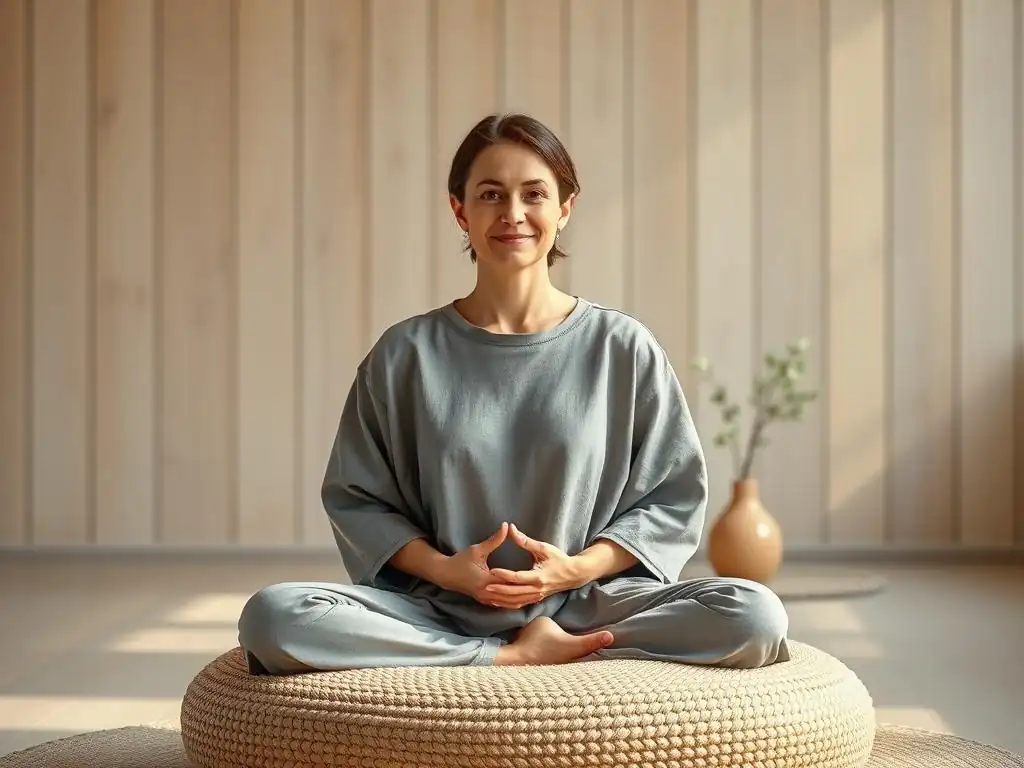
Finding the best guided meditation teacher qualities involves looking beyond just their ability to lead a session. It's about finding someone whose expertise, style, and presence resonate with you and support your specific needs and goals for mental well-being.
Experience and Training: A Foundation for Effective Guidance
Experience is a cornerstone of effective guided meditation teaching. A teacher with years of personal practice has a deeper understanding of the nuances, challenges, and profound insights that meditation can offer. Look for teachers who have a dedicated personal practice, ideally spanning several years. This personal depth often translates into more authentic and grounded guidance. For instance, a teacher who has personally navigated periods of intense restlessness during meditation is better equipped to offer empathetic and practical advice to a student facing the same issue than someone who has only read about it.
Formal training is equally important. Reputable meditation teacher training programs typically involve hundreds of hours of study, practice, and teaching methodology. Many programs require a minimum of 200 hours, with advanced certifications often requiring 500 hours or more. These programs cover not just meditation techniques but also the history, philosophy, and ethics of teaching.
They often include supervised teaching practice and feedback. While some exceptional teachers may emerge from less formal paths, structured training ensures they have a solid foundation in pedagogy and a comprehensive understanding of the practices they are teaching. Checking for participation in such programs is a key step in identifying the best guided meditation teacher qualities.
Certification and Credentials: Validating Expertise in Meditation
While not universally standardized across all forms of meditation, certification from recognized bodies can be a strong indicator of a teacher's commitment and validated expertise. Many mindfulness-based programs, such as Mindfulness-Based Stress Reduction (MBSR) or Mindfulness-Based Cognitive Therapy (MBCT), have specific certification pathways that require extensive training, supervised teaching, and ongoing professional development. Similarly, specific traditions like Transcendental Meditation or Vipassana often have their own rigorous certification processes.
Look for certifications from established meditation centers, universities offering mindfulness programs, or recognized meditation organizations. For example, someone certified by a reputable mindfulness institute has typically undergone a structured curriculum and evaluation process. While certification isn't the only measure of a good teacher, it provides an assurance that they have met certain standards of training and competence. It helps validate their knowledge and ability to safely and effectively guide others, contributing significantly to the best guided meditation teacher qualities.
Teaching Style and Approach: Finding a Match for Your Needs
A teacher's style and approach are crucial for finding a good fit. Some teachers are very structured and methodical, breaking down techniques into clear steps. Others might be more intuitive and fluid, using narrative or imagery. Consider what kind of environment helps you learn and feel comfortable. Do you prefer a teacher who is gentle and calming, or one who is more energetic and directive? Attending an introductory session or listening to recordings can give you a sense of their style.
Different Guided Meditation Styles: Mindfulness, Visualization, Loving-Kindness
Guided meditation encompasses a variety of styles, each with a different focus and technique. Mindfulness meditation often involves bringing non-judgmental awareness to the breath, body sensations, thoughts, or sounds. Visualization meditation uses imagery to evoke feelings of peace, strength, or healing. Loving-Kindness (Metta) meditation cultivates feelings of warmth, compassion, and friendliness towards oneself and others. Other styles include body scan meditation, walking meditation, or Yoga Nidra (a guided relaxation practice). Understanding these different styles can help you identify which techniques resonate most with your goals for mental well-being and whether a teacher specializes in those areas.
Identifying Your Preferred Learning Style for Meditation
Just as people have different learning styles in other areas, they do in meditation. Some individuals respond well to detailed verbal instructions, needing to understand the "why" behind each step. Others learn best through experiencing the practice, preferring minimal guidance and more silence. Some might be very visual and benefit from guided imagery, while others are more kinesthetic and connect deeply with body-focused practices.
Reflect on what kind of instruction has been helpful for you in the past, perhaps in other contexts. Do you prefer clear, step-by-step directions, or a more free-form, exploratory approach? Identifying your preferred learning style can help you narrow down your search for a teacher whose approach aligns with how you best absorb and integrate information and practice.
Authenticity and Integrity: Building Trust and Connection
Authenticity in a guided meditation teacher means they embody the principles they teach. Their guidance should feel genuine, not performative. An authentic teacher is open about their own journey, including challenges, which fosters a sense of shared humanity and makes them relatable. They practice what they preach, demonstrating mindfulness and compassion in their interactions. This isn't about perfection, but about sincerity and living in alignment with the meditation path.
Integrity involves honesty, ethical conduct, and maintaining appropriate boundaries. A teacher with integrity is transparent about their training and background, avoids making exaggerated claims, and prioritizes the well-being of their students above all else. They create a safe and respectful space, free from judgment or pressure. Trust is built when a teacher consistently demonstrates these qualities, making students feel secure and supported in exploring their inner landscape. These are fundamental best guided meditation teacher qualities that contribute to a positive and productive learning environment.
Communication Skills: Clear and Engaging Guidance
Effective communication is paramount in guided meditation. A teacher must be able to convey instructions clearly, concisely, and in a way that is easy to follow. This involves using precise language to guide attention to specific sensations or objects of focus, such as "Feel the gentle rise and fall of your abdomen" or "Notice the points where your body touches the chair." Ambiguous or overly complex instructions can easily lead to confusion and frustration, pulling the student out of the meditative state rather than deepening it.
Beyond clarity, the teacher's verbal delivery should be engaging and soothing. Their voice, pace, and tone play a significant role in creating a conducive atmosphere for relaxation and introspection.
The Importance of Voice and Tone in Guided Meditation
The sound of a guided meditation teacher's voice can profoundly impact the listener's experience. A calm, steady, and warm tone can induce a sense of safety and relaxation, making it easier to settle into the practice. Conversely, a rushed, sharp, or monotonous voice can be distracting or even irritating.
The pace of their speech should allow ample time for the listener to process instructions and shift their awareness without feeling hurried. Consider listening to short samples of a teacher's voice before committing, as finding a voice you find pleasant and soothing is a key aspect of identifying the best guided meditation teacher qualities for you.
Effective Cueing and Instruction Techniques
Skilled teachers use effective cueing and instruction techniques to guide attention without being overly intrusive. This includes providing gentle reminders to return to the breath when the mind wanders, offering variations for different levels of experience, and knowing when to pause and allow for periods of silence. For example, a teacher might say, "If your mind has wandered, that's perfectly normal.
Simply notice where it went, and gently guide your attention back to the sensation of your breath." They also understand the importance of scaffolding – starting with simpler instructions and gradually introducing more subtle or complex aspects of the practice as students become more comfortable.
Empathy and Compassion: Creating a Safe and Supportive Space
Empathy and compassion are non-negotiable best guided meditation teacher qualities. A teacher who embodies these traits understands that meditation can sometimes bring up difficult emotions or physical sensations. They approach these experiences with sensitivity and non-judgment, creating a safe space for students to feel whatever arises without fear of criticism or invalidation. This empathetic presence is particularly important for individuals using meditation to address stress, anxiety, or trauma.
A compassionate teacher offers encouragement and support, acknowledging the effort involved in practice and celebrating small steps forward. They are patient and understanding, recognizing that each person's journey is unique and unfolds at its own pace. This creates an environment where students feel seen, heard, and supported, making them more likely to continue their practice and feel comfortable exploring their inner landscape.
Knowledge of Different Meditation Techniques: Tailoring Practices to Your Needs
A truly skilled guided meditation teacher possesses a broad knowledge base covering various meditation techniques and traditions. While they may specialize in one or two areas, understanding a range of practices allows them to better tailor their guidance to the diverse needs and preferences of their students. Not everyone resonates with the same technique; what works wonders for one person might feel challenging or unhelpful for another.
A teacher knowledgeable in multiple methods can offer alternatives or suggest practices that might be more suitable for specific goals, such as improving sleep (perhaps suggesting Yoga Nidra) or cultivating emotional resilience (like Loving-Kindness meditation). This versatility ensures that they can adapt their teaching to support your evolving needs on your path to mental well-being.
Expertise in Specific Meditation Types: Yoga Nidra, Transcendental Meditation
Some teachers specialize deeply in particular types of meditation, such as Yoga Nidra, Transcendental Meditation (TM), or specific forms of Vipassana. If you are interested in a particular style, seeking a teacher with specialized expertise in that area is highly recommended. For example, becoming a certified TM teacher involves a rigorous, multi-month training process, ensuring a deep understanding of that specific technique. Similarly, teaching Yoga Nidra effectively requires specific training in guiding the practitioner through the various stages of relaxation and awareness.
While a generalist can be excellent, a specialist often possesses a level of depth and nuance in their chosen field that can be invaluable if that specific technique aligns with your goals. When looking for the best guided meditation teacher qualities, consider whether their specialization matches the type of practice you are most drawn to exploring.
Practical Tips for Finding and Evaluating Guided Meditation Teachers
Finding the right guided meditation teacher requires a bit of research and self-reflection. Here are some practical steps to help you in your search.
[ ] Define your goals for meditation (e.g., stress reduction, focus, emotional regulation)
[ ] Consider your preferred meditation style (e.g., mindfulness, visualization)
[ ] Allocate time for research and evaluation
[ ] Be open to trying different teachers or methods initially
Online Resources for Finding Qualified Meditation Teachers
The digital age offers numerous avenues for finding meditation teachers. Online directories, meditation apps, and dedicated websites can be valuable resources.
Utilizing Meditation Apps and Platforms: Calm, Headspace
Meditation apps like Calm, Headspace, Insight Timer, and others provide access to a vast library of guided meditations led by various teachers. While these platforms offer convenience and variety, the level of teacher qualification can vary. Many apps feature well-known and experienced teachers, but it's still wise to look into their backgrounds if possible.
These apps are excellent for sampling different voices and styles to see what resonates with you before potentially seeking out a teacher for more personalized guidance. Insight Timer, for example, allows you to view teacher profiles, including their training and ratings from users, which helps in identifying best guided meditation teacher qualities available online.
Searching Online Directories and Communities
Numerous websites and online directories list meditation teachers, often allowing you to filter by location, style, or specific training. Organizations dedicated to particular meditation traditions (like Vipassana or Zen centers) often have directories of certified teachers. Online meditation communities and forums can also be good places to ask for recommendations and read about others' experiences. While searching, look for teacher websites that provide detailed information about their training, experience, and teaching philosophy.
Checking Reviews and Testimonials: Gaining Insights from Others
Reviews and testimonials can offer valuable insights into a teacher's effectiveness and teaching style from the perspective of past students. Look for feedback that goes beyond simple praise, focusing on specific aspects of their teaching – were the instructions clear? Did the teacher create a supportive atmosphere? Did students feel they made progress?
While reviews should be taken with a grain of salt, consistent positive feedback about a teacher's clarity, empathy, and ability to guide effectively can be a strong indicator of their quality. Conversely, recurring negative comments about communication issues or a lack of support should be considered red flags. Websites, social media pages, and directories often feature sections for reviews or testimonials that can help you evaluate potential candidates based on the best guided meditation teacher qualities others have experienced.
Asking the Right Questions: Evaluating a Teacher's Suitability
Once you've identified potential teachers, don't hesitate to reach out and ask questions. A good teacher will be open and transparent about their background and approach.
Questions to Ask About Experience, Philosophy, and Techniques
Prepare a list of questions to help you assess if a teacher is a good fit. Inquiry about their training background: "Where did you receive your primary meditation teacher training, and how long was the program?" Ask about their personal practice: "How long have you been practicing meditation yourself, and what does your personal practice look like?"
Understand their teaching philosophy: "What is your core approach to teaching meditation?" Inquire about the types of techniques they specialize in and how they tailor their guidance to individual needs: "Do you specialize in specific meditation styles, and how do you work with students who have different challenges or goals?" Asking these questions helps you gauge their expertise and whether their approach aligns with your expectations for finding the best guided meditation teacher qualities.
Attending Introductory Sessions or Workshops: Experiencing Their Teaching Style
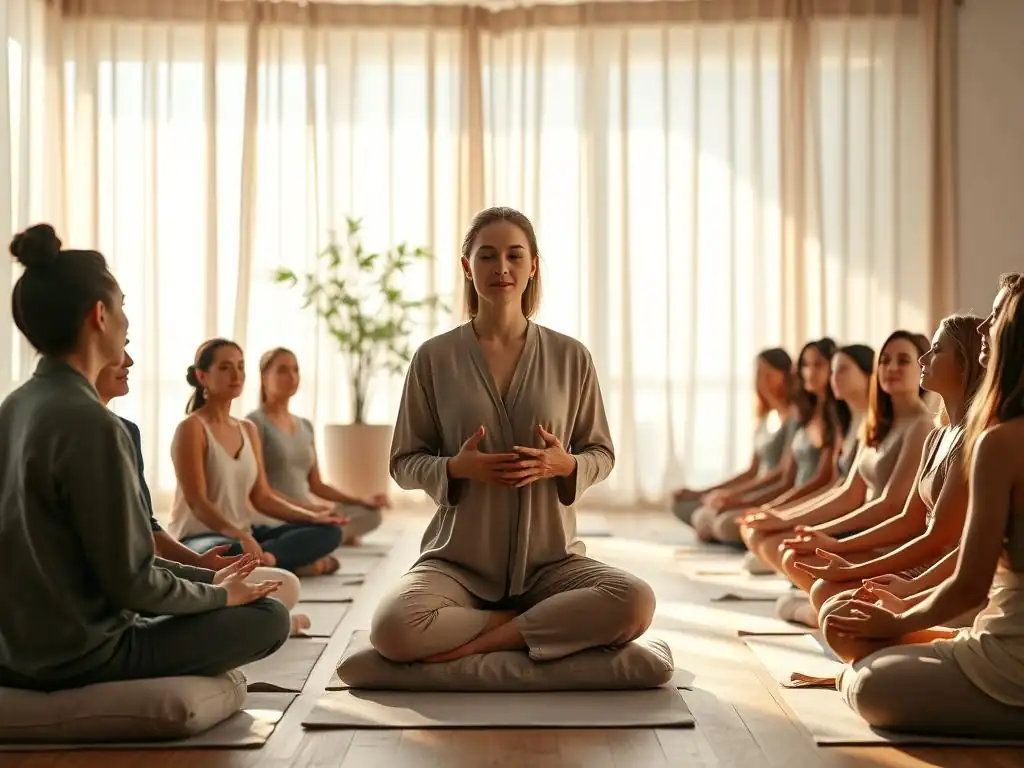
One of the best ways to evaluate a guided meditation teacher is to experience their teaching firsthand. Many teachers offer introductory sessions, free short guided meditations online, or workshops. Attending one of these allows you to get a feel for their voice, pacing, clarity of instruction, and overall presence.
Pay attention to how you feel during and after the session. Do you feel calmer, more centered, or clearer? Were the instructions easy to follow? Did the teacher's voice and style resonate with you? This direct experience is often more telling than reading a biography or reviews and is a crucial step in determining if they possess the best guided meditation teacher qualities for your personal journey.
Trusting Your Intuition: Finding a Teacher Who Resonates With You
Ultimately, finding the right guided meditation teacher is also about finding someone with whom you feel a genuine connection and trust. Pay attention to your intuition. Do you feel comfortable and safe in their presence (even if it's virtual)? Do you feel a sense of ease and connection when you listen to their guidance?
Meditation is a deeply personal practice, and the relationship with your teacher should feel supportive and positive. While credentials and experience are important, feeling a sense of resonance and trust is equally vital for a fruitful long-term meditation practice. Your gut feeling is a powerful tool in identifying the best guided meditation teacher qualities that align with your personal needs.
Avoiding Red Flags: Warning Signs to Watch Out For
Just as there are qualities that indicate a great teacher, there are also warning signs that suggest someone might not be the right fit or, in some cases, could be harmful. Being aware of these red flags is essential for protecting your mental and emotional well-being.
Unrealistic Claims and Promises: Separating Fact from Fiction
Be wary of any teacher who makes exaggerated or unrealistic claims about what meditation can do for you. Phrases like "Achieve enlightenment in 30 days," "Cure all your problems instantly," or "Never experience stress again" are highly suspect. While meditation offers profound benefits, it is a practice that requires time, effort, and consistency.
* "Beware of anyone who promises a quick fix or guarantees extraordinary results without acknowledging the process and individual variation involved in meditation practice."
A responsible teacher will discuss the potential benefits of meditation based on evidence and experience, but will also emphasize that it is a journey with ups and downs. They will set realistic expectations and empower you to navigate challenges rather than promising their complete disappearance. Unsubstantiated claims are a major red flag when evaluating best guided meditation teacher qualities.
Lack of Transparency: Questionable Credentials or Background
A teacher should be transparent about their training, experience, and the lineage or tradition from which they teach, if applicable. Be cautious if a teacher is vague about their background, unwilling to answer questions about their training, or seems to lack a clear foundation for their teaching.
If a teacher claims certification, it should ideally be from a recognized organization or program. While some excellent teachers may not have formal certification, they should still be able to articulate their path, mentors, and years of dedicated practice. A lack of transparency can indicate insufficient training or a desire to obscure potentially relevant information, undermining the trust needed for a supportive teacher-student relationship.
High-Pressure Sales Tactics: Prioritizing Your Well-being
Your journey into meditation should feel empowering and self-directed, not like a high-pressure sales transaction. Be wary of teachers or centers that employ aggressive sales tactics, push expensive packages upfront, or make you feel guilty if you don't commit immediately.
A teacher whose primary motivation seems to be financial gain rather than supporting your well-being is a significant red flag. Ethical teachers prioritize the student's needs and readiness, offering clear information about costs without resorting to manipulative pressure. Finding the best guided meditation teacher qualities means finding someone whose ethical approach aligns with the principles of mindfulness and compassion.
Investing in Your Mental Well-being: The Value of a Skilled Guided Meditation Teacher
Choosing a skilled guided meditation teacher is an investment in your mental and emotional health. Their expertise, guidance, and support can significantly enhance your practice, making it more effective, sustainable, and enjoyable. While there are many free resources available, the personalized attention and depth of knowledge a good teacher provides are often invaluable, particularly as you navigate the challenges and subtleties of meditation.
Long-Term Benefits of Consistent Guided Meditation Practice
Consistent guided meditation practice, especially under the guidance of a supportive teacher, yields numerous long-term benefits for mental well-being. Studies indicate that regular practice can lead to sustained reductions in stress hormones like cortisol. For example, a study published in Health Psychology found that participants in an 8-week mindfulness program showed significant decreases in stress levels and improved mood that were maintained months later. Beyond stress reduction, consistent practice can enhance self-awareness, improve focus and concentration, foster emotional regulation, and cultivate a greater sense of calm and presence in daily life.
Over time, working with a skilled teacher can help you develop a resilient and adaptable practice that serves you through various life circumstances. They can guide you in integrating mindfulness into challenging situations, helping you respond with greater wisdom and compassion. The cumulative effect of regular practice supported by expert guidance contributes significantly to overall psychological health and resilience.
Finding a Teacher Who Supports Your Personal Growth
The best guided meditation teacher qualities include their ability to support your personal growth journey. A good teacher doesn't just teach techniques; they act as a guide on your path of self-discovery. They encourage you to explore your inner landscape with curiosity and kindness, helping you to understand your patterns of thought and emotion without judgment.
Look for a teacher who seems genuinely invested in your progress and well-being. They should be able to adapt their guidance as you evolve, perhaps introducing more advanced techniques or offering specific practices to address new challenges that arise in your life. This supportive relationship can be a powerful catalyst for deeper insight, greater self-compassion, and sustained growth on your journey towards comprehensive mental well-being.
Frequently Asked Questions
What are the most important qualities to look for in a guided meditation teacher?
The most important qualities include experience and expertise in meditation, a calm and soothing voice, and the ability to create a safe and supportive environment.
How can I determine if a guided meditation teacher is qualified?
Look for teachers with certifications from recognized meditation organizations, positive testimonials or reviews, and a clear understanding of different meditation techniques.
What is the significance of a guided meditation teacher's voice and tone?
A teacher's voice should be calm, soothing, and easy to listen to. A distracting or irritating voice can hinder relaxation and focus, defeating the purpose of the meditation.
Should I consider a guided meditation teacher's specialization when choosing one?
Yes, consider their specialization. Some teachers focus on specific areas like stress reduction, mindfulness, or sleep improvement. Choose one whose expertise aligns with your needs and goals.
Where can I find reputable and reliable guided meditation teachers?
Look for teachers through established meditation centers, online platforms with certified instructors, or recommendations from trusted sources like therapists or wellness professionals.
Final Reflection: Finding Your Guiding Light in Meditation
The search for the right guided meditation teacher is not merely about finding a soothing voice; it's about finding a key that unlocks deeper levels of self-awareness and inner peace. In a world increasingly dominated by noise and distraction, the ability to cultivate inner stillness is more crucial than ever. This article has explored the essential qualities to look for in a teacher, from authenticity and experience to ethical considerations and teaching style. These qualities are not mere preferences; they are vital components in ensuring a safe, effective, and transformative meditation practice.
The impact of a skilled meditation teacher extends far beyond the immediate practice. It ripples outwards, influencing our relationships, our work, and our overall well-being. A good teacher can help us navigate the complexities of the inner landscape, fostering self-compassion and resilience. As the Dalai Lama wisely stated, The time to repair the roof is when the sun is shining.
Finding a supportive and insightful guide allows us to proactively cultivate inner strength and peace, preparing us for whatever life may bring. This proactive approach to mental and emotional well-being is increasingly recognized as essential for navigating the challenges of modern life.
Now, consider your own journey. What qualities resonate most strongly with you? What kind of guidance do you need to deepen your meditation practice? Take the time to reflect on these questions, and don't hesitate to explore different teachers until you find the one who truly aligns with your needs and aspirations. The path to inner peace is a personal one, and finding the right guide can make all the difference in your journey towards a more mindful and fulfilling life.
Uncover Your Perfect Meditation Guide: Start Your Journey Now!
Thanks for taking the time to explore the world of guided meditation with Mind Care Guide! We hope this article has helped you understand what to look for in a teacher that aligns with your needs. Ready to dive deeper?
- Find your perfect meditation teacher: Take some time today to research teachers mentioned in the article or explore others based on your preferred style and focus (mindfulness, sleep, etc. ). This is your first step towards a more peaceful you.
- Share your insights: What qualities are most important to you in a guided meditation teacher? Share your thoughts in the comments below – let's create a supportive community!
- Try a free introductory session: Many teachers offer free samples of their work. Don't hesitate to explore and find the voice and style that resonates most with you.
What unique qualities are you hoping to find in your ideal meditation guide, and how will you start your search today?