
Integrating Mindfulness: Stress Reduction Exercises for Your Daily Routine

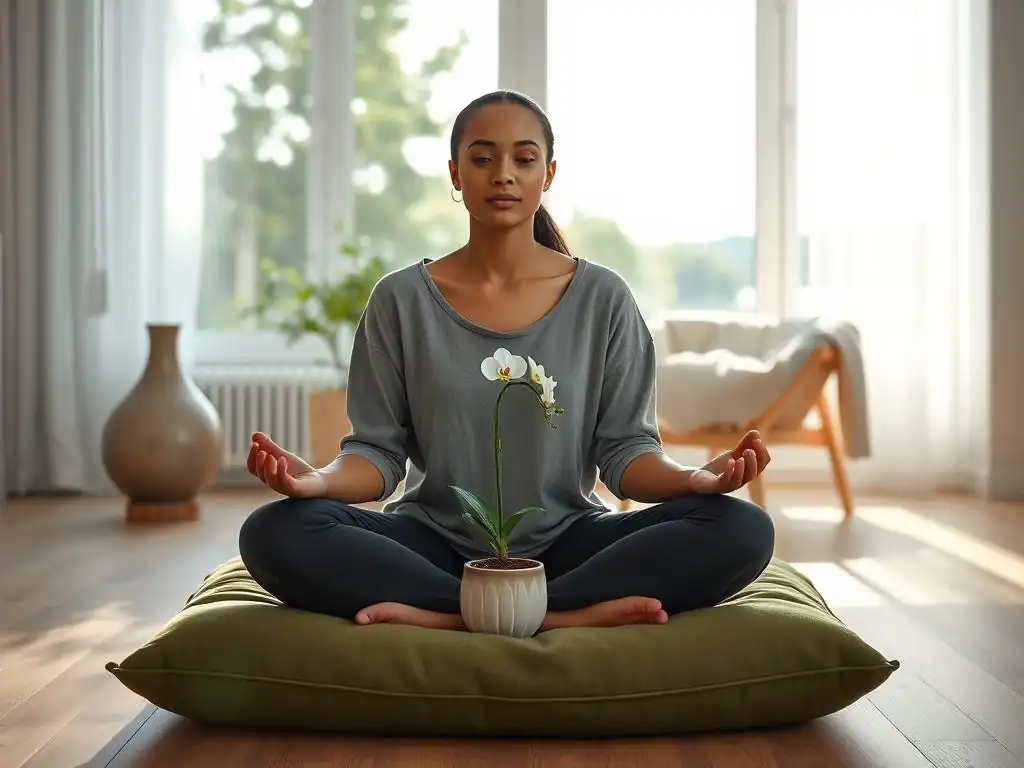
Welcome to Mind Care Guide, your compassionate companion on the journey to mental well-being.
Feeling overwhelmed? You're not alone. In today's fast-paced world, stress can feel like an unwelcome constant. Discover practical and accessible ways to reclaim your peace and find calm amidst the chaos with our guide to mindfulness stress reduction exercises. Are you ready to unlock the power of presence and transform your daily routine? Let's begin.
Integrating Mindfulness: Stress Reduction Exercises for Your Daily Routine
- Understanding Mindfulness for Stress Management
- Simple Mindfulness Stress Reduction Exercises to Incorporate Daily
- Integrating Mindfulness into Your Daily Routine: Practical Tips
- Advanced Mindfulness Techniques for Deeper Stress Relief
- The Long-Term Benefits of Mindfulness for Stress Reduction and Overall Well-being
-
Frequently Asked Questions
- What exactly is mindfulness and how does it relate to stress reduction?
- How often should I practice mindfulness stress reduction exercises to see results?
- Can mindfulness stress reduction exercises help with anxiety as well as general stress?
- What are some examples of simple mindfulness stress reduction exercises I can incorporate into my daily routine?
- Are there any potential downsides or risks associated with practicing mindfulness?
- Final Reflection: Cultivating Inner Peace in a Frantic World
- Unleash Your Inner Calm: Start Practicing Mindfulness Today!
Understanding Mindfulness for Stress Management
What is Mindfulness and How Does it Reduce Stress?
Mindfulness is the practice of intentionally bringing one's attention to the present moment without judgment. It involves observing thoughts, feelings, bodily sensations, and the surrounding environment as they arise, accepting them without trying to change or analyze them. This simple yet profound practice contrasts with our brain's default mode, which often involves dwelling on the past or worrying about the future. By anchoring awareness in the "now," mindfulness helps to interrupt the cycle of ruminative thinking that frequently fuels stress.
When we are stressed, our minds tend to race, anticipating worst-case scenarios or replaying difficult events. Mindfulness provides a gentle way to step out of this mental loop. It doesn't eliminate stressors, but it changes our relationship with them. By becoming more aware of our physical and emotional responses to stress in the moment, we gain the ability to respond more thoughtfully rather than react automatically. This shift in perspective can significantly lower perceived stress levels and prevent the escalation of the stress response.
The Neuroscience Behind Mindfulness and Stress Relief
Research into the neuroscience of mindfulness has revealed tangible changes in brain structure and function associated with regular practice. Studies using fMRI have shown that mindfulness can lead to decreased activity in the amygdala, often referred to as the brain's fear center, which is highly involved in the stress response. This reduced reactivity suggests that the brain becomes less prone to going into "fight or flight" mode when faced with perceived threats or stressors.
Furthermore, mindfulness appears to strengthen connections between the prefrontal cortex, responsible for executive functions like planning, decision-making, and emotional regulation, and the amygdala. This enhanced connectivity allows the prefrontal cortex to exert more control over the amygdala's stress signals, enabling a calmer and more measured response. Some studies also indicate that long-term mindfulness practice may even lead to structural changes, such as increased gray matter density in areas related to learning, memory, and emotion regulation, reinforcing the brain's capacity for resilience and stress management.
Benefits of Regular Mindfulness Practice for Mental Well-being
Consistent engagement in mindfulness stress reduction exercises offers a wide array of benefits for mental well-being, extending far beyond immediate stress relief. Regular practice builds a foundation of emotional resilience, making individuals better equipped to navigate life's inevitable challenges. It can lead to significant reductions in symptoms associated with anxiety and depression, as demonstrated in various clinical trials involving mindfulness-based programs.
Beyond mitigating distress, mindfulness cultivates positive psychological states. It enhances self-awareness, allowing for deeper insight into one's own thought patterns and emotional triggers. This increased understanding fosters self-compassion and reduces self-criticism, which are common sources of stress. Practicing mindfulness stress reduction exercises regularly contributes to improved focus, better sleep quality, and a greater overall sense of peace and presence in daily life, enriching one's mental landscape considerably.
Simple Mindfulness Stress Reduction Exercises to Incorporate Daily
Mindfulness Breathing Techniques for Immediate Stress Relief
Breathing is a powerful anchor for mindfulness and an immediate tool for stress reduction. Focusing on the breath helps ground you in the present moment and can quickly calm the nervous system. Simple breathing exercises can be done anywhere, anytime you feel stress beginning to build.
Engaging in mindful breathing shifts your attention away from stressful thoughts and towards a tangible, present experience. This conscious redirection interrupts the thought loops that feed anxiety and stress. Even a few moments of focused breathing can lower heart rate and blood pressure, providing immediate physiological relief and creating space for a more measured response to challenging situations.
Diaphragmatic Breathing Exercise
Also known as belly breathing, this technique encourages full oxygen exchange and slows the heart rate.
- Find a comfortable position, sitting or lying down.
- Place one hand on your chest and the other just below your rib cage.
- Inhale slowly through your nose, feeling your abdomen rise. Your chest should remain relatively still.
- Exhale slowly through pursed lips, gently pressing your abdomen inward to help push the air out.
- Repeat for several minutes, focusing on the sensation of your abdomen rising and falling. Aim for smooth, deep breaths.
Box Breathing for Calming the Nervous System
Box breathing, or four-square breathing, is a simple, rhythmic technique often used by Navy SEALs and others in high-stress situations. It creates a steady, predictable pattern that soothes the nervous system.
- Exhale completely, emptying your lungs.
- Inhale slowly through your nose for a count of four.
- Hold your breath for a count of four.
- Exhale slowly through your mouth for a count of four.
- Hold your breath for a count of four before inhaling again.
- Repeat this cycle for 3-5 minutes, visualizing the sides of a box as you move through the four steps.
Alternate Nostril Breathing for Balance and Focus
Nadi Shodhana, a yogic breathing technique, is believed to balance the left and right sides of the brain and calm the mind.
- Sit comfortably with a straight spine.
- Close your right nostril with your right thumb.
- Inhale slowly through your left nostril.
- Close your left nostril with your right ring finger, releasing your thumb from the right nostril.
- Exhale slowly through your right nostril.
- Inhale slowly through your right nostril.
- Close your right nostril with your thumb, releasing your ring finger from the left nostril.
- Exhale slowly through your left nostril.
- This completes one cycle. Continue for 5-10 cycles, breathing gently and smoothly.
Mindful Body Scan for Stress Awareness and Release
A body scan meditation is a practice of bringing mindful awareness to different parts of the body, noticing sensations without judgment. It's a powerful way to connect with physical tension often held unconsciously as a result of stress and to practice letting it go. This exercise enhances interoceptive awareness, which is the ability to sense the internal state of the body.
Regular body scans can help you become more attuned to the subtle signals your body sends when stress begins to build, allowing you to intervene earlier. It teaches you to observe discomfort or pain with acceptance rather than resistance, which can reduce the psychological suffering associated with physical symptoms of stress. The practice fosters a sense of groundedness and presence within your own physical form.
How to Perform a Body Scan Meditation
- Lie down comfortably on your back or sit upright in a chair with your feet flat on the floor. Close your eyes if comfortable.
- Take a few deep breaths to settle in. Bring your awareness to your body as a whole.
- Gently direct your attention to your toes. Notice any sensations there – tingling, warmth, pressure, absence of sensation. Just observe.
- Slowly move your attention up through your feet, ankles, lower legs, knees, upper legs, hips, and pelvis. Pause at each area, simply noticing.
- Continue moving your awareness up through your torso – lower back, abdomen, upper back, chest, shoulders. Then move down your arms to your fingertips and back up to your shoulders.
- Finally, bring your awareness to your neck, throat, face, and the top of your head.
- After scanning through all parts, rest your awareness on the body as a whole, noticing the overall feeling.
- When ready, gently open your eyes.
Noticing Sensations and Releasing Tension
During a body scan, the goal isn't to relax or make sensations go away, although relaxation is often a byproduct. The primary intention is to notice whatever is present with curiosity and acceptance. You might encounter areas of tension, discomfort, or even pain. The practice is to simply acknowledge these sensations without judgment or the need to fix them immediately.
As you notice tension, you can gently invite that area to soften or release on the exhale, but without force. This process of noticing and gently allowing helps to build acceptance and reduces the mental struggle against physical discomfort, which can itself be a source of stress. Over time, you may find it easier to identify and release tension in real-time throughout your day.
Mindful Walking: Finding Peace in Movement
Walking is an activity most of us do daily, making it an accessible opportunity for mindfulness practice. Instead of rushing from point A to point B or letting your mind wander aimlessly, mindful walking involves bringing your full attention to the experience of walking itself. This transforms a mundane activity into a moving meditation, offering a refreshing break from mental chatter and a way to integrate mindfulness stress reduction exercises into physical activity.
Mindful walking can be particularly effective for stress relief because it combines gentle physical movement, which helps release built-up tension, with focused attention on the present moment. It provides a way to ground yourself when feeling overwhelmed, using the rhythm of your steps and the sensations in your body as anchors. Even a short 10-minute mindful walk can significantly shift your state of mind.
Turning a Walk into a Mindfulness Exercise
- Begin by standing still for a moment, feeling the weight of your body on your feet.
- Start walking at a comfortable, perhaps slightly slower than usual, pace.
- Bring your attention to the physical sensations of walking. Notice the lifting of one foot, the forward movement, the placing of the foot on the ground, the shift of weight.
- Pay attention to the rhythm of your steps and your breath.
- When your mind wanders (which it will! ), gently notice where it went and guide your attention back to the sensations of walking.
Paying Attention to Your Surroundings and Body
As you walk mindfully, expand your awareness beyond just the movement of your feet. Notice the feeling of the ground beneath you, the air on your skin, the swing of your arms. Also, open your senses to your surroundings without getting lost in thought about them.
Observe the sights, sounds, and smells around you – the color of the leaves, the sound of birds, the smell of rain or flowers. Experience them as they are, without labeling them or creating stories about them. This dual focus on internal bodily sensations and external sensory input keeps you firmly rooted in the present moment, providing a rich and grounding experience that naturally reduces stress.
Mindful Eating: Savoring Each Bite and Reducing Stress

Mindful eating is about bringing full awareness to the experience of eating and drinking. In our fast-paced lives, meals are often rushed or eaten while distracted, leading to digestive issues, overeating, and a disconnect from our bodies' signals. Stress can exacerbate these patterns, leading to stress eating or loss of appetite. Practicing mindful eating can transform meal times into calming, nourishing experiences that reduce stress and improve your relationship with food.
By slowing down and paying attention to the sensory experience of eating, you become more aware of your body's hunger and fullness cues, which can prevent overeating often associated with stress. It also provides a dedicated period of presence during the day, a small oasis of calm. Mindful eating encourages appreciation for the food itself, the process of nourishment, and the simple act of taking care of oneself, all of which contribute to reduced stress and enhanced well-being.
The Importance of Mindful Eating
Mindful eating is important because it counters the habit of 'stress eating' or 'eating on the go', where food is consumed quickly and without attention. This lack of awareness can lead to poor digestion, feelings of guilt or dissatisfaction, and a failure to truly nourish the body and mind. Stress often triggers cravings for comfort foods, and mindful eating helps you pause and make conscious choices rather than reacting impulsively to emotional states.
Furthermore, by engaging all your senses during a meal, you enhance the pleasure and satisfaction derived from food. This increased satisfaction can help reduce the urge to seek comfort through excessive eating. It also fosters a healthier relationship with food, viewing it as something to be savored and appreciated, rather than just fuel or a way to cope with emotions.
Practicing Mindful Eating Techniques
- Start with Intention: Before eating, take a moment to pause. Acknowledge the food and perhaps set an intention to eat mindfully.
- Engage Your Senses: Look at the food – notice its colors, shapes, and textures. Smell it – inhale its aroma.
- Take a Small Bite: Put a small amount in your mouth. Before chewing, notice the texture and temperature.
- Chew Slowly: Chew thoroughly, noticing the changes in texture and flavor as you chew. Put your fork down between bites.
- Swallow Mindfully: Notice the impulse and act of swallowing.
- Pay Attention to Hunger and Fullness Cues: Periodically check in with your body. Are you still hungry? Are you starting to feel full? Stop when you feel satisfied, not necessarily stuffed.
- Appreciate: Take a moment at the end to appreciate the meal.
Mindfulness Meditation for Stress Reduction: A Guided Practice
Formal mindfulness meditation involves setting aside dedicated time to sit quietly and cultivate awareness, typically focusing on the breath, bodily sensations, or sounds. While simple, this practice systematically trains the mind to be present and non-reactive, directly addressing the root causes of much stress. Engaging in guided mindfulness meditation for stress reduction can be particularly helpful, as the guidance supports focus and introduces different aspects of the practice.
Regular meditation practice builds the capacity to observe stressful thoughts and feelings without getting swept away by them. It's like learning to watch the weather from indoors – you see the storm (stressors, difficult emotions) but don't have to be caught in it. This detachment reduces the intensity and duration of the stress response, fostering a sense of inner calm and stability that carries into daily life.
Setting Up Your Meditation Space
Creating a dedicated, peaceful space can support a consistent meditation practice, although it's not strictly necessary. Choose a quiet spot where you are unlikely to be interrupted. It doesn't need to be elaborate – a corner of a room with a comfortable cushion or chair is perfect.
Ensure the temperature is comfortable and any potential distractions (like phones on silent) are minimized. The key is to create an environment that feels conducive to stillness and introspection. Having a consistent space can become a positive cue, making it easier to transition into a meditative state.
Sample Mindfulness Meditation Script
- Find a comfortable seated position, spine upright but relaxed.
- Gently close your eyes or soften your gaze.
- Take a few deeper breaths to settle into the body.
- Now, allow your breath to find its natural rhythm. No need to control it.
- Bring your attention to the physical sensation of the breath entering and leaving your body.
- Perhaps notice the rise and fall of your abdomen, or the air moving in and out of your nostrils.
- Just focus on one point where you feel the breath most clearly.
- Thoughts will arise. This is completely normal. When you notice your mind has wandered, simply acknowledge the thought without judgment.
- Then, gently guide your attention back to the sensation of the breath.
- Be kind to yourself. There's no right or wrong way for the mind to be. The practice is simply returning to the present moment.
- Stay with the breath for a few minutes.
- When you are ready, gently bring your awareness back to the room. Notice the sounds around you, the feeling of your body sitting.
- Take one more deep breath, and slowly open your eyes.
Integrating Mindfulness into Your Daily Routine: Practical Tips
Making mindfulness a consistent part of your life doesn't require hours of formal meditation each day. The power of mindfulness stress reduction exercises lies in their regular application, even in small doses. Integrating these practices into your daily routine requires intention and flexibility, finding ways to weave moments of presence into the fabric of your busy life. It's about creating new habits that support your mental well-being.
Consistency is more important than duration or perfection. Even a few minutes of focused attention throughout the day can accumulate significant benefits over time, gradually shifting your baseline stress level. These practical tips are designed to help you find realistic ways to embed mindfulness into your everyday activities, making it a sustainable practice for long-term stress reduction.
Start Small: Micro-Mindfulness Moments
One of the most effective ways to begin integrating mindfulness is by starting with very short practices, often called micro-mindfulness moments. These can be as brief as 30 seconds or a minute and involve bringing mindful attention to ordinary activities. For example, take three mindful breaths before opening your email, or fully focus on the sensation of water while washing your hands.
These brief moments train your brain to shift into a state of presence throughout the day, rather than confining mindfulness to a dedicated practice session. They are easy to fit into a busy schedule and provide immediate, albeit small, doses of stress relief. Over time, accumulating these micro-moments builds the foundation for more sustained awareness and resilience.
Schedule Dedicated Time for Mindfulness Practice
While micro-moments are valuable, setting aside dedicated time for mindfulness meditation or other exercises can deepen the practice. Even 5-10 minutes daily can make a difference. Treat this time as a non-negotiable appointment with yourself, perhaps scheduling it first thing in the morning, during a lunch break, or before bed.
Having a scheduled time helps build consistency and signals to your brain that this practice is a priority. It provides an opportunity for more focused attention than is possible during busy transitions or tasks. Think of it like brushing your teeth for mental hygiene – a regular, dedicated practice that contributes significantly to long-term health.
Use Mindfulness Apps and Resources for Guidance
Numerous resources are available to support your mindfulness journey, including smartphone applications, guided meditations online, and books. These tools can be particularly helpful for beginners, providing structure, guidance, and a variety of exercises to explore, from body scans to loving-kindness meditations.
Apps often offer guided sessions of various lengths, making it easier to fit practice into your schedule. They can also provide reminders and tracking features to help maintain consistency. While not a substitute for personal experience, these resources can make mindfulness more accessible and less intimidating, offering valuable support as you develop your skills in mindfulness stress reduction exercises.
Overcoming Challenges to Consistent Practice
Establishing a regular mindfulness practice comes with challenges. Common obstacles include feeling like you don't have enough time, getting distracted easily, feeling bored, or judging yourself for not doing it "right." It's important to recognize that these are normal parts of the process.
Approach challenges with self-compassion. If you miss a day, don't dwell on it; simply start again the next day. If your mind is racing during meditation, remember that the practice isn't about stopping thoughts, but noticing them and gently returning your attention. Be flexible with your practice – some days a formal sit might work, other days a mindful walk or just a few mindful breaths might be all you can manage. Progress in mindfulness is often non-linear.
Creating a Personalized Mindfulness Plan for Sustained Stress Reduction
The most effective way to integrate mindfulness for sustained stress reduction is to create a personalized plan that fits your lifestyle and preferences. Experiment with different mindfulness stress reduction exercises – breathing, body scan, walking, eating, formal meditation – and see which ones resonate most with you.
Consider where and when you can realistically incorporate these practices into your day. Maybe a mindful commute works best, or perhaps a 10-minute sit before breakfast. Your plan should be flexible and adaptable, evolving as your needs and circumstances change. The goal is to find enjoyable and accessible ways to consistently bring mindful awareness into your life, making it a natural part of your routine for lasting stress relief.
Advanced Mindfulness Techniques for Deeper Stress Relief

As you become more comfortable with foundational mindfulness practices, you might explore more advanced techniques. These practices often build upon basic awareness, directing attention towards specific qualities like compassion or delving into the nature of thoughts and emotions. Engaging with advanced mindfulness stress reduction exercises can lead to deeper insights and more profound levels of stress relief and emotional freedom.
These techniques are not necessarily more difficult, but they might require a greater degree of sustained attention or a shift in perspective. They offer ways to work with challenging internal experiences like difficult emotions or self-criticism more directly and compassionately, further enhancing your capacity for resilience and well-being in the face of stress.
Loving-Kindness Meditation for Cultivating Compassion and Reducing Stress
Loving-kindness meditation, or Metta Bhavana, is a practice focused on cultivating feelings of warmth, friendliness, and compassion towards oneself and others. While traditional mindfulness emphasizes non-judgmental awareness of what is, Metta actively cultivates positive emotional states. This practice directly counters stress by reducing negative self-talk and fostering a sense of connection rather than isolation.
The practice typically involves silently repeating phrases wishing well-being, happiness, and freedom from suffering, first towards oneself, then towards loved ones, neutral acquaintances, difficult individuals, and finally towards all beings. Research suggests that regular Metta practice can increase positive emotions, reduce negative ones, and even decrease symptoms of conditions like depression and anxiety. By softening the heart and cultivating compassion, it creates an internal environment less susceptible to the harshness often associated with stress.
Mindfulness of Thoughts and Emotions: Accepting Without Judgment
Mindfulness of thoughts and emotions involves observing mental and emotional states as transient phenomena, much like observing clouds passing in the sky. Instead of getting caught up in thoughts or overwhelmed by emotions, this practice teaches you to notice them arising, staying, and passing away without getting attached to their content or judging them as 'good' or 'bad'.
This technique is particularly powerful for stress reduction because much of our stress comes not just from external events, but from our internal reactions to them – our worries, fears, judgments, and interpretations. By learning to observe thoughts and emotions with a sense of distance and acceptance, you reduce their power to trigger the full-blown stress response. It fosters a sense of inner freedom, recognizing that while you experience thoughts and feelings, they do not define you.
Exploring Advanced Meditation Retreats and Workshops
For those seeking to deepen their mindfulness practice and gain significant traction in stress reduction, exploring advanced meditation retreats or workshops can be immensely beneficial. These immersive experiences typically range from a weekend to several weeks and provide a focused environment away from daily distractions, allowing for intensive practice and learning.
Retreats, often held in silence for significant periods, offer a unique opportunity to quiet the mind and cultivate deep presence. Workshops may focus on specific techniques, such as mindfulness-based stress reduction (MBSR) programs, which involve structured teaching over several weeks. Learning from experienced teachers and practicing in a supportive group setting can accelerate progress, provide new insights, and solidify the commitment to using mindfulness stress reduction exercises as a sustained tool for well-being.
The Long-Term Benefits of Mindfulness for Stress Reduction and Overall Well-being
Committing to integrating mindfulness into your daily life yields benefits that compound over time, transforming your relationship with stress and enhancing your overall well-being. It's not just about coping with immediate pressure but about building a foundation for a more peaceful, balanced, and resilient life. The long-term effects of consistent mindfulness practice are profound and far-reaching, impacting cognitive function, emotional health, and physical resilience.
Regular engagement with mindfulness stress reduction exercises cultivates enduring skills and perspectives that allow you to navigate challenges with greater ease and presence. These benefits extend into various aspects of life, from personal relationships to professional effectiveness, demonstrating the holistic impact of tending to your inner landscape.
Improved Focus and Concentration
One significant long-term benefit of mindfulness is a marked improvement in focus and concentration. Mindfulness is essentially a training of attention – repeatedly bringing the mind back to the present moment when it wanders. This mental 'workout' strengthens the neural circuits associated with attention and executive control.
Over time, this leads to a reduced tendency for the mind to be easily distracted, allowing for greater focus on tasks at hand, whether at work, study, or in personal interactions. Enhanced concentration reduces the feeling of being scattered or overwhelmed, contributing directly to a reduction in stress associated with juggling multiple demands. Studies have shown that mindfulness training can improve performance on tasks requiring sustained attention.
Enhanced Emotional Regulation
Mindfulness practice significantly enhances emotional regulation skills. By learning to observe thoughts and feelings without judgment, you develop the capacity to recognize emotions as they arise without being immediately overwhelmed or reacting impulsively. This creates a crucial space between stimulus and response.
This increased awareness allows for more considered and skillful responses to challenging emotions like frustration, anger, or sadness, which are often triggered by stress. Instead of suppressing or being hijacked by emotions, you learn to acknowledge them with acceptance, reducing their intensity and duration. This leads to greater emotional stability and a reduced likelihood of emotional reactivity contributing to stress.
Greater Resilience to Stress and Adversity
Regular mindfulness practice builds psychological resilience – the capacity to bounce back from stressful or traumatic experiences. It doesn't make difficulties disappear, but it changes your internal response to them. By cultivating acceptance and non-reactivity, mindfulness helps you weather storms with greater equanimity.
It fosters a perspective that challenges are temporary and manageable, rather than overwhelming and permanent. This shift in mindset, combined with enhanced emotional regulation and self-awareness, equips you with robust internal resources to face adversity with strength and adaptability, significantly reducing the long-term impact of stress.
Cultivating a More Peaceful and Balanced Life
Ultimately, the long-term practice of mindfulness contributes to a more peaceful and balanced life. By consistently anchoring yourself in the present moment, you spend less time ruminating on past regrets or worrying about future uncertainties, sources of significant chronic stress.
This increased presence allows for greater appreciation of simple moments and experiences, fostering a sense of contentment and gratitude. It helps clarify priorities and values, leading to choices that are more aligned with well-being rather than driven by external pressures. This holistic shift towards presence and acceptance naturally reduces overall stress and promotes a sense of inner peace.
Mindfulness and Mental Health: Managing Anxiety and Depression
Mindfulness-based interventions have demonstrated effectiveness as complementary approaches for managing symptoms of anxiety and depression. Programs like Mindfulness-Based Stress Reduction (MBSR) and Mindfulness-Based Cognitive Therapy (MBCT) are supported by clinical research and are often used in therapeutic settings.
These practices help individuals relate differently to anxious thoughts and depressive rumination. Instead of getting caught in cycles of worry or despair, mindfulness teaches skills to observe these mental patterns with detachment, reducing their power. While not a substitute for professional medical or psychological treatment, integrating mindfulness stress reduction exercises can be a valuable tool in a comprehensive approach to managing mental health challenges, improving coping skills and quality of life.
Frequently Asked Questions
What exactly is mindfulness and how does it relate to stress reduction?
Mindfulness is about paying attention to the present moment without judgment. It helps with stress reduction by allowing you to observe your thoughts and feelings without getting carried away by them, fostering a sense of calm.
How often should I practice mindfulness stress reduction exercises to see results?
Consistency is key! Aim for at least 10-15 minutes daily to experience noticeable benefits. Even short, regular sessions can significantly reduce stress and improve well-being over time.
Can mindfulness stress reduction exercises help with anxiety as well as general stress?
Yes, many mindfulness exercises are effective for managing anxiety. They can help you become more aware of your anxiety triggers and develop skills to regulate your emotional responses. This leads to a reduction in anxiety symptoms.
What are some examples of simple mindfulness stress reduction exercises I can incorporate into my daily routine?
Try mindful breathing, focusing on each inhale and exhale. You could also try a body scan meditation, or simply pay attention to your senses during everyday activities like eating or walking.
Are there any potential downsides or risks associated with practicing mindfulness?
While generally safe, mindfulness can sometimes bring up difficult emotions. If you have a history of trauma or severe mental health issues, it's best to practice under the guidance of a therapist or qualified instructor to prevent overwhelming experiences.
Final Reflection: Cultivating Inner Peace in a Frantic World
The relentless pace of modern life leaves many of us feeling overwhelmed and stressed, but the simple act of incorporating mindfulness into our daily routines offers a powerful antidote. This isn't just a fleeting trend; it's a crucial skill for navigating the complexities of the 21st century and building resilience against the pressures we face. The exercises explored in this article—from mindful breathing to body scans—provide tangible tools for reclaiming our inner peace and fostering a healthier relationship with ourselves and the world around us.
The impact of mindfulness extends far beyond stress reduction; it's a journey of self-discovery and emotional intelligence. It's about cultivating a deeper awareness of our thoughts, feelings, and sensations, allowing us to respond to challenges with greater clarity and compassion. As Jon Kabat-Zinn so eloquently stated, Mindfulness means paying attention in a particular way: on purpose, in the present moment, and non-judgmentally.
This simple yet profound definition encapsulates the essence of this practice and its transformative potential. It's a journey I've personally found incredibly enriching, and I hope this article has illuminated its accessibility and benefits for you as well.
Now, I invite you to take a moment to reflect on your own relationship with stress. Which of the exercises resonated most deeply with you? How might you integrate even one of these practices into your daily life this week? Start small, be patient with yourself, and allow the transformative power of mindfulness to unfold gradually. Remember, the journey towards inner peace is a continuous process, and each mindful breath is a step in the right direction. Embrace the journey, and discover the profound calm that awaits you.
Unleash Your Inner Calm: Start Practicing Mindfulness Today!
Thanks for taking the time to explore the power of mindfulness with us! We hope you've discovered some valuable techniques to reduce stress and improve your well-being. Now, let's turn those insights into action.
- Prioritize your first mindfulness exercise: Choose one exercise from the article that resonates most with you and commit to practicing it daily for a week. Even 5 minutes can make a difference!
- Share your experience: Tell a friend or family member about your mindfulness journey. Sharing your progress can boost your commitment and inspire others.
- Explore deeper: Dive into our website's resources for more guided meditations and mindfulness practices. You might uncover techniques that unlock even greater tranquility!
Ready to embrace a more peaceful and focused life? What's the one thing you'll commit to doing differently today to integrate mindfulness into your daily routine?