Neuroscience of Mindfulness: Understanding the Brain Changes
Welcome to the Neuroscience of Mindfulness subcategory at Mind Care Guide, where science meets serenity. Here, we explore how regular mindfulness practice physically alters your brain—from thickening the prefrontal cortex to shrinking the amygdala. This is not about mysticism; it’s about neuroplasticity, the brain’s remarkable ability to rewire itself. Whether you are a beginner or a seasoned meditator, understanding these structural and functional changes can deepen your practice and improve your mental health. Dive into evidence-based insights that connect ancient wisdom with modern imaging studies, helping you harness the full potential of your mind.
🧠 How Mindfulness Reshapes the Prefrontal Cortex
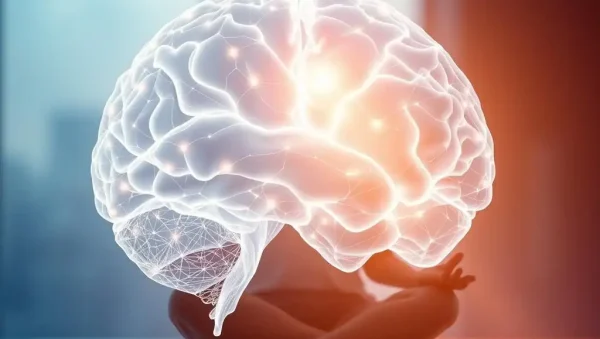
Your prefrontal cortex—responsible for decision-making, focus, and emotional regulation—gains gray matter density with consistent mindfulness. Studies using MRI scans show that after just eight weeks of daily meditation, this region thickens, enhancing your cognitive control. This means better impulse management, improved attention span, and a calmer response to stress. For those battling anxiety or depression, this change offers a biological foundation for resilience.
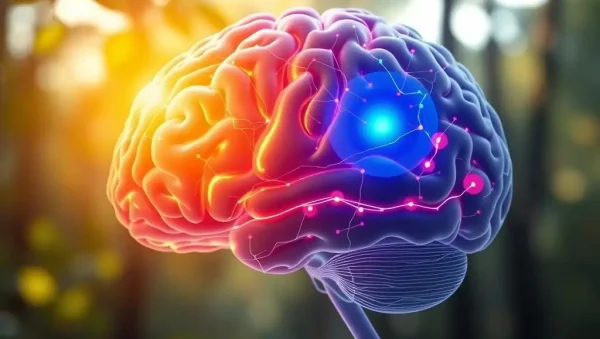
Beyond thickness, mindfulness increases connectivity between the prefrontal cortex and the amygdala, allowing you to pause before reacting. This neural pathway is like a trained muscle: the more you practice, the faster you can downshift from panic to clarity. Expect to feel more “in charge” of your thoughts, not enslaved by them.
⚖️ Shrinking the Amygdala: Taming Fear and Stress
The amygdala, your brain’s alarm system, tends to be hyperactive in people with chronic stress or anxiety. Mindfulness practice reduces its volume and reactivity, meaning fewer false alarms and a lower baseline of cortisol. Research from Harvard and other institutions confirms that meditators exhibit a smaller amygdala, which correlates with reduced fear responses and better mood regulation.
This shrinkage is not a loss; it’s an upgrade. Your brain becomes less primed for fight-or-flight and more attuned to safety. For anyone who feels constantly on edge, this neurobiological shift translates into tangible relief—fewer panic attacks, less rumination, and improved sleep. Over time, even brief daily sessions can trigger these changes, making mindfulness a powerful, drug-free intervention.
📈 The Default Mode Network (DMN): Silencing the Inner Critic
Your brain’s Default Mode Network (DMN) is active when you’re daydreaming, worrying, or replaying past events—the root of mind-wandering and self-referential thoughts. Mindfulness quiets this network, reducing its activity and cross-talk with other regions. Consequently, you experience fewer intrusive thoughts and less identification with your inner critic.
Neuroimaging shows that expert meditators display a disconnected DMN, enabling them to stay present without constant mental chatter. For mental health, this means lower risk of depressive relapse and anxiety spirals. You’ll learn to observe thoughts as passing clouds rather than truths, fostering a sense of inner peace that directly challenges neurotic patterns.
🔗 Neuroplasticity and New Neural Pathways
At its core, mindfulness leverages neuroplasticity—the brain’s lifelong ability to form new connections. Every time you focus on your breath, you strengthen pathways associated with attention and weaken those tied to distraction. The hippocampus, vital for memory and learning, also shows increased gray matter density, improving your ability to retain new information and regulate stress hormones.
This rewiring is cumulative: the more you practice, the more automatic these healthier patterns become. For example, a 40-minute daily session can induce changes in the anterior cingulate cortex, enhancing cognitive flexibility. Unlike many quick-fix treatments, mindfulness offers a sustainable, skill-based approach to brain health, with effects that persist even when you’re not meditating.
🧪 Scientific Measurement and Self-Observation
Beyond lab equipment, you can track brain changes subjectively. Many practitioners notice improved memory, quicker emotional recovery, and heightened sensory awareness within weeks. Heart rate variability and EEG alpha waves also shift, indicating a more relaxed yet alert state. These biomarkers support the claim that mindfulness is a physiological process, not just a mental one.
We encourage you to pair self-reports with simple assessments like mood tracking apps. While an fMRI is not required, understanding these metrics helps you set realistic expectations. Remember, brain changes are gradual—aim for consistency over intensity. Even 10 minutes daily can trigger neurogenesis in the hippocampus, proving that small steps yield profound long-term benefits.
Frequently Asked Questions
How long does it take to see brain changes from mindfulness?
Research indicates that measurable brain changes, such as increased gray matter in the prefrontal cortex, can appear after just 8 weeks of daily practice (around 30 minutes per day). However, early shifts in emotional regulation may be noticeable within two to three weeks. Consistency matters more than duration, so start small and build up your habit.
Can mindfulness shrink the amygdala permanently?
Yes, the reduction in amygdala volume is maintained with ongoing practice, but it can reverse if you stop meditating for extended periods. The brain is dynamic, so neuroplasticity works both ways. Regular mindfulness—even 15 minutes a day—helps sustain this calm, reactive state. Think of it as exercise for your brain: benefits require maintenance.
Does mindfulness work for severe anxiety or depression?
Mindfulness is a powerful complementary tool, often used alongside therapy and medication for conditions like generalized anxiety disorder and recurrent depression. It reduces amygdala reactivity and DMN activity, which are linked to these conditions. However, it’s not a replacement for professional treatment—always consult a clinician for severe symptoms. Mindfulness adds resilience, not a cure.
What brain wave changes occur during mindfulness?
Mindfulness increases alpha waves (calm alertness) and theta waves (deep relaxation and memory consolidation). Advanced practitioners also show higher gamma wave activity, associated with heightened awareness and cognitive integration. EEG studies reveal that these patterns become more stable with practice, making your brain more efficient at switching between focus and rest.
Are the brain changes from mindfulness reversible if I quit?
Yes, quitting mindfulness allows the brain to revert to previous patterns, though some benefits may linger due to learned coping skills. The amygdala may regrow, and DMN overactivity can return, but the neural pathways for attention often remain stronger. To preserve changes, even a short daily practice or mindful breathing during daily activities helps maintain neuroplastic gains.