Unlock Mindfulness on the Go: Your Beginner's Guide to Walking Meditation.
🌿 Discover the transformative power of walking meditation for beginners with our accessible guide. Learn simple steps to cultivate mindfulness on the…
Read article

Walking meditation turns an ordinary stroll into a powerful tool for stress relief and mental clarity—no special equipment or quiet room needed. This simple guide breaks down each step, from mindful foot placement to syncing breath with movement, helping you anchor your attention in the present moment. Perfect for beginners and seasoned practitioners alike, it’s an accessible way to reduce anxiety, boost focus, and reconnect with your body, all while enjoying the outdoors or even your hallway. Discover how to transform daily walks into a portable meditation practice that fits seamlessly into your routine.

🌿 Discover the transformative power of walking meditation for beginners with our accessible guide. Learn simple steps to cultivate mindfulness on the…
Read article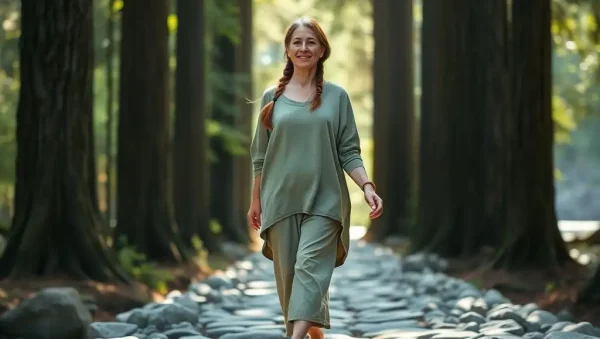
🌿 Embark on your journey from beginner to bliss with our comprehensive guide to walking meditation for anxiety relief, empowering you to…
Read article
🌟 Discover how simple walking can be your gateway to mindfulness for everyday anxiety. Start today and transform your mental well-being with…
Read article
🌿 Discover the calming practice of walking meditation for beginners, a simple yet effective way to enhance mental well-being. This guide offers…
Read article 🌿 Discover the calming power of walking meditation for anxiety relief, a simple yet effective practice to soothe your mind, reduce stress,…
Read article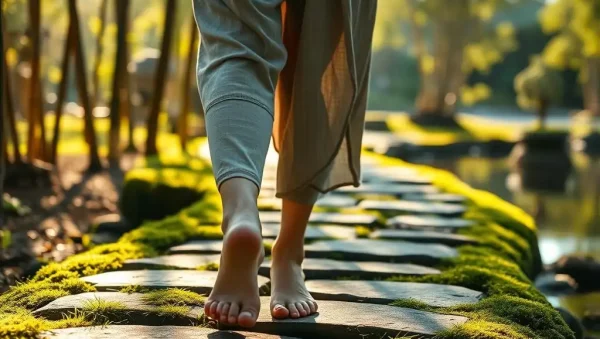
🌿 Discover essential tips to deepen your mindful walking practice and achieve effective anxiety relief. Learn how intentional steps can soothe your…
Read article
🌿 Discover how walking meditation can reduce anxiety and stress, offering a simple yet powerful practice to cultivate profound peace. This guide…
Read article
🌟 Transform your daily commute into a calming ritual with urban walking meditation techniques, fostering mindfulness, reducing stress, and enhancing mental clarity—empowering…
Read article
🌟 Discover how mindful movement boosts wellbeing by transforming your daily walks into powerful moments of mental clarity and relaxation. Embrace this…
Read article
🌿 Discover how walking meditation mindfulness benefits can transform your mental well-being by heightening awareness and reducing stress. This guide empowers you…
Read article
🌿 Discover how mindful walking boosts creativity and enhances mental clarity, offering a simple yet powerful way to boost your well-being. Incorporate…
Read article
🌿 Discover how walking meditation emotional regulation can transform your mental well-being by helping you manage feelings effectively. This simple, accessible practice…
Read articleWalking meditation is a powerful yet accessible mindfulness practice that transforms an ordinary stroll into a moving meditation, helping you anchor your mind in the present moment. Unlike seated meditation, this technique uses the natural rhythm of your steps, breath, and bodily sensations to cultivate calm, reduce stress, and improve mental clarity. For visitors of Mind Care Guide, this guide offers a gentle, practical entry point into mindfulness, especially for those who find stillness challenging or prefer movement-based practices. Below, you'll discover step-by-step instructions, common pitfalls, and ways to integrate walking meditation into daily life, all backed by evidence for mental well-being.
Walking meditation is a formal mindfulness practice where you pay deliberate, non-judgmental attention to the experience of walking. It originates from Buddhist traditions (kinhin) and has been adapted into modern secular mindfulness programs like MBSR. Unlike casual walking, you slow down, focus on each footfall, and notice the shifting weight, the lifting, moving, and placing of your feet. This practice matters because it bridges the gap between formal meditation and daily activity, making mindfulness accessible for people with physical limitations, restless minds, or busy schedules. Research shows it reduces rumination, lowers cortisol, and enhances emotional regulation, making it a valuable tool for managing anxiety and depression—key topics on Mind Care Guide.
You can practice anywhere—a hallway, a park, or even a quiet room—requiring no special equipment. The simplicity is its strength: it teaches you to be fully alive to the moment, one step at a time. For beginners, it often feels more natural than sitting still, as the movement provides a tangible anchor for attention. This guide will walk you through the essentials, ensuring you gain immediate, practical benefits for your mental health and overall well-being.
Start by choosing a safe, flat space about 10–20 meters long—indoors or outdoors. Stand still for a few moments, feeling your feet on the ground and your body’s posture. Then, begin to walk at a slower-than-normal pace, but not so slow that you lose balance. Focus your attention on the sensations of your right foot: the heel lifting, the toes pushing off, the swing forward, and the gentle landing of the heel. Repeat with the left foot, maintaining a soft gaze a few meters ahead or lowering your eyes to the path. If your mind wanders, acknowledge the thought without judgment and gently return your awareness to the next step. Start with 5–10 minutes daily, gradually increasing as you feel comfortable.
You can also sync your breath with your steps—for example, inhale while taking three steps, exhale for three steps—but this is optional and should never feel forced. The key is to be present, not to achieve a certain speed or distance. As you practice, you may notice subtle sensations like the pressure of the ground, the movement of muscles, or even the air on your skin. These are your anchors. If you feel dizzy or tense, slow down further or pause. Remember, there is no wrong way to do this; every moment of awareness is a success.
One frequent mistake is walking too fast, which turns the practice into ordinary exercise rather than meditation. The cure is to intentionally slow down, perhaps half your normal speed, and count your steps. Another error is holding tension in your shoulders, hands, or jaw—relax your arms naturally at your sides and soften your facial muscles. Many beginners also overthink where to look: staring directly at the ground can strain your neck, while looking around creates distraction. A soft, unfocused gaze about 3–5 meters ahead is ideal. Additionally, don’t force a breathing rhythm; let it be natural, or your mind will fixate on controlling the breath instead of sensing the steps.
A third pitfall is expecting immediate peace or a “zen” feeling. Walking meditation is not about becoming calm instantly; it’s about practicing awareness, even when restless or agitated. If you catch yourself judging your performance, simply note “thinking” and return to the feet. Finally, avoid practicing on uneven or dangerous terrain while staring at your feet—safety comes first. For those with balance issues, practice near a wall or use a walking aid while focusing on the sensations of the soles. Consistency beats intensity: ten minutes daily is far more beneficial than an hour once a week.
For readers of Mind Care Guide, walking meditation can complement therapy, medication, or other mindfulness practices. Use it as a “reset” during stressful workdays: step outside for a five-minute mindful walk instead of scrolling your phone. This helps break negative thought loops and recharges your attention. You can also pair it with a regular walk—like during a lunch break or while walking your dog—by dedicating the first five minutes to full awareness, then letting the rest be casual. This hybrid approach makes consistency effortless. Additionally, walking meditation aids in body awareness, helping you notice early signs of anxiety, such as tight shoulders or shallow breathing, so you can intervene sooner.
Clinically, this practice is used in mindfulness-based cognitive therapy (MBCT) to prevent depressive relapse by teaching individuals to disengage from rumination. For those with grief or trauma, the rhythmic movement can be grounding, providing a safe physical anchor. If you experience panic attacks, try walking meditation in a familiar, quiet space to regulate your nervous system. Track your mood before and after—many users report a noticeable lift within a week. Remember to combine it with other self-care practices like journaling or social connection, as mindfulness is most effective when integrated into a holistic well-being plan.
Indoor walking meditation is ideal for beginners, as you can control distractions—choose a quiet hallway, a spacious room, or even a yoga studio. You can mark a path with tape or walk a circle around a central object. The benefit is a consistent, smooth surface and climate control, making it easier to focus on subtle sensations. Outdoor walking offers richer sensory input: the feel of grass, gravel, or pavement underfoot, the sound of birds or wind, and shifting light. This variety can enhance mindfulness, but it also brings unpredictability—so start on a flat, familiar path like a park trail or a quiet sidewalk. If you have mobility issues, a garden path with a railing can work beautifully.
Many practitioners alternate: indoor for formal daily practice, outdoor for mindful nature walks on weekends. When outdoors, avoid high-traffic areas or uneven terrain that require constant visual vigilance. Instead, choose a spot where you can safely lower your gaze. If weather is poor, an indoor track or shopping mall (during quiet hours) works. The key is not to judge the environment but to notice it. Over time, you’ll learn to use your surroundings as part of the meditation—for example, noticing the types of surfaces or the temperature changes on your skin. This flexibility ensures you can practice rain or shine, keeping your routine robust.
Progress in walking meditation isn’t about achieving a clear mind but about noticing when you’re distracted and returning to the present more swiftly. A good way to track improvement is to set a simple intention: “How many times can I gently redirect my attention in 10 minutes?” Early on, you might lose focus every few seconds—that’s normal. After a few weeks, you’ll find your attention holds for longer stretches. Keep a small journal noting your mood, level of restlessness, and any insights that arise during practice. Many users report falling asleep more easily, feeling more patient with others, or noticing beauty in mundane sights—these are positive markers.
To stay motivated, anchor your practice to an existing habit, such as walking meditation right after brushing your teeth or before your morning coffee. Use a gentle alarm on your phone as a reminder. You can also join a free app like Insight Timer (which has guided walking meditations) or practice with a friend in silence side-by-side. If you miss a day, avoid self-criticism—simply resume the next day. Tracking streaks (e.g., a calendar of checkmarks) can help, but the real reward is the cumulative effect on your anxiety and clarity. Celebrate small wins: a calmer commute, fewer negative thoughts, or feeling more grounded during a difficult conversation.
Start with just 5–10 minutes per day, even if that means walking back and forth in a small space. The goal is consistency over duration. As you become comfortable, extend to 15–20 minutes. More important than length is regularity—daily practice of even five minutes yields greater benefits than an hour once a week.
Yes, with modifications. Walk slowly, take shorter strides, and use a wall or cane for support if needed. Focus on the sensation of your foot contacting the ground rather than the full leg movement. You can even practice “stationary walking” by shifting weight from one foot to the other. Always stop if you feel sharp pain and consult your healthcare provider.
For many people, it can be equally effective or even more so, especially if you struggle with stillness or have a busy mind. Research suggests that both practices reduce stress and improve attention, but walking meditation also engages motor pathways, which may enhance body awareness. Choose whichever feels more accessible—or alternate between the two.
Wandering is normal and part of the practice. When you notice your thoughts drifting, silently label it as “thinking,” then gently bring your attention back to the sensation of your next step—the lift, swing, and placement. Avoid frustration; each return is like a “rep” for your mindfulness muscle. For a stronger anchor, you can count steps from 1 to 10, repeating.
Yes, but it’s best to practice when you’re not in acute distress to build the skill. During early panic symptoms, slow, mindful walking can ground you by focusing on the physical sensation of your feet, but always prioritize breathing and safety. If anxiety is severe, combine this practice with professional support and other coping strategies. Never use it as a substitute for emergency medical care.