
Anxiety Relief in Motion: How Walking Meditation Can Help You.

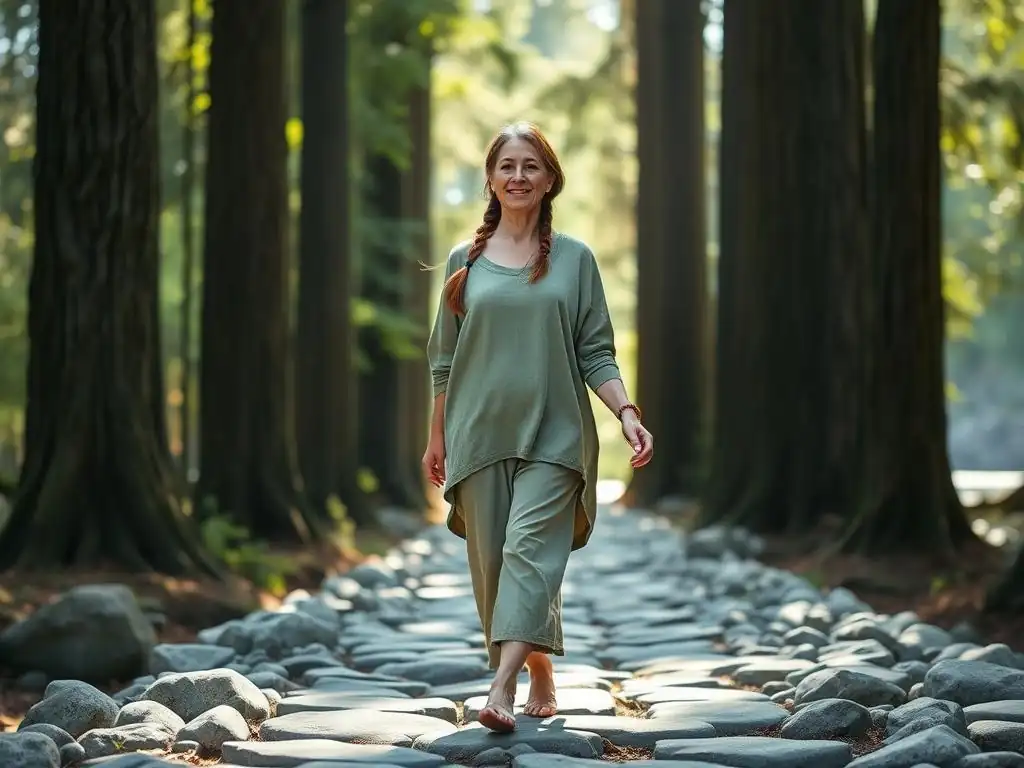
Welcome to Mind Care Guide, your trusted companion on the path to inner peace.
Are you feeling overwhelmed by anxiety and searching for a gentle, effective way to find relief? You're not alone. In this guide, we'll explore walking meditation, a powerful technique that can help you quiet your mind and find calm amidst the chaos. Curious to learn how simply putting one foot in front of the other can unlock a new level of tranquility? Let's begin.
Anxiety Relief Through Walking Meditation
- Mindful Movement: A Guide to Mental Well-being
- Understanding Anxiety
- Introduction to Walking Meditation
- Preparing for Walking Meditation
- Step-by-Step Walking Meditation Guide
- Deepening Your Practice
- Overcoming Challenges
- Real-Life Applications
- Integrating Walking Meditation
- Resources for Further Learning
- The Potential of Walking Meditation for Anxiety Relief
-
Frequently Asked Questions
- What is walking meditation and how does it differ from seated meditation?
- How can walking meditation help with anxiety relief?
- What are some key techniques to practice during walking meditation for anxiety?
- How often should I practice walking meditation to experience anxiety relief benefits?
- Are there any specific environments or surfaces that are better suited for walking meditation?
- Final Reflection: Finding Stillness in Motion
- Unleash Your Inner Calm: Start Walking Towards Peace Today!
Mindful Movement: A Guide to Mental Well-being
Anxiety is a common experience, affecting millions globally. While traditional methods like therapy and medication are crucial, complementary practices can significantly enhance well-being. Walking meditation offers a unique blend of physical activity and mindfulness, providing accessible and effective walking meditation anxiety relief. This practice integrates gentle movement with focused awareness, helping to ground individuals in the present moment and soothe an overactive mind.
Incorporating mindful movement into your routine doesn't require special equipment or a specific location; it can be done almost anywhere, making it highly practical for busy lives. The synergy between physical activity and meditation creates a powerful tool for managing stress and fostering emotional resilience. As we explore the principles and benefits of walking meditation, you'll discover how this simple act can become a profound source of calm and clarity.
Understanding Anxiety
Defining Anxiety and its Origins
Anxiety is more than just feeling stressed; it's a complex emotional and physiological response characterized by feelings of worry, nervousness, or unease about an imminent event or something with an uncertain outcome. While occasional anxiety is a normal part of life, persistent or excessive anxiety can become a disorder, impacting daily functioning. The origins of anxiety are multifaceted, stemming from a combination of genetic predisposition, brain chemistry, personality factors, life experiences, and environmental stressors. For instance, someone with a family history of anxiety might be more susceptible, especially when facing significant life changes or traumatic events.
Chronic anxiety can manifest in various forms, including generalized anxiety disorder (GAD), panic disorder, social anxiety disorder, and specific phobias. According to the World Health Organization (WHO), anxiety disorders are among the most common mental health conditions globally, affecting approximately 1 in 13 people. Understanding that anxiety has deep roots, both biological and environmental, is the first step in approaching it with empathy and seeking effective strategies like walking meditation anxiety relief.
The Effects of Anxiety on Health
The impact of anxiety extends far beyond emotional discomfort; it can have significant and lasting effects on both physical and mental health. Physiologically, chronic anxiety keeps the body in a state of heightened alert, triggering the release of stress hormones like cortisol and adrenaline. This can lead to a range of physical symptoms, including increased heart rate, rapid breathing, muscle tension, digestive problems, and fatigue. Over time, this constant state of alert can contribute to more serious health issues such as cardiovascular problems, weakened immune function, and chronic pain.
Mentally, anxiety can lead to difficulty concentrating, irritability, sleep disturbances (like insomnia), and a pervasive sense of dread. It can also exacerbate existing mental health conditions or contribute to the development of depression. A study published in the Journal of Affective Disorders highlighted the strong comorbidity between anxiety and depression, with many individuals experiencing both. Addressing anxiety is crucial not only for emotional well-being but also for protecting long-term physical health. Finding accessible practices like walking meditation anxiety relief becomes a vital part of a holistic health strategy.
Benefits of Walking Meditation for Anxiety
Walking meditation offers a unique pathway to walking meditation anxiety relief by combining the physical benefits of walking with the mental benefits of mindfulness. The rhythmic motion of walking can have a calming effect on the nervous system, similar to other repetitive activities. Simultaneously, the focus on present-moment awareness, characteristic of meditation, helps to interrupt the cycle of anxious thoughts that often loop in the mind. This dual action provides a powerful antidote to the physical restlessness and mental rumination associated with anxiety.
Research supports the efficacy of both physical activity and mindfulness for anxiety reduction. For example, a 2013 review in Frontiers in Psychiatry noted that mindfulness-based interventions significantly reduce anxiety symptoms. Similarly, countless studies confirm that even moderate physical activity like walking can decrease tension and improve mood. Walking meditation synergizes these effects, providing a gentle yet effective method. It helps ground you in your body, distracting from worries about the future or regrets about the past, fostering a sense of peace and presence.
Introduction to Walking Meditation
Definition and Principles
Walking meditation is a form of mindfulness meditation practiced while walking rather than sitting. At its core, it involves paying deliberate attention to the physical sensations of walking – the lifting and placing of the feet, the movement of the legs, the swing of the arms, and the rhythm of the breath. The fundamental principle is to bring full awareness to the present moment experience of walking, treating each step as an opportunity for mindful presence. It's not about reaching a destination quickly, but about being fully present for the journey of each step.
This practice draws from ancient traditions, such as Kinhin in Zen Buddhism, which is a walking meditation performed between periods of seated meditation. However, the modern practice can be adapted to any pace and environment. The key is non-judgmental observation – noticing sensations, thoughts, and feelings as they arise without getting carried away by them. This gentle yet focused attention cultivates concentration and helps to quiet the mental chatter, making it a potent tool for walking meditation anxiety relief.
Benefits for Anxiety and Stress Reduction
The combination of gentle physical activity and mindful awareness makes walking meditation particularly effective for reducing anxiety and stress. The physical act of walking releases endorphins, natural mood boosters, while also helping to dissipate physical tension often held in the body due to stress. Simultaneously, the mindful component trains the mind to stay present, reducing the tendency to dwell on worries or future anxieties. This deliberate shift in focus helps to break the cycle of rumination that often fuels anxiety.
Practicing walking meditation regularly can lower overall stress levels and improve emotional regulation. It provides a tangible way to ground oneself when feeling overwhelmed, offering a sense of control and calm. Individuals often report feeling more centered, less reactive to stressors, and experiencing a greater sense of peace after incorporating walking meditation into their routine. This consistent practice builds resilience, making it easier to navigate challenging situations and providing ongoing walking meditation anxiety relief.
Walking vs. Sitting Meditation
While both walking and sitting meditation cultivate mindfulness and offer benefits for mental well-being, they engage the body and mind in slightly different ways. Sitting meditation often emphasizes stillness and deep internal focus, which can be challenging for individuals with significant restlessness or high anxiety levels who find it difficult to sit still for extended periods. Walking meditation, conversely, incorporates movement, which can be more accessible and grounding for those who struggle with stillness.
The rhythmic motion of walking provides a natural anchor for attention, making it easier for some people to stay present compared to the relative lack of external stimuli in sitting meditation. Walking meditation also allows for the integration of mindfulness into daily activities, demonstrating that mindfulness isn't confined to a cushion but can be practiced anywhere, anytime. For individuals seeking walking meditation anxiety relief, the active component can be particularly beneficial in releasing nervous energy and facilitating a sense of calm movement.
Preparing for Walking Meditation
Choosing a Suitable Space
Selecting the right environment is key to a comfortable and focused walking meditation practice. Ideally, choose a space where you can walk back and forth or in a loop relatively undisturbed. This could be a quiet room, a hallway, a garden path, a park trail, or even a sidewalk in a less busy area. The space doesn't need to be perfectly silent, but minimizing potential interruptions can help maintain focus, especially when starting out. A path roughly 10-20 paces long is sufficient if walking back and forth.
Consider the surface you'll be walking on – a relatively flat and even surface is best to avoid tripping and allow you to focus on the sensations of walking rather than navigating obstacles. Ensure the temperature is comfortable and you are wearing appropriate footwear. While some advanced practitioners might walk barefoot, comfortable shoes are generally recommended for safety and ease, allowing you to fully immerse yourself in the experience of walking meditation anxiety relief.
Setting an Intention
Before you begin your walking meditation, take a moment to set a simple intention. This isn't about having a goal or expectation for the outcome, but rather a gentle reminder of why you are practicing and what you hope to cultivate. Your intention might be as simple as "to be present with each step," "to notice the sensations in my feet," or "to cultivate peace." For those seeking walking meditation anxiety relief, an intention could be "to walk away from worry" or "to find calm in movement."
Setting an intention helps to focus your mind from the outset and brings a sense of purpose to the practice. It acts as a gentle anchor to return to if your mind wanders. You can state your intention silently to yourself before you begin walking. Remember, the intention is a guide, not a rigid rule; approach it with kindness and flexibility.
Posture and Breathing
While walking meditation involves movement, maintaining a mindful posture is still important. Stand upright but relaxed, with your shoulders gently back and down, and your head balanced comfortably on your neck. Your gaze can be directed downwards a few feet in front of you to avoid distractions, or you can allow your eyes to be softly focused on the path ahead. Let your arms swing naturally by your sides. The key is to feel grounded and stable.
Breathing in walking meditation is typically natural and easy, without forced control. Simply allow your breath to flow in and out at its own pace. You can, however, bring your awareness to your breath as you walk, noticing its rhythm in relation to your steps. For example, you might notice inhaling for two steps and exhaling for two or three steps. This gentle awareness of the breath can serve as another anchor for your attention, complementing the focus on the physical sensations of walking and enhancing the potential for walking meditation anxiety relief.
Step-by-Step Walking Meditation Guide

Preparation
Begin by finding your chosen space. Stand comfortably at one end of your path. Take a few moments to arrive. You can close your eyes briefly if you wish, taking a few deeper breaths to center yourself. Set your intention for the practice. Bring your awareness to your body standing, feeling the contact of your feet on the ground. When you feel ready, gently open your eyes (if they were closed) and begin to walk slowly.
Focusing on Breath and Body
As you begin to walk, shift your attention to the physical sensations of each step. Notice the lifting of one foot, its movement through the air, and the feeling of it making contact with the ground. Pay attention to the weight shifting from one foot to the other. Feel the muscles engaging in your legs and feet.
You can also bring awareness to your breath – its natural rhythm as you walk. Notice the gentle rise and fall of your chest or abdomen. Coordinate your awareness: perhaps focusing on the foot lifting as you inhale and the foot landing as you exhale, or simply being aware of the breath's flow alongside the movement. This deliberate focus helps ground you in the present moment, diverting attention from anxious thoughts and fostering walking meditation anxiety relief.
Acknowledging Thoughts
Inevitably, your mind will wander. Thoughts, worries, plans, and memories will arise. This is a natural part of the process, not a failure. When you notice your mind has drifted – perhaps you've started planning dinner or replaying a conversation – simply acknowledge the thought without judgment. You might mentally note "thinking" or "planning." Then, gently but firmly guide your attention back to the sensations of walking or the rhythm of your breath.
There's no need to push thoughts away or get frustrated. Each time you notice your mind wandering and gently return your focus, you are strengthening your muscle of attention and mindfulness. This repeated practice of acknowledging thoughts and returning to the present is a powerful way to gain distance from anxious rumination, enhancing your ability to manage stress and find walking meditation anxiety relief.
Expanding Awareness
Once you feel relatively comfortable focusing on the basic sensations of walking and your breath, you can gradually expand your awareness to include other sensory experiences. Notice the feel of the air on your skin, the temperature, any sounds around you (without getting caught up in their stories), or even gentle visual perceptions (without focusing intensely on specific objects). The goal is to broaden your awareness to encompass the full richness of the present moment experience while still maintaining the anchor of walking sensations.
This expanded awareness helps you feel more connected to your environment and less trapped inside your own head, which can be particularly beneficial for anxiety. You are simply noticing, observing without judgment or analysis. This gentle expansion allows for a more encompassing sense of presence and can deepen the calming effects of walking meditation anxiety relief.
Conclusion
After walking for your desired duration (even just 10-15 minutes can be beneficial), begin to slow down as you approach the end of your path or designated time. Come to a gentle stop. Stand still for a moment, bringing your awareness back to your body standing upright. Notice the sensations of stillness after movement. Take a few conscious breaths. You might offer yourself a moment of gratitude for taking this time for yourself. Slowly transition back to your next activity, carrying a little of the mindfulness and calm you cultivated during your walk.
Deepening Your Practice
Mindfulness in Daily Walks
The principles of walking meditation aren't limited to dedicated practice sessions; they can be integrated into any walk you take, whether it's a stroll through the neighborhood, a walk to the store, or even navigating a busy airport. The key is to bring conscious awareness to the act of walking. Instead of letting your mind race or focusing solely on the destination, try to notice the sensations of your feet on the ground, the rhythm of your steps, your breath, and the environment around you.
This doesn't mean you can't think or plan at all during these walks, but rather that you consciously choose moments to ground yourself in the present experience of movement. For instance, during a walk to the park, you might spend a few minutes focusing solely on your steps, then allow your mind to wander, and then bring your awareness back to your senses – noticing the sounds of birds, the feel of the breeze, the sight of trees.
Integrating mindfulness into daily walks provides consistent opportunities for walking meditation anxiety relief and strengthens your ability to be present throughout the day.
Mantras and Affirmations
Incorporating a mantra or affirmation can add another layer to your walking meditation practice, particularly when seeking walking meditation anxiety relief. A mantra is a word, phrase, or sound repeated silently or softly to help focus the mind and cultivate a specific quality. For example, you might repeat "peace" or "calm" with each step or with each breath cycle. An affirmation is a positive statement that reflects a desired state or quality, such as "I am safe," "I am grounded," or "I release worry with every step."
Choose a mantra or affirmation that resonates with you and feels supportive for managing anxiety. You can synchronize the repetition with your steps (e.g., "I am" on the left step, "calm" on the right step) or with your breath. When your mind wanders, gently return to repeating your chosen phrase. This practice can be particularly helpful in redirecting anxious thought patterns and instilling a sense of reassurance and peace.
Exploring Different Walking Meditation Styles: Kinhin, Forest Bathing
While the basic principles of walking meditation are universal, different traditions and approaches offer variations. Kinhin, as mentioned earlier, is a formal Zen practice often performed between seated meditation periods, characterized by a specific, often very slow and deliberate pace, sometimes with hands held in a particular mudra. This style emphasizes precision and continuous awareness.
Another related practice is Shinrin-yoku, or Forest Bathing, originating in Japan. While not strictly a meditation technique, it shares the core principle of mindful presence while walking in nature. Forest bathing encourages engaging all senses to connect with the forest environment – noticing the smells of the earth and trees, the sounds of rustling leaves and birds, the textures of bark and moss, and the sights of light filtering through the canopy.
Spending time mindfully immersed in nature has been shown in studies to reduce stress hormones like cortisol and lower blood pressure, offering profound walking meditation anxiety relief through environmental connection. Exploring these different styles can enrich your practice and help you find what resonates best with you.
Overcoming Challenges
Managing Distractions
Distractions are a natural part of walking meditation, whether they are external sounds, sights, or internal thoughts and feelings. The goal isn't to eliminate distractions but to develop the skill of noticing them and gently returning your attention to your chosen anchor (the sensations of walking, the breath, a mantra). When you notice your mind has wandered, acknowledge it without judgment ("Ah, thinking about work") and then kindly redirect your focus back to the present moment experience of walking.
If a particular distraction is persistent or overwhelming, you might try momentarily shifting your focus more intently to a specific sensation, like the feeling of your feet inside your shoes, before broadening your awareness again. Remember that each time you notice a distraction and return to your focus, you are strengthening your attentional muscle. Patience and persistence are key. Over time, you'll find it easier to stay present, enhancing the benefits of walking meditation anxiety relief.
Addressing Physical Discomfort
While walking meditation is generally a gentle practice, physical discomfort can sometimes arise, such as tired feet, a stiff back, or muscle aches. It's important to listen to your body. If you experience significant pain, it's okay to slow down, adjust your posture, or even pause your practice. Pushing through pain is not the goal of mindfulness.
Bring a sense of gentle curiosity to any discomfort you notice. Can you observe the sensation without labeling it as "bad"? Can you breathe into it? Sometimes simply acknowledging the discomfort mindfully can lessen its intensity. If discomfort persists or is severe, consider shortening your practice duration, choosing a different walking surface, or consulting a healthcare professional to rule out any underlying issues. Adapting the practice to suit your body's needs is essential for sustainable walking meditation anxiety relief.
Maintaining Consistency
One of the biggest challenges in any mindfulness practice is maintaining consistency. Life gets busy, motivation wanes, and it's easy to let the practice slide. To build a consistent walking meditation habit, try to integrate it into your existing routine. Could you incorporate a mindful walk into your commute, your lunch break, or your evening wind-down? Start small – even 5-10 minutes of mindful walking daily can make a difference.
Schedule your walking meditation like any other important appointment. Consider finding an accountability partner or joining a group (if available) to help stay motivated. Track your practice in a journal or app if that helps you. Be kind to yourself if you miss a day; simply start again the next. Remember why you started – the desire for walking meditation anxiety relief and greater well-being. Focusing on the positive effects you notice can be a powerful motivator to keep going.
Real-Life Applications

Social anxiety can make interactions feel daunting, often leading to avoidance or significant distress. Walking meditation can be a valuable tool for managing social anxiety, both as a preparation for social situations and as a way to process them afterward. Before attending a social event, a short mindful walk can help ground you, calm your nervous system, and bring you into the present moment, reducing anticipatory anxiety. Focusing on your steps and breath can create a sense of inner stability amidst external uncertainty.
After a social interaction that felt challenging, a walking meditation can help process the experience mindfully. Instead of getting caught in a loop of self-critical thoughts or replaying awkward moments, you can bring awareness to the physical sensations of walking and allow thoughts about the interaction to arise and pass without getting entangled in them. This helps to create distance from anxious rumination and promotes a more balanced perspective, contributing to walking meditation anxiety relief in social contexts.
Walking Meditation for Panic Attack Management
Panic attacks are intense episodes of fear or discomfort accompanied by physical symptoms like rapid heartbeat, shortness of breath, dizziness, and chest pain. During a panic attack, the body's fight-or-flight response is activated intensely. While it may seem counterintuitive, gentle, mindful walking can sometimes help manage a panic attack or the intense anxiety that precedes one, particularly if you are in a safe space to do so.
Focusing intently on the physical sensations of walking – the contact of your feet on the ground, the deliberate movement of your legs – can act as a powerful anchor, pulling your awareness out of the fearful thoughts and intense physical sensations of the panic. Coordinating this focus with conscious, steady breathing (if possible) can further help regulate the nervous system.
This grounding technique provides a tangible action to focus on during overwhelming moments, offering immediate walking meditation anxiety relief by interrupting the panic cycle and reconnecting you with your body and the present moment. Note: Always prioritize safety and seek professional help for managing panic attacks.
Integrating Walking Meditation
Combining with Other Techniques
Walking meditation can be effectively combined with other mindfulness and anxiety management techniques to create a comprehensive approach to well-being. For instance, you can integrate body scan meditation or mindful breathing exercises before or after your mindful walk. Using journaling to reflect on your experience during or after a walking meditation can also deepen your understanding and insights.
Pairing walking meditation with cognitive behavioral therapy (CBT) techniques can be particularly powerful. For example, you can use the grounded state cultivated during your walk to mindfully observe anxious thought patterns identified in therapy without judgment. Or, use mindful walking to practice exposure to slightly anxiety-provoking situations (like walking in a moderately crowded park) while staying connected to your inner calm. This synergistic approach enhances the overall effectiveness of walking meditation anxiety relief.
Creating a Personalized Plan
Developing a personalized plan is key to making walking meditation a sustainable practice for walking meditation anxiety relief. Consider your lifestyle, schedule, and preferences. How much time can you realistically commit each day or week? Even 10 minutes is beneficial. Where can you practice – indoors, outdoors, during a commute? What time of day works best for you?
Think about what aspects of the practice resonate most. Do you prefer focusing on steps, breath, or incorporating a mantra? Are you drawn to nature walks or quiet indoor spaces? Experiment with different durations, times, and focuses. Start small, be flexible, and adjust your plan as needed. The goal is to create a practice that feels supportive and accessible, not another source of stress. Tailoring the practice ensures it effectively contributes to your overall mental well-being strategy.
Resources for Further Learning
Books and Articles on Mindfulness
For those wishing to deepen their understanding of mindfulness and its application to anxiety, numerous books and articles offer valuable insights. Classic texts like "Wherever You Go, There You Are" by Jon Kabat-Zinn provide accessible introductions to mindfulness principles, including walking meditation. Thich Nhat Hanh's writings, such as "Peace Is Every Step," offer profound teachings specifically on mindful walking.
Many contemporary authors and researchers also explore the science behind mindfulness and its benefits for mental health. Searching for articles on mindfulness-based stress reduction (MBSR) or mindfulness-based cognitive therapy (MBCT) in reputable mental health publications or academic databases can provide evidence-based information. These resources can enrich your practice and provide a deeper context for how walking meditation anxiety relief works.
Online Courses and Guided Meditations
Structured learning can be very helpful when starting or deepening a mindfulness practice. Many online platforms offer courses on mindfulness, meditation, and stress reduction. These courses often include guided meditations, including guided walking meditations, which can be particularly useful initially. A guided practice provides instructions and cues, making it easier to stay focused and understand the process.
Numerous apps and websites also offer libraries of guided meditations, with specific tracks for walking meditation or for managing anxiety. Exploring different teachers and styles can help you find guidance that resonates with you. These digital resources make walking meditation anxiety relief guidance accessible from almost anywhere, allowing you to practice with support whenever you need it.
Finding a Community
Practicing mindfulness within a community can offer support, shared experience, and motivation. Look for local meditation centers, mindfulness groups, or yoga studios that offer guided walking meditations or incorporate them into their programs. Online forums or groups dedicated to mindfulness or anxiety management can also provide a sense of connection and allow you to share experiences and challenges with others.
Connecting with others who are also exploring mindfulness or seeking walking meditation anxiety relief can normalize your experiences, provide encouragement, and offer new perspectives on the practice. While walking meditation is often a solitary activity, the support of a community can strengthen your commitment and make the journey feel less isolating.
The Potential of Walking Meditation for Anxiety Relief
Walking meditation is far more than just a simple stroll; it is a powerful, accessible practice offering significant potential for walking meditation anxiety relief. By intentionally combining gentle movement with present-moment awareness, it provides a tangible way to interrupt anxious thought loops, ground yourself in your body, and cultivate a sense of calm amidst life's challenges. It requires no special equipment or location, making it easily integrated into daily life.
The rhythmic nature of walking, coupled with focused attention on physical sensations and breath, helps to soothe the nervous system and release physical tension often associated with anxiety. As you practice consistently, you build resilience, strengthen your ability to manage distractions, and develop a greater capacity to respond to anxious feelings with awareness and compassion rather than reactivity. Whether practiced formally or integrated into daily walks, this mindful movement technique offers a profound path towards greater peace and well-being.
Frequently Asked Questions
What is walking meditation and how does it differ from seated meditation?
Walking meditation is a mindful practice where you focus on the sensations of walking rather than sitting still. It differs from seated meditation by incorporating physical movement as the anchor for attention.
How can walking meditation help with anxiety relief?
Walking meditation helps reduce anxiety by grounding you in the present moment and interrupting anxious thought patterns. The rhythmic movement and focused attention can promote relaxation and a sense of calm.
What are some key techniques to practice during walking meditation for anxiety?
Focus on the physical sensations of your feet making contact with the ground. Pay attention to your breath and posture, and gently redirect your attention back to the present if your mind wanders.
How often should I practice walking meditation to experience anxiety relief benefits?
Consistency is key; even 10-15 minutes daily can make a difference. Experiment with longer sessions to find what works best for you and your level of anxiety.
Are there any specific environments or surfaces that are better suited for walking meditation?
Any environment where you feel safe and comfortable is suitable. While nature can be beneficial, even walking indoors can be effective, as long as it allows for a focused and mindful experience.
Final Reflection: Finding Stillness in Motion
The pervasive nature of anxiety in modern life demands innovative solutions, and the simple act of walking meditation offers a powerful, accessible antidote. This practice, far from being a niche pursuit, provides a tangible pathway to managing stress and cultivating inner peace, a need increasingly felt in our fast-paced, digitally-driven world. The benefits, as explored throughout this article, extend beyond mere stress reduction; they touch upon improved focus, emotional regulation, and a deeper connection with oneself and the environment.
The profound impact of mindful walking on my own life, and the countless testimonials I've encountered, underscore its transformative potential. It's not just about the physical act of walking; it's about cultivating a present-moment awareness that gently unravels the knots of anxiety. As Thich Nhat Hanh wisely said, Walk as if you are kissing the Earth with your feet.
This simple yet profound image encapsulates the essence of walking meditation: a mindful connection to the present, a grounding force against the anxieties of the future and regrets of the past.
Now, consider your own life. What spaces in your day could benefit from the intentional stillness of a walking meditation? Perhaps it's a brief pause during your lunch break, a mindful stroll through a nearby park, or even a slow, deliberate walk around your home. I invite you to experiment, to embrace the gentle rhythm of your breath and the sensation of your feet on the ground. Discover the transformative power of movement, not as an escape, but as a pathway to a calmer, more centered you. Let the journey begin.
Unleash Your Inner Calm: Start Walking Towards Peace Today!
Thanks for taking the time to explore the power of walking meditation with us! We hope you've gained valuable insights into this simple yet profound practice for anxiety relief. Ready to put these techniques into action?
- Embrace the mindful movement: Dedicate just 15 minutes today to a guided walking meditation. Focus on your breath and the sensation of your feet on the ground.
- Share your journey: Tell us about your experience! What did you notice during your walk? How did it impact your anxiety levels?
- Discover a new path: Explore different walking meditation techniques online or in local classes. Find what resonates best with you and creates lasting peace.
Ready to discover how this simple shift in perspective can transform your daily life?