
Discover Inner Peace: Stress Reduction Through Mindful Living Exercises


Welcome to Mind Care Guide, your sanctuary for navigating the complexities of mental well-being.
Are you feeling overwhelmed by the constant pressures of modern life? It's okay, you're not alone. This space is dedicated to helping you find moments of calm amidst the chaos. Our guide, "Discover Inner Peace: Stress Reduction Through Mindful Living Exercises," offers practical techniques to unlock the transformative power of mindful living stress reduction. Curious to learn how simple daily practices can dramatically improve your mental health and bring you closer to inner peace? Let's begin your journey to a calmer, more centered you...
Discover Inner Peace: Stress Reduction Through Mindful Living Exercises
- Understanding Mindful Living for Stress Reduction
-
Practical Mindful Living Exercises for Stress Reduction
- Mindful Breathing Techniques for Immediate Stress Relief
- Mindful Body Scan Meditation for Reducing Tension
- Mindful Walking: Connecting with Nature and Reducing Stress
- Mindful Eating: Savoring Each Bite to Reduce Stress and Anxiety
- Mindful Listening: Improving Communication and Reducing Stress in Relationships
- Integrating Mindful Living into Your Daily Routine
- Overcoming Challenges in Mindful Living Practice
- Long-Term Benefits of Mindful Living for Sustained Stress Reduction
-
Frequently Asked Questions
- What is mindful living and how does it relate to stress reduction?
- How can I incorporate mindful living exercises into my daily routine?
- What are some effective mindful living techniques for immediate stress relief?
- Is mindful living a substitute for professional mental health treatment?
- How long does it take to see the benefits of mindful living for stress reduction?
- Final Reflection: Cultivating Inner Peace in a Frantic World
- Unlock Your Inner Calm: Start Practicing Mindfulness Today!
Understanding Mindful Living for Stress Reduction
What is Mindful Living and Its Benefits for Stress?
Mindful living is the practice of intentionally bringing awareness to the present moment without judgment. It involves paying attention to your thoughts, feelings, bodily sensations, and surrounding environment with a sense of curiosity and acceptance. This practice isn't about emptying your mind or achieving a state of perfect calm; rather, it's about noticing what is happening right now, whether pleasant, unpleasant, or neutral. Integrating this awareness into daily life is key to unlocking its potential for stress reduction.
The benefits of mindful living for stress reduction are well-documented. By cultivating present-moment awareness, individuals can recognize stress triggers more quickly and respond to challenging situations with greater clarity and less reactivity. Instead of being overwhelmed by anxious thoughts about the future or regrets about the past, they learn to anchor themselves in the present, reducing the mental clutter that often fuels stress. This enhanced self-awareness allows for a more measured response to stressors, potentially lowering physiological markers of stress like heart rate and blood pressure over time.
The Science Behind Mindfulness and Stress Relief
Extensive research has explored the neural and physiological mechanisms by which mindfulness supports stress relief. Studies using fMRI scans have shown that regular mindfulness practice can lead to structural changes in the brain, such as increased grey matter density in areas associated with learning, memory, emotion regulation, and empathy, like the hippocampus and prefrontal cortex. Simultaneously, there can be a decrease in the size of the amygdala, the brain region responsible for the fear and stress response.
Beyond structural changes, mindfulness impacts neurochemical processes. Research indicates that mindful living practices can help regulate the body's stress response system, often referred to as the hypothalamic-pituitary-adrenal (HPA) axis. This regulation can result in lower levels of cortisol, the primary stress hormone. For instance, a meta-analysis of multiple studies found that mindfulness-based interventions led to significant reductions in self-reported stress and improvements in various psychological outcomes, with some studies showing cortisol level reductions of up to 20% in participants practicing mindfulness regularly compared to control groups. This scientific understanding reinforces the efficacy of mindful living stress reduction techniques.
Mindful Living vs. Traditional Stress Management Techniques
Traditional stress management techniques often focus on external factors or behavioral changes, such as time management, exercise, social support, or avoiding stressors. While highly effective and important components of a healthy lifestyle, they sometimes address the symptoms or external causes of stress. For example, exercise releases endorphins and reduces tension, and time management helps organize tasks to prevent feeling overwhelmed.
Mindful living, in contrast, primarily addresses the internal experience of stress. It teaches individuals how to relate to stress differently, regardless of the external situation. Instead of trying to eliminate stress or change circumstances (which isn't always possible), mindful living stress reduction cultivates the ability to observe stressful thoughts and feelings without getting swept away by them. This internal shift provides a foundational resilience that complements external stress management strategies, offering a deeper, more sustainable path to inner peace amidst life's challenges.
Practical Mindful Living Exercises for Stress Reduction
Mindful Breathing Techniques for Immediate Stress Relief
Mindful breathing is one of the most accessible and powerful tools for immediate stress reduction. It involves intentionally focusing attention on the sensation of the breath entering and leaving the body. This simple act grounds you in the present moment, interrupting the cascade of stressful thoughts and physiological responses. By consciously regulating your breath, you can signal to your nervous system that you are safe, shifting from a state of fight-or-flight to rest-and-digest.
Practicing mindful breathing for even just a few minutes can significantly lower your heart rate and calm your mind. It's a foundational exercise in mindful living stress reduction and can be done anywhere, anytime – at your desk, in traffic, or before a challenging conversation. The key is gentle, non-judgmental awareness of the breath, noticing its natural rhythm without trying to control it initially, and then perhaps moving to specific techniques for deeper relaxation.
Diaphragmatic Breathing: A Simple Exercise
Diaphragmatic breathing, also known as belly breathing, involves engaging the diaphragm muscle, located below the lungs, for deeper and more efficient breaths. This technique helps slow your breathing rate and decrease oxygen demand, which can have a calming effect on the nervous system, making it an excellent mindful living stress reduction tool. To practice:
- Find a comfortable seated or lying position.
- Place one hand on your upper chest and the other just below your rib cage.
- Inhale slowly through your nose, feeling your abdomen rise and your hand on your belly move outward. Your chest should remain relatively still.
- Exhale slowly through pursed lips, gently contracting your abdominal muscles to push the air out. The hand on your belly should move inward.
- Repeat for 5-10 minutes, focusing your attention solely on the sensation of your belly rising and falling with each breath.
The 4-7-8 Breathing Technique
The 4-7-8 breathing technique, popularized by Dr. Andrew Weil, is a relaxing breathing pattern that can help reduce anxiety and promote sleep. It acts as a natural tranquilizer for the nervous system, useful for mindful living stress reduction. To practice:
- Sit with your back straight.
- Place the tip of your tongue against the ridge of tissue just behind your upper front teeth and keep it there throughout the exercise.
- Exhale completely through your mouth, making a whoosh sound.
- Close your mouth and inhale quietly through your nose to a mental count of 4.
- Hold your breath for a count of 7.
- Exhale completely through your mouth, making a whoosh sound, to a count of 8.
- This is one cycle. Repeat the cycle three more times for a total of four breaths. Do not exceed four breaths when you first start.
Mindful Body Scan Meditation for Reducing Tension
A mindful body scan meditation is a practice where you systematically bring your attention to different parts of your body, noticing any sensations present without judgment. This exercise helps to develop greater awareness of physical tension, discomfort, or ease that you might not otherwise notice, providing a direct pathway for mindful living stress reduction by releasing stored tension. It cultivates a deeper connection with your physical self and can highlight how stress manifests physically.
Regular practice of a body scan can improve interoceptive awareness – the ability to sense the internal state of your body. This increased awareness can help you recognize early signs of stress or anxiety manifesting physically (like a tight jaw or tense shoulders) before they become overwhelming. Studies have shown that consistent body scan practice can lead to reductions in chronic pain and improvements in sleep quality, further contributing to overall stress relief and well-being.
How to Perform a Body Scan Meditation
Performing a body scan meditation is straightforward and requires no special equipment. Find a quiet space where you can lie down comfortably, perhaps on a mat or bed, or sit in a chair with your feet flat on the floor.
- Begin by bringing attention to your breath for a few moments, noticing the rise and fall of your abdomen or chest.
- Gently shift your awareness to your feet. Notice any sensations present – warmth, coolness, tingling, pressure. Simply observe without trying to change anything.
- Slowly move your attention up your body: ankles, lower legs, knees, thighs, hips, and pelvis. Pause at each area, noticing sensations.
- Continue moving up through your torso: abdomen, lower back, upper back, chest, shoulders. Pay attention to any areas of tightness or discomfort.
- Bring awareness down your arms to your fingertips, then back up to your shoulders.
- Finally, focus on your neck, throat, face (jaw, cheeks, eyes, forehead), and the top of your head.
- Rest in a state of whole-body awareness for a few moments before gently bringing your attention back to the room. The entire process might take 10-30 minutes.
Benefits of Regular Body Scan Practice
Regularly practicing body scan meditation offers significant benefits for mindful living stress reduction. It helps you become more attuned to your body's signals, allowing you to identify and potentially release physical tension that accumulates due to stress. For example, many people hold stress in their shoulders or jaw without realizing it; a body scan brings this to conscious awareness.
Beyond tension release, consistent body scan practice can improve your ability to tolerate difficult physical sensations, such as those associated with anxiety or chronic pain, by approaching them with non-judgmental observation rather than immediate reactivity. This practice fosters a sense of embodiment and presence, reducing the tendency to get lost in stressful thoughts and promoting a feeling of groundedness and calm.
Mindful Walking: Connecting with Nature and Reducing Stress
Mindful walking combines the physical benefits of walking with the mental benefits of mindfulness, offering a dynamic form of mindful living stress reduction. It's not about getting somewhere quickly or hitting a target number of steps, but about being fully present with the experience of walking itself. This practice can be done indoors or outdoors, but walking in nature often enhances the sensory experience and provides additional calming benefits.
Mindful walking helps quiet the busy mind by focusing attention on the physical sensations of walking and the surrounding environment. It allows you to step away from ruminating thoughts about problems or deadlines and engage directly with the present moment. Studies have suggested that walking in nature specifically can lower levels of stress hormones and improve mood more effectively than walking in urban environments.
Setting the Stage for Mindful Walking
To begin a mindful walk, choose a route where you feel relatively safe and can minimize distractions. This could be a park, a quiet street, or even just around your backyard. Before you start, take a moment to pause and set an intention – perhaps to simply be present with your experience for the duration of the walk.
As you begin walking, bring your attention to the sensations in your body. Notice the feeling of your feet contacting the ground, the movement of your legs, the swing of your arms. Pay attention to your posture and the rhythm of your steps. There's no need to walk at a specific pace; find a speed that feels comfortable and allows you to maintain awareness.
Focusing on Sensory Experiences During Your Walk
During your mindful walk, intentionally broaden your awareness to include your sensory experiences. What do you see? Notice the colors, shapes, and textures of the plants, buildings, or sky. What do you hear? Tune into the sounds around you – birds singing, leaves rustling, distant traffic. What do you smell? Pay attention to the scent of flowers, damp earth, or rain.
Also, notice the feeling of the air on your skin, the temperature, or the wind. Engage all your senses to deepen your connection with the present moment and your surroundings. When your mind inevitably wanders to thoughts about the past or future (which it will), gently acknowledge the thoughts without judgment and guide your attention back to your sensory experience of walking. This practice of returning to the present is a core skill in mindful living stress reduction.
Mindful Eating: Savoring Each Bite to Reduce Stress and Anxiety

Mindful eating is the practice of paying full attention to the experience of eating and drinking, both inside and outside the body. It involves noticing the colors, smells, textures, and flavors of your food, as well as recognizing your physical hunger and fullness cues. This approach transforms eating from a rushed, often mindless activity into a practice of appreciation and self-care, contributing significantly to mindful living stress reduction.
When we eat mindlessly – often while distracted by screens or worries – we miss out on the pleasure of the meal and may overeat or make unhealthy choices that later contribute to physical stress or guilt. Mindful eating encourages a slower pace, allowing your body to register what you are consuming and giving your mind a break from stressful thinking by focusing on a pleasurable, immediate experience. Research suggests mindful eating practices can improve digestion and help regulate appetite.
Creating a Mindful Eating Environment
Setting up a mindful eating environment involves minimizing distractions. Turn off the television, put away your phone, and try to eat in a calm, pleasant space. If eating with others, try to engage in conversation without rushing through the meal.
Pay attention to the presentation of your food – the colors, the arrangement on the plate. Before you begin eating, take a moment to appreciate the food – where it came from, the effort involved in preparing it. This brief pause can shift your mindset towards gratitude and presence, setting a positive tone for the mindful eating experience.
Paying Attention to Hunger and Fullness Cues
A crucial aspect of mindful eating is tuning into your body's internal signals of hunger and fullness. Before eating, ask yourself: Am I truly hungry? What kind of hunger is it (physical, emotional)? During the meal, pause periodically and check in with your body: Am I still hungry? Am I starting to feel satisfied?
Eat slowly, chewing each bite thoroughly. Put your fork down between bites. Pay attention to the textures, temperatures, and flavors of the food. Notice how your body feels as you eat. Stop eating when you feel comfortably full, not stuffed. Learning to trust these internal cues can help you make healthier choices and reduce the stress often associated with restrictive dieting or overeating, reinforcing mindful living stress reduction.
Mindful Listening: Improving Communication and Reducing Stress in Relationships
Mindful listening is the practice of paying full attention to another person when they are speaking, without interrupting, planning your response, or getting distracted by your own thoughts or judgments. It involves being fully present with the speaker, both verbally and nonverbally, making it a powerful tool for improving relationships and reducing interpersonal stress as part of mindful living stress reduction.
Poor communication is a major source of stress in personal and professional relationships. When people feel unheard or misunderstood, it can lead to frustration, conflict, and emotional distance. Mindful listening fosters deeper connection, builds trust, and resolves misunderstandings more effectively, creating a more harmonious environment that naturally reduces stress for all parties involved.
Active Listening Techniques
While mindful listening is about the internal state of awareness, active listening involves specific techniques that demonstrate that awareness to the speaker. These techniques include:
- Maintaining eye contact: Shows you are engaged.
- Nodding or using small verbal affirmations (like "I see" or "uh-huh"): Indicates you are following along.
- Summarizing or paraphrasing what the speaker said: "So, if I understand correctly, you're saying..." This confirms your understanding and gives the speaker a chance to clarify.
- Asking open-ended questions: Encourages the speaker to elaborate ("Can you tell me more about that? ").
- Reflecting feelings: Naming the emotion you perceive the speaker expressing: "It sounds like you were feeling frustrated by that."
These techniques, combined with the internal state of mindful presence, create a powerful form of communication that validates the speaker's experience and strengthens the relationship, reducing potential stress points.
Cultivating Empathy Through Mindful Listening
Mindful listening naturally cultivates empathy. By fully attending to another person's words, tone of voice, and body language without getting caught up in your own reactions or agenda, you create space to understand their perspective and emotional state. You are listening not just to the words, but to the person behind the words.
This empathetic understanding reduces the likelihood of misinterprestanding intentions and helps dissolve defensiveness. When both parties feel heard and understood, even in disagreement, it reduces the emotional intensity and stress associated with conflict. Practicing mindful listening in daily interactions, from casual conversations to challenging discussions, is a vital component of mindful living stress reduction in the social realm.
Integrating Mindful Living into Your Daily Routine
Incorporating mindful living stress reduction into a busy life might seem daunting, but it doesn't require hours of dedicated meditation each day. The key is finding small, consistent ways to bring awareness into everyday activities. Think of it as weaving threads of mindfulness throughout the fabric of your day, rather than setting aside large blocks of time that may feel impossible to maintain.
Starting small and being patient with yourself is essential. Even one minute of mindful breathing or five minutes of mindful walking can make a difference. As you practice, you'll likely find opportunities to extend these moments and discover new ways to be present. The goal is progress, not perfection, in your journey toward mindful living stress reduction.
Creating a Mindful Morning Routine for a Stress-Free Day
Starting your day with mindfulness can set a positive and calm tone, helping you navigate potential stressors with greater ease. A mindful morning routine doesn't have to be long or complicated. It's about beginning your day with intention and awareness rather than rushing into the demands of the day.
Consider incorporating one or two simple mindful practices into your first 15-30 minutes. This could involve waking up a few minutes earlier to sit quietly and focus on your breath for 5 minutes, mindfully stretching your body, or consciously savoring your morning beverage without multitasking. Even mindfully getting dressed, paying attention to the feel of the clothes on your skin, can be a form of mindful living stress reduction to begin your day.
Mindful Moments Throughout the Day: Short Practices for Stress Reduction
Throughout the day, there are countless opportunities for "mindful moments" – brief pauses to anchor yourself in the present. These short practices are incredibly effective for interrupting stress cycles and regaining perspective.
Some examples of mindful moments include:
- Taking three conscious breaths before opening an email or answering the phone.
- Mindfully washing your hands, paying attention to the water temperature and the soap's texture.
- Bringing full attention to the act of walking between meetings or tasks.
- Taking a 60-second pause to look out a window and notice what you see, hear, and feel.
- Mindfully transition between activities, allowing a brief pause before starting the next task.
These small acts of presence accumulate over time, building your capacity for mindful living stress reduction in the face of daily pressures.
Using Mindfulness Apps and Resources for Guided Meditation
For many people, especially beginners, guided meditations offered through apps or online resources can be invaluable tools for establishing a mindful living practice. These resources provide structure and instruction, making it easier to learn techniques like mindful breathing, body scans, and loving-kindness meditation.
Popular mindfulness apps often offer a wide range of guided sessions, from short 3-minute meditations for quick stress relief to longer practices. They can help you stay consistent by tracking your practice and offering reminders. While not a substitute for personal practice, these resources can provide support and variety, making the journey towards mindful living stress reduction more accessible and engaging.
Overcoming Challenges in Mindful Living Practice
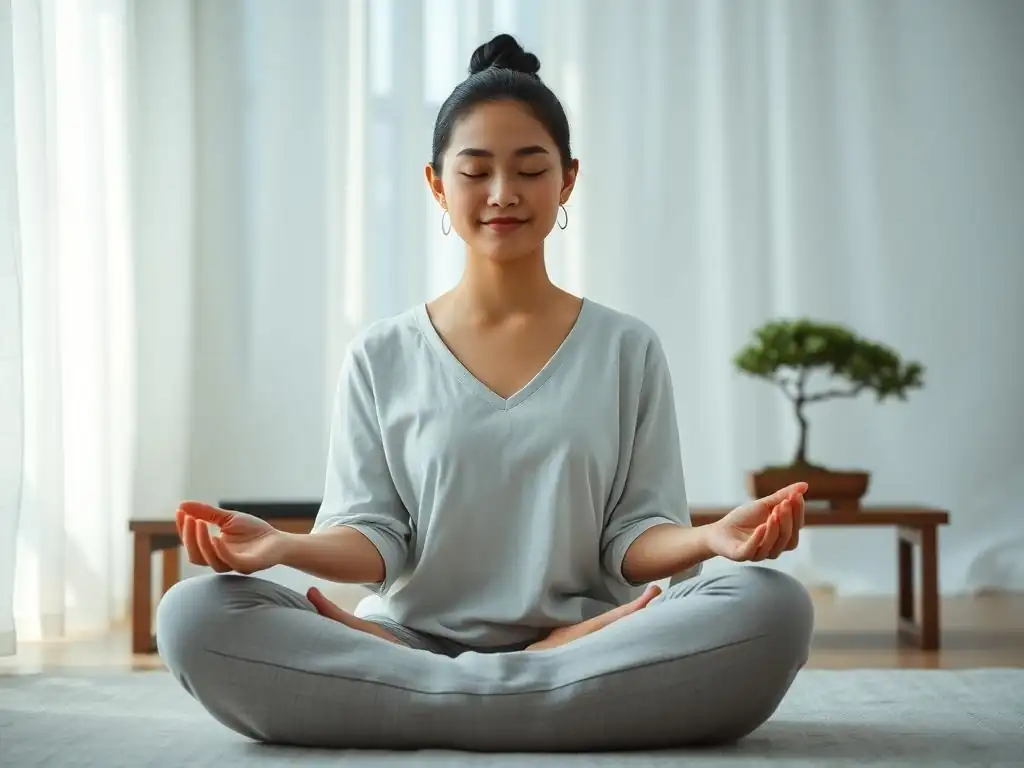
Embarking on a mindful living journey for stress reduction is not always a smooth path. It's common to encounter challenges and moments of frustration. Understanding these potential obstacles and developing strategies to navigate them is crucial for maintaining a consistent and beneficial practice. Patience and self-compassion are key allies when facing difficulties.
Remember that the goal of mindful living is not to eliminate challenges or achieve perfect stillness, but to develop a new relationship with your internal and external experiences. Challenges are simply part of the practice itself, offering opportunities for deeper learning and growth. Approaching them with curiosity rather than judgment strengthens your resilience.
Common Obstacles to Mindfulness and How to Address Them
One of the most common obstacles is a busy or "noisy" mind. People often feel they are "failing" at mindfulness because their minds are full of thoughts during practice. However, mind wandering is completely normal. The practice isn't about stopping thoughts, but noticing when your mind has wandered and gently guiding your attention back to your chosen anchor (like the breath). This act of returning is the core exercise.
Another challenge is finding time. Modern life is demanding, and setting aside even a few minutes can feel impossible. Address this by integrating mindfulness into activities you already do (e.g., mindful eating, walking, showering) or scheduling very short practices (1-5 minutes) at specific times. Boredom, restlessness, or discomfort can also arise. Acknowledge these sensations with curiosity, without immediately reacting or trying to escape them. Can you simply be with the feeling for a moment?
Staying Consistent with Your Mindful Living Practice
Consistency is often more important than duration when it comes to reaping the long-term benefits of mindful living stress reduction. Practicing for 5-10 minutes daily is generally more effective than doing a 60-minute session once a week. To stay consistent, try linking your practice to an existing habit, such as meditating for a few minutes immediately after brushing your teeth or before your first cup of coffee.
Setting realistic expectations is also vital. Don't expect to feel perfectly calm after every session. Some days will be easier than others. Celebrate small successes and don't dwell on missed days. If you skip a day or a week, simply acknowledge it without self-criticism and start again. Finding a practice buddy or joining a group can also provide support and accountability, helping you maintain momentum in your mindful living stress reduction efforts.
Seeking Guidance: When to Consult a Mindfulness Expert or Therapist
While mindful living practices are generally safe and beneficial, there are times when seeking professional guidance is advisable. If you are struggling with significant stress, anxiety, depression, or trauma, mindfulness practice might occasionally bring up difficult emotions or memories. A qualified mindfulness teacher or a therapist experienced in mindfulness-based approaches can provide support and guidance in navigating these experiences safely.
Additionally, if you find yourself unable to establish a consistent practice despite your best efforts, or if you have questions about specific techniques, consulting a certified mindfulness instructor can be very helpful. They can offer personalized advice, clarify misunderstandings, and help you tailor practices to your specific needs and challenges, enhancing your journey towards mindful living stress reduction.
Long-Term Benefits of Mindful Living for Sustained Stress Reduction
Committing to mindful living for stress reduction yields significant and lasting benefits beyond immediate relief. As mindfulness becomes a more ingrained way of being, it fundamentally alters your relationship with stress and challenges, building resilience and fostering a deeper sense of peace and well-being. These long-term effects contribute to improved mental, emotional, and even physical health.
It's like strengthening a muscle; the more you practice bringing awareness to the present moment, the stronger your capacity becomes to remain calm and clear-headed when faced with stressful situations. This doesn't mean stress disappears entirely, but your ability to navigate it effectively increases, leading to a more stable and content life.
Improved Mental and Emotional Well-being Through Mindfulness
Regular mindful living practice has a profound impact on mental and emotional well-being. By observing thoughts and feelings without judgment, you develop greater emotional regulation. You become less reactive to difficult emotions like anger, fear, or sadness, and better able to experience pleasant emotions more fully.
Studies have shown that consistent mindfulness practice can lead to significant reductions in symptoms of anxiety and depression. For example, research on Mindfulness-Based Stress Reduction (MBSR) programs often reports participants experiencing a 25-40% decrease in anxiety and depression symptoms post-program. By increasing self-awareness and acceptance, mindful living stress reduction helps cultivate a more positive and stable internal emotional landscape.
Enhanced Resilience and Coping Skills
Mindful living builds resilience – the capacity to bounce back from adversity. By practicing non-judgmental awareness, you learn to accept difficult experiences as part of life without getting stuck in rumination or avoidance. This acceptance allows you to face challenges with greater courage and flexibility.
Mindfulness enhances coping skills by providing tools to manage stress in the moment (like mindful breathing) and by fostering a perspective that reduces reactivity to stressors. You develop the ability to pause before reacting, giving yourself space to choose a response rather than being driven by automatic, stress-fueled impulses. This enhanced capacity for conscious response is a cornerstone of effective mindful living stress reduction and long-term emotional health.
Cultivating a Deeper Sense of Inner Peace and Contentment
Ultimately, the sustained practice of mindful living for stress reduction leads to a deeper sense of inner peace and contentment. This isn't about feeling happy all the time, but about developing a quiet confidence and ease that comes from being fully present with life as it is, accepting both its joys and its challenges.
By regularly connecting with the present moment, you learn to appreciate the simple things and find moments of peace even amidst chaos. You develop a greater sense of gratitude and connection, both internally and with the world around you. This cultivated inner peace is a lasting reward of integrating mindful living into your life.
Frequently Asked Questions
What is mindful living and how does it relate to stress reduction?
Mindful living is the practice of paying attention to the present moment without judgment. This focused awareness reduces stress by interrupting negative thought patterns and promoting a sense of calm.
How can I incorporate mindful living exercises into my daily routine?
Start small! Try a five-minute meditation each morning or practice conscious breathing throughout the day. Simple activities like mindful eating or walking can also make a difference.
What are some effective mindful living techniques for immediate stress relief?
Deep breathing exercises are excellent for immediate stress relief. Also, try a quick body scan meditation or focus on your senses to anchor yourself in the present moment.
Is mindful living a substitute for professional mental health treatment?
No, mindful living is a supplementary tool, not a replacement for professional care. If you're struggling with significant mental health challenges, seek help from a qualified therapist or psychiatrist.
How long does it take to see the benefits of mindful living for stress reduction?
Benefits vary, but many people experience noticeable improvements in stress levels within a few weeks of consistent practice. The key is consistency and patience.
Final Reflection: Cultivating Inner Peace in a Frantic World
The relentless pace of modern life leaves many feeling overwhelmed and stressed, yet the path to inner peace is within reach. Finding solace and resilience amidst the chaos is not a luxury, but a necessity for a healthy and fulfilling life. This article explored practical mindful living exercises designed to equip you with the tools to navigate stress effectively and cultivate a deeper sense of calm.
The journey towards mindful living is a deeply personal one, a continuous process of self-discovery and growth. It's about recognizing the subtle ways stress manifests in our lives – the clenched jaw, the racing thoughts, the constant feeling of being "on." The mind is everything. What you think you become.
– Buddha. This ancient wisdom rings truer than ever in our hyper-connected world, reminding us of the power we hold to shape our inner landscape through conscious choices. The practices outlined in this article – from simple breathing exercises to mindful movement – are not merely techniques, but pathways to a more present, peaceful existence.
Now, consider how you can integrate these mindful living exercises into your daily routine. Perhaps start with just five minutes of mindful breathing each morning, or dedicate a few moments throughout the day to observe your surroundings with a sense of gentle awareness. This isn't about achieving perfection, but about cultivating a consistent practice of self-compassion and presence. Embrace the journey, celebrate your progress, and remember that the pursuit of inner peace is a gift you give yourself, enriching not only your own life but also the lives of those around you.
Unlock Your Inner Calm: Start Practicing Mindfulness Today!
Thanks for taking the time to explore the power of mindful living! We hope you found practical ways to reduce stress and cultivate inner peace. Ready to take the next step?
- Begin your daily mindfulness practice: Even five minutes a day can make a significant difference. Try one of the exercises we discussed, focusing on your breath and sensations.
- Share your experience: Let us know in the comments what resonated with you most – and what challenges you encountered. Inspiring others is a powerful way to deepen your own practice!
- Consider exploring a guided meditation: There are many free resources available online to enhance your mindfulness journey.
What small step will you take today to nurture your inner peace?