
The Inner Mechanics: How TM Quiets the Mind


Welcome to Mind Care Guide, a sanctuary dedicated to nurturing your mental well-being.
Feeling overwhelmed by anxiety's relentless grip? You're not alone. Discover the inner mechanics of TM meditation for anxiety relief and embark on a journey to quiet your mind and reclaim your peace. Ready to explore how this ancient practice can transform your life? Let's begin...
The Inner Mechanics: How TM Quiets the Mind
- Understanding Transcendental Meditation (TM) and Anxiety
- Deconstructing the TM Technique: A Step-by-Step Guide
- How TM Quiets the Mind: Exploring the Mechanisms
- Benefits Beyond Anxiety Relief: What TM Can Offer
- Addressing Common Concerns and Misconceptions about TM
- Integrating TM into Your Daily Life for Lasting Calm
-
Frequently Asked Questions
- What is Transcendental Meditation (TM), and how does it relate to mental well-being?
- How does TM specifically help with anxiety relief, as discussed in the article?
- Is TM meditation difficult to learn and how long does it typically take to see results for anxiety?
- Where can I find resources and support to learn TM, particularly if I'm dealing with anxiety?
- What are some potential benefits of practicing TM regularly beyond just anxiety relief?
- Final Reflection: Finding Stillness in a Restless World
- Unlock Your Inner Calm: Take the Next Step
Understanding Transcendental Meditation (TM) and Anxiety
What is Transcendental Meditation? An Introduction
Transcendental Meditation, or TM, is a specific form of mantra meditation developed by Maharishi Mahesh Yogi. It is not a religion or a philosophy, but rather a simple, natural mental technique practiced for 15-20 minutes twice a day, sitting comfortably with eyes closed. The core of the practice involves the effortless use of a specific, personalized mantra, a sound or word given by a certified TM teacher, which is used internally to allow the mind to settle down to a state of deep rest and relaxation.
Unlike concentration or mindfulness techniques that often involve focusing or observing thoughts, TM encourages the mind to transcend or go beyond the surface level of thinking. This process is said to lead to a state of "transcendental consciousness" – a unique state of restful alertness where the mind is silent yet fully awake. This state is distinct from sleeping or waking and is believed to be profoundly restorative for the nervous system, laying the groundwork for benefits like TM meditation for anxiety relief.
The Role of TM in Mental Well-being
Regular practice of Transcendental Meditation is widely reported to have a significant positive impact on various aspects of mental well-being. By providing a systematic way to experience deep rest, TM helps to dissolve accumulated stress and tension, which are often underlying factors in many mental health challenges. This release of stress can lead to improved emotional regulation, greater resilience, and a more positive outlook on life.
Beyond stress reduction, TM is associated with enhanced self-awareness and a greater sense of inner peace. This can help individuals better navigate daily challenges and react more constructively to difficult situations. The state of restful alertness cultivated during TM practice is thought to foster mental clarity and stability, contributing to a more balanced and harmonious mental state overall, which is crucial for anyone seeking TM meditation for anxiety relief.
TM Meditation for Anxiety Relief: A Promising Approach
Research and anecdotal evidence suggest that TM meditation holds significant promise as a complementary approach for managing anxiety symptoms. The deep state of rest achieved during the practice is believed to help normalize the functioning of the nervous system, reducing the overactivity often associated with anxiety disorders. By settling the mind, TM can help to lessen the grip of anxious thoughts and worries that often cycle uncontrollably.
Studies have indicated that regular TM practice can lead to measurable reductions in anxiety levels. For example, some meta-analyses combining data from multiple studies have reported average reductions in trait anxiety scores often ranging between 25% and 40% compared to control groups over a period of several months. This suggests that the consistent application of the TM technique can be an effective tool for individuals seeking non-pharmacological methods to alleviate persistent feelings of worry, nervousness, and fear, making TM meditation for anxiety relief a focus of ongoing interest.
Deconstructing the TM Technique: A Step-by-Step Guide
The Core Principles of TM: Mantra-Based Practice
At the heart of Transcendental Meditation lies its unique mantra-based approach. Unlike mantras used in some other traditions for chanting or contemplation, the TM mantra is a specific, meaningless sound selected for the individual by a certified teacher. This mantra is used internally and silently, not chanted aloud or focused upon intently. The principle is one of effortlessness – the practitioner is guided to think the mantra in a very easy, natural way, allowing it to become quieter and more refined as the mind settles.
The selection of the mantra is based on ancient tradition and is tailored to the individual. The specific sound is believed to resonate in a way that facilitates the effortless movement of the mind towards quieter states. The core principle is allowing the mind to settle naturally, rather than forcing it to be quiet. If thoughts arise (which they inevitably will), the practitioner is simply instructed to gently return to thinking the mantra, without judgment or effort. This effortless process is key to achieving the deep state of transcendence characteristic of TM.
How Mantras Facilitate Transcendence
The TM mantra serves as a vehicle for the mind to transcend its active thinking level. In our normal waking state, the mind is constantly engaged in thoughts, perceptions, and activities. The mantra provides a simple, stable point of reference that the mind can easily gravitate towards. As the mind experiences the mantra effortlessly, it naturally moves inward, away from the complexity of active thought and towards simpler, more refined levels of mental activity.
This process is often compared to a boat moving from choppy waves on the surface of a lake towards the calm depths below. The mantra helps the mind drift naturally through these layers of mental activity until it reaches a state of profound inner silence – the state of transcendence. In this state, the conscious mind is said to be fully alert but without any specific object of thought, resulting in a unique state of "restful alertness" that is deeply refreshing and stress-reducing.
The TM Meditation Technique: Detailed Instructions
The Transcendental Meditation technique is taught exclusively by certified teachers over a few days in a structured course. The initial instruction involves receiving the personalized mantra and learning the correct, effortless way to use it. The practice itself is remarkably simple: one sits comfortably with eyes closed for 15-20 minutes.
During the practice, the individual gently thinks the mantra. If the mind wanders to thoughts, feelings, or sounds, the instruction is simply to notice the wandering and then, without effort or judgment, easily return to thinking the mantra. There is no attempt to control thoughts or concentrate.
The effortless nature of the technique is paramount; any sense of trying or forcing is counterproductive. After 15-20 minutes, the practitioner is instructed to stop thinking the mantra, sit for a few minutes with eyes closed, and then slowly open their eyes, bringing the deep rest experienced during the practice into their daily activity. This simple yet profound technique is what makes TM meditation for anxiety relief a widely discussed topic.
Proper Posture and Environment for TM Practice
While the TM technique itself is internal and doesn't require specific complex postures, proper posture and a suitable environment are recommended to facilitate the practice. The most important aspect of posture is comfort. One should sit in a chair or on a cushion in a way that allows the body to be relaxed and still for the duration of the practice. The back should be comfortably supported, and the head and neck should be balanced. There is no need for lotus positions or strenuous physical effort.
The environment for TM practice should be relatively quiet and free from major distractions. A dedicated space at home, even if just a comfortable chair in a quiet room, is ideal. The goal is to minimize external interruptions so the mind can more easily settle inward. Practicing at the same times each day, typically before breakfast and before dinner, helps establish a consistent routine, further supporting the effectiveness of TM meditation for anxiety relief and overall well-being.
How TM Quiets the Mind: Exploring the Mechanisms
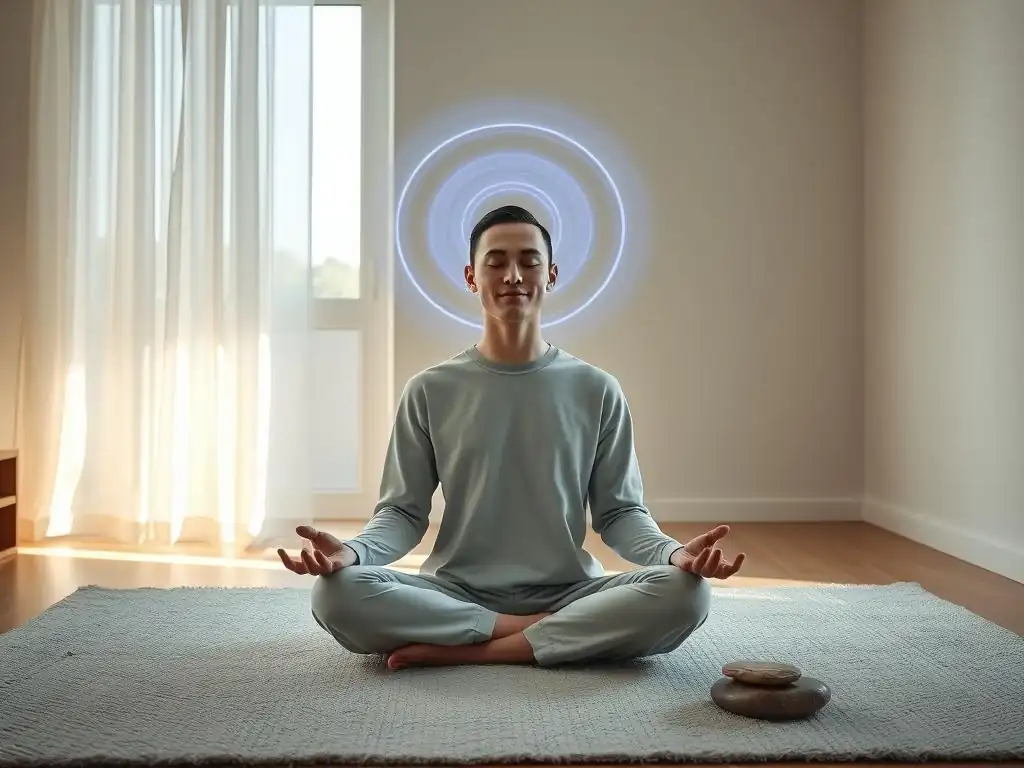
Reducing Anxiety Through TM: The Science Behind It
The effectiveness of TM meditation for anxiety relief is supported by research exploring its physiological and neurological impacts. One key mechanism is the profound state of rest it induces, which is often described as being deeper than sleep. This deep rest allows the body to release accumulated stress, which is a major contributor to anxiety. Physiologically, TM practice leads to decreased respiration rate, heart rate, and blood pressure, indicating a shift towards the body's relaxation response.
Furthermore, studies using neuroimaging techniques like fMRI and EEG have shown characteristic brain activity patterns during TM. These include increased coherence between different brain regions and heightened activity in areas associated with self-awareness and emotional regulation, such as the prefrontal cortex and anterior cingulate cortex. This suggests that TM isn't just superficial relaxation but involves a fundamental reorganization of brain function towards a calmer, more stable state, directly addressing the neural underpinnings of anxiety.
The Impact of TM on Brain Waves and Stress Hormones
Transcendental Meditation has a notable impact on brain wave patterns. During TM practice, there is typically an increase in alpha wave activity, particularly in the frontal regions of the brain. Alpha waves are associated with a state of relaxed alertness. Simultaneously, there's often a decrease in beta waves, which are linked to active thinking and concentration. This shift in brain wave activity reflects the mind settling down from active processing to a state of quiet inner awareness.
Beyond brain waves, TM has been shown to influence the body's stress response system, specifically the hypothalamic-pituitary-adrenal (HPA) axis. Chronic stress leads to elevated levels of stress hormones, most notably cortisol. Research indicates that regular TM practice can lead to a significant reduction in circulating cortisol levels over time. For instance, some studies have reported average decreases in cortisol by as much as 15-20% in regular practitioners. By mitigating the physiological effects of stress, TM helps to reduce the biochemical markers often associated with chronic anxiety and stress-related disorders.
Achieving Deep Relaxation with Transcendental Meditation
The state of deep relaxation achieved during Transcendental Meditation is a cornerstone of its benefits, including TM meditation for anxiety relief. This relaxation is not merely physical but extends to the mental and emotional realms. As the mind effortlessly settles through the process of transcendence, the body naturally follows, entering a state of profound rest that is measurably deeper than the rest experienced during ordinary sleep.
During this deep relaxation, metabolic rate decreases, oxygen consumption drops, and lactate levels (a biochemical marker associated with stress) are reduced. This physiological state allows the nervous system to repair and rejuvenate, counteracting the cumulative effects of daily stressors. Experiencing this deep state of calm regularly helps to reset the nervous system's baseline, making individuals less reactive to stressors and better equipped to handle challenging situations without triggering an anxious response.
TM and the Autonomic Nervous System: A Balancing Act
The autonomic nervous system (ANS) controls involuntary bodily functions like heart rate, breathing, and digestion. It has two main branches: the sympathetic nervous system (responsible for the "fight or flight" response) and the parasympathetic nervous system (responsible for the "rest and digest" response). Anxiety is often characterized by an overactive sympathetic nervous system.
Transcendental Meditation appears to promote a better balance between these two branches of the ANS. By inducing a state of deep rest and reducing stress hormones, TM shifts the balance towards increased parasympathetic activity. This leads to lower heart rate, reduced blood pressure, and calmer breathing, all indicators of a relaxed state. Regularly tipping this balance towards the parasympathetic side helps to regulate the body's stress response, making individuals less prone to the physiological symptoms of anxiety and fostering a more stable internal environment.
Benefits Beyond Anxiety Relief: What TM Can Offer
Improved Focus and Concentration with TM
While TM meditation for anxiety relief is a significant benefit, the practice also cultivates enhanced cognitive function, including improved focus and concentration. By regularly giving the mind a period of deep rest and allowing it to settle beyond the level of active thought, TM helps to reduce mental clutter and fatigue. This rejuvenation makes it easier for the mind to engage fully when needed.
Studies have shown that TM practitioners often exhibit increased performance on tasks requiring attention and executive function. For instance, some research indicates improvements in sustained attention and reduced reaction times in cognitive tests. The ability to effortlessly allow thoughts to pass during meditation translates into a greater capacity to remain focused on a task without being easily distracted by internal chatter or external stimuli, a valuable asset in both personal and professional life.
TM for Stress Reduction and Overall Well-being
Perhaps the most widely recognized benefit of Transcendental Meditation is its profound capacity for stress reduction. Stress is a pervasive issue in modern life and is closely linked to numerous physical and mental health problems, including anxiety. TM provides a reliable method for dissolving deep-rooted stress and preventing the accumulation of new tensions.
The regular experience of the deeply restful state during TM helps to reset the body's physiological response to stress. This leads to a reduction in stress-related symptoms such as muscle tension, fatigue, and irritability. Beyond simply reducing negative states, TM is associated with an overall increase in feelings of well-being, happiness, and resilience. By promoting a calmer internal state, TM empowers individuals to face life's challenges with greater ease and stability.
Enhanced Creativity and Cognitive Function Through TM
In addition to improved focus, TM practice has been linked to enhanced creativity and broader cognitive function. The state of restful alertness cultivated during TM is thought to facilitate access to deeper reserves of consciousness and intuition. By quieting the noise of the surface mind, TM can open up pathways for new ideas and insights to emerge.
Research in this area suggests that regular TM practitioners may show increased performance on measures of divergent thinking, a key component of creativity. The reduction in stress and mental fatigue also frees up mental resources, allowing for more flexible and innovative thinking. Furthermore, TM has been explored for its potential benefits in areas like memory and learning, contributing to a more vibrant and effective cognitive landscape.
The Long-Term Benefits of Regular TM Practice
The benefits of Transcendental Meditation tend to deepen and expand with consistent, long-term practice. While individuals often experience significant reductions in stress and anxiety relatively early on, continued practice reinforces these positive changes and can lead to more profound transformations. Regular TM meditators often report sustained improvements in emotional stability, increased energy levels, and a greater sense of purpose and fulfillment.
Long-term studies have also explored the potential impact of TM on physical health markers, including reduced risk factors for cardiovascular disease, which are often linked to chronic stress. The cumulative effect of twice-daily periods of deep rest helps to build resilience against the wear and tear of modern life. This consistent application of the TM technique contributes not only to lasting TM meditation for anxiety relief but also to a foundation of robust mental and physical health over a lifetime.
Addressing Common Concerns and Misconceptions about TM
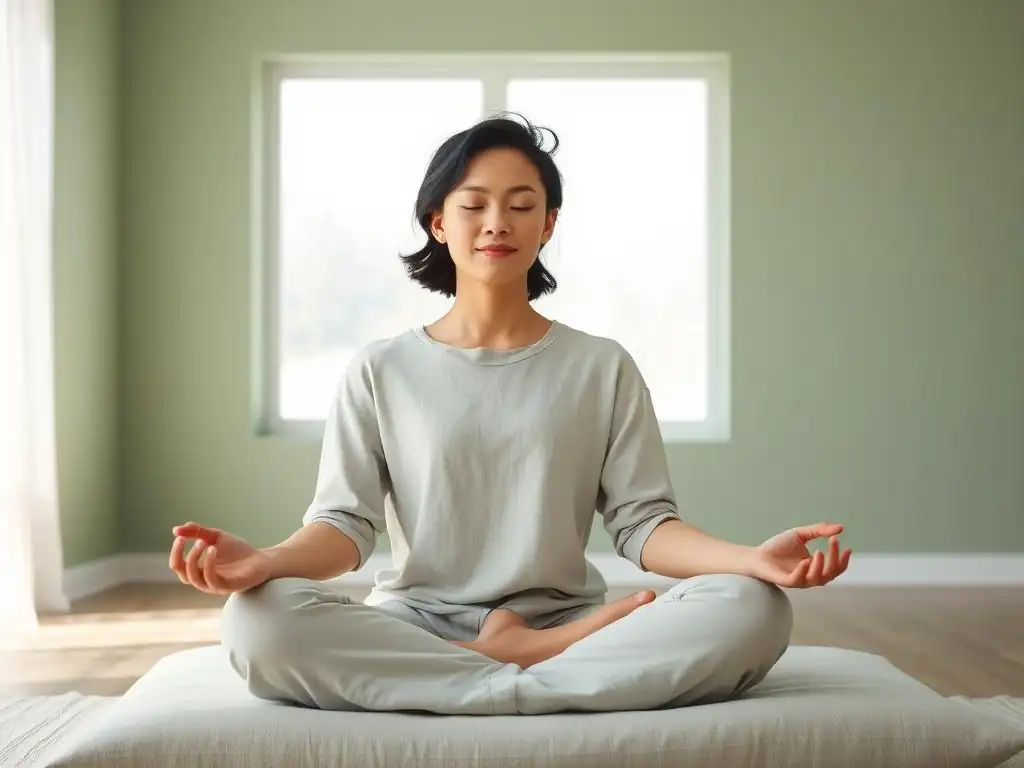
TM vs. Other Meditation Techniques: Key Differences
Transcendental Meditation differs from many other popular meditation techniques in several key ways. Unlike mindfulness meditation, which often involves focused attention on the breath or body sensations, or concentration meditation, which might focus on a specific object or image, TM uses an effortless, mantra-based approach to allow the mind to transcend. There is no effort to control thoughts or analyze experiences during TM.
Another distinction lies in the goal. While many meditation forms aim at present-moment awareness or insight, TM's primary goal is to access the state of transcendental consciousness – a state of pure awareness devoid of specific thought content. The technique is designed to be completely effortless and automatic, making it accessible to virtually anyone, regardless of their ability to focus or quiet their mind through willpower. These fundamental differences explain why the mechanism behind TM meditation for anxiety relief is often described differently from that of other practices.
Is TM Meditation Right for You? Considerations and Contraindications
Transcendental Meditation is generally considered safe and beneficial for most people. However, it's important to consider individual circumstances. TM is not a substitute for professional medical or psychological treatment. Individuals with severe mental health conditions, such as psychosis, should consult with their healthcare provider before starting TM or any new meditation practice.
While TM is effortless, the initial learning process requires dedication and the ability to commit to the twice-daily practice. The course involves personalized instruction from a certified teacher, which is different from learning from books or apps. Anyone considering TM meditation for anxiety relief or other benefits should research certified teachers and programs available in their area and potentially attend an introductory talk to understand the technique and its requirements fully.
Debunking Myths About Transcendental Meditation
Several myths surround Transcendental Meditation. One common misconception is that it's a religion or requires adopting specific beliefs; in reality, TM is a secular technique practiced by people from diverse backgrounds and faiths worldwide. Another myth is that you need to be able to completely clear your mind of thoughts; TM is designed to work even with a busy mind, as the effortless technique allows thoughts to come and go naturally while the mind settles.
Some people believe TM is simply deep relaxation, but research suggests it induces a unique physiological and neurological state distinct from ordinary rest. There's also the myth that it requires years of practice to see benefits; while benefits deepen over time, many individuals report feeling calmer and less stressed within the first few weeks of regular practice. Understanding these points helps clarify what TM truly is and how it functions for outcomes like TM meditation for anxiety relief.
Understanding the Investment: TM Course Fees and Value
Learning Transcendental Meditation involves paying a course fee, which covers personalized instruction by a certified teacher and lifetime follow-up support. The cost varies by region and is often structured on a sliding scale based on income. While this initial investment is higher than many free or low-cost meditation apps or classes, proponents argue the value lies in the effectiveness of the technique, the personalized instruction ensuring correct practice, and the lifetime access to checking sessions.
The value proposition is framed around acquiring a self-sufficient tool for profound stress reduction, improved health, and enhanced cognitive function for life. The investment is seen as a commitment to learning a specific, verified technique that yields cumulative benefits over years and decades. For those prioritizing a method with a specific research base supporting outcomes like TM meditation for anxiety relief and long-term well-being, the course fee represents the cost of acquiring this particular skill and ongoing support structure.
Integrating TM into Your Daily Life for Lasting Calm
Creating a Consistent TM Practice Routine
Consistency is key to reaping the full benefits of Transcendental Meditation, including sustained TM meditation for anxiety relief. The recommended practice schedule is 20 minutes in the morning, ideally before breakfast and starting the day's activities, and 20 minutes in the late afternoon or early evening, before dinner and winding down. Establishing these two fixed points in your day helps to build a routine that becomes as natural as brushing your teeth.
Finding a quiet, comfortable space where you won't be interrupted is crucial. Setting a timer is helpful so you don't need to worry about the time during the practice. Treating the twice-daily sessions as non-negotiable appointments with yourself reinforces their importance. Even on busy days, prioritizing these 20-minute periods can make a significant difference in managing stress and maintaining a state of calm.
Tips for Maintaining Motivation and Focus in TM
Maintaining motivation for any regular practice can sometimes be challenging. For Transcendental Meditation, remembering the positive shifts and benefits you've experienced – such as feeling calmer, less reactive, or more focused – can be a powerful motivator. It's also helpful to view the practice not as a chore but as a gift you give yourself – a dedicated time for deep rest and rejuvenation.
If you find your mind particularly restless or feel like the practice isn't "working," remember the principle of effortlessness. There's no need to try harder or judge the quality of your meditation. Simply continue the gentle process of thinking the mantra and easily returning to it when the mind wanders. Attending group meditations or follow-up sessions with your TM teacher can also provide support, reinforce correct practice, and boost motivation.
TM and Mindfulness: Complementary Practices
While distinct in technique, Transcendental Meditation and mindfulness can be complementary practices. TM provides a profound period of deep rest and allows the mind to settle to a state of pure consciousness, dissolving deep-seated stress. Mindfulness, often practiced throughout the day, involves paying attention to the present moment without judgment, which can enhance awareness and acceptance in daily life.
Practicing TM can make mindfulness easier. By reducing overall stress and mental clutter, TM can help cultivate a clearer, more stable mind, making it easier to be present and aware during daily activities. Conversely, a mindful approach to life can support the effortless nature of TM practice by fostering acceptance of whatever arises during meditation. Together, they can offer a comprehensive approach to mental well-being, combining periods of deep internal rest with enhanced presence in the external world.
Finding Certified TM Teachers and Resources
Learning Transcendental Meditation requires instruction from a certified TM teacher. These teachers undergo rigorous training to ensure they can teach the technique correctly and provide appropriate guidance and follow-up. The official global organization for TM provides resources to find certified teachers and centers in your local area.
Searching online for "Transcendental Meditation [your city/region]" is the standard way to find local contacts. Attending a free introductory talk is usually the first step, offering an opportunity to learn more about the technique, its benefits (including TM meditation for anxiety relief), and the course structure directly from a teacher. Official TM websites also provide extensive information, research findings, and testimonials to help prospective students make an informed decision.
Frequently Asked Questions
What is Transcendental Meditation (TM), and how does it relate to mental well-being?
TM is a specific type of mantra-based meditation technique. It promotes mental well-being by reducing stress and anxiety through a process of deep relaxation and inner stillness.
How does TM specifically help with anxiety relief, as discussed in the article?
TM helps reduce anxiety by quieting the mind and reducing stress hormones like cortisol. This leads to a state of relaxed alertness that counteracts the effects of anxiety.
Is TM meditation difficult to learn and how long does it typically take to see results for anxiety?
TM is relatively easy to learn compared to other meditation techniques. Many individuals report experiencing some level of anxiety reduction within weeks of consistent practice.
Where can I find resources and support to learn TM, particularly if I'm dealing with anxiety?
You can find certified TM teachers and courses through the official TM organization. Also explore resources on Mind Care Guide for further information on anxiety management.
What are some potential benefits of practicing TM regularly beyond just anxiety relief?
Beyond anxiety relief, regular TM practice may improve sleep quality, enhance focus and concentration, and promote overall emotional well-being.
Final Reflection: Finding Stillness in a Restless World
The relentless pace of modern life leaves many of us feeling overwhelmed, anxious, and disconnected from ourselves. The search for inner peace and effective anxiety relief is more urgent than ever, and the ancient practice of Transcendental Meditation (TM) offers a powerful pathway to achieve this. This exploration into the inner mechanics of TM reveals its profound ability to quiet the mind, not just temporarily, but to cultivate a lasting sense of calm and well-being.
The impact of TM extends far beyond individual stress reduction; it ripples outwards, influencing our relationships, our productivity, and even our collective consciousness. The ability to find stillness within allows us to approach challenges with greater clarity and compassion. As the Dalai Lama wisely stated, The time to repair the roof is when the sun is shining.
TM provides that "sunshine," a proactive approach to mental well-being, preventing the storm of anxiety from brewing in the first place. It's a testament to the power of inner work to create a more peaceful and harmonious outer world.
Now, consider your own life. What spaces do you have for stillness? Where does your mind race the most? This article has explored the science and practice of TM, but the true power lies in your willingness to explore it for yourself. Take a moment to reflect on the potential of cultivating inner peace, not as a luxury, but as a fundamental aspect of a healthy and fulfilling life. Explore the resources available, connect with experienced practitioners, and embark on a journey towards a quieter, more centered you. The journey towards inner peace begins with a single, mindful breath.
Unlock Your Inner Calm: Take the Next Step
Thanks for exploring the power of Transcendental Meditation with us! We hope you gained valuable insights into how TM can quiet the mind and unlock your inner peace. Now it's time to turn those insights into action.
- Experience the transformative effects of TM firsthand: Many find that even a short introductory session is life-changing. Consider contacting a certified instructor in your area to begin your journey.
- Share your thoughts and experiences: Have you tried TM? We'd love to hear your perspective on this powerful technique in the comments below. Let's create a supportive community!
- Explore deeper: Delve further into the science behind TM by researching reputable studies on its effects on stress, focus, and overall well-being.
What aspect of inner peace are you most eager to cultivate through TM?