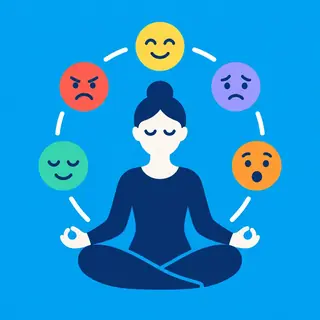
Mindfulness in Daily Life – Integrating Mindfulness
Integrating mindfulness into daily life is the bridge between formal meditation practice and living with greater clarity, calm, and compassion. At Mind Care Guide, we understand that true mental well-being doesn’t happen only on a cushion; it unfolds in how you sip your coffee, walk to work, or listen to a friend. This subcategory offers practical, science-backed strategies to weave mindful awareness into everyday routines, helping you reduce stress, improve emotional regulation, and enhance overall life satisfaction—without adding extra time to your schedule. Expect actionable techniques, habit-building tips, and gentle reminders to return to the present moment again and again.
🧠 Morning Mindfulness: Starting Your Day with Intention
Your morning sets the tone for the entire day. Instead of jumping straight into your phone or rushing through breakfast, learn to anchor yourself with a few intentional breaths and a clear mindset. We’ll show you how to transform mundane rituals—like brushing your teeth, making tea, or stretching—into mindful moments that ground you in the present and reduce anticipatory anxiety.
This section covers micro-practices such as body scanning on waking, setting a daily intention, and mindful morning journaling. You’ll also discover how to avoid the “autopilot trap” of checking emails first thing, which often spikes cortisol. By integrating these small, consistent cues, you’ll cultivate a resilient, calm baseline that carries you through the day’s challenges with greater ease and focus.
🚶 Mindful Movement: Walking, Eating, and Working with Awareness
Mindfulness isn’t just about stillness—it’s about bringing full attention to any action. This H3 focuses on integrating mindfulness into movement-based activities like walking (even to the mailbox), eating meals without screens, and doing desk work with intentional pauses. You’ll learn how to engage your senses fully, which interrupts rumination and emotional reactivity.
Expect practical guides like the “three-bite mindful meal”, a walking meditation script, and “somatic check-ins” during computer tasks. These practices not only improve digestion and posture but also increase your capacity to notice stress early. Over time, mindful movement becomes a portable tool for anxiety reduction, making everyday physical actions a source of renewal rather than a checklist to conquer.
🛑 Pause & Respond: Mindful Communication and Emotional Triggers
Daily life is full of charged moments—a curt email, a family disagreement, or unexpected traffic. This section equips you with pause-and-respond techniques that shift your automatic reactions into thoughtful choices. Learn to notice your body’s “fight-or-flight” signals and use a three-breath gap to choose kindness over defensiveness.
We’ll cover active listening, using “I feel” statements, and creating a personal “trigger map” to identify common emotional hooks. You’ll also practice “loving-kindness” moments for difficult people, which rewires your brain for empathy. By integrating these habits, you’ll find that conflicts become less stressful and relationships deepen—proving mindfulness is a social superpower, not just a solo retreat.
🌙 Evening Wind-Down: Letting Go and Preparing for Restful Sleep
Sleep quality and mindfulness are deeply linked. This H3 helps you design a nightly ritual that signals safety to your nervous system, making it easier to fall asleep and stay asleep. You’ll learn to release the day’s “mental clutter” through a guided body scan, gratitude reflection, and a mindful review of three positive moments.
We also address the common trap of “revenge bedtime procrastination” and how to replace scrolling with sensory soothing (e.g., a warm foot soak, dim lighting, or a soothing tea). Discover progressive muscle relaxation and “thought labeling” exercises that calm overthinking. Consistency here builds a deep sense of inner peace, allowing you to wake up refreshed and less reactive, ready to embrace the next day’s mindful possibilities.
📱 Digital Mindfulness: Taming Notifications and Social Media
Your phone is both a distraction and a potential anchor. This section teaches you to use technology as a mindfulness ally—not a foe. Learn to set “app boundaries,” create a mindful notification schedule, and use your device’s lock screen as a reminder to breathe. We’ll provide a “digital declutter” checklist that reduces cognitive load.
You’ll also explore mindful social media scrolling: noticing emotional reactions without judgment, and consciously choosing content that uplifts rather than drains. By integrating short “phone-free zones” (e.g., during meals or before bed), you reclaim hours of focused attention. This isn’t about digital detox perfection; it’s about creating intentional gaps where you check in with yourself, turning every notification into a cue to return to your breath.
⏳ Mindful Habits: Building Consistency Without Rigidity
Integration fails when we demand perfection. This H3 focuses on sustainable habit formation using “habit stacking”—pairing mindfulness with existing behaviors (e.g., “after brushing teeth, take one deep breath”). You’ll learn to celebrate micro-wins and use gentle reminders like sticky notes, phone wallpapers, or aromatic cues (e.g., lavender scent for calm).
We’ll address common obstacles like “I have no time” or “I forgot” with practical reframes. Instead of a strict routine, we advocate for “mindful flex”—having a few 30-second anchors you can deploy anywhere. Track your progress with a simple journal but avoid obsessing over streaks. By integrating flexibility, you ensure mindfulness becomes a lifelong companion, not a chore. The goal is gentle, cumulative change that naturally reduces anxiety and enhances well-being.
Frequently Asked Questions
How long does it take to see benefits from integrating mindfulness into daily life?
Most people notice subtle shifts—like less automatic reactivity or better sleep—within two to three weeks of daily 5–10 minute practices. However, meaningful neurological changes (e.g., reduced amygdala reactivity) can take eight weeks. Consistency matters more than duration; even 60 seconds of mindful breathing a day can lower stress markers over time. Start small, stay patient, and allow progress to build naturally.
Can I integrate mindfulness if I have a very busy schedule?
Absolutely. This approach is designed for busy lives. Use micro-moments like waiting for a kettle, sitting at a red light (breathing, not closing eyes), or before starting an email. Try “single-tasking” for two minutes—fully focusing on one activity. Habit stacking with existing routines (e.g., mindful handwashing) adds seconds, not minutes, making it realistic for any schedule.
What if my mind keeps wandering during these mindfulness practices?
Wandering is completely normal and part of the practice. Each time you notice your mind drifting and gently guide it back, you strengthen your “attention muscle.” Treat it like a toddler learning to walk—no criticism, just steady redirection. Use a simple anchor like your breath or the feeling of your feet on the floor. Over weeks, you’ll notice longer periods of focus.
Is integrating mindfulness the same as meditation?
No. Meditation is a formal practice where you set aside time (e.g., sitting, breathing). Integration is informal—applying the same awareness to daily tasks like washing dishes, walking, or listening. Both complement each other. If you can’t meditate formally, integration alone still offers significant stress reduction and emotional resilience. If you already meditate, integration enhances the benefits into real-world situations.
How can mindfulness help with severe anxiety or depression?
Mindfulness reduces reactivity and promotes a “decentered” view of thoughts, which lessens anxiety loops. For depression, it helps break rumination and fosters self-compassion. However, it is not a replacement for therapy or medication. Use it as a supportive tool—alongside professional care—to develop tolerance for discomfort and increase positive experiences. Always consult a mental health provider for severe cases.