
Anxiety Relief: Practical Daily Mindfulness for Worry

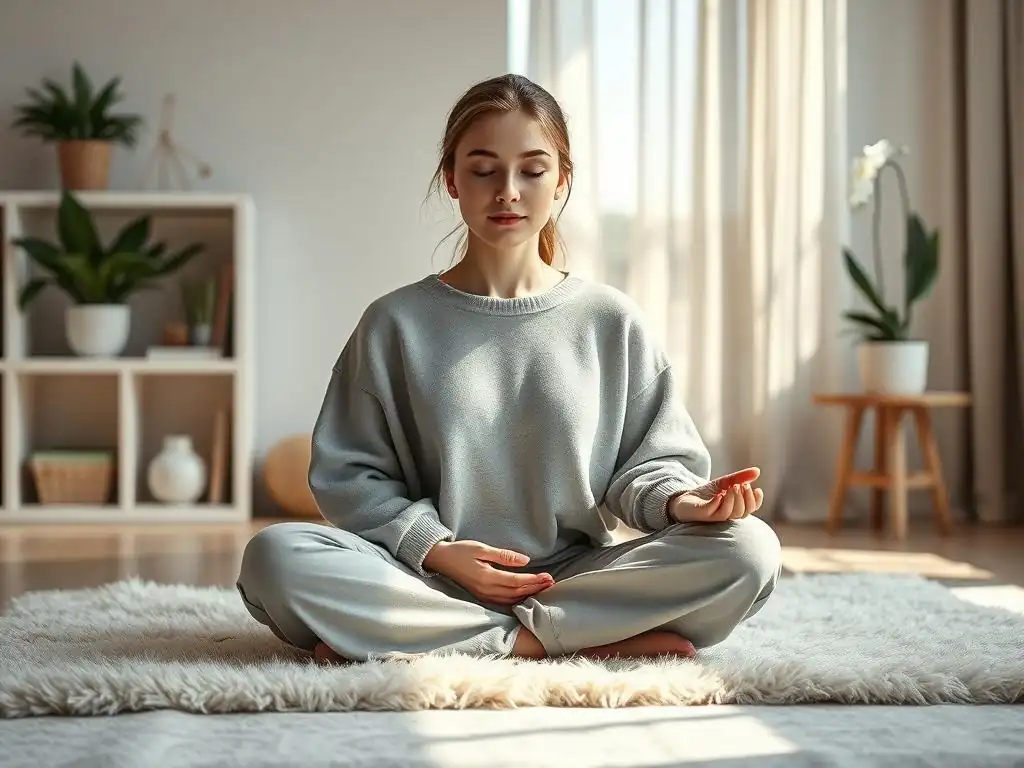
Welcome to Mind Care Guide, your compassionate companion on the journey to mental well-being. Feeling overwhelmed by anxiety? You're not alone. Discover how to harness the power of mindfulness to reduce anxiety daily – a practical and accessible approach to finding calm amidst the chaos. Curious to learn simple, effective techniques you can integrate into your everyday life? Let's begin.
Anxiety Relief: Practical Daily Mindfulness for Worry
- Understanding Anxiety and the Power of Mindfulness
- Integrating Mindfulness into Your Daily Routine for Anxiety Relief
- Specific Mindfulness Exercises to Reduce Anxiety Daily
- Overcoming Challenges in Practicing Daily Mindfulness for Anxiety
- Long-Term Benefits of Mindfulness for Anxiety Management
- Resources for Further Exploration of Mindfulness and Anxiety Relief
-
Frequently Asked Questions
- How does mindfulness specifically help to reduce anxiety on a daily basis?
- What are some simple mindfulness exercises I can incorporate into my daily routine for anxiety relief?
- How long should I practice mindfulness daily to see a noticeable reduction in my anxiety levels?
- If I'm feeling overwhelmed by anxiety, is mindfulness still an effective strategy, or should I try something else?
- Can mindfulness completely eliminate anxiety, or is it more about managing it effectively?
- Final Reflection: Cultivating Calm in a Chaotic World
- Unlock Your Inner Calm: Start Practicing Mindfulness Today
Understanding Anxiety and the Power of Mindfulness
Defining Anxiety: Symptoms and Common Triggers
Anxiety is a natural human response to perceived threats, but when it becomes excessive or persistent, it can significantly disrupt daily life. Symptoms vary widely but often include feelings of nervousness, restlessness, or tension; an increased heart rate; rapid breathing; sweating; trembling; feeling weak or tired; and difficulty concentrating on anything other than the present worry. For many, physical symptoms like stomachaches or headaches are also common. The experience is deeply personal, ranging from mild unease to debilitating panic attacks.
Common triggers for anxiety can be external stressors such as work pressure, financial difficulties, relationship problems, or significant life changes like moving or starting a new job. Internal triggers can include negative self-talk, perfectionism, or a history of trauma. Sometimes, anxiety can arise seemingly without a specific trigger, leaving individuals feeling helpless and confused. Understanding these potential sources is a crucial first step in developing strategies to manage anxiety, setting the stage for how mindfulness reduce anxiety daily can be a powerful tool.
How Mindfulness Helps Reduce Anxiety: A Scientific Perspective
Mindfulness, the practice of paying attention to the present moment without judgment, has been shown through numerous studies to be effective in reducing anxiety. Research utilizing neuroimaging techniques indicates that regular mindfulness practice can lead to changes in brain structure and function. Specifically, it can decrease the activity of the amygdala, the brain region associated with fear and threat response, and increase activity in the prefrontal cortex, which is involved in higher-order functions like emotional regulation and decision-making.
Furthermore, mindfulness helps to regulate the body's stress response system, often referred to as the hypothalamic-pituitary-adrenal (HPA) axis. Chronic anxiety can lead to elevated levels of stress hormones like cortisol. Studies have demonstrated that individuals who regularly practice mindfulness tend to have lower levels of cortisol, indicating a reduced physiological stress burden. This physiological shift, combined with the cognitive changes of improved attention and reduced reactivity to negative thoughts, explains why cultivating mindfulness reduce anxiety daily is a scientifically supported approach.
The Connection Between Worry and Lack of Presence
Worry is fundamentally rooted in thinking about the future, often anticipating negative outcomes. It pulls our attention away from the present moment and traps us in hypothetical scenarios and 'what-if' thinking. This constant future-orientation fuels the anxiety cycle, preventing us from engaging fully with our current experiences and often exaggerating perceived threats. When we are lost in worry, we are, by definition, not present.
Mindfulness directly counteracts this tendency by training our attention to return to the here and now. By focusing on sensory details, breath, or bodily sensations, we anchor ourselves in the present. This practice doesn't eliminate worrying thoughts entirely, but it changes our relationship with them. Instead of getting swept away by future-oriented worries, we learn to observe them as just thoughts passing through the mind, reducing their power to trigger the anxiety response. This shift in perspective is key to how practicing mindfulness reduce anxiety daily.
Integrating Mindfulness into Your Daily Routine for Anxiety Relief
Morning Mindfulness Practices to Start Your Day Calm
Starting your day with mindfulness can set a calm and centered tone, helping to manage potential morning anxiety. Even a few minutes dedicated to conscious presence before diving into the day's demands can make a significant difference. These practices help anchor you before the rush begins.
Incorporating simple mindfulness techniques right after waking can help transition from sleep to activity without immediately engaging the anxious mind. This might involve a brief moment of stillness before getting out of bed, noticing the sensations of the body resting, or simply taking a few conscious breaths before checking your phone or starting your tasks. Such small acts of presence build a foundation for a more mindful day.
Mindful Breathing Exercises for Morning Anxiety
Conscious breathing is one of the most accessible and powerful tools for managing anxiety. Simply taking a few slow, deep breaths can activate the body's relaxation response. In the morning, find a comfortable seated position. Close your eyes gently or soften your gaze. Bring your awareness to your breath, noticing the sensation of air entering and leaving your nostrils or the rise and fall of your abdomen or chest.
Try breathing in for a count of four, holding briefly, and exhaling slowly for a count of six or more. Repeat this for 5-10 breaths. If your mind wanders to worries about the day ahead, gently acknowledge the thought without judgment and guide your attention back to the breath. This simple practice provides immediate relief and trains your mind to return to the present, making it a cornerstone of how mindfulness reduce anxiety daily.
Body Scan Meditation for Increased Awareness
A morning body scan helps you connect with your physical self and release tension you may be holding, often unconsciously due to anxiety. Lying down or sitting comfortably, bring your attention to your body, starting with your toes. Slowly move your awareness up through your body, noticing any sensations – warmth, coolness, tingling, pressure, or absence of sensation.
As you move through different parts of your body (feet, ankles, calves, knees, thighs, hips, abdomen, back, chest, shoulders, arms, hands, neck, head), simply observe what is present without trying to change it. If you encounter areas of tension, simply breathe into them, and on the exhale, imagine releasing the tension. This practice enhances interoceptive awareness – the ability to perceive internal bodily states – which is often diminished in individuals with anxiety, and strengthens your ability to use mindfulness reduce anxiety daily by grounding you physically.
Setting Intentions with Mindfulness: Focus and Clarity
Beyond simply managing anxiety, mindfulness can help you approach your day with purpose. After your breathing or body scan practice, take a moment to mindfully set an intention for the day. This isn't about creating a rigid to-do list, but rather choosing a quality of being or a focus for your attention.
Your intention might be something like "to approach challenges with patience," "to listen deeply to others," or simply "to be present." Reflect on what feels most important for your well-being and productivity today. Hold this intention gently in your mind. When you notice yourself getting caught in worry or distraction later in the day, you can gently bring your attention back to this intention, using it as an anchor to help you integrate mindfulness reduce anxiety daily.
Mindfulness Techniques for Managing Anxiety Throughout the Day
Anxiety doesn't confine itself to certain times; it can arise unexpectedly throughout the day. Having a repertoire of quick mindfulness techniques you can deploy in moments of stress or worry is invaluable. These practices help you navigate challenging situations or transitions with greater calm and presence.
Integrating short bursts of mindfulness throughout your day prevents stress from accumulating and helps maintain a baseline level of calm. Whether you're facing a difficult meeting, stuck in traffic, or simply feeling overwhelmed by tasks, pausing for a moment of mindful awareness can interrupt the anxiety spiral and restore a sense of control.
Mindful Walking: Finding Peace in Movement
Mindful walking transforms a simple activity into an opportunity for presence and anxiety relief. When walking, whether it's a short stroll outside or just moving between rooms, bring your attention to the physical sensations of walking. Notice the feeling of your feet touching the ground, the movement of your legs, the swing of your arms, and the rhythm of your breath.
Engage your senses: notice the sights, sounds, and smells around you without getting lost in thought about them. If your mind starts to race with worries, gently redirect your attention back to the physical act of walking and sensory input. Even a five-minute mindful walk can help clear your head and reduce tension, demonstrating how integrating mindfulness reduce anxiety daily can be as simple as paying attention to your steps.
Mindful Eating: Savoring Each Moment and Reducing Stress
Eating is a daily activity that provides a perfect opportunity for mindfulness. Instead of rushing through meals or eating while distracted, take time to truly engage with your food. Before eating, pause for a moment to appreciate the meal. As you eat, pay attention to the sensory experience: the colors and textures of the food, the smells, and the flavors.
Notice the physical sensations of chewing and swallowing. Tune into your body's signals of hunger and fullness. Mindful eating not only enhances the enjoyment of food but also helps to slow down the pace of your day and reduce stress. It pulls you out of anxious thought loops and anchors you firmly in the present experience of nourishing your body, a practical way to practice mindfulness reduce anxiety daily.
Mindful Communication: Reducing Conflict and Improving Relationships
Anxiety can significantly impact how we interact with others, often leading to misunderstandings, withdrawal, or reactivity. Mindful communication involves being fully present during conversations, both when speaking and listening. When listening, focus your entire attention on the other person – their words, tone of voice, and body language – without formulating your response or getting distracted by your own thoughts or anxieties.
When speaking, be aware of your own tone and the impact of your words. Pause before responding, allowing yourself a moment to consider your words rather than reacting impulsively, which is common when feeling anxious. This practice fosters deeper connections, reduces potential conflict arising from misinterpretation, and helps you navigate social interactions with greater ease, showcasing how mindfulness reduce anxiety daily can extend to interpersonal realms.
Evening Mindfulness Practices for a Restful Night and Less Anxiety
Anxiety often escalates in the evening, making it difficult to relax and sleep. Incorporating mindfulness into your bedtime routine can help calm the mind, release the day's worries, and prepare you for a more restful night. These practices signal to your body and mind that it's time to wind down.
Establishing a consistent evening mindfulness practice helps create a clear boundary between the day's activities and rest. It provides a dedicated time to process the day's experiences without getting stuck in ruminative worry. This transition period is crucial for reducing bedtime anxiety and improving sleep quality.
Gratitude Journaling: Focusing on the Positive
Anxiety often focuses our attention on potential problems and negative outcomes. Gratitude journaling intentionally shifts this focus towards the positive aspects of your life, no matter how small. Before bed, take a few minutes to write down 3-5 things you are grateful for from the day. These can be simple things like a good cup of tea, a pleasant interaction, or a moment of sunshine.
This practice helps retrain your brain to notice the good, counteracting the negative bias often associated with anxiety. Focusing on gratitude creates a sense of contentment and peace, making it easier to let go of worries and transition into sleep. It's a simple yet powerful way to use mindfulness reduce anxiety daily by cultivating a more positive outlook.
Progressive Muscle Relaxation for Tension Relief
Anxiety often manifests as physical tension held in the body. Progressive muscle relaxation is a technique that involves systematically tensing and then releasing different muscle groups in the body. Starting with your toes, tense the muscles tightly for a few seconds, then consciously release the tension completely, noticing the difference between tension and relaxation.
Move through your body this way, group by group, up to your head. This practice increases awareness of where you hold tension and provides a method for releasing it. It can be particularly effective in the evening for unwinding before sleep and alleviating the physical symptoms of anxiety.
Guided Meditation for Sleep and Anxiety
Listening to a guided meditation specifically designed for sleep or anxiety can be a soothing way to end your day. These meditations often involve gentle guidance through body scans, breathing exercises, or visualization techniques aimed at promoting relaxation and letting go of worries.
Numerous free and paid resources offer guided meditations ranging from a few minutes to half an hour or more. Find a voice and style that resonates with you. Lying comfortably in bed and simply listening allows your mind to settle and your body to relax, making it easier to drift off to sleep without being consumed by anxious thoughts. This passive form of mindfulness reduce anxiety daily by promoting deep relaxation.
Specific Mindfulness Exercises to Reduce Anxiety Daily
Beyond integrating mindfulness into daily activities, specific structured exercises can be powerful tools for directly addressing moments of heightened anxiety or worry. These techniques provide concrete steps to navigate difficult emotional states with greater awareness and less reactivity.
Having a few go-to mindfulness exercises in your toolkit means you have practical strategies to deploy when anxiety feels overwhelming. These aren't just abstract concepts; they are actionable steps that can interrupt the anxiety cycle and help you regain a sense of control and calm in the moment.
The STOP Technique: A Quick Mindfulness Intervention
The STOP technique is a simple yet effective four-step process you can use anytime, anywhere, when you notice anxiety or stress arising. It takes only a moment and provides a quick reset button.
S: Stop - Pause What You're Doing
When you feel anxiety starting to build, the first step is simply to stop whatever you are doing. Hit the pause button on your actions, thoughts, and reactions. This interrupts the automatic pilot mode that often accompanies anxiety.
T: Take a Breath - Deep and Conscious Breathing
Shift your attention to your breath. Take one or two deep, slow breaths. Inhale deeply through your nose, filling your lungs, and exhale slowly through your mouth. Let the breath anchor you in the present moment.
O: Observe - Notice Your Thoughts and Feelings
After taking a breath, take a moment to observe what is happening within you and around you. Notice your thoughts without judgment ("I'm having a thought about..."). Notice your feelings ("I'm feeling anxious," "I'm feeling tense"). Notice any physical sensations. Also, observe your surroundings.
P: Proceed - Continue with Awareness
Now, proceed with what you were doing, or choose a new action, with greater awareness. This isn't about making the anxiety disappear, but about continuing from a place of greater presence and intentionality rather than reactivity. Using STOP regularly helps you practice mindfulness reduce anxiety daily in real-time challenging situations.
RAIN Meditation: Working Through Difficult Emotions Mindfully
The RAIN technique is a mindfulness practice specifically designed for working with difficult emotions like anxiety, fear, or sadness. It involves acknowledging and processing these feelings with self-compassion.
R: Recognize - Acknowledge the Emotion
The first step is to recognize what is happening. Acknowledge the emotion you are feeling. "Ah, this is anxiety," or "I am feeling fear." Naming the emotion helps to create a little distance from it.
A: Allow - Let the Emotion Be Present
Allow the emotion to be there without trying to push it away or change it. Give yourself permission to feel what you are feeling. Resisting difficult emotions often makes them stronger. Allowing them creates space for them to eventually dissipate.
I: Investigate - Explore the Emotion with Curiosity
Gently investigate the emotion with curiosity. Where do you feel it in your body? What thoughts are associated with it? What does this feeling need? Approach this exploration with kindness, not analysis or judgment.
N: Nurture - Offer Yourself Compassion
Offer yourself compassion. What would you say or do for a dear friend feeling this way? Can you offer yourself that same kindness? This might involve placing a hand on your heart, offering silent words of comfort, or simply being gentle with yourself. RAIN is a powerful way to use mindfulness reduce anxiety daily by processing difficult feelings constructively.
Mindful Awareness of Thoughts: Detaching from Worry
Anxiety is often driven by repetitive, negative thought patterns. Mindful awareness of thoughts teaches you to observe these thoughts without getting entangled in them, reducing their power to fuel worry.
Identifying Anxious Thought Patterns
The first step is simply to notice when you are having anxious thoughts. Recognize common patterns, such as catastrophizing ("The worst possible thing will happen"), fortune-telling ("I know this will go badly"), or mind-reading ("They think I'm incompetent"). Becoming aware of these recurring themes is the start of disarming them.
Labeling Thoughts Without Judgment
Once you notice an anxious thought, simply label it mentally without judgment. You might think, "Oh, that's a worry thought," or "That's the 'what-if' story." This act of labeling creates a space between you and the thought; you are the observer, not the thought itself. It's like watching clouds pass in the sky – you notice them, but you don't become the cloud.
Letting Go of Thoughts: The "Leaves on a Stream" Technique
A common visualization for letting go of thoughts is the "Leaves on a Stream" technique. Imagine you are sitting by a gently flowing stream. As thoughts arise in your mind, picture each thought placed on a leaf floating down the stream. Watch the leaf and the thought float by and disappear around the bend. If a thought returns, simply place it on another leaf and watch it go again. This practice, used consistently, helps you practice mindfulness reduce anxiety daily by reducing the grip of worrying thoughts.
Overcoming Challenges in Practicing Daily Mindfulness for Anxiety
Committing to daily mindfulness can be challenging, especially when dealing with anxiety, which can make focus difficult and motivation low. Recognizing common obstacles is the first step to navigating them successfully.
Many people start a mindfulness practice with enthusiasm but struggle to maintain consistency. Understanding the typical hurdles and developing strategies to overcome them is essential for building a sustainable practice that truly helps mindfulness reduce anxiety daily over time.
Common Obstacles to Mindfulness Practice
While the intention to practice mindfulness is often strong, various factors can make it difficult to implement consistently. These obstacles are normal parts of the journey and not signs of failure.
Time Constraints and Busy Schedules
One of the most frequently cited obstacles is lack of time. Modern life is often fast-paced and demanding, leaving little perceived space for quiet reflection or formal practice. The idea of adding another thing to a packed schedule can feel overwhelming, especially when already struggling with anxiety.
Difficulty Focusing and Staying Present
Anxiety itself can make it hard to focus. The anxious mind tends to jump from one worry to another, making it difficult to settle the attention during mindfulness practice. People may feel frustrated or discouraged when their minds wander constantly, interpreting it as a sign that they are "bad" at mindfulness.
Feeling Frustrated with Lack of Immediate Results
Mindfulness is a skill that develops over time. Unlike a quick fix, its benefits accumulate with consistent practice. Many people abandon mindfulness because they don't experience dramatic anxiety reduction after just a few sessions. This expectation of immediate results can lead to frustration and a belief that mindfulness doesn't work for them.
Tips for Staying Consistent with Your Mindfulness Practice
Building a consistent daily mindfulness practice requires patience, persistence, and self-compassion. Implementing simple strategies can help overcome common obstacles and make mindfulness a sustainable part of your routine.
Start Small and Gradually Increase Practice Time
Don't feel pressured to meditate for 30 minutes right away. Begin with just 1-5 minutes a day. Even this short amount of time can be beneficial and helps build the habit. As you feel more comfortable, gradually increase the duration. Consistency is more important than duration in the beginning.
Create a Dedicated Mindfulness Space
Having a specific, quiet place where you practice can help create a sense of routine and make it easier to transition into a mindful state. This doesn't need to be elaborate; a comfortable chair in a quiet corner of a room is sufficient. Make it a space free from distractions like phones or screens.
Use Mindfulness Apps and Resources
Many excellent apps (like Calm, Headspace, Insight Timer) offer guided meditations, timers, and programs specifically for anxiety. These can provide structure, guidance, and motivation. Similarly, online videos or audio recordings can offer support and variety in your practice, helping you find ways that mindfulness reduce anxiety daily that work for you.
Be Patient and Kind to Yourself
Remember that mindfulness is a practice, not a performance. There will be days when your mind feels particularly restless, or you miss a session. This is normal. Avoid self-criticism. Simply acknowledge what happened without judgment and gently return to your practice when you can. Cultivating self-compassion is a vital part of using mindfulness reduce anxiety daily.
Long-Term Benefits of Mindfulness for Anxiety Management

While mindfulness can provide immediate relief from anxiety in the moment, its most profound effects are often realized through consistent, long-term practice. Over time, mindfulness reshapes your relationship with your thoughts, emotions, and experiences, leading to lasting changes in how you manage anxiety and navigate life's challenges.
The cumulative effect of practicing mindfulness reduce anxiety daily extends far beyond simply reducing anxious symptoms. It fosters a deeper understanding of yourself and enhances your capacity to live a more fulfilling life, even when faced with stress or uncertainty.
Improved Emotional Regulation
Regular mindfulness practice strengthens the prefrontal cortex, the part of the brain responsible for regulating emotions. This leads to an improved ability to manage intense feelings like fear or panic. Instead of being overwhelmed by emotions, you learn to observe them without getting swept away, allowing them to pass through without triggering an automatic anxiety response.
Studies show that individuals who practice mindfulness demonstrate a decreased reactivity to emotional stimuli. For example, research often indicates a reduced startle response to negative cues compared to non-practitioners. This enhanced capacity for emotional regulation is a key long-term benefit of how mindfulness reduce anxiety daily.
Increased Self-Awareness
Mindfulness cultivates a deeper understanding of your own thoughts, feelings, and bodily sensations. You become more attuned to the early signs of anxiety, recognizing the physical cues (like tension in the shoulders or a racing heart) and mental patterns (like negative self-talk) before they escalate.
This heightened self-awareness allows you to intervene earlier, using mindfulness techniques to manage anxiety before it becomes overwhelming. It also helps you identify triggers and understand the root causes of your anxiety, empowering you to make conscious choices that support your well-being.
Enhanced Resilience to Stress
Life inevitably presents challenges and stressors. Mindfulness doesn't eliminate stress, but it significantly enhances your capacity to cope with it. By training your mind to stay present and accept what is, you become less reactive to difficult situations.
Instead of being knocked off balance by stress, you develop the ability to navigate challenges with greater calm and clarity. You learn to bounce back more quickly from setbacks, viewing difficulties as opportunities for growth rather than insurmountable threats. This increased resilience is a powerful benefit of consistently practicing mindfulness reduce anxiety daily.
Greater Overall Well-being
Ultimately, the long-term practice of mindfulness contributes to a profound sense of overall well-being. Beyond just managing anxiety, it fosters qualities like compassion (towards yourself and others), patience, acceptance, and gratitude.
These qualities enrich your life, improve your relationships, and increase your capacity for joy and peace. Regular mindfulness practice cultivates a sense of inner stability and contentment that is not dependent on external circumstances, demonstrating the transformative power of how mindfulness reduce anxiety daily for a more fulfilling life.
Resources for Further Exploration of Mindfulness and Anxiety Relief
Embarking on the journey of using mindfulness to reduce anxiety daily is a continuous process of learning and practice. Fortunately, a wealth of resources is available to support your exploration and deepen your understanding.
These resources offer different avenues for learning, from structured programs to self-guided reading, allowing you to find the approaches that best resonate with your needs and learning style as you integrate mindfulness reduce anxiety daily into your life.
Recommended Books on Mindfulness and Anxiety
Many excellent books provide in-depth explanations of mindfulness principles and practical guidance for managing anxiety. These texts offer theoretical background as well as specific exercises and meditations.
Popular and highly regarded books include Mindfulness: An Eight-Week Plan for Finding Peace in a Frantic World by Mark Williams and Danny Penman, which offers a structured program based on Mindfulness-Based Cognitive Therapy (MBCT). Another widely recommended book is Full Catastrophe Living by Jon Kabat-Zinn, the founder of Mindfulness-Based Stress Reduction (MBSR), which provides comprehensive guidance on using mindfulness for stress, pain, and illness, including anxiety. Reading can offer valuable insights and motivation for your practice.
Online Mindfulness Courses and Workshops
Structured online courses and workshops provide guided instruction and often a sense of community, which can be very helpful for maintaining motivation and learning techniques correctly. Many programs mirror the content of in-person MBSR or MBCT courses.
Platforms like Coursera, edX, or dedicated mindfulness websites offer courses ranging from introductory sessions to in-depth programs spanning several weeks. These courses typically include video lectures, guided meditations, and exercises, providing a structured path to learn how mindfulness reduce anxiety daily effectively. Participating can offer accountability and expert guidance.
Finding a Mindfulness Teacher or Therapist
For some individuals, particularly those with significant anxiety or complex mental health challenges, working with a qualified mindfulness teacher or a therapist who integrates mindfulness into their practice can be immensely beneficial. A teacher can provide personalized guidance, answer questions, and help troubleshoot difficulties in your practice.
A therapist can help you explore the underlying causes of your anxiety and integrate mindfulness as part of a broader therapeutic approach. Look for professionals certified through recognized mindfulness training programs or licensed therapists with experience in mindfulness-based therapies. Professional support can provide tailored strategies to help mindfulness reduce anxiety daily in a way that addresses your specific needs.
Frequently Asked Questions
How does mindfulness specifically help to reduce anxiety on a daily basis?
Mindfulness helps reduce anxiety by focusing on the present moment, preventing your mind from dwelling on worries about the future or regrets from the past. This focused attention cultivates a sense of calm and reduces the intensity of anxious thoughts.
What are some simple mindfulness exercises I can incorporate into my daily routine for anxiety relief?
You can try mindful breathing exercises, focusing on the sensation of each breath. Another option is mindful walking, paying attention to the physical sensations of your feet making contact with the ground. You can also practice mindful eating, savouring each bite.
How long should I practice mindfulness daily to see a noticeable reduction in my anxiety levels?
The time commitment can vary, but even 5-10 minutes of daily practice can make a difference. Consistency is key, and you may see significant improvements in your anxiety within a few weeks of regular mindfulness practice.
If I'm feeling overwhelmed by anxiety, is mindfulness still an effective strategy, or should I try something else?
While mindfulness can be helpful, it's crucial to be gentle with yourself. If you're acutely anxious, start with very short practices or combine mindfulness with other grounding techniques like deep breathing or progressive muscle relaxation.
Can mindfulness completely eliminate anxiety, or is it more about managing it effectively?
Mindfulness is primarily a tool for managing anxiety effectively, rather than a complete cure. It helps you develop a healthier relationship with your thoughts and feelings, reducing their impact and improving your overall well-being.
Final Reflection: Cultivating Calm in a Chaotic World
The relentless pace of modern life leaves many of us grappling with anxiety, a pervasive shadow that dims our joy and hinders our potential. But the path to peace, as this article has explored, lies within our reach through the simple yet profound practice of daily mindfulness. We've examined practical techniques, from mindful breathing to body scans, demonstrating how these accessible tools can significantly reduce the grip of anxiety and foster a greater sense of calm.
The impact of mindfulness on our cultural landscape is undeniable, moving from the fringes of alternative therapies to a widely recognized approach to stress management and mental well-being. Its influence permeates everything from corporate wellness programs to self-help books, reflecting a growing societal awareness of the importance of inner peace. Mindfulness isn't about escaping life, it's about finding peace within it.
This quote perfectly encapsulates the essence of the practice and its enduring relevance in our increasingly demanding world. The journey to inner peace is a personal one, and I've found that even small, consistent efforts to cultivate mindfulness have a ripple effect, positively impacting my relationships, creativity, and overall sense of well-being.
Now, I invite you to consider how you can integrate these mindfulness techniques into your daily life. Start small; even five minutes of mindful breathing can make a difference. Experiment with different practices, find what resonates with you, and commit to making it a consistent part of your routine. Remember, the journey towards a calmer, more centered self is a continuous process, but the rewards – a life lived with greater presence, clarity, and peace – are immeasurable. Embrace the opportunity to cultivate your inner calm, one mindful moment at a time.
Unlock Your Inner Calm: Start Practicing Mindfulness Today
Thank you for taking the time to explore practical ways to manage anxiety through mindfulness. We hope you gained valuable insights into how simple techniques can make a big difference in your daily life. Now, it's time to put these learnings into action!
- Begin your mindfulness journey today: Start with just five minutes of focused breathing. Notice your breath, your body, and let go of worries. Even a few minutes can create a profound shift.
- Share this powerful tool with a friend or family member: Mindfulness is more effective when shared. Discuss what you’ve learned and encourage them to explore it too.
- Explore a guided meditation: Numerous free resources are available online – find one that resonates with you and incorporate it into your daily routine.
Ready to experience the transformative power of daily mindfulness? What small step will you take today to cultivate more calm in your life?