
Mindful Hydration: A Simple Daily Practice for Wellbeing

Welcome to Mind Care Guide, your sanctuary for cultivating inner peace and navigating life's challenges.
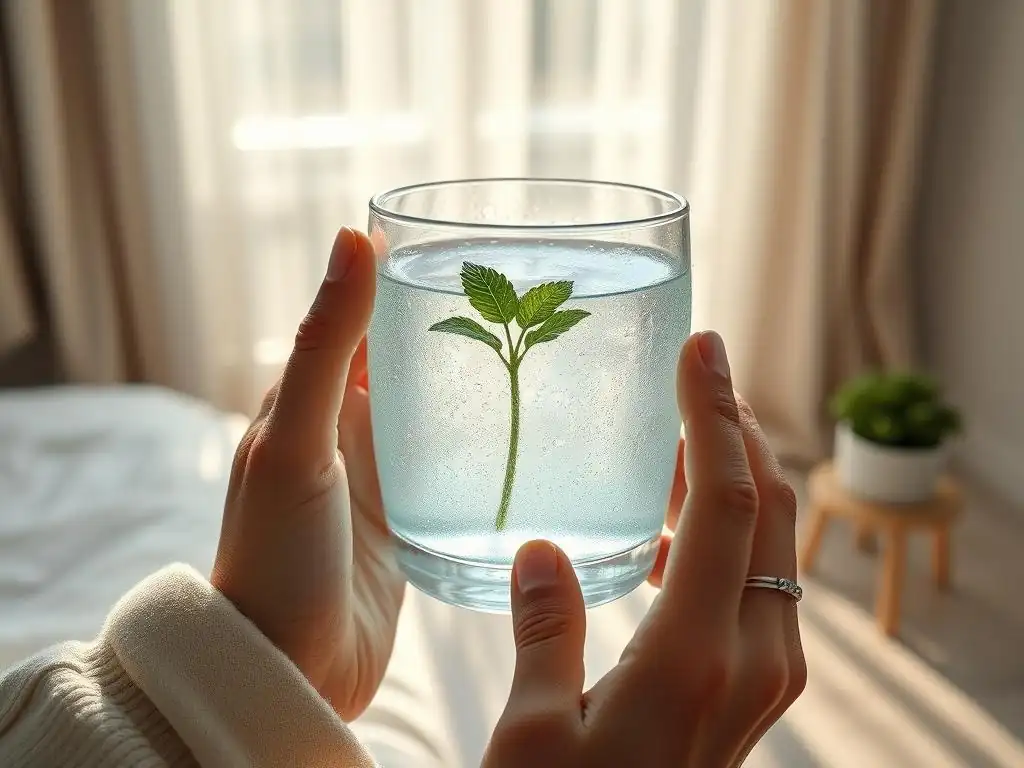
Ever noticed how a simple glass of water can feel incredibly refreshing? But did you know that how you hydrate can be just as important as what you drink? Dive into our exploration of mindful hydration benefits wellbeing and discover how this simple daily practice can profoundly impact your mental and emotional health. Ready to unlock a surprising key to greater wellbeing? Let's begin...
- Mindful Hydration: A Simple Daily Practice for Wellbeing
- The Connection Between Hydration and Mental Health
- Mindful Hydration Benefits for Wellbeing
- Practicing Mindful Hydration: A Step-by-Step Guide
- Integrating Mindful Hydration Into Your Daily Routine
- Beyond Water: Exploring Other Hydrating Beverages Mindfully
- Overcoming Challenges to Mindful Hydration
- Mindful Hydration: A Path to Sustained Wellbeing
- Resources for Learning More About Mindful Hydration and Mental Wellness
-
Frequently Asked Questions
- What exactly is mindful hydration and how does it relate to wellbeing?
- How can mindful hydration improve my mental health?
- What are some practical tips for incorporating mindful hydration into my daily routine?
- How much water should I aim to drink each day for optimal mindful hydration benefits?
- Besides water, what other beverages can contribute to mindful hydration and wellbeing?
- Final Reflection: The Ripple Effect of Mindful Hydration
- Unlock Your Inner Oasis: Start Your Mindful Hydration Journey Today!
Mindful Hydration: A Simple Daily Practice for Wellbeing
Understanding Mindful Hydration and its Importance for Mental Wellbeing
Mindful hydration is more than just drinking water; it's the practice of consciously paying attention to your body's hydration needs and the act of drinking itself. It involves being present with the sensation of thirst, noticing the temperature and texture of the water, and appreciating its role in supporting your physical and mental functions. This simple practice integrates principles of mindfulness – non-judgmental awareness – into a fundamental daily activity. By bringing attention to hydration, we move away from automatic, often overlooked habits, and create an opportunity for intentional self-care.
Embracing mindful hydration can significantly impact mental wellbeing. Our brains are composed of a large percentage of water, around 75%, and proper hydration is crucial for optimal cognitive function. When we mindfully engage with our hydration, we become more attuned to our body's subtle signals, recognizing thirst before it becomes a crisis. This proactive approach helps prevent the negative mental effects of dehydration, such as difficulty concentrating, irritability, and fatigue. Integrating mindful hydration benefits wellbeing by fostering a deeper connection with our physical state, which in turn supports emotional regulation and mental clarity throughout the day.
The Connection Between Hydration and Mental Health
Dehydration's Impact on Cognitive Function and Mood
Even mild dehydration, defined as a loss of just 1-2% of body weight in fluid, can have measurable negative effects on cognitive function and mood. Research, including studies published in the British Journal of Nutrition, has shown that this level of dehydration can impair tasks requiring attention, memory, and executive function.
For instance, studies involving young adults have demonstrated a decrease in concentration levels and an increase in perceived task difficulty after losing just 1.5% of their body water. This means that skipping a few glasses of water throughout the morning could potentially make it harder to focus on work or studies.
Beyond cognitive performance, dehydration is also linked to changes in mood. Studies have consistently shown that dehydration, even mild, can lead to increased feelings of tension, anxiety, and fatigue. For example, a study involving women found that a 1.36% loss of body weight from dehydration led to increased reports of fatigue, confusion, and low mood. Men experiencing a 1.59% loss also reported increased feelings of tension, anxiety, and fatigue. These findings highlight how crucial adequate hydration is for maintaining a stable and positive emotional state, underscoring the importance of mindful hydration benefits wellbeing by mitigating these negative impacts.
How Water Supports Brain Health and Emotional Stability
Water plays a vital role in numerous brain processes that support both cognitive function and emotional stability. It is essential for the production of neurotransmitters, such as serotonin and dopamine, which are critical for regulating mood, sleep, and motivation. Proper hydration ensures efficient nutrient delivery to brain cells and the removal of waste products, maintaining a healthy cellular environment. When the brain is adequately hydrated, nerve signals are transmitted more effectively, leading to improved processing speed and better cognitive performance.
Furthermore, staying well-hydrated helps maintain electrolyte balance, which is crucial for nerve function and muscle control, including the subtle muscles involved in facial expression and posture that can influence mood. Dehydration can disrupt this balance, potentially leading to feelings of shakiness or unease that contribute to anxiety. By supporting these fundamental biological processes, adequate water intake provides a stable foundation for brain health, which directly contributes to greater emotional resilience and stability. This is a key aspect of how mindful hydration benefits wellbeing at a fundamental level.
Mindful Hydration Benefits for Wellbeing
Enhanced Focus and Concentration Through Mindful Hydration
One of the most immediate mindful hydration benefits for wellbeing is improved focus and concentration. As discussed, dehydration impairs cognitive function, making it difficult to sustain attention on tasks. By practicing mindful hydration, individuals ensure their brains are adequately supplied with the fluids needed for optimal operation. Staying hydrated supports the efficient transmission of nerve signals and maintains the volume of brain tissue, preventing the shrinkage that can occur even with mild dehydration. This leads to sharper thinking and better cognitive performance.
Integrating mindful hydration into your routine means consistently providing your brain with the resources it needs to function effectively. Instead of waiting for significant thirst or experiencing a dip in concentration, the mindful approach encourages regular, conscious sips. This steady supply of hydration helps maintain optimal blood flow to the brain and supports the production of key neurotransmitters necessary for sustained attention and executive functions. Over time, this practice can lead to a noticeable improvement in your ability to concentrate on complex tasks and maintain mental clarity throughout the day.
Reduced Anxiety and Stress with Conscious Water Intake
Conscious water intake, a core component of mindful hydration, can play a role in reducing feelings of anxiety and stress. Dehydration can trigger physiological stress responses in the body, including an increase in cortisol levels. These hormonal changes can exacerbate feelings of worry and tension. By staying properly hydrated, you help your body regulate these stress hormones more effectively, preventing dehydration-induced spikes that can contribute to anxious feelings.
Moreover, the act of mindful drinking itself can be a calming practice. Taking a moment to pause, focus on the sensation of drinking, and breathe deeply provides a brief but effective break from stressors. This simple pause allows the nervous system to downregulate, shifting from a state of fight-or-flight towards rest and digest. Regular practice of mindful hydration throughout the day introduces multiple small moments of calm, which can cumulatively reduce overall stress levels and contribute significantly to mindful hydration benefits wellbeing by fostering a more relaxed state of mind.
Improved Sleep Quality Linked to Proper Hydration Habits
Proper hydration habits are often overlooked but can have a positive impact on sleep quality. Dehydration, even mild, can lead to discomforts like dry mouth, muscle cramps, or headaches during the night, disrupting sleep. Furthermore, dehydration can influence the body's production of melatonin, the hormone that regulates sleep-wake cycles. Staying adequately hydrated supports the body's natural ability to prepare for rest and maintain sleep throughout the night without being interrupted by physical discomforts related to fluid imbalance.
Mindful hydration also involves timing your water intake appropriately. While staying hydrated throughout the day is crucial, excessive fluid intake right before bed can lead to frequent awakenings to use the restroom. A mindful approach encourages consistent hydration during the day, tapering slightly in the evening, to ensure the body is well-hydrated for sleep without creating unnecessary nighttime disturbances. By optimizing hydration throughout the day and being mindful of evening intake, individuals can support deeper, more restorative sleep, adding another layer to the mindful hydration benefits for wellbeing.
Practicing Mindful Hydration: A Step-by-Step Guide
Step 1: Setting Intentions for Mindful Drinking
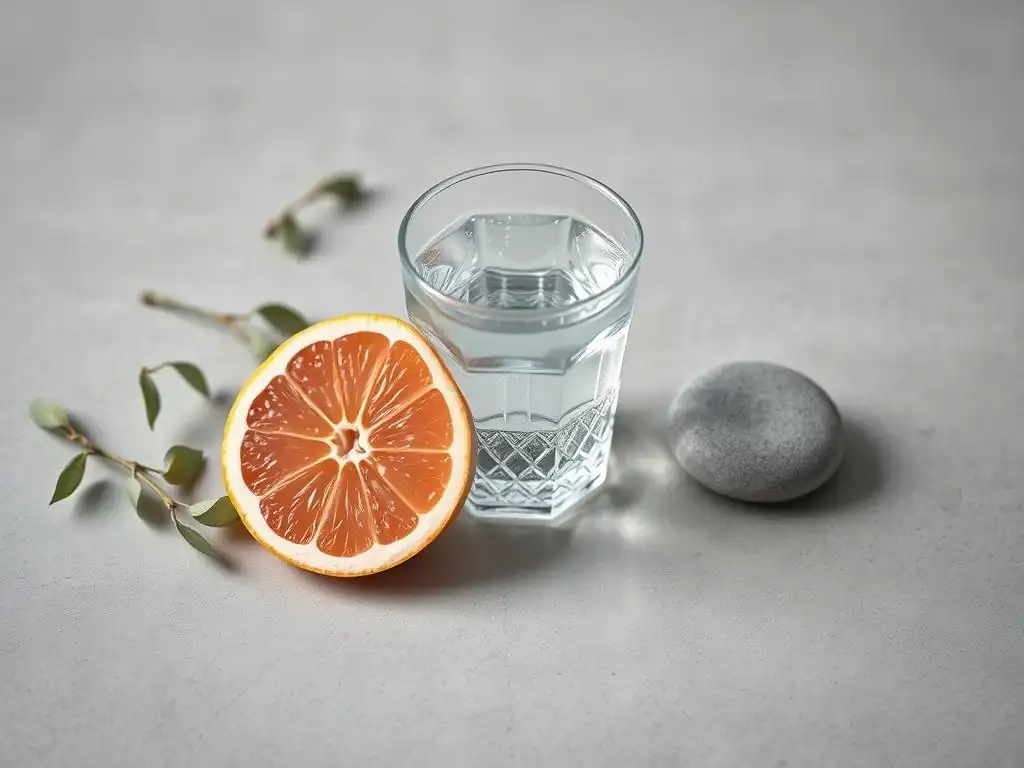
The first step in practicing mindful hydration is to set a clear intention. This isn't just about drinking a certain amount of water; it's about approaching the act with awareness and purpose. Before you take your first sip of the day, or even before refilling your glass, pause for a moment. Ask yourself, "Why am I doing this?
What is my intention?" Your intention might be to nourish your body, to clear your mind, to feel more energized, or simply to be present with this basic need. Stating this intention, even silently, shifts the act from a mindless habit to a conscious choice.
This intentional pause helps to anchor you in the present moment and connects the physical act of drinking to your overall goal of improving wellbeing. For example, you might set the intention: "I am drinking this water to support my body and mind, bringing clarity and energy." Or, more simply: "With this sip, I choose presence." Setting intentions transforms the mundane task of drinking water into a small ritual of self-care, reinforcing the connection between mindful hydration and its benefits for wellbeing from the outset.
Step 2: Paying Attention to the Sensation of Thirst
Mindful hydration involves becoming more attuned to your body's subtle signals of thirst, rather than waiting until you are parched. Thirst is the body's way of communicating its need for fluid, but in our busy lives, we often override or ignore these signals. Take moments throughout the day to check in with your body. Are your lips slightly dry? Do you feel a faint dryness in your throat? Is there a general feeling of low energy that might be related to hydration levels?
Learning to recognize these early signs allows you to respond proactively to your body's needs. Instead of just grabbing a drink when you remember or when a headache sets in, you drink in response to a gentle internal cue. This practice builds interoceptive awareness – the ability to sense the internal state of your body – which is a key component of overall mindfulness and emotional regulation. Responding kindly and promptly to your body's signals through mindful hydration reinforces a sense of trust and care for yourself.
Step 3: Engaging Your Senses While Drinking Water: Taste, Temperature, and Texture
When you take a sip of water, bring your full attention to the sensory experience. What is the temperature of the water? Is it cool, room temperature, or cold? Notice how the temperature feels against your lips, tongue, and throat as you swallow. Pay attention to the taste – water might seem tasteless, but when you truly focus, you might detect subtle nuances depending on its source or temperature.
Engage your sense of touch by noticing the texture of the water. Does it feel smooth, light, or substantial? Feel the weight of the glass or bottle in your hand. Observe the movement of the water as you lift it and the sensation as it travels down your throat. By bringing this level of sensory awareness to the simple act of drinking, you ground yourself in the present moment and transform a routine action into an opportunity for mindful presence, deepening the experience of mindful hydration benefits wellbeing.
Step 4: Cultivating Gratitude for Water and its Benefits
The final step in this guide is cultivating gratitude for water and the life-sustaining role it plays. Reflect on the incredible abundance of clean water available to you (if that is your reality) and the complex systems that bring it to your tap or bottle. Consider the countless functions water performs within your body, from transporting nutrients to regulating temperature and supporting every cell.
As you drink, silently or mentally express thanks for this vital resource. Appreciating water’s role in maintaining your health, energy, and cognitive function enhances the connection between the physical act and the mindful hydration benefits for wellbeing you are cultivating. This sense of gratitude fosters a positive relationship with hydration and reinforces its importance as a cornerstone of self-care and overall wellness.
Integrating Mindful Hydration Into Your Daily Routine
Tips for Remembering to Drink Water Mindfully Throughout the Day
Integrating mindful hydration into a busy day requires conscious effort and helpful strategies. One effective tip is to keep water visible and easily accessible. Place a water bottle on your desk, by your bedside, or in your bag so it serves as a constant visual reminder. This physical presence prompts you to take sips more frequently than if the water were out of sight. Another tip is to link hydration to existing habits. For example, commit to drinking a full glass of water immediately upon waking up, before each meal, or after every bathroom break.
Setting gentle reminders can also be incredibly helpful. Use a simple timer on your phone or a hydration tracking app that sends periodic notifications. However, the key is to make these reminders prompts for mindful drinking, not just consumption. When a reminder appears, take a moment to pause, check in with your body, and drink mindfully as described in the previous steps. This intentional approach ensures that you are not just drinking water, but actively practicing mindful hydration, reinforcing mindful hydration benefits wellbeing throughout your day.
Using Visual Cues and Reminders for Consistent Hydration
Visual cues are powerful tools for establishing consistent hydration habits. Beyond just having a water bottle visible, consider using a bottle with time markers on it to guide your intake throughout the day. Seeing the lines indicating how much water you "should" have consumed by a certain hour can provide a gentle nudge and a visual representation of your progress. You can also place sticky notes in prominent locations, like on your computer monitor, bathroom mirror, or refrigerator, with simple messages like "Hydrate Mindfully" or "Check In with Thirst."
Another visual strategy is to use a dedicated glass or bottle that you enjoy using. Having a favorite vessel can make the act of drinking more pleasant and serve as a personal reminder to hydrate. Some people find tracking their water intake visually by using a whiteboard or journal helpful, marking off each glass or bottle consumed. These visual reminders shift hydration from an afterthought to a consistent, visible priority, supporting the development of a regular practice that contributes to mindful hydration benefits for wellbeing.
Incorporating Mindful Hydration into Existing Mindfulness Practices
For those who already practice mindfulness meditation, yoga, or other contemplative activities, integrating mindful hydration can deepen these experiences. Before or after your meditation session, mindfully drink a glass of water, using the steps outlined earlier. This bridges the gap between formal practice and daily life, extending the principles of awareness and presence into a fundamental physical act. Similarly, bringing mindful attention to hydration during breaks between yoga poses or exercises can enhance body awareness and connection.
You can also incorporate mindful sips during longer mindfulness sessions or work periods. When you feel your attention drifting or your body feeling restless, take a mindful sip of water. Use the sensory experience of drinking to re-ground yourself in the present moment, bringing awareness back to your breath and body. This not only serves as a physical reset but also reinforces the habit of turning to mindful hydration as a tool for staying present and managing discomfort, further solidifying mindful hydration benefits wellbeing in various contexts.
Beyond Water: Exploring Other Hydrating Beverages Mindfully
Mindful Tea Drinking: Green Tea, Herbal Infusions, and their Benefits
While plain water is the cornerstone of hydration, other beverages can also contribute mindfully to fluid intake and offer additional benefits. Mindful tea drinking is a wonderful practice. Choose a tea you enjoy, such as green tea, known for its antioxidants and potential to improve alertness, or a calming herbal infusion like chamomile or peppermint. Prepare your tea mindfully, paying attention to the warmth of the cup, the aroma of the leaves or herbs, and the color of the brew.
As you sip your tea, treat it as a mini-meditation. Notice the warmth spreading through you, the specific flavors and scents, and the feeling as you swallow. Green tea contains L-theanine, an amino acid that can promote relaxation without causing drowsiness, complementing the calming effect of mindful consumption. Herbal teas offer various benefits, from aiding digestion (peppermint) to promoting relaxation (chamomile). Approaching these beverages mindfully enhances their potential benefits and adds variety to your mindful hydration benefits for wellbeing.
Mindful Consumption of Water-Rich Fruits and Vegetables
Hydration doesn't solely come from drinks; many fruits and vegetables have high water content and contribute significantly to your daily fluid intake. Mindfully consuming these foods involves paying attention to their texture, juiciness, and refreshing qualities. Fruits like watermelon, strawberries, and cantaloupe are over 90% water. Vegetables such as cucumber, lettuce, celery, and tomatoes also boast very high water content, often exceeding 95%.
When eating these foods, take a moment to appreciate their hydrating nature. Notice the burst of juice from a berry, the crispness of a cucumber, or the cool, soft texture of a slice of watermelon. Chew slowly and mindfully, experiencing the release of moisture. Recognizing these foods as sources of hydration adds another dimension to your mindful approach to nourishment and contributes to your overall fluid balance, enhancing the comprehensive mindful hydration benefits for wellbeing derived from various sources.
Overcoming Challenges to Mindful Hydration

Addressing Common Obstacles: Busy Schedules, Lack of Awareness
One of the most common obstacles to mindful hydration is a busy schedule. When rushing from one task to the next, it's easy to forget to drink or to gulp water down mindlessly without paying attention. The solution lies in proactive planning and building hydration into your schedule. Set specific times for mindful hydration breaks, just as you would for meetings or other appointments. Even a 60-second pause to mindfully drink a small glass of water can make a difference.
Another significant obstacle is a simple lack of awareness or habit. We are often on autopilot, performing routine actions without conscious thought. Overcoming this requires consistent effort to bring awareness back to hydration. Use the tips mentioned earlier – visual cues, reminders, and linking hydration to existing habits – to interrupt the autopilot. Start small; perhaps focus on mindful hydration during just one part of the day, like your morning routine, and gradually expand as it becomes more natural. Recognizing that overcoming these obstacles is part of the practice is key to sustaining mindful hydration benefits for wellbeing.
Strategies for Staying Hydrated Mindfully When Traveling
Staying hydrated mindfully while traveling presents unique challenges, such as varying access to clean water, disruption of routine, and differing climates. A primary strategy is preparation: always carry a reusable water bottle and fill it whenever possible – at airports (after security), train stations, hotels, or cafes. Research water availability at your destination beforehand. In places where tap water isn't safe, plan to purchase bottled water but try to minimize plastic waste where possible.
During the journey itself, make hydration a conscious priority. On flights, which are particularly dehydrating, ask for water frequently and mindfully sip. When exploring a new place, schedule regular water breaks into your sightseeing or activities. Pay extra attention to your body's signals, as changes in climate or activity levels might alter your hydration needs. Use travel time, such as sitting on a train or plane, as an opportunity to practice mindful drinking, turning travel stress into a chance for mindful self-care and maintaining mindful hydration benefits wellbeing even away from home.
Mindful Hydration: A Path to Sustained Wellbeing
The Long-Term Benefits of Consistent Mindful Hydration
Consistently practicing mindful hydration offers numerous long-term benefits that contribute significantly to sustained wellbeing. Physically, chronic dehydration is linked to issues like kidney stones, constipation, and fatigue. By maintaining optimal hydration through mindful practice, you support long-term organ function and overall physical health. Mentally, consistent hydration supports stable mood, sharp cognitive function, and sustained energy levels, preventing the dips and crashes associated with poor hydration.
Beyond the physical and cognitive, the practice of mindfulness applied to hydration builds a stronger mind-body connection. Regularly pausing to check in with your body's needs and respond with care fosters a deeper sense of self-awareness and self-compassion. This consistent practice reinforces the habit of listening to your body, which translates to better self-care in other areas of life, such as nutrition, sleep, and stress management. The cumulative effect of these improvements contributes to a more stable, resilient, and positive state of wellbeing over time.
Real-Life Examples of Improved Wellbeing Through Mindful Hydration
Consider the example of someone who used to experience frequent afternoon slumps, difficulty concentrating after lunch, and occasional tension headaches. They began practicing mindful hydration by keeping a water bottle visible on their desk and taking a mindful sip every time they felt a moment of distraction or mild fatigue. Within a few weeks, they noticed fewer afternoon energy crashes, improved focus during work tasks, and a significant reduction in headaches. The simple act of paying attention to their hydration needs and responding mindfully made a tangible difference in their daily productivity and comfort.
Another example could be an individual prone to anxiety. They started incorporating mindful hydration into their coping strategies. When feeling overwhelmed, instead of reaching for a sugary drink or coffee, they would take a few deep breaths and mindfully drink a glass of water, focusing solely on the sensory experience.
This became a grounding practice, helping them pause and regulate their nervous system during moments of stress. Over time, they found that this simple act, combined with other mindfulness techniques, helped reduce the intensity and frequency of their anxious feelings, demonstrating how mindful hydration benefits wellbeing by providing a practical tool for emotional regulation.
Resources for Learning More About Mindful Hydration and Mental Wellness
Links to Relevant Articles, Books, and Apps
- Note: As per instructions, no actual links are provided here. This section outlines the types of resources one might seek.
To delve deeper into mindful hydration and its connection to mental wellness, you can explore various resources. Look for articles on reputable health and wellness websites that discuss the physiological effects of hydration on the brain and mood. Many mindfulness resources, including books on integrating mindfulness into daily life, often touch upon conscious eating and drinking, which aligns perfectly with mindful hydration principles.
Specific books focusing on the mind-body connection or the science of hydration for performance and mood can provide valuable insights. Additionally, numerous mindfulness apps offer guided practices that can help cultivate present-moment awareness, a skill directly applicable to practicing mindful hydration. Searching for content related to "mindfulness and hydration," "hydration for brain health," or "mindful eating and drinking" will yield relevant materials to support your journey towards enhanced wellbeing through conscious hydration.
Frequently Asked Questions
What exactly is mindful hydration and how does it relate to wellbeing?
Mindful hydration is the practice of paying attention to your body's need for fluids and consciously drinking water. This simple act promotes wellbeing by fostering body awareness and reducing symptoms of dehydration which can negatively impact mood and cognitive function.
How can mindful hydration improve my mental health?
By consciously hydrating, you ensure your brain has the fluids it needs to function optimally, reducing fatigue and brain fog. This can lead to improved mood, concentration, and a greater sense of overall wellbeing.
What are some practical tips for incorporating mindful hydration into my daily routine?
Keep a water bottle visible and accessible. Set reminders to drink water throughout the day. Before reaching for sugary drinks, pause and assess if you're truly thirsty.
How much water should I aim to drink each day for optimal mindful hydration benefits?
While individual needs vary, a general guideline is to aim for 8 glasses of water per day. Pay attention to your body's signals and adjust your intake based on activity level and climate.
Besides water, what other beverages can contribute to mindful hydration and wellbeing?
Herbal teas, infused water with fruits and vegetables, and low-sugar electrolyte drinks can all contribute to hydration. Be mindful of added sugars and caffeine, as they can have negative impacts on wellbeing.
Final Reflection: The Ripple Effect of Mindful Hydration
The simple act of drinking water mindfully is far more than just staying hydrated; it's a powerful gateway to enhanced wellbeing, impacting our physical and mental health in profound ways. This article explored the often-overlooked connection between conscious hydration and overall wellness, highlighting the surprising benefits that extend beyond simply quenching thirst. From improved energy levels and cognitive function to better digestion and emotional regulation, the evidence points to a clear and significant impact.
The journey towards mindful hydration is not just a personal one; it's a ripple effect that touches every aspect of our lives. By prioritizing this simple practice, we contribute to a more balanced and harmonious existence. The subtle shifts in our physical and mental states, when consistently mindful of our hydration, accumulate into a significant positive change. As the ancient proverb states: Water is the driving force of all nature.
This holds true not only for the environment but also for our internal landscape. Our bodies, like the earth, thrive when properly nourished and hydrated.
Now, consider your own relationship with water. Are you truly listening to your body's cues? Do you make conscious choices to hydrate throughout the day, or do you often find yourself reaching for water only when severely thirsty? I invite you to embark on a personal experiment: Try incorporating mindful hydration into your daily routine for a week.
Pay attention to how you feel, both physically and emotionally. Notice the subtle shifts in your energy levels, your mood, and your overall sense of wellbeing. The journey towards a healthier, more mindful you begins with one conscious sip at a time.
Unlock Your Inner Oasis: Start Your Mindful Hydration Journey Today!
Thanks for taking the time to explore the power of mindful hydration with us! We hope you gained valuable insights into how this simple practice can significantly impact your wellbeing. Now, it's time to put your newfound knowledge into action.
- Embrace the Ritual: Begin today by setting a mindful hydration intention. Choose a beautiful glass, savor each sip, and pay attention to the sensations in your body as you drink. This is your primary step towards a more hydrated, and more mindful, you!
- Share Your Experience: Share your hydration journey with friends and family – inspire them to join you! Discuss your experiences and encourage each other to prioritize this simple yet powerful self-care practice.
- Explore Creative Hydration: Experiment with infused water, herbal teas, or even add a slice of fruit to your water to make it more appealing and enjoyable. Discover what works best for you!
Ready to experience the transformative effects of mindful hydration? What small changes will you implement today to cultivate a more conscious and connected relationship with your hydration habits?