The Brain's Response: How Trauma Primes You for Addiction
🌟 Discover how trauma primes addiction recovery by altering brain responses, making individuals more vulnerable to substance dependence. Understanding this link empowers…
Read article

Trauma and addiction often travel together, creating a complex cycle where each fuels the other. When unresolved stress-related disorders like PTSD or acute stress responses take hold, many individuals turn to substances or behaviors as a way to numb overwhelming emotions—a pattern that can quickly escalate into addiction. Conversely, substance use itself can heighten vulnerability to traumatic experiences and impair recovery from trauma. At Mind Care Guide, we explore how co-occurring disorders demand an integrated treatment approach, addressing both the psychological wounds and the addictive patterns simultaneously. Understanding that healing is possible starts with recognizing that addiction is often a coping mechanism, not a moral failing. Our resources shed light on evidence-based therapies like trauma-informed care, EMDR, and cognitive-behavioral techniques that target the root causes, while also offering practical guidance for relapse prevention and long-term resilience.
🌟 Discover how trauma primes addiction recovery by altering brain responses, making individuals more vulnerable to substance dependence. Understanding this link empowers…
Read article
🌟 Effective stress management trauma recovery is essential for healing from trauma and addiction. By reducing anxiety and emotional overload, individuals can…
Read article
🌟 Discover eye-opening traumarelated substance abuse statistics revealing the strong link between trauma and addiction, emphasizing the urgent need for targeted mental…
Read article
🌟 Discover how traumainformed medication addiction treatment offers compassionate, effective support for individuals facing both trauma and substance dependency, fostering healing and…
Read article
🌟 Discover essential dual diagnosis recovery strategies with our comprehensive guide, empowering you to transform survival into thriving. This resource offers vital…
Read article
🌟 Discover how childhood trauma causes addiction, revealing the profound impact early experiences have on adult mental health. This essential guide helps…
Read article
🌟 Navigating the complexities of co-occurring mental health conditions healthcare requires understanding integrated treatment options, effective communication with providers, and accessing tailored…
Read article
🌟 Discover how trauma fuels substance abuse, revealing the deep connection between past emotional wounds and addiction. This insightful guide highlights the…
Read article
🌟 Discover essential trauma recovery addiction resources to heal from past wounds and embrace a hopeful future. This guide provides vital support…
Read article
🌟 Discover how to choose the right trauma therapist for addiction treatment options, ensuring personalized care and effective recovery. Our comprehensive guide…
Read article
🌟 Discover how proper nutrition and regular exercise significantly boost dual diagnosis recovery, empowering your brain to heal and thrive. Our comprehensive…
Read article
🌟 Discover effective strategies for managing trauma triggers in addiction recovery, empowering individuals to navigate painful memories, reduce relapse risk, and foster…
Read articleWhen trauma and substance use intersect, they create a complex web of co-occurring disorders that require specialized care. At Mind Care Guide, we explore how unresolved trauma often drives addictive behaviors, and how addiction can amplify post-traumatic stress symptoms. This subcategory is dedicated to helping individuals, families, and clinicians understand the intertwined nature of these conditions—offering practical strategies for integrated recovery, relapse prevention, and sustainable mental well-being.
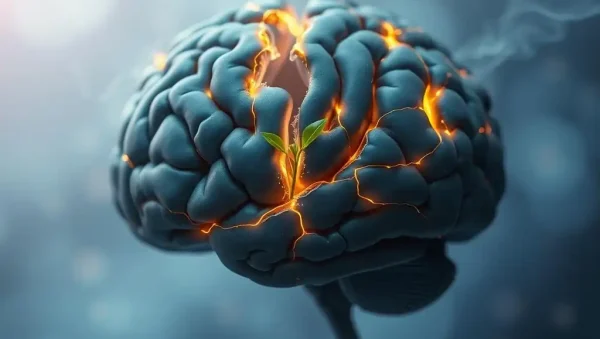
Trauma alters brain circuits involved in stress regulation, reward processing, and impulse control—making the brain more vulnerable to substance dependence. When someone experiences trauma, the amygdala becomes hyperactive while the prefrontal cortex struggles to modulate cravings, leading to self-medication with alcohol, opioids, or stimulants. This neurobiological feedback loop can quickly spiral, as each addictive episode temporarily numbs emotional pain but deepens the underlying dysregulation.
Understanding this connection is crucial because traditional addiction treatment often fails without addressing trauma. Integrated approaches—such as trauma-informed cognitive behavioral therapy (CBT) and eye movement desensitization and reprocessing (EMDR)—target both the neural pathways of addiction and the emotional memory of trauma. By repairing these circuits through evidence-based modalities, individuals can build healthier coping mechanisms and reduce the risk of relapse triggered by stress or flashbacks.
Co-occurring disorders rarely present in isolation. You may notice intrusive memories, hypervigilance, or emotional numbness alongside increased tolerance, withdrawal symptoms, or loss of control over substance use. This overlap can make diagnosis challenging, as clinicians often mistake trauma responses for pure addiction or vice versa. For example, a person might avoid social situations due to PTSD-related anxiety, then use alcohol to manage that avoidance—masking the true source of distress.
Practical recognition starts with self-assessment tools and professional screening, such as the Trauma Screening Questionnaire and the AUDIT (Alcohol Use Disorders Identification Test). In our guide, we emphasize holistic observation: track patterns of cravings, sleep disruptions, and emotional reactivity across weeks. Early recognition enables timely intervention, preventing the progression from occasional self-medication to severe dependency, and reduces the stigma that often prevents people from seeking help.
Integrated treatment—where both conditions are addressed simultaneously within one therapeutic framework—is the gold standard for co-occurring disorders. Models like Seeking Safety, an evidence-based therapy for PTSD and substance abuse, focus on building present-focused coping skills, such as grounding techniques and boundary-setting. Another approach, Motivational Interviewing combined with trauma-focused CBT, helps clients resolve ambivalence about recovery while processing painful memories safely.
In practice, these models require a multidisciplinary team: psychiatrists for medication management (e.g., naltrexone for alcohol cravings), licensed therapists for trauma processing, and peer support specialists for ongoing accountability. Our resources detail how to integrate these components into a personalized plan, including residential vs. outpatient options. Crucially, we highlight that relapse is not failure but a learning signal—adjusted treatment plans can address specific triggers, such as anniversaries of trauma or high-stress work environments, to fortify long-term sobriety.
Trauma and addiction often fracture family systems, creating cycles of enabling, isolation, or codependency. Family members may unknowingly reinforce addictive behavior by minimizing consequences or expressing anger without understanding the trauma root. Recovery therefore requires psychoeducation for loved ones—teaching them to recognize how trauma-driven behaviors manifest and how to respond with compassion rather than judgment.
Support groups like Al-Anon and Trauma Recovery Anonymous offer structured environments where families share coping strategies. Our guide also recommends family therapy sessions that include trauma-informed communication training, helping each member voice fears and establish healthy boundaries. By involving the social network, the individual gains a safety net that extends beyond clinical hours, reducing vulnerability to relapse during lonely moments or after conflict. Remember: healing from co-occurring disorders is rarely a solitary journey—it thrives in connection.
Maintaining sobriety after trauma resolution requires a proactive relapse prevention plan that addresses both substances and emotional triggers. Key strategies include identifying high-risk situations—such as specific people, places, or times of day—and pre-planning alternative responses. Mindfulness-based stress reduction (MBSR) trains individuals to observe cravings without acting on them, while lifestyle adjustments like regular exercise and sleep hygiene stabilize mood and reduce cortisol spikes.
Resilience building also involves cultivating post-traumatic growth—the ability to find meaning and purpose after adversity. This may involve journaling, volunteering, or pursuing creative outlets that transform pain into strength. We recommend quarterly “refresher” sessions with a therapist to reassess coping skills and update the prevention plan as life circumstances evolve. Importantly, long-term recovery is not about being “cured” but about developing adaptive flexibility—the confidence to face future stressors without resorting to substances.
Trauma and addiction co-occurring means they are deeply intertwined—each condition influences and worsens the other, often sharing the same neurobiological roots. Having two separate conditions implies independence, but in co-occurring disorders, treatment must address both simultaneously. For example, unresolved trauma can trigger substance use, while substance use can hinder trauma processing. Integrated care is essential because treating only one condition leaves the other to drive relapse.
While some individuals may achieve sobriety through self-help groups or spiritual practices, untreated trauma often resurfaces, leading to relapse. Professional help provides evidence-based techniques like cognitive processing therapy and medication-assisted treatment, which are difficult to implement alone. Moreover, a professional diagnosis ensures that underlying issues—such as bipolar disorder or severe PTSD—are not missed. Self-help can be a supplement, but integrated professional guidance significantly improves long-term outcomes.
The first step is a comprehensive assessment by a licensed mental health professional who specializes in dual diagnosis. This evaluation includes a detailed history of trauma, substance use patterns, medical status, and psychiatric screening. Based on this, a personalized integrated treatment plan is created. If you are unsure where to start, call a certified addiction specialist or a trauma-informed therapist—they can guide you through detoxification options (if medically needed) and therapy modalities.
Yes, certain medications can ease withdrawal, reduce cravings, and manage trauma symptoms simultaneously. For instance, sertraline or paroxetine are FDA-approved for PTSD and may also reduce anxiety that drives alcohol use. Naltrexone can block opioid and alcohol euphoria, while prazosin reduces nightmares related to trauma. However, medication is most effective when combined with psychotherapy—it is not a standalone cure. A psychiatrist will closely monitor interactions, as some sedatives can be habit-forming.
Treatment duration varies significantly based on severity, with many programs lasting 30-90 days for intensive inpatient care, followed by 6-12 months of outpatient therapy and aftercare. Trauma processing alone can take several months to years, so expect a gradual, staged approach. Short-term relief may come quickly, but deep healing requires time. The most successful recoveries involve continuous support, often including alumni groups and periodic booster sessions, extending up to two years or more for full stability.