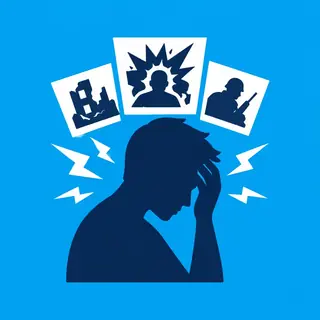
How Loved Ones Can Provide Essential Support for ASD Recovery
🌟 Discover how a strong, understanding ASD recovery family support guide can empower loved ones to foster meaningful progress, provide essential emotional…
Read article

Acute Stress Disorder (ASD) can feel overwhelming, but understanding it is the first step toward reclaiming your sense of safety and control. This condition often emerges in the immediate aftermath of a traumatic event, bringing intense anxiety, flashbacks, and emotional numbness. The good news? With timely support and proven coping strategies, recovery is not only possible—it’s highly achievable. At Mind Care Guide, we break down the early warning signs, the critical difference between normal stress and ASD, and practical, evidence-based steps to move from trauma to resilience. Whether you’re personally affected or supporting a loved one, our resources empower you to navigate this delicate period with clarity, compassion, and actionable guidance—helping you restore calm and rebuild your inner strength.

🌟 Discover how a strong, understanding ASD recovery family support guide can empower loved ones to foster meaningful progress, provide essential emotional…
Read article
🌟 If you suspect you have Acute Stress Disorder, seek immediate support and consider exploring effective Acute Stress Disorder Treatment Options. Early…
Read article
✨ Discover essential insights into the ASD first month trauma, highlighting common experiences and milestones. This guide empowers you to navigate the…
Read article
🌟 Discover essential insights into Acute Stress Disorder and explore effective treatment options. This comprehensive guide offers valuable information, support, and resources…
Read article
🧠 Discover how trauma-induced brain changes in acute stress disorder can impact mental health, highlighting the importance of understanding trauma brain changes…
Read article
🌟 Discover effective strategies for managing acute stress disorder symptoms daily, empowering you to regain control and foster resilience. Our comprehensive guide…
Read article
🌟 Discover essential acute stress disorder recovery tips to navigate your path toward healing. Our comprehensive guide offers valuable insights, support, and…
Read article
🌟 Discover how intense stress can escalate into Acute Stress Disorder, highlighting key symptoms and effective treatment options. Learn to recognize early…
Read article
🌟 Discover effective approaches for overcoming Acute Stress Disorder, including evidence-based treatment options tailored to promote recovery. Our comprehensive guide explores various…
Read article
🌟 Discover practical acute stress disorder coping strategies that can quickly alleviate overwhelming feelings. This guide offers simple yet effective techniques to…
Read article
🌟 Seeking professional help is essential for effective acute stress disorder recovery, providing tailored support and evidence-based strategies. Accessing specialized guidance accelerates…
Read article
🌟 Understand the difference between everyday stress and Acute Stress Disorder with our clear explanation. Learn about acute stress disorder symptoms explained,…
Read articleAcute Stress Disorder (ASD) is a short-term but intense psychological response that occurs within days to four weeks following a traumatic event. At Mind Care Guide, we provide a compassionate, evidence-based roadmap to help you recognize symptoms, navigate the early aftermath of trauma, and take proactive steps toward healing. This subcategory transforms overwhelming confusion into actionable clarity, covering everything from neurobiological impacts to proven therapeutic interventions, all designed to move you from acute distress to resilient recovery.
In the first month after trauma, ASD often manifests through four core symptom clusters: intrusive re-experiencing (flashbacks, nightmares), avoidance of trauma reminders, negative mood or thoughts (blunted emotions, self-blame), and hyperarousal (sleep disturbances, irritability, hypervigilance). Unlike normal stress, these symptoms significantly impair daily functioning. Many people mistakenly dismiss them as "just being shaken up," delaying crucial help. Understanding these markers empowers early recognition—the single most effective factor in preventing progression to Post-Traumatic Stress Disorder (PTSD).
Our guides break down each symptom cluster with real-world examples, helping you or a loved one differentiate between transient distress and clinically significant ASD. We emphasize that experiencing ASD does not mean weakness; it’s a natural, albeit painful, adaptation to extreme threat. By learning the warning signs of dissociation (feeling detached from your body or the world), you can also recognize a subtype that often requires specialized care. Early identification enables timely professional consultation, reducing recovery time by weeks or months.
The immediate post-trauma window is critical. Our actionable guide focuses on grounding techniques to pull you back from flashbacks, controlled breathing to calm hyperarousal, and creating a "safety kit" of sensory items that anchor you to the present. We also discuss the controversial "psychological debriefing" (forcing trauma disclosure too early) and why supportive listening is generally more beneficial than structured re-exposure in the first 72 hours. Practical checklists help you stabilize sleep, nutrition, and social support—often the most neglected pillars during crisis.
We explicitly address avoidance behaviors that feel protective but paradoxically reinforce fear. Encouraging gradual, self-paced re-entry into routine activities (like walking outside or returning to work part-time) is explained with a step-by-step hierarchy. You’ll find scripts for communicating your needs to friends, family, and employers during this vulnerable period. These strategies aren’t about erasing the memory—they’re about regaining a sense of agency to prevent the trauma from hijacking your entire nervous system.
Evidence-based treatments for ASD include Trauma-Focused Cognitive Behavioral Therapy (TF-CBT), which has the strongest research backing, and Eye Movement Desensitization and Reprocessing (EMDR) for certain symptom profiles. Our content demystifies what these sessions actually look like, including the initial psychoeducation phase, imaginal exposure to the traumatic narrative, and cognitive restructuring of guilt or shame. We also clarify when short-term medication—like SSRIs or low-dose benzodiazepines—might be beneficial, while cautioning against their prolonged use due to dependency risks.
We explain the difference between single-session early intervention and multi-week structured programs, helping you set realistic expectations with your provider. You’ll learn how to evaluate a therapist’s trauma specialization and what questions to ask in the first appointment. Crucially, we address the myth that only prolonged, painful retelling is effective; modern treatments emphasize gradual desensitization at your pace. If you cannot afford traditional therapy, we provide reputable low-cost or remote options, including crisis lines and sliding-scale community clinics.
Recovery from ASD isn’t just about reducing symptoms—it’s about post-traumatic growth (PTG). Our resources guide you toward finding new meaning, strengthening relationships, and discovering personal strength you didn’t know you had. We introduce protective factors such as mindfulness-based stress reduction, regular physical activity, and journaling prompts specifically designed to shift your narrative from "victim" to "survivor." You’ll learn about the "recovery paradox"—that acknowledging pain openly often accelerates healing far faster than suppressing it.
We also address relational repair, as trauma often strains partnerships and family dynamics. Practical scripts for safe conversations, setting boundaries, and re-establishing intimacy (including emotional and sexual closeness) are provided. For those whose ASD stems from workplace incidents, motor vehicle accidents, or violence, we discuss navigating legal systems and disability accommodations without re-traumatization. Crucially, we frame recovery as a non-linear journey—setbacks are not failures but learning signals, and we equip you with "bounce-back" plans for difficult days.
Watching someone you care about struggle with ASD can be emotionally draining. Our guide for supporters emphasizes "active presence" over "problem-solving"—offering validation ("This makes sense given what you went through") rather than platitudes ("Just stay positive"). You’ll learn the difference between supportive exposure and pushing too hard, how to help with practical tasks without infantilizing, and when to gently encourage professional help. We also tackle vicarious trauma: caregivers often develop secondary stress, so self-care strategies are included to keep you resilient.
We provide a communication roadmap that respects the trauma survivor’s autonomy, such as saying, "I’m here to listen if you want to talk, and I’m also here to sit in silence if that’s easier." Avoidance of common pitfalls like minimizing the event ("It could’ve been worse") is highlighted. Additionally, we explain how to coordinate with therapists, attend family sessions if invited, and monitor for signs that the survivor may benefit from emergency help. Your role is supportive, not curative—and we give you the confidence to fulfill it without burning out.
The key difference is timing. ASD occurs 3 days to 1 month after the trauma, while PTSD is diagnosed only if symptoms persist beyond 1 month. Approximately 20-50% of individuals with ASD develop PTSD, but early treatment significantly reduces this progression. Both share similar symptoms like flashbacks and avoidance, but ASD emphasizes dissociation more heavily. If symptoms last over a month, a PTSD diagnosis is more appropriate.
Some individuals do recover naturally within a few weeks, as the brain processes the event. However, research shows that untreated ASD raises the risk of chronic PTSD, substance abuse, and depression. Even mild symptoms that impair sleep, work, or relationships warrant at least a single preventive consultation. Brief trauma-focused therapy (5-10 sessions) is highly effective in early stages, so seeking help is a protective, not overreactive, step.
No. Flashbacks are involuntary, vivid re-experiences where the brain feels the trauma is happening again in the present—you may feel physical sensations like a racing heart. In contrast, memories are recollections observed with awareness that they’re in the past. Flashbacks can be visual, emotional, or somatic. Grounding techniques, like focusing on five things you can see, help anchor you to the here-and-now.
The most helpful phrases are validating and non-judgmental: "I’m so sorry this happened to you," "It’s completely normal to feel overwhelmed now," and "I’m here with you, no matter what." Avoid saying "You should just be glad you survived," or "Let it go." Also, avoid forcing details—simply offer presence, practical help (meals, rides), and gentle encouragement to seek professional support if symptoms persist beyond a week.
With early, evidence-based treatment like TF-CBT, many people see significant symptom reduction within 6-12 weeks. However, recovery is unique; some feel improvement in a month, others need 3-6 months for full adjustment, especially if trauma was severe or repeated. Even after symptoms fade, occasional "trigger days" are normal and diminish over time. Consistent self-care and occasional check-ins with a therapist support long-term healing.