
How Trauma Affects the Brain in Acute Stress Disorder


Welcome to Mind Care Guide, a safe space dedicated to understanding and nurturing your mental well-being. Have you ever wondered what happens inside your brain when faced with overwhelming stress or trauma? This guide explores the intricate connection between trauma, brain changes, and acute stress, offering insights and support to navigate these challenging experiences. Begin your journey to understanding and healing – explore how trauma impacts the brain and discover pathways to resilience.
How Trauma Affects the Brain in Acute Stress Disorder: A Mind Care Guide
- Understanding Acute Stress Disorder (ASD) and Its Neurological Impact
- The Brain's Response to Trauma in Acute Stress Disorder
- Specific Brain Regions Affected by Trauma in ASD
- The Neurobiological Mechanisms Underlying Trauma-Related Symptoms in ASD
- Long-Term Effects of Untreated Acute Stress Disorder on Brain Health
- Neuroplasticity and Recovery: Healing the Trauma Brain
- Strategies for Promoting Brain Health and Resilience After Trauma
- Seeking Professional Help for Acute Stress Disorder and Brain Health
-
Frequently Asked Questions
- How does trauma impact the brain during an episode of acute stress?
- What specific brain areas are most affected by trauma in acute stress?
- How do these brain changes manifest in someone experiencing acute stress disorder?
- Can the brain changes caused by trauma during acute stress be reversed?
- What types of therapies are most effective in addressing the brain changes associated with acute stress and trauma?
- Final Reflection: The Enduring Impact of Trauma on the Brain
- Unveil Your Path to Healing: Taking the Next Steps
Understanding Acute Stress Disorder (ASD) and Its Neurological Impact
Acute Stress Disorder (ASD) is a short-term, severe stress reaction that can develop immediately following exposure to a traumatic event. Unlike Post-Traumatic Stress Disorder (PTSD), which persists for months or years, ASD symptoms manifest within one month of the trauma and last for a minimum of three days and a maximum of one month. These symptoms can be debilitating and include intrusive memories, avoidance of trauma-related stimuli, negative mood, dissociative symptoms, and hyperarousal. Understanding the underlying neurological changes, or trauma brain changes acute stress induces, is fundamental to grasping the disorder's impact.
The neurological impact of trauma in ASD is profound and immediate. The brain's intricate network, designed to protect us from harm, goes into overdrive or becomes dysregulated when faced with an overwhelming threat. This initial response involves a cascade of chemical and electrical signals that fundamentally alter how different brain regions communicate and function. Research into these trauma brain changes acute stress triggers is shedding light on why some individuals develop ASD while others do not, highlighting the complex interplay between genetic predisposition, prior experiences, and the severity of the trauma itself.
What is Acute Stress Disorder? Definition and Diagnostic Criteria
Acute Stress Disorder is defined by the presence of specific symptoms following exposure to actual or threatened death, serious injury, or sexual violation. This exposure can be direct, witnessing the event, learning that it occurred to a close family member or friend, or experiencing repeated or extreme exposure to aversive details of the traumatic event (e.g., first responders collecting human remains). The diagnostic criteria, as outlined in the DSM-5-TR, require the presence of at least nine symptoms from any of five categories: Intrusion, Negative Mood, Dissociation, Avoidance, and Arousal.
The intrusion symptoms might include recurrent, involuntary, and intrusive distressing memories or dissociative reactions (like flashbacks) where the individual feels or acts as if the traumatic event is recurring. Dissociative symptoms are particularly characteristic of ASD and can involve an altered sense of reality (derealization), feeling detached from one's body or mental processes (depersonalization), or an inability to remember important aspects of the traumatic event (dissociative amnesia). These symptom clusters reflect significant trauma brain changes acute stress initiates, particularly impacting areas involved in memory processing, emotional regulation, and threat response.
The Link Between Trauma and Acute Stress Disorder
The relationship between trauma and Acute Stress Disorder is direct and causal; ASD only develops after exposure to a traumatic event. However, not everyone who experiences trauma will develop ASD. Factors influencing this vulnerability include the severity, nature, and duration of the trauma, as well as individual characteristics such as prior trauma exposure, existing mental health conditions, and genetic factors. The immediate aftermath of trauma is a critical window where the brain attempts to process the overwhelming experience, and the way this processing unfolds is heavily influenced by the initial trauma brain changes acute stress precipitates.
For example, military personnel exposed to combat, survivors of natural disasters like earthquakes or hurricanes, or victims of violent crime are all at risk of developing ASD. Studies tracking individuals after mass trauma events, such as terrorist attacks, have shown varying rates of ASD development, often ranging from 10% to 30% depending on the population and the specific trauma. This variability underscores that while trauma is the necessary trigger, individual biological and psychological factors determine the specific trauma brain changes acute stress causes and whether they lead to a diagnosable disorder.
Trauma Brain Changes: An Overview of Neurological Effects
The brain undergoes significant alterations in response to trauma, particularly in regions involved in fear processing, memory formation, and emotional regulation. Key areas implicated in the trauma brain changes acute stress induces include the amygdala, hippocampus, and prefrontal cortex, as well as the complex network of the hypothalamic-pituitary-adrenal (HPA) axis. These changes are not merely functional; in some cases, structural alterations, though often more pronounced in chronic conditions like PTSD, can begin in the acute phase.
At a chemical level, trauma floods the brain with stress hormones like cortisol and adrenaline. While helpful in a fight-or-flight scenario, sustained or excessive levels can be neurotoxic, particularly to the hippocampus. Neurotransmitter systems, such as those involving serotonin, dopamine, and norepinephrine, also become dysregulated, contributing to symptoms like mood disturbances, anhedonia (loss of pleasure), and hyperarousal. Understanding these immediate trauma brain changes acute stress triggers is essential for developing effective early interventions aimed at mitigating the long-term impact.
The Brain's Response to Trauma in Acute Stress Disorder
When faced with overwhelming threat, the brain's ancient survival systems take precedence. This involves a rapid activation of regions designed to detect danger and initiate a protective response. In the context of Acute Stress Disorder, this response becomes dysregulated, leading to persistent symptoms even after the immediate threat has passed. The trauma brain changes acute stress induces fundamentally alter the balance between these survival systems and higher-level cognitive functions.
The acute phase following trauma is characterized by a state of heightened alert. The brain is essentially rewired to prioritize threat detection, often at the expense of rational thought and emotional control. This can manifest as hypervigilance, exaggerated startle responses, and difficulty concentrating. These immediate trauma brain changes acute stress initiates are the brain's attempt to prepare for future threats, but in ASD, this preparation becomes maladaptive and interferes with daily functioning.
The Role of the Amygdala in Processing Traumatic Memories and Fear
The amygdala, often referred to as the brain's fear center, plays a central role in processing emotions, particularly fear and anxiety. In response to trauma, the amygdala becomes hyperactive. It essentially gets stuck in an "on" position, constantly scanning the environment for potential threats, even when none exist. This heightened activity is a key component of the trauma brain changes acute stress triggers.
Studies using fMRI scans have shown increased amygdala activation when individuals with ASD are exposed to trauma-related cues compared to healthy individuals or those who experienced trauma but did not develop ASD. This exaggerated response contributes directly to symptoms like intense fear, anxiety, and panic attacks associated with traumatic memories or reminders. The amygdala's over-responsiveness is a hallmark of the trauma brain changes acute stress creates, driving the persistent sense of danger.
How Trauma Affects the Hippocampus: Memory Encoding and Retrieval Issues
The hippocampus is crucial for forming new memories, particularly declarative memories (facts and events), and for contextualizing experiences in time and place. Trauma can impair hippocampal function, leading to difficulties in processing and storing the traumatic event coherently. This impairment is a significant aspect of the trauma brain changes acute stress causes, contributing to fragmented memories and the feeling that the trauma is happening now rather than being a past event.
Research suggests that severe stress and high levels of cortisol can actually reduce the size of the hippocampus or impair neurogenesis (the birth of new neurons) in this region. While structural changes are more consistently observed in chronic PTSD, functional impairments and potential volume reductions can begin in the acute phase. This hippocampal dysfunction explains why individuals with ASD often struggle with memory gaps (dissociative amnesia) or why their traumatic memories lack a clear narrative structure, presenting instead as intrusive images, sounds, or sensations.
The Prefrontal Cortex and Its Impairment in Regulating Emotional Responses
The prefrontal cortex (PFC), particularly the medial prefrontal cortex (mPFC) and orbitofrontal cortex (OFC), is responsible for executive functions, including decision-making, impulse control, and regulating emotional responses originating in the amygdala. In ASD, trauma often leads to reduced activity in parts of the prefrontal cortex. This decreased activity impairs the brain's ability to dampen the fear response generated by the hyperactive amygdala.
This imbalance between a hyperactive amygdala and an underactive PFC is a critical component of the trauma brain changes acute stress induces. It results in difficulty regulating emotions, leading to mood swings, irritability, and an impaired ability to calm oneself down after being triggered. The PFC's diminished capacity contributes to the feeling of being overwhelmed by emotions and the inability to process the trauma rationally.
The Hypothalamic-Pituitary-Adrenal (HPA) Axis: Stress Response System Dysregulation
The HPA axis is the body's central stress response system. When faced with stress, the hypothalamus signals the pituitary gland, which signals the adrenal glands to release stress hormones like cortisol. This system is designed to help the body cope with immediate threats and then return to a baseline state. However, trauma can dysregulate the HPA axis, leading to either excessive or blunted cortisol responses.
In the acute phase of stress following trauma, there is often an initial surge of cortisol. However, research on the HPA axis in ASD specifically is complex, with some studies suggesting altered cortisol levels (either higher or lower than controls) and others finding less consistent patterns compared to PTSD.
What is clear is that the HPA axis's ability to regulate the stress response is impaired, contributing to the persistent state of physiological arousal seen in ASD, such as increased heart rate, muscle tension, and sleep disturbances. This dysregulation is a core part of the systemic trauma brain changes acute stress causes.
Specific Brain Regions Affected by Trauma in ASD

Beyond the major players like the amygdala, hippocampus, and prefrontal cortex, other brain regions also contribute to the complex symptom presentation of Acute Stress Disorder. The interconnectedness of the brain means that trauma's impact is widespread, affecting networks involved in sensory processing, motor control, and self-awareness. Understanding the specific trauma brain changes acute stress induces in these areas provides a more complete picture of the disorder.
For instance, areas involved in processing sensory information might become hypersensitive to stimuli associated with the trauma, leading to exaggerated startle responses or feeling overwhelmed by everyday sensations. The cerebellum, traditionally known for motor control, is also increasingly recognized for its role in emotional regulation and fear conditioning, and it too can show altered activity following trauma. These widespread trauma brain changes acute stress precipitates highlight the need for comprehensive treatment approaches.
Impact of Trauma on the Amygdala's Function in ASD
As mentioned earlier, the amygdala exhibits increased activity in individuals with ASD when processing trauma-related information. This over-activation is particularly noticeable in response to cues that are similar to the traumatic event, even if they are not inherently dangerous in the present moment. For example, someone who experienced a car accident might have an exaggerated fear response to the sound of screeching tires or the sight of tangled metal, triggering the trauma brain changes acute stress initiated during the event.
Research using neuroimaging techniques has demonstrated this heightened amygdala reactivity in individuals within days or weeks of trauma exposure who go on to develop ASD. This persistent state of alarm contributes significantly to the hyperarousal symptoms, intrusive thoughts, and exaggerated startle response characteristic of the disorder. The amygdala's altered function is a primary driver of the fear and anxiety associated with the trauma brain changes acute stress produces.
The Hippocampus and Memory Consolidation in Acute Stress Disorder
Trauma's impact on the hippocampus disrupts its crucial role in memory consolidation – the process by which short-term memories are converted into long-term memories. Instead of integrating the traumatic event into a coherent narrative stored as a past experience, the memory can remain fragmented and unprocessed, feeling like a vivid, current threat. This failure of normal memory processing is a direct consequence of the trauma brain changes acute stress causes in the hippocampus.
This hippocampal dysfunction contributes to the dissociative symptoms seen in ASD, such as feeling detached from one's body or experiencing derealization. It also explains why intrusive memories and flashbacks are so distressing; they lack context and feel immediate because the hippocampus hasn't properly filed them away as past events. While significant hippocampal volume loss is more associated with chronic PTSD, functional disruptions and potential subtle structural changes can occur early on, reflecting the initial trauma brain changes acute stress triggers.
Prefrontal Cortex Dysfunction and Its Influence on Decision-Making
The prefrontal cortex's impairment in ASD extends beyond emotional regulation to affect executive functions like decision-making, planning, and problem-solving. Reduced activity or connectivity within the PFC can make it difficult for individuals to think clearly, make rational choices, and inhibit impulsive behaviors. This cognitive impact is a significant, though sometimes overlooked, aspect of the trauma brain changes acute stress induces.
For example, someone with ASD might struggle with simple tasks that require planning or find it hard to focus on work or school. Their ability to assess risk and make sound judgments can be compromised because the emotional, reactive parts of the brain (like the amygdala) are dominating over the rational, executive parts (like the PFC). This cognitive impairment is a direct result of the trauma brain changes acute stress causes in the frontal lobes.
Cerebellum: Trauma's Impact on Motor Control and Emotional Regulation
While traditionally associated with coordinating voluntary movements, the cerebellum is now known to be involved in cognitive and emotional processing. Emerging research suggests that the cerebellum may also be affected by trauma, contributing to symptoms beyond just motor issues. Alterations in cerebellar activity or structure are being investigated as part of the widespread trauma brain changes acute stress can cause.
Studies have linked cerebellar function to fear conditioning and the regulation of the stress response. Dysregulation in this area could potentially contribute to the exaggerated startle response and difficulties with emotional modulation seen in ASD. While research is ongoing, the inclusion of the cerebellum highlights the complex and interconnected nature of the trauma brain changes acute stress precipitates throughout the brain.
The specific symptoms experienced in Acute Stress Disorder are directly linked to the underlying trauma brain changes acute stress initiates. Understanding these neurobiological mechanisms provides insight into why individuals experience flashbacks, hypervigilance, emotional numbness, and avoidance behaviors. It's not just a psychological reaction; it's a deeply ingrained response driven by altered brain function.
The brain's attempt to process and survive the trauma leads to specific patterns of neural activity that manifest as the characteristic symptoms of ASD. These patterns involve dysregulation in circuits responsible for memory retrieval, threat detection, emotional processing, and self-awareness. Addressing these specific trauma brain changes acute stress causes is key to effective treatment.
Flashbacks and Intrusive Memories: Neural Correlates
Flashbacks and intrusive memories, where the traumatic event feels like it's happening again, are core symptoms of ASD. These are believed to result from the fragmented, decontextualized way the traumatic memory is stored, largely due to hippocampal dysfunction and amygdala over-activation. The trauma brain changes acute stress causes disrupt the normal process of filing memories as belonging to the past.
Neuroimaging studies suggest that during a flashback, the brain regions involved in processing immediate sensory information (like the visual or auditory cortex) become highly active, while areas responsible for placing events in time and context (like the hippocampus and prefrontal cortex) are less active. This pattern mimics the brain state during the original trauma, making the memory feel terrifyingly real and immediate. It's a direct manifestation of the trauma brain changes acute stress induces in memory circuits.
Hyperarousal and Hypervigilance: The Brain's Threat Detection System
Hyperarousal, including exaggerated startle response, irritability, difficulty sleeping, and hypervigilance (being constantly on guard), stems from the persistent activation of the brain's threat detection systems, particularly the amygdala and the associated sympathetic nervous system. The trauma brain changes acute stress causes keep these systems stuck in a high-alert state.
The HPA axis dysregulation also contributes to this, maintaining elevated levels of stress hormones that prime the body and brain for action. The brain interprets even neutral stimuli as potential threats, leading to an exaggerated response. This constant state of readiness is exhausting and contributes significantly to the distress experienced in ASD, reflecting the pervasive trauma brain changes acute stress triggers in the arousal systems.
Emotional Numbness and Dissociation: Altered States of Consciousness
Emotional numbness, or restricted affect, and dissociative symptoms like depersonalization and derealization, are complex responses that may involve altered activity in areas related to emotional processing and self-awareness, including the insula and parts of the prefrontal cortex. These symptoms can feel protective in the immediate aftermath of trauma, serving as a psychological buffer against overwhelming pain. The trauma brain changes acute stress causes in these areas can lead to a feeling of detachment from one's emotions or reality.
Some research suggests that dissociation may involve a temporary shutdown or dampening of activity in brain regions that process emotion and integrate sensory input, potentially as a protective mechanism. While the exact neural mechanisms are still being explored, these symptoms reflect profound alterations in consciousness and emotional experience driven by the trauma brain changes acute stress induces.
Avoidance Behaviors: Neural Pathways Involved
Avoidance behaviors, such as actively avoiding thoughts, feelings, or external reminders of the trauma, are common in ASD. These behaviors are often reinforced because they temporarily reduce anxiety. The neural pathways involved in avoidance are complex and likely involve interactions between the amygdala, which signals fear, and the prefrontal cortex, which is involved in behavioral planning and inhibition. The trauma brain changes acute stress causes influence these pathways, making avoidance a favored coping strategy.
Avoidance can also involve the brain's reward system; the temporary relief from distress acts as a negative reinforcement, strengthening the avoidance behavior. While providing short-term relief, chronic avoidance prevents the brain from processing the traumatic memory in a healthy way, potentially perpetuating the trauma brain changes acute stress initiated and increasing the risk of developing chronic PTSD.
Long-Term Effects of Untreated Acute Stress Disorder on Brain Health
Acute Stress Disorder is a strong predictor of Post-Traumatic Stress Disorder (PTSD). If the trauma brain changes acute stress initiates are not addressed within the critical window of approximately one month, they can become more entrenched, leading to chronic alterations in brain structure and function. Untreated ASD can have significant long-term consequences for brain health and overall well-being.
The persistent dysregulation of stress response systems and the chronic state of hyperarousal can have cumulative effects on neural circuits. This not only increases the risk of developing PTSD but also makes individuals more vulnerable to a range of other physical and mental health issues, highlighting the importance of early intervention to mitigate these potential long-term trauma brain changes acute stress can cause.
Risk of Developing Post-Traumatic Stress Disorder (PTSD)
Perhaps the most significant long-term effect of untreated ASD is the high risk of developing PTSD. Studies have shown that a substantial percentage of individuals diagnosed with ASD, often cited as around 50% or more in various populations, will go on to meet the criteria for PTSD within six months. This transition suggests that the trauma brain changes acute stress triggers can become chronic and persistent if not effectively managed.
The symptoms of ASD closely overlap with those of PTSD, but the key difference is duration. If the heightened amygdala activity, hippocampal dysfunction, and PFC impairment persist beyond one month, the diagnosis shifts to PTSD. Early identification and treatment of ASD are therefore crucial in potentially preventing the more chronic and often more debilitating trauma brain changes acute stress can solidify into PTSD.
Potential for Structural Brain Changes
While functional changes are prominent in ASD, untreated, the persistent stress and neurochemical dysregulation can lead to more enduring structural changes, particularly in the hippocampus and amygdala. Chronic stress and elevated cortisol levels, stemming from the dysregulated HPA axis initiated by the initial trauma brain changes acute stress causes, have been linked to reduced hippocampal volume.
Conversely, the amygdala, which is hyperactive functionally, may show increased volume in some individuals with chronic PTSD, though findings are not always consistent. These structural alterations reflect the brain's adaptation to a chronic threat state and can further entrench symptoms. The potential for these lasting trauma brain changes acute stress can set in motion underscores the urgency of early intervention.
Increased Vulnerability to Other Mental Health Conditions
Untreated Acute Stress Disorder also increases vulnerability to developing other mental health conditions. The chronic stress, sleep disturbances, and emotional dysregulation associated with the persistent trauma brain changes acute stress initiates can contribute to the onset of depression, anxiety disorders, and substance use disorders.
The impaired function of the prefrontal cortex, which affects emotional regulation and impulse control, can make individuals more susceptible to engaging in maladaptive coping mechanisms, including substance abuse. The pervasive impact of the trauma brain changes acute stress causes on mood and anxiety circuits creates fertile ground for the development of comorbid conditions, further complicating recovery.
Neuroplasticity and Recovery: Healing the Trauma Brain
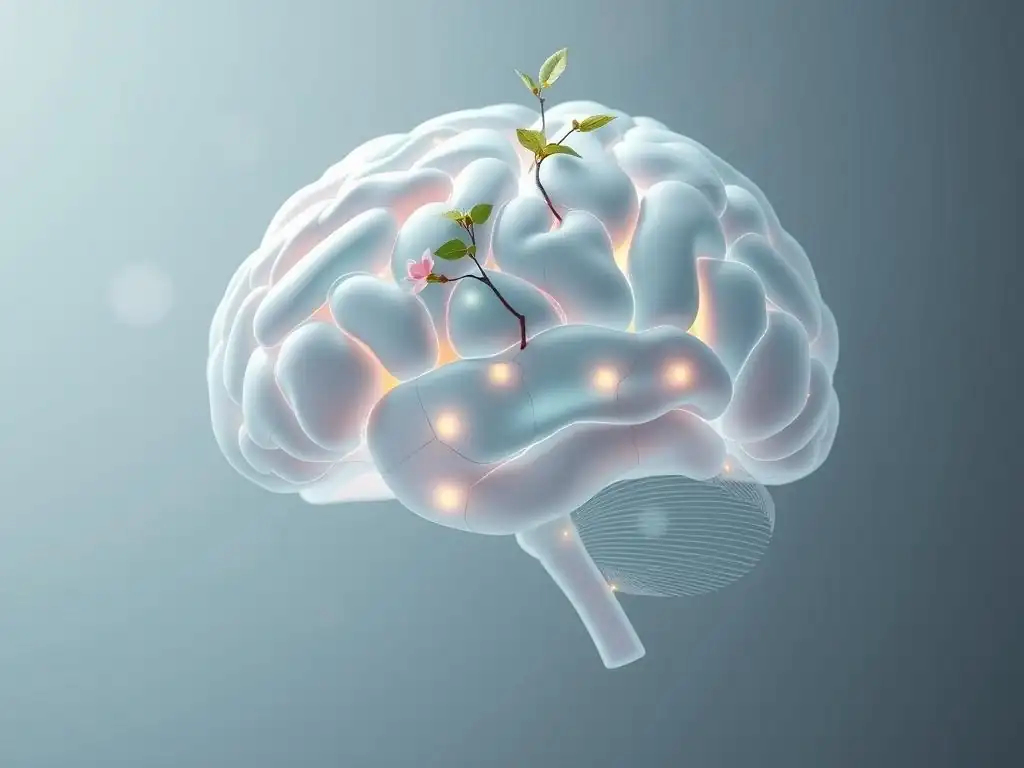
Despite the significant trauma brain changes acute stress can induce, the brain possesses a remarkable capacity for change and healing known as neuroplasticity. This means that with appropriate support and interventions, the brain can reorganize itself, form new neural connections, and potentially reverse some of the trauma-related alterations. Recovery is possible, and understanding the brain's ability to heal offers hope.
Therapeutic approaches specifically designed to address trauma work by leveraging this neuroplasticity, helping the brain process the traumatic memories, regulate the stress response, and restore balanced functioning in affected regions like the amygdala, hippocampus, and prefrontal cortex. Focusing on strategies that promote positive trauma brain changes acute stress recovery is a cornerstone of effective treatment.
The Brain's Capacity for Change After Trauma
Neuroplasticity allows the brain to adapt and change throughout life in response to new experiences, learning, and even injury. After trauma, this capacity means that the trauma brain changes acute stress causes are not necessarily permanent. The brain can rewire itself, strengthen connections in beneficial pathways, and weaken those that perpetuate the trauma response.
For example, engaging in therapeutic practices like trauma-focused therapy can help the hippocampus integrate the traumatic memory into a coherent narrative, placing it in the past. Simultaneously, it can help the prefrontal cortex regain its ability to regulate the amygdala's fear response. This inherent capacity for positive trauma brain changes acute stress recovery makes healing a tangible goal.
Therapeutic Interventions Targeting Brain Function
Various therapeutic interventions have been shown to be effective in treating ASD and promoting positive trauma brain changes acute stress recovery. These therapies work by directly or indirectly influencing the brain regions and pathways affected by trauma. Trauma-Focused Cognitive Behavioral Therapy (TF-CBT) and Eye Movement Desensitization and Reprocessing (EMDR) are two prominent examples.
TF-CBT helps individuals process traumatic memories and challenge distorted thoughts related to the trauma, which can help normalize activity in the prefrontal cortex and hippocampus. EMDR involves bilateral stimulation (like eye movements) while processing trauma memories, which is thought to facilitate the brain's natural information processing mechanisms and reduce the intensity of the emotional response mediated by the amygdala. These therapies actively target the trauma brain changes acute stress initiates.
Neurofeedback and Other Innovative Approaches to Trauma Recovery
Beyond traditional talk therapies, innovative approaches like neurofeedback are being explored for their potential to directly influence brain activity patterns affected by trauma. Neurofeedback uses real-time brainwave data to train individuals to self-regulate specific aspects of their brain function. While more research is needed, preliminary findings suggest it could potentially help in modulating the dysregulated activity in areas like the amygdala and prefrontal cortex that characterize the trauma brain changes acute stress causes.
Other emerging techniques, such as Transcranial Magnetic Stimulation (TMS) or exploring the use of certain pharmacological agents (like MDMA or psilocybin in controlled, clinical settings), are also being researched for their potential to facilitate neuroplasticity and promote healing from trauma-related conditions. These approaches aim to directly address the underlying trauma brain changes acute stress precipitates.
Strategies for Promoting Brain Health and Resilience After Trauma
While professional help is crucial for treating Acute Stress Disorder, individuals can also engage in strategies that support brain health and promote resilience following trauma. These strategies complement therapeutic interventions by fostering a positive environment for neuroplasticity and helping to regulate the nervous system. Implementing these practices can help mitigate the trauma brain changes acute stress causes and support recovery.
These self-care strategies are not a substitute for professional treatment but can significantly enhance well-being and strengthen the brain's capacity to heal. They focus on behaviors that have known positive impacts on brain function, stress reduction, and emotional regulation, helping to counteract the negative trauma brain changes acute stress initiates.
Mindfulness and Meditation Practices for Calming the Nervous System
Mindfulness and meditation practices have been shown to positively impact brain structure and function, particularly in areas related to attention, emotional regulation, and self-awareness, such as the prefrontal cortex and insula. Regular practice can help calm the hyperactive amygdala and strengthen the connection between the PFC and amygdala, improving the ability to manage fear and anxiety. Engaging in these practices can actively counter the trauma brain changes acute stress triggers in the fear circuitry.
Even short periods of mindful breathing or meditation can help activate the parasympathetic nervous system, which promotes relaxation and counteracts the "fight or flight" response driven by the sympathetic nervous system and HPA axis dysregulation. This helps to restore balance to the stress response system affected by the trauma brain changes acute stress causes.
Physical Exercise and Its Impact on Brain Function
Regular physical exercise is well-known to have numerous benefits for brain health. It increases blood flow to the brain, promotes the release of neurotrophic factors like Brain-Derived Neurotrophic Factor (BDNF), which supports the growth and survival of neurons, and can stimulate neurogenesis in the hippocampus. These effects are particularly beneficial for counteracting the trauma brain changes acute stress initiates, such as hippocampal impairment.
Exercise also helps regulate neurotransmitters and can reduce levels of stress hormones like cortisol. Engaging in physical activity can provide a healthy outlet for the physical energy associated with hyperarousal and can improve sleep quality, which is often disrupted in ASD. It's a powerful tool for promoting positive trauma brain changes acute stress recovery.
Nutrition and Its Role in Supporting Brain Health
A balanced and nutrient-rich diet plays a vital role in supporting overall brain health and function. The brain requires specific nutrients, including omega-3 fatty acids, antioxidants, vitamins, and minerals, to function optimally and support neuroplasticity. Poor nutrition can exacerbate inflammation and oxidative stress, potentially worsening the trauma brain changes acute stress causes.
Focusing on a diet rich in fruits, vegetables, whole grains, lean proteins, and healthy fats provides the building blocks the brain needs to repair itself and function effectively. While specific dietary recommendations can vary, ensuring adequate intake of essential nutrients supports the brain's resilience and capacity for positive trauma brain changes acute stress recovery.
Strong social connections and support networks are powerful buffers against stress and can significantly impact brain health after trauma. Positive social interactions can release oxytocin, a hormone that promotes bonding and can reduce the activity of the amygdala and dampen the stress response. Feeling connected and supported helps counteract the isolation and fear often associated with the trauma brain changes acute stress initiates.
Sharing experiences with trusted friends, family, or support groups can help individuals process their trauma and reduce feelings of shame or isolation. Social support fosters a sense of safety and belonging, which is crucial for regulating the nervous system and promoting the brain's capacity for healing from the trauma brain changes acute stress causes.
Seeking Professional Help for Acute Stress Disorder and Brain Health
Given the significant trauma brain changes acute stress initiates and the potential for long-term consequences like PTSD, seeking professional help is a critical step in recovery. Mental health professionals are equipped to diagnose ASD, assess the severity of symptoms, and provide evidence-based treatments that target the specific neurological and psychological impacts of trauma.
Early intervention is key in ASD. Addressing the symptoms and underlying trauma brain changes acute stress causes within the first month after trauma significantly improves the chances of preventing the development of chronic PTSD. A qualified professional can guide individuals through the healing process and help them navigate the complexities of trauma recovery.
Identifying a Qualified Mental Health Professional
Finding the right mental health professional is essential for effective treatment of ASD and its associated trauma brain changes acute stress induces. Look for licensed professionals with experience in treating trauma-related disorders, such as psychologists, clinical social workers, licensed professional counselors, or psychiatrists.
Consider professionals who specialize in trauma-informed care and utilize evidence-based therapies like TF-CBT or EMDR, which are specifically designed to address the impact of trauma on the brain and mind. Websites for professional organizations or therapist directories often allow searching by specialization and location, helping individuals find someone equipped to address the specific trauma brain changes acute stress triggers.
Several types of therapy have demonstrated effectiveness in treating ASD and facilitating positive trauma brain changes acute stress recovery. Trauma-Focused Cognitive Behavioral Therapy (TF-CBT) helps individuals process the traumatic event by gradually exposing them to trauma-related memories and cues in a safe environment, helping to integrate the memory and reduce amygdala reactivity.
Eye Movement Desensitization and Reprocessing (EMDR) is another highly effective therapy that uses bilateral stimulation to help the brain process distressing trauma memories, reducing their emotional intensity. Other therapies like Prolonged Exposure (PE), while often used for PTSD, can be adapted for ASD and help individuals confront avoided trauma reminders, gradually reducing the fear response linked to the trauma brain changes acute stress causes.
Medication Options for Managing Symptoms and Supporting Brain Function
While psychotherapy is the primary treatment for ASD, medication may be used to manage specific symptoms, such as severe anxiety, insomnia, or depression, which can be consequences of the trauma brain changes acute stress induces. Antidepressants (like SSRIs) or anti-anxiety medications may be prescribed to help regulate mood and reduce hyperarousal.
Medication does not "cure" the trauma brain changes acute stress causes but can help alleviate symptoms, making it easier for individuals to engage in psychotherapy and utilize coping strategies. Any decision to use medication should be made in consultation with a psychiatrist or medical doctor who understands the complexities of trauma-related disorders and their impact on brain function.
Frequently Asked Questions
How does trauma impact the brain during an episode of acute stress?
Trauma can lead to significant changes in brain regions involved in fear processing, memory consolidation, and emotional regulation. This often results in a heightened state of alertness and reactivity.
What specific brain areas are most affected by trauma in acute stress?
Key areas include the amygdala (fear response), hippocampus (memory), and prefrontal cortex (executive function). Trauma can disrupt the communication between these regions.
How do these brain changes manifest in someone experiencing acute stress disorder?
Symptoms may include intrusive thoughts, flashbacks, hypervigilance, and difficulty concentrating. These are all related to the altered brain activity following the trauma.
Can the brain changes caused by trauma during acute stress be reversed?
Yes, with appropriate therapy and support, the brain can exhibit neuroplasticity, allowing for the formation of new neural connections and a reduction in symptoms.
What types of therapies are most effective in addressing the brain changes associated with acute stress and trauma?
Therapies like Cognitive Behavioral Therapy (CBT) and Eye Movement Desensitization and Reprocessing (EMDR) are often used to help process traumatic memories and regulate emotional responses, leading to positive brain adaptations.
Final Reflection: The Enduring Impact of Trauma on the Brain
The acute effects of trauma on the brain are not merely temporary; they represent a profound and lasting alteration in neural pathways, significantly impacting an individual's ability to cope and heal. Understanding these changes is crucial not only for diagnosing conditions like acute stress disorder but also for developing effective and compassionate treatment strategies. The implications extend far beyond the individual, affecting families, communities, and society as a whole.
The pervasive nature of trauma's influence on the brain underscores the urgent need for increased awareness and accessible mental health resources. The long-term consequences, from persistent anxiety and depression to difficulties in forming healthy relationships, highlight the importance of early intervention and ongoing support. As Bessel van der Kolk eloquently states, The body keeps the score,
reminding us that trauma's impact is deeply embedded within the physical and emotional being. This understanding shifts the focus from simply treating symptoms to addressing the underlying neurological and psychological changes caused by traumatic experiences.
You now possess a deeper understanding of how trauma reshapes the brain, leaving an imprint that extends far beyond the initial event. This knowledge is not simply for academic interest; it is a call to action. Take a moment to reflect on the resilience of the human spirit and the potential for healing.
Consider how you can contribute to creating a more supportive and understanding environment for those who have experienced trauma, whether through seeking help for yourself or advocating for better mental health services in your community. Let this understanding empower you to make a difference in the lives of others.
Unveil Your Path to Healing: Taking the Next Steps
Thanks for taking the time to explore the impact of trauma on the brain and its connection to acute stress disorder. We hope this article provided valuable insights into understanding this complex issue. Now, let's move forward and empower your journey toward healing.
- Prioritize self-care: Engage in activities that nurture your mind and body. This could be anything from gentle exercise to mindful meditation – find what resonates with you and makes you feel safe and supported.
- Connect with supportive resources: Reach out to a trusted friend, family member, or therapist. Sharing your experiences can be a powerful step towards healing. Consider exploring local support groups specifically focused on trauma recovery.
- Learn more about trauma-informed therapy: Research different therapeutic approaches and find a qualified professional who specializes in trauma. Understanding your options is crucial in finding the right path for you.
What small step towards healing will you take today?