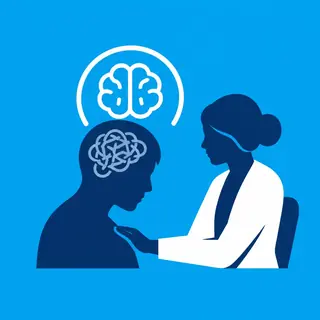
The Expressive Power of Movement and Art in Trauma Therapy
🌟 Discover how art therapy trauma recovery harnesses movement and creative expression to unlock healing, offering a powerful, non-verbal pathway for overcoming…
Read article

Art therapy for trauma offers a powerful, non-verbal path to creative healing, allowing you to process deep emotional wounds when words fall short. By engaging in guided artistic expression—painting, drawing, or sculpting—you can safely externalize traumatic memories, reduce stress, and rebuild a sense of control over your body and mind. This evidence-based approach helps unlock stuck emotions, foster self-awareness, and promote post-traumatic growth in a supportive, judgment-free environment. Discover how creative outlets can transform pain into resilience and clarity.

🌟 Discover how art therapy trauma recovery harnesses movement and creative expression to unlock healing, offering a powerful, non-verbal pathway for overcoming…
Read article
🌟 Discover how art therapy can offer profound grief and trauma relief by combining creative expression with healing techniques. This integrated approach…
Read article
🌟 Discover how art therapy trauma recovery offers a healing sanctuary for survivors of sexual trauma, empowering them to express emotions, rebuild…
Read article
🌟 Discover how art therapy trauma treatment integration enhances healing by combining creative expression with EMDR and other trauma therapies, offering a…
Read article
🌟 Discover the transformative power of art therapy trauma first steps—an accessible starting point for healing. This guide offers essential insights and…
Read article
🌟 Discover how art therapy trauma processing can create a safe, supportive space for healing. This innovative approach helps individuals express emotions,…
Read article
🌟 Discover how a strong Traumainformed art therapy relationship fosters healing and trust, empowering individuals to process trauma creatively. This guide highlights…
Read article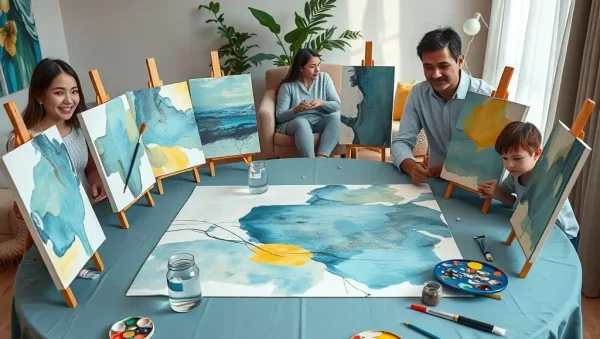
🌟 Discover how family art therapy trauma healing fosters emotional connection and resilience for families navigating shared trauma, offering a creative, supportive…
Read article
🌟 Discover how art therapy dissociation grounding techniques can help individuals reconnect with the present, using creative expression to reduce dissociative episodes…
Read article
🌟 Discover how art therapy trauma processing unlocks emotional healing for those with complex trauma, enabling expression, understanding, and recovery. This powerful…
Read article
🌟 Discover how art therapy trauma resilience skills empower individuals to heal and cope after trauma, fostering emotional strength through creative expression.…
Read article
🌟 Discover how art therapy trauma regulation can be a powerful tool for healing emotional wounds. This practical guide offers essential techniques…
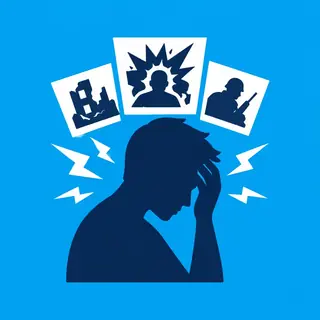
Read articleArt therapy for trauma offers a powerful, non-verbal pathway to process painful experiences when words fall short. At Mind Care Guide, this subcategory explores how creative modalities—drawing, painting, collage, sculpture, and digital art—can help you regulate your nervous system, reframe traumatic memories, and rebuild a sense of safety. Whether you're a survivor of abuse, combat, accident, or complex PTSD, this resource bridges clinical psychology with expressive arts, providing practical exercises, therapist insights, and self-guided prompts. Discover how creative healing can unlock resilience, reduce hyperarousal, and foster post-traumatic growth in a compassionate, evidence-informed framework.
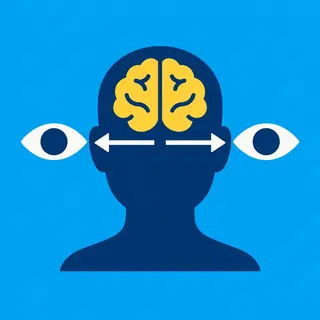
Trauma often fragments memory and emotional processing, leaving implicit sensory imprints that bypass verbal language. Art therapy engages the right hemisphere, activating sensorimotor and limbic systems to integrate these fragments into a coherent narrative. Research shows that creating art lowers cortisol levels and increases dopamine, promoting neuroplasticity—the brain’s ability to rewire adaptive responses. You’ll learn how bilateral drawing, rhythmic mark-making, and color choice can mimic EMDR’s dual attention, gently reprocessing triggers without retraumatization. This section demystifies why “show me” often works better than “tell me” in trauma recovery.
Expect practical neuroscience-based techniques, such as using a “trauma timeline” through visual symbols or creating a “safe container” artwork to externalize distress. We explain how art-making activates the default mode network, helping you observe thoughts from a mindful distance, reducing shame and self-criticism. You’ll also find guidance on pacing—knowing when to stop an exercise to prevent flooding—and how to use grounding colors (warm vs. cool) to stabilize mood. This knowledge empowers you to approach creative healing with both confidence and caution, ensuring every stroke supports rather than overwhelms your recovery journey.
This section offers ready-to-use, low-cost prompts designed for home practice, each with clear intentions and trauma-informed modifications. For example, the “Broken Bowl” collage helps you externalize feelings of fragmentation, then visually re-assemble pieces to symbolize integration. Another prompt, “Weather Report Drawing,” maps your internal climate—using clouds for anxiety, lightning for anger, rain for grief—allowing you to name emotions without verbal pressure. Every exercise includes a “pre-check” (breathing, grounding) and a “post-check” (containment ritual), ensuring safety throughout.
You’ll encounter prompts like “Body Map of Sensations” (trace your body, color areas of tension or numbness) and “Two-Handed Dialogue” (draw with dominant hand responding to nondominant hand’s “inner critic”). Each comes with examples of completed works, common obstacles (e.g., feeling “not artistic”), and reframes to overcome perfectionism. We emphasize process over product—there is no wrong drawing. For those with limited mobility, adaptive approaches using digital tablets or clay are included. These prompts are ideal for individual use, but also adaptable for therapists working with clients in session, making this a versatile toolkit for creative healing at any stage.
Art therapy rarely works in isolation; it thrives when woven into established therapeutic frameworks. Here, we show how to pair visual expression with cognitive restructuring: after creating an “anxiety monster” drawing, you list its irrational beliefs and replace them with balanced thoughts using a worksheet. For DBT, art becomes a distress tolerance skill—creating a “soothing sensory box” collage or painting ice-cold blues to activate the dive reflex. Mindfulness-based art exercises, such as slow contour drawing of a leaf, train attention and acceptance, reducing rumination associated with PTSD.
You’ll also learn about trauma-focused art interventions like the “Life Book” (sequential chapters depicting pre-trauma, traumatic event, and post-trauma resilience) which mirrors narrative exposure therapy. We provide scripts for therapists to guide clients through “dual-attention art” while tracking physiological cues. For self-helpers, we list free apps and online communities that combine art journaling with cognitive-behavioral check-ins. This integrative lens positions art therapy not as a replacement, but as a powerful companion to evidence-based psychotherapies, enhancing engagement and retention—especially for clients who feel stuck in talk-only approaches.
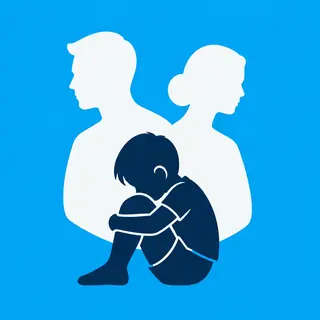
Children and teens often lack the vocabulary to articulate trauma, making art therapy exceptionally effective. This section covers age-appropriate interventions, like using “scribble monsters” for younger kids to externalize fear, or “identity collages” for adolescents exploring fragmented self-concepts after abuse. We address online school-based programs and caregiver-led sessions, emphasizing the importance of establishing safety before any trauma-specific prompt. You’ll learn to read children’s artwork for signs of hyperarousal (chaotic lines) or dissociation (blank spaces) without over-pathologizing—every stroke is a communication, not a diagnosis.
Practical guidance includes structuring sessions with a 10-minute warm-up (free drawing), a 20-minute core activity, and a 10-minute grounding ritual using sensory objects. For teens, we incorporate digital art and Instagram-style visual journals, aligning with their media literacy. We also tackle ethical considerations: mandatory reporting when artwork reveals abuse, and avoiding leading questions. Parents will find a “home art kit” list, plus red flags that indicate professional referral. By fostering a safe, playful, and non-judgmental space, creative healing becomes a lifeline for young survivors, helping them build emotional regulation and attachment security from a trauma-informed lens.
Recovery from trauma is not linear; your creative practice must evolve alongside your healing. This final section guides you in developing a sustainable art ritual—whether it’s a 10-minute daily sketch, a weekly expressive journal, or a monthly “release piece” that you symbolically destroy or transform. We discuss the stages of recovery (safety, remembrance, reconnection) and how to adjust your art prompts accordingly. For example, early stages focus on containment (drawing inside a circle), middle stages on mourning (creating a memory box), and later stages on future visions (vision boards).
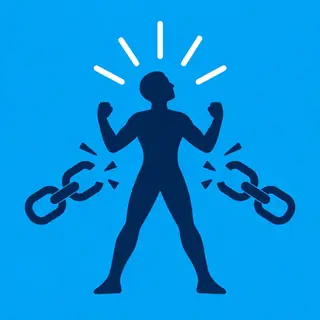
You’ll explore the concept of “post-traumatic growth” through art—creating pieces that reflect new meaning, purpose, and relational repair. We also cover burnout prevention for caregivers and therapists who use art self-care, including “artist date” exercises inspired by Julia Cameron. Community resources, such as local open art studios, trauma-informed art groups, and online exhibitions, are highlighted to reduce isolation. We emphasize that your art is not a symptom to be fixed but a voice to be honored. With consistency, patience, and self-compassion, your creative practice becomes a lifelong ally, transforming painful memories into a mosaic of resilience and authenticity.
Yes, emerging studies show art therapy reduces hyperarousal, intrusive thoughts, and avoidance in complex PTSD. It bypasses verbal defenses, accessing implicit memories safely. Combined with trauma-focused CBT, it promotes integration and emotional regulation. However, always work with a credentialed art therapist, especially if you have dissociative symptoms, as unstructured art can sometimes overwhelm.
Absolutely not. Art therapy focuses on the process, not the product. Even scribbles, torn paper, or finger paints carry therapeutic value. Trained therapists guide you to express emotions without judgment. Many survivors prefer “messy” art because it mirrors emotional release. Your inner critic is not invited—only your curiosity and willingness to explore.
Yes, with precautions. Start with grounding and containment prompts, avoid direct trauma exposure if you feel dysregulated, and use a “stop signal” (e.g., a timer) to prevent flooding. Keep a post-art journal to track feelings. For significant trauma, use self-led exercises alongside professional support, not as a substitute.
Many people notice reduced anxiety and improved sleep after 4–6 weekly sessions. Deeper trauma integration often takes 3–6 months with regular practice. Progress is non-linear—some weeks you may feel worse before better. Focus on consistent, gentle engagement rather than quick fixes, and celebrate small shifts in self-awareness and coping.
Keep it simple: a sketchbook, graphite pencils, colored pencils, crayons, and basic watercolor set suffice. For collage, gather old magazines, scissors, and glue stick. Sensory-minded supplies like clay or textured paper help grounding. Digital options include drawing apps like Procreate or free sites like Kleki. Start with 10-minute prompts—consistency matters more than materials.