
The Expressive Power of Movement and Art in Trauma Therapy

Welcome to Mind Care Guide, a space dedicated to nurturing your mental well-being.
Are you seeking a path towards healing from trauma? This journey can feel overwhelming, but know you're not alone. Explore the expressive power of Art therapy trauma recovery in this article, a gentle yet powerful tool for reconnecting with yourself and finding solace through creative expression. Let's unlock the potential for healing together.
The Expressive Power of Movement and Art in Trauma Therapy
- Understanding Trauma's Impact and the Need for Creative Healing
- Art Therapy for Trauma Recovery: Unlocking Healing Through Creative Expression
- Movement Therapy for Trauma: Reclaiming the Body and Finding Safety
- Integrating Art and Movement Therapy for Enhanced Trauma Resolution
- Trauma-Informed Art and Movement Therapy: Safety and Empowerment
- Art and Movement Therapy Techniques for Specific Trauma-Related Symptoms
- Finding a Qualified Art or Movement Therapist for Trauma
- The Future of Art Therapy for Trauma Recovery: Emerging Trends and Research
- Conclusion: Embracing the Healing Potential of Art and Movement in Trauma Treatment
-
Frequently Asked Questions
- How can art therapy specifically aid in trauma recovery?
- What role does movement play in complementing art therapy for trauma recovery?
- Is art therapy suitable for all types of trauma, or are there specific situations where it's most effective?
- What kind of art or movement activities are typically used in trauma-informed art therapy?
- How can I find a qualified art therapist specializing in trauma recovery?
- Final Reflection: Unleashing the Healing Power Within
- Unleash Your Inner Artist: Move Towards Healing
Understanding Trauma's Impact and the Need for Creative Healing
Trauma, whether a single event or prolonged exposure, can profoundly alter an individual's perception of the world, their relationships, and even their sense of self. Its effects permeate not just the mind, but the body, leaving survivors feeling disconnected, overwhelmed, or numb. Traditional talk therapy is a cornerstone of trauma treatment, but for many, finding words to articulate the unspeakable experiences of trauma can be incredibly challenging or even re-traumatizing. This is where creative and embodied approaches offer powerful alternative pathways to healing.
These alternative therapies, including art therapy and movement therapy, provide non-verbal avenues for expression and processing. They acknowledge that trauma is stored somatically – within the body – and that healing requires engaging these physical and emotional layers simultaneously. By bypassing the limitations of language, these modalities can access deeper levels of experience, allowing survivors to process emotions, sensations, and memories that are otherwise inaccessible. The journey of trauma recovery is deeply personal, and creative therapies offer flexible, client-centered methods to navigate this complex terrain.
The Neurobiological Effects of Trauma on Expression
Trauma significantly impacts the brain, particularly areas involved in emotion regulation, memory processing, and language. The amygdala, responsible for detecting threats, becomes hyperactive, while the prefrontal cortex, involved in rational thought and executive functions, can become hypoactive. This imbalance contributes to heightened states of alert, difficulty with emotional control, and impaired cognitive processing. Moreover, trauma can disrupt the function of the hippocampus, which helps contextualize memories, leading to fragmented or intrusive recollections.
Crucially, trauma can also affect the connection between the brain's verbal and non-verbal centers. Under extreme stress, the brain prioritizes survival, often shutting down areas related to language (like Broca's area) while activating more primitive, non-verbal systems. This explains why trauma survivors often struggle to narrate their experiences verbally.
Research, including studies using neuroimaging, suggests that during traumatic recall, the language centers of the brain may show decreased activity. Creative therapies like art therapy for trauma recovery engage non-verbal areas, allowing individuals to express and process trauma in ways that bypass these linguistic roadblocks, potentially facilitating new neural pathways for healing.
Why Traditional Therapy Isn't Always Enough for Trauma Survivors
While talk therapy is highly effective for many mental health challenges, its reliance on verbal articulation can be a significant barrier for trauma survivors. Trauma memories are often encoded differently – as sensory fragments, images, or bodily sensations rather than coherent narratives. Attempting to force a verbal narrative can feel impossible, frustrating, or even trigger intense emotional flashbacks or dissociation. Survivors may feel shame, guilt, or fear, making it difficult to open up verbally about their experiences.
Furthermore, trauma can disrupt the therapeutic relationship itself, making trust and verbal communication challenging. Some individuals may freeze or become unable to speak when confronted with traumatic material. In these instances, traditional talk therapy might inadvertently reinforce feelings of helplessness or failure if the client cannot meet the expectation of verbal processing. Art therapy for trauma recovery offers an alternative entry point, allowing expression through metaphor, symbol, and physical action, which can be less intimidating and more accessible than direct verbal confrontation with the trauma narrative.
The Role of Art Therapy in Trauma Recovery: A Holistic Approach
Art therapy is a powerful form of psychotherapy that utilizes creative expression as a therapeutic tool. In the context of trauma, it provides a safe, non-verbal space for survivors to explore difficult emotions, memories, and sensations that are often hard to put into words. It acknowledges the mind-body connection, recognizing that trauma is held not only in the mind but also in the physical body, and art provides a means to bridge this gap.
By engaging in art-making – whether drawing, painting, sculpting, or collage – individuals can externalize their internal world, gain distance from overwhelming feelings, and find new perspectives. The process of creating itself can be grounding and self-soothing. Art therapy for trauma recovery fosters a sense of agency and control, allowing survivors to be active participants in their healing journey. It is a holistic approach because it engages cognitive, emotional, sensory, and physical aspects of the individual, addressing the multifaceted impact of trauma.
Art Therapy for Trauma Recovery: Unlocking Healing Through Creative Expression
Art therapy provides a unique language for trauma survivors, enabling them to communicate and process experiences that words cannot capture. It's not about artistic skill; it's about the process of creation and the meaning derived from it. The therapeutic relationship with a trained art therapist is central, providing a safe and supportive container for exploration. This modality is increasingly recognized for its efficacy in helping individuals navigate the complex aftermath of trauma.
Using various art materials, survivors can project their inner world onto the external medium, creating a tangible representation of their feelings or experiences. This externalization can make overwhelming emotions feel more manageable. The therapist guides the process, helping the client explore the artwork, identify themes, and connect with underlying emotions or memories. Art therapy for trauma recovery facilitates insight, emotional processing, and the development of new coping strategies, ultimately contributing to healing and post-traumatic growth.
What is Art Therapy and How Does it Aid Trauma Recovery?
Art therapy is a distinct discipline that integrates psychological theory with creative practice. It is facilitated by a credentialed art therapist who is trained in both art and psychology. The core principle is that the creative process involved in making art is therapeutic and can facilitate emotional, cognitive, and physical integration. It is particularly well-suited for trauma work because it bypasses the need for verbal narrative initially.
In the context of trauma recovery, art therapy aids by providing a safe distance from overwhelming material. A client might create an abstract representation of their fear rather than describing the traumatic event directly. This allows them to engage with the emotion in a controlled way.
The artwork itself can become a container for difficult feelings, making them less overwhelming within the body and mind. Furthermore, the act of creating can restore a sense of control and agency, which is often lost in trauma. Studies indicate that engagement in art therapy can lead to a significant reduction in trauma-related symptoms, such as intrusive thoughts and hyperarousal.
For example, one meta-analysis involving multiple studies on art therapy for various conditions, including trauma, suggested improvements in emotional regulation and decreased distress levels among participants. (Specific percentage improvements vary widely depending on the study, population, and type of trauma, often ranging from moderate to significant reductions in symptom scores on standardized measures like the PCL-5 or DAS-21).
The process also allows for the exploration of trauma themes through symbolism and metaphor, which can be less triggering than explicit verbal recall. The therapist helps the client interpret their artwork, not for artistic merit, but for the personal meaning it holds regarding their trauma experience. This reflective process can lead to new insights and help integrate fragmented trauma memories into a more coherent understanding, which is a key aspect of art therapy for trauma recovery. It provides a tangible record of the healing journey, allowing clients to see their progress over time.
Benefits of Art Therapy for Trauma Survivors: Beyond Words
The benefits of incorporating art therapy into trauma treatment are numerous and extend far beyond simple verbal expression. One primary benefit is the ability to access and process non-verbal memories and emotions. Trauma is often stored as sensory information – sights, sounds, smells, bodily sensations – that are not easily translated into language. Art allows direct expression of these sensory experiences. For example, a client might use jagged lines and dark colors to depict feelings of panic or use soft textures and warm tones to represent a sense of safety achieved in therapy.
Another significant advantage is the reduction of anxiety and stress. The act of creating can be inherently calming and grounding. Focusing on the physical sensations of working with materials – the feel of clay, the movement of paint – can help regulate the nervous system, which is often dysregulated by trauma. Research indicates that engaging in creative activities can lower cortisol levels, the body's primary stress hormone.
A study involving veterans with PTSD, for instance, showed a decrease in self-reported stress levels after participating in art therapy sessions (specific percentage decrease varies but studies have reported statistically significant reductions). Furthermore, art therapy fosters a sense of self-efficacy and mastery. Completing an artwork, no matter how simple, can instill a feeling of accomplishment and control, counteracting the helplessness often associated with trauma. This empowerment is a vital component of art therapy for trauma recovery.
Exploring Different Art Modalities for Trauma Healing
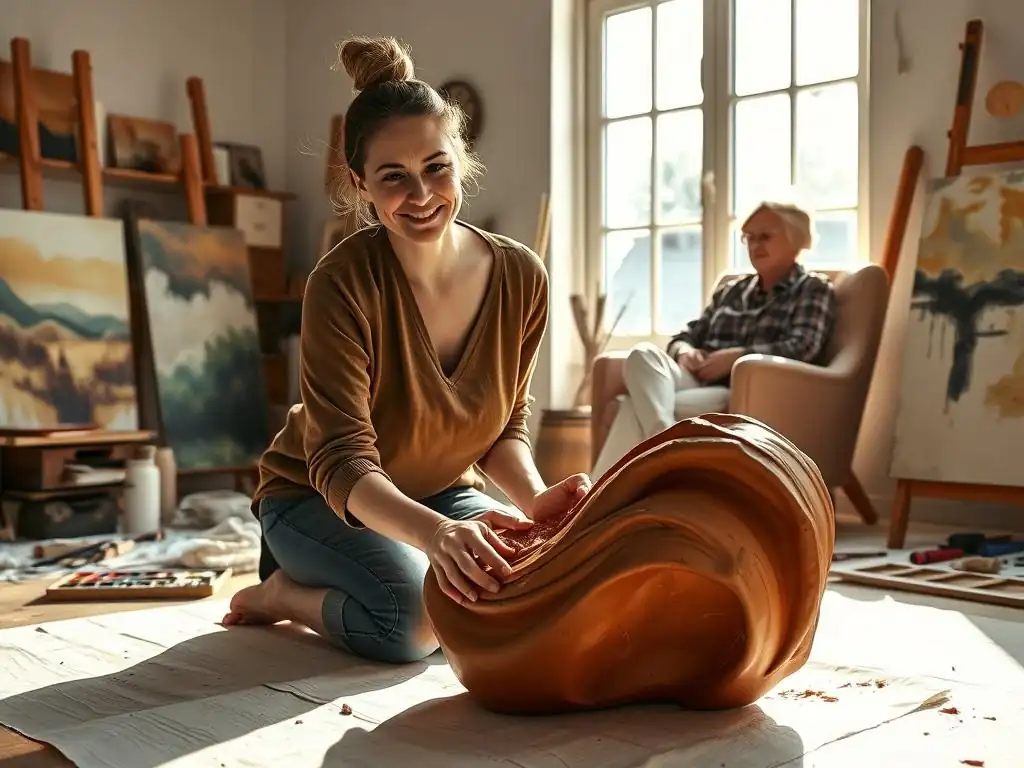
Art therapy encompasses a wide range of modalities, each offering unique possibilities for expression and healing. The choice of material can significantly impact the therapeutic process. For instance, working with clay or other sculptural materials can be particularly grounding and allow for the expression of physical tension or aggression in a safe way. The tactile nature of these materials can also help survivors reconnect with their bodies. A survivor struggling with dissociation might find that the physical sensation of molding clay helps them feel more present and embodied.
Painting and drawing offer different avenues. Painting can allow for fluid, spontaneous expression of emotions, while drawing might facilitate more structured exploration or narrative building. Collage involves selecting and arranging pre-existing images, which can be helpful for survivors who feel they cannot create from scratch or who find meaning in combining disparate elements to represent their fragmented experience.
Using masks can explore different aspects of the self or how trauma has affected identity. The therapist helps the client choose materials based on their needs and comfort level, always prioritizing safety and the client's sense of control. Engaging with these diverse modalities enhances the potential for art therapy trauma recovery by providing multiple pathways for processing and expression.
Movement Therapy for Trauma: Reclaiming the Body and Finding Safety
Trauma is not just a psychological wound; it is deeply somatic. The body holds the imprint of traumatic experiences, often manifesting as chronic tension, pain, hypervigilance, or dissociation. Movement therapy, specifically tailored for trauma survivors, addresses this physical dimension of trauma directly. It helps individuals reconnect with their bodies in a safe, gentle, and empowering way, allowing them to process trauma-related sensations and emotions that are held within the physical self.
Through guided movement, breathwork, and somatic awareness exercises, movement therapy helps survivors regulate their nervous systems, release stored tension, and reclaim a sense of safety and ownership over their bodies. It operates on the principle that by changing how we move and inhabit our bodies, we can change how we feel and process our experiences. This embodied approach is a crucial complement or alternative to verbal therapies, particularly for those whose trauma has left them feeling disconnected or unsafe in their own skin.
The Connection Between Trauma and the Body
The body's stress response system is fundamentally altered by trauma. The "fight, flight, or freeze" response, designed for acute threats, can become chronically activated or dysregulated. This leads to physiological symptoms such as elevated heart rate, muscle tension, digestive issues, and difficulty sleeping. When fight or flight is not possible or effective during a traumatic event, the body may resort to freezing or collapsing, a state of immobility associated with dissociation and numbness. These survival responses can become habitual patterns long after the threat has passed.
Dr. Bessel van der Kolk, a leading trauma expert, emphasizes in his work that "the body keeps the score," highlighting how trauma is stored in the implicit memory system, which is largely non-verbal and body-based. Survivors might experience unexplained physical symptoms or react with intense physical defensiveness to triggers without consciously understanding why. For instance, someone who experienced a physical assault might flinch intensely at a sudden touch, even if they know they are safe.
Movement therapy directly addresses these stored patterns and physical responses, helping the body complete incomplete survival responses and release chronic tension. Research using techniques like Bodynamic Analysis suggests that specific muscle groups can hold different types of trauma memories, and targeted movement can help release these.
How Movement Therapy Helps Process Traumatic Memories
Movement therapy facilitates trauma processing by focusing on interoception – the awareness of internal bodily states – and proprioception – the sense of the body's position in space. Trauma often disrupts these senses, leaving survivors feeling disconnected from their physical selves or overwhelmed by internal sensations. Through gentle, guided movement, individuals learn to notice and tolerate physical sensations associated with trauma memories in a controlled and safe environment.
The therapist helps the client explore movement patterns related to their trauma responses (e.g., tension, collapse, bracing) and gradually introduce new, empowering movements. This might involve simple exercises like shaking, grounding feet, or expanding into space. By mindfully moving, clients can access bodily memories and emotions that are otherwise inaccessible through talk. For example, someone who froze during a traumatic event might be gently guided to explore small movements of pushing or reaching, allowing the body to experience a sense of agency it lacked during the trauma. This somatic reprocessing, facilitated by movement, can help integrate fragmented trauma memories and reduce the intensity of physical and emotional flashbacks. While specific percentages are hard to generalize, studies on Somatic Experiencing and Trauma-Sensitive Yoga, forms of movement therapy, have shown statistically significant reductions in PTSD symptom severity, often in the range of 20-50% on scales like the PCL-5, compared to control groups.
Types of Movement Therapy Techniques for Trauma
Several approaches fall under the umbrella of movement therapy for trauma, each with its unique focus. Dance/Movement Therapy (DMT) uses movement as the primary mode of intervention, exploring the relationship between movement and emotion. A DMT session might involve guided improvisation, mirroring the therapist's movements, or exploring specific movement themes related to tension or release. The therapist observes movement patterns as indicators of psychological state and uses movement interventions to facilitate change.
Somatic Experiencing (SE), developed by Dr. Peter Levine, focuses on tracking bodily sensations and helping the nervous system discharge trapped energy from traumatic events. It involves gentle awareness of physical responses and allowing the body to complete thwarted survival responses in a safe, titrated manner. Trauma-Sensitive Yoga (TSY), popularized by David Emerson and Jenn Turner, adapts yoga practices to be safe and empowering for trauma survivors, emphasizing choice, present-moment awareness, and feeling sensations in the body without judgment.
Other approaches like Sensorimotor Psychotherapy also integrate somatic techniques to process trauma. These diverse methods provide options for individuals seeking art therapy trauma recovery through embodied practices.
Integrating Art and Movement Therapy for Enhanced Trauma Resolution

The power of art and movement therapies is amplified when they are integrated. Both modalities work with non-verbal aspects of trauma and the mind-body connection, making them natural complements. Combining creative expression through art with embodied awareness through movement can lead to deeper processing and more comprehensive healing for trauma survivors. This integrated approach acknowledges that trauma impacts the whole person – mind, body, and spirit – and addresses these multiple dimensions simultaneously.
By engaging both creative and somatic processes, clients can explore their trauma experiences from different angles. They might create an artwork representing a feeling held in the body and then use movement to explore that feeling physically. Or they might move in a way that expresses a traumatic memory and then use art to process the sensations or emotions that arose. This synergy can unlock new insights and facilitate integration in ways that neither modality might achieve on its own, offering a powerful pathway for art therapy trauma recovery.
Synergistic Effects: Combining Art and Movement for Deeper Healing
Integrating art and movement therapy creates a powerful synergy that can enhance trauma processing and resolution. Art allows for externalization and symbolization, making internal experiences tangible and providing a safe distance. Movement allows for embodied processing, releasing trapped physical energy and regulating the nervous system.
When combined, they create a feedback loop: movement can inform art, and art can inform movement. For example, a client might explore feelings of being trapped through constricted movements and then create an artwork depicting a constricted space. Reflecting on the artwork might then lead to exploring expansive movements, facilitating a sense of release and possibility.
This integration can also help bridge the gap between physical sensations and emotional meaning. A client might experience intense chest tightness related to anxiety (a somatic symptom) and use art to create an image of the feeling. They might then use movement to gently explore the area around the chest, noticing how different movements affect the sensation, and perhaps discover a movement that brings relief.
This process connects the physical experience, the symbolic representation, and potential coping strategies. Research exploring integrated approaches is emerging, suggesting that addressing both the cognitive/emotional (via art) and somatic (via movement) aspects of trauma can lead to more robust and lasting reductions in symptoms like hyperarousal and emotional dysregulation compared to using single modalities alone.
Case Studies: Examples of Integrated Art and Movement Therapy Success
- Illustrative Case Example 1 (Composite): Sarah, a survivor of childhood abuse, struggled with dissociation and difficulty identifying emotions. Traditional talk therapy felt too confronting. In integrated sessions, she would first engage in simple movement exercises to ground herself and notice bodily sensations. She might then be invited to draw or paint what she felt in her body. Initially, her art was abstract and chaotic. As therapy progressed, she used movement to explore feelings of bracing and protection, and her art began to include images of protective barriers or shields. Later, exploring movements of gentle unfolding and vulnerability led to her creating art with softer lines and more open spaces. This integrated process helped her connect her bodily sensations to her emotional history, reduce dissociative episodes, and develop a greater capacity for emotional awareness, facilitating her art therapy trauma recovery journey.
- Illustrative Case Example 2 (Composite): Mark, a veteran with PTSD, experienced chronic hypervigilance and anger. He found it difficult to sit still in therapy. Integrated sessions began with rhythmic, repetitive movements like drumming or walking meditation to help regulate his nervous system. Following movement, he would create masks or sculptures representing his anger or fear. Working with clay allowed him to physically express tension and aggression in a safe way. Movement exploration of grounding and rooting helped him feel more stable, which he then represented in his art through solid forms and earthy colors. This combination helped him manage his hyperarousal, find non-destructive ways to express intense emotions, and build a sense of internal stability, contributing significantly to his art therapy trauma recovery.
These examples, while composite, illustrate how combining physical and creative expression allows for a multi-faceted approach to processing and integrating trauma experiences, often reaching parts of the self that verbal therapy alone cannot access.
Art Journaling with Somatic Awareness: A Step-by-Step Guide
This exercise combines art and somatic awareness to process current feelings or experiences, particularly useful for managing daily stress or triggers in art therapy trauma recovery.
- Preparation: Gather a journal or sketchbook, art supplies (pens, pencils, markers, pastels, paints – whatever feels accessible), and find a quiet, comfortable space. Sit or stand in a way that allows you to feel your body.
- Somatic Check-in: Close your eyes (if comfortable) or soften your gaze. Take a few deep breaths. Bring your awareness into your body. Notice any physical sensations without judgment – tension, warmth, tingling, pressure, emptiness. Scan your body from head to toe, noting where you feel sensations most strongly. Pay attention to your posture and how your body is holding itself.
- Artistic Expression: Open your eyes. Without overthinking, use your art supplies to create an image, pattern, or colors that represent the sensations you noticed in your body. You are not trying to make a realistic picture, but rather to visually capture the feeling or quality of the sensations. Use lines, shapes, colors, and textures that feel right.
- Reflection (Optional): Once you feel complete with the artwork, look at it. What do you notice? Are there any colors, shapes, or lines that stand out? Do they remind you of anything? Write down any words, phrases, or feelings that come to mind as you look at your art. You might also note where in your body you felt the sensations depicted.
- Gentle Movement: After reflecting, engage in a simple, gentle movement inspired by your art or the sensations. If you drew tension, you might gently stretch or shake out that area. If you used flowing lines, you might try some gentle, flowing movements. The goal is to mindfully connect with your body and the artwork through movement.
- Completion: Take a final deep breath. Acknowledge the process you just completed. You can keep the journal entry as a record of your experience.
Embodied Painting: A Step-by-Step Guide
This exercise focuses on using movement to guide the painting process, fostering a connection between physical experience and creative output in art therapy trauma recovery.
- Preparation: Set up a space where you can move relatively freely and also paint. You might use a large piece of paper on the floor or wall, or a canvas on an easel. Choose paints and brushes (or even just your hands) that you feel drawn to. Wear clothes you don't mind getting paint on.
- Movement Exploration: Begin by simply moving your body. Let your body move however it wants to, without judgment. Pay attention to how different movements feel. Explore different qualities of movement – fast/slow, strong/gentle, large/small, constrained/expansive. Notice where movement feels easy or difficult in your body.
- Connecting Movement to Painting: Choose a particular movement or quality of movement that you want to explore further. Begin to move with the paint. For example, if you are exploring sweeping, expansive movements with your arms, bring that same quality of movement to how you apply paint to the surface. If you are exploring small, repetitive movements with your hands, apply paint using those small, repetitive actions. Let your body guide the brush or your hand.
- Layering and Development: Continue to move and paint, layering colors and marks. You might switch between different movements and see how they create different effects on the paper or canvas. Pay attention to how the act of moving and painting feels in your body. Is it energizing? Calming? Frustrating? Allow the process to unfold organically.
- Reflection: Step back from your artwork. Notice what was created. What do you see? How does the artwork feel in relation to the movements you made? Does it evoke any emotions or memories? You can write down your observations or discuss them with a therapist if working in session.
- Integration: Consider how the experience felt in your body and how that connects to the final artwork. This process can help integrate the physical experience of moving with the visual expression created through art, aiding in trauma processing.
Trauma-Informed Art and Movement Therapy: Safety and Empowerment
Crucially, art and movement therapy for trauma survivors must be delivered through a trauma-informed lens. This means prioritizing safety, trustworthiness, choice, collaboration, and empowerment throughout the therapeutic process. A trauma-informed approach recognizes the widespread impact of trauma and understands potential paths for recovery. It actively resists re-traumatization and ensures that all practices are sensitive to the unique needs and vulnerabilities of survivors.
In practice, this translates into creating a physical and emotional environment where the client feels safe to explore, offering choices about activities and materials, fostering a collaborative relationship where the client feels like a partner in their healing, and empowering them to reclaim agency and control over their bodies and lives. Without this foundation of safety and empowerment, even well-intentioned creative or movement interventions can be ineffective or potentially harmful.
Creating a Safe and Supportive Therapeutic Environment
Establishing a sense of safety is the absolute priority in trauma-informed therapy. This involves both physical and emotional safety. The physical space should feel secure, private, and non-threatening. This might mean ensuring the room is comfortable, free from potential triggers, and that the client knows they have control over the environment (e.g., where they sit, if the door is closed). Predictability and consistency in session structure and scheduling also contribute to a sense of safety.
Emotional safety is built through the therapeutic relationship. The therapist cultivates an atmosphere of trust, acceptance, and non-judgment. They are attuned to the client's emotional state and physical cues, responding with empathy and patience. Introducing creative or movement activities gradually, explaining the purpose clearly, and always offering choice are fundamental aspects of creating emotional safety. A trauma-informed therapist understands that survivors may have difficulty with trust and adapts their approach accordingly, moving at the client's pace and respecting their boundaries. This secure base is essential for effective art therapy trauma recovery.
The Importance of Therapist Training and Expertise in Trauma-Informed Care
Working with trauma requires specialized knowledge and skills. Therapists utilizing art or movement modalities for trauma recovery must have specific training in both their creative discipline and trauma-informed practice. This includes understanding the neurobiological effects of trauma, common trauma responses (such as dissociation, hypervigilance, and emotional dysregulation), and techniques for nervous system regulation. They need to be skilled in recognizing and responding to potential triggers or signs of distress during sessions.
A therapist trained in trauma-informed art therapy understands how certain materials or directives might be triggering and offers alternatives. Similarly, a trauma-informed movement therapist knows how to guide somatic exploration gently and safely, avoiding movements that might feel re-traumatizing or overwhelming.
They prioritize the client's sense of agency, always offering choices and never forcing participation in an activity. Seeking a therapist with specific credentials in trauma-informed care and their respective creative modality (e.g., ATR-BC for art therapy, BC-DMT for dance/movement therapy, plus trauma certifications like CCTP) is crucial for ensuring competent and ethical treatment and maximizing the potential for art therapy trauma recovery.
Empowering Clients Through Choice and Self-Expression
Empowerment is a core principle of trauma-informed care. Trauma often robs individuals of their sense of control and agency. Art and movement therapies, when delivered mindfully, can help clients reclaim these. Offering choices about what materials to use, what type of movement to explore, or whether to share their artwork or movement experience is fundamental. This seemingly simple act reinforces the client's autonomy and signals that they are in control of their healing journey.
Encouraging self-expression without judgment is also deeply empowering. There is no "right" or "wrong" way to create art or move in these therapies; the focus is on the client's internal experience and expression. The therapist validates the client's feelings and experiences as expressed through their creative or embodied process. This validation, coupled with the opportunity to explore and express freely in a safe space, helps survivors rebuild their sense of self-worth and capability. Empowered self-expression through art therapy for trauma recovery fosters resilience and supports the integration of traumatic experiences.
Trauma manifests in various ways, often resulting in specific challenging symptoms like anxiety, panic attacks, dissociation, flashbacks, and nightmares. Art and movement therapies offer targeted techniques that can help manage and alleviate these symptoms by engaging different parts of the brain and body than traditional verbal methods. These creative approaches provide alternative pathways for processing and regulating the intense physiological and emotional states associated with trauma symptoms.
By focusing on grounding, regulation, and externalization, these techniques can help survivors gain a sense of control over overwhelming internal experiences. They provide tools that clients can learn in therapy and potentially adapt for use outside of sessions, offering practical strategies for managing symptoms in daily life. This focus on symptom management is a key aspect of comprehensive art therapy trauma recovery.
Managing Anxiety and Panic Attacks Through Art
Anxiety and panic attacks are common symptoms following trauma, characterized by intense fear, physical sensations (like rapid heart rate, shortness of breath), and often a feeling of losing control. Art therapy can provide effective strategies for managing these overwhelming states. One technique involves creating "containers" for anxiety. Clients might draw or sculpt a box, jar, or other container and then symbolically place their anxious feelings or thoughts inside it through imagery. This externalizes the anxiety, making it feel less overwhelming and more manageable.
Another approach uses repetitive or rhythmic art-making activities, such as drawing mandalas, coloring, or creating patterns. The repetitive motion can be soothing and grounding, helping to regulate the nervous system and interrupt escalating anxiety. Focusing on the sensory experience of the art materials – the texture of paper, the smell of paint, the feel of clay – can also bring the client into the present moment, away from anxious thoughts about the past or future.
While individual results vary, participation in structured art therapy programs has been shown in some studies to reduce self-reported anxiety levels in trauma survivors by an average of 15-30% (specific percentage depends on the population and intervention). This focus on grounding and containment is vital for art therapy trauma recovery.
Addressing Dissociation with Movement-Based Interventions
Dissociation, a feeling of disconnection from one's body, emotions, or surroundings, is a common coping mechanism developed during trauma. While protective at the time, chronic dissociation can impede healing and daily functioning. Movement therapy is particularly effective in addressing dissociation by helping survivors reconnect with their physical selves and the present moment. Techniques focus on increasing body awareness and grounding.
Simple grounding exercises like feeling the feet on the floor, noticing the weight of the body in a chair, or gentle shaking can help bring awareness back into the physical form. Exploring movement qualities like heaviness, rootedness, or boundaries can also help solidify the sense of being present in the body. For example, a therapist might guide a client to slowly press their hands against a wall, noticing the sensation of pressure and resistance, to reinforce a sense of physical boundary and presence.
Movement can also be used to gently pendulate between feeling disconnected and feeling more present, increasing tolerance for being in the body without becoming overwhelmed. Research on body-oriented therapies for trauma consistently highlights their efficacy in improving interoceptive awareness and reducing dissociative symptoms. For instance, studies on Somatic Experiencing have reported statistically significant decreases in dissociation scores on measures like the DES-II among participants.
Reducing Flashbacks and Nightmares Using Creative Outlets
Flashbacks and nightmares are distressing re-experiencing symptoms of trauma, where the survivor feels like the traumatic event is happening again. Creative therapies offer ways to process the sensory and emotional content of these experiences in a controlled environment. For flashbacks, art can be used to externalize the intrusive image or sensation. Drawing a picture of the flashback, no matter how fragmented or abstract, can help create distance from it and make it feel less immediate.
For nightmares, survivors can use art to depict elements of the dream or the feelings evoked by it. They might then be guided to alter the image in a way that feels empowering or brings a sense of completion or safety – for instance, drawing a protective figure into the scene or changing the ending. Movement can also be used to process the physical sensations associated with flashbacks or nightmares, such as racing heart or tension.
Exploring movements of safety, strength, or pushing away can help the body feel more empowered and less reactive. By engaging with the traumatic material symbolically and somatically through creative means, survivors can reduce the intensity and frequency of these distressing symptoms, a significant step in art therapy trauma recovery.
Finding a Qualified Art or Movement Therapist for Trauma

Choosing the right therapist is a critical step in the healing journey, especially when addressing trauma. It's essential to find a practitioner who is not only skilled in their creative or movement modality but also specifically trained and experienced in working with trauma survivors. A qualified trauma-informed therapist understands the complexities of trauma responses and prioritizes creating a safe, empowering, and collaborative therapeutic environment. They possess the expertise to guide clients through potentially challenging material with sensitivity and care.
Taking the time to research potential therapists, ask questions about their training and approach, and trust your intuition about the therapeutic relationship can make a significant difference in the effectiveness and safety of your art therapy trauma recovery process.
What to Look for in a Trauma-Informed Therapist
When seeking an art or movement therapist for trauma, look for specific indicators of trauma-informed practice and relevant expertise.
- Specialized Trauma Training: The therapist should have specific training in trauma treatment models (e.g., Somatic Experiencing, Sensorimotor Psychotherapy, Trauma-Focused CBT, EMDR) or trauma-informed care principles. Ask about their training and experience with trauma.
- Credentialing in Modality: Ensure they are properly credentialed in their respective field. For art therapy, this is often ATR-BC (Board Certified Art Therapist). For dance/movement therapy, it's BC-DMT (Board Certified Dance/Movement Therapist). These credentials indicate they have met rigorous educational and experiential standards.
- Understanding of the Mind-Body Connection: A good trauma therapist recognizes that trauma is stored in the body and incorporates somatic awareness into their practice, even if their primary modality is art. They should be comfortable working with bodily sensations and emotional regulation techniques.
- Focus on Safety and Empowerment: The therapist should explicitly talk about how they create a safe environment, offer choices, and empower clients. Their approach should feel collaborative rather than directive.
- Experience with Your Type of Trauma (Optional but helpful): While not always necessary, finding a therapist with experience working with individuals who have experienced similar types of trauma (e.g., complex trauma, single-incident trauma, medical trauma) can be beneficial.
- Cultural Competence: Ensure the therapist is culturally humble and sensitive to how cultural background can influence trauma experience and recovery.
Questions to Ask Potential Therapists
Before starting therapy, it's helpful to have an initial consultation or phone call to ask questions and see if the therapist is a good fit.
- "What is your experience working with trauma survivors?"
- "What specific trauma training do you have?"
- "How do you incorporate trauma-informed principles into your art/movement therapy practice?"
- "How do you ensure clients feel safe during sessions?"
- "What is your approach to working with difficult emotions or physical sensations that might arise?"
- "Do you integrate other therapeutic approaches besides art/movement?"
- "What are your credentials and how long have you been practicing?"
- "How do you involve the client in setting goals and choosing activities?"
- "Can you explain a bit about your typical process in a session?"
Asking these questions can provide insight into their approach, experience level, and whether their philosophy aligns with your needs for art therapy trauma recovery.
Resources for Finding Art and Movement Therapists Specializing in Trauma
Finding a qualified therapist requires knowing where to look.
- Professional Organizations:
- The American Art Therapy Association (AATA) has a "Find an Art Therapist" directory on their website. You can often filter by specialization, though specifying "trauma" might require reviewing profiles.
- The American Dance Therapy Association (ADTA) has a "Find a DMT" directory. Similar to AATA, check individual profiles for trauma specialization.
- Somatic Experiencing International (SEI) has a practitioner directory for Somatic Experiencing practitioners.
- Sensorimotor Psychotherapy Institute has a directory for practitioners trained in their method.
- Online Therapy Directories: Websites like Psychology Today, GoodTherapy, and Inclusive Therapists allow you to search for therapists by location, insurance, and specialization (including art therapy, movement therapy, trauma, PTSD, etc.). Be sure to read profiles carefully to confirm specific trauma training and creative modality credentials.
- Referrals: If you are already connected with a mental health professional or organization specializing in trauma, they may be able to provide referrals to art or movement therapists they trust.
- Local Mental Health Agencies: Community mental health centers or trauma treatment centers may have art or movement therapists on staff or be able to provide local referrals.
Remember to verify credentials and ask about trauma-specific training regardless of where you find a potential therapist to ensure they can support your art therapy trauma recovery effectively.
The Future of Art Therapy for Trauma Recovery: Emerging Trends and Research
The field of creative arts therapies, including art and movement therapy, is continuously evolving, particularly in its application to trauma. Growing research is providing a stronger evidence base for their effectiveness, leading to increased acceptance within mainstream mental healthcare. Emerging trends include the integration of technology, such as virtual reality, and efforts to increase accessibility through online platforms.
These developments promise to make art therapy trauma recovery more widely available and potentially enhance its efficacy through innovative approaches. As understanding of trauma and the brain-body connection deepens, the role of creative and embodied therapies is likely to become even more central in comprehensive trauma treatment models.
The Growing Acceptance of Creative Therapies in Mental Health
Historically, creative therapies were sometimes viewed as supplementary or less rigorous than traditional talk therapies. However, a significant shift is occurring within the mental health field. As research demonstrates their efficacy, particularly for conditions where verbal processing is difficult, like trauma, art and movement therapies are gaining wider acceptance and recognition as valid and powerful therapeutic modalities. Major mental health organizations and treatment centers are increasingly incorporating these approaches into their programs.
This growing acceptance is also reflected in increased insurance coverage for art and movement therapy services in some regions, making them more accessible to those who need them. The emphasis on holistic and embodied approaches in modern mental healthcare aligns well with the core principles of creative therapies, positioning them as essential tools in the treatment of complex conditions like PTSD and complex trauma. This trend is accelerating the integration of art therapy trauma recovery into standard care protocols.
Research Supporting the Effectiveness of Art and Movement Therapy for Trauma
The body of research supporting the effectiveness of art therapy and movement therapy for trauma is steadily growing. Numerous studies, including randomized controlled trials and meta-analyses, have investigated their impact on trauma-related symptoms. While results can vary depending on the population, type of trauma, and specific intervention, findings consistently point towards positive outcomes.
- Art Therapy: Research indicates that art therapy can significantly reduce symptoms of PTSD, depression, and anxiety in trauma survivors. For example, a study published in The Arts in Psychotherapy journal involving adult survivors of complex trauma reported statistically significant reductions in symptoms after participating in group art therapy. Meta-analyses reviewing multiple studies have shown a moderate to large effect size for art therapy interventions in reducing trauma symptoms. Specific areas of improvement often include decreased intrusive thoughts, reduced hyperarousal, and improved emotional regulation.
- Movement Therapy: Studies on movement-based therapies like Trauma-Sensitive Yoga and Somatic Experiencing have demonstrated their effectiveness in reducing PTSD symptoms, improving body awareness, and decreasing dissociation. A study published in the Journal of Consulting and Clinical Psychology on Trauma-Sensitive Yoga for women with chronic PTSD found significant reductions in symptom severity comparable to gold-standard talk therapy. Research utilizing neuroimaging is also beginning to show how these embodied practices can positively impact brain regions affected by trauma, further supporting their neurobiological underpinnings and reinforcing their role in art therapy trauma recovery.
While more large-scale research is always beneficial, the existing evidence provides a strong foundation for the therapeutic value of art and movement in trauma treatment.
Virtual Reality Integration
An exciting emerging trend is the integration of virtual reality (VR) technology into art and movement therapy for trauma. VR can create immersive, interactive environments that offer new possibilities for expression and processing. In art therapy, VR painting programs allow clients to create three-dimensional art in a virtual space, potentially offering a greater sense of freedom and scale. This can be particularly powerful for externalizing overwhelming internal landscapes.
In movement therapy, VR can create environments that encourage specific types of movement or provide safe simulations of challenging situations. For example, a client working on grounding might use VR to practice feeling their feet on the ground in a calming virtual nature scene.
Or, in a carefully controlled and titrated manner, VR could potentially be used in conjunction with embodied techniques to process elements of traumatic environments in a safe, virtual setting. While still in early stages of research, the potential for VR to enhance engagement, provide novel expressive outlets, and facilitate embodied processing suggests a promising future for technology-assisted art therapy trauma recovery.
Increased Accessibility Through Online Platforms
The expansion of telehealth services has significantly increased the accessibility of mental healthcare, including creative therapies. While traditionally delivered in-person due to the use of physical materials and embodied interaction, art and movement therapy are increasingly being adapted for online platforms. This allows individuals in remote areas, those with mobility issues, or those who feel safer accessing therapy from their own homes to benefit from these modalities.
Online art therapy might involve clients using materials they have at home and sharing their process or artwork via video call. Online movement therapy can involve guided somatic exercises or dance explorations facilitated through video conferencing. Therapists are developing creative ways to maintain the embodied and expressive core of these therapies in a virtual format. While challenges exist in replicating the full in-person experience, the increased accessibility offered by online platforms is a major step towards making art therapy trauma recovery available to a wider population.
Conclusion: Embracing the Healing Potential of Art and Movement in Trauma Treatment
Trauma leaves deep imprints on the mind and body, often making verbal expression alone insufficient for comprehensive healing. Art therapy and movement therapy offer powerful, non-verbal, and embodied pathways to address the multifaceted impact of trauma. By engaging the creative process and the physical body, these modalities allow survivors to express the unspeakable, process difficult emotions and sensations, regulate their nervous systems, and reclaim a sense of safety and agency.
Whether used individually or, ideally, in an integrated approach, art and movement therapies provide unique tools for navigating the complex journey of trauma recovery. Supported by growing research and delivered through a trauma-informed lens, they offer hope and concrete strategies for reducing symptoms like anxiety, dissociation, flashbacks, and nightmares. As the field continues to evolve, incorporating technology and expanding accessibility, the expressive power of movement and art in trauma treatment is increasingly recognized as a vital component of holistic healing, empowering survivors to move from surviving to thriving and achieving true art therapy trauma recovery.
Frequently Asked Questions
How can art therapy specifically aid in trauma recovery?
Art therapy provides a non-verbal outlet for processing traumatic experiences. It allows individuals to explore emotions and memories that may be difficult to access or articulate through traditional talk therapy.
What role does movement play in complementing art therapy for trauma recovery?
Movement can help release tension held in the body as a result of trauma. Combining it with art allows for a more holistic approach, addressing both the physical and emotional aspects of healing.
Is art therapy suitable for all types of trauma, or are there specific situations where it's most effective?
Art therapy can be beneficial for various traumas, especially when verbal processing is challenging. It's particularly helpful for early childhood trauma or situations involving significant non-verbal elements.
What kind of art or movement activities are typically used in trauma-informed art therapy?
Activities can include painting, drawing, sculpting, or dance/movement exercises. The key is creating a safe and supportive environment where individuals feel comfortable exploring their experiences at their own pace.
How can I find a qualified art therapist specializing in trauma recovery?
Look for therapists with credentials like Registered Art Therapist (ATR) and experience working with trauma survivors. Contacting professional organizations like the American Art Therapy Association can provide valuable resources.
Final Reflection: Unleashing the Healing Power Within
The expressive arts, particularly movement and art therapy, are not mere hobbies; they are potent tools for navigating the complex landscape of trauma recovery. Their ability to bypass the limitations of verbal expression and access the body's inherent wisdom makes them invaluable in the ongoing struggle to heal and reclaim one's life. This is particularly relevant today, as we grapple with increasing rates of trauma stemming from various sources, from personal experiences to societal events.
The profound impact of integrating movement and art into trauma therapy is undeniable. It's a journey of self-discovery, a process of reclaiming agency and voice, often where words fail. Witnessing individuals transform their pain into powerful expressions of resilience and hope is deeply moving. Art enables us to find ourselves and lose ourselves at the same time.
– Thomas Merton. This quote perfectly encapsulates the paradoxical yet essential nature of this therapeutic approach; it allows for both confrontation and catharsis, leading to a deeper understanding of self.
Now, consider your own life. Have you ever experienced a moment of profound emotional release through creative expression? Perhaps a dance, a painting, or even a simple act of writing? I invite you to explore the potential of movement and art as pathways to healing and self-discovery. Embrace the power within you to transform trauma into resilience, to find your voice, and to create a life filled with meaning and purpose. Let your journey of healing begin.
Unleash Your Inner Artist: Move Towards Healing
Thank you for exploring the powerful connection between movement, art, and trauma recovery! We hope this article provided valuable insights into how expressive therapies can support your journey. Now, it's time to take the next step.
- Embrace mindful movement: Try a simple 10-minute guided meditation incorporating gentle stretches or expressive dance. Notice how your body responds. This is your starting point for self-discovery.
- Deepen your exploration: Consider attending a local art therapy workshop or exploring online resources dedicated to movement and expressive arts. You might be surprised at what you uncover.
- Share your experience: Comment below and share your thoughts on how movement and art might impact your own healing process. Connecting with others can be incredibly powerful.
What small step will you take today to nurture your body and mind through the language of movement and art?