The Road to Resilience: Building Strength After CPTSD
🌟 Discover essential CPTSD resilience building strategies to recover strength and regain control. This guide offers vital insights, support, and resources to…
Read article

Complex PTSD (C-PTSD) is a profound, often misunderstood condition that extends beyond traditional post-traumatic stress disorder, emerging from prolonged or repeated trauma—such as childhood abuse, domestic violence, or captivity. Unlike PTSD, which may stem from a single event, C-PTSD weaves deep emotional wounds into your very sense of self, often involving chronic feelings of shame, difficulty regulating emotions, and persistent relational struggles. Understanding the key differences between PTSD and C-PTSD isn’t just academic—it’s the first step toward finding the right support, validation, and healing path. Here, we clarify the distinct symptoms, the impact on identity and relationships, and why tailored recovery strategies matter. Whether you’re seeking answers for yourself or a loved one, this guide offers compassionate, evidence-based insights to help navigate the complexities of C-PTSD with clarity and hope.

🌟 Discover essential CPTSD resilience building strategies to recover strength and regain control. This guide offers vital insights, support, and resources to…
Read article
🌟 Healing from CPTSD requires acknowledgment; validation is crucial for recovery. Recognizing that CPTSD validation needs support empowers individuals, fostering trust and…
Read article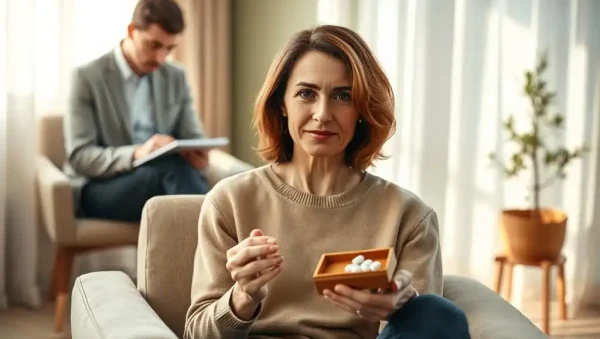
🌱 Discover effective CPTSD medication management strategies that can alleviate symptoms and support recovery. This comprehensive guide offers essential insights into medication…
Read article
🧠 Discover how clinicians identify complex PTSD with our clear explanation of CPTSD diagnosis criteria explained, helping mental health professionals and individuals…
Read article
🌟 Discover essential tips for finding a CPTSD therapist who understands complex trauma. Our guide offers expert advice on locating the right…
Read article
🌟 Discover the nuanced symptoms of Complex PTSD and explore effective Complex PTSD symptom management strategies that go beyond flashbacks. This guide…
Read article
🌟 Recognizing CPTSD in daily life is crucial yet challenging, as symptoms often mirror other conditions. This article explores the hurdles of…
Read article
🌟 Explore how chronic trauma leads to complex PTSD and discover effective CPTSD trauma recovery strategies. This guide offers vital insights and…
Read article
🌟 Discover essential CPTSD healing strategies for recovery, addressing deep betrayal and trust issues. Our comprehensive guide offers vital insights, support, and…
Read article
🌟 Discover the key differences between CPTSD symptoms versus PTSD, and learn how nuanced distinctions impact diagnosis and treatment. This essential guide…
Read article
🌟 Attachment trauma shapes CPTSD by disrupting healthy relational patterns, leading to complex emotional and psychological challenges. Understanding this link is essential…
Read article
🌟 Discover how the inner critic profoundly impacts those with complex PTSD, shaping negative self-perceptions. Learn effective strategies for overcoming inner critic…
Read articleWelcome to Mind Care Guide’s dedicated resource on Complex PTSD (C-PTSD). While Post-Traumatic Stress Disorder (PTSD) is widely recognized, C-PTSD represents a distinct, more layered condition that arises from prolonged, repeated trauma—often occurring in childhood or within captivity-like situations. This page will help you distinguish between the two, recognize the often-hidden symptoms, and explore effective pathways to healing. We’ll cover emotional regulation, dissociation, relationship patterns, and evidence-based treatments, ensuring you leave with both clarity and practical hope. Understanding is the first step toward reclaiming your life.
The core distinction lies in the duration and nature of the trauma. PTSD typically follows a single, discrete event—like a car accident or assault. C-PTSD, however, results from chronic, inescapable stressors, such as ongoing domestic abuse, torture, or childhood neglect. This repeated exposure fundamentally alters the nervous system and personality structure.
While both share symptoms like hypervigilance and flashbacks, C-PTSD adds three critical domains: emotional dysregulation (intense anger or profound emptiness), negative self-concept (feelings of shame, guilt, or worthlessness), and interpersonal difficulties (distrust, social withdrawal, or repeated toxic relationships). Recognizing this triad is essential for accurate diagnosis and targeted treatment, as standard PTSD protocols may not suffice.
Beyond the classic re-experiencing and avoidance, C-PTSD manifests through what clinicians call “disturbances in self-organization.” These are not just psychological quirks—they are survival adaptations gone awry. You may struggle to calm your body after a minor stressor, or feel disconnected from your own emotions entirely, a state known as affective dysregulation.
Additionally, you may hold a deeply negative view of yourself, believing you are “broken” or responsible for your abuse. This is compounded by chronic relational conflict—either clinging to unsafe people or pushing away those who care. These disturbances often lead to misdiagnosis (e.g., borderline personality disorder), so understanding them is vital for finding appropriate, trauma-informed care.
In the DSM-5, C-PTSD is not a separate entry; instead, it’s coded as “PTSD with dissociative symptoms” or “PTSD with features of C-PTSD.” The WHO’s ICD-11, however, formally recognizes it as a distinct condition. Diagnosis requires documenting the prolonged trauma history, plus the three core disturbances mentioned above, which must persist for at least several months.
The reason C-PTSD is frequently missed is that survivors often present with depression, anxiety, or substance use—treating only these masks the underlying trauma. Moreover, many clinicians lack training in complex trauma. That’s why self-advocacy is key: describing your pattern of symptoms, not just isolated incidents, can lead to a proper evaluation. At Mind Care Guide, we encourage you to seek practitioners certified in trauma-informed therapy.
Recovery from C-PTSD is not linear, but it is absolutely achievable. The gold standard treatments include trauma-focused cognitive behavioral therapy (TF-CBT), EMDR (Eye Movement Desensitization and Reprocessing), and Internal Family Systems (IFS). These approaches help reprocess implicit memories and repair your sense of self. Unlike single-event PTSD, C-PTSD often requires longer-term therapy, sometimes spanning years, to rebuild trust and emotional safety.
Equally important are somatic therapies (like sensorimotor psychotherapy) that address the body’s frozen stress response, and group therapy which reduces shame through shared experience. Medications may help stabilize mood or sleep but are not standalone cures. A comprehensive plan also includes mindfulness, grounding techniques, and building a stable daily routine. Remember, healing means learning to live with your history, not erasing it—and you can thrive.
Living with C-PTSD affects every hour, not just during flashbacks. Practical coping includes emotional regulation techniques—like the TIPP skill (Temperature, Intense exercise, Paced breathing, Paired muscle relaxation) to calm a triggered nervous system. Developing a “safe place” visualization and using sensory grounding (e.g., holding ice or smelling citrus) can interrupt intrusive memories.
In relationships, clear communication about triggers is essential. Educate trusted ones about C-PTSD so they can offer support without taking your reactions personally. Set firm boundaries to protect your energy, and practice self-compassion—speak to yourself as you would a dear friend. Journaling with a prompts like “What do I need right now?” helps identify unmet needs. With consistent practice, your window of tolerance will expand, allowing greater connection and joy.
Yes, it is possible. A person may experience a single traumatic event (leading to PTSD) on top of ongoing childhood trauma (leading to C-PTSD). Clinicians often diagnose the primary condition while noting the other. Treatment will address both layers, prioritizing safety and stabilizations before processing the more complex trauma.
No. While C-PTSD shares overlapping features with borderline personality disorder (BPD), they are distinct. C-PTSD stems specifically from prolonged trauma and includes other symptoms like negative self-concept and relational disturbances. The key difference is that C-PTSD has a clear trauma origin, whereas BPD may not. Proper assessment is crucial.
Unlike short-term therapy for single-event PTSD, C-PTSD often requires one to three years of consistent, trauma-focused therapy, sometimes longer. The duration depends on the severity and duration of trauma, support systems, and the therapeutic approach. Progress may be slow, but many survivors report meaningful improvement within a year.
Yes. Organizations like the International Society for Trauma and Dissociation (ISSTD) offer professional directories. Online communities on platforms like Reddit (r/CPTSD) provide peer support. Mind Care Guide also lists recommended books and virtual therapy options. For emergencies, always contact a crisis line—online groups are not substitutes for professional help.
Yes, though the presentation may differ. Children may show developmental delays, intense emotional meltdowns, or regressive behaviors. The diagnosis requires a comprehensive trauma history from caregivers and professionals. Early intervention is critical, as untreated C-PTSD in childhood can shape adult mental health. Play therapy and family-based approaches are often first-line.