
The Brain's Response: How Trauma Primes You for Addiction

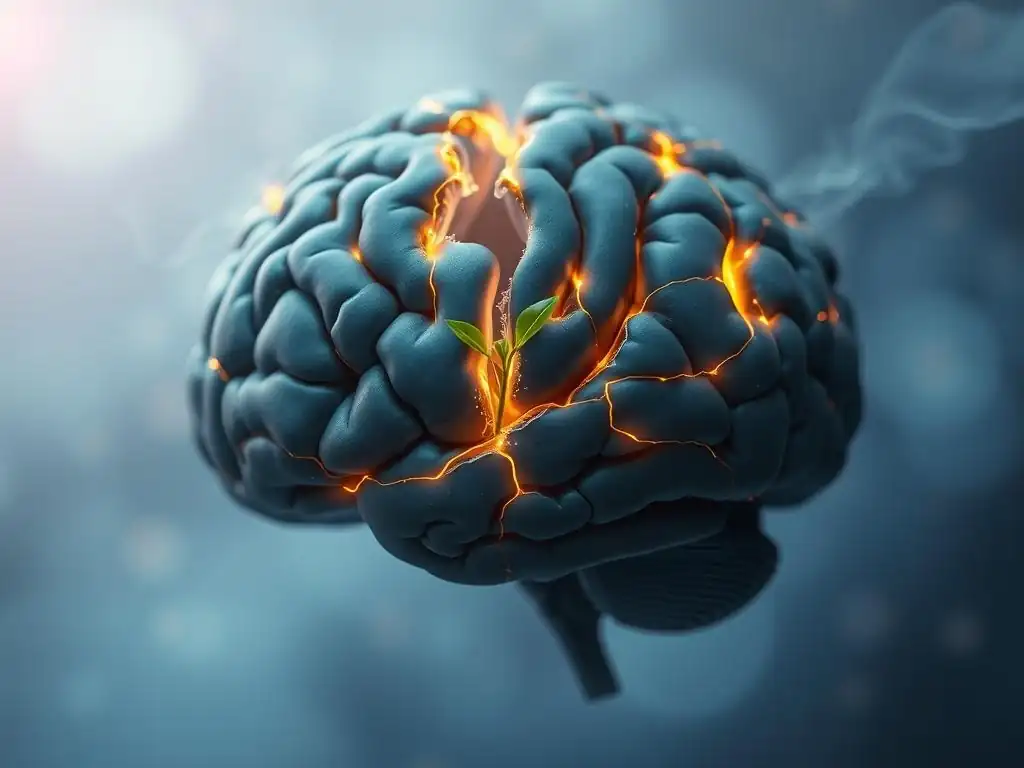
Welcome to Mind Care Guide, a space dedicated to understanding and nurturing your mental well-being.
Ever felt like your past dictates your present? This month, we delve into the intricate connection between trauma and addiction recovery. Discover how unresolved trauma can inadvertently prime the brain for addictive behaviors, hindering the path to lasting healing. Are you ready to understand the science behind this connection and explore strategies for reclaiming your life? Let's begin.
The Brain's Response: How Trauma Primes You for Addiction
Trauma, a deeply distressing or disturbing experience, can leave lasting imprints on the brain and body. For many individuals, the echoes of trauma extend far beyond the initial event, significantly impacting their mental health and increasing vulnerability to various challenges, including addiction. Understanding this profound connection is crucial for effective prevention, treatment, and ultimately, achieving sustainable recovery. This article explores the intricate ways trauma primes the brain for addiction and outlines paths toward healing and long-term well-being.
- Understanding the Link Between Trauma and Addiction
- The Neuroscience of Trauma and Addiction: How Trauma Changes the Brain
- Trauma's Influence on Addiction Vulnerability: Why Trauma Increases the Risk
- The Vicious Cycle: Trauma, Addiction, and Mental Health
- Breaking the Cycle: Trauma-Informed Addiction Treatment
- Strategies for Healing from Trauma and Addiction: A Path to Recovery
- Trauma Primes Addiction Recovery: Building a Foundation for Long-Term Sobriety
- Long-Term Strategies for Managing Trauma and Addiction
-
Frequently Asked Questions
- How does trauma make someone more vulnerable to addiction?
- What specific brain changes occur due to trauma that increase addiction risk?
- How can understanding the link between trauma and addiction help in recovery?
- What therapies are most effective for addressing both trauma and addiction simultaneously?
- Is addiction always a direct result of trauma, or are there other contributing factors?
- Final Reflection: Unlocking the Chains: Trauma, Addiction, and the Path to Recovery
- Unlock Your Healing Journey: Take Control of Your Recovery
Understanding the Link Between Trauma and Addiction
The relationship between trauma and addiction is complex and deeply rooted in how the brain processes stress and seeks relief. Trauma disrupts the body's natural stress response system, leading to chronic dysregulation. This persistent state of heightened alert or emotional numbness can become unbearable, driving individuals to seek external means to cope with their internal distress. Substances or addictive behaviors often provide temporary, albeit destructive, relief from the overwhelming feelings associated with traumatic experiences.
Defining Trauma and Its Impact on Mental Health
Trauma refers to an event or series of events that is experienced as physically or emotionally harmful or life-threatening and has lasting adverse effects on the individual's functioning and mental, physical, social, emotional, or spiritual well-being. This can range from single incidents like accidents or assaults to chronic experiences like abuse, neglect, or prolonged conflict. The impact isn't solely about the event itself, but how an individual perceives and internalizes it.
The mental health consequences of trauma are vast and varied, including but not limited to Post-Traumatic Stress Disorder (PTSD), anxiety disorders, depression, dissociative disorders, and complex trauma. For example, approximately 7-8% of the U.S. population will experience PTSD at some point in their lives, and this disorder is strongly correlated with substance use disorders. The persistent re-experiencing of the trauma (flashbacks, nightmares), avoidance of trauma-related stimuli, negative alterations in cognition and mood, and marked alterations in arousal and reactivity create a significant burden on daily life and emotional stability.
Addiction as a Coping Mechanism for Trauma
Addiction often emerges as a maladaptive coping mechanism in the aftermath of trauma. When faced with overwhelming emotional pain, flashbacks, or the inability to feel anything at all, individuals may turn to substances like alcohol, opioids, or stimulants, or engage in compulsive behaviors such as gambling or overeating, to numb the pain or feel something other than distress. These behaviors provide a temporary escape from the psychological burden of trauma.
Initially, the substance or behavior might offer a sense of relief or control, alleviating symptoms like anxiety, depression, or emotional dysregulation. However, this temporary relief quickly gives way to dependence and addiction. The individual becomes reliant on the substance or behavior not just to cope with trauma symptoms, but also to avoid withdrawal and manage the growing problems caused by the addiction itself, creating a dangerous cycle where trauma fuels addiction and addiction exacerbates the effects of trauma.
The Neuroscience of Trauma and Addiction: How Trauma Changes the Brain
Trauma doesn't just affect the mind; it fundamentally alters brain structure and function, making individuals more susceptible to addiction. These neurobiological changes impact stress response, reward processing, and executive functions, all of which play a critical role in the development and maintenance of addictive behaviors. Understanding these changes is key to effective treatment approaches that recognize how trauma primes addiction recovery.
The Role of the Amygdala in Trauma and Addiction
The amygdala, often referred to as the brain's "fear center," is hypersensitive in individuals who have experienced trauma. It becomes easily triggered, interpreting non-threatening stimuli as potential dangers and initiating a fight-or-flight response. This chronic state of hyperarousal contributes to anxiety, panic attacks, and difficulty feeling safe, common symptoms that individuals might try to alleviate through substance use.
Research using neuroimaging has shown that individuals with PTSD exhibit increased amygdala activity when exposed to trauma-related cues. This heightened reactivity contributes to the pervasive sense of threat and emotional dysregulation characteristic of trauma survivors. Substances like alcohol or benzodiazepines can temporarily suppress amygdala activity, offering a fleeting sense of calm, which reinforces their use as a coping mechanism and increases the risk of developing a substance use disorder.
The Impact of Trauma on the Brain's Reward System
Trauma disrupts the brain's mesolimbic dopamine system, often called the reward pathway. Chronic stress and trauma can blunt the brain's ability to experience pleasure from natural rewards like social connection, hobbies, or achievements. This state of anhedonia (inability to feel pleasure) makes the intense surge of dopamine provided by drugs of abuse particularly appealing and reinforcing.
Substances hijack this impaired reward system, providing a powerful, albeit artificial, sense of pleasure or relief that the trauma-affected brain struggles to achieve naturally. This leads to a strong drive to repeat the substance use, paving the way for dependence and addiction. Studies indicate that childhood trauma is associated with altered dopamine receptor availability in adulthood, potentially increasing vulnerability to the rewarding effects of drugs.
How Trauma Disrupts Executive Function and Impulse Control
The prefrontal cortex (PFC), responsible for executive functions like decision-making, impulse control, planning, and emotional regulation, is often negatively impacted by trauma, particularly chronic or early-life trauma. Trauma can impair the development or function of the PFC, leading to difficulties in assessing risks, controlling impulses, and making rational choices, all of which are critical for resisting drug use and maintaining sobriety.
A weakened PFC makes individuals more prone to impulsive drug-seeking behavior as a response to stress or triggers. The impaired ability to regulate emotions also means that distressing feelings associated with trauma are harder to manage, increasing the likelihood of turning to substances for immediate relief. This disruption in executive function contributes significantly to the challenges faced in achieving and maintaining trauma primes addiction recovery.
Trauma's Influence on Addiction Vulnerability: Why Trauma Increases the Risk

Exposure to trauma is a significant risk factor for developing addiction. The type, severity, and timing of trauma all play a role in increasing an individual's susceptibility to substance use disorders. Certain populations, particularly those who experience trauma early in life or chronic trauma, face a significantly elevated risk.
Early Childhood Trauma and Addiction Risk
Experiences of abuse, neglect, or household dysfunction during childhood have a profound and lasting impact on brain development and stress response systems. The Adverse Childhood Experiences (ACE) study, involving over 17,000 participants, demonstrated a strong dose-response relationship between the number of ACEs and the risk of developing various health problems, including substance abuse. Individuals with four or more ACEs were found to be significantly more likely to report alcohol dependence, illicit drug use, and intravenous drug use compared to those with zero ACEs.
Early childhood trauma disrupts the developing brain's architecture, particularly areas involved in stress regulation, emotional processing, and executive function. This makes individuals more reactive to stress, less able to manage difficult emotions, and more impulsive, all factors that increase the likelihood of seeking solace or escape through substances later in life. The long-term neurobiological changes initiated by early trauma create a fertile ground for addiction to take root.
The Correlation Between PTSD and Substance Use Disorders
There is a very high comorbidity rate between Post-Traumatic Stress Disorder (PTSD) and Substance Use Disorders (SUDs). Estimates suggest that up to 50% of individuals seeking treatment for SUDs also meet criteria for PTSD, and conversely, individuals with PTSD are significantly more likely to develop a SUD than the general population. For example, veterans returning from combat zones often exhibit high rates of both conditions; one study found that around 1 in 3 veterans seeking treatment for SUD also had PTSD.
The symptoms of PTSD – hyperarousal, avoidance, re-experiencing, and negative mood/cognitions – are intensely distressing and often lead individuals to self-medicate. Substances can temporarily numb the emotional pain, suppress flashbacks, or reduce anxiety, but this provides only fleeting relief and ultimately worsens both conditions. The persistent stress and dysregulation associated with untreated PTSD make maintaining sobriety exceptionally challenging without integrated treatment.
Trauma Exposure and Increased Susceptibility to Addiction
Beyond formal PTSD diagnoses, any significant trauma exposure increases the risk of addiction. Witnessing violence, experiencing a serious accident, surviving a natural disaster, or enduring chronic stress can all contribute to vulnerability. The psychological and physiological toll of trauma can lead to a persistent state of dysregulation, making individuals more likely to turn to substances to cope.
Research consistently shows that individuals with a history of trauma, regardless of whether they meet full criteria for PTSD, have higher rates of substance initiation, escalation of use, and difficulty achieving abstinence. For instance, studies on women who have experienced sexual assault show a significantly increased risk of developing alcohol or drug dependence compared to those who have not. This highlights that trauma, in its many forms, significantly trauma primes addiction recovery challenges by increasing initial addiction vulnerability.
The Vicious Cycle: Trauma, Addiction, and Mental Health
The relationship between trauma, addiction, and mental health is often described as a vicious cycle. Trauma symptoms can lead to substance use, which in turn can worsen mental health conditions and create new problems, making effective recovery more difficult. Breaking this cycle requires addressing all components simultaneously.
Self-Medication and the Cycle of Addiction
As discussed, self-medication is a primary driver of the trauma-addiction link. Individuals use substances to manage unbearable trauma symptoms like anxiety, depression, insomnia, or emotional numbness. For example, someone with trauma-induced nightmares might use alcohol to fall asleep, or someone experiencing intense social anxiety related to trauma might use marijuana to feel more comfortable in social settings.
While providing temporary relief, this self-medication reinforces the substance use. The individual learns to associate the substance with feeling better (or feeling less bad). As tolerance develops, larger amounts are needed, leading to dependence and eventually addiction. The focus shifts from coping with trauma to managing the addiction, yet the underlying trauma symptoms remain, often exacerbated by the consequences of substance use, perpetuating the cycle.
Trauma-Induced Mental Health Disorders Worsening Addiction
Trauma frequently leads to the development of mental health disorders such as major depressive disorder, generalized anxiety disorder, or dissociative disorders. These co-occurring conditions complicate addiction significantly. For example, severe depression can erode motivation for recovery, while overwhelming anxiety can trigger relapse. Dissociation can make it difficult for individuals to engage in therapy or even remember periods of substance use.
The interplay between these conditions creates a complex clinical picture. An individual with trauma, PTSD, and opioid addiction faces greater challenges in treatment than someone with only opioid addiction. The untreated mental health disorder can constantly fuel the need to self-medicate, while the addiction can worsen symptoms of the mental health disorder through its effects on brain chemistry, sleep, and life stability. Effective trauma primes addiction recovery strategies must address these co-occurring conditions concurrently.
The Impact of Addiction on Trauma Recovery
Addiction itself can significantly impede the process of healing from trauma. Substance use impairs cognitive function, making it difficult to process traumatic memories in therapy. It can also blunt emotional responses, hindering the ability to engage with and work through difficult feelings associated with trauma. Furthermore, the lifestyle associated with active addiction, including unstable housing, legal issues, and damaged relationships, can create new traumas or re-traumatize individuals.
Active addiction makes it nearly impossible to build the coping skills necessary for trauma recovery, such as emotional regulation, mindfulness, and distress tolerance. The focus is on obtaining and using the substance rather than on healing. Achieving sobriety is often a necessary first step, or at least a concurrent goal, in trauma-informed care, as it provides the clarity and stability needed to engage in the difficult work of processing traumatic experiences.
Breaking the Cycle: Trauma-Informed Addiction Treatment
Effective treatment for individuals with co-occurring trauma and addiction must be integrated and trauma-informed. This means recognizing the pervasive impact of trauma on an individual's life and recovery journey, and designing treatment approaches that prioritize safety, trustworthiness, peer support, collaboration, empowerment, and cultural humility.
Recognizing Trauma in Addiction Treatment
A trauma-informed approach begins with universal screening for trauma history upon admission to addiction treatment programs. Rather than asking "What's wrong with you? ", the approach shifts to "What happened to you?". This fundamental change in perspective helps clinicians understand the root causes of addictive behavior and tailor treatment accordingly.
Training staff to recognize the signs and symptoms of trauma and understand its impact on behavior is crucial. Creating a physically and emotionally safe environment within the treatment setting is paramount. This includes clear communication, predictable routines, opportunities for choice and control, and avoiding practices that could be re-traumatizing, such as overly confrontational therapy styles or lack of privacy. This foundational recognition is vital for successful trauma primes addiction recovery.
Trauma-Focused Therapies for Addiction Recovery
Once a safe and stable environment is established, specific trauma-focused therapies can be integrated into addiction treatment. These therapies are designed to help individuals process traumatic memories and reduce their impact on current functioning and addiction.
Eye Movement Desensitization and Reprocessing (EMDR) for Addiction
EMDR is a psychotherapy approach that helps individuals process distressing memories and reduce their emotional impact. It involves recalling the traumatic event while simultaneously engaging in bilateral stimulation, such as eye movements. The theory is that this process helps the brain reprocess the memory, reducing its intensity and associated distress.
EMDR is increasingly used in addiction treatment for individuals with co-occurring trauma. It can target trauma memories that fuel cravings or relapse, as well as memories related to substance use itself. Studies have shown that EMDR can be effective in reducing both PTSD symptoms and substance cravings, contributing to trauma primes addiction recovery.
Cognitive Processing Therapy (CPT) for Addiction
CPT is a specific type of cognitive behavioral therapy that helps individuals examine and challenge beliefs about the trauma that are keeping them "stuck." It focuses on identifying and modifying distorted thoughts and feelings related to the traumatic event, such as self-blame or the belief that the world is entirely dangerous.
In the context of addiction, CPT helps individuals understand how their thinking patterns related to trauma may contribute to substance use. By challenging these thoughts and developing more balanced perspectives, individuals can reduce the emotional distress that drives self-medication and build healthier coping strategies. CPT typically involves 12 sessions and has strong empirical support for treating PTSD in various populations, including those with SUDs.
Trauma-Informed Cognitive Behavioral Therapy (TF-CBT) for Addiction
TF-CBT is a comprehensive, evidence-based treatment model designed specifically for children and adolescents who have experienced trauma, though adapted versions exist for adults. It incorporates trauma-sensitive components within a standard CBT framework, addressing emotional regulation, cognitive processing, and trauma narrative development.
While primarily for youth, the principles of TF-CBT are applied in adult trauma-informed care, focusing on psychoeducation about trauma's impact, developing coping skills (like relaxation and affect regulation), and gradually processing the traumatic experience. For individuals in addiction recovery, TF-CBT helps build essential skills to manage trauma-related triggers and distress without resorting to substance use, supporting the journey where trauma primes addiction recovery becomes a reality.
The Importance of Addressing Co-Occurring Disorders in Trauma and Addiction Recovery
Integrated treatment, where both trauma and addiction (and any other co-occurring mental health conditions) are treated simultaneously by the same team or within the same program, is considered the gold standard. Treating only the addiction without addressing the underlying trauma is often ineffective, as the trauma symptoms will likely lead to relapse. Similarly, treating only the trauma while the individual is actively using substances can be challenging and less effective.
Integrated care recognizes that these conditions are interconnected and influence each other. Treatment plans are designed to address the complex interplay, providing coordinated care for both the substance use disorder and the trauma-related symptoms. This holistic approach significantly improves outcomes for individuals striving for sustainable recovery and well-being.
Strategies for Healing from Trauma and Addiction: A Path to Recovery

Recovery from co-occurring trauma and addiction is a challenging but achievable journey. It involves not only abstinence from substances but also healing from the trauma and building a life free from dependence on destructive coping mechanisms. This requires developing new skills, building supportive networks, and committing to long-term well-being.
Building Resilience and Coping Skills
Developing healthy coping mechanisms is fundamental to managing trauma symptoms and preventing relapse. This involves learning strategies to regulate intense emotions, tolerate distress, and manage triggers without turning to substances. Examples include deep breathing exercises, progressive muscle relaxation, grounding techniques, journaling, and engaging in healthy physical activity.
Resilience, the ability to bounce back from adversity, can be built through various practices. This includes fostering a positive self-image, setting realistic goals, developing problem-solving skills, and nurturing a belief in one's ability to cope. Learning to identify early warning signs of distress or cravings and having a plan to address them is a crucial skill for maintaining sobriety and supporting trauma primes addiction recovery.
The Role of Support Groups and Community in Trauma and Addiction Recovery
Connection with others who understand the experience of trauma and addiction is incredibly powerful. Support groups, such as 12-step programs (e.g., AA, NA) or trauma-specific support groups (e.g., Survivors of Incest Anonymous), provide a sense of belonging, reduce isolation, and offer peer support and shared wisdom. Hearing others' stories and sharing one's own can be validating and empowering.
Building a sober support network is vital for long-term recovery. This includes connecting with fellow individuals in recovery, supportive family members or friends, sponsors, mentors, and therapists. A strong community provides encouragement during difficult times, celebrates successes, and offers accountability, all of which are essential components of a successful recovery journey.
Mindfulness and Meditation Techniques for Emotional Regulation
Mindfulness involves paying attention to the present moment without judgment. Meditation is a practice that cultivates mindfulness. These techniques can be particularly helpful for individuals with trauma and addiction, who often struggle with intrusive thoughts, intense emotions, and difficulty staying present.
Practicing mindfulness can help individuals become more aware of their triggers, cravings, and emotional states without being overwhelmed by them. It teaches them to observe these experiences with curiosity rather than reacting impulsively. Regular meditation can also help regulate the nervous system, reducing the hyperarousal often associated with trauma. Even short daily practices, like mindful breathing for 5-10 minutes, can significantly improve emotional regulation over time, aiding in trauma primes addiction recovery.
Trauma Primes Addiction Recovery: Building a Foundation for Long-Term Sobriety
Achieving long-term sobriety after trauma and addiction requires more than just stopping substance use; it involves building a new life centered on healing, growth, and well-being. This phase focuses on understanding triggers, developing personalized strategies, and accessing ongoing support. The journey where trauma primes addiction recovery is possible involves active, conscious effort.
Understanding Triggers and Preventing Relapse
Triggers are internal or external cues that can provoke cravings or trauma responses, significantly increasing the risk of relapse. These can include specific people, places, things, emotions, or even anniversaries of traumatic events. Identifying personal triggers is a critical step in developing a relapse prevention plan.
Once identified, strategies can be developed to avoid high-risk situations when possible, and more importantly, to cope with triggers when they cannot be avoided. This involves using the coping skills learned in therapy, reaching out to support systems, and practicing self-care. A well-developed relapse prevention plan is a personalized roadmap for navigating challenges and maintaining sobriety.
Developing a Personalized Addiction Recovery Plan
A successful recovery plan is not one-size-fits-all. It must be tailored to the individual's unique history, trauma experiences, addiction patterns, strengths, and goals. This plan should outline strategies for managing triggers, coping with difficult emotions, engaging in healthy activities, maintaining physical health, and staying connected to support.
A personalized plan might include scheduled therapy sessions (individual and group), participation in support groups, specific self-care routines (exercise, healthy eating, sleep), mindfulness practices, and creative outlets. It should also include a crisis plan for managing intense cravings or trauma flashbacks, including contact information for support people and crisis hotlines. This individualized approach acknowledges how trauma primes addiction recovery by requiring specific, targeted interventions.
Resources and Support for Trauma Survivors and Individuals in Addiction Recovery
Accessing appropriate resources and support is essential for navigating the complexities of co-occurring trauma and addiction. This includes seeking professional help from therapists specializing in trauma and addiction, finding treatment centers that offer integrated care, and connecting with support groups.
Numerous organizations provide information, resources, and support for trauma survivors and individuals in recovery. Examples include the Substance Abuse and Mental Health Services Administration (SAMHSA), the National Center for PTSD, and various non-profit organizations dedicated to specific types of trauma or addiction. Utilizing these resources strengthens the foundation for trauma primes addiction recovery.
Long-Term Strategies for Managing Trauma and Addiction
Recovery is a lifelong process, particularly when healing from the deep impact of trauma. Long-term strategies focus on maintaining sobriety, nurturing mental well-being, and continuing to grow and thrive beyond the challenges of the past.
Maintaining Sobriety and Mental Well-being
Maintaining sobriety requires ongoing vigilance and commitment. This involves continuing to practice healthy coping skills, staying connected to support networks, and being proactive in addressing potential challenges. It also means prioritizing mental health, recognizing that mental well-being is intrinsically linked to sustained recovery.
Regular check-ins with oneself, monitoring stress levels, and recognizing early signs of distress or potential relapse are crucial. Engaging in activities that bring joy and meaning, setting healthy boundaries in relationships, and practicing self-compassion are also vital components of long-term maintenance. The journey where trauma primes addiction recovery shifts towards living a fulfilling life.
The Benefits of Ongoing Therapy and Support
For many individuals with a history of significant trauma and addiction, ongoing therapy and support remain beneficial long after initial treatment. This could include periodic individual therapy sessions to address new challenges or continue processing trauma, participation in advanced therapy groups, or continued engagement with support groups.
Ongoing professional support can provide a safe space to navigate life's inevitable stressors without resorting to old coping mechanisms. It can also help individuals continue to build resilience, deepen self-understanding, and work towards personal growth goals. This continued engagement is a testament to the understanding that trauma primes addiction recovery as a continuous process of healing and growth.
Living a Fulfilling Life After Trauma and Addiction
Ultimately, the goal of recovery is not just abstinence, but living a meaningful and fulfilling life. This involves rediscovering passions, setting new goals, rebuilding relationships, and finding purpose. It means moving from merely surviving to truly thriving.
This phase of recovery focuses on integrating the lessons learned, embracing one's identity beyond the labels of "trauma survivor" or "addict," and contributing positively to one's community. It is about building a life so rich and rewarding that substance use loses its appeal. It is the ultimate testament to the power of healing and the possibility that even after trauma primes addiction, recovery can lead to a life of profound joy and purpose.
Frequently Asked Questions
How does trauma make someone more vulnerable to addiction?
Trauma can significantly alter brain function, particularly in areas related to reward processing and impulse control. This can lead individuals to seek substances as a way to cope with overwhelming emotions and painful memories.
What specific brain changes occur due to trauma that increase addiction risk?
Trauma can disrupt the dopamine pathways in the brain, making it harder to experience pleasure naturally. It also affects the prefrontal cortex, which is crucial for decision-making and self-regulation, making it harder to resist cravings.
How can understanding the link between trauma and addiction help in recovery?
Recognizing the role of trauma allows for trauma-informed care, which addresses the underlying emotional wounds driving addictive behaviors. This approach focuses on healing and processing past experiences, rather than solely focusing on substance use.
What therapies are most effective for addressing both trauma and addiction simultaneously?
Therapies like Eye Movement Desensitization and Reprocessing (EMDR) and Cognitive Behavioral Therapy (CBT) are often used. These therapies help individuals process traumatic memories and develop healthier coping mechanisms to manage cravings and triggers.
Is addiction always a direct result of trauma, or are there other contributing factors?
While trauma is a significant risk factor, addiction is a complex issue with multiple contributing factors. Genetics, environment, social influences, and pre-existing mental health conditions can all play a role alongside trauma.
Final Reflection: Unlocking the Chains: Trauma, Addiction, and the Path to Recovery
The devastating link between trauma and addiction is not merely a correlation; it's a deeply ingrained biological response. Understanding this connection is crucial not only for preventing addiction but also for developing truly effective recovery strategies. Ignoring the trauma component means treating only the symptoms, not the root cause, leaving individuals vulnerable to relapse and continued suffering.
The insidious nature of trauma's influence on addiction continues to shape our understanding of mental health and recovery. It's a pervasive issue, impacting countless lives and families, and its effects ripple outwards through society. The ongoing struggle to address this complex relationship highlights the need for more compassionate and holistic approaches. The most basic of all human needs is the need to understand and be understood.
This quote, though not directly about trauma and addiction, speaks volumes about the importance of empathy and validation in the recovery process. We must strive to understand the individual's experience, acknowledging the trauma that underpins their addiction.
You, the reader, now hold a deeper understanding of this complex interplay. Consider your own experiences, and those of others you know. Are there unspoken traumas influencing behaviors or relationships? This knowledge empowers you to seek help, to advocate for better treatment options, and to foster compassion and understanding for those battling addiction. Let this reflection be a catalyst for change, both within yourself and in the world around you. Take the first step towards healing – for yourself, and for others.
Unlock Your Healing Journey: Take Control of Your Recovery
Thanks for taking the time to learn about the powerful connection between trauma and addiction. You've gained valuable insights into how past experiences can shape your present struggles – and that's a huge step forward. Now, let's turn that knowledge into action.
- Prioritize self-care: Identify one small, manageable step you can take today to nurture your well-being. This might be a short walk, meditation, or journaling – anything that helps you connect with yourself. This is your foundational step.
- Reach out: Share this article with a friend or family member who might benefit from understanding these connections. Supporting each other is crucial for healing.
- Explore resources: Consider researching local support groups or therapists specializing in trauma-informed care. Learning more about available resources is a proactive way to take control.
What's one small act of self-compassion you can commit to today, knowing the powerful link between trauma and your journey to recovery?