Trauma in Refugee Populations: Culturally Sensitive Care
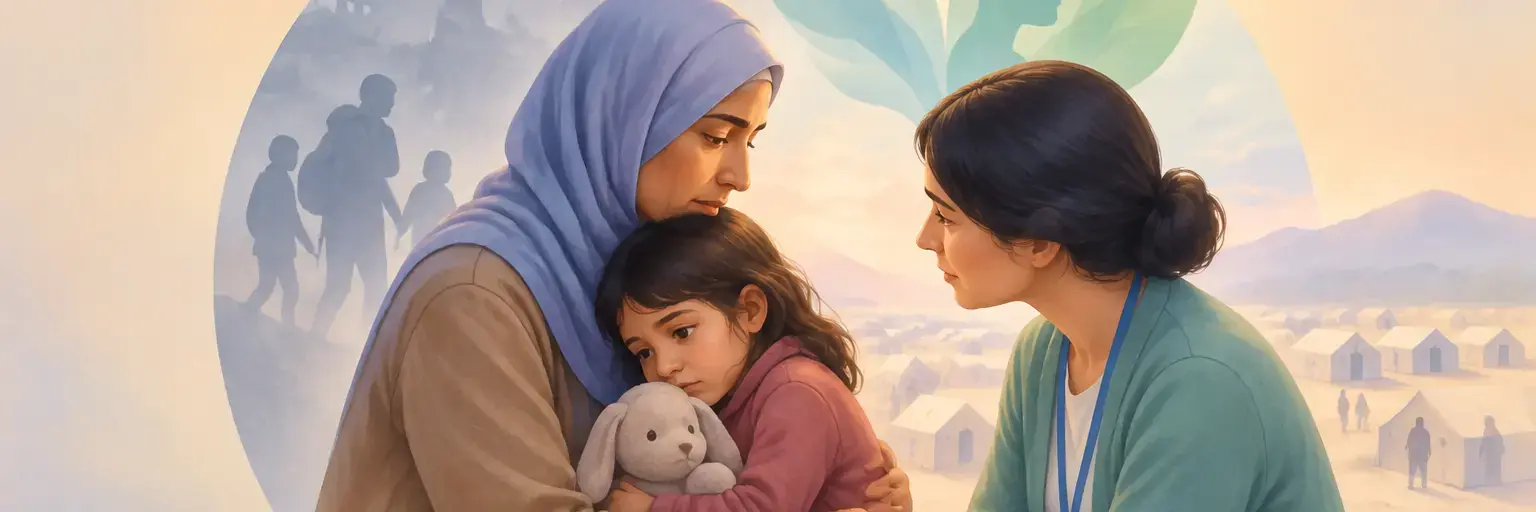
Forced displacement, war, persecution, and the arduous journey to safety leave deep psychological scars. Refugee populations often face complex, multi-layered trauma that extends far beyond a single event—encompassing pre-migration, transit, and post-resettlement stressors. At Mind Care Guide, we understand that effective support demands more than clinical technique; it requires deep cultural humility, trust-building, and community-informed approaches. This subcategory explores evidence-based, trauma-informed strategies tailored to the unique lived experiences of refugees, ensuring care plans honor identity, history, and resilience. Discover practical frameworks for clinicians, caregivers, and communities to foster healing without re-traumatization.
🕊️ Understanding the Refugee Trauma Spectrum
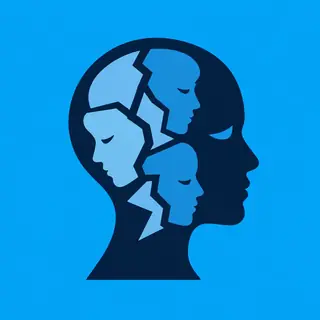
The refugee experience is not a single narrative but a spectrum of adversities. Pre-migration trauma includes torture, political persecution, and witnessing violence. Transit phases add perilous journeys, detention, and exploitation. Post-resettlement introduces acculturation stress, discrimination, family separation, and precarious legal status. These layers interact, often producing complex PTSD, depression, and anxiety that manifest differently across cultures. Clinicians must assess each phase distinctly while recognizing that symptoms like somatic complaints, spiritual distress, or altered family dynamics may be primary expressions of suffering. A culturally sensitive lens treats these not as pathology but as adaptive responses to unimaginable hardship.
Effective care begins with narrative history-taking—letting refugees define what matters most. Avoid checklist diagnostics; instead, explore resilience, coping rituals, and communal support systems. Many refugees demonstrate extraordinary strength, yet their trauma responses are frequently misread as noncompliance or resistance. By mapping the full timeline of displacement, providers can develop interventions that target specific triggers, such as immigration hearings or news from the homeland, while reinforcing existing protective factors. This holistic mapping is foundational to any culturally competent treatment plan.
🌍 Culturally Informed Assessment and Diagnosis
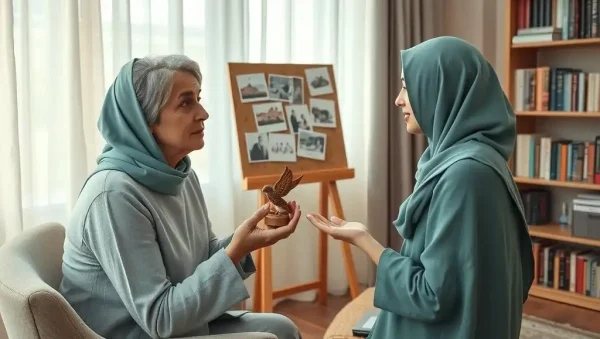
Standardized psychiatric tools often fail refugee populations due to linguistic, conceptual, and normative variations. Instead, clinicians should employ the Cultural Formulation Interview (CFI) from DSM-5, adapted for refugee contexts. This framework explores cultural identity, illness interpretations, psychosocial stressors, and help-seeking behaviors. For example, a Somali refugee may attribute nightmares to “jinn” or spiritual imbalance—not PTSD. Dismissing such beliefs alienates patients; integrating them into care bridges biomedical and cultural worlds. Use bilingual community health workers or trained interpreters, not family members, to ensure accuracy and confidentiality.
Diagnostic overshadowing is a real risk—clinicians may mistake cultural expressions of distress (e.g., somatization, khyâl attacks, ataques de nervios) for psychotic disorders. Careful differentiation requires collateral information from community leaders and prolonged observation. Additionally, validate the refugee’s strengths: problem-solving skills, survival instincts, and deep family loyalty. These assets become therapeutic tools. Regularly reassess diagnoses, as symptoms shift with resettlement phases. A culturally informed assessment is never static; it evolves with the individual’s acculturation trajectory and ongoing stressors.
🩺 Trauma-Focused Interventions with Cultural Adaptation
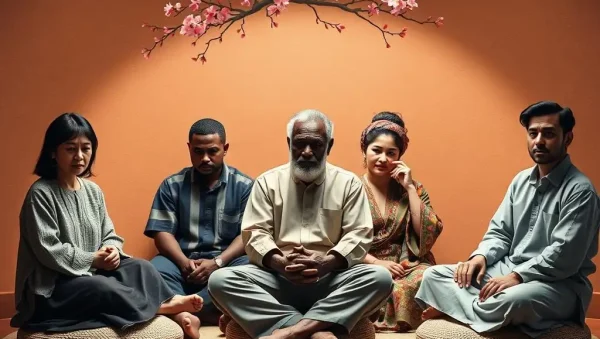
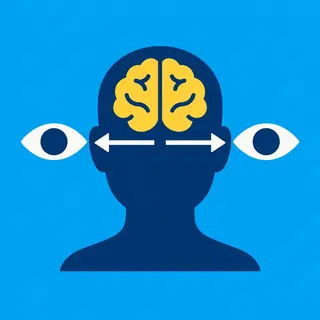
Evidence-based therapies like Trauma-Focused Cognitive Behavioral Therapy (TF-CBT), Narrative Exposure Therapy (NET), and Eye Movement Desensitization and Reprocessing (EMDR) are effective but require cultural adaptation. NET, specifically designed for survivors of organized violence, uses a “lifeline” to reconstruct autobiographical memory—respecting oral traditions common in many refugee cultures. Adapt therapies by incorporating culturally relevant metaphors, proverbs, and community healing rituals. For instance, group therapy may be framed as “shared wisdom circles,” not vulnerability disclosure, to align with collectivist values.
Pharmacotherapy must be used cautiously, acknowledging genetic variations in drug metabolism among different ethnic groups. Psychotropic dosing often starts lower, with slower titration, and must be paired with psychoeducation about medications—myths about addiction or personality alteration are widespread. Integrative approaches—yoga, mindfulness, art, or music therapy—can bypass verbal barriers and access nonverbal trauma memories. Crucial is establishing safety before any exposure work; refugees often feel unsafe even in therapeutic settings due to past institutional betrayal. Prioritize agency, consent, and pacing throughout treatment.
🏡 Community-Based Healing and Social Determinants
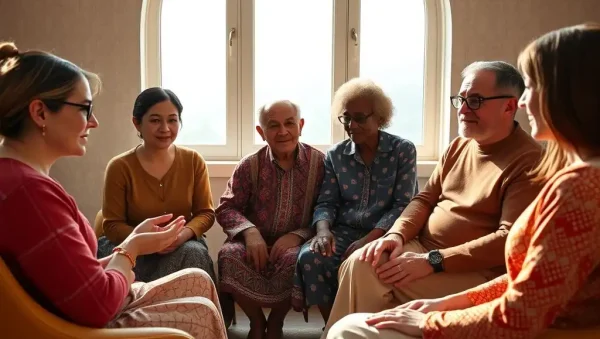
Healing extends beyond the clinic. Social determinants—housing instability, unemployment, inadequate legal representation, and food insecurity—profoundly influence mental health. Culturally sensitive care includes advocating for basic needs, connecting families to resettlement agencies, and facilitating linkage to benefits. Community-based interventions, such as farming collectives, sewing circles, or sports teams, rebuild social capital and a sense of belonging. Peer support groups, led by trained refugee mentors, offer modeled recovery and reduce isolation. These groups should reflect gender, age, and ethnic subgroup distinctions.
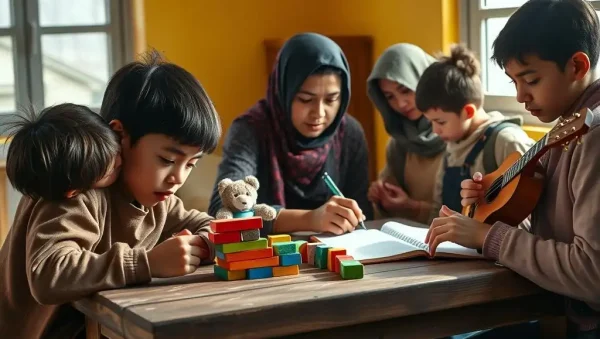
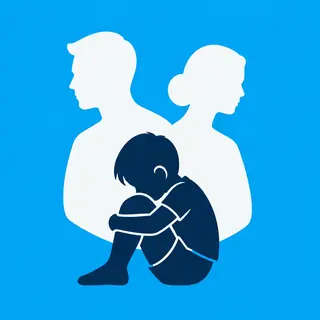
School-based trauma-informed programs for refugee children mitigate developmental disruptions, while parent support groups address intergenerational trauma transmission. Faith-based organizations often serve as first points of contact; collaborating with religious leaders can destigmatize mental health care and co-create rituals of grief and mourning. Clinicians should adopt a “community navigator” stance—spending time in refugee neighborhoods, understanding local power dynamics, and building trust through consistent presence. Remember, healing is communal, not just individual; a relative’s unresolved trauma can trigger relapse in a patient. Thus, systemic family therapy often proves more effective than solitary treatment.
🔒 Ethical Boundaries, Self-Care, and Clinician Competence
Working with refugee trauma exposes providers to vicarious trauma, compassion fatigue, and burnout. Culturally sensitive care demands rigorous self-awareness of one’s own biases, privilege, and historical contexts—especially when clinician and client differ in race, religion, or nationality. Ongoing supervision with a trauma-informed consultant is non-negotiable. Providers must also navigate complex ethical dilemmas: confidentiality versus interfamilial duty, documentation in asylum cases, and the risk of re-traumatization during forensic evaluations. Seek legal-ethical guidance and collaborate with multidisciplinary teams.
Self-care plans for providers are not indulgences but professional necessities. Regular debriefing, mindfulness practice, and setting firm boundaries around caseloads preserve therapeutic efficacy. Additionally, cultural humility is a continuous practice—attend community events, learn basic greetings in the client’s language, and acknowledge limitations openly. Avoid the “expert” stance; instead, position yourself as a learner within the refugee’s world. This relational symmetry fosters mutual respect and reduces power asymmetries that can mirror earlier oppression. Ultimately, sustainable care for refugees is impossible without sustainable clinicians.
🔎 Evaluating Outcomes and Promoting Long-Term Resilience
Traditional outcome measures (e.g., PTSD symptom checklists) may miss meaningful gains like improved daily functioning, family harmony, or community participation. Culturally valid outcome assessments should include idiographic measures—goals defined by the client themselves—alongside standardized scales. Longitudinal follow-up is crucial, as resettlement stressors evolve and delayed grief may emerge years later. Use resilience frameworks, capturing protective factors such as cultural pride, hope, and social connectedness. Celebrate small victories: a father becoming calmer with his children, a woman attending English classes, a youth joining a soccer team.
Programmatic evaluation should involve refugee community members as co-researchers, ensuring interventions remain relevant and non-stigmatizing. Data collection must respect cultural norms about discussing sensitive issues; consider qualitative storytelling as a legitimate measure. Policies that support refugee mental health—funding for language-appropriate services, flexible appointment schedules around immigration appointments, home-based options—are integral to outcomes. Advocacy, as part of clinical care, can influence systemic change. By documenting successes and challenges, clinicians contribute to a growing evidence base for culturally sensitive trauma care. Long-term resilience is not the absence of symptoms, but the presence of meaning, purpose, and belonging.
Frequently Asked Questions
How is trauma in refugees different from general PTSD?
Refugee trauma is multidimensional, involving repeated interpersonal victimization across distinct phases (pre-migration, flight, resettlement) and often includes torture, family loss, and ongoing insecurity. Symptoms frequently manifest as somatic complaints, dissociation, or survival guilt rather than classic re-experiencing. Treatment must address concurrent social stressors—legal, housing, financial—that maintain hypervigilance. Simple PTSD models miss this complexity, so care requires a phase-based, culturally attuned approach.
Can I use regular therapy with an interpreter for a refugee client?
Professional interpreters specifically trained in mental health are strongly preferred over family members or untrained bilingual staff. Family members may censor information or create role conflicts, compromising confidentiality. Trained interpreters also provide cultural context, clarifying idioms of distress and emotional subtlety. For best outcomes, conduct a pre-session briefing with the interpreter, discuss ethical boundaries, and maintain eye contact with the client, not the interpreter, to build therapeutic alliance.
What if a refugee client doesn't want to talk about their trauma?
This resistance is protective and common. Pushing disclosure re-enacts powerlessness. Begin with stabilization, fundamental needs, and trust-building. Many cultures view silence as wisdom, not avoidance. Use nondirective interventions—coffee, shared meals, or practical assistance—to establish safety. When the client initiates memory sharing, follow their pace. Narrative techniques can start with positive or neutral life events, creating gradual confidence. Respect that healing may occur through behavioral changes, not verbal recounting.
Are traditional Western therapies harmful for refugee populations?
They can be harmful if delivered without cultural adaptation, particularly exposure-based methods that ignore current danger or collective coping styles. However, many Western therapies—NET, EMDR, TF-CBT—are effective after modifications like including community upholders, spiritual idioms, and oral storytelling structures. The key is not abandoning but translating the therapeutic mechanism into culturally resonant forms. Always assess the client’s explanatory model of suffering and integrate it into treatment.
How can I help a refugee family with intergenerational trauma in children?
Intergenerational trauma appears as parental withdrawal, hypervigilance, or distorted communication—children absorb these stress patterns. Provide parent-focused interventions that build emotional regulation, using culturally valued parenting strengths. Facilitate joint activities that foster secure attachment, such as structured storytelling or communal meals. School liaisons can train teachers to recognize secondary traumatization. Family therapy that honors elders’ experiences while empowering younger generations helps break maladaptive cycles without shaming cultural heritage.