
More Than Displacement: The Complex Layers of Trauma Faced by Refugees


Welcome to Mind Care Guide, a space dedicated to understanding and nurturing your mental well-being.
Have you ever wondered about the invisible burdens carried by those forced to flee their homes? In this article, we delve into the multifaceted reality of trauma experienced by refugees, offering insights into Refugee Trauma Coping Strategies that can help bridge the gap between despair and resilience. Join us as we explore this vital topic and uncover paths towards healing and hope.
More Than Displacement: The Complex Layers of Trauma Faced by Syrian Refugees
- Understanding Refugee Trauma: A Mental Health Perspective
- Unpacking the Layers of Trauma: Pre-Flight, Flight, and Resettlement
- The Intergenerational Impact of Trauma on Syrian Refugee Families
- Recognizing the Symptoms of Trauma in Syrian Refugees: A Guide for Support
- Syrian Refugee Trauma Coping Strategies: Fostering Resilience and Healing
- Culturally Sensitive Care for Syrian Refugee Trauma: Breaking Down Barriers
- Resources for Syrian Refugees and Mental Health Professionals
- Building a More Compassionate and Supportive Future for Syrian Refugees
-
Frequently Asked Questions
- How is refugee trauma different from other types of trauma?
- What are some common symptoms of trauma experienced by refugees?
- What are some effective coping strategies for refugees dealing with trauma?
- How can communities support refugees in their trauma recovery journey?
- Where can refugees find resources and support for trauma recovery?
- Final Reflection: Unpacking the Resilience of the Refugee Spirit
- Unpack Your Understanding: Taking Action for Refugee Support
Understanding Refugee Trauma: A Mental Health Perspective
Defining Trauma in the Context of Syrian Refugee Experiences
Trauma, in a mental health context, refers to a response to a deeply distressing or disturbing event that overwhelms an individual's ability to cope, causes feelings of helplessness, diminishes their sense of self and their ability to feel a full range of emotions and sensations. For Syrian refugees, trauma is often not a single event but a complex interplay of experiences across different phases of their journey.
It begins with exposure to violence, loss, and persecution in their homeland, continues through the perilous process of flight, and persists during the challenging period of resettlement in a new, unfamiliar environment. This ongoing exposure to stressors, often termed complex trauma, significantly impacts their psychological well-being.
Unlike trauma resulting from a single incident, the experiences of Syrian refugees often involve prolonged, repeated exposure to traumatic events. This includes witnessing atrocities, enduring deprivation, facing threats to life, and experiencing profound loss of loved ones, home, and community. The definition of trauma must therefore encompass not just the initial shock but also the chronic stress and cumulative effect of multiple adverse experiences. Understanding this layered nature is crucial for developing effective refugee trauma coping strategies and providing appropriate mental health support.
The Unique Mental Health Challenges of Syrian Refugees
Syrian refugees face a unique constellation of mental health challenges stemming from the specific context of the Syrian conflict and their subsequent displacement. Studies indicate alarmingly high rates of mental health conditions compared to the general population. For instance, research among Syrian refugees in various host countries often reports prevalence rates of Post-Traumatic Stress Disorder (PTSD) ranging from 10% to over 40%, and depression rates frequently exceeding 50%. These figures are significantly higher than typical rates in stable populations.
Beyond common conditions like PTSD, depression, and anxiety, Syrian refugees grapple with issues such as prolonged grief, identity confusion, and acculturation stress. The loss is multifaceted – not just loss of life and property, but also loss of social status, professional identity, and cultural continuity. The challenges of integrating into a new society, navigating bureaucracy, facing potential discrimination, and dealing with the uncertainty of their future residency status add significant layers of psychological burden. Effective refugee trauma coping strategies must acknowledge and address this unique blend of past trauma and current stressors.
Unpacking the Layers of Trauma: Pre-Flight, Flight, and Resettlement
Pre-Flight Trauma: Exposure to Violence and Persecution in Syria
The Impact of the Syrian Civil War on Mental Well-being
The Syrian civil war, beginning in 2011, has subjected millions to unimaginable violence and instability, profoundly impacting their mental well-being even before displacement. Constant exposure to conflict, including aerial bombardments, shelling, and ground fighting, became a daily reality for many. Families lived under perpetual threat, leading to chronic stress, fear, and hypervigilance. The breakdown of societal structures, the collapse of essential services, and the disruption of daily life further eroded individuals' sense of safety and normalcy.
Reports from organizations working inside Syria or with displaced populations consistently highlight the psychological toll. Children growing up amidst the conflict often exhibit symptoms of toxic stress, developmental delays, and severe anxiety. Adults experience high rates of trauma-related disorders and mood disturbances. The sheer scale of the violence and the systematic targeting of civilian areas mean that a vast majority of Syrian refugees arrive in host countries having already endured years of psychological distress and traumatic exposure, making the need for effective refugee trauma coping strategies immediate and pressing.
Witnessing Bombings and Loss: A Source of Profound Trauma
Witnessing traumatic events is a significant driver of psychological distress, and for Syrian refugees, this often included direct exposure to bombings, mass violence, and the injury or death of loved ones. Many have seen their homes destroyed, their communities shattered, and friends or family members killed before their eyes. These experiences are not merely distressing; they are deeply traumatizing, etching lasting psychological scars.
The experience of witnessing such severe violence and loss can lead to intrusive memories, nightmares, avoidance behaviors, and significant emotional numbing. For example, a Syrian refugee might describe the distinct sound of a barrel bomb before it struck, the sight of destroyed buildings, or the harrowing experience of searching for survivors amidst rubble. These vivid, traumatic memories can be easily triggered even years later in a safe environment, highlighting the enduring impact of pre-flight trauma and the necessity of tailored refugee trauma coping strategies.
Flight Trauma: The Perilous Journey to Safety in Europe
Risks of Exploitation and Abuse During Migration Across the Mediterranean
The journey from Syria to safety, often involving transit through multiple countries and crossing the Mediterranean Sea, presents a new set of severe risks and traumas. Refugees are often forced to rely on smugglers, making them vulnerable to exploitation, extortion, and violence. Reports detail harrowing conditions on overcrowded boats, where individuals face the constant threat of drowning, starvation, and exposure. Women and children are particularly at risk of sexual violence and human trafficking during these journeys.
The uncertainty and danger inherent in the migration process contribute significantly to psychological distress. Refugees endure long periods of waiting in precarious conditions, face border closures, and experience the constant fear of being apprehended or sent back. These experiences add layers of trauma onto existing pre-flight wounds, complicating their mental health profile upon arrival and underscoring the need for comprehensive refugee trauma coping strategies that address both past and present stressors.
The Psychological Toll of Uncertainty and Fear During Displacement
Displacement itself is a deeply unsettling and psychologically taxing experience, characterized by profound uncertainty and pervasive fear. Refugees lose their sense of control over their lives, facing unpredictable circumstances regarding their safety, movement, and future. Living in temporary shelters or transit camps, often with inadequate resources and sanitation, exacerbates feelings of vulnerability and hopelessness.
The constant state of flux, not knowing where they will end up or what their legal status will be, creates chronic stress. This prolonged exposure to uncertainty can lead to symptoms of anxiety, depression, and even exacerbate trauma responses. The fear isn't just about physical danger but also about the unknown future, the separation from family members, and the loss of agency. These psychological burdens must be acknowledged when discussing refugee trauma coping strategies, as they represent ongoing challenges even after reaching a destination country.
Acculturation Stress and Identity Conflicts in a New Culture
Arriving in a new country like Germany, while offering safety, presents a new set of challenges known as resettlement stress or acculturation stress. Syrian refugees must navigate a vastly different culture, language, and social system while simultaneously processing past traumas. Learning a new language (German), understanding complex bureaucratic processes, and adapting to unfamiliar social norms can be overwhelming and isolating. This can lead to feelings of frustration, incompetence, and diminished self-worth.
Furthermore, refugees often experience identity conflicts. They may struggle to reconcile their Syrian identity and cultural values with the expectations and norms of the host society. The loss of their previous social roles – being a doctor, engineer, or teacher – and the necessity of starting over can be profoundly destabilizing. This clash between past identity and present reality adds another layer to their psychological burden, requiring refugee trauma coping strategies that support cultural adaptation and identity integration.
The Impact of Discrimination and Social Isolation on Syrian Refugee Mental Health
Despite efforts towards integration, Syrian refugees in Germany can face significant challenges related to discrimination and social isolation, which negatively impact their mental health. Experiences of prejudice, stereotyping, or direct discrimination in housing, employment, or public spaces can be re-traumatizing and erode their sense of safety and belonging. Feeling unwelcome or marginalized in their new home hinders their ability to heal and thrive.
Social isolation is another major barrier. Language difficulties, cultural differences, and the trauma of separation from family and community back home can make it hard to form meaningful connections with people in the host country. Lack of social support is a known risk factor for poor mental health outcomes. Many refugees miss their extensive Syrian social networks and struggle to build new ones, leading to loneliness and exacerbating symptoms of depression and anxiety. Effective refugee trauma coping strategies must therefore consider the critical role of social connection and support systems.
The Intergenerational Impact of Trauma on Syrian Refugee Families
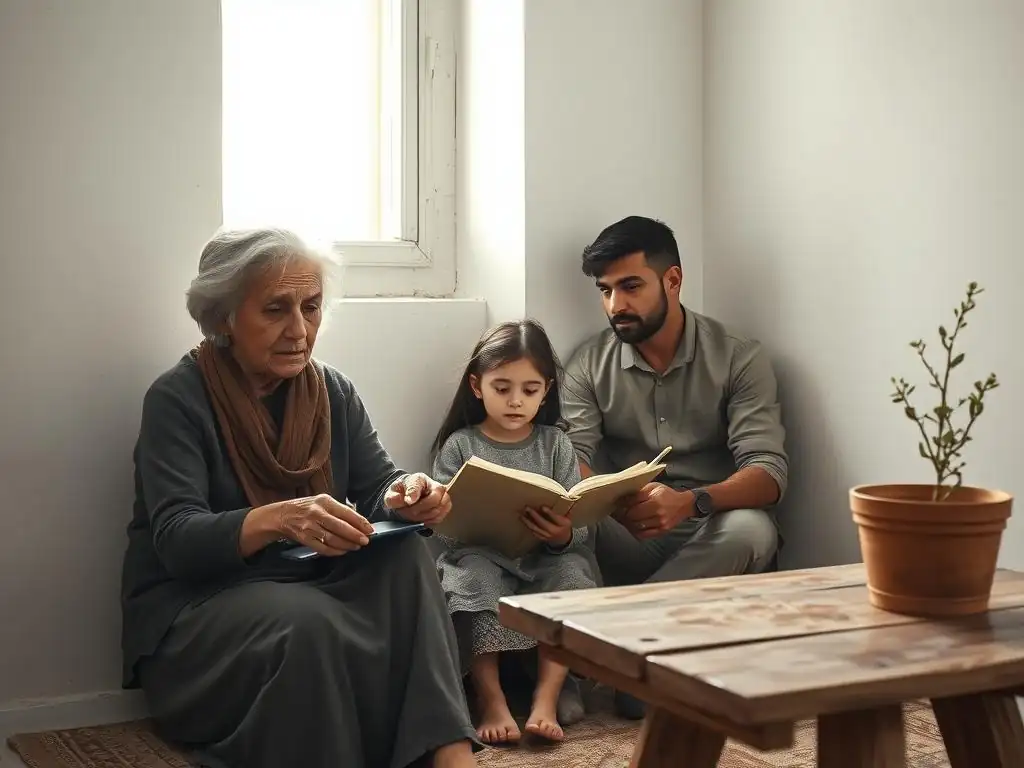
How Trauma Affects Parenting and Family Dynamics in Syrian Families
The profound trauma experienced by Syrian refugee parents can significantly impact their ability to parent and shape family dynamics. Parents suffering from PTSD, depression, or chronic stress may exhibit symptoms such as emotional numbing, irritability, difficulty concentrating, or withdrawal. These symptoms can interfere with their capacity to be emotionally available to their children, provide consistent care, or regulate their own emotions, potentially leading to disrupted attachment patterns.
Furthermore, parents might struggle with discipline, exhibit hypervigilance (constantly worrying about their children's safety), or project their own fears and anxieties onto their children. The traditional family structure and roles might be disrupted by displacement and resettlement stress, creating tension and conflict within the household. Supporting healthy family functioning and addressing parental trauma are crucial components of comprehensive refugee trauma coping strategies for families.
The Risk of Secondary Trauma in Syrian Refugee Children
Children in Syrian refugee families are at a high risk of experiencing secondary trauma, also known as vicarious trauma or intergenerational trauma. This occurs when children are exposed to the traumatic experiences of their parents, either through direct witnessing of their parents' distress or by hearing detailed accounts of the trauma. Children are highly attuned to their parents' emotional states, and parental trauma can create an unstable and fearful environment that negatively impacts their development.
Studies indicate that children of traumatized parents are more likely to exhibit behavioral problems, anxiety, depression, and trauma-related symptoms themselves, even if they did not directly experience the initial trauma to the same degree. They may internalize the fear and grief of their parents, leading to their own psychological difficulties. Addressing the trauma of parents is therefore essential not only for their own healing but also to mitigate the risk of passing trauma across generations and build effective refugee trauma coping strategies for the entire family unit.
Recognizing the Symptoms of Trauma in Syrian Refugees: A Guide for Support
Common Mental Health Conditions Among Syrian Refugee Populations
Post-Traumatic Stress Disorder (PTSD) in Syrian Refugees
Post-Traumatic Stress Disorder (PTSD) is one of the most frequently diagnosed mental health conditions among Syrian refugees. It develops in some individuals after experiencing or witnessing a terrifying event. Symptoms typically fall into four clusters: intrusive memories (nightmares, flashbacks), avoidance of reminders of the trauma, negative changes in thinking and mood (difficulty remembering events, feeling detached, negative beliefs about oneself or the world), and changes in arousal and reactivity (being easily startled, difficulty sleeping, irritability).
For Syrian refugees, PTSD symptoms can be triggered by everyday occurrences in Germany that are reminiscent of their trauma, such as loud noises, crowded places, or even certain smells. The persistence of these symptoms significantly impairs their ability to function in daily life, impacting their integration, employment, and relationships. Identifying these specific manifestations of PTSD is vital for applying appropriate refugee trauma coping strategies and therapeutic interventions.
Depression and Anxiety in the Syrian Refugee Experience
Depression and anxiety disorders are also highly prevalent among Syrian refugees, often co-occurring with PTSD. Depression can manifest as persistent sadness, loss of interest or pleasure in activities, changes in appetite or sleep, fatigue, feelings of worthlessness, and difficulty concentrating. The cumulative losses – home, family, community, future – and the ongoing stressors of displacement and resettlement contribute significantly to depressive symptoms.
Anxiety disorders, including generalized anxiety disorder, panic disorder, and social anxiety, are common responses to the chronic stress and uncertainty refugees face. Symptoms might include excessive worry, restlessness, difficulty concentrating, muscle tension, and physical symptoms like palpitations or shortness of breath. The fear of the unknown future, concerns about family members left behind, and the challenges of navigating a new society fuel these anxieties. Effective refugee trauma coping strategies must address both the depressive symptoms stemming from loss and hopelessness and the anxiety driven by ongoing threats and uncertainty.
Complex Trauma and Dissociation in Syrian Survivors
Many Syrian refugees have experienced prolonged, repeated, and varied forms of trauma, leading to what is often termed complex trauma. Unlike single-incident trauma, complex trauma can deeply affect an individual's sense of self, their ability to regulate emotions, their relationships, and their belief systems. Symptoms can be more pervasive and ingrained than those of single-incident PTSD.
Dissociation, a common response to overwhelming trauma, involves a disconnection from thoughts, memories, feelings, actions, or sense of self. It can range from mild detachment to more severe forms like dissociative amnesia or identity alteration. For Syrian refugees, dissociation might manifest as feeling unreal, emotionally numb, having gaps in memory regarding traumatic events, or feeling disconnected from their surroundings or body. Recognizing these complex presentations and dissociative symptoms is crucial for tailoring refugee trauma coping strategies and therapeutic approaches effectively.
Cultural Considerations in Identifying Trauma Symptoms in Syrian Culture
Identifying trauma symptoms in Syrian refugees requires cultural sensitivity, as the expression and understanding of distress can vary significantly across cultures. Somatic symptoms (physical complaints like headaches, stomach problems, or fatigue) are often a more culturally acceptable way to express psychological distress in Syrian culture than openly discussing emotions or mental health struggles. A refugee might complain of chronic pain rather than admitting to feelings of sadness or fear.
Furthermore, there can be stigma associated with mental illness within Syrian communities, which might prevent individuals from seeking help or openly discussing their symptoms. Concepts of mental health, trauma, and coping might differ from Western clinical models. Understanding these cultural nuances, including beliefs about the causes of illness (e.g., evil eye, fate) and preferred coping mechanisms (e.g., reliance on faith, family support), is essential for accurate assessment and for developing culturally appropriate refugee trauma coping strategies. Working with cultural mediators or community leaders can facilitate understanding and trust.
Syrian Refugee Trauma Coping Strategies: Fostering Resilience and Healing
Individual Coping Mechanisms for Trauma Survivors
Mindfulness and Grounding Techniques for Anxiety Relief
Individual refugee trauma coping strategies are vital for helping survivors manage overwhelming emotions and symptoms. Mindfulness and grounding techniques are particularly useful for managing anxiety and dissociation. Mindfulness involves paying attention to the present moment without judgment, which can help individuals step out of intrusive thoughts or flashbacks. Simple practices like focusing on breathing or sensory details can be performed anywhere.
Grounding techniques help individuals reconnect with their physical body and the present environment when feeling overwhelmed or disconnected. Examples include focusing on the sensations of their feet on the ground, naming five things they can see, four things they can touch, three things they can hear, two things they can smell, and one thing they can taste. These techniques provide a sense of safety and stability in the face of distressing memories or feelings, acting as practical refugee trauma coping strategies for immediate relief.
Self-Care Strategies for Managing Stress and Emotional Distress
Developing healthy self-care routines is a fundamental aspect of refugee trauma coping strategies. Traumatic experiences can disrupt basic self-care habits like sleeping, eating, and maintaining hygiene. Re-establishing these routines provides structure and a sense of control. Encouraging regular sleep schedules, balanced nutrition, and physical activity (even gentle exercise like walking) can significantly improve mood and reduce stress levels.
Beyond basic needs, self-care involves engaging in activities that promote relaxation and emotional well-being. This could include pursuing hobbies, spending time in nature, practicing relaxation exercises, or engaging in creative expression like drawing or writing. For Syrian refugees, self-care might also involve maintaining cultural practices that are comforting and familiar. These strategies empower individuals to actively participate in their own healing process and build resilience.
Community-Based Support Systems for Syrian Refugees
The Role of Syrian Cultural Organizations in Promoting Mental Health
Community-based support systems play a crucial role in fostering resilience and providing effective refugee trauma coping strategies. Syrian cultural organizations and community centers in Germany offer a vital lifeline. They provide a sense of belonging, cultural continuity, and practical support (like language classes, help with bureaucracy, or vocational training). These organizations often serve as safe spaces where refugees can connect with others who share similar experiences and cultural backgrounds.
Critically, these organizations can act as bridges to mental health services, helping to reduce stigma and build trust. They can host psychoeducational workshops in Arabic, facilitate peer support groups, and connect individuals with culturally sensitive therapists. Their role in preserving cultural identity and providing a supportive social network is invaluable for mental well-being and facilitates access to relevant refugee trauma coping strategies.
Peer Support Groups: A Safe Space for Sharing Experiences
Peer support groups are a powerful community-based refugee trauma coping strategy. These groups, often facilitated by individuals with lived experience or trained community members, provide a safe and confidential space for Syrian refugees to share their stories, feelings, and challenges with others who truly understand. Sharing experiences with peers can reduce feelings of isolation, validate their struggles, and foster a sense of shared identity and mutual support.
In peer support settings, individuals can exchange practical coping tips, offer emotional encouragement, and build a supportive network. Hearing how others have navigated similar difficulties can instill hope and empower participants. These groups can be particularly effective when conducted in Arabic and incorporate culturally relevant ways of processing and expressing distress. They complement formal therapy by addressing the social and emotional needs arising from shared trauma and displacement.
Culturally Sensitive Care for Syrian Refugee Trauma: Breaking Down Barriers

Addressing Language Barriers in Mental Health Services
One of the most significant barriers to accessing mental health care for Syrian refugees is language. Effective therapy and support require clear communication, which is challenging when the client does not speak the therapist's language (German). Relying on untrained family members, especially children, as interpreters is inappropriate and potentially harmful, as it can expose them to distressing information and distort therapeutic communication.
Mental health services must invest in professional, qualified interpreters who are trained in mental health terminology and ethical guidelines. Providing therapy sessions in Arabic, either through Arabic-speaking therapists or via interpreters, is essential. Offering information about mental health, trauma, and available refugee trauma coping strategies in Arabic is also critical to ensure accessibility and understanding.
The Importance of Trauma-Informed Approaches to Care
Trauma-informed care is an approach that recognizes the widespread impact of trauma and understands potential paths for recovery. It integrates knowledge about trauma into policies, procedures, and practices. For Syrian refugees, this means services should be designed to avoid re-traumatization and create a sense of physical and psychological safety. Staff should be trained to understand the effects of trauma and how it might influence a refugee's behavior and responses.
A trauma-informed approach emphasizes collaboration, choice, and empowerment. It shifts the focus from "What is wrong with you?" to "What happened to you?" Services should be flexible, patient, and respectful of the individual's pace and readiness to engage. This approach is fundamental to delivering effective refugee trauma coping strategies, ensuring that interactions with support systems do not inadvertently cause further harm.
Working with Interpreters: Best Practices for Effective Communication
When working with interpreters in mental health settings with Syrian refugees, specific best practices should be followed to ensure effective and ethical communication. The interpreter should be professional, neutral, and trained in mental health interpreting. The session should allow time for pre-session and post-session discussions with the interpreter to clarify cultural nuances, therapeutic goals, and potential challenges.
During the session, the therapist should speak directly to the client, not the interpreter, and use clear, concise language, avoiding jargon or complex idioms. Pausing regularly to allow the interpreter to convey the message accurately is crucial. Ensuring the interpreter understands the importance of confidentiality and cultural sensitivity is paramount. Effective collaboration with interpreters is key to successfully implementing refugee trauma coping strategies through therapy and support services.
Resources for Syrian Refugees and Mental Health Professionals
Organizations Providing Mental Health Support to Syrian Refugees in Germany
Several organizations in Germany are dedicated to providing mental health support to Syrian refugees. These include larger aid organizations as well as smaller, specialized NGOs. Examples often include local branches of organizations like Caritas, Diakonie, and the German Red Cross, which offer social support and sometimes direct or referral-based mental health services. Specialized centers focusing on refugees and trauma, such as the Center for Torture Victims in Berlin or similar centers in other major cities, provide targeted psychological and medical care.
Many local initiatives and refugee support groups, often volunteer-led, also play a crucial role in providing initial support, connecting refugees with services, and running community activities that promote well-being. While specific program availability varies by location, these organizations represent key access points for Syrian refugees seeking help and for professionals looking for referral options related to refugee trauma coping strategies.
Online Resources for Trauma Education and Self-Help in Arabic and German
Access to information in their native language is vital for Syrian refugees seeking to understand their experiences and find ways to cope. Several online resources provide psychoeducational materials and self-help tools in Arabic and German. Websites from reputable mental health organizations or universities often host information about trauma, PTSD, depression, and anxiety, explaining symptoms and coping mechanisms in accessible language.
Some platforms specifically develop digital mental health interventions or self-help guides tailored for refugees or Arabic speakers. These resources can offer valuable insights into refugee trauma coping strategies, provide exercises for managing stress and anxiety, and offer guidance on seeking professional help. While not a substitute for therapy, they empower individuals with knowledge and tools to support their own mental well-being.
Building a More Compassionate and Supportive Future for Syrian Refugees
The Power of Advocacy in Promoting Syrian Refugee Mental Health
Advocacy plays a critical role in improving the mental health outcomes for Syrian refugees. This involves advocating for policies that support their integration, ensure access to healthcare (including mental health services), and protect their rights and safety. Advocacy efforts can challenge discriminatory practices and work towards creating a more welcoming and supportive environment.
Raising public awareness about the unique challenges faced by Syrian refugees, including the complex layers of trauma they carry, is also a form of advocacy. Educating host communities can help reduce stigma, foster empathy, and encourage support. By highlighting the need for culturally sensitive mental health care and accessible refugee trauma coping strategies, advocates can drive systemic change and improve the lives of refugees.
Fostering Understanding and Empathy in Host Communities
Creating a compassionate and supportive future requires active efforts to foster understanding and empathy within host communities in Germany. This can be achieved through educational initiatives, cultural exchange programs, and opportunities for interaction between refugees and local residents. Sharing stories (when refugees feel safe to do so) can humanize the refugee experience and break down stereotypes.
Promoting accurate media representation and countering misinformation about refugees are also important. When host communities understand the trauma, loss, and resilience of Syrian refugees, they are more likely to offer support rather than judgment. This empathetic environment is crucial for refugees' psychological healing and successful integration, complementing individual and community-based refugee trauma coping strategies.
Supporting Local Syrian Refugee Initiatives in Berlin
Supporting local initiatives focused on Syrian refugees, such as those in Berlin, can have a direct and positive impact. These initiatives often work closely with the community, understanding their specific needs and challenges. Support can take various forms, including volunteering time, donating resources, or providing financial assistance.
Local initiatives often run programs that directly contribute to mental well-being and facilitate refugee trauma coping strategies – from language tandems and job support to cultural events and community gatherings. By supporting these grassroots efforts, individuals and organizations can help build strong, resilient communities where Syrian refugees feel safe, connected, and empowered to heal from their past and build a new future.
Frequently Asked Questions
How is refugee trauma different from other types of trauma?
Refugee trauma often involves multiple layers of trauma, including pre-migration experiences, the dangers of displacement, and post-migration challenges like integration difficulties and discrimination. This cumulative effect significantly impacts mental well-being.
What are some common symptoms of trauma experienced by refugees?
Symptoms can manifest as post-traumatic stress disorder (PTSD), depression, anxiety, and difficulty forming trusting relationships. Cultural differences can also influence how trauma is expressed and understood, making diagnosis complex.
What are some effective coping strategies for refugees dealing with trauma?
Effective strategies include trauma-informed therapy, support groups, and engaging in culturally relevant activities. Building strong social networks and accessing language assistance are also vital for healing.
How can communities support refugees in their trauma recovery journey?
Communities can offer safe and welcoming environments, provide access to mental health services, and promote cultural understanding. Reducing stigma around mental health and advocating for refugee rights are essential steps.
Where can refugees find resources and support for trauma recovery?
Resources can be found through organizations specializing in refugee mental health services, community centers, and online platforms. Seeking assistance from culturally competent professionals is highly recommended.
Final Reflection: Unpacking the Resilience of the Refugee Spirit
The ongoing global displacement crisis underscores the urgent need to understand and address the multifaceted trauma experienced by refugees. It's not simply a matter of physical relocation; it's a profound disruption of life, identity, and security that leaves lasting scars. This article has only scratched the surface of the complex layers of suffering, highlighting the need for a more nuanced and compassionate approach to support.
The weight of displacement, loss, and the constant threat of insecurity profoundly shapes the lives of refugees, impacting not only their mental health but also their social and economic integration. The resilience they demonstrate in the face of such adversity is truly remarkable, a testament to the human spirit's capacity to endure. The human spirit is stronger than anything that can happen to it.
– C.S. Lewis. This quote, while seemingly simple, encapsulates the incredible strength and perseverance shown by those who have survived unimaginable hardship. Understanding their coping strategies, however, is crucial not just for providing effective support but also for recognizing the inherent dignity and strength within each individual's journey.
You, the reader, are now equipped with a deeper understanding of the complexities of refugee trauma. Consider how this knowledge might inform your own interactions with those who have experienced displacement. Take a moment to reflect on the power of empathy and the importance of actively challenging prejudice and misconceptions.
Let this article serve as a call to action – to advocate for more comprehensive support systems, to foster inclusive communities, and to recognize the inherent human worth of every refugee. Their stories are not just narratives of suffering, but also powerful testaments to resilience, hope, and the enduring strength of the human spirit.
Unpack Your Understanding: Taking Action for Refugee Support
Thanks for taking the time to learn about the complex challenges faced by refugees. We hope this article has shed light on the often-unseen layers of trauma they experience. Now, let's turn our understanding into action:
- Become a volunteer: Many organizations need support with everything from translation and administrative tasks to direct support for refugee families. Research local groups and find a way to contribute your skills and time. This is the most impactful step you can take.
- Share this article: Help spread awareness by sharing this piece with your network. Increased awareness and understanding are crucial first steps to fostering empathy and effective change.
- Explore resources and donate: Research reputable organizations dedicated to refugee support and consider making a donation to help provide essential resources. Even small contributions can make a significant difference.
What concrete step will you take today to help support refugees in your community or beyond?