
Finding Support: Essential Resources for Moral Injury Assistance

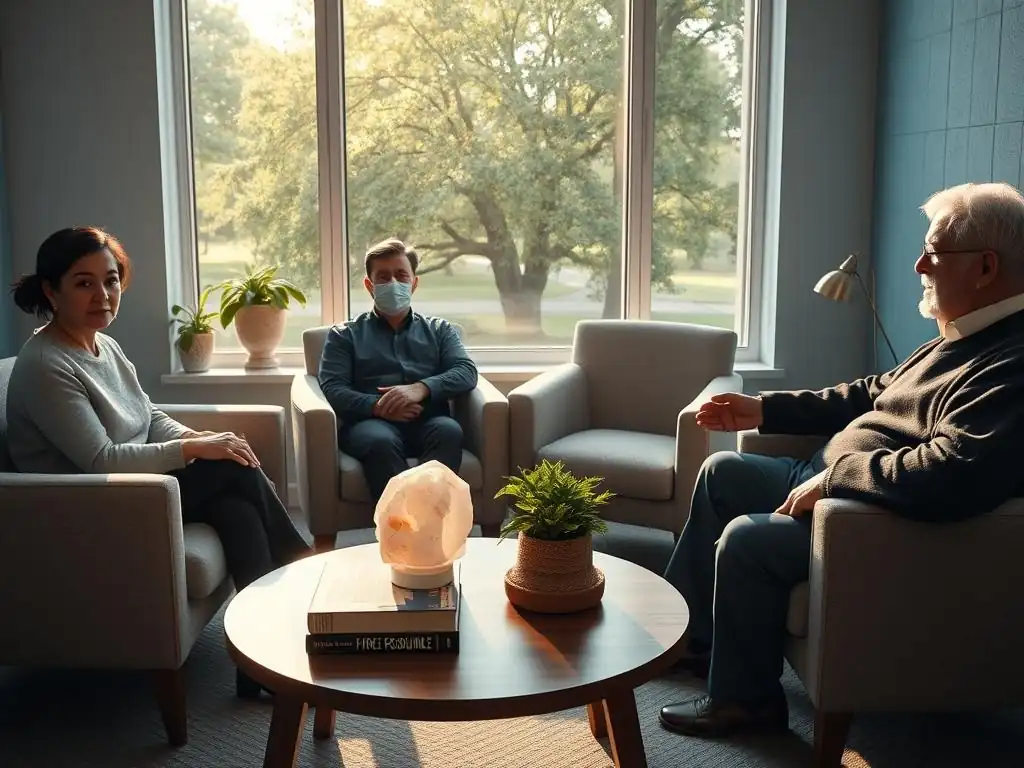
Welcome to Mind Care Guide, your compassionate companion on the journey to mental well-being. Feeling burdened by the weight of actions, yours or others'? You're not alone. Explore our guide to Moral Injury Support Resources and discover pathways to healing and recovery. Let's begin to untangle the complexities together.
Finding Support: Essential Resources for Moral Injury Assistance
- Understanding Moral Injury and the Need for Support
- Key Categories of Moral Injury Support Resources
- Navigating Moral Injury Support Resources: A Practical Guide
- The Importance of Early Intervention and Ongoing Support
- Conclusion: Empowering Your Journey to Healing from Moral Injury
-
Frequently Asked Questions
- What exactly is moral injury, and how does it differ from PTSD?
- Where can I find immediate moral injury support resources if I'm in crisis?
- Are there specific moral injury support resources tailored for veterans or military personnel?
- What types of therapy are most effective in addressing moral injury?
- How can I find moral injury support resources that are affordable or free?
- Final Reflection: The Unseen Wounds and the Path to Healing
- Uncover Your Path to Healing: Take the Next Step
Understanding Moral Injury and the Need for Support
Defining Moral Injury: A Wound to the Soul
Moral injury is not a mental illness in itself, but rather a psychological, social, and spiritual wound that occurs when actions or inactions transgress deeply held moral beliefs and expectations. This can happen in high-stakes situations, such as combat, healthcare crises, or law enforcement, where individuals are exposed to situations where they are forced to participate in, witness, or fail to prevent acts that violate their moral code.
It's often described as a crisis of conscience, leaving individuals grappling with intense guilt, shame, anger, and profound feelings of betrayal. For instance, a healthcare worker might experience moral injury when unable to provide adequate care due to systemic constraints, leading to feelings of failure and complicity.
Unlike traditional trauma which focuses on fear and threat to life, moral injury centers on the violation of one's ethical framework. Research, particularly within military populations, highlights that exposure to morally injurious events can be more strongly associated with later mental health difficulties, including post-traumatic stress disorder (PTSD), depression, and suicidal ideation, than exposure to life threat alone. Studies involving thousands of veterans have shown that experiences like witnessing atrocities or participating in actions conflicting with personal values are significant predictors of distress. Understanding this distinction is crucial for recognizing the specific type of support required for healing.
Recognizing the Symptoms and Impact of Moral Injury
The symptoms of moral injury can be diverse and debilitating, affecting an individual's emotional, psychological, and social functioning. Common emotional responses include overwhelming guilt, profound shame, intense anger (often directed inward or outward), disgust, and a sense of betrayal. Psychologically, individuals may struggle with persistent rumination about the event, self-condemnation, loss of trust in self and others, and a questioning of their fundamental identity and values. Behavioral changes might include withdrawal from relationships, difficulty with intimacy, self-isolation, increased substance use as a coping mechanism, and even self-harming behaviors.
The impact extends beyond the individual, straining relationships and affecting professional performance. Someone struggling with moral injury might find it difficult to connect with loved ones, fearing judgment or feeling unworthy of love. In the workplace, they might experience burnout, decreased job satisfaction, and difficulty making decisions due to a fractured sense of integrity. The long-term consequences, if left unaddressed, can be severe, contributing to chronic mental health conditions and significantly impacting quality of life. Recognizing these signs is the first step towards seeking appropriate moral injury support resources.
Why Moral Injury Support Resources are Crucial for Healing
Healing from moral injury requires a nuanced approach that addresses the unique ethical and spiritual dimensions of the wound, going beyond standard trauma treatments in some cases. Access to specialized moral injury support resources is therefore not just beneficial, but often essential for recovery. These resources provide structured environments and expert guidance to help individuals process the morally injurious event, understand their reactions, and begin to rebuild their sense of self and trust in the world. Without adequate support, individuals may remain trapped in cycles of guilt and shame, leading to prolonged suffering and potentially tragic outcomes.
Effective moral injury support resources offer pathways for moral repair, which involves confronting difficult truths, finding forgiveness (for self or others), and reintegrating the experience into one's life story in a way that allows for growth and meaning-making. This might involve therapeutic interventions specifically adapted for moral injury, connection with peers who share similar experiences, or spiritual guidance. Studies indicate that individuals who engage with appropriate support systems show significant improvements in symptoms of depression, anxiety, and moral distress, highlighting the critical role these resources play in facilitating a journey towards wholeness.
Key Categories of Moral Injury Support Resources
Professional Mental Health Support for Moral Injury
Professional mental health support is a cornerstone of healing from moral injury. Therapists trained in trauma and moral injury can provide evidence-based interventions tailored to address the complex interplay of psychological distress, ethical conflict, and spiritual questioning. These professionals create a safe space for individuals to recount their experiences without fear of judgment, helping them to process the event, challenge maladaptive thought patterns like excessive self-blame, and develop healthier coping strategies. A therapist can also assist in navigating the intense emotions associated with moral injury, such as shame and anger.
Finding a therapist with specific experience or training in moral injury is ideal, as they will be familiar with the unique challenges involved. They can help individuals explore the moral dimensions of their experiences and work towards moral repair. While there isn't a single "moral injury therapy," several trauma-focused modalities have been adapted or show promise, such as Cognitive Processing Therapy (CPT) or Acceptance and Commitment Therapy (ACT). These therapies can help individuals re-evaluate their thoughts about the event and their role in it, or learn to live a meaningful life alongside the difficult memories and emotions.
Finding Therapists Specializing in Moral Injury Treatment
Locating a therapist with expertise in moral injury requires careful searching. Many mental health professionals list their areas of specialization online or through professional directories. Websites for organizations focusing on military mental health, healthcare worker well-being, or trauma often have searchable databases or referral networks. For example, organizations like the Moral Injury Association of America or the National Center for PTSD (which has resources relevant to moral injury, particularly for veterans) can be starting points. It's recommended to inquire specifically about a therapist's experience with moral injury during an initial consultation.
When contacting potential therapists, don't hesitate to ask specific questions about their training and experience with moral injury or related concepts like trauma, guilt, and shame. You might ask, "Have you worked with clients who have experienced moral conflicts or ethical dilemmas in high-stakes environments?" or "Are you familiar with the concept of moral injury and its treatment?" This initial conversation is crucial for determining if the therapist is a good fit for addressing your specific needs related to moral injury support resources.
Understanding Different Therapeutic Approaches for Moral Injury (e.g., CPT, ACT)
Several therapeutic approaches are utilized or adapted for addressing moral injury. Cognitive Processing Therapy (CPT) is a structured therapy that helps individuals examine and challenge unhelpful thoughts about the trauma and its aftermath, including thoughts related to blame, safety, trust, and control. For moral injury, CPT can be adapted to focus on thoughts related to guilt, shame, and moral transgressions, helping individuals to develop a more balanced perspective on the event and their actions.
Acceptance and Commitment Therapy (ACT) is another approach that focuses on accepting difficult thoughts and feelings rather than fighting them, while committing to taking action aligned with one's values. For moral injury, ACT can help individuals process feelings of shame and guilt by fostering acceptance, and then guide them in identifying and living according to their core values, even in the presence of painful memories. Other approaches, such as trauma-informed therapy, Prolonged Exposure (PE), or even psychodynamic therapy, can also be helpful depending on the individual's specific needs and the nature of the moral injury.
Navigating Insurance Coverage and Affordable Therapy Options
Accessing professional therapy can be a significant barrier due to cost. Understanding your insurance coverage is a critical first step. Contact your insurance provider to inquire about your mental health benefits, including coverage for outpatient therapy, co-pays, deductibles, and whether there are limitations on the number of sessions or types of providers you can see. Many therapists accept various insurance plans, but it's essential to confirm this before starting treatment.
For those without insurance or facing high out-of-pocket costs, exploring affordable options is vital. Community mental health clinics often offer services on a sliding scale based on income. University psychology departments may have training clinics where graduate students provide therapy under supervision at reduced rates. Non-profit organizations dedicated to specific populations (like veterans or first responders) may also offer free or low-cost moral injury support resources. Openly discussing financial concerns with a potential therapist or clinic can also lead to finding manageable payment plans or referrals to more affordable options.
Peer Support Networks for Moral Injury Recovery
Peer support networks offer invaluable moral injury support resources by connecting individuals who have shared similar deeply challenging experiences. These groups provide a sense of community and understanding that can be difficult to find elsewhere. Hearing from others who have navigated similar ethical dilemmas and emotional turmoil can reduce feelings of isolation and validate one's own struggles. In a peer setting, individuals can share their stories, learn coping strategies that have worked for others, and offer mutual encouragement on the path to healing.
The informal nature of peer support complements professional therapy, providing ongoing connection and accountability. Participants often feel more comfortable discussing certain aspects of their moral injury with peers who truly "get it" because they've been there themselves. This shared understanding fosters trust and creates a powerful environment for emotional processing and moral repair. Peer support is a recognized component of comprehensive moral injury support resources, contributing significantly to long-term recovery and resilience.
The Power of Shared Experience in Moral Injury Healing
Sharing experiences in a safe, non-judgmental peer setting is profoundly powerful for healing from moral injury. When someone describes grappling with guilt over a difficult decision made under pressure, or the shame of witnessing an event they felt powerless to stop, and others in the group nod in understanding, it validates their pain and reduces the isolating burden of carrying such a secret alone.
This shared vulnerability builds trust and empathy. For example, a group of former soldiers discussing the ethical complexities of combat decisions can provide a level of insight and connection that a civilian therapist, while skilled, might not fully replicate.
This shared understanding also fosters a sense of belonging, counteracting the alienation that moral injury often creates. Participants learn that their intense reactions are not signs of weakness or personal failure, but common responses to extraordinary circumstances that violated their moral code. This normalization is a crucial step in reducing self-stigma and opening the door to healing. Peer groups are essential moral injury support resources because they tap into the innate human need for connection and mutual aid in times of profound distress.
Locating Moral Injury Peer Support Groups Online and In-Person
Finding peer support groups specifically focused on moral injury can sometimes be challenging, but resources are growing. Many are affiliated with veteran organizations, healthcare professional associations, or faith-based communities. Online searches using terms like "moral injury peer support group," "veteran support group moral injury," or "healthcare worker moral injury support" can yield results. Websites for national mental health organizations or those dedicated to specific professions impacted by moral injury may also list relevant groups.
In-person groups might be hosted at local VA centers, community centers, hospitals, or places of worship. Online groups offer accessibility for those in remote areas or who prefer anonymity; platforms like Zoom or dedicated online forums host these meetings. Organizations like the VHA (Veterans Health Administration) offer peer support programs, and some non-profits are establishing groups specifically for healthcare providers or first responders. Exploring these avenues can connect you with vital moral injury support resources.
Guidelines for Participating in Peer Support Groups
Effective participation in a peer support group involves both sharing and listening. It's important to approach the group with an open mind and a willingness to be vulnerable, while also respecting the privacy and experiences of others. Confidentiality is paramount; what is shared within the group should stay within the group to maintain a safe environment. Most groups establish ground rules at the beginning of sessions, which often include guidelines on speaking time, avoiding cross-talk, and refraining from giving unsolicited advice.
- Attend regularly if possible to build trust and consistency.
- Listen actively and empathetically when others are sharing.
- Share your own experiences when you feel comfortable, but there's no obligation to speak.
- Respect the confidentiality of all group members.
- Avoid interrupting or dominating the conversation.
- Focus on your own journey and experiences rather than trying to fix others.
- Remember that while peers can offer support, they are not substitutes for professional therapy if needed.
Following these guidelines helps ensure that peer support remains a positive and therapeutic component of your access to moral injury support resources.
Spiritual and Religious Resources for Moral Injury
For many individuals, moral injury deeply impacts their spiritual or religious beliefs, leading to questioning, doubt, or a sense of being unforgivable. Spiritual and religious resources offer unique pathways for healing by addressing the existential and moral dimensions of the wound. Faith communities can provide a framework for understanding suffering, concepts of forgiveness and reconciliation, and a sense of purpose that moral injury often erodes. Clergy and spiritual counselors trained in pastoral care can offer guidance and support that complements mental health treatment.
These resources often provide rituals, practices, and theological perspectives that help individuals process guilt, shame, and betrayal within a context of faith and community. They can facilitate conversations about divine justice, human fallibility, and the possibility of redemption. For someone struggling with moral injury, reconnecting with or exploring spiritual beliefs can be a vital part of integrating the experience and finding meaning, making spiritual avenues important moral injury support resources.
Finding Guidance and Support within Faith Communities
Finding guidance within a faith community often starts by connecting with a trusted religious leader, such as a pastor, rabbi, imam, or spiritual elder. Many clergy members have received training in providing pastoral care for individuals experiencing trauma and distress, though specific training in moral injury varies. It can be helpful to seek out leaders known for their compassionate approach and willingness to engage with difficult topics. Explaining that you are seeking support related to a crisis of conscience or a morally challenging experience can help them understand your needs.
Beyond clergy, connecting with supportive individuals or small groups within the faith community can also provide a sense of belonging and understanding. Many religious traditions have practices focused on confession, repentance, forgiveness, and reconciliation, which can be adapted to the unique context of moral injury. Exploring these practices within a supportive faith environment can be a powerful component of accessing moral injury support resources.
Addressing Moral Injury through Spiritual Practices and Reflection
Spiritual practices and reflection offer personal pathways for processing moral injury. Prayer, meditation, contemplation, reading sacred texts, or engaging in rituals can provide comfort, facilitate emotional release, and offer new perspectives on the experience. Journaling about the moral conflict and its impact from a spiritual perspective can also be a powerful tool for self-discovery and healing. For instance, reflecting on concepts of grace or compassion within one's faith tradition can help counter feelings of unforgivable shame.
Engaging in acts of service or seeking opportunities for moral repair within the community can also be spiritually healing. This might involve volunteering for causes aligned with one's values or seeking reconciliation where possible. These practices help individuals move from being defined solely by the morally injurious event to actively living out their values and contributing positively, fostering a sense of purpose and reinforcing their moral identity. Integrating these personal practices enhances the effectiveness of external moral injury support resources.
Examples of Spiritual Care Programs Addressing Moral Injury
Specific spiritual care programs designed to address moral injury are emerging, particularly within military and healthcare chaplaincy. For example, the VA system employs chaplains who are increasingly trained to understand and address moral injury among veterans, offering confidential counseling and integrating spiritual perspectives into their care. Some hospitals and healthcare systems are also developing chaplaincy programs focused on the moral distress and injury experienced by medical professionals.
Non-profit organizations and religious institutions are also creating programs. Some retreats or workshops specifically address the spiritual wounds of moral injury, offering guided reflection, group discussions facilitated by clergy or spiritual leaders, and opportunities for connection with others facing similar struggles. These programs often incorporate theological insights, ethical discussions, and spiritual practices aimed at fostering healing and meaning-making, serving as dedicated moral injury support resources for those seeking spiritual avenues for recovery.
Veteran-Specific Moral Injury Support Programs

Veterans are a population particularly vulnerable to moral injury due to the nature of military service, which can involve exposure to killing, witnessing death and suffering, and following orders that may conflict with personal morals. Recognizing this, numerous programs and resources have been developed specifically to address moral injury within the veteran community. These programs often combine clinical treatment, peer support, and sometimes spiritual care, tailored to the unique experiences and culture of military service.
These veteran-specific moral injury support resources understand the context of military operations, the bond among service members, and the challenges of transitioning back to civilian life, all of which can influence the experience and healing of moral injury. They provide a safe environment where veterans can speak openly about their experiences with others who understand the military context, facilitating trust and reducing the stigma often associated with seeking help.
Understanding the Unique Challenges Faced by Veterans
Veterans face unique challenges that contribute to moral injury. Combat situations often require actions necessary for survival or mission accomplishment that may violate deeply held civilian moral codes, such as taking a life or witnessing death and suffering. The hierarchical military structure can also create situations where service members must follow orders they perceive as morally questionable, leading to feelings of complicity or powerlessness. The intense bond and loyalty among unit members can also lead to moral injury when personnel feel they failed their comrades or were betrayed by leadership.
Furthermore, the transition back to civilian life can exacerbate moral injury. Veterans may struggle to reconcile their wartime experiences with civilian values, leading to alienation and difficulty reintegrating. The lack of understanding from civilians about the moral complexities of military service can deepen feelings of isolation and shame. Veteran-specific moral injury support resources acknowledge these unique factors and provide care within a culturally competent framework.
Exploring VA Resources for Moral Injury Treatment and Support
The U.S. Department of Veterans Affairs (VA) is a major provider of moral injury support resources for veterans. VA Medical Centers and clinics offer mental health services, including individual and group therapy, often utilizing trauma-focused therapies that can be adapted for moral injury. The VA's National Center for PTSD provides information and resources specifically on moral injury, including research findings and clinical guidance for providers. Many VA facilities also have chaplains available for spiritual counseling related to moral injury.
The VA also supports peer support programs, including the Veterans Crisis Line (which offers support for veterans in distress, including those with moral injury-related thoughts) and peer support specialists integrated into mental health teams. While not always explicitly labeled "moral injury programs," many VA mental health services and support networks are equipped to address the symptoms and underlying causes of moral injury in veterans. Veterans seeking assistance should contact their local VA facility or the main VA helpline to inquire about available moral injury support resources.
Accessing Veteran Mental Health Benefits
Accessing VA mental health benefits is crucial for veterans seeking moral injury support resources. Eligibility for VA healthcare depends on factors such as service history, disability status, and income. Veterans can apply for healthcare benefits online, by mail, or in person at a VA facility. Once enrolled in VA healthcare, veterans can access mental health services provided by the VA.
Even if not enrolled in VA healthcare, veterans can still access the Veterans Crisis Line 24/7 by calling 988 and pressing 1, texting 838255, or chatting online at VeteransCrisisLine.net. This service is available to all veterans, service members, National Guard and Reserve, and their families. Understanding your eligibility and proactively applying for VA benefits is a key step in utilizing these important moral injury support resources.
Self-Help Resources and Tools for Moral Injury
While professional and peer support are vital, self-help resources and tools can complement these approaches and empower individuals in their healing journey. These resources provide accessible ways to engage in self-reflection, emotional regulation, and skill-building between therapy sessions or as a starting point for addressing moral injury. They can help individuals process their experiences at their own pace and develop daily practices that support mental and emotional well-being.
Self-help tools for moral injury often focus on increasing self-awareness, challenging negative self-talk, practicing self-compassion, and finding healthy coping mechanisms. They are not a substitute for professional care in cases of severe distress or complex moral injury, but they can be valuable components of a comprehensive approach to utilizing moral injury support resources.
Utilizing Workbooks and Guided Journals for Self-Reflection
Workbooks and guided journals specifically designed for trauma, grief, or moral injury can be helpful self-reflection tools. These resources often provide prompts or exercises that encourage individuals to explore their thoughts, feelings, and beliefs related to the morally injurious event. For example, a prompt might ask, "Describe the event that violated your moral code and the specific values you feel were transgressed," or "Write about the feelings of guilt or shame you carry and explore their origins."
Engaging with these tools allows for private processing and can help individuals identify patterns in their thinking or emotional responses. Some workbooks incorporate elements of therapeutic approaches like CBT or ACT, guiding users through exercises to challenge distorted thinking or clarify their values. Using a guided journal or workbook can be a structured way to process difficult emotions and gain insight, enhancing the effectiveness of other moral injury support resources.
Practicing Mindfulness and Grounding Techniques for Emotional Regulation
Mindfulness and grounding techniques are valuable tools for managing the intense emotions associated with moral injury, such as anxiety, shame, or intrusive thoughts. Mindfulness involves paying attention to the present moment without judgment, which can help individuals observe their thoughts and feelings without being overwhelmed by them. Practices like mindful breathing, body scans, or mindful walking can create space between the individual and their distress.
Grounding techniques are simple exercises designed to bring a person back to the present moment when feeling overwhelmed or disconnected. Examples include focusing on the five senses (seeing five things, hearing four things, touching three things, smelling two things, tasting one thing), describing the environment in detail, or feeling the sensation of your feet on the ground. These techniques can help regulate the nervous system and provide a sense of stability when processing difficult aspects of moral injury, serving as accessible self-help moral injury support resources.
Recommended Self-Help Resources
While specific recommendations can vary based on individual needs, several types of self-help resources are generally beneficial. Books on moral injury, trauma, grief, or self-compassion can provide valuable information and coping strategies. Examples might include books specifically addressing moral injury in veterans or healthcare workers, or broader works on navigating guilt and shame.
Apps focused on mindfulness, meditation, or mental health tracking can also be useful tools. Online articles and reputable websites from mental health organizations (like the National Alliance on Mental Illness - NAMI, or the National Center for PTSD) offer information and self-help tips. Podcasts featuring interviews with experts or individuals sharing their stories of recovery from trauma or moral injury can also provide insights and inspiration. Exploring these various formats allows individuals to find self-help moral injury support resources that resonate with them.
Assessing Your Needs and Identifying the Right Type of Support
Navigating the array of moral injury support resources begins with a careful assessment of your individual needs. Consider the nature of your experience, the severity of your symptoms (such as distress, isolation, or functional impairment), and what feels most comfortable or accessible to you. Are you primarily struggling with intense guilt and shame?
Do you feel disconnected from others? Are your spiritual beliefs shaken? Reflecting on these questions can help determine which types of support might be most beneficial – professional therapy for complex psychological processing, peer support for connection and validation, spiritual guidance for existential questions, or a combination of approaches.
It's also helpful to consider practical factors like location, cost, and availability. Some individuals may prefer in-person support, while others benefit from the flexibility of online resources. If cost is a barrier, exploring community clinics, sliding scale options, or free peer groups becomes a priority. Identifying your specific challenges and preferences is the first step in effectively utilizing the available moral injury support resources.
Finding and Evaluating Potential Resources
Once you have an idea of the type of support you need, the next step is actively searching for specific moral injury support resources. Use the strategies mentioned earlier for finding therapists, peer groups, or spiritual counselors. Don't hesitate to reach out to multiple potential resources to gather information. Prepare questions to ask, such as their experience with moral injury, their approach, logistical details (cost, availability, location/platform), and any specific programs they offer.
Evaluating resources involves considering whether they feel like a good fit for you. During initial consultations or visits, pay attention to how comfortable you feel, whether you feel heard and respected, and if the approach seems aligned with your needs. It's okay to meet with a few different therapists or visit a couple of peer groups before deciding where you feel most supported. Finding the right connection is key to making the most of moral injury support resources.
Building a Comprehensive Support System for Moral Injury Recovery
Healing from moral injury is often most effective when approached through a comprehensive support system that may include multiple types of moral injury support resources. This could involve engaging in individual therapy to process the event and its impact, participating in a peer support group for connection and shared understanding, and seeking spiritual guidance to address existential questions. Self-help tools can complement these by providing daily practices for emotional regulation and self-reflection.
Building this system is an ongoing process. Your needs may change over time, requiring adjustments to the types of support you utilize. Informing trusted friends or family members about your journey can also provide an additional layer of informal support, helping to combat isolation. A comprehensive support system acknowledges the multi-faceted nature of moral injury and leverages different resources to address the wound from various angles, enhancing the likelihood of sustained recovery.
The Importance of Early Intervention and Ongoing Support

Preventing Moral Injury from Escalating
Early intervention is crucial in preventing moral injury from escalating into chronic and debilitating conditions. Recognizing the signs of moral distress or potential moral injury shortly after exposure to a morally challenging event allows for prompt access to support. Providing psychoeducation about moral injury to individuals in high-risk professions (like military personnel, healthcare providers, first responders) is a preventative measure, enabling them to understand their reactions and seek help sooner.
Access to immediate debriefing or support following potentially morally injurious events can also mitigate the impact. For example, critical incident stress debriefing or peer support within a unit or team can help individuals process their experiences before distress becomes entrenched. Proactive access to moral injury support resources, rather than waiting until symptoms are severe, can significantly improve outcomes and prevent long-term suffering.
Maintaining Long-Term Well-being After Moral Injury
Healing from moral injury is not always a linear process, and maintaining long-term well-being requires ongoing effort and support. Even after significant improvement, individuals may experience occasional re-emergence of difficult emotions or challenging thoughts related to the event. Having a plan for ongoing self-care, maintaining connections with support systems (both professional and peer), and continuing to engage in values-aligned activities are essential for sustained recovery.
Regular check-ins with a therapist, continued participation in a peer support group, or periodic spiritual counseling can provide necessary support during challenging times or transitions. Integrating lessons learned from the healing process into daily life, such as practicing self-compassion and setting healthy boundaries, also contributes to long-term resilience. Access to reliable moral injury support resources over time is vital for navigating potential setbacks and maintaining a path towards continued growth and well-being.
Seeking Help for Suicidal Thoughts
Moral injury can lead to intense feelings of hopelessness, worthlessness, and isolation, significantly increasing the risk of suicidal thoughts. It is absolutely critical to seek immediate help if you are experiencing thoughts of harming yourself. These thoughts are a sign of severe distress and require urgent professional intervention. Do not attempt to manage suicidal ideation alone. Help is available, and connecting with resources can make a difference.
If you are having suicidal thoughts, please reach out to a crisis hotline or mental health professional immediately. In the U.S., you can call or text 988 (the Suicide & Crisis Lifeline) at any time to connect with trained crisis counselors. Veterans can dial 988 and press 1 to connect with the Veterans Crisis Line.
Going to the nearest emergency room or calling emergency services (like 911) are also options for immediate assistance. Seeking help for suicidal thoughts is an act of courage and a vital step towards safety and recovery, leveraging critical moral injury support resources in a time of crisis.
Conclusion: Empowering Your Journey to Healing from Moral Injury
Recap of Essential Moral Injury Support Resources
Healing from moral injury is a complex but achievable process, significantly aided by accessing appropriate support. We've explored key categories of moral injury support resources, including professional mental health services with therapists specializing in trauma and moral injury, utilizing approaches like CPT or ACT. Peer support networks offer the invaluable connection and understanding that comes from shared experience, available in both online and in-person formats.
Spiritual and religious resources provide pathways for addressing the ethical and existential dimensions of moral injury within faith communities or through personal practices. Veteran-specific programs offer tailored support for service members uniquely impacted by military experiences. Finally, self-help tools like workbooks, journals, mindfulness, and grounding techniques empower personal reflection and emotional regulation.
Encouragement for Seeking and Utilizing Available Support
Taking the step to seek help for moral injury can feel daunting, often accompanied by feelings of shame or the belief that one should handle it alone. However, reaching out is a sign of strength, not weakness. The resources discussed here exist precisely because the impact of moral injury is recognized and understood. Utilizing moral injury support resources is an investment in your well-being and recovery. Be patient with yourself throughout the process; healing takes time and effort.
Taking Steps Towards Healing
Begin by assessing your needs and exploring the types of moral injury support resources that seem most relevant to your situation. Reach out to a mental health professional, look for a peer support group, connect with a spiritual leader, or start with a self-help tool. Remember that building a comprehensive support system, combining different resources, can be highly effective.
Prioritize early intervention if possible, and commit to ongoing support for long-term well-being. By actively engaging with available moral injury support resources, you empower your journey towards healing, reclaiming your sense of self, and finding meaning after experiencing a wound to the soul.
Frequently Asked Questions
What exactly is moral injury, and how does it differ from PTSD?
Moral injury is the distress resulting from actions that violate one's moral code, either by oneself or others. While PTSD stems from fear-based trauma, moral injury arises from guilt, shame, and betrayal. It's a distinctly different, though often co-occurring, experience.
Where can I find immediate moral injury support resources if I'm in crisis?
If you are experiencing a crisis, please contact a crisis hotline immediately. Many mental health organizations offer 24/7 crisis support lines and online chat services to provide immediate assistance. Remember, you are not alone.
Are there specific moral injury support resources tailored for veterans or military personnel?
Yes, many organizations specialize in providing moral injury support specifically for veterans. These resources often understand the unique challenges faced by military personnel and offer targeted therapies and peer support groups.
What types of therapy are most effective in addressing moral injury?
Therapies like Adaptive Disclosure and Acceptance and Commitment Therapy (ACT) have shown promise in treating moral injury. These approaches focus on processing traumatic experiences and reconnecting with one's values to promote healing.
How can I find moral injury support resources that are affordable or free?
Many non-profit organizations and government agencies offer free or low-cost mental health services. Also, consider exploring community mental health centers and university counseling clinics for affordable therapy options.
Final Reflection: The Unseen Wounds and the Path to Healing
The pervasive nature of moral injury, often hidden beneath the surface of everyday life, demands our urgent attention. It's not just a concern for veterans; it affects anyone grappling with the ethical fallout of significant life events, from healthcare professionals witnessing suffering to individuals navigating complex moral dilemmas. The consequences, if left unaddressed, can be devastating.
The journey to understanding and addressing moral injury is a deeply personal one, requiring both individual courage and societal support. It's a journey I've witnessed firsthand in the research for this article, and one that underscores the importance of readily available resources. The stigma surrounding moral injury prevents many from seeking help, perpetuating a cycle of suffering. The wounds of the soul are as real as any physical wound, and they require just as much care and attention.
This quote, though not directly about moral injury, perfectly encapsulates the need for compassion and understanding in this often-overlooked area of mental health.
Now, consider your own life. Have you experienced a situation that challenged your moral compass? Perhaps you witnessed injustice, made a difficult decision with lasting consequences, or felt complicit in something you deeply regret. This article has provided a starting point, a roadmap to resources that can help you navigate these complex emotions. Take the first step. Reach out. Your healing journey begins with acknowledging the weight you carry and seeking the support you deserve.
Uncover Your Path to Healing: Take the Next Step
Thanks for taking the time to explore the vital topic of moral injury and its impact. We hope this article equipped you with a deeper understanding of the resources available to you. Now, it's time to move forward and prioritize your well-being.
- Prioritize self-care by identifying one resource from the article and contacting them this week. This could be a support group, therapist, or online community. Taking this single, focused step is crucial.
- Share this article with someone who might benefit from these resources. Helping others can be a powerful step in your own healing journey.
- Explore MindCareGuide.org for additional articles and resources on mental health and well-being. We're constantly updating our library to better serve your needs.
What small step will you take today to nurture your mental and emotional health?