
The Weight of Witnessing: How Moral Injury Impacts First Responders

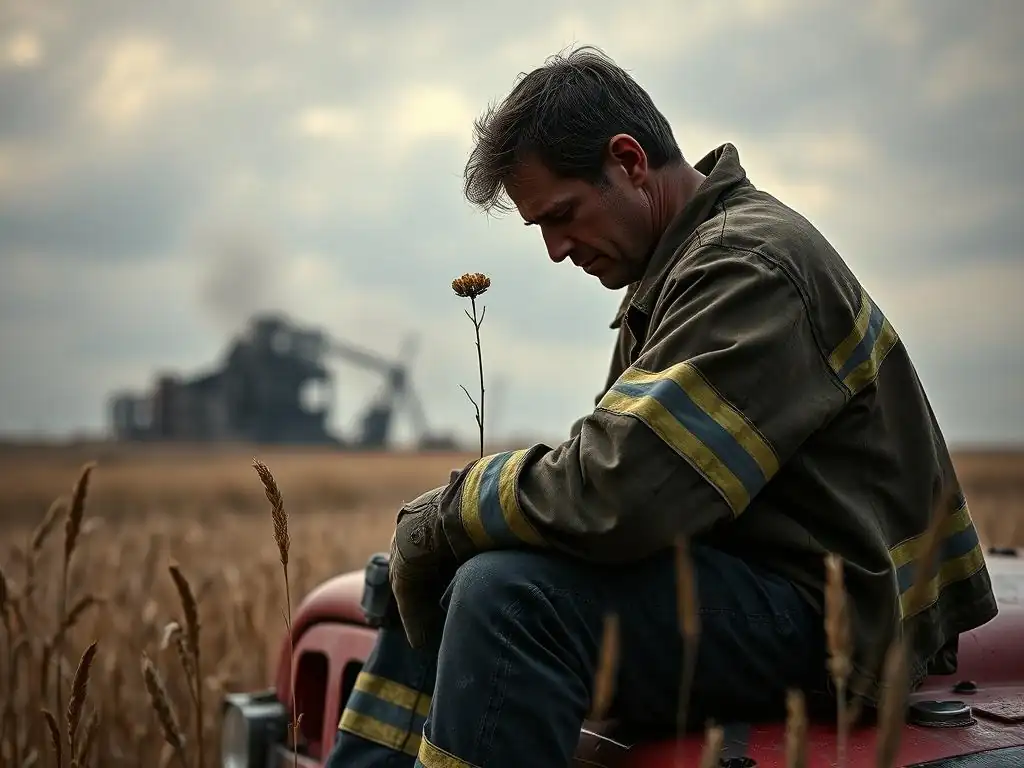
Welcome to Mind Care Guide.
Do you carry the weight of witnessing events that challenge your deepest values? This space is dedicated to understanding the unique struggles faced by those who serve on the front lines. Dive into our comprehensive guide on first responder moral injury and discover pathways to healing and resilience. We're here to help you navigate the complexities of trauma and find the support you deserve. Let's explore this crucial topic together.
The Weight of Witnessing: How Moral Injury Impacts First Responders
- Understanding First Responder Moral Injury: A Trauma of Conscience
- What Causes Moral Injury in First Responders? Identifying the Triggers
- Symptoms and Signs of Moral Injury in First Responders: Recognizing the Distress
- The Consequences of Untreated Moral Injury in First Responders
- Differentiating Moral Injury from PTSD in First Responders
- Strategies for Healing Moral Injury in First Responders: Finding a Path to Recovery
- Building Resilience and Preventing Moral Injury in First Responders
- Resources for First Responders Struggling with Moral Injury.
-
Frequently Asked Questions
- What exactly is moral injury, and how does it relate to first responders?
- What are some common symptoms of moral injury in first responders?
- How does moral injury differ from PTSD in first responders?
- What kind of support and resources are available for first responders struggling with moral injury?
- Can moral injury be prevented or mitigated in first responders?
- Final Reflection: The Unseen Wounds of Service
- Unburden Your Heart: Next Steps for Healing
Understanding First Responder Moral Injury: A Trauma of Conscience
Defining Moral Injury in the Context of First Responders
Moral injury is a term used to describe the psychological, social, and spiritual impact of events that violate an individual's core moral beliefs or expectations. Unlike traditional trauma definitions focused on fear for one's life, moral injury arises from actions or inactions that transgress deeply held moral codes.
For first responders – including paramedics, firefighters, police officers, and dispatchers – this often involves witnessing, participating in, or failing to prevent acts that go against their sense of right and wrong, particularly in high-stakes, life-or-death situations. It's not simply about what happened to them, but what they had to do or witness that conflicts with their conscience.
This trauma of conscience can manifest when first responders are forced to make impossible choices under pressure, observe extreme human suffering without being able to intervene effectively, or see trusted colleagues or superiors act unethically. The resulting internal conflict between their actions/observations and their moral compass can lead to profound psychological distress. Understanding first responder moral injury is critical because it requires a different approach to support and treatment than typical trauma responses like PTSD, although overlap is common. It acknowledges the deep ethical and existential wounds sustained in the line of duty.
The Unique Challenges Faced by First Responders
First responders operate in environments where they are routinely exposed to critical incidents involving severe injury, death, and violence. This constant exposure is inherently stressful, but it's the specific nature of their duties – being the first on the scene, making rapid decisions with limited information, and being unable to save everyone – that creates fertile ground for first responder moral injury. They are often expected to maintain composure and professionalism in the face of chaos and tragedy, suppressing natural emotional responses and potentially internalizing the weight of the events they witness or participate in.
Furthermore, the hierarchical structure and demanding culture within many first responder agencies can exacerbate these challenges. Issues like insufficient resources, bureaucratic obstacles hindering effective action, or perceived lack of support from leadership can lead to feelings of betrayal, a significant contributor to moral injury. The unique blend of high-stakes ethical dilemmas, exposure to intense suffering, and potential organizational stressors makes first responders particularly vulnerable to developing this complex form of trauma.
Prevalence of Moral Injury Among First Responders
While precise statistics on the prevalence of first responder moral injury are still emerging and vary across studies and professions, research indicates it is a significant concern. Studies often find that a substantial portion of first responders report exposure to potentially morally injurious events (PMIEs). For instance, surveys among veteran and first responder populations suggest that symptoms consistent with moral injury are reported by a considerable percentage, potentially ranging from 20% to over 50% depending on the specific cohort and assessment tools used.
The impact isn't uniform; factors like years of service, specific roles (e.g., paramedics may witness more unpreventable deaths), and organizational climate can influence vulnerability. Recognizing this prevalence is crucial for developing targeted interventions and support systems. It highlights that experiences leading to first responder moral injury are not isolated incidents but an inherent risk of the profession that demands systemic attention and proactive strategies for prevention and healing.
What Causes Moral Injury in First Responders? Identifying the Triggers
Exposure to Human Suffering and Death
First responders are on the front lines of human tragedy, routinely witnessing scenes of severe injury, illness, and death that most civilians will never encounter. Being present during moments of extreme suffering, such as mass casualty incidents, fatal accidents involving children, or inability to revive a patient despite best efforts, can deeply challenge a first responder's sense of purpose and efficacy. They are trained to save lives and alleviate suffering, and when faced with situations where they cannot, or where the suffering is overwhelming, it can lead to profound feelings of helplessness and guilt.
These exposures are not just visually disturbing; they strike at the core of a first responder's identity as a helper and protector. Witnessing preventable deaths due to circumstances beyond their control, or being involved in situations where the outcome is devastating despite heroic efforts, can create a dissonance between their intentions and the reality of the situation. This dissonance is a powerful trigger for first responder moral injury, leaving lasting psychological scars related to the perceived failure or the sheer weight of the suffering they absorbed.
Betrayal by Leadership or Institutions
A significant pathway to first responder moral injury involves experiencing or witnessing acts of betrayal by those in positions of authority or by the institutions they serve. This can range from observing colleagues engage in misconduct that goes unaddressed, to experiencing retaliation for reporting ethical concerns, or being scapegoated for systemic failures. When first responders feel that their agency or leadership prioritizes politics, public image, or budget constraints over the well-being of their personnel or the ethical delivery of service, it violates their trust and sense of loyalty.
Such betrayals can be deeply damaging because they undermine the foundation of trust essential in high-risk professions. Feeling unsupported, undervalued, or actively harmed by the very system they are sworn to uphold can lead to profound disillusionment, cynicism, and a loss of faith not only in the institution but also in the principles they believed they were serving. This type of organizational trauma is a potent factor contributing to the development of first responder moral injury.
Perpetrating, Failing to Prevent, or Witnessing Acts That Violate Moral Beliefs
Moral injury can stem directly from a first responder's own actions or inactions in morally ambiguous or difficult situations. This could involve making a split-second decision under extreme duress that results in an unintended negative outcome, or being forced by circumstances or orders to act in a way that violates their personal moral code. Examples might include using force that feels excessive in hindsight, having to prioritize one life over another due to limited resources, or being unable to provide comfort or dignity to a dying person due to operational demands.
Equally impactful is failing to prevent a harmful act when they felt they should have, or witnessing colleagues engage in behavior they deem unethical or harmful without being able to intervene effectively. This inaction, whether due to fear of reprisal, systemic constraints, or overwhelming circumstances, can leave a deep wound on the conscience. The internal conflict and self-condemnation that follow these experiences are central to the development of first responder moral injury, often leading to persistent guilt and shame.
The Impact of Resource Scarcity and Systemic Failures
First responders often work within systems that are under-resourced, understaffed, or burdened by bureaucratic inefficiencies. These systemic limitations can directly contribute to first responder moral injury by creating situations where responders feel unable to provide the level of care or protection they believe is necessary and morally required. Being unable to reach a scene quickly due to staffing shortages, lacking essential equipment to save a life, or being forced to follow policies that seem counterproductive to public safety or individual well-being can all lead to moral distress.
When first responders perceive that negative outcomes are a result of systemic failures rather than individual shortcomings, yet they are the ones directly facing the consequences and the suffering, it can lead to a profound sense of frustration and moral compromise. They may feel compelled to act in ways that are less than ideal due to these constraints, creating a conflict between their professional standards and the harsh reality of their operating environment. This constant struggle against systemic barriers is a significant, often overlooked, contributor to first responder moral injury.
Symptoms and Signs of Moral Injury in First Responders: Recognizing the Distress

Emotional and Psychological Symptoms
Guilt, Shame, and Self-Condemnation
One of the hallmark emotional responses associated with first responder moral injury is intense guilt and shame. Unlike the fear-based anxiety often seen in PTSD, the distress in moral injury centers around feelings of having violated one's own moral code. Responders may feel overwhelming guilt about actions taken or not taken during critical incidents, or profound shame about their perceived failures or limitations in preventing suffering or death. This guilt and shame can be persistent, intrusive, and deeply painful, leading to constant rumination about past events.
Self-condemnation is a frequent companion to these feelings. First responders might internalize blame for outcomes that were beyond their control or hold themselves to impossibly high standards. They may repeatedly tell themselves they "should have done more" or "should have known better," even when their actions were appropriate or the only option available under extreme circumstances. This internal judgment is a core component of the psychological burden carried by those experiencing first responder moral injury.
Anger, Rage, and Cynicism
Moral injury can also manifest as significant anger and rage, often directed outwards towards the system, leadership, or even the public, or inwards towards themselves. This anger stems from feelings of betrayal, injustice, and frustration over situations where they felt powerless or compromised. Responders might feel intense rage towards perpetrators of violence, but also towards bureaucratic hurdles or perceived incompetence that hindered their ability to act effectively.
Cynicism is a common coping mechanism, a protective shell developed to shield against further emotional pain and disappointment. First responders with moral injury may become deeply cynical about their profession, their colleagues, the public they serve, or the fundamental fairness of the world. This can lead to a jaded outlook, difficulty trusting others, and a pervasive sense of hopelessness, significantly impacting their relationships and job satisfaction.
Feelings of Betrayal and Loss of Trust
Experiencing or witnessing unethical behavior, lack of support, or being misled by leadership can shatter a first responder's trust in their organization and colleagues. This sense of betrayal is a direct emotional consequence of events that violate expectations of loyalty, integrity, and mutual support within the profession. They may feel abandoned or sacrificed by the very institution they dedicated their lives to serving.
This loss of trust often extends beyond the workplace, impacting personal relationships. Difficulty trusting others, including family and friends, can lead to isolation and strained connections. The feeling that those they relied on let them down can be a profound source of pain and contribute significantly to the emotional landscape of first responder moral injury.
Difficulty with Empathy and Compassion Fatigue
While not exclusive to moral injury, difficulty maintaining empathy and experiencing compassion fatigue can be exacerbated by repeated exposure to suffering combined with the moral burden of the job. When a first responder's capacity to care is overwhelmed, or when they feel morally compromised by their experiences, they may develop emotional numbing as a defense mechanism. This can manifest as difficulty connecting with the suffering of others, feeling detached, or becoming less responsive to emotional cues.
This reduced empathy is not a sign of callousness but a symptom of profound psychological strain and potentially moral injury. It can make it challenging to perform their duties effectively, impact their interactions with the public, and create distance in personal relationships. Managing this aspect requires understanding it as a symptom of distress, not a character flaw.
Behavioral Symptoms
Social Withdrawal and Isolation
First responders grappling with moral injury often exhibit behavioral changes, with social withdrawal being a prominent one. The feelings of guilt, shame, and alienation can make it difficult to connect with others, even loved ones. They may fear being misunderstood, judged, or burdening others with the weight of their experiences. This leads to pulling away from social activities, friends, and family, deepening their sense of isolation.
This isolation can become a vicious cycle, as reduced social support makes it harder to cope with distress, potentially worsening symptoms of first responder moral injury. They might spend more time alone, avoid talking about their work, and struggle to maintain meaningful connections outside of the job, or even within it if trust has been broken.
Substance Abuse and Self-Destructive Behaviors
Coping with the intense emotional pain of moral injury often involves maladaptive strategies, including substance abuse. Alcohol or drugs may be used to numb feelings of guilt, shame, anger, or despair. This can quickly escalate from occasional use to dependence, creating additional problems in their lives.
Other self-destructive behaviors might include reckless driving, excessive risk-taking on or off duty, neglect of personal health, or engaging in other harmful activities. These behaviors can be an attempt to escape the psychological pain, punish themselves, or feel something other than the overwhelming negative emotions associated with first responder moral injury.
Difficulty Functioning at Work or Home
The psychological and emotional burden of moral injury can significantly impair a first responder's ability to function effectively in both their professional and personal lives. At work, symptoms like impaired concentration, irritability, emotional numbing, and cynicism can affect decision-making, teamwork, and interaction with the public. They might struggle to maintain focus, make errors, or become withdrawn from their colleagues.
At home, the symptoms can strain relationships. Withdrawal, irritability, emotional unavailability, and potential substance abuse can lead to conflict, distance from partners and children, and difficulty fulfilling family responsibilities. The pervasive distress of first responder moral injury makes it challenging to be fully present and engaged in either domain.
Spiritual and Existential Symptoms
Questioning Beliefs and Values
Moral injury often strikes at the core of a person's belief system. First responders may begin to question their fundamental values, their understanding of justice, fairness, and humanity after witnessing or participating in events that contradict these beliefs. They might struggle with the concept of a just world or grapple with the nature of good and evil, particularly after seeing the depths of human cruelty or suffering.
This questioning can extend to deeply held spiritual or religious beliefs. Events that lead to first responder moral injury might challenge their faith, leading to doubts about divine justice, the existence of a higher power, or the meaning of suffering. This spiritual struggle adds another layer of complexity to their distress.
Loss of Meaning and Purpose
A profound sense of meaning and purpose is often derived from serving others, upholding justice, and protecting the community – core tenets of first responder roles. However, experiences leading to moral injury can erode this sense of purpose. Feeling compromised, betrayed, or ineffective in the face of overwhelming tragedy or systemic barriers can lead to a loss of the belief that their work truly makes a difference or that their sacrifices are meaningful.
This existential void can be deeply distressing. When the very foundation of their professional identity is shaken, first responders may struggle to find motivation or feel connected to their mission. This loss of meaning is a direct consequence of the moral and ethical conflicts inherent in first responder moral injury.
Feelings of Hopelessness and Despair
The cumulative weight of guilt, shame, anger, betrayal, and loss of meaning can lead to overwhelming feelings of hopelessness and despair. First responders with moral injury may feel trapped by their experiences, believing that their actions or what they witnessed are unforgivable or irreparable. They might see no way out of their emotional pain and feel a profound sense of futility about the future.
This despair is a critical symptom and a significant risk factor for severe outcomes. It reflects a deep internal wound that goes beyond situational sadness, representing a fundamental challenge to their identity and place in the world. Addressing this requires acknowledging the depth of their suffering and providing pathways towards healing and meaning reconstruction.
The Consequences of Untreated Moral Injury in First Responders
Increased Risk of PTSD, Depression, and Anxiety
Untreated first responder moral injury significantly increases the risk of developing other serious mental health conditions. While distinct from PTSD in its origin, the two often co-occur, with moral injury symptoms exacerbating or complicating PTSD. The constant rumination, guilt, and shame associated with moral injury can fuel the hyperarousal and intrusive thoughts characteristic of PTSD.
Furthermore, the feelings of hopelessness, worthlessness, and social withdrawal common in moral injury are strong predictors of depression. The chronic stress, anxiety about future moral conflicts, and difficulty trusting others can also lead to generalized anxiety disorders. A study published around 2018 indicated that first responders reporting symptoms of moral injury had significantly higher rates of depression and anxiety compared to their peers.
Suicidal Ideation and Attempts Among First Responders
Perhaps the most tragic potential consequence of untreated first responder moral injury is the increased risk of suicidal ideation and attempts. The overwhelming feelings of guilt, shame, self-condemnation, and despair, combined with social isolation and loss of purpose, create a dangerous emotional landscape. When first responders feel unforgivable or believe they are a burden, the risk escalates dramatically.
While data specifically linking suicide directly and solely to moral injury is complex to isolate, studies consistently show elevated suicide rates among first responders compared to the general population. Research suggests that experiences consistent with moral injury are potent contributors to suicidal thinking in military veterans, and similar mechanisms are believed to be at play in first responder populations. Addressing moral injury is therefore a critical component of suicide prevention efforts in these professions.
Relationship Problems and Family Dysfunction
The emotional and behavioral symptoms of untreated first responder moral injury inevitably spill over into personal relationships. Withdrawal, irritability, emotional numbing, difficulty with trust, and substance abuse can create significant distance and conflict within families. Partners and children may struggle to understand the changes in their loved one, leading to frustration, resentment, and breakdown in communication.
The first responder may find it hard to be emotionally available, share their experiences, or connect on a deep level, further isolating themselves. The stress on the family unit can be immense, sometimes leading to separation or divorce. Supporting the families of first responders is therefore just as important as supporting the responders themselves when addressing the impact of moral injury.
Career Burnout and Attrition
The cumulative stress and moral burden of untreated first responder moral injury can lead to severe burnout. The loss of meaning and purpose, combined with emotional exhaustion and cynicism, makes it incredibly difficult to continue in the profession. Responders may feel disillusioned, ineffective, and trapped in a job that is causing them profound pain.
This can result in decreased job performance, increased absenteeism, and ultimately, attrition. Experienced first responders, vital assets to their communities, may leave the profession prematurely due to the unbearable weight of moral injury. This represents a significant loss of talent and experience, impacting the capacity of agencies to provide essential services. Retaining experienced personnel requires addressing the factors contributing to first responder moral injury and providing effective support.
Differentiating Moral Injury from PTSD in First Responders
Key Differences in Etiology and Symptoms
While both Post-Traumatic Stress Disorder (PTSD) and moral injury result from exposure to traumatic events, their core origins and symptom profiles differ. PTSD is primarily linked to events that involve a threat to one's life or physical integrity, or witnessing such threats, leading to a fear-based response characterized by re-experiencing the trauma, avoidance, negative alterations in cognition/mood, and hyperarousal. The central emotion in PTSD is often fear.
In contrast, first responder moral injury stems from events that violate one's moral or ethical code. The distress is not primarily fear-based but revolves around internal conflict, guilt, shame, betrayal, and loss of trust. Symptoms are less about re-experiencing a terrifying threat and more about persistent self-condemnation, anger about injustice, questioning beliefs, and social alienation rooted in shame or distrust. While there can be overlap, the focus of the psychological pain is different – threat vs. transgression.
Overlap and Comorbidity of Moral Injury and PTSD
It is crucial to understand that first responder moral injury and PTSD are not mutually exclusive; they frequently co-occur. The same critical incident can involve both a threat to life (leading to PTSD) and a moral transgression or dilemma (leading to moral injury). For example, a firefighter trapped in a burning building might fear for their life (PTSD trigger) but also feel profound guilt if they couldn't save everyone (moral injury trigger).
Research indicates high rates of comorbidity between symptoms of PTSD and moral injury in first responder populations. A study published in 2020 involving police officers found that a significant percentage reported symptoms consistent with both conditions. This overlap means that treatment approaches need to be comprehensive, addressing both the fear-based responses of PTSD and the guilt, shame, and existential distress of moral injury. Simply treating PTSD may not resolve the unique burden of first responder moral injury.
The Importance of Accurate Diagnosis for Effective Treatment
Given the distinct nature of moral injury, even when comorbid with PTSD, accurate identification is essential for effective treatment. Therapeutic approaches designed primarily for PTSD might not fully address the core issues of guilt, shame, and betrayal central to first responder moral injury. For instance, exposure therapy, effective for PTSD by reducing fear responses, may not be appropriate or sufficient for processing moral transgressions.
A thorough assessment that specifically screens for symptoms of moral injury, in addition to PTSD and other conditions, allows clinicians to tailor interventions. Recognizing the presence of moral injury guides the therapeutic process towards addressing ethical conflict, facilitating forgiveness (of self and others), reconstructing meaning, and rebuilding trust. Without accurately diagnosing first responder moral injury, treatment may only partially alleviate suffering, leaving the core wounds of conscience unaddressed.
Strategies for Healing Moral Injury in First Responders: Finding a Path to Recovery

Individual Therapy Approaches
Cognitive Processing Therapy (CPT) for Moral Injury
While CPT is well-established for PTSD, adaptations have shown promise for addressing moral injury. CPT helps individuals identify and challenge distorted thoughts and beliefs related to traumatic events. For first responder moral injury, this involves focusing on "stuck points" related to guilt, shame, blame, and trust violations. The therapy helps responders process events by examining their interpretations and beliefs about themselves, others, and the world, particularly concerning right and wrong, duty, and responsibility.
By working through accounts of morally injurious events, responders learn to challenge unhelpful thinking patterns, such as believing they are solely responsible for negative outcomes or that they are unforgivable. This process helps to reduce the intensity of negative emotions like guilt and shame and can facilitate a more balanced and compassionate view of themselves and the difficult circumstances they faced, aiding recovery from first responder moral injury.
Acceptance and Commitment Therapy (ACT) for Moral Distress
Acceptance and Commitment Therapy (ACT) offers a different but valuable approach for first responder moral injury. ACT focuses on accepting difficult thoughts and feelings rather than trying to eliminate them, while committing to actions aligned with personal values. For moral distress, this involves helping responders acknowledge the pain, guilt, or anger associated with morally injurious events without getting consumed by them.
ACT encourages identifying core values (e.g., service, compassion, integrity) that may feel compromised by the trauma. Therapy then focuses on committing to behaviors that reflect these values in the present, even while carrying the weight of past experiences. This can help responders reconnect with their sense of purpose and build a meaningful life despite the presence of moral wounds, providing a path forward for those struggling with first responder moral injury.
Narrative Therapy and Meaning Reconstruction
Narrative therapy is particularly well-suited for addressing the existential and spiritual components of first responder moral injury. This approach helps individuals externalize the problem (seeing moral injury as something separate from their core identity) and re-author their life story. It involves exploring the events that caused distress and finding ways to integrate them into a broader, more coherent narrative that acknowledges the pain but also highlights resilience, values, and growth.
Meaning reconstruction is a key element, helping responders find renewed purpose and understanding after their beliefs have been shattered. This might involve exploring how their experiences have shaped them, identifying lessons learned, or finding new ways to live in accordance with their values. By helping first responders make sense of their morally injurious experiences within the context of their life story, narrative therapy can facilitate healing and recovery from the deep wounds of conscience.
Group Therapy and Peer Support
Creating a Safe Space for Sharing Experiences
Group therapy and peer support provide invaluable opportunities for first responders to connect with others who understand the unique challenges of their profession and the potential for moral injury. Sharing experiences in a safe, confidential environment with peers who have faced similar situations can significantly reduce feelings of isolation and shame. Hearing others voice similar struggles validates their own pain and normalizes their reactions.
Facilitated group sessions focused on moral injury can provide structured ways to process difficult events, explore shared ethical dilemmas, and develop collective coping strategies. This shared experience fosters a sense of community and belonging, counteracting the isolation that often accompanies first responder moral injury.
Reducing Stigma and Fostering Connection
Stigma surrounding mental health, especially in hyper-masculine or stoic cultures common in first responder agencies, can prevent individuals from seeking help. Group and peer support environments directly challenge this stigma by creating spaces where vulnerability is accepted and encouraged. Seeing respected colleagues openly discuss their struggles can empower others to do the same.
Fostering connection through peer support networks builds resilience. Knowing there are others who 'get it' and are available to listen or offer support creates a vital safety net. These connections can be formal peer support programs or informal networks, all playing a crucial role in mitigating the effects of first responder moral injury and promoting long-term well-being.
Organizational and Systemic Interventions
Promoting Ethical Leadership and Accountability
Addressing first responder moral injury requires looking beyond individual treatment to the organizational environment. Ethical leadership is paramount. Leaders who model integrity, prioritize the well-being of their personnel, and create a culture of accountability can significantly reduce triggers for moral injury related to betrayal and injustice. This includes addressing misconduct swiftly and fairly and ensuring transparency in decision-making processes, especially concerning critical incidents.
Organizations must also establish clear ethical guidelines and provide mechanisms for reporting concerns without fear of retaliation. When first responders trust their leadership and believe in the integrity of their institution, they are better equipped to navigate morally challenging situations and are less likely to experience betrayal-induced moral injury.
Addressing Resource Scarcity and Systemic Failures
Agencies must actively work to address the systemic issues that contribute to first responder moral injury, such as chronic understaffing, outdated equipment, or inefficient policies. While resource limitations are often a reality, openly acknowledging these challenges, advocating for necessary resources, and involving responders in finding solutions can mitigate feelings of frustration and moral compromise.
Implementing policies that support ethical decision-making under pressure and providing clear guidance for navigating complex situations can also help. When responders feel that the system supports them in upholding their moral obligations, even in difficult circumstances, it reduces the burden of perceived failure stemming from systemic limitations.
Providing Education and Training on Moral Injury
Education and training on moral injury are essential preventative and supportive measures. First responders need to understand what moral injury is, how it differs from other forms of trauma, and that it is a predictable consequence of their work, not a sign of personal weakness. Training should cover potential triggers, recognition of symptoms in themselves and others, and available resources.
Such training should begin early in a responder's career and continue throughout. It helps destigmatize the condition and empowers responders to identify their experiences and seek help sooner. Knowledge about first responder moral injury allows individuals and agencies to proactively address risks and build resilience before crises occur.
Building Resilience and Preventing Moral Injury in First Responders
Developing Coping Mechanisms and Self-Care Strategies
Proactive development of healthy coping mechanisms and self-care strategies is vital for building resilience against the stressors that can lead to first responder moral injury. This includes establishing routines for physical activity, ensuring adequate sleep, practicing mindfulness or meditation, and engaging in hobbies that provide respite and joy. These practices help regulate the nervous system and provide a buffer against chronic stress and emotional overload.
Learning specific coping skills, such as distress tolerance, emotional regulation techniques, and effective communication, can also equip responders to navigate difficult situations and process their experiences in a healthy way. Prioritizing self-care is not selfish; it is a necessary component of maintaining the capacity to serve and mitigating the long-term impact of potential first responder moral injury.
Strong social support networks are a powerful protective factor against the negative effects of trauma and moral injury. Encouraging first responders to cultivate and maintain close relationships with family, friends, and trusted peers provides essential emotional support. These connections offer a space to debrief, share burdens, and receive validation and understanding.
Agencies can facilitate this by fostering a supportive peer environment and promoting the use of formal peer support programs. Having colleagues they trust and can confide in creates a crucial safety net. Building and nurturing these relationships outside of critical incidents provides a foundation of support to rely on when faced with the challenges that can lead to first responder moral injury.
Cultivating Meaning and Purpose
Reconnecting with or cultivating a sense of meaning and purpose is a powerful antidote to the existential distress caused by moral injury. This can involve reflecting on the core values that initially drew them to the profession and finding ways to reaffirm those values in their daily work or personal life. Engaging in activities outside of work that are personally fulfilling, contribute to the community in different ways, or align with deeply held beliefs can also help.
For some, this might involve spiritual practices; for others, it could be volunteering, mentoring, or pursuing creative interests. Finding ways to see the impact of their work, even amidst tragedy, or finding meaning in other aspects of life provides a counterbalance to the disillusionment that can accompany first responder moral injury.
Fostering Ethical Decision-Making Skills
Providing ongoing training and support for ethical decision-making is a preventative measure against first responder moral injury. Complex, high-pressure situations often involve moral ambiguity. Training that helps responders identify ethical dilemmas, understand relevant policies and values, and practice making difficult choices in simulation can increase their confidence and competence.
Discussion-based training where responders can explore hypothetical or past scenarios in a safe environment allows them to process the ethical complexities and develop strategies for navigating future challenges. Feeling prepared and supported in making difficult ethical choices can reduce the likelihood of experiencing debilitating guilt or shame related to actions taken under pressure, thereby helping to prevent first responder moral injury.
Resources for First Responders Struggling with Moral Injury.
First responders experiencing symptoms of moral injury are not alone and help is available. Many organizations offer resources specifically tailored to the unique needs of public safety personnel.
- Employee Assistance Programs (EAPs) provided by agencies often offer confidential counseling services.
- Peer support teams composed of fellow first responders who have received training in providing support.
- Mental health professionals with experience treating trauma and moral injury in first responders.
- Non-profit organizations dedicated to first responder mental health, offering a range of services from retreats to therapy referrals.
- Crisis hotlines specifically for first responders or general mental health crises.
Seeking help is a sign of strength and is crucial for healing and recovery from first responder moral injury. Reaching out to one of these resources is the first step towards finding support and developing strategies to cope with the weight of witnessing.
Frequently Asked Questions
What exactly is moral injury, and how does it relate to first responders?
Moral injury refers to the psychological distress resulting from actions, or inactions, that violate one's moral code. For first responders, this can stem from witnessing or participating in events that conflict with their deeply held beliefs.
What are some common symptoms of moral injury in first responders?
Symptoms can manifest as intense guilt, shame, or anger, often accompanied by feelings of betrayal or loss of trust. Other signs include difficulty sleeping, anxiety, and social isolation.
How does moral injury differ from PTSD in first responders?
While both can occur together, moral injury focuses on the violation of moral principles, while PTSD centers on fear-based responses to traumatic events. Moral injury involves internal conflict regarding right and wrong.
What kind of support and resources are available for first responders struggling with moral injury?
Mind Care Guide offers information, support, and resources specifically tailored to address moral injury. These resources include therapy options, peer support networks, and educational materials.
Can moral injury be prevented or mitigated in first responders?
Proactive measures include pre-incident training on ethical decision-making and post-incident debriefing to process emotionally challenging experiences. Promoting open communication and mental health awareness is also crucial.
Final Reflection: The Unseen Wounds of Service
The pervasive impact of moral injury on first responders is not merely a statistic; it's a crisis demanding immediate attention. The stories shared throughout this article highlight the profound psychological toll of witnessing trauma, revealing a silent epidemic that undermines the well-being of those who dedicate their lives to protecting others. This isn't simply about PTSD; it's about the deep moral conflict, the shattering of beliefs, and the lingering sense of guilt and helplessness that plague first responders long after the sirens fall silent.
The ongoing struggle to address moral injury within the first responder community underscores the urgent need for systemic change. We must move beyond a culture of stoicism and silence, fostering environments where vulnerability is strength, and seeking help is not a sign of weakness, but a testament to resilience. The most common way people give up their power is by thinking they don't have any.
– Alice Walker. This quote resonates deeply, as many first responders internalize their struggles, believing they lack the resources or support to overcome them. This belief must be challenged.
You, the reader, are now equipped with a deeper understanding of this critical issue. Consider how you can contribute to a more supportive and understanding environment for first responders in your community. Whether it's advocating for better mental health resources, raising awareness among your peers, or simply offering a listening ear, your actions can make a profound difference.
Let us collectively work to ensure that those who bravely face our darkest moments are not left to bear the weight of their experiences alone. Let's build a future where healing and support are as readily available as the call to duty.
Unburden Your Heart: Next Steps for Healing
Thanks for taking the time to explore the complex issue of moral injury affecting first responders. We hope this article shed light on the challenges you face and provided some initial understanding. Now, let's move forward together.
- Prioritize self-care: Schedule a session with a therapist or counselor specializing in trauma – this is crucial for processing your experiences and building resilience. This is the most important step to healing and rebuilding.
- Connect with your peers: Share this article with fellow first responders – fostering open conversations within your community can break down isolation and create a powerful support network.
- Explore additional resources: Discover more tools and techniques for healing by visiting MindCareGuide.org and searching "moral injury." You might find a supportive group or insightful articles.
What steps will you take today to prioritize your mental well-being and support those around you facing similar struggles?