
The Neurobiology of Moral Injury: What Happens in the Brain

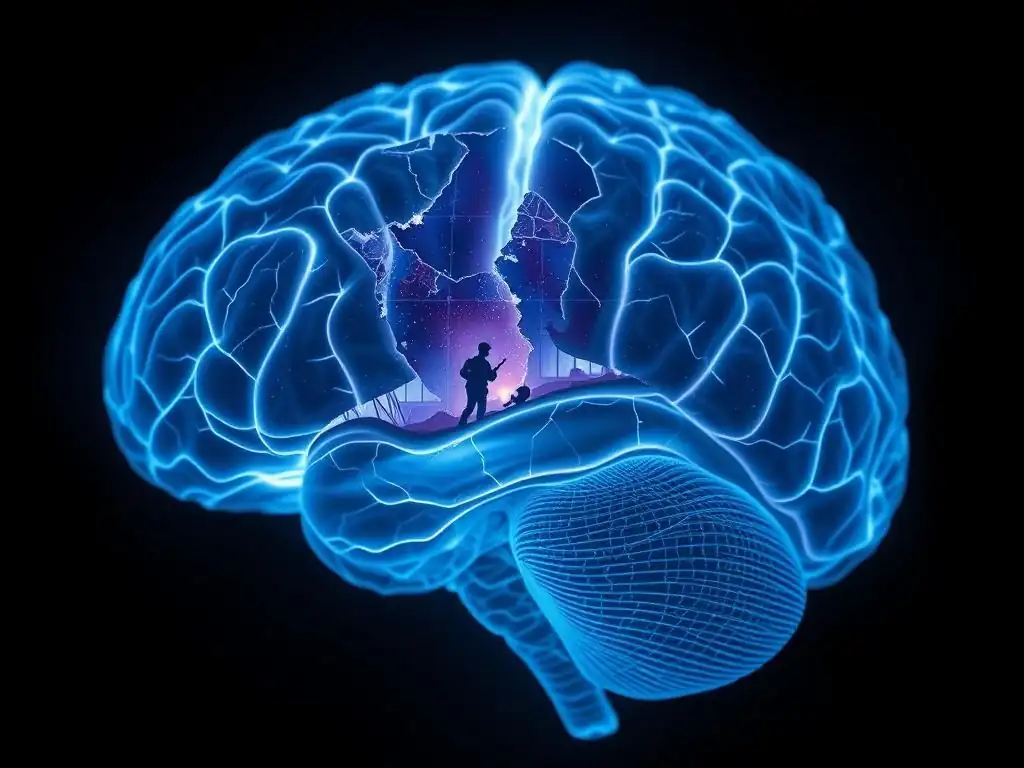
Welcome to Mind Care Guide, a compassionate space dedicated to understanding and nurturing your mental well-being.
Have you ever wondered how deeply traumatic experiences can reshape the very fabric of our minds? Our exploration into moral injury brain changes sheds light on the neurological impact of profound moral transgressions. Delve into this crucial topic within our Trauma & Stress-Related Disorders category and begin your journey towards healing and understanding. What happens to the brain when our core values are violated, and what pathways can lead to recovery? Let's explore together...
- Understanding the Neurobiology of Moral Injury: How Trauma Impacts the Brain
- What is Moral Injury? A Definition and Introduction
- Moral Injury Brain Changes: Exploring the Neurological Impact
- Key Brain Regions Affected by Moral Injury
- Neurotransmitter Imbalances in Moral Injury
- The Impact of Moral Injury on Brain Connectivity
- Neuroimaging Studies of Moral Injury: What the Research Shows
- The Link Between Moral Injury and Mental Health Conditions
- Addressing Moral Injury: Neurobiological Approaches to Treatment
- The Future of Moral Injury Research: Advancing Our Understanding of the Brain
- Seeking Help for Moral Injury: Resources and Support
-
Frequently Asked Questions
- What is moral injury, and how does it relate to brain changes?
- Which brain areas are most affected by moral injury?
- How does moral injury differ from PTSD in terms of brain function?
- Can brain changes caused by moral injury be reversed or mitigated?
- What resources are available to learn more about moral injury and its impact on the brain?
- Final Reflection: The Enduring Weight of Moral Injury
- Uncover Your Moral Resilience: Next Steps to Healing
Understanding the Neurobiology of Moral Injury: How Trauma Impacts the Brain
Moral Injury: A Mind-Body Guide Exploring Neurological Effects
Moral injury, often described as a trauma of conscience, arises from actions, inactions, or witnessing events that transgress deeply held moral beliefs or values. While it is distinct from traditional trauma like PTSD, which primarily focuses on fear-based responses to life-threatening events, moral injury profoundly impacts an individual's psychological and emotional state, leading to intense feelings of guilt, shame, betrayal, and difficulty trusting others.
Understanding the intricate relationship between the mind and body in this context is crucial, as the brain, the central processing unit for our moral compass and emotional responses, is significantly affected. Exploring these moral injury brain changes provides critical insights into the depth of this suffering.
The neurological effects of moral injury are an emerging area of research, but evidence from related trauma studies suggests that the brain undergoes notable alterations. These changes aren't just abstract concepts; they manifest in tangible ways, influencing how individuals regulate emotions, process memories, make decisions, and relate to others.
For example, chronic activation of stress response systems can lead to changes in brain structure and function, particularly in areas responsible for threat detection and emotional regulation. Recognizing these moral injury brain changes helps validate the profound internal struggle experienced by those affected and underscores the need for targeted, informed support.
What is Moral Injury? A Definition and Introduction
Defining Moral Injury: Beyond PTSD and Traditional Trauma
Moral injury is defined as the psychological, social, and spiritual impact of witnessing or participating in acts that violate one's moral code. Unlike Post-Traumatic Stress Disorder (PTSD), which is fundamentally linked to the fear response triggered by perceived threats to life or physical integrity, moral injury centers on the distress caused by events that challenge one's ethical framework.
It is not listed in diagnostic manuals like the DSM-5 as a formal disorder but is widely recognized within clinical and research communities, particularly in populations exposed to high-stress, ethically challenging environments such as military personnel, healthcare providers during crises, and first responders. The core of moral injury lies in the internal conflict and subsequent emotional pain arising from the violation of deeply held values.
While PTSD might involve flashbacks and hyperarousal stemming from a threat, moral injury often manifests as pervasive guilt, shame, self-condemnation, and a sense of alienation. For instance, a military medic might experience moral injury from being unable to save everyone, or a healthcare worker might feel it from having to ration care during a pandemic – situations where actions or inactions clash with their inherent duty to protect and heal.
These experiences can lead to significant moral injury brain changes that differ in subtle but important ways from the brain changes seen in PTSD, reflecting the distinct emotional and cognitive nature of this type of trauma.
The Role of Moral Values and Beliefs in Moral Injury
An individual's pre-existing moral values, beliefs, and expectations are foundational to their susceptibility to moral injury. These values act as an internal compass, guiding behavior and shaping identity. When confronted with situations that require or involve transgressing these deeply ingrained principles, the resulting internal conflict can be devastating. The strength and nature of these values, as well as the perceived severity of the transgression, significantly influence the intensity of the moral injury experienced. For someone with a strong belief in the sanctity of life, being involved in or witnessing death in ethically compromising circumstances can be particularly damaging.
The cognitive dissonance created when actions clash with values triggers a powerful emotional and psychological response. This internal turmoil can manifest as feelings of betrayal (either by oneself or by trusted authorities/institutions), profound guilt over actions taken, or intense shame over perceived failures or inactions. This psychological stress, when chronic, can contribute to observable moral injury brain changes, affecting the neural circuits involved in self-processing, emotion regulation, and social cognition. Understanding an individual's moral framework is therefore essential in comprehending the root of their suffering and the potential pathways for healing.
Moral Injury Brain Changes: Exploring the Neurological Impact
The Neuroscience of Moral Injury: An Integrated Perspective
The neuroscience of moral injury is an evolving field, drawing insights from research on trauma, guilt, shame, and ethical decision-making. While specific studies directly mapping moral injury brain changes are still relatively nascent compared to PTSD research, existing literature provides a strong basis for understanding the likely neural correlates.
Moral injury doesn't typically result from a single, isolated physical threat, but rather from complex cognitive and emotional processing of ethically challenging events. This suggests that while some overlap with PTSD brain changes exists, particularly in areas related to stress response, moral injury likely involves unique patterns of activity and connectivity in regions associated with self-referential thought, social cognition, and value processing.
An integrated perspective considers how the brain's emotional, cognitive, and social processing systems interact following morally injurious events. This involves understanding not just changes in individual brain regions but also alterations in the networks connecting them. For instance, the interplay between areas involved in processing threat (like the amygdala), regulating emotions and making decisions (like the prefrontal cortex), and forming memories (like the hippocampus) is crucial.
Furthermore, regions involved in empathy, theory of mind, and self-evaluation are likely central to the experience of guilt, shame, and betrayal inherent in moral injury. Investigating these complex interactions is key to fully mapping the moral injury brain changes.
Key Brain Regions Affected by Moral Injury
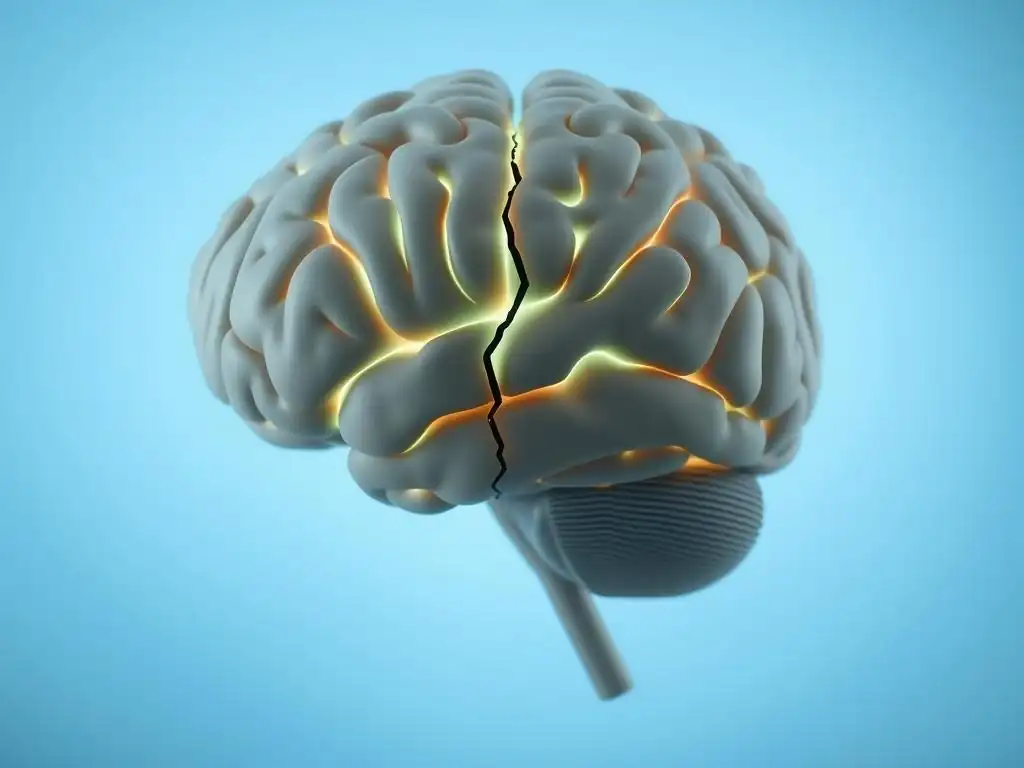
The Amygdala and Moral Injury: Heightened Emotional Reactivity
The amygdala, a small almond-shaped structure deep within the temporal lobe, is a key player in processing emotions, particularly fear and threat detection. In the context of trauma, including moral injury, the amygdala can become hyperactive, leading to heightened emotional reactivity and an exaggerated startle response. While often associated with the fear response in PTSD, the amygdala's role extends to processing other intense emotions like guilt and shame, central to moral injury. Chronic activation of the amygdala can contribute to persistent feelings of distress, anxiety, and difficulty managing intense emotional states following morally injurious events.
Research on guilt and shame, emotions strongly linked to moral injury, suggests activation in the amygdala when individuals reflect on past transgressions. This heightened activity may contribute to the pervasive emotional burden experienced. Furthermore, impaired connectivity between the amygdala and regulatory areas like the prefrontal cortex can leave individuals less able to dampen these intense emotions, contributing to a state of chronic emotional dysregulation. Understanding the amygdala's potential moral injury brain changes helps explain the persistent emotional pain and reactivity.
The Prefrontal Cortex and Moral Injury: Executive Function Deficits
The prefrontal cortex (PFC), located at the front of the brain, is responsible for executive functions such as decision-making, planning, impulse control, and regulating emotions. It plays a critical role in evaluating situations, considering consequences, and integrating complex information, including moral reasoning. In trauma, including potentially moral injury, the PFC's function can be impaired. This can manifest as difficulties with concentration, problems with decision-making (especially ethical dilemmas), poor impulse control, and challenges in regulating intense emotions originating from areas like the amygdala.
Specific areas within the PFC, such as the ventromedial prefrontal cortex (vmPFC) and the dorsolateral prefrontal cortex (dlPFC), are particularly relevant. The vmPFC is involved in processing risk and fear, and linking outcomes to emotional responses, while the dlPFC is crucial for working memory and cognitive control. Studies suggest that trauma can disrupt the balance between the PFC and subcortical emotional regions. In moral injury, impaired PFC function might contribute to rumination on past events, difficulty resolving internal conflicts, and challenges in adjusting beliefs or behaviors, all reflecting potential moral injury brain changes in this critical area.
The Hippocampus and Moral Injury: Autobiographical Memory Impairment
The hippocampus, another structure within the temporal lobe, is vital for forming and consolidating new memories, including autobiographical memories – memories of personal experiences. Trauma can significantly impact hippocampal function, sometimes leading to difficulties remembering details of the traumatic event or, conversely, experiencing intrusive, fragmented memories (flashbacks). While PTSD research has extensively documented hippocampal volume reduction and dysfunction, its role in moral injury is also significant, particularly regarding the memory of the morally challenging event itself.
Recalling morally injurious events often involves reliving not just the sensory details but the profound emotional and ethical conflict. The hippocampus, in conjunction with other brain areas, stores these complex memories. Dysregulation in the hippocampus might contribute to difficulties processing the event cohesively, leading to fragmented recollections or a persistent feeling of being stuck in the moment of transgression. Alterations in hippocampal function could represent specific moral injury brain changes that impact how individuals integrate the morally challenging experience into their life narrative, hindering resolution and recovery.
The Anterior Cingulate Cortex (ACC) and Moral Injury: Cognitive and Emotional Conflict
The Anterior Cingulate Cortex (ACC), located in the front part of the cingulate cortex, plays a crucial role in detecting errors, monitoring conflicts (both cognitive and emotional), and regulating pain and distress. It acts as an interface between emotional and cognitive processing, signaling when there is a discrepancy between expected and actual outcomes, or when a choice involves conflicting options. In the context of moral injury, the ACC is highly relevant due to the inherent conflict between one's values and the reality of the situation or one's actions within it.
Heightened activity or altered connectivity in the ACC might contribute to the intense feelings of guilt, shame, and internal conflict characteristic of moral injury. The ACC's role in processing social pain and exclusion may also be relevant, given the potential for moral injury to lead to feelings of alienation or worthlessness. Dysfunction in the ACC could exacerbate rumination and make it harder to resolve the cognitive and emotional dissonance, perpetuating the cycle of distress. Investigating the ACC's role is key to understanding specific moral injury brain changes related to processing ethical conflicts and their emotional aftermath.
Neurotransmitter Imbalances in Moral Injury
Serotonin and Moral Injury: Dysregulation and its Effects
Serotonin is a neurotransmitter that plays a significant role in regulating mood, sleep, appetite, and social behavior. Dysregulation of the serotonin system is strongly implicated in mood disorders like depression and anxiety, which frequently co-occur with moral injury. While direct evidence of serotonin imbalances specifically caused by moral injury is limited, the chronic stress and emotional distress associated with the condition are known to impact neurotransmitter systems. Lowered serotonin levels or impaired serotonin signaling could contribute to the pervasive feelings of sadness, hopelessness, and irritability experienced by those with moral injury.
Furthermore, serotonin influences areas of the brain involved in social processing and decision-making. Alterations in serotonin pathways might therefore impact an individual's ability to engage socially, process complex social cues, or navigate ethical dilemmas, potentially exacerbating feelings of isolation or contributing to avoidant behaviors. Understanding the potential moral injury brain changes involving neurotransmitters like serotonin provides targets for pharmacological interventions aimed at managing co-occurring mood symptoms, even if they don't directly address the root cause of the moral injury itself.
Dopamine and Moral Injury: Anhedonia and Motivational Decline
Dopamine is a neurotransmitter associated with pleasure, reward, motivation, and executive functions. Dysfunction in the dopamine system is linked to conditions like depression, where anhedonia (the inability to experience pleasure) and lack of motivation are prominent symptoms. Moral injury can lead to significant anhedonia, a loss of interest in previously enjoyable activities, and a general decline in motivation, consistent with potential alterations in dopamine pathways. The profound guilt and shame can override the brain's reward circuits, making it difficult to find joy or pursue goals.
Chronic stress and trauma, including moral injury, can disrupt the delicate balance of the dopamine system. This disruption might contribute to the withdrawal, apathy, and difficulty experiencing positive emotions often seen in individuals struggling with moral injury. While research is still exploring the specific link, understanding how moral injury brain changes might involve the dopamine system offers insights into the debilitating motivational and emotional symptoms experienced and potential avenues for therapeutic support.
Cortisol and Moral Injury: Chronic Stress and HPA Axis Alterations
Cortisol is the primary stress hormone released by the hypothalamic-pituitary-adrenal (HPA) axis, the body's main stress response system. While acute cortisol release is adaptive, chronic stress, such as that associated with moral injury, can lead to dysregulation of the HPA axis.
This can result in either persistently high cortisol levels or a blunted cortisol response over time, both of which can have detrimental effects on brain health and function. Chronic exposure to elevated cortisol can impair neurogenesis (the creation of new neurons) and contribute to structural changes in areas like the hippocampus and prefrontal cortex, regions already implicated in moral injury.
Dysregulation of the HPA axis and altered cortisol levels are common findings in various trauma-related conditions. In the context of moral injury, the persistent internal conflict and emotional distress can maintain the HPA axis in a state of chronic activation. This neuroendocrine dysregulation represents significant moral injury brain changes that contribute to a range of physical and psychological symptoms, including fatigue, sleep disturbances, impaired cognitive function, and increased vulnerability to physical and mental health issues. Addressing HPA axis dysfunction is often a component of comprehensive trauma treatment.
The Impact of Moral Injury on Brain Connectivity
Disrupted Neural Networks in Moral Injury: Impaired Integration
Beyond changes in individual brain regions, moral injury appears to impact the connectivity between different neural networks. The brain operates as a complex system of interconnected regions that communicate with each other to facilitate various functions. Trauma, including moral injury, can disrupt the efficient communication within and between these networks, leading to impaired integration of information. For example, the balance between networks involved in processing emotions (like the limbic system) and those involved in cognitive control (like the prefrontal cortex) can be thrown off, making it harder to regulate emotional responses or think clearly.
Studies in trauma and related conditions show altered connectivity in networks like the salience network (involved in detecting important stimuli), the executive control network (involved in planning and decision-making), and the default mode network. Disrupted connectivity may explain difficulties in integrating the traumatic experience, leading to fragmentation of memories, emotional outbursts, or persistent rumination. These changes in neural communication are crucial moral injury brain changes that underpin many of the cognitive and emotional challenges faced by affected individuals.
Default Mode Network (DMN) and Moral Injury: Rumination and Self-Blame
The Default Mode Network (DMN) is a network of brain regions that is most active when an individual is at rest, not focused on the external world. It is involved in self-referential thinking, introspection, mind-wandering, and processing information about the past and future. While the DMN is essential for healthy psychological functioning, excessive or dysregulated activity in this network can contribute to maladaptive patterns of thinking, such as rumination and self-blame, which are hallmarks of moral injury.
Individuals with moral injury often experience persistent, intrusive thoughts about the morally challenging event, replaying it in their minds and dwelling on their actions or inactions. This heightened focus on the self and past events is consistent with potential alterations in DMN activity or connectivity.
Excessive coupling within the DMN or altered connectivity between the DMN and other networks (like the executive control network, which helps regulate thought) could contribute to the pervasive self-criticism and inability to disengage from painful thoughts. Understanding the DMN's role is vital for comprehending the cognitive moral injury brain changes that drive rumination and self-blame.
Neuroimaging Studies of Moral Injury: What the Research Shows
fMRI Studies on Moral Injury: Neural Correlates of Guilt and Shame
Functional Magnetic Resonance Imaging (fMRI) is a neuroimaging technique that measures brain activity by detecting changes in blood flow. While fMRI studies specifically on moral injury are limited, research on related emotions like guilt and shame provides valuable insights into potential moral injury brain changes. Studies inducing guilt or shame have shown activation in brain regions including the anterior cingulate cortex (ACC), medial prefrontal cortex (mPFC), and amygdala – areas already implicated in conflict monitoring, self-referential processing, and emotional response.
For example, one line of research has observed increased activity in the ACC and mPFC when individuals reflect on personal moral transgressions, suggesting these areas are involved in processing the cognitive and emotional conflict inherent in guilt. Another study on shame showed activation in the amygdala and insula, regions associated with processing negative emotions and bodily sensations. While these studies don't directly image moral injury, they highlight the neural circuits likely engaged during the intense emotional and cognitive processing that follows morally injurious events, pointing towards potential moral injury brain changes that future direct studies may confirm.
EEG Studies on Moral Injury: Altered Brainwave Patterns and Cognitive Processing
Electroencephalography (EEG) measures electrical activity in the brain using electrodes placed on the scalp. EEG can provide insights into brainwave patterns (e.g., alpha, beta, theta) and event-related potentials (ERPs), which are electrical responses to specific stimuli. While extensive EEG research on moral injury is pending, studies on trauma and related conditions have shown altered brainwave patterns, particularly in frequencies associated with attention, emotional regulation, and cognitive processing.
For instance, trauma survivors sometimes show altered alpha or theta activity in frontal or temporal regions, which might correlate with symptoms like hyperarousal or memory difficulties. ERP studies on guilt or error processing have shown specific components (like the error-related negativity, Ne/ERN, generated in the ACC) that might be altered in individuals experiencing moral injury, reflecting difficulties in processing errors or discrepancies. Future EEG research could reveal specific moral injury brain changes in brainwave patterns or ERPs that distinguish it from other conditions and shed light on the temporal dynamics of the cognitive and emotional processing involved.
Moral Injury and Brain Activity: Key Research Findings
Existing research, though often drawing from related fields, provides preliminary findings on moral injury brain changes. Studies on combat veterans, a population highly susceptible to moral injury, using neuroimaging techniques have identified differences in brain structure and function compared to those without trauma or those with PTSD alone. For instance, some studies have noted altered grey matter volume in areas like the prefrontal cortex and amygdala in veterans exposed to combat, which could be related to the cumulative stress and morally challenging experiences.
Beyond structural changes, functional studies point towards altered connectivity patterns. Research suggests reduced functional connectivity between the vmPFC and amygdala in trauma survivors, potentially impairing the ability to regulate fear and emotion. While not specific to moral injury, such findings provide a framework for understanding how the cognitive and emotional weight of moral transgressions might similarly disrupt these crucial circuits. The key research findings thus far underscore that moral injury is not merely a psychological construct but is likely associated with tangible moral injury brain changes that impact how individuals think, feel, and behave.
The Link Between Moral Injury and Mental Health Conditions
Moral Injury and Depression: Overlapping Neural Circuits
Moral injury is strongly associated with an increased risk of developing depression. The pervasive feelings of guilt, shame, hopelessness, and self-worthlessness that characterize moral injury are also core symptoms of depression. From a neurobiological perspective, there are significant overlaps in the brain regions and neurotransmitter systems implicated in both conditions. Both moral injury and depression are linked to dysfunction in the prefrontal cortex (particularly areas involved in reward and emotion regulation), the anterior cingulate cortex (involved in processing negative emotions and conflict), and the amygdala (involved in processing distress).
Neurotransmitter imbalances, particularly involving serotonin, dopamine, and norepinephrine, are common in both moral injury and depression. Chronic stress associated with moral injury can exacerbate these imbalances, contributing to the onset or severity of depressive symptoms. The moral injury brain changes affecting mood regulation and cognitive processing likely contribute significantly to the high comorbidity between moral injury and depression, suggesting shared underlying neurobiological vulnerabilities or consequences.
Anxiety disorders, including generalized anxiety disorder, panic disorder, and social anxiety, are also frequently observed alongside moral injury. The heightened state of alert, worry, and hyperarousal seen in some forms of anxiety shares mechanisms with the stress response triggered by morally injurious events. Brain regions involved in processing threat and fear, such as the amygdala and insula, are hyperactive in many anxiety disorders and are also implicated in the emotional processing related to moral injury.
Furthermore, impaired regulation by the prefrontal cortex is a feature of both conditions, contributing to difficulties managing worry and intrusive thoughts. The chronic activation of the HPA axis and associated cortisol dysregulation, common in moral injury, also plays a significant role in the pathophysiology of anxiety disorders. The moral injury brain changes that affect threat detection, emotional regulation, and stress response likely contribute to the development or exacerbation of anxiety symptoms, highlighting shared brain mechanisms underlying these interconnected conditions.
Moral Injury and Substance Use Disorders: Reward and Stress Pathways
Substance use disorders (SUDs) are another common outcome for individuals struggling with moral injury. People may turn to alcohol or drugs as a way to self-medicate the intense emotional pain, guilt, shame, and distress associated with their experiences. Neurobiologically, both moral injury and SUDs involve dysregulation of the brain's reward pathways, primarily involving the dopamine system, and stress response systems, including the HPA axis.
Chronic stress and trauma can alter the sensitivity of the reward system, making individuals less able to experience pleasure from natural rewards and more susceptible to the reinforcing effects of substances. The impaired function of the prefrontal cortex, involved in impulse control and decision-making, can also contribute to the development and maintenance of SUDs in individuals with moral injury. Understanding how moral injury brain changes impact reward processing and stress reactivity is crucial for recognizing the vulnerability to SUDs and developing integrated treatment approaches.
Addressing Moral Injury: Neurobiological Approaches to Treatment
Neuroplasticity and Moral Injury Recovery: Fostering Resilience
A hopeful aspect of understanding moral injury brain changes is the concept of neuroplasticity – the brain's remarkable ability to reorganize itself by forming new neural connections throughout life. Even after experiencing significant trauma and the associated brain changes, the brain retains the capacity to adapt and heal. Therapeutic interventions for moral injury aim to leverage this neuroplasticity to promote recovery, build resilience, and foster positive change in brain function and structure.
Recovery from moral injury involves not just processing the traumatic event but also re-integrating one's moral identity and rebuilding trust in oneself and others. Neuroplasticity allows for the strengthening of neural pathways associated with emotional regulation, cognitive processing, and self-compassion, while potentially weakening those linked to rumination and self-blame. Therapeutic approaches that encourage new ways of thinking, feeling, and behaving can literally help rewire the brain, fostering resilience and enabling individuals to move towards healing despite the initial moral injury brain changes.
Therapies Targeting Brain Function in Moral Injury
Therapeutic interventions for moral injury often draw upon techniques effective for trauma and related conditions, many of which are understood to influence brain function. While specific studies on the neurobiological effects of these therapies for moral injury are needed, research on their impact in PTSD and depression provides a strong rationale for their use.
-
Cognitive Behavioral Therapy (CBT) and Brain Changes
Cognitive Behavioral Therapy (CBT) is a widely used therapy that helps individuals identify and challenge negative thought patterns and behaviors. In the context of moral injury, CBT techniques can help individuals reframe distorted cognitions related to guilt, shame, and self-blame. From a neurobiological perspective, CBT is thought to work by strengthening the executive control functions of the prefrontal cortex, improving its ability to regulate activity in emotional centers like the amygdala.
This process can lead to reduced reactivity to trauma-related cues and a more balanced emotional response, potentially reversing some moral injury brain changes related to emotional dysregulation and rumination. Consistent practice of CBT skills can promote long-term changes in neural pathways associated with cognitive appraisal and emotional regulation.
-
Eye Movement Desensitization and Reprocessing (EMDR) Therapy and Neural Processing
Eye Movement Desensitization and Reprocessing (EMDR) therapy is a treatment approach often used for trauma that involves processing distressing memories while engaging in bilateral stimulation (e.g., eye movements). The exact neurobiological mechanisms are still being researched, but it is hypothesized that EMDR facilitates the processing of traumatic memories by engaging neural networks involved in memory consolidation and integration, potentially linking the traumatic memory with more adaptive information.
In moral injury, EMDR could help individuals process the distressing memory of the morally challenging event, integrating it in a way that reduces the associated emotional intensity (guilt, shame) and cognitive distress. This could potentially involve changes in connectivity between the hippocampus, amygdala, and prefrontal cortex, influencing how the moral injury brain changes process and store the traumatic memory.
-
Mindfulness-Based Interventions and Brain Activity
Mindfulness-Based Interventions (MBIs), such as Mindfulness-Based Stress Reduction (MBSR), involve cultivating present moment awareness without judgment. For moral injury, mindfulness can help individuals observe their painful thoughts and emotions (guilt, shame, self-blame) without becoming overwhelmed or fused with them. Neurobiological research on mindfulness suggests it can increase activity in the prefrontal cortex, particularly areas related to attention and emotional regulation, while potentially reducing activity in the amygdala and altering connectivity within the DMN, leading to less rumination.
Practicing mindfulness can enhance self-compassion and acceptance, promoting a shift away from self-condemnation. These practices can foster positive moral injury brain changes by strengthening neural circuits associated with emotional resilience and non-judgmental awareness.
Pharmacological Considerations in Moral Injury Treatment
While there are no medications specifically approved to treat moral injury itself, pharmacological interventions may be used to manage co-occurring symptoms like depression, anxiety, and sleep disturbances. Antidepressants, such as Selective Serotonin Reuptake Inhibitors (SSRIs), can help regulate neurotransmitter imbalances like serotonin, which are often disrupted in individuals with moral injury and depression. Anti-anxiety medications may also be used for acute symptom relief.
However, it is crucial to understand that medication does not address the core ethical and spiritual conflict of moral injury. Pharmacological treatments primarily target symptom management by influencing neurochemical pathways that are dysregulated. They can provide relief from debilitating symptoms, making it possible for individuals to engage more effectively in psychotherapy and other non-pharmacological interventions that directly address the moral and psychological components of the injury. The role of medication is typically adjunctive, supporting the individual while they engage in the deeper work needed to process and heal from the moral injury brain changes and their psychological impact.
The Future of Moral Injury Research: Advancing Our Understanding of the Brain
Emerging Technologies and the Study of Moral Injury
The field of neuroscience is rapidly advancing, with emerging technologies offering unprecedented opportunities to study the brain. Techniques like high-resolution fMRI, diffusion tensor imaging (DTI) to map white matter tracts (brain connectivity), and magnetoencephalography (MEG) to capture rapid brain activity are becoming more accessible. Applying these advanced neuroimaging techniques specifically to populations affected by moral injury will allow researchers to gain a more detailed understanding of the structural and functional moral injury brain changes.
Furthermore, integrating neuroimaging data with other biological markers, such as genetic factors, epigenetic modifications (changes in gene expression not due to DNA sequence), and inflammatory markers, could provide a more comprehensive picture of vulnerability to moral injury and the biological pathways involved. Wearable technology and mobile sensing could also offer ways to monitor physiological and behavioral indicators related to moral injury in real-world settings. These emerging technologies hold the promise of unlocking deeper insights into the complex neurobiology of moral injury.
Future Research: Longitudinal Studies and Personalized Interventions
Future research directions in the neurobiology of moral injury should prioritize longitudinal studies. Tracking individuals exposed to potentially morally injurious events over time would allow researchers to identify early moral injury brain changes and determine how these changes evolve with time, intervention, or lack thereof. This would provide crucial insights into the trajectory of moral injury and factors that predict recovery or persistence of symptoms.
Additionally, research needs to move towards identifying biomarkers or specific neural signatures associated with moral injury. This could pave the way for personalized interventions, tailoring therapeutic approaches based on an individual's specific pattern of moral injury brain changes and psychological profile. Understanding individual differences in brain response to morally challenging situations could lead to more effective prevention strategies and targeted treatments, improving outcomes for those affected by this profound form of trauma.
Seeking Help for Moral Injury: Resources and Support
Mental Health Professionals Specializing in Moral Injury
If you believe you are experiencing moral injury, seeking help from a qualified mental health professional is a crucial step. Look for therapists, counselors, psychologists, or psychiatrists who have experience working with trauma, PTSD, and specifically moral injury. Professionals specializing in military mental health, healthcare worker burnout, or first responder trauma are often familiar with the concept and its impact.
These professionals can provide a safe space to process the challenging experiences, understand the emotional and psychological impact (including potential moral injury brain changes), and develop coping strategies. They can offer evidence-based therapies like those discussed previously (CBT, EMDR, mindfulness) or explore other modalities tailored to your specific needs. A mental health professional can also help assess for co-occurring conditions like depression or anxiety and coordinate care, including potential pharmacological support if necessary.
Relevant Organizations and Support Groups for Moral Injury
Beyond individual therapy, connecting with relevant organizations and support groups can provide invaluable support and resources for individuals dealing with moral injury. Many organizations focus on supporting veterans, healthcare professionals, or first responders and have begun to specifically address moral injury within their programs. These groups offer peer support, educational resources, and a sense of community with others who understand the unique challenges of this type of trauma.
Examples include veteran service organizations, healthcare professional support networks, and faith-based organizations that address spiritual and moral distress. While not every organization may explicitly use the term "moral injury," many provide services that address its core components: guilt, shame, loss of trust, and existential distress. Engaging with these resources can complement individual therapy and provide a broader network of understanding and healing for those navigating the complex impact, including the potential moral injury brain changes, of moral injury.
Frequently Asked Questions
What is moral injury, and how does it relate to brain changes?
Moral injury is psychological distress resulting from actions, or failures to act, that violate one's moral beliefs. Research suggests these violations can lead to alterations in brain structure and function, particularly in areas related to emotional processing and decision-making.
Which brain areas are most affected by moral injury?
Studies indicate that moral injury often impacts the amygdala (emotional processing), the prefrontal cortex (decision-making and self-regulation), and the hippocampus (memory). These changes can contribute to symptoms like anxiety, depression, and difficulty with trust.
How does moral injury differ from PTSD in terms of brain function?
While both conditions can share symptoms, moral injury involves a deeper sense of shame and guilt that PTSD often lacks. Neuroimaging studies suggest that moral injury may uniquely affect areas involved in moral reasoning and self-perception, while PTSD primarily focuses on fear-based responses.
Can brain changes caused by moral injury be reversed or mitigated?
Yes, through therapies like Cognitive Processing Therapy (CPT) and Acceptance and Commitment Therapy (ACT), individuals can learn to process their moral experiences. This can lead to neural plasticity, allowing the brain to adapt and potentially re-establish healthier patterns of activity.
What resources are available to learn more about moral injury and its impact on the brain?
The Mind Care Guide website offers comprehensive information, support, and resources for understanding and addressing moral injury. You can also explore research articles and consult with mental health professionals specializing in trauma and moral injury.
Final Reflection: The Enduring Weight of Moral Injury
The neurobiological understanding of moral injury is no longer a niche field; it's a crucial lens through which we must view the struggles of veterans, first responders, and anyone grappling with the aftermath of witnessing or perpetrating morally reprehensible acts. The implications of the brain changes detailed in this article—from altered amygdala activity to hippocampal dysfunction—are far-reaching and demand immediate attention. We are only beginning to scratch the surface of the complex interplay between trauma, morality, and the brain.
The pervasive impact of moral injury extends far beyond individual suffering; it ripples through families, communities, and society as a whole. The silent struggles of those burdened by this invisible wound often go unnoticed, leading to a cycle of isolation and further distress. The wounds of war are not always visible, but they are no less real.
This quote, though often applied to PTSD, equally applies to the insidious nature of moral injury, highlighting the urgent need for increased awareness and accessible support systems.
Consider the implications of this research. What steps can you take to foster empathy and understanding for those struggling with moral injury? How can we, as a society, create environments that prioritize mental health and provide the necessary resources for healing and recovery? This is not just a call for action; it's an invitation to engage in a crucial conversation, to challenge the stigma surrounding mental health, and to build a future where the invisible wounds of moral injury are acknowledged, addressed, and ultimately, healed.
Uncover Your Moral Resilience: Next Steps to Healing
Thanks for exploring the complex neurobiology of moral injury with us! You’ve now gained valuable insights into the brain's response to trauma and the pathways to healing. Let's put this knowledge into action.
- Prioritize self-compassion: Schedule a quiet moment today to reflect on your own experiences and practice self-forgiveness. Even 5 minutes can make a difference.
- Explore supportive resources: Research local support groups or online communities focused on moral injury recovery. Connecting with others who understand can be incredibly powerful.
- Consider professional guidance: If you're struggling to process these experiences, reach out to a mental health professional specializing in trauma-informed care. They can provide tailored support and guidance.
What small step will you take today to nurture your moral resilience?