
The Role of Community Support in Healing Moral Injury

Welcome to Mind Care Guide, a space dedicated to nurturing your mental well-being.
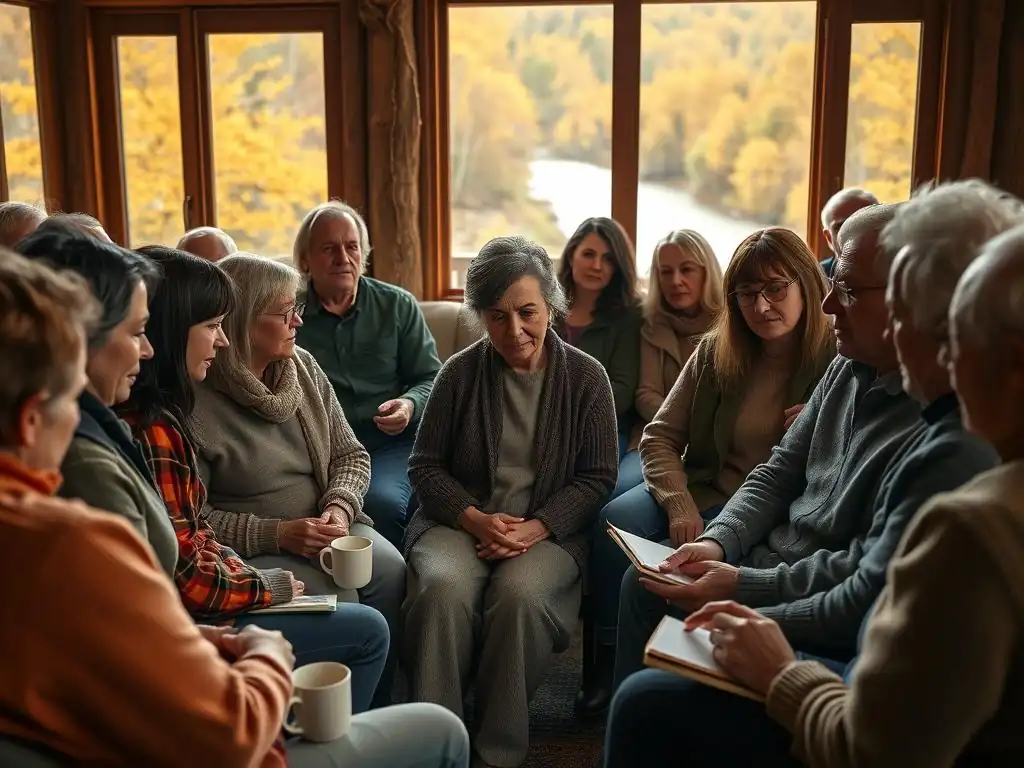
Feeling the weight of unseen wounds? This is a safe place to explore the complexities of mental health, and we understand that healing can be a journey. Today, we delve into the profound impact of connection, specifically how community support heals moral injury. Learn how shared experiences and understanding can pave the way to recovery. Ready to discover the power of togetherness?
The Role of Community Support in Healing Moral Injury
- Understanding Moral Injury and Its Impact
- The Importance of Community in Moral Injury Recovery
- How Community Support Heals Moral Injury: Key Mechanisms
- Types of Community Support for Moral Injury
- Building a Supportive Community for Moral Injury Recovery
- Practical Strategies for Seeking and Utilizing Community Support
- The Role of Professionals in Facilitating Community-Based Healing
- Success Stories: Examples of Community Support Healing Moral Injury
- Addressing Challenges in Community Support for Moral Injury
- The Future of Community-Based Moral Injury Recovery
- Conclusion: Community Support Heals Moral Injury and Fosters Resilience
-
Frequently Asked Questions
- What is moral injury, and how does it differ from PTSD?
- How can community support specifically aid in healing moral injury?
- What types of community support are most effective for individuals experiencing moral injury?
- How can I find a community support group specifically tailored for moral injury?
- What if I don't feel comfortable sharing my experiences in a group setting?
- Final Reflection: The Enduring Power of Community in Moral Repair
- Unleash Your Healing Journey: Find Your Community
Understanding Moral Injury and Its Impact
Defining Moral Injury: Transgression of Core Moral Beliefs
Moral injury is a psychological and spiritual wound that occurs when individuals perpetrate, witness, or fail to prevent acts that transgress their deeply held moral beliefs, values, or ethical codes. Unlike traditional trauma which often stems from a threat to physical safety, moral injury arises from challenges to one's moral compass and sense of right and wrong. It's a profound disruption of trust – in oneself, in others, and in institutions. This can happen in high-stakes environments like military combat, first response, healthcare, or even corporate settings where ethical compromises are demanded.
The concept gained prominence in discussing the experiences of military veterans, but it is increasingly recognized in other professions. For instance, healthcare workers during the COVID-19 pandemic reported significant moral distress, a precursor to moral injury, due to conflicting demands, resource limitations, and witnessing immense suffering they felt powerless to fully alleviate. A survey published in JAMA Network Open in 2021 found that among surveyed healthcare professionals, a significant percentage reported symptoms consistent with moral injury, highlighting its prevalence beyond the military context.
The Psychological and Emotional Toll of Moral Injury: Shame, Guilt, and Loss of Trust
The internal landscape of someone experiencing moral injury is often dominated by intense negative emotions. Shame is a pervasive feeling, stemming from a belief that one is inherently flawed or bad because of the morally injurious event. This differs from guilt, which is related to a specific action or inaction. Individuals may grapple with profound guilt over choices made or not made, leading to self-condemnation and rumination. This emotional burden can be crushing, making it difficult to function in daily life.
Beyond shame and guilt, a critical consequence is the erosion of trust. Trust in oneself is damaged by the perceived failure to uphold one's values. Trust in others or institutions is broken if the injurious event involved betrayal, leadership failures, or systemic issues that forced the transgression. This loss of trust can lead to social withdrawal, isolation, and difficulty forming or maintaining close relationships. The emotional toll is not merely subjective; it can manifest as depression, anxiety, and increased risk of suicidal ideation, underscoring the severe impact of moral injury on mental well-being.
Moral Injury vs. PTSD: Moral Injury as a Violation of Values vs. Fear-Based Trauma
While both Moral Injury and Post-Traumatic Stress Disorder (PTSD) can arise from traumatic experiences and share some overlapping symptoms like hypervigilance or sleep disturbances, they are distinct constructs with different core drivers. PTSD is primarily rooted in fear and the threat to one's life or physical integrity. It's a response to a terrifying event that overwhelms the nervous system, leading to symptoms related to re-experiencing the trauma, avoidance, negative thoughts/feelings, and hyperarousal. Treatment for PTSD often focuses on processing the fear memory and reducing avoidance behaviors.
Moral injury, however, centers on a violation of one's conscience or moral framework. The distress comes not from fear for one's life, but from the psychological and spiritual anguish of witnessing or participating in acts that contradict one's deepest ethical principles. While a veteran might experience PTSD from the fear of combat, they might experience moral injury from witnessing atrocities they could not prevent or being ordered to perform actions they deemed morally reprehensible.
Understanding this distinction is crucial because interventions solely focused on fear-reduction may not adequately address the shame, guilt, and trust issues central to moral injury. Healing moral injury requires addressing these moral and spiritual wounds, often through processes of forgiveness, reconciliation, and meaning-making.
The Importance of Community in Moral Injury Recovery
For individuals struggling with moral injury, the journey toward healing is often isolating. They may feel that their experiences are too horrific or shameful to share, leading to withdrawal from social connections. This is where the critical role of social support comes into play. Community provides validation – the powerful affirmation that one is not alone in their struggle and that their feelings and reactions are understandable given the circumstances. Hearing others express similar feelings of shame or guilt can normalize these difficult emotions, reducing self-blame.
Moreover, connection itself is healing. Moral injury often severs the bonds of trust and belonging. Re-establishing connections with others helps counteract this isolation. Shared experience, particularly with those who have undergone similar morally challenging situations, fosters a unique sense of understanding. In these spaces, the unspoken burden can finally be voiced, met not with judgment, but with empathy and recognition. Research consistently shows that strong social support networks are protective factors against the development and severity of trauma-related disorders, and this holds true for the complex wounds of moral injury.
A hallmark of moral injury is the profound breakdown of trust. When one's moral framework is shattered by events, it becomes difficult to trust oneself to act ethically in the future. This internal mistrust extends outwards, making it hard to believe in the good intentions of others or the integrity of institutions. This erosion of trust fuels social isolation. Individuals may preemptively withdraw, fearing judgment if they were to reveal their experiences, or feeling fundamentally different and alienated from those who haven't faced similar moral challenges.
This feeling of being misunderstood is particularly potent. How can someone who hasn't witnessed the horrors of war or the ethical compromises in a overwhelmed hospital truly grasp the weight of the moral burden? This perceived inability to connect on a deep level exacerbates feelings of loneliness and otherness. Data from veteran populations, for example, often indicates higher rates of social isolation compared to the general public, a factor significantly linked to mental health challenges, including those associated with moral injury. Breaking this cycle of mistrust and isolation is a primary goal in healing.
Rebuilding Trust: The Role of Community Connection in Restoring Faith in Humanity
Rebuilding trust, both in oneself and in others, is a cornerstone of moral injury recovery, and community plays an indispensable role in this process. Within a supportive community, individuals can test the waters of vulnerability in a safe environment. Sharing one's story and being met with acceptance and empathy, rather than rejection or horror, begins to repair the damaged sense of self-worth. It demonstrates that despite the morally injurious event, one is still worthy of connection and understanding.
Witnessing the compassion and integrity of others within the community also helps restore faith in humanity. Seeing individuals consistently act with kindness, empathy, and moral courage provides counter-evidence to the perception that the world is inherently corrupt or untrustworthy. These positive interactions, repeated over time within a stable community, gradually rebuild the foundation of trust that moral injury eroded. This process is not quick or easy, but it is essential for moving forward.
How Community Support Heals Moral Injury: Key Mechanisms
Fostering a Sense of Belonging and Acceptance: Reducing Feelings of Isolation
One of the most immediate ways community support heals moral injury is by combating the intense feelings of isolation that often accompany it. Moral injury can make individuals feel like outsiders, fundamentally different from others due to their experiences and the resulting internal conflict. Joining a supportive community, whether a peer group, faith community, or other network, provides a powerful antidote to this isolation by fostering a sense of belonging. Being part of a group where one feels accepted, despite the weight of their experiences, validates their worth and humanity.
This acceptance is not conditional; it is based on shared experience or a common commitment to support. For a veteran struggling with guilt from combat, being in a group with other veterans who understand the unique moral landscape of war can be profoundly healing. For a healthcare worker facing burnout and moral distress, connecting with peers who faced similar dilemmas provides solace. This sense of being part of a collective, of belonging, directly counteracts the alienation caused by moral injury and lays the groundwork for deeper healing.
Shame and self-blame are core components of moral injury, often leading individuals to believe they are uniquely flawed or responsible for unavoidable tragedies or morally complex situations. Community support directly addresses this by providing a space for shared experiences. When someone hears others recount similar events or express similar feelings of guilt and shame, it normalizes their own reactions. They realize they are not alone in their struggle and that their feelings are a natural, albeit painful, response to extraordinary circumstances.
This normalization process is crucial for reducing the intensity of shame. It shifts the perspective from "I am a terrible person" to "I experienced terrible things, and these feelings are a consequence of that." Within a supportive community, individuals can practice self-compassion, encouraged by the compassionate responses of others. They learn to treat themselves with the same kindness and understanding they extend to their peers. This collective journey towards self-compassion, facilitated by shared narratives, is a powerful mechanism by which community support heals moral injury.
Facilitating Meaning-Making and Reconciliation: Finding Purpose and Reconstructing Identity
Moral injury often shatters an individual's sense of meaning and purpose. Actions or inactions that violated their core values can make past experiences feel meaningless or tainted, and future possibilities seem bleak. Community support plays a vital role in facilitating the process of meaning-making and reconciliation. By sharing their stories and hearing the perspectives of others, individuals can begin to integrate the morally injurious event into their life narrative in a way that allows for growth and understanding, rather than perpetual torment.
Within a supportive community, individuals can explore questions of forgiveness – forgiving themselves, forgiving others, and sometimes, grappling with the challenge of forgiving systems or institutions. This is not about condoning harmful acts, but about releasing the binding power of resentment and guilt. Furthermore, communities often provide opportunities for service or advocacy. Engaging in activities that align with their reconstructed values allows individuals to find renewed purpose and rebuild a positive identity, demonstrating that community support heals moral injury by helping individuals reclaim their sense of self and place in the world.
Types of Community Support for Moral Injury
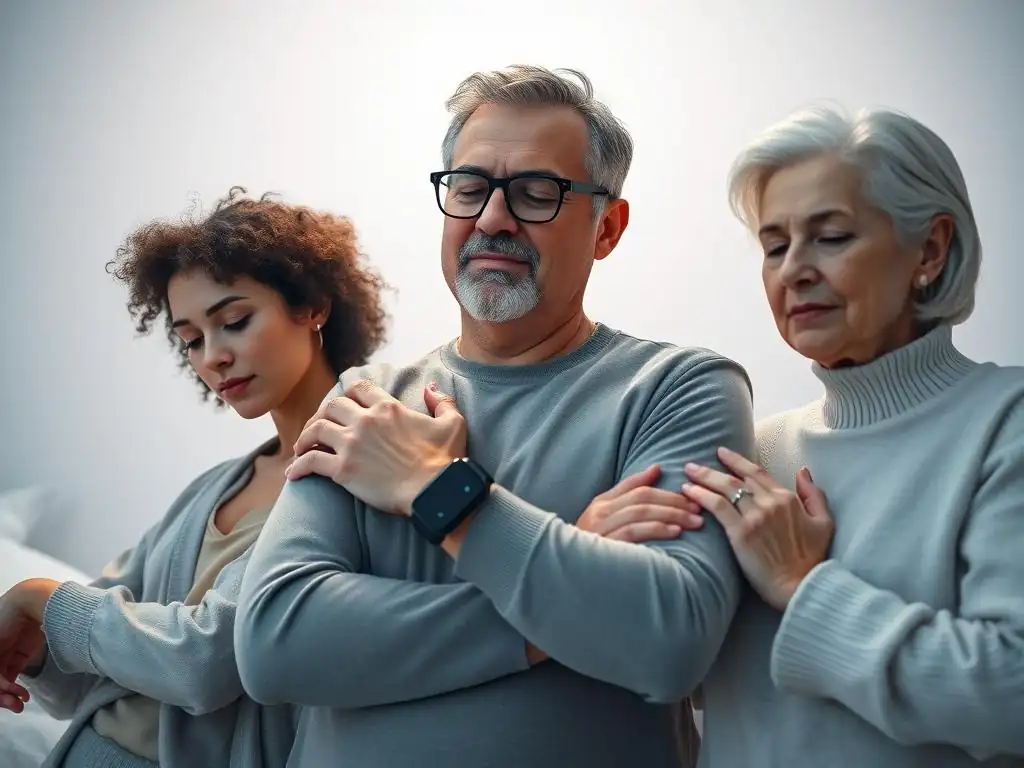
Peer support groups are a cornerstone of community-based healing for moral injury, particularly within veteran communities. These groups consist of individuals who have shared similar experiences, creating an environment of inherent understanding and trust. Veteran-led initiatives, such as those offered by organizations like the Wounded Warrior Project or smaller local groups, leverage the unique bond between service members. Participants can speak openly about the moral complexities of combat or military service without needing to explain the context, as their peers already grasp the nuances.
The process often involves shared trauma processing, where individuals recount their experiences and the moral dilemmas they faced. This narrative sharing, within a safe and non-judgmental space, helps externalize the burden and allows for collective processing of difficult emotions. A study on veteran peer support programs published in the Journal of Traumatic Stress found that participants reported significant reductions in isolation and increases in feelings of connection, highlighting the efficacy of this model in addressing the social consequences of moral injury.
Faith-Based Communities: Rituals of Atonement and Spiritual Guidance
For many individuals, moral injury involves a deep spiritual wound, challenging their faith or sense of a just world. Faith-based communities can offer a powerful avenue for healing. These communities often provide established rituals of confession, atonement, or reconciliation that can help individuals process guilt and seek spiritual peace. Religious leaders, such as chaplains or ministers, can offer guidance rooted in theological frameworks that address sin, forgiveness, and redemption, providing a language and structure for understanding and navigating moral transgression.
Beyond formal rituals, the inherent structure of a faith community provides consistent social support, a sense of belonging, and opportunities for service. Engaging in acts of service within the community can help individuals find renewed purpose and align their actions with their values, counteracting the sense of powerlessness or corruption that moral injury can instill. While not suitable for everyone, for those with existing faith connections, these communities can be invaluable in helping to reconcile moral injury with their spiritual beliefs.
Veteran Organizations: Advocacy, Camaraderie, and Transition Assistance
Large veteran organizations, like the Veterans of Foreign Wars (VFW), American Legion, or more modern groups focused on mental health, offer a multi-faceted approach to supporting veterans struggling with moral injury. Beyond direct peer support groups, these organizations provide a vital sense of camaraderie and belonging among individuals who have shared unique life experiences. This informal connection can be just as powerful as structured support, providing a space for casual interaction and mutual understanding.
These organizations also play a significant role in advocacy, working to raise awareness about issues like moral injury and improve access to care. They often provide transition assistance, helping veterans navigate civilian life, which can be a period where the effects of moral injury become more pronounced. By offering a network of support, resources, and a shared identity, veteran organizations help individuals feel less alone and better equipped to face the challenges of recovery, demonstrating how community support heals moral injury through comprehensive engagement.
Civilian Support Networks: Family, Friends, and Civilian Allies
While peer support from those with similar experiences is invaluable, support from civilian networks – family, friends, and empathetic allies – is also critical. Moral injury can strain relationships as individuals withdraw or struggle to communicate their experiences. Loved ones who are educated about moral injury can provide essential emotional support, patience, and understanding. They offer a connection to the civilian world and a reminder of the life outside of the morally injurious environment.
Civilian allies, who may not have shared the specific trauma but are committed to listening and learning, can also form important parts of a support network. This could include colleagues, community members, or volunteers in support organizations. Their willingness to listen without judgment and offer companionship helps combat isolation and rebuild trust in those outside of the specific trauma group. While they may not fully grasp the nuances, their empathy and consistent presence provide a foundation of unconditional support necessary for healing.
Building a Supportive Community for Moral Injury Recovery
Creating Safe Spaces for Open Dialogue: Confidentiality and Non-Judgmental Listening
Establishing safe spaces is paramount for any community aiming to support individuals with moral injury. These spaces must be built on a foundation of strict confidentiality. Participants need to know that what is shared within the group stays within the group, fostering the trust necessary for vulnerability. Without this assurance, the fear of judgment or repercussions will prevent individuals from opening up about potentially shameful or guilt-inducing experiences.
Equally important is the practice of non-judgmental listening. This means creating an environment where individuals can share their stories, no matter how difficult or disturbing, without fear of criticism, shock, or condemnation. Facilitators and participants must be trained to listen with empathy, accepting the speaker's experience and feelings as valid. It's about hearing the person's pain and struggle, not evaluating the morality of the event itself. This kind of acceptance is essential for reducing shame and encouraging open dialogue, a key aspect of how community support heals moral injury.
Promoting Empathy and Active Listening: Understanding Different Perspectives
Effective community support for moral injury relies heavily on empathy and active listening among all participants. Empathy involves the ability to understand and share the feelings of another person. While direct shared experience facilitates this, even within a peer group, individual experiences of moral injury can vary greatly. Promoting empathy means encouraging participants to truly try to understand the emotional weight and moral complexity of each other's stories, even if their own experience was different.
Active listening goes beyond simply hearing words; it involves paying full attention, understanding, responding, and remembering what is being said. In the context of moral injury, this means listening not just to the events, but to the moral conflict, the internal struggle, and the emotional aftermath. Facilitators can train participants in active listening techniques, such as reflective listening ("It sounds like you felt immense guilt when that happened") to ensure everyone feels heard and validated. This mutual understanding strengthens the bonds within the community and facilitates deeper healing.
Challenging Stigma and Misconceptions Surrounding Moral Injury: Education and Advocacy
Stigma surrounding mental health, and moral injury specifically, is a major barrier to seeking and receiving support. Many individuals fear being seen as weak, damaged, or morally corrupt if they admit to struggling with these issues. Building a supportive community involves actively challenging this stigma through education and advocacy, both within the group and in the broader community.
Educating participants, facilitators, and the wider public about what moral injury is, its causes, and its impact helps demystify the condition and fosters compassion. Advocacy involves speaking out against harmful stereotypes and promoting a narrative of resilience and healing. By reframing moral injury not as a character flaw but as a deep wound sustained in difficult circumstances, communities can create a more welcoming environment for those who are suffering. This proactive approach to challenging stigma is vital for ensuring that individuals feel safe enough to seek the community support that heals moral injury.
Practical Strategies for Seeking and Utilizing Community Support
Identifying Potential Sources of Support: Local Organizations and Online Forums
For someone grappling with moral injury, the first step in utilizing community support is identifying where to find it. Potential sources are diverse and depend on the individual's background and preferences. Local organizations serving specific populations known to experience moral injury, such as veteran centers, first responder support networks, or healthcare professional associations, are excellent places to start. Many non-profits specifically address trauma and moral injury. A quick online search for "veteran support groups [local area]" or "first responder mental health resources [state]" can yield relevant results.
Online forums and communities can also provide a valuable starting point, especially for those who are geographically isolated or prefer anonymity initially. Platforms dedicated to specific professions or types of trauma often host forums where individuals share experiences and offer peer support. While online communities require caution regarding privacy and the reliability of information, they can offer initial connection and validation. Exploring websites like the Moral Injury Project or resources from organizations like the VA's National Center for PTSD can also provide information on finding support networks.
Overcoming Barriers to Seeking Help: Addressing Fear of Judgment and Shame
Seeking help for moral injury is often hindered by significant internal and external barriers, primarily fear of judgment and overwhelming shame. The very nature of moral injury makes individuals feel unworthy or afraid of revealing their experiences. Overcoming these barriers requires courage and often, external encouragement. It helps to acknowledge that these fears are valid responses to the perceived threat of rejection. Starting small, perhaps by confiding in one trusted friend or family member, can be a first step.
Another strategy is to seek out support specifically designed for the population group one belongs to (e.g., veterans, healthcare workers), as the likelihood of finding understanding peers is higher. Many organizations offer confidential helplines or initial consultations that can provide a low-pressure way to learn about support options. Remembering that seeking help is a sign of strength, not weakness, and focusing on the potential for healing and reconnection can provide motivation to push past the fear and shame. Recognizing that community support heals moral injury is the first step towards accessing it.
Community support is not solely about formal group therapy or support meetings; it also encompasses engaging in meaningful shared activities. Participating in hobbies, sports leagues, or volunteer work alongside others can foster connection and reduce isolation in less direct ways. These activities provide opportunities for positive social interaction, mutual support, and a renewed sense of purpose – all vital components of healing moral injury.
Volunteering for a cause one cares about can be particularly impactful, as it allows individuals to act in accordance with their values and contribute positively to the world, counteracting the negative self-perception caused by moral injury. Shared hobbies create a relaxed environment for building relationships and experiencing camaraderie without the pressure of directly discussing trauma. These informal connections build a robust social network that complements more structured support, illustrating another way that community support heals moral injury by reintegrating individuals into positive social fabrics.
The Role of Professionals in Facilitating Community-Based Healing
Therapists and Counselors: Facilitating Group Therapy and Individual Counseling
Mental health professionals, including therapists and counselors, play a crucial role in facilitating community-based healing for moral injury. They can lead structured group therapy sessions specifically designed to address the unique challenges of moral injury, such as processing guilt, shame, and loss of trust. These groups often utilize evidence-based modalities adapted for moral injury, like Acceptance and Commitment Therapy (ACT) or Cognitive Processing Therapy (CPT), within a group format that leverages peer support.
Individual counseling with a therapist knowledgeable about moral injury can also complement community support. In individual sessions, clients can process experiences they may not be ready to share in a group setting and develop coping strategies tailored to their specific needs. Therapists can also act as bridges, helping individuals identify and connect with appropriate community resources and preparing them for engaging in group settings. Their expertise ensures that community-based efforts are grounded in therapeutic principles and ethical practice.
Chaplains and Spiritual Leaders: Providing Spiritual Care and Moral Guidance
Given the often spiritual nature of moral injury, chaplains and spiritual leaders are essential allies in the healing process. For individuals whose moral framework is tied to their faith, these leaders can provide guidance and support within that context. They can help individuals explore questions of faith, doubt, forgiveness, and reconciliation from a spiritual perspective. Many chaplains, particularly those serving in military or healthcare settings, are specifically trained to address moral injury and spiritual distress.
Chaplains can facilitate discussions about moral dilemmas, offer rituals that aid in processing guilt and seeking atonement, and connect individuals with faith-based community support. They provide a safe space for individuals to wrestle with the existential and spiritual questions that moral injury raises, which may not be fully addressed in clinical therapy alone. Their role highlights that comprehensive community support heals moral injury by addressing the multifaceted nature of the wound, including its spiritual dimension.
Community Leaders: Organizing Events and Promoting Awareness
Community leaders, whether in local neighborhoods, professional associations, or non-profit organizations, have a vital role in creating environments where healing from moral injury can occur. They can organize events that bring people together, fostering connection and reducing isolation. This might include social gatherings, volunteer opportunities, or awareness campaigns. By openly discussing moral injury and its impact, community leaders help to normalize the conversation and reduce stigma, making it easier for individuals to seek help.
Promoting awareness among the general public is also crucial. Community leaders can host workshops, invite speakers, or share information through local channels to educate people about moral injury and how they can support affected individuals. By championing a culture of empathy, understanding, and support, community leaders build the social infrastructure necessary for community support to effectively heal moral injury. Their efforts create the welcoming and informed environment that individuals need to feel safe enough to engage and heal.
Success Stories: Examples of Community Support Healing Moral Injury
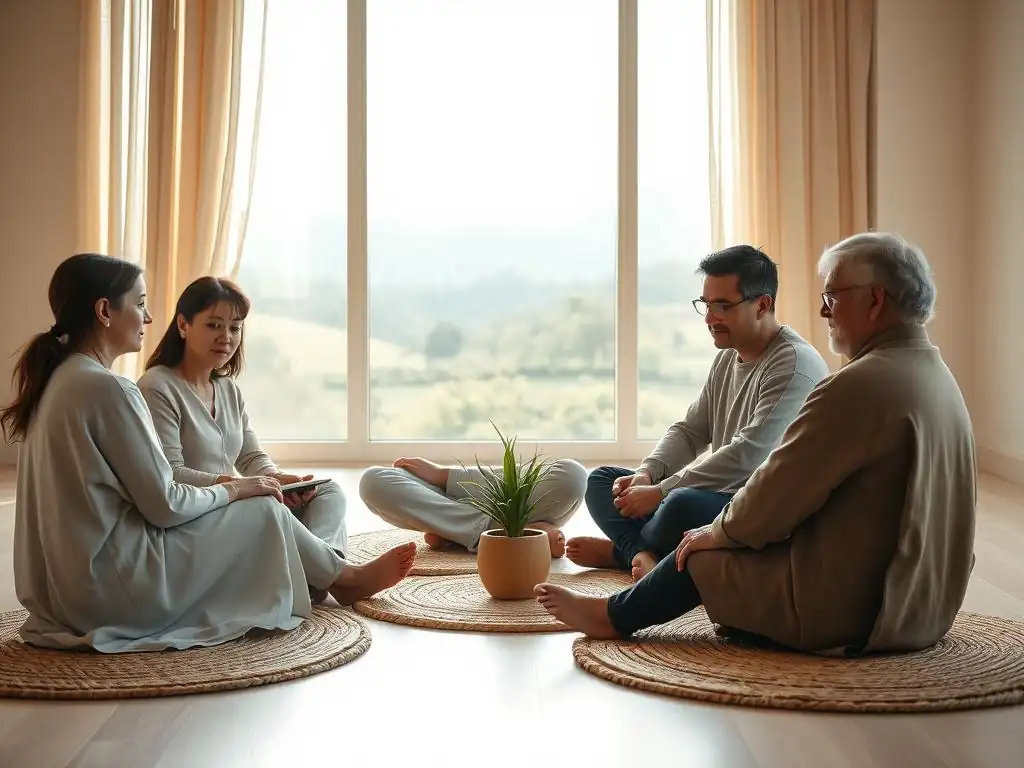
Veteran Finds Purpose Through Peer-Led Wilderness Retreats
John, a Marine Corps veteran, struggled for years with profound guilt over decisions made during combat that conflicted with his values. He became isolated, finding it difficult to connect with civilians or even fellow veterans who hadn't shared his specific experiences. Traditional therapy provided some tools, but the shame remained. He decided to try a peer-led wilderness retreat program specifically for veterans. Spending a week in nature with a small group of veterans facilitated by peers who had navigated similar struggles allowed him to open up in a way he hadn't before.
The shared challenge of the wilderness journey, combined with structured group discussions and informal camaraderie around the campfire, created a unique bond. Hearing other veterans express similar feelings of moral conflict and regret validated his own pain and began to chip away at his isolation and shame.
Through shared reflection and the encouragement of his peers, John started to see his experiences not just as sources of guilt, but as part of a complex journey. Upon returning, he joined a local veteran peer support group and began volunteering with a conservation organization, finding renewed purpose and demonstrating how peer-led community support heals moral injury by restoring connection and meaning.
First Responder Finds Solace in a Mindfulness-Based Support Group
Sarah, a paramedic, witnessed numerous traumatic and ethically challenging events throughout her career, leading to significant moral distress and symptoms of moral injury, including cynicism and emotional numbness. She felt disconnected from her colleagues and family, believing they couldn't understand the weight of her experiences. She joined a mindfulness-based support group for first responders offered through her department's wellness program. The group incorporated mindfulness practices with facilitated discussions about the emotional and moral challenges of their work.
Sharing stories of difficult calls, ethical dilemmas regarding patient care under pressure, and the cumulative impact of witnessing suffering with peers who understood the unique context of emergency services was transformative. The mindfulness techniques helped Sarah manage the intense emotions and intrusive thoughts associated with her moral injury, while the group provided a safe space to process the moral burden. This community validation and the shared commitment to well-being helped her reduce self-blame and rebuild trust with her colleagues, illustrating how structured community support heals moral injury by combining shared experience with therapeutic techniques.
Healthcare Worker Reconciles Moral Distress Through Ethical Reflection Circles
David, an ICU nurse during the height of the pandemic, experienced severe moral distress from resource limitations, witnessing patient suffering and death, and feeling unable to provide the level of care he believed was ethically required. He developed symptoms consistent with moral injury, including profound sadness and a loss of professional identity. His hospital implemented "ethical reflection circles" – facilitated peer support groups specifically for healthcare workers to discuss moral and ethical challenges in a confidential setting.
Participating in these circles with fellow nurses, doctors, and other staff allowed David to articulate the moral pain he had been carrying in isolation. Hearing his colleagues express similar feelings of helplessness and ethical conflict normalized his experience and validated his distress.
The facilitated discussions helped the group collectively process the difficult decisions they faced and the systemic issues contributing to their moral burden. This community process of ethical reflection and shared vulnerability helped David contextualize his experiences, reduce his self-blame, and begin the process of reconciling his moral injury, showing how targeted professional community support heals moral injury by providing a space for collective processing and validation.
Addressing Challenges in Community Support for Moral Injury
Dealing with Triggering Content and Emotional Distress: Grounding Techniques and Crisis Management
While community support is invaluable, discussions around moral injury can involve highly sensitive and triggering content, potentially leading to significant emotional distress for participants. It is crucial for supportive communities, especially facilitated groups, to have strategies in place to manage this. Facilitators should be trained in recognizing signs of distress and implementing grounding techniques, which help individuals stay present and regulated when overwhelmed by intense emotions or memories. Simple techniques like focusing on sensory details in the room or deep breathing exercises can be taught and utilized during sessions.
Furthermore, a plan for crisis management is essential. This includes having clear protocols for what to do if a participant becomes severely distressed or expresses suicidal ideation. Knowing how to connect individuals with immediate professional help, such as a crisis hotline or on-call mental health professional, is paramount. While community support offers peer connection, it must operate with awareness of the potential for distress and be prepared to escalate care when necessary, ensuring safety while community support heals moral injury.
Managing Conflicts and Disagreements Within Groups: Facilitation and Mediation Skills
Even within a supportive community, conflicts or disagreements can arise, particularly when discussing complex and emotionally charged topics like moral injury. Participants may have differing perspectives on events, varying levels of readiness to share, or interpersonal dynamics that create tension. Effective facilitation and mediation skills are therefore vital for maintaining a safe and productive group environment.
Facilitators should be skilled in guiding discussions, ensuring all voices are heard respectfully, and managing disruptive behaviors. They can use mediation techniques to help participants navigate disagreements constructively, focusing on understanding different viewpoints rather than resolving who is "right." Establishing clear group norms and expectations at the outset, such as respecting differing opinions and practicing empathetic listening, can also proactively minimize conflict. A well-managed group environment is key to ensuring that the community support heals moral injury effectively without adding new stressors.
Ensuring Inclusivity and Accessibility for All: Cultural Sensitivity and Language Access
To truly be effective, community support for moral injury must be inclusive and accessible to individuals from diverse backgrounds. Experiences of moral injury can be shaped by cultural background, race, gender, sexual orientation, and other aspects of identity. Acknowledging and understanding these differences is crucial for creating a space where everyone feels safe and understood. Facilitators and participants should receive training in cultural sensitivity to ensure that discussions are respectful and relevant to all members.
Accessibility is also key. This includes physical accessibility for individuals with disabilities, as well as considering factors like meeting times and locations that work for participants' schedules. For communities serving diverse populations, providing language access, such as translation services or materials in multiple languages, may be necessary. Ensuring that support is truly available and welcoming to everyone, regardless of their background or circumstances, is fundamental to the principle that community support heals moral injury for all who need it.
The Future of Community-Based Moral Injury Recovery
Expanding Access to Support Services: Telehealth and Rural Outreach
A major challenge in addressing moral injury is ensuring that effective support services are accessible to everyone who needs them, regardless of their location. Individuals in rural areas, for example, may have limited access to specialized mental health professionals or local support groups. The future of community-based moral injury recovery must focus on expanding access, with telehealth playing a crucial role. Online platforms can connect individuals with peer support groups, facilitated discussions, and even clinical services remotely, breaking down geographical barriers.
Rural outreach initiatives are also essential. This involves bringing resources directly to underserved communities, perhaps through mobile clinics, partnerships with local community centers, or training local leaders and volunteers to facilitate support groups. Expanding access ensures that the powerful benefits of community support in healing moral injury are available to a wider population, including veterans, first responders, and healthcare workers in remote or underserved areas.
Integrating Community Support into Mental Healthcare: Collaborative Care Models
Historically, mental healthcare has often focused on individual therapy. However, the growing understanding of the social and relational nature of healing, particularly for conditions like moral injury, highlights the need to integrate community support into standard mental healthcare models. Collaborative care models, where mental health professionals work closely with peer support specialists, community organizations, and faith leaders, represent a promising future direction.
In these models, a therapist might provide individual counseling while also connecting the client with a peer support group or a relevant community organization. Peer specialists can co-facilitate therapy groups, providing both clinical insight and lived experience. This integrated approach ensures that individuals receive comprehensive care that addresses both the clinical symptoms and the social and spiritual wounds of moral injury, leveraging the unique strengths of both professional and community resources. This synergy enhances how community support heals moral injury within a broader system of care.
Promoting Research and Innovation in Community-Based Interventions: Evaluating Effectiveness and Developing New Approaches
While the anecdotal evidence and initial studies on the benefits of community support for moral injury are promising, more rigorous research is needed. The future must involve promoting research to evaluate the effectiveness of different types of community-based interventions for various populations affected by moral injury. This includes studying the mechanisms by which community support works, identifying best practices, and determining which types of support are most beneficial for whom.
Innovation in developing new community-based approaches is also crucial. This could involve leveraging technology in new ways, developing specialized programs for specific professional groups (e.g., journalists, aid workers), or exploring how creative arts or nature-based activities within a community setting can facilitate healing. Investing in research and innovation ensures that community support for moral injury is not only accessible but also continuously improving and tailored to meet the evolving needs of those who are suffering.
Conclusion: Community Support Heals Moral Injury and Fosters Resilience
Moral injury represents a profound wound to the conscience and spirit, often leaving individuals isolated, ashamed, and struggling with a shattered sense of trust and meaning. While professional mental healthcare is vital, the unique challenges of moral injury underscore the indispensable role of community support in the healing process. By providing validation, connection, and shared experience, community environments directly combat the isolation and shame that are hallmarks of this condition.
Through fostering a sense of belonging, facilitating the processing of shame and guilt, and aiding in the complex work of meaning-making and reconciliation, community support heals moral injury in ways that individual interventions alone cannot always achieve. Whether through structured peer groups, faith communities, veteran organizations, or civilian networks, connection with others who understand or are willing to learn creates the safe space necessary for vulnerability and growth.
Embracing and building these supportive communities is not just beneficial; it is essential for helping individuals navigate the aftermath of moral transgression, rebuild their lives, and foster resilience in the face of moral adversity. The collective strength found in community truly is a powerful force in healing the hidden wounds of the soul.
Frequently Asked Questions
What is moral injury, and how does it differ from PTSD?
Moral injury involves psychological distress resulting from actions, or lack thereof, that violate one's deeply held moral beliefs. Unlike PTSD, which stems from fear-based trauma, moral injury focuses on guilt, shame, and betrayal.
How can community support specifically aid in healing moral injury?
Community support provides a safe space for shared experiences and validation, reducing feelings of isolation and self-blame. It helps individuals reconstruct their moral compass through connection and understanding.
What types of community support are most effective for individuals experiencing moral injury?
Effective support includes peer support groups, spiritual communities, and programs focused on restorative justice. These offer opportunities for open dialogue and moral repair.
How can I find a community support group specifically tailored for moral injury?
Look for organizations that specialize in trauma-informed care and address the ethical dimensions of trauma. Online directories, veteran organizations, and mental health professionals can provide referrals.
What if I don't feel comfortable sharing my experiences in a group setting?
Start by connecting with a trusted friend or therapist to build comfort and trust. Individual therapy can help prepare you for group participation and address underlying issues before joining a group.
Final Reflection: The Enduring Power of Community in Moral Repair
The pervasive nature of moral injury, impacting not only veterans but also first responders, healthcare workers, and countless others facing ethical dilemmas, demands a renewed focus on community-based healing. The strength and resilience of the human spirit, often underestimated, are profoundly amplified when nurtured within supportive networks. This is not merely a trend; it's a fundamental truth about our shared humanity.
The impact of community support on the healing process from moral injury is undeniable. It transcends simple social interaction; it provides a safe space for vulnerability, a platform for shared experience, and a source of validation that often feels absent in the aftermath of trauma. The best way to find yourself is to lose yourself in the service of others.
– Mahatma Gandhi. This quote speaks directly to the restorative power of community, where the act of giving support and receiving it in return fosters a sense of belonging and shared purpose, crucial elements in overcoming the isolating effects of moral injury.
Now, consider your own life. Think about the communities you belong to, the relationships that anchor you, and the support systems that bolster you during challenging times. How can you actively cultivate these connections, not only for yourself but also for others who may be silently struggling with unseen wounds?
Reach out, listen without judgment, and offer the simple, yet profound, gift of presence. The healing power of community is not a passive force; it is a dynamic, reciprocal process that requires our active participation. Let's build a world where healing from moral injury is not a solitary journey, but a shared path toward wholeness.
Unleash Your Healing Journey: Find Your Community
Thanks for taking the time to explore the powerful role of community in healing moral injury. We hope you gained valuable insights into the path to recovery and resilience. Now, it's time to take the next step.
- Connect with a support group: This is the most impactful action you can take. Finding others who understand your experiences can be transformative. Research local groups or online communities dedicated to moral injury recovery.
- Share this article: Spread awareness and empower others to seek help. Sharing this with someone who might benefit can make a significant difference in their life, and yours.
- Reflect on your support system: Consider who offers you genuine empathy and strength. Nurturing these relationships can significantly boost your healing process.
What's one small step you can take today to build a stronger support network around your healing journey?