More Than Physical Pain: Recognizing Psychological Trauma
🌟 Recognizing psychological trauma symptoms is crucial for healing. This guide highlights how emotional wounds often go unnoticed, emphasizing the importance of…
Read article

Trauma comes in many forms, and recognizing the different types is the first step toward healing. Whether stemming from a single event, prolonged adversity, or subtle emotional neglect, each experience shapes the mind uniquely. From acute trauma (like an accident or assault) and chronic trauma (repeated abuse or bullying) to complex trauma (often rooted in childhood) and secondary or vicarious trauma, understanding these categories helps validate your feelings and guide you toward the right support. At Mind Care Guide, we break down these distinctions with clarity and compassion, empowering you to recognize your own patterns, reduce self-blame, and take informed steps toward recovery. You are not alone—knowledge is the bridge to resilience.

🌟 Recognizing psychological trauma symptoms is crucial for healing. This guide highlights how emotional wounds often go unnoticed, emphasizing the importance of…
Read article
🌟 Discover the importance of trauma types nuanced understanding to truly support mental well-being. This article explores how recognizing subtle differences in…
Read article
🌟 Discover vital emotional trauma recovery strategies guide that sheds light on hidden mental health struggles, emphasizing the importance of understanding, support,…
Read article
🌟 Discover essential secondary trauma support resources to help supporters cope with emotional strain. Learn strategies to prevent burnout and maintain mental…
Read article
🌱 Discover the profound impact of cultural trauma and explore healing strategies effective in restoring identity and resilience. Our comprehensive guide offers…
Read article
🌪️ Facing trauma after natural disasters can be overwhelming, but resilience is possible. This guide offers essential support, understanding, and resources to…
Read article
🌟 Discover the importance of trauma validation support resources in embracing diverse experiences. This guide empowers you to understand, validate, and address…
Read article
🌟 Discover essential Medical Trauma Healing Strategies Guide to help you navigate the emotional upheaval of difficult medical journeys, offering compassionate support,…
Read article
🌟 Discrimination causes mental trauma by embedding systemic stress into daily life, impacting mental well-being. Understanding this link is vital for fostering…
Read article
🌟 Discover how trauma’s physical effects on mind manifest through diverse bodily responses, highlighting the crucial connection between mental health and physical…
Read article
🌱 Uncover how family trauma inheritance strategies shape generations, revealing patterns of pain and resilience. Understanding these dynamics is vital for breaking…
Read article
🌟 Trauma is often misunderstood as a single event, but ongoing experiences shape trauma recovery after difficult events. Understanding this continuum helps…
Read articleTrauma is not a one-size-fits-all experience. Whether you’ve faced a single overwhelming event, prolonged adversity, or the subtle but persistent pain of emotional neglect, your reaction is valid and deeply personal. At Mind Care Guide, we break down the types of trauma to help you recognize your own experiences, reduce self-blame, and find targeted support. From acute and chronic forms to complex and developmental trauma, this guide clarifies the nuances, including PTSD, CPTSD, and secondary trauma. Understanding these differences is the first step toward choosing the right therapeutic approach, building resilience, and reclaiming your sense of safety.
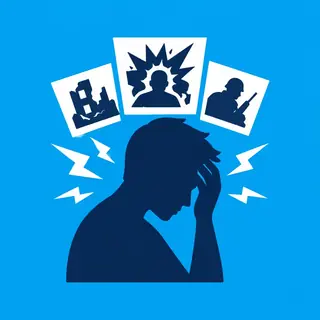
Acute trauma stems from a single, startling event—like a car accident, natural disaster, or violent assault. Your nervous system goes into high alert, and symptoms may include flashbacks, hypervigilance, or intense avoidance. The key here is time: with proper support, many people process acute trauma within weeks or months, although some develop Post-Traumatic Stress Disorder (PTSD) if symptoms persist beyond a month.
Chronic trauma, by contrast, arises from repeated and prolonged exposure—such as ongoing domestic abuse, bullying, or living in a war zone. This type often rewires your stress response over time, leading to fatigue, emotional numbness, or chronic anxiety. Because the threat is constant, recovery usually requires a slower, more structured approach. Recognizing whether your experience was a one-time shock or a sustained pattern helps you set realistic expectations for healing and select therapies like EMDR or Trauma-Focused CBT that match your history.
Development trauma occurs during formative years—before age 18—and includes physical or emotional abuse, neglect, separation, or witnessing domestic violence. Unlike adult trauma, these experiences shape your developing brain, attachment style, and sense of self. You might struggle with trust, emotional regulation, or a chronic feeling of being “not good enough.” This is often called Complex Trauma or Developmental Trauma Disorder (proposed but not yet in DSM-5).
Because childhood is when you learn how to be safe in relationships, developmental trauma can leave you feeling disconnected or hypervigilant in adulthood. Therapy specifically designed for early trauma—such as Internal Family Systems (IFS), sensorimotor psychotherapy, or attachment-based therapy—can gently repattern your responses. The good news is that the brain remains plastic, so even deeply entrenched patterns can shift. Acknowledging that your childhood mattered is not about blame but about honoring the root of your current struggles.
Post-Traumatic Stress Disorder (PTSD) is the classic response to a single or repeated trauma—characterized by intrusive memories, avoidance, negative mood, and heightened arousal. However, Complex PTSD (C-PTSD) goes further. It arises from prolonged, inescapable trauma, often in interpersonal settings like captivity, long-term abuse, or child abuse. In addition to PTSD symptoms, C-PTSD includes profound disturbances in self-organization: emotional dysregulation, negative self-concept, and severe relational difficulties.
Understanding this distinction is crucial because treatment differs. Standard PTSD protocols, like prolonged exposure, may not address the deep shame and interpersonal wounds of C-PTSD. Instead, phased approaches that emphasize safety, stabilization, and grief processing are often more effective. If you’ve been diagnosed with PTSD but feel something “deeper” is wrong, exploring C-PTSD can open doors to specialized resources, support groups, and therapies like dialectical behavior therapy (DBT) or narrative exposure therapy.
Secondary trauma, also called vicarious trauma, affects those who are repeatedly exposed to others’ traumatic stories—therapists, first responders, nurses, journalists, or even close family members of survivors. Your brain may begin to mirror the survivor’s experience, leading to intrusive images, emotional exhaustion, and a reduced sense of safety in the world. This is not weakness; it is a natural human response to witnessing suffering.
The key protective factor is self-awareness and compassion fatigue management. Strategies include regular supervision, mindfulness, physical activity, and clear boundaries between work and private life. If you are a caregiver or professional, recognizing secondary trauma early prevents burnout and preserves your ability to help. For family members, understanding that your feelings are valid can reduce guilt while encouraging you to seek your own therapy or peer support group alongside helping your loved one.
Intergenerational trauma describes the transmission of trauma-related vulnerabilities from parents to children—through epigenetic changes, parenting styles, or unspoken family narratives. Historical trauma extends this to entire communities, such as survivors of genocide, slavery, forced displacement, or systemic oppression. You may feel the effects even if you never directly experienced the events, carrying a sense of grief, mistrust, or hypervigilance without a clear cause.
Healing here requires a blend of personal and collective approaches. On a personal level, therapy can help you separate your own emotions from inherited patterns. Genogram work, EMDR, and somatic practices are effective. Collectively, engaging with cultural healing practices, community storytelling, and activism can restore a sense of agency. Acknowledging that your pain has roots beyond your lifetime is not fatalistic—it validates your struggle and connects you to resilience passed down through generations.
Trauma is an overwhelming event or experience, while PTSD is a diagnosable mental health condition that can develop after trauma. Not everyone who experiences trauma develops PTSD. PTSD involves specific symptoms—re-experiencing, avoidance, negative changes in mood, and hyperarousal—lasting over a month and causing significant distress.
Yes. The brain may suppress explicit memories to protect you, but implicit memories—like body tension, emotional reactions, or nightmares—remain. You might not recall the event clearly yet still experience anxiety, panic, or avoidance. In therapy, you don’t need to recover exact memories; addressing present symptoms and bodily responses can be equally effective.
Not always, but it is a significant risk factor. Childhood trauma increases vulnerability to anxiety, depression, personality patterns, and physical health issues. However, many people with adverse childhood experiences thrive, especially with supportive relationships, therapy, and self-care. Trauma is important but not destiny.
Regular PTSD typically follows single or short-term events, while complex trauma results from prolonged, repeated exposure, often in close relationships. C-PTSD also includes additional struggles with emotion regulation, a deep sense of shame, and interpersonal conflict. A mental health professional can assess your history and symptoms to clarify the diagnosis.
Secondary trauma is highly treatable and often resolved with proper interventions. Early recognition, professional supervision, therapy (like EMDR or cognitive processing), and lifestyle changes—sleep, exercise, and social support—can significantly reduce symptoms. It is not a lifelong condition, but ongoing self-care is essential for those in helping professions to prevent recurrence.