
Cultural Wounds That Run Deep: Exploring Cultural Trauma


Welcome to Mind Care Guide, a space dedicated to nurturing your mental well-being.
Have you ever felt the weight of a shared history, a collective wound that lingers in your community? In this article, we delve into the complex world of cultural trauma, exploring its impact and offering insights into cultural trauma healing strategies effective for individuals and communities alike. Join us as we unpack these deep-seated wounds and discover pathways toward resilience and healing, recognizing that understanding is the first step towards recovery. Read on to learn more.
Cultural Wounds That Run Deep: Exploring Cultural Trauma
- Understanding Cultural Trauma: A Mind Care Guide Perspective
- Identifying the Sources of Cultural Trauma
- The Psychological Effects of Cultural Trauma
- Cultural Trauma Healing Strategies: Effective Approaches for Recovery
- Effective Cultural Trauma Healing Strategies: A Detailed Look
- Building Resilience and Preventing Future Cultural Trauma
- Finding Support and Resources for Cultural Trauma Healing
- The Path to Healing: Long-Term Recovery from Cultural Trauma
-
Frequently Asked Questions
- What is cultural trauma, and how does it differ from individual trauma?
- How does cultural trauma manifest within a community?
- What are some examples of events that can cause cultural trauma?
- What are some effective cultural trauma healing strategies?
- How can Mind Care Guide help individuals and communities affected by cultural trauma?
- Final Reflection: Healing the Scars of Shared Suffering
- Uncover Your Strength: Healing from Cultural Trauma
Understanding Cultural Trauma: A Mind Care Guide Perspective
Defining Cultural Trauma: Collective Wounds and Their Impact
Cultural trauma refers to a devastating blow to a group's collective identity and memory, inflicted by events that challenge their fundamental understanding of themselves and their place in the world. Unlike individual trauma, which stems from a personal event, cultural trauma arises from experiences shared by an entire community or ethnic group, such as genocide, forced displacement, slavery, or prolonged oppression. These events don't just harm individuals; they shatter the social fabric, cultural practices, and historical narratives that bind a group together, leaving a deep, lasting wound on the collective psyche.
This collective wound is not merely a historical footnote; it is a dynamic process where the group actively interprets and assigns meaning to the traumatic event, integrating it into their shared memory and identity. For instance, the Holocaust is a profound cultural trauma for Jewish people, shaping collective memory, identity, and even religious practices for generations.
Similarly, the transatlantic slave trade inflicted cultural trauma on African and African-descendant communities, disrupting kinship structures, eradicating languages, and leaving a legacy of systemic disadvantage that continues to impact identity and well-being today. The magnitude and nature of the event fundamentally alter the group's perception of itself and its relationship with the dominant society or other groups.
Cultural Trauma vs. Individual Trauma: Key Differences
While individual trauma results from a personal life-threatening or deeply disturbing event, like an accident, assault, or loss, cultural trauma is experienced collectively by a group of people who share an identity. The source is often systemic or historical oppression, targeting individuals precisely because of their group affiliation. An individual might experience personal trauma within the context of cultural trauma (e.g., a residential school survivor experiencing both the collective trauma of the system and personal abuse), but the core wound of cultural trauma is the attack on the group's shared identity and existence.
A key difference lies in the scope and source. Individual trauma typically stems from a discrete event or series of events impacting one person. Cultural trauma, however, originates from forces that target the group and often involve deliberate attempts to dismantle or devalue their culture, language, and social structures. This means healing strategies must address not only individual psychological distress but also the collective grief, loss of identity, and ongoing impacts of systemic issues. Effective cultural trauma healing strategies often involve community-based approaches that are distinct from purely individual therapy models, recognizing the collective nature of the wound.
Shared identity is both the target and the site of cultural trauma. The traumatic events directly attack the symbols, narratives, values, and practices that constitute a group's identity. When a group's language is suppressed, their land stolen, or their religious practices forbidden, it's an assault on their very being as a distinct people. This can lead to internalized shame, fractured identity, and a loss of connection to heritage, which are central psychological impacts of cultural trauma. The collective memory of the trauma becomes interwoven with the group's identity, shaping how they view themselves and are viewed by others.
Furthermore, shared identity is crucial for resilience and healing. It is within the framework of their cultural identity that affected individuals and communities often find the strength and resources to cope and heal. Reconnecting with cultural practices, language, and community narratives becomes a vital part of the healing process. The shared experience of trauma, while devastating, can also forge stronger bonds within the group, creating a foundation for collective healing and resistance. Effective cultural trauma healing strategies leverage this power of shared identity and community connection.
Identifying the Sources of Cultural Trauma
Historical Events and Cultural Trauma
Major historical events are often the primary catalysts for cultural trauma. These are not isolated incidents but sustained periods of violence, oppression, or displacement that fundamentally alter the course of a group's history and identity. Examples include the forced removal of Indigenous peoples from their ancestral lands, the enslavement of millions of Africans, the Armenian genocide, and the systematic persecution and murder of Jews during the Holocaust. These events cause immense suffering and loss in the moment, but their impact reverberates across generations, embedding itself in collective memory and cultural narratives.
The trauma from such historical events is not just about the physical harm or loss of life; it is about the systematic dismantling of social structures, the suppression of culture, and the profound sense of injustice and betrayal. For instance, the Stolen Generations in Australia, where Indigenous children were forcibly removed from their families, caused immense immediate pain and disruption, but also inflicted deep, long-lasting cultural trauma by severing intergenerational ties, disrupting language transmission, and eroding cultural knowledge. The legacy of such events requires specific cultural trauma healing strategies to address the historical wound and its contemporary manifestations.
Systemic Oppression and its Lasting Impact on Cultural Identity
Cultural trauma is often perpetuated and amplified by ongoing systemic oppression. This includes discriminatory laws, institutional racism, economic marginalization, and social exclusion that target specific groups based on their identity. While a historical event might be the initial wound, persistent discrimination keeps that wound open, reinforcing feelings of powerlessness, shame, and alienation. For example, the historical trauma of slavery and Jim Crow laws in the United States is compounded by ongoing systemic racism in areas like housing, education, and the justice system, which continues to impact the well-being and identity of Black communities.
Systemic oppression erodes cultural identity by devaluing the group's traditions, languages, and ways of life. It can lead to internalized oppression, where individuals within the group internalize negative stereotypes and prejudices directed at them. This constant barrage of discrimination and invalidation makes it difficult for affected individuals and communities to heal from past traumas and build a strong, positive collective identity. Addressing systemic oppression is therefore a critical component of effective cultural trauma healing strategies, as healing cannot fully occur in an environment that continues to inflict harm.
Intergenerational Transmission of Cultural Trauma: How it Affects Future Generations
One of the most insidious aspects of cultural trauma is its ability to be transmitted across generations, even to individuals who did not directly experience the original traumatic events. This transmission can occur through various mechanisms, including family narratives, collective memory, epigenetic changes (alterations in gene expression due to environmental factors like stress that can be passed down), and the impact of traumatized parents or community members on child development. Children may inherit the trauma through stories of suffering, unresolved grief within the family, or by observing the coping mechanisms (or lack thereof) of older generations.
Research has explored the intergenerational effects of cultural trauma in various populations. Studies on descendants of Holocaust survivors, residential school survivors, and individuals from communities affected by genocide or slavery have shown higher rates of stress-related disorders, depression, anxiety, and difficulties with emotional regulation and identity formation compared to control groups. For instance, some studies suggest epigenetic markers related to stress response are altered in descendants of trauma survivors. This highlights the profound, long-lasting impact of cultural trauma and underscores the necessity of developing effective cultural trauma healing strategies that acknowledge and address this intergenerational burden.
The Psychological Effects of Cultural Trauma
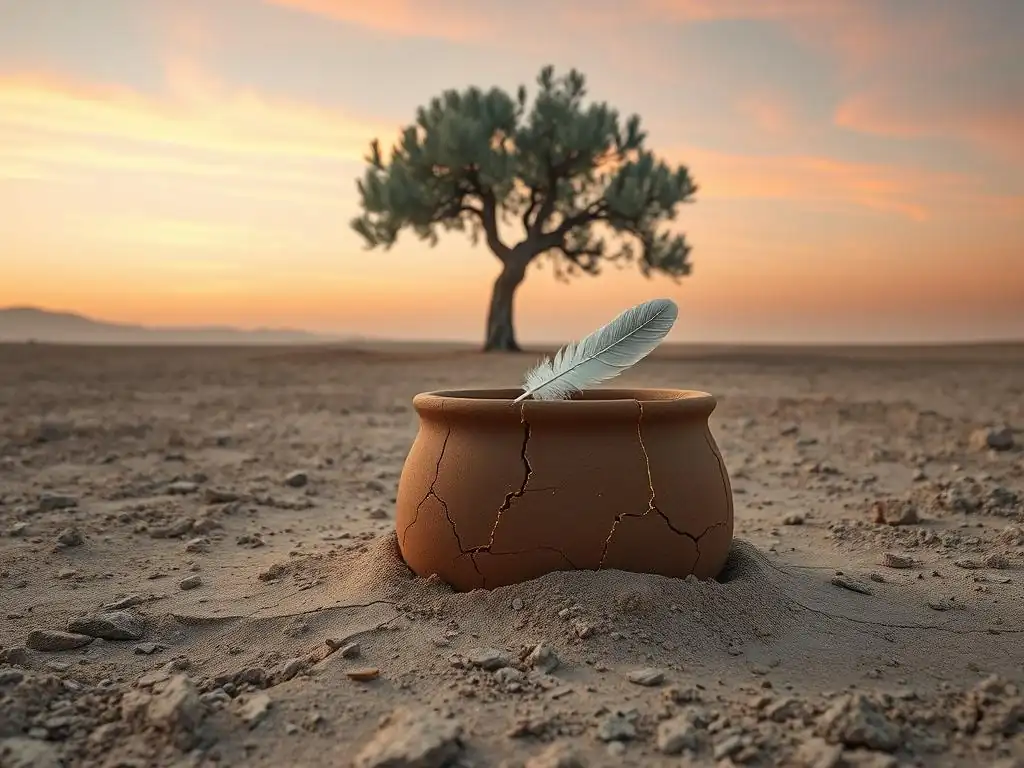
Emotional and Psychological Manifestations of Cultural Trauma
The psychological effects of cultural trauma are complex and far-reaching, extending beyond individual symptoms to impact the collective well-being of a community. Individuals within affected groups may experience a range of emotional responses, including chronic grief and mourning for what was lost (land, culture, lives), intense anger and resentment towards perpetrators or systems of oppression, deep shame and humiliation, and a pervasive sense of helplessness or hopelessness. There can also be heightened vigilance and distrust towards outsiders or dominant groups, stemming from historical betrayal and ongoing discrimination.
Beyond these specific emotions, cultural trauma can manifest as a general erosion of psychological security. This might include difficulties with emotional regulation, increased rates of substance abuse as a coping mechanism, and challenges in forming secure attachments due to disrupted family structures or intergenerational transmission of trauma responses. The constant awareness of historical injustices and the ongoing reality of systemic disadvantage contribute to chronic stress, impacting both mental and physical health. Addressing these complex emotional and psychological manifestations is crucial for successful cultural trauma healing strategies.
Cultural Trauma and Mental Health: Links to Depression, Anxiety, and PTSD
Cultural trauma is strongly linked to increased prevalence rates of various mental health conditions within affected populations. Research consistently shows higher rates of depression, generalized anxiety disorder, and complex post-traumatic stress disorder (C-PTSD) among individuals from groups that have experienced significant cultural trauma. C-PTSD is particularly relevant as it often results from prolonged, repeated trauma in a context of powerlessness, which aligns with the experiences of systemic oppression and historical violence. Symptoms can include difficulties with emotional regulation, distorted self-perception, relationship problems, and loss of meaning.
For example, studies among Indigenous populations in Canada and the United States who endured residential schools and other colonial policies show significantly elevated rates of depression, anxiety, PTSD, and suicide compared to the general population. While precise figures vary by study and population, the consistent pattern points to the profound mental health burden carried by these communities.
Similarly, research on descendants of the Khmer Rouge regime in Cambodia has documented higher rates of PTSD and depression. These links underscore the urgent need for culturally sensitive mental health services and effective cultural trauma healing strategies tailored to the specific experiences of affected groups.
The Impact on Cultural Identity and Self-Esteem
Cultural trauma can severely damage both individual and collective cultural identity and self-esteem. When a group's culture, history, and very existence are attacked or devalued by dominant society, it can lead to internalized oppression, where individuals absorb negative stereotypes and feel shame about their heritage. This can manifest as a reluctance to identify with one's cultural group, a loss of language, or a rejection of traditional practices, further perpetuating the cultural wound. The sense of collective pride and belonging, which is vital for psychological well-being, is significantly undermined.
This assault on identity directly impacts self-esteem. Individuals may struggle with feelings of worthlessness, believing the negative messages about their group that are embedded in discriminatory systems and narratives. The historical trauma can create a fractured sense of self, making it difficult to integrate one's cultural background into a positive personal identity. Reclaiming and strengthening cultural identity is therefore not just a cultural act but a crucial therapeutic process, forming a core element of effective cultural trauma healing strategies aimed at restoring dignity and self-worth.
Cultural Trauma Healing Strategies: Effective Approaches for Recovery
Acknowledging and Validating Cultural Trauma: The First Step to Healing
The journey towards healing from cultural trauma must begin with acknowledging its reality and validating the experiences of those affected. This acknowledgment is required on multiple levels: within the affected community, by individuals themselves, and crucially, by the broader society and institutions responsible for the trauma or its perpetuation. For individuals, this means recognizing that their struggles may be connected to historical and collective wounds, not solely personal failings. For communities, it involves creating safe spaces to share experiences and grieve collectively.
Societal acknowledgment is perhaps the most challenging but vital step. This includes truth and reconciliation processes, formal apologies from governments or institutions, and educational initiatives that accurately portray the history and ongoing impact of cultural trauma. Without this external validation, the trauma remains invisible or denied, hindering the healing process. When the dominant society acknowledges the harm caused, it can begin to shift power dynamics and create a more just environment conducive to healing. This foundational step paves the way for other effective cultural trauma healing strategies to take hold.
Cultural Identity Affirmation: Reclaiming and Strengthening Cultural Roots
Reclaiming and affirming cultural identity is a powerful and effective cultural trauma healing strategy. For groups whose identity has been attacked or suppressed, reconnecting with their heritage is an act of resistance and recovery. This involves learning or relearning ancestral languages, participating in traditional ceremonies and practices, studying their history from their own perspective, and creating new cultural expressions that reflect contemporary experiences while honoring the past. Strengthening cultural roots provides a sense of grounding, continuity, and belonging that trauma often disrupts.
This process builds resilience and fosters a positive collective identity. When individuals and communities feel strong and proud of their cultural background, they are better equipped to face ongoing challenges and heal from past wounds. Initiatives that support cultural revitalization, language preservation, and the transmission of traditional knowledge to younger generations are vital components of this strategy. By actively affirming their identity, affected communities reclaim the narrative about who they are, moving away from definitions imposed by oppressors towards self-defined strength and beauty.
Community-Based Healing Practices: The Power of Collective Support
Given that cultural trauma is a collective wound, community-based healing practices are among the most effective cultural trauma healing strategies. Healing happens not just in individual therapy rooms but within the supportive context of the community. These practices often draw on traditional methods of healing and conflict resolution, such as talking circles, sharing traditional foods, engaging in communal ceremonies, and collective artistic expression. These shared experiences validate feelings, foster mutual support, and rebuild the social connections that trauma may have fractured.
Community-based approaches empower affected groups to lead their own healing processes, utilizing their inherent strengths and cultural resources. They provide a sense of solidarity and shared purpose, reducing feelings of isolation and shame. For example, Indigenous communities have long utilized talking circles, where everyone has an equal opportunity to speak and be heard without interruption, as a way to process difficult emotions and build consensus. These collective spaces facilitate grieving, storytelling, and mutual support, demonstrating the profound power of the community in navigating the path to recovery from cultural trauma.
Trauma-Informed Therapy for Cultural Trauma
While community-based approaches are vital, trauma-informed therapy can also be an effective cultural trauma healing strategy when delivered by culturally competent practitioners. Trauma-informed care recognizes the widespread impact of trauma and understands potential paths for recovery. For cultural trauma, this means therapists must be aware of the historical context, systemic issues, and cultural factors influencing a client's presentation. Therapy should not pathologize cultural differences or responses rooted in traumatic experiences but instead validate them.
Culturally adapted therapeutic models can be particularly effective. These might involve incorporating traditional healing concepts, involving family or community members in therapy where appropriate, or using narrative approaches that help clients contextualize their personal experiences within the broader history of their community's trauma. The goal is to provide a safe, respectful space where individuals can process their emotional pain, develop coping skills, and integrate their traumatic experiences and cultural identity in a way that promotes healing and resilience. Effective cultural trauma healing strategies often combine professional support with community and cultural resources.
Effective Cultural Trauma Healing Strategies: A Detailed Look
Storytelling and Remembrance: Sharing Experiences and Reclaiming Narratives
Storytelling and remembrance are powerful and effective cultural trauma healing strategies. Sharing personal and collective narratives allows individuals and communities to process their experiences, articulate their pain, and bear witness to the injustices suffered. This can happen through oral histories, written memoirs, community archives, or public testimonies. By telling their stories, affected individuals reclaim their voices and agency, challenging the narratives imposed by oppressors that often silenced or distorted their experiences.
Remembrance involves actively honoring the past, including those who suffered and those who resisted. This can take the form of memorials, commemorations, or the preservation of historical sites. Remembering is not about dwelling solely on pain but about acknowledging the truth of what happened, honoring resilience, and ensuring that the lessons learned inform the present and future. Through shared storytelling and remembrance, communities reinforce their collective identity, validate their experiences, and build a foundation for healing and intergenerational understanding.
Rituals and Ceremonies: Honoring the Past and Promoting Healing
Traditional rituals and ceremonies play a vital role in effective cultural trauma healing strategies. Many cultures have long-standing practices for processing grief, marking transitions, and restoring balance after periods of hardship. These ceremonies often involve communal participation, symbolic actions, prayer, song, or connection to nature, providing a structured and culturally resonant way to express emotions, honor ancestors, and seek spiritual or collective renewal.
For communities impacted by cultural trauma, reviving or adapting these rituals can be profoundly healing. They offer a way to connect with cultural heritage that may have been suppressed, provide a sense of continuity with the past, and create sacred spaces for collective mourning and healing. Examples include cleansing ceremonies, mourning rituals, or ceremonies focused on restoring harmony within the community. These practices facilitate emotional release, strengthen social bonds, and reaffirm cultural values, contributing significantly to the healing process.
Art and Creative Expression: Using Art to Process and Communicate Trauma
Art and creative expression serve as powerful tools among effective cultural trauma healing strategies, providing alternative avenues for processing and communicating experiences that may be too difficult or painful to articulate verbally. This can include visual arts, music, dance, theatre, writing, and traditional crafts. Engaging in creative activities allows individuals and communities to externalize their emotions, symbolize complex experiences, and find beauty and meaning amidst suffering.
For example, creating traditional crafts can reconnect individuals with ancestral skills and provide a tangible link to cultural heritage. Music and dance can be used to express grief, anger, and resilience, often in communal settings. Theatre and writing can help individuals and groups construct narratives around their trauma, making sense of their experiences and sharing them with others. Art becomes a form of witness, a means of preserving memory, and a pathway to emotional release and healing, making it an indispensable element in recovery.
Cultural Education and Awareness: Promoting Understanding and Empathy
Promoting cultural education and awareness is a crucial element of effective cultural trauma healing strategies, operating on both individual and societal levels. Within affected communities, education about their history, culture, and the specific impacts of the trauma helps individuals understand their experiences within a broader context, reducing feelings of isolation or personal blame. Learning about the resilience and resistance of ancestors can also be deeply empowering.
For the broader society, education and awareness are necessary to challenge stereotypes, dismantle prejudice, and foster empathy and understanding. Learning about the history of cultural trauma and its ongoing effects helps to create a more informed and just society, reducing the likelihood of re-traumatization through ignorance or indifference. This can involve incorporating accurate history into school curricula, public education campaigns, and intercultural dialogue initiatives. By promoting awareness, societies can move towards reconciliation and create environments where healing is possible.
Building Resilience and Preventing Future Cultural Trauma
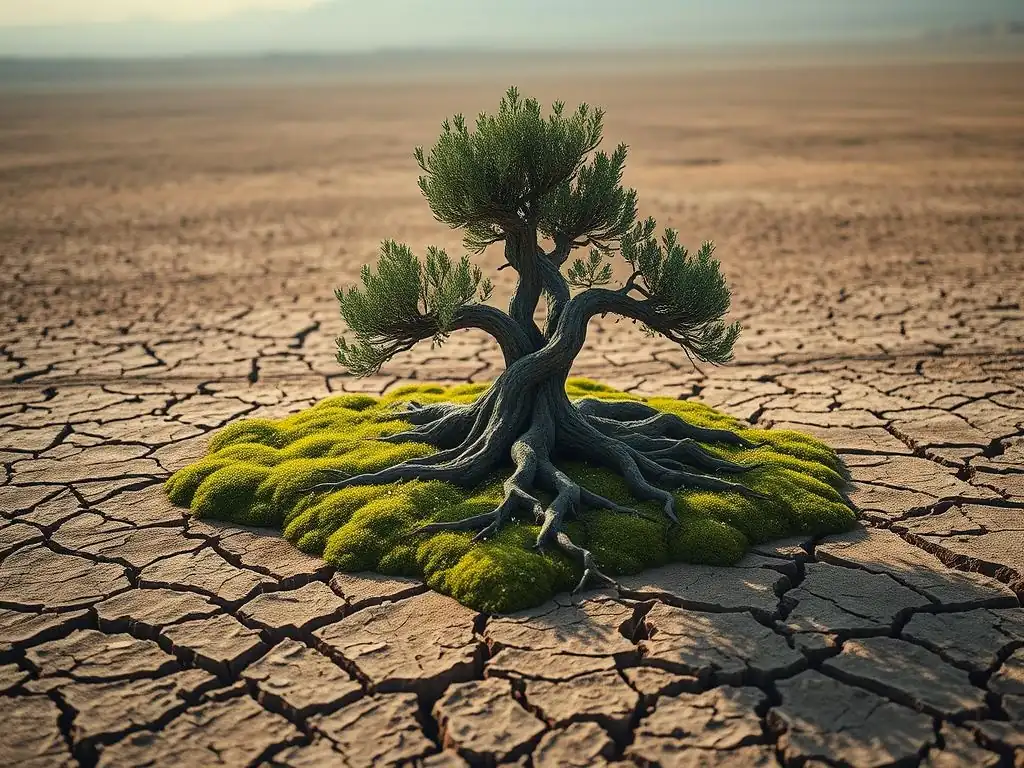
Promoting social justice and equality is fundamental to both building resilience and preventing future cultural trauma. Cultural trauma is often rooted in systemic power imbalances and discrimination. Therefore, addressing the root causes of inequality – such as racism, economic disparity, and lack of access to resources – is essential. This involves advocating for policy changes, challenging discriminatory practices in institutions, and working towards equitable distribution of power and resources.
Achieving social justice requires dismantling the systems that perpetuate oppression and create environments where cultural trauma can occur. This includes reforming legal systems, ensuring equitable access to education and healthcare, and addressing historical injustices through reparations or restorative justice initiatives. By creating a society where all groups are treated with dignity and have equal opportunities, the conditions that give rise to cultural trauma are diminished, fostering environments where affected communities can heal and thrive.
Empowering Communities: Fostering Self-Determination and Leadership
Empowering communities affected by cultural trauma is a vital strategy for building resilience and preventing future harm. Empowerment involves supporting communities in exercising self-determination – having the right and capacity to make decisions about their own affairs, according to their own values and priorities. This includes control over land, resources, cultural institutions, education, and governance.
Fostering local leadership and strengthening community organizations are key aspects of this empowerment. When communities have strong internal structures and the ability to lead their own development and healing initiatives, they are better able to address the impacts of trauma and resist external forces that might cause further harm. Support for community-led initiatives in areas like cultural preservation, health, and education is crucial for building the capacity and resilience needed to heal and protect against future trauma.
Cultivating Cultural Pride and Resilience: Building a Stronger Future
Cultivating cultural pride and resilience is a proactive measure that strengthens communities against the impacts of past and potential future trauma. This involves actively promoting positive cultural identity, celebrating cultural achievements, and transmitting cultural knowledge and values to younger generations. When individuals and communities feel proud of who they are and connected to their heritage, they develop a stronger sense of self-worth and collective efficacy.
Resilience is not just about bouncing back; it's about developing the capacity to navigate adversity and grow stronger. For communities facing the legacy of cultural trauma, resilience is built through strong social networks, cultural practices that provide coping mechanisms, a sense of collective history and purpose, and the ability to draw strength from their heritage. Investing in cultural programs, language revitalization, and intergenerational knowledge transfer are effective ways to cultivate this pride and resilience, building a stronger future rooted in cultural strength.
Finding Support and Resources for Cultural Trauma Healing
Mental Health Professionals Specializing in Cultural Trauma
Finding mental health professionals who specialize in or are knowledgeable about cultural trauma can be a critical resource. These practitioners understand that individual distress may be linked to collective historical experiences and systemic issues, not just personal history. They are often trained in trauma-informed care and may utilize culturally sensitive or adapted therapeutic approaches. It is important to seek out therapists who demonstrate cultural humility, a willingness to learn from the client about their specific cultural context and how it relates to their trauma.
Resources for finding such professionals can include referrals from community organizations, mental health directories that list specialties (though specific "cultural trauma" specialization may be rare, look for trauma-informed, culturally competent, or those with experience working with specific ethnic or Indigenous groups), or university psychology departments with research interests in cultural or community psychology. Building trust with a therapist is essential, and finding one who respects and understands the cultural dimensions of the trauma is key to effective healing.
Community Organizations and Support Groups
Community organizations and support groups are invaluable resources for cultural trauma healing. These are often grassroots initiatives led by members of the affected community, providing culturally relevant support, resources, and spaces for collective healing. They might offer peer support groups where individuals can share experiences with others who understand the specific nuances of their cultural trauma, language classes, cultural programs, or advocacy services.
These organizations provide a sense of belonging and solidarity that can be profoundly healing. They offer a safe environment to process collective grief, share coping strategies, and work together towards community well-being and social justice. Examples include tribal health services, ethnic community centers, historical societies, or organizations focused on specific issues like residential school survivor support. Connecting with these groups can provide practical help, emotional support, and a powerful sense of shared identity and purpose on the healing journey.
Online Resources and Information
The internet offers a growing number of online resources and information related to cultural trauma. While not a substitute for professional or community support, online platforms can provide valuable educational materials, access to research findings, directories of organizations, and forums (though caution is advised regarding privacy and safety in online forums). Websites of academic institutions, non-profit organizations focused on trauma or specific cultural groups, and government health agencies may offer reliable information.
These resources can help individuals and communities learn more about cultural trauma, understand its impacts, and identify potential healing strategies. They can also connect people with organizations and services in their area. However, it is crucial to evaluate the credibility of online sources and be mindful of the emotional impact of engaging with potentially difficult content. Used wisely, online resources can be a helpful component in accessing information and support for cultural trauma healing.
The Path to Healing: Long-Term Recovery from Cultural Trauma
Integrating Cultural Identity into the Healing Process
Integrating cultural identity is not just one step among many; it is a continuous and central aspect of the long-term healing process from cultural trauma. Healing is not about returning to a state before the trauma, which is often impossible, but about integrating the experience into one's identity in a way that fosters growth and resilience. For cultural trauma, this means weaving one's cultural heritage, the history of the trauma, and the journey of healing into a coherent and empowering narrative.
This integration involves reclaiming cultural practices, language, and values as sources of strength and wisdom. It means understanding that the trauma is part of the group's history but does not define their entire identity or future. It is an ongoing process of navigating the world while holding the knowledge of past wounds, drawing strength from cultural roots, and contributing to the well-being of the community. Effective cultural trauma healing strategies ensure that cultural identity remains at the forefront of recovery efforts.
Building a Future Free from the Scars of the Past
Building a future free from the dominating scars of the past is the ultimate goal of cultural trauma healing. While the historical wound may never fully disappear, healing allows individuals and communities to live fulfilling lives where the trauma no longer dictates their present or future. This involves transforming the legacy of trauma into sources of strength, wisdom, and collective action. It is about fostering post-traumatic growth on a community level.
This future is built through continued efforts towards social justice, cultural revitalization, intergenerational healing, and the creation of supportive environments. It requires ongoing vigilance against discrimination and a commitment to preserving the gains made in healing and empowerment. It is a future where cultural identity is celebrated, where the history of trauma is acknowledged but does not overshadow the present and future potential, and where communities thrive based on their inherent strengths and resilience.
Continuous Learning and Growth: Staying Informed and Engaged
The path to healing from cultural trauma is not linear and often requires continuous learning and growth. Staying informed about the history of the trauma, its ongoing impacts, and the evolving landscape of healing strategies is important for individuals and communities. This includes learning from the experiences of other groups who have faced similar traumas and engaging with new research and therapeutic approaches.
Furthermore, continuous engagement with cultural practices, community initiatives, and advocacy efforts is vital. Healing is an active process that benefits from ongoing connection and participation. Supporting younger generations in their journey of cultural discovery and healing, contributing to community well-being, and remaining engaged in efforts to address systemic issues are all part of the long-term process of recovery and building a resilient future. The journey of effective cultural trauma healing strategies is one of ongoing commitment and collective strength.
Frequently Asked Questions
What is cultural trauma, and how does it differ from individual trauma?
Cultural trauma refers to a traumatic experience shared by a large group of people, significantly impacting their collective identity and cultural values. Unlike individual trauma, it affects an entire cultural group, leading to widespread grief and disruption.
How does cultural trauma manifest within a community?
Cultural trauma can manifest in various ways, including loss of cultural identity, increased rates of mental health issues, and social unrest. It can also lead to the perpetuation of historical grievances and distrust within the community.
What are some examples of events that can cause cultural trauma?
Examples include genocide, forced displacement, systemic discrimination, and the destruction of cultural heritage. These events inflict deep psychological wounds on the affected community and can impact generations.
What are some effective cultural trauma healing strategies?
Effective strategies include acknowledging and validating the trauma, promoting collective mourning and remembrance, and fostering cultural revitalization. Focusing on community-based healing and storytelling can be particularly beneficial.
How can Mind Care Guide help individuals and communities affected by cultural trauma?
Mind Care Guide offers information, support, and resources to understand and cope with the effects of cultural trauma. We provide access to articles, tools, and links to mental health professionals specializing in cultural trauma healing.
The wounds of cultural trauma are not merely historical artifacts; they are living realities that shape our present and dictate our future. Understanding and addressing these deep-seated collective injuries is not simply an academic exercise, but a crucial step towards building a more just and equitable world. The strategies discussed throughout this article – from fostering intergenerational dialogue to promoting restorative justice initiatives – are not optional extras, but essential tools for societal healing.
The pervasive impact of cultural trauma is undeniable; it manifests in everything from systemic inequalities to individual psychological struggles. It shapes our narratives, our relationships, and our very understanding of ourselves and the world around us. As Audre Lorde powerfully stated, Caring for myself is not self-indulgence, it is self-preservation, and that is an act of political warfare.
This sentiment extends beyond the individual to encompass the collective healing necessary to overcome the legacy of cultural trauma. We must actively confront the pain of the past to build a future free from its oppressive grip.
You, the reader, now hold the power to contribute to this vital work. Consider how the concepts explored in this article resonate with your own experiences and community. What steps, both large and small, can you take to participate in the healing process?
Perhaps it's engaging in meaningful conversations, supporting organizations dedicated to restorative justice, or simply educating yourself and others about the lasting effects of cultural trauma. The journey towards healing is a collective one, and your contribution, no matter how seemingly insignificant, is profoundly important. Let us, together, begin to mend these deep wounds and build a future where all can thrive.
Uncover Your Strength: Healing from Cultural Trauma
Thanks for taking the time to explore the complexities of cultural trauma with us. We hope this article provided valuable insights into understanding its impact and fostering healing. Now, let's take the next step.
- Identify your personal narratives: Reflect on your experiences and how they relate to the broader themes discussed. Journaling can be a powerful tool here. This self-reflection is crucial for the healing process.
- Share this article: Let's spark conversations about cultural trauma within our communities. Sharing this piece with friends, family, or relevant groups can raise awareness and foster understanding.
- Discover supportive resources: Seek out local organizations or online communities focused on cultural healing and support. This could lead you to unexpected opportunities for connection and growth.
What personal steps will you take today to nurture your cultural identity and begin your healing journey?