Understanding Access to Mental Health Care: Barriers and Solutions
Access to mental health care remains one of the most pressing challenges in modern public health, affecting millions who struggle to find timely, affordable, and effective support. On this page, we explore the systemic, financial, geographic, and cultural obstacles that prevent people from receiving the care they need—and, more importantly, we highlight actionable solutions at individual, community, and policy levels. Whether you are a patient, caregiver, advocate, or policymaker, this guide helps you navigate the complex landscape of mental health services and discover pathways to recovery and resilience.
🧠 Understanding the Core Barriers: Why People Can’t Get Care
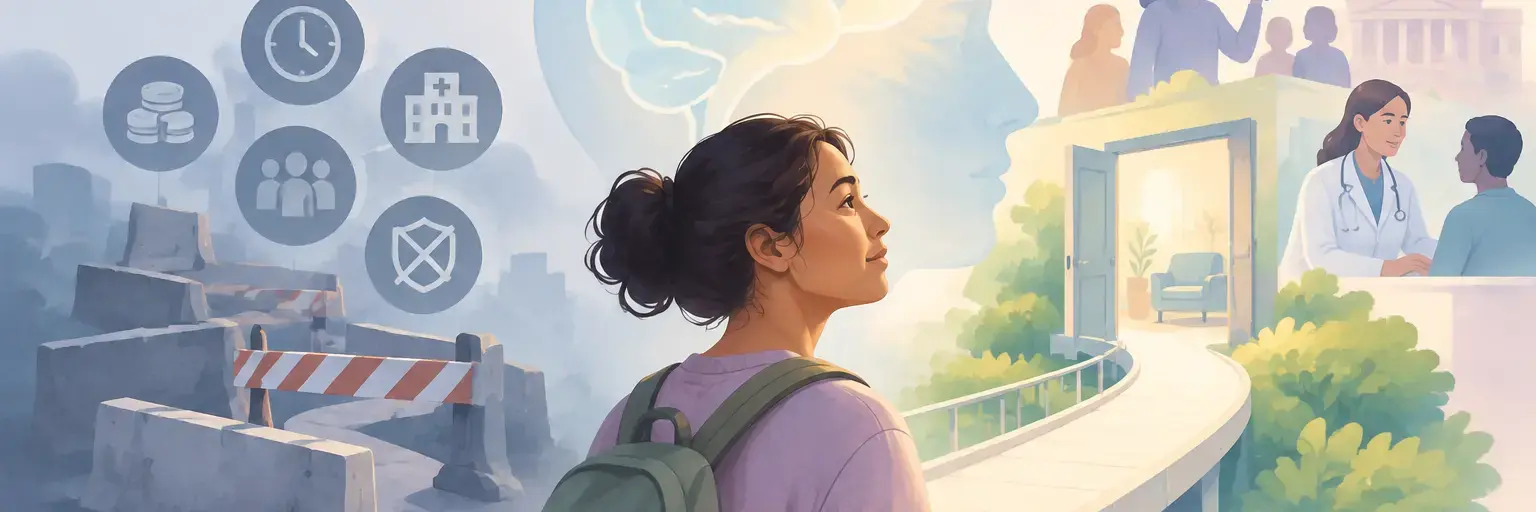
Mental health care access is not just about availability—it’s about affordability, acceptability, and awareness.Financial constraints remain the top barrier, with high out-of-pocket costs and inadequate insurance coverage forcing many to forgo therapy or medication. Additionally, geographic disparities mean rural and underserved urban areas often lack psychiatrists, psychologists, and crisis centers. Social stigma silently deters individuals from seeking help, especially within certain cultural or professional communities, while long wait times for appointments can turn a manageable condition into a crisis. These barriers are interconnected, creating a vicious cycle where untreated mental illness worsens economic and social instability, further reducing access.
Understanding these barriers is the first step toward dismantling them. By mapping the specific obstacles in your region or demographic, you can tailor advocacy efforts and personal decisions. For example, a young adult in a college town may face a different set of hurdles (peer judgment, campus wait times) than a rural retiree (distance, limited specialists). This section equips you with a framework to identify what’s blocking your path—or your community’s—and points to evidence-based strategies to overcome each roadblock.
💡 Innovative Solutions: Telehealth, Crisis Lines, and Community Models
Technology and community-based care are transforming how mental health services are delivered.Telehealth platforms now offer video therapy, psychiatric consultations, and digital cognitive behavioral therapy (CBT), reducing travel and wait times dramatically. 24/7 crisis hotlines—like 988 in the U.S.—provide immediate support, while peer-support groups and community health workers bridge the gap between formal care and everyday empathy. Mobile apps for mood tracking and meditation supplement professional treatment, empowering users to take daily action. These solutions are particularly effective for those with mobility issues, childcare responsibilities, or demanding work schedules.
Adopting these solutions requires intentionality. For an individual, this might mean comparing telehealth providers that accept your insurance or exploring sliding-scale payment options. For organizations, it involves integrating mental health screenings into primary care visits and training laypeople in mental health first aid. The key is to match the solution to the barrier—e.g., if stigma is your issue, anonymous online therapy may be your entry point; if cost is the problem, look into nonprofit clinics or employee assistance programs (EAPs). This section gives you a toolkit of practical, scalable approaches.
🏛️ Policy and Advocacy: Shaping Systems for Equitable Access
Systemic change requires policy intervention, not just individual effort.Mental health parity laws mandate that insurance plans cover mental and behavioral health at the same level as physical health—yet enforcement varies. Medicaid expansion and increased funding for community mental health centers are proven to boost access, especially for low-income populations. Advocacy efforts push for workforce development—increasing the number of culturally competent providers—and for school-based mental health services to catch issues early. Public awareness campaigns help reduce stigma, while legislation can mandate mental health education in schools and workplaces.
As a citizen, you don’t need to be a lobbyist to influence policy. Voting for candidates who prioritize mental health, writing to your representatives, and sharing your personal story at public hearings all matter. Nonprofits like NAMI offer training on grassroots advocacy, and many states have mental health ombudsman offices to address grievances. This section highlights concrete legislative wins—like parity enforcement, suicide prevention grants, and crisis response teams—that have already lowered barriers, and explains how you can support similar initiatives in your area. Policy change is slow, but sustained advocacy yields measurable improvements in access.
👥 Special Populations: Addressing Disparities in Vulnerable Groups
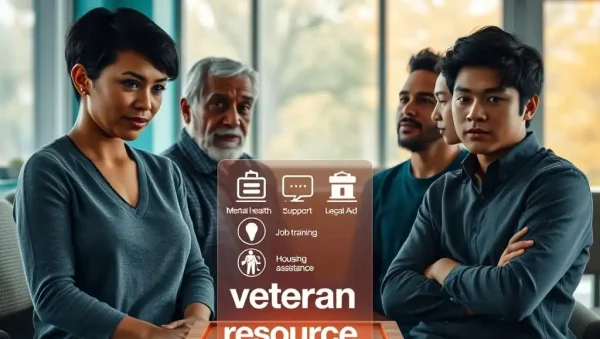
Access gaps are not uniform; they hit certain groups disproportionately.Racial and ethnic minorities face cultural stigma, language barriers, and a lack of providers who share their background. LGBTQ+ individuals often encounter discrimination or unaffirming care, leading to higher rates of untreated depression and anxiety. Veterans struggle with navigating VA systems and long wait times, while people with disabilities contend with physical inaccessibility of clinics and a shortage of providers trained in their needs. Children and adolescents depend on parental awareness and school resources, which are often underfunded.
Solutions must be culturally adapted, not one-size-fits-all. For minority communities, this means funding bilingual providers and integrating mental health services into trusted spaces like faith-based organizations or community centers. For LGBTQ+ youth, it means training school counselors on affirming practices and offering online support groups. Veterans benefit from peer mentorship programs and streamlined telehealth through the VA. This section provides a roadmap for identifying if you or someone you love falls into a high-risk group and points to specialized resources that respect their unique experiences. Inclusive care is not a luxury—it’s a necessity for true access.
🛠️ Practical Tips for Individuals: How to Navigate the System Today
Even imperfect systems can be navigated with the right strategies. Start by using online directories like Psychology Today or Open Path to filter providers by insurance, specialty, and sliding-scale fees. Call your insurance company to ask about out-of-network reimbursement or telehealth options, and don’t hesitate to appeal denied claims—many are overturned. Build a support team that includes your primary care physician, who can prescribe medication while you find a therapist. If wait times are long, ask to join a cancellation list or seek group therapy, which is cheaper and often available sooner. Document your symptoms and treatment history to speed up intake appointments.
When all else fails, use crisis resources as a bridge. The 988 line is not just for emergencies—they can connect you to local clinics and follow-up services. Free or low-cost options include university training clinics (supervised students), online support groups (Mental Health America), and peer-run warm lines. This section gives you a step-by-step action plan: start with a self-assessment, prioritize your top barrier (cost, time, stigma), and then target the solution accordingly. Remember, recovery is a journey, and every small step—even a phone call—brings you closer to the care you deserve.
Frequently Asked Questions
What is the single most common barrier to mental health care access?
The most commonly cited barrier is financial cost, including high deductibles, copays, and lack of insurance coverage. However, stigma closely follows, particularly in certain cultures or professions. Addressing cost often requires exploring sliding-scale clinics, telehealth, or insurance appeals, while stigma can be reduced through education and peer support.
How can I find affordable mental health care if I’m uninsured?
Look for federally qualified health centers (FQHCs) that offer sliding-scale fees based on income. Also, check for local nonprofits, universities with training clinics, and online platforms like Open Path that list low-cost therapists. Crisis hotlines can direct you to free walk-in clinics.
Does telehealth therapy work as well as in-person sessions?
Yes, research shows telehealth is equally effective for most conditions, including depression and anxiety. It improves access for rural residents and those with transportation issues. However, some severe cases may require in-person care for safety. Opt for video sessions when possible, and ensure a private, quiet space for best results.
What are mental health parity laws and do they help?
Parity laws require insurers to cover mental health equally to physical health—no higher copays or limits on visits. They help by reducing out-of-pocket costs and expanding coverage. Yet enforcement is imperfect, so always check your policy and file complaints with your state insurance department if denied.
How can I advocate for better mental health access in my community?
Start by joining organizations like NAMI or Mental Health America. Attend local board meetings, write to elected officials, and share your story publicly. Support ballot measures that fund mental health services, and volunteer for crisis lines to both help others and understand systemic gaps firsthand.