Championing the Future: Advocating for Youth Mental Health
🌟 Discover essential youth mental health support resources that empower young individuals to thrive. This guide highlights the importance of advocating for…
Read article

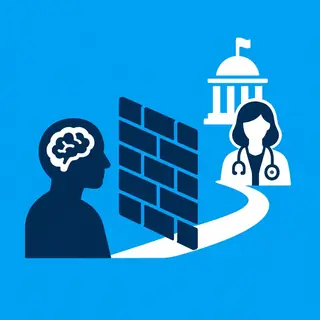
Advocacy for mental health transforms personal struggles into powerful collective action, breaking down stigma and driving real policy change. At Mind Care Guide, we spotlight how your voice—whether through community campaigns, legislative lobbying, or sharing lived experiences—can reshape access to care, funding, and public perception. From grassroots initiatives to national movements, every action counts: attending town halls, supporting peer networks, or joining digital awareness drives. Discover actionable steps to become a mental health champion, amplify marginalized voices, and influence systemic reform. Together, we can build a world where seeking help is celebrated, not silenced—and where advocacy becomes the bridge between lived experience and lasting change.

🌟 Discover essential youth mental health support resources that empower young individuals to thrive. This guide highlights the importance of advocating for…
Read article
🌍 Join the global movement for mental health advocacy worldwide support, and help break down stigma, promote awareness, and ensure accessible resources…
Read article
🌟 Discover the true essence of mental health advocacy strategies explained, moving beyond mere awareness to meaningful action, support, and systemic change.…
Read article
🌟 Empower yourself to make a difference with our Mental Health Advocacy Resources Guide. Learn how you can become an agent of…
Read article
🌟 Discover how mental health advocacy strategies impact change by raising awareness, reducing disparities, and fostering community support—empowering individuals and transforming perceptions…
Read article
🤝 Discover how effective mental health coalition building strategies can unite communities, amplify support, and drive meaningful change in mental well-being. Together,…
Read article
🌟 Empower yourself with our Mental Health Advocacy Tips Guide, transforming your voice into a powerful tool for change. Discover essential strategies…
Read article
🌱 Discover how grassroots advocacy mental health policy transforms legislation by empowering communities to influence change, ensuring mental health support is prioritized…
Read article
🌟 Discover how advocacy improves mental wellbeing lives by inspiring change and fostering support. Your voice can create a ripple effect, transforming…
Read article
🌟 Discover how advocacy improves mental wellbeing by empowering individuals to share their stories, gain support, and foster community. Embarking on this…
Read article
🌟 Empower yourself with our Mental Health Advocate Resources Guide, providing essential tools, information, and support to help you effectively champion mental…
Read article
🌟 Discover how advocating for mental health support in marginalized communities can foster resilience, reduce disparities, and promote equity. This guide emphasizes…
Read articleWelcome to Advocacy for Mental Health – Making a Difference, a dedicated space within the Mental Health Policy and Advocacy category at Mind Care Guide. Here, we focus on transforming awareness into action, equipping you with the tools, strategies, and inspiration to become a powerful voice for mental well-being. Whether you are a lived-experience advocate, a concerned family member, or a professional aiming to influence policy, this subcategory bridges personal passion with systemic change. Explore actionable guides on grassroots organizing, media engagement, and policy advocacy, all designed to amplify your impact and foster a more inclusive, supportive society.
Grassroots advocacy is the heartbeat of meaningful change, driven by everyday people who refuse to stay silent. In this section, you will learn how to identify local mental health gaps—from school counseling shortages to workplace stigma—and turn them into actionable campaigns. We cover practical steps like building community coalitions, organizing town hall meetings, and leveraging local media to raise awareness. You’ll also find templates for petitioning local governments and collaborating with faith-based or civic organizations to expand your reach. By starting small but thinking strategically, your efforts can ripple outward, influencing regional policies and normalizing conversations about mental health.
Expect real-world case studies, such as a parent-led initiative that secured free school-based therapy sessions, and a neighborhood group that reduced crisis response times through advocacy. We emphasize relationship-building with key stakeholders—council members, school boards, and health providers—as the cornerstone of sustainable impact. You’ll learn to measure your progress using simple metrics, like the number of signatures collected or new partnerships formed. With our step-by-step checklists and downloadable resources, you’ll feel empowered to host your first community listening session within weeks. This section transforms abstract ‘advocacy’ into a tangible, rewarding journey where every voice counts.
In today’s connected world, digital platforms are powerful arenas for mental health advocacy, breaking geographical barriers and reaching millions instantly. Here, we guide you through crafting compelling social media campaigns, writing impactful blog posts, and creating viral video content that educates and mobilizes. You’ll discover how to use hashtags effectively, engage with influencers, and maintain a consistent, empathetic online presence that resonates with diverse audiences. We also delve into ethics—avoiding misinformation, respecting privacy, and highlighting lived experiences without causing harm. From Twitter threads to Instagram Lives, you’ll learn to tailor your message per platform while staying true to your advocacy goals.
Our toolkit includes analytics hacks to track engagement, design tips for accessible visuals, and strategies to handle online backlash constructively. We feature interviews with digital activists who successfully lobbied for algorithm changes on harmful content or crowdfunded mental health apps. You’ll also explore the role of online petitions, like those that influenced telehealth accessibility during the pandemic. By mastering digital advocacy, you can build a global community of supporters, pressure decision-makers with public pressure, and ensure that mental health stays a trending, funded priority. Your laptop becomes a megaphone for change—this section shows you how to use it wisely.
Policy advocacy is where long-term, systemic change takes root, shaping laws, budgets, and public health priorities. In this critical section, we demystify the legislative process, from drafting policy briefs to testifying before committees, making it accessible even for first-time advocates. You’ll learn how to research existing mental health laws, identify gaps, and propose evidence-based amendments—whether for parity in insurance coverage, school mental health days, or crisis hotline funding. We provide frameworks for meeting with legislators, building bipartisan coalitions, and using data storytelling to make a persuasive case. Understanding the budget cycle is also key, so we break down how advocates can influence allocations toward community-based care.
Expect insider tips on collaborating with professional organizations and consumer groups, as well as pitfalls to avoid, like over-promising while under-delivering. We share success stories, such as how a coalition of young adults pushed a state bill mandating mental health education in high schools, or how nurses lobbied for safer staffing ratios in psychiatric units. Additionally, we cover the role of regulatory agencies and how public comments on proposed rules can shape implementation. By mastering policy advocacy, you not only change individual lives but also create a framework that supports millions. Your efforts today can lead to more funding, better access, and reduced stigma for generations to come.
Your personal mental health journey is a profound advocacy asset, humanizing statistics and inspiring others. This section celebrates lived experience, guiding you on how to share your story safely and powerfully—without re-traumatizing yourself or oversharing. We cover narrative techniques that resonate: focusing on recovery moments, lessons learned, and actionable hope rather than graphic details. You’ll learn to speak on panels, write op-eds, and lead peer support groups that foster connection and resilience. We also address the emotional realities of being a public advocate, including managing triggers, setting boundaries, and accessing your own support network. Your vulnerability becomes a bridge, not a burden.
Beyond storytelling, we explore peer-to-peer advocacy models like certified peer specialists, who work within systems to improve care from the inside. You’ll find guidance on starting local peer-led initiatives, such as walk-in “coffee and conversation” groups or workplace mental health circles. We highlight research showing that peer advocacy improves treatment adherence and reduces rehospitalization, making it a credible, evidence-based approach. Moreover, we provide tips for collaborating with clinicians and researchers to ensure your voice influences practice, not just public discourse. By embracing your lived experience, you transform pain into purpose, showing others that recovery is possible and advocacy is for everyone.
Advocacy without evaluation risks losing momentum and credibility. This section equips you with practical methods to assess your efforts, ensuring you’re making a real difference. You’ll learn to define clear, realistic goals—like increasing awareness by X%, passing a specific ordinance, or changing corporate policies—and then track progress using surveys, social media analytics, or legislative tracking tools. We introduce simple frameworks like logic models and SMART criteria, tailored for volunteer-driven projects. Additionally, we emphasize the importance of qualitative feedback, collecting personal testimonials or focus group insights to capture emotional and behavioral shifts. Demonstrating impact attracts funders, partners, and new volunteers, so we show you how to craft compelling impact reports that tell your success story.
Expect case studies of advocates who adjusted their strategies when data revealed gaps—for example, shifting from broad campaigns to targeting employer mental health policies. We also discuss the ethical dimension of measuring advocacy, ensuring you don’t overstate outcomes or exploit vulnerable populations. You’ll find templates for annual reviews, dashboards for ongoing monitoring, and tips for celebrating small wins to sustain morale. By quantifying your achievements, even in modest ways, you build legitimacy and lay groundwork for future asks—whether that’s more funding, media attention, or institutional support. This section turns your passion into a reproducible, scalable model for change.
Begin by identifying a specific issue you care about, such as youth anxiety or workplace burnout. Research existing local organizations and join their efforts to learn the ropes. Attend events, connect with advocates, and share your story in a supportive group first. Start small—host a community conversation or write a letter to a local official. Consistency matters more than scale.
First, understand your local political landscape: find out who represents you and what committees handle health. Schedule meetings, prepare concise, data-backed talking points, and bring personal stories. Collaborate with allied groups to amplify your voice. Follow legislative calendars, submit public comments, and testify when possible. Activating your network to contact officials creates pressure.
Absolutely not. While lived experience is powerful, allies and family members are equally vital. You can advocate for research funding, better services, or reduced stigma through your professional skills—like legal, marketing, or medical expertise. Your empathy and commitment are the core requirements. Learn from those with lived experiences and center their voices.
Set modest, measurable goals upfront, such as increasing social media engagement by 20%, collecting 200 petition signatures, or getting a meeting with a policy maker. Track quantitative metrics via tools and qualitative feedback through surveys or interviews. Review quarterly, celebrate milestones, and be flexible—if a strategy isn’t working, pivot. Long-term impact includes more open conversations, which are harder to quantify but meaningful.
Always prioritize your well-being. Share only what feels safe, avoiding graphic details that might be triggering. Practice with a trusted friend or therapist first. Set boundaries around what you will discuss publicly and privately. Use grounding techniques before and after public speaking. Have a support system on standby, and never feel obligated to overshare—your story is yours to control.