
Cracking the Code of Sleep: Gifts That Help You Fall Asleep Faster

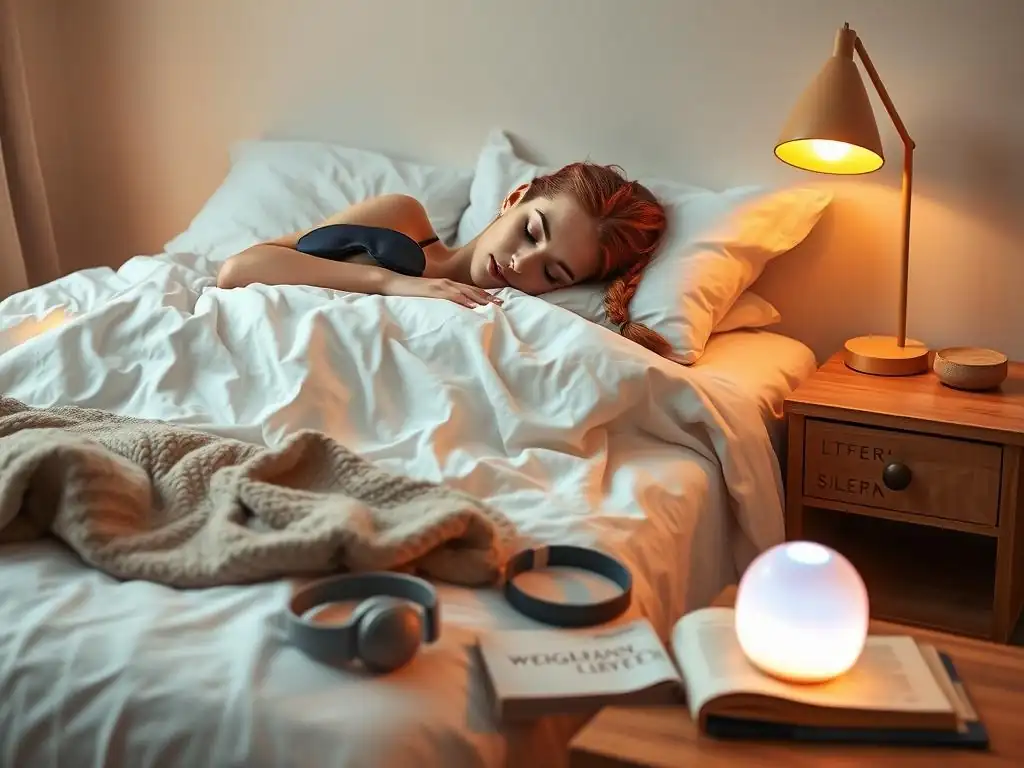
Welcome to Mind Care Guide, a place dedicated to nurturing your mental well-being.
Struggling to find the sweet embrace of sleep? We understand the frustration and exhaustion that comes with sleepless nights. In this guide, we're diving deep into sleep aids for insomnia, exploring thoughtful gifts and strategies that can genuinely help you drift off to a peaceful slumber. But is there really a secret "code" to cracking the insomnia puzzle? Keep reading to uncover the answers and discover how you can finally reclaim your rest.
- Understanding Insomnia and the Need for Sleep Aids
-
Top Sleep Aids for Insomnia: A Mind Care Guide Selection
- 1. Weighted Blankets: The Comforting Hug for Restful Sleep
- 2. White Noise Machines: Drowning Out the Noise for a Peaceful Night
- 3. Essential Oil Diffusers & Lavender: Aromatherapy for Sleep
- 4. Smart Sleep Masks: Blocking Light, Improving Sleep Quality
- 5. Subscription Boxes for Sleep: Curated Items for Relaxation
- 6. Blue Light Blocking Glasses: Protecting Your Eyes Before Bed
- 7. Melatonin Supplements: A Natural Sleep Hormone Support
- Choosing the Right Sleep Aid Gift: Factors to Consider
- Enhancing Sleep Hygiene for Lasting Insomnia Relief
- Conclusion: Giving the Gift of Restful Sleep
-
Frequently Asked Questions
- What are some natural sleep aids for insomnia that don't involve medication?
- How do sleep aids for insomnia like blackout curtains contribute to better sleep?
- Can certain types of sleep aids for insomnia actually make my sleep worse?
- Where can I find resources and support related to sleep aids for insomnia and mental well-being?
- Are there any sleep aids for insomnia that are considered "gifts" suitable for someone struggling with sleep?
- Final Reflection: Unlocking the Door to Restful Sleep
- Unlock Your Best Sleep Yet!
Understanding Insomnia and the Need for Sleep Aids
What is Insomnia and How Does it Affect Mental Well-being?
Insomnia is a common sleep disorder characterized by difficulty falling asleep, staying asleep, or waking up too early and being unable to get back to sleep. This persistent struggle with sleep can significantly impact a person's daily functioning and overall quality of life. It's not just about feeling tired; chronic insomnia can lead to a range of problems, including difficulty concentrating, impaired performance at work or school, increased irritability, and a higher risk of accidents. The lack of restorative sleep takes a heavy toll on both physical and mental health.
The link between insomnia and mental well-being is profound and often bidirectional. Sleep deprivation can exacerbate symptoms of existing mental health conditions like anxiety and depression. Conversely, these conditions often contribute to sleep problems, creating a challenging cycle. Studies have shown that individuals with insomnia are at a significantly higher risk of developing depression and anxiety disorders compared to those who sleep well. Addressing sleep issues is therefore a crucial component of comprehensive mental health care, and finding effective sleep aids for insomnia can be a vital step towards improving both sleep and mood.
Exploring Different Types of Sleep Problems and Their Impact
Insomnia isn't a single entity; it manifests in various ways. Some people primarily struggle with sleep onset insomnia, finding it difficult to fall asleep at the beginning of the night. Others experience sleep maintenance insomnia, waking up frequently during the night and having trouble returning to sleep. Early morning awakening insomnia involves waking up much earlier than intended and being unable to fall back asleep. These patterns can occur acutely (short-term, lasting days or weeks) or chronically (long-term, lasting three or more nights per week for at least three months).
The specific type of sleep problem affects its impact and potential solutions. For example, someone with sleep onset insomnia might benefit greatly from relaxation techniques or aids that signal bedtime, while someone with maintenance insomnia might need strategies to manage middle-of-the-night awakenings. Beyond insomnia, other sleep disorders like restless legs syndrome, sleep apnea, and circadian rhythm disorders also disrupt sleep quality and quantity, further highlighting the complexity of achieving restful sleep. Understanding the specific sleep challenge is key to identifying potentially helpful sleep aids for insomnia or other sleep issues.
Why Consider Sleep Aids as Gifts for Insomnia Sufferers?
Insomnia can be a deeply frustrating and isolating experience. Individuals struggling with it often feel helpless after trying various strategies without success. Gifting sleep aids for insomnia can be a thoughtful and empathetic way to show support. It acknowledges their struggle and offers practical tools that might help alleviate their symptoms. These gifts aren't a substitute for professional medical advice or treatment, but they can complement other approaches and introduce new methods for relaxation and sleep promotion.
Choosing a sleep aid as a gift shows you've put thought into their specific needs. It can provide comfort, create a more conducive sleep environment, or offer natural support for sleep processes. Whether it's a physical item designed to enhance relaxation or a product that addresses environmental factors like light or sound, these gifts can be a tangible expression of care. For someone weary from sleepless nights, receiving a carefully chosen item aimed at promoting restful sleep can be genuinely appreciated.
Top Sleep Aids for Insomnia: A Mind Care Guide Selection
1. Weighted Blankets: The Comforting Hug for Restful Sleep
Weighted blankets have gained significant popularity as sleep aids for insomnia and anxiety. They are designed to provide deep pressure stimulation, a technique similar to swaddling in infants or certain therapeutic practices. This gentle, firm pressure distributed across the body can have a calming effect, helping to reduce feelings of anxiety and make it easier to relax and fall asleep. The weight typically ranges from a few pounds up to 25 pounds or more, with recommendations often based on a percentage of the user's body weight, commonly around 10%.
The mechanism behind their effectiveness is thought to involve the release of neurotransmitters like serotonin and melatonin, which are associated with mood regulation and sleep. The deep pressure input can also help quiet the nervous system, reducing the body's stress response. Many users report feeling a sense of being grounded or hugged, which can be incredibly soothing, particularly for individuals who experience restlessness or anxiety at bedtime. This physical comfort translates into mental relaxation, creating a more favorable state for sleep onset and maintenance.
Features of the Gravity Blanket for Insomnia
The Gravity Blanket is one of the pioneers in the weighted blanket market, known for its quality construction. A key feature is its internal stitching, which creates small pockets to evenly distribute the glass beads or pellets that provide the weight. This prevents the weight from shifting and bunching up, ensuring consistent deep pressure stimulation throughout the night. The blanket often comes with a removable, washable duvet cover, available in various materials like soft fleece or cooling lyocell, allowing users to choose based on their temperature preferences.
Another notable feature is the range of weight options offered, typically starting around 15 pounds and going up to 25 pounds. This variety helps users select a weight appropriate for their body mass, maximizing the therapeutic benefit. The design focuses on durability and comfort, aiming to provide a premium experience that justifies its position in the market. For individuals seeking reliable sleep aids for insomnia that leverage the power of deep pressure, the Gravity Blanket's features are designed to deliver consistent performance.
Price and Where to Buy the Gravity Blanket
The Gravity Blanket typically sits in the higher price range for weighted blankets, often retailing between $200 and $300, depending on the size, weight, and cover material selected. This price reflects its premium branding, materials, and construction quality. While this is a significant investment compared to some other sleep aids for insomnia, many users find the cost justified by the perceived quality and effectiveness.
Gravity blankets can be purchased directly from the company's official website. They are also sometimes available through major online retailers and select department stores or specialty bedding shops. Availability can vary, but the direct-to-consumer model is their primary distribution channel. Potential buyers should check the specific retailer's return policy, especially given the investment, to ensure it meets their needs if the blanket doesn't provide the desired sleep benefits.
Benefits of Weighted Blankets for Anxiety and Sleep Improvement
The primary benefit of weighted blankets like the Gravity Blanket for those with insomnia is their ability to reduce anxiety and promote relaxation. The deep pressure stimulation activates the parasympathetic nervous system, which helps to lower heart rate, reduce cortisol levels (the stress hormone), and create a sense of calm. This can be particularly helpful for individuals whose insomnia is linked to racing thoughts or physical restlessness at night.
Beyond anxiety reduction, weighted blankets are believed to improve sleep quality by increasing the body's production of serotonin and melatonin. Serotonin is a precursor to melatonin, the hormone that regulates the sleep-wake cycle. By potentially boosting these neurochemicals, the blanket helps the body naturally transition into a state conducive to sleep. Anecdotal evidence from users frequently highlights faster sleep onset, fewer nighttime awakenings, and a feeling of being more rested upon waking, making them potent sleep aids for insomnia for many.
2. White Noise Machines: Drowning Out the Noise for a Peaceful Night
White noise machines are popular sleep aids for insomnia because they create a consistent, ambient sound environment that helps to mask sudden noises that might otherwise disrupt sleep. Instead of complete silence, which can make even small sounds noticeable and jarring, a white noise machine generates a steady frequency spectrum that effectively "fills in" the quiet spaces. This creates a predictable auditory backdrop that the brain can tune out, making it less reactive to disturbances like traffic, barking dogs, or household noises.
The concept extends beyond just white noise; many machines offer a variety of sounds, including pink noise (which has a deeper frequency spectrum, often described as more like rain or wind) and brown noise (deeper still, like a rushing river). Some machines also include natural sounds like ocean waves, rain, or fan sounds. The goal is to provide a soothing, non-distracting sound that helps the listener relax and remain asleep, even when external noises occur. This simple yet effective principle makes them widely recommended sleep aids for insomnia.
The LectroFan Classic White Noise Machine: Sounds for Sleep and Relaxation
The LectroFan Classic is a well-regarded white noise machine known for its wide variety of non-looping sounds. Unlike some cheaper machines that play short recordings on repeat (which can become distracting), the LectroFan generates dynamic, non-repeating sounds. It offers ten different white noise variations and ten distinct fan sounds, totaling 20 unique options. This range allows users to experiment and find the specific sound profile that is most soothing and effective for their personal sleep needs.
Key features include precise volume control, allowing users to set the sound level exactly where they need it to effectively mask noise without being too loud. It also has a timer function, which can be set to automatically turn off after a certain period (e.g., 60 minutes), although many users prefer to run it all night. Its compact size makes it suitable for bedside tables or for travel. For individuals seeking sleep aids for insomnia that provide robust sound options, the LectroFan Classic is a strong contender.
Cost-Effectiveness of the LectroFan Classic White Noise Machine
The LectroFan Classic is generally considered a cost-effective sleep aid for insomnia. Its typical price point falls between $30 and $50, making it significantly more affordable than options like weighted blankets or smart sleep masks. Given its durable construction and the quality of the sound generation (avoiding repetitive loops), it offers good value for its price. Compared to relying on apps on a phone, a dedicated machine avoids potential notifications or screen light distractions.
Its relatively low cost makes it an accessible option for many people struggling with sleep disturbances. It's a one-time purchase that can be used consistently night after night for years. When considering sleep aids for insomnia, the LectroFan Classic represents an investment in creating a stable sound environment, which can be a foundational step in improving sleep hygiene without a large financial outlay.
Using White Noise to Manage Tinnitus and Promote Sleep
Beyond masking external noises, white noise machines, including the LectroFan Classic, are often recommended for individuals who experience tinnitus, a condition characterized by a persistent ringing or buzzing sound in the ears. For many with tinnitus, the subjective sound is most noticeable in quiet environments, making it difficult to fall asleep. White noise can help to mask the tinnitus sound, making it less prominent and reducing the distress it causes.
By providing a competing, external sound, the white noise reduces the contrast with the internal tinnitus sound, making it easier for the brain to ignore. This acoustic therapy doesn't cure tinnitus but can significantly improve sleep quality for sufferers by making the condition less intrusive at night. For someone struggling with both tinnitus and insomnia, a white noise machine can serve a dual purpose, acting as both a tinnitus masker and an effective sleep aid.
3. Essential Oil Diffusers & Lavender: Aromatherapy for Sleep
Aromatherapy, particularly using essential oils like lavender, is a popular natural approach considered by many as a gentle sleep aid for insomnia. Essential oil diffusers disperse a fine mist of water and essential oil into the air, filling the bedroom with a calming scent. The act of incorporating aromatherapy into a bedtime routine can also serve as a powerful signal to the body and mind that it's time to wind down and prepare for sleep.
The olfactory system is directly linked to the limbic system in the brain, which is involved in emotions, memory, and also regulating sleep. Certain aromas are believed to influence brain waves and neurotransmitter activity, promoting relaxation and reducing stress. While research on the direct impact of aromatherapy on sleep maintenance is ongoing, the anecdotal evidence and the calming effect reported by users make diffusers and sleep-promoting oils a favored element in creating a relaxing sleep environment.
Vitruvi Stone Diffuser: Creating a Relaxing Sleep Environment
The Vitruvi Stone Diffuser is an example of a stylish and functional essential oil diffuser often chosen for bedrooms. Its design is minimalist and aesthetically pleasing, resembling a piece of ceramic decor rather than a typical electronic gadget. This makes it a desirable addition to a sleep sanctuary, contributing to a calming visual environment as well as an olfactory one.
Functionally, it uses ultrasonic technology to diffuse the oils, which is quiet and creates a cool mist. It typically offers different timer settings (e.g., continuous or intermittent diffusion for a few hours) and an optional LED light feature, which can be turned off to ensure complete darkness for sleep. The ceramic cover is easy to clean, and the water reservoir capacity allows for several hours of operation. For those who value both form and function in their sleep aids for insomnia and relaxation tools, the Vitruvi Stone Diffuser is a popular choice.
Lavender Essential Oil for Insomnia: Scientific Evidence and Benefits
Lavender essential oil is perhaps the most widely studied and used essential oil for sleep and relaxation. Research suggests that inhaling lavender aroma can have a sedative effect. Studies have shown that lavender can increase slow-wave sleep, which is considered the deepest stage of sleep, and improve sleep quality scores in individuals with insomnia. It's believed to work by interacting with GABA receptors in the brain, similar to some sedative medications, but in a milder, natural way.
The benefits of lavender for sleep extend to reducing anxiety and improving mood, which are often contributing factors to insomnia. A meta-analysis of studies on lavender aromatherapy for anxiety found a significant reduction in anxiety levels. By calming the nervous system and reducing mental distress, lavender creates a more conducive state for falling and staying asleep. Using pure, high-quality lavender essential oil in a diffuser is a common method for incorporating this natural sleep aid for insomnia into a nightly routine.
Pairing Diffusers with Sleep-Promoting Essential Oil Blends
While lavender is effective on its own, diffusers allow for the use of various essential oils and custom blends tailored for sleep. Other oils commonly used as sleep aids include chamomile (known for its calming properties), bergamot (can reduce stress), cedarwood (grounding and sedative), and ylang-ylang (relaxing). Many companies also offer pre-mixed "sleep" or "relaxation" blends that combine several beneficial oils.
Creating a specific blend can enhance the overall aromatherapy experience and target multiple aspects of sleep difficulty, such as combining lavender for relaxation with cedarwood for grounding. The ritual of preparing the diffuser and selecting the oils also becomes part of the wind-down routine, signaling to the body that it's time to transition from the day's activities to rest. Using a diffuser with carefully chosen essential oils provides a multi-sensory approach to combating insomnia.
4. Smart Sleep Masks: Blocking Light, Improving Sleep Quality
Light is one of the most powerful environmental cues influencing our circadian rhythm, the body's internal clock that regulates sleep and wakefulness. Even small amounts of light, particularly blue light emitted from screens and modern lighting, can suppress melatonin production and make it harder to fall asleep or disrupt sleep during the night. Smart sleep masks are designed to completely block out light, creating total darkness, which is essential for optimal melatonin release and sleep quality.
Beyond simple light blocking, some "smart" masks incorporate additional features intended to enhance sleep. These might include built-in audio for guided meditations, white noise, or soothing music; gentle vibrations; or even temperature regulation. The core function, however, remains creating an environment of complete darkness, which is a fundamental aspect of good sleep hygiene and makes them effective sleep aids for insomnia, especially for shift workers, travelers, or those with light-sensitive bedrooms.
The Manta Sleep Mask: Features and Functionality
The Manta Sleep Mask is a popular example known for its modular design and complete blackout capability. A key feature is its adjustable eye cups, which can be positioned precisely around the eyes to block out 100% of light without putting pressure directly on the eyelids. This design also allows for blinking and eye movement during sleep (like REM sleep), which is more comfortable than flat masks. The cups are typically made from soft, breathable material.
The mask itself is usually constructed from comfortable, durable fabrics like modal or cotton. It often features a secure, adjustable head strap that doesn't slip during the night. Some versions offer cooling or heating inserts for the eye cups, adding another layer of sensory comfort. The focus of the Manta mask is on achieving total darkness and personalized comfort, addressing a primary environmental factor that contributes to sleep problems. For those whose insomnia is linked to light exposure, this mask offers a targeted solution among sleep aids for insomnia.
Price Range and Availability of the Manta Sleep Mask
The Manta Sleep Mask typically falls into a mid-range price category for sleep masks, often retailing between $30 and $50 for the basic models. More advanced versions with cooling/heating features or different materials might cost slightly more. While more expensive than a basic fabric mask, its unique design for complete blackout and comfort justifies the higher price point for many users.
Manta Sleep Masks are widely available online, including their own website and major e-commerce platforms. They may also be found in some specialty travel stores or sleep aid sections of larger retailers. Their availability is generally good, making them relatively easy to acquire for someone looking for sleep aids for insomnia that specifically target light sensitivity.
How Smart Sleep Masks Can Help Regulate Circadian Rhythm
By ensuring complete darkness during sleep hours, smart sleep masks like the Manta mask play a direct role in supporting the body's natural circadian rhythm. Melatonin, the "sleep hormone," is produced in response to darkness. Exposure to light, especially blue light, suppresses melatonin production. Wearing a mask that blocks all light signals to the brain that it is nighttime, promoting the release of melatonin and facilitating sleep onset.
This is particularly beneficial for people whose sleep schedules are disrupted, such as shift workers, individuals experiencing jet lag, or those who live in areas with significant light pollution. By consistently creating a dark environment regardless of external conditions, a sleep mask helps to reinforce the body's internal clock, making it easier to fall asleep at a desired time and wake up feeling more aligned with their sleep cycle. This makes smart sleep masks effective environmental sleep aids for insomnia caused or exacerbated by light exposure.
5. Subscription Boxes for Sleep: Curated Items for Relaxation

Subscription boxes focused on sleep and relaxation offer a unique approach to sleep aids for insomnia. Instead of a single product, these boxes provide a curated selection of items designed to promote relaxation, improve sleep hygiene, and create a calming bedtime routine. This can be a thoughtful gift for someone with insomnia, offering a variety of tools and experiences rather than focusing on just one type of aid.
The contents of these boxes typically vary but often include a mix of aromatherapy products (like essential oils or pillow sprays), calming teas, sleep masks, journals, bath salts, cozy socks, or small relaxation tools. The element of surprise and the regular delivery can also provide a consistent reminder and motivation to prioritize sleep and self-care. It turns the process of seeking sleep aids for insomnia into a more enjoyable and varied experience.
Therabox Sleep Well Box: What's Inside?
Therabox is a popular self-care subscription box that occasionally offers themed boxes, including those focused on sleep and relaxation, or consistently includes items relevant to sleep in their general boxes. While specific contents vary by box and month, a "Sleep Well" themed Therabox might contain a selection of 6-8 full-sized wellness items.
Examples based on past boxes could include a calming essential oil blend or roll-on, a luxurious sleep mask, a soothing herbal tea blend, a guided sleep meditation access code, a journal prompt focusing on gratitude or winding down, a bath bomb or salts infused with relaxing scents, or cozy loungewear items like fuzzy socks.
The curation aims to provide a multi-faceted approach to relaxation and sleep preparation. It encourages the user to engage in a deliberate wind-down routine using the provided items. This focus on ritual and variety distinguishes subscription boxes from single-item sleep aids for insomnia, offering a broader experience of self-care centered around improving sleep.
Pricing and Value of the Therabox Sleep Well Box
Therabox subscriptions typically range from $35 to $50 per box, depending on the subscription plan (monthly, quarterly, etc.). Special themed boxes might have slightly different pricing. The company often states that the retail value of the items inside each box is significantly higher than the subscription cost, frequently citing values of $100 or more.
The value proposition comes from receiving a collection of quality wellness products at a discounted price compared to buying each item individually. For someone exploring different sleep aids for insomnia or looking for ways to enhance their relaxation routine, a subscription box like Therabox offers a convenient and cost-effective way to discover new products and practices. The recurring nature of the subscription can also provide ongoing support for maintaining good sleep habits.
The Convenience of Curated Sleep Aids Delivered to Your Door
One of the main benefits of subscription boxes is the convenience they offer. For someone struggling with insomnia, the energy and motivation to research and shop for different sleep aids can be low. A curated box takes the guesswork out of it, delivering a selection of potentially helpful items directly to their home on a regular basis.
This convenience encourages consistent self-care and the exploration of various relaxation techniques and products. Each box can introduce new elements to a bedtime routine, preventing monotony and helping the individual discover what works best for them. It's a hassle-free way to access a variety of sleep aids for insomnia and wellness tools, making the journey toward better sleep feel more manageable and even a little exciting.
6. Blue Light Blocking Glasses: Protecting Your Eyes Before Bed
In our modern world, exposure to artificial light, particularly the blue light emitted by screens (phones, tablets, computers, TVs) and energy-efficient lighting (LEDs, fluorescent bulbs), is a significant disruptor of sleep. Blue light signals to the brain that it is daytime, suppressing the production of melatonin, the hormone crucial for initiating sleep. Wearing blue light blocking glasses in the hours leading up to bedtime is an increasingly popular strategy and a useful sleep aid for insomnia related to evening light exposure.
These glasses have lenses specifically designed to filter out or absorb a significant portion of the blue light spectrum. By reducing this exposure, they help prevent the suppression of melatonin, allowing the body's natural sleep signals to function more effectively. This can make it easier to feel tired and fall asleep when you go to bed, especially if you spend your evenings looking at screens.
Swanwick Sleep Blue Light Blocking Glasses: Styles and Effectiveness
Swanwick Sleep, often referred to as Swannies, is a well-known brand specializing in blue light blocking eyewear. They offer a range of styles, from classic frames to more modern designs, ensuring there's an option for different preferences. Crucially, they typically offer different lens tints for different times of day: clear lenses for daytime use (filtering some blue light), and amber or red lenses for evening use. The amber/red lenses are key for insomnia, as they block a much higher percentage of blue light (often cited as 99% or more) that interferes with melatonin production.
The effectiveness of Swannies for sleep comes from their ability to block the specific wavelengths of light (roughly 450-495 nanometers) known to impact circadian rhythm most strongly. By wearing the amber or red lenses for 1-2 hours before bedtime, users can create a light environment that mimics natural dusk, signaling to the body that it's time to prepare for sleep. Their focus on high-quality lenses and stylish frames makes them a preferred choice among dedicated sleep aids for insomnia focused on light management.
Affordability and Accessibility of Blue Light Blocking Glasses
Blue light blocking glasses vary widely in price, but options like Swanwick Sleep glasses typically fall into a mid-range price point, often between $40 and $70 depending on the style and lens type. More basic or fashion-focused blue light glasses can be found for less, while prescription versions or high-end brands may cost more. Compared to some other sleep aids for insomnia, they are a relatively affordable, one-time purchase.
They are highly accessible and can be purchased directly from brand websites like Swanwick Sleep, as well as through major online retailers. Their availability is generally excellent. This ease of access makes them a practical gift and a simple addition to anyone's evening routine, providing a non-invasive way to potentially improve sleep quality by managing environmental light exposure.
Reducing Eye Strain and Improving Sleep with Blue Light Filters
Beyond their impact on melatonin and sleep, blue light blocking glasses can also help reduce eye strain associated with prolonged screen use. The high energy of blue light can contribute to digital eye fatigue, causing symptoms like dry eyes, blurred vision, and headaches. Filtering out a significant portion of this light can make screen time more comfortable in the evening.
By reducing eye strain and minimizing the alerting signal of blue light to the brain, these glasses create a more relaxed state conducive to sleep. While reducing screen time before bed is the ideal strategy for improving sleep hygiene, wearing blue light blocking glasses offers a practical alternative for those who need to use screens in the evening. This dual benefit of reducing discomfort and supporting natural melatonin production makes them valuable sleep aids for insomnia for many.
7. Melatonin Supplements: A Natural Sleep Hormone Support
Melatonin is a hormone naturally produced by the pineal gland in the brain. Its primary role is to regulate the body's sleep-wake cycle (circadian rhythm). Melatonin levels naturally rise in the evening as it gets dark, signaling to the body that it's time to prepare for sleep, and remain high throughout the night, dropping in the morning. Melatonin supplements are synthetic or animal-derived versions of this hormone, taken orally to potentially supplement the body's natural levels and act as sleep aids for insomnia.
They are most commonly used for short-term sleep problems, such as adjusting to jet lag, shifting sleep schedules (like for shift work), or for people with delayed sleep phase disorder. Some individuals with age-related decline in melatonin production may also find them helpful. While often perceived as completely natural and harmless, it's important to understand that they are hormones and should be used judiciously and ideally under medical guidance.
Natrol Melatonin Supplement: Dosage and Considerations
Natrol is a widely available brand of melatonin supplements. They offer various formulations, including tablets, gummies, and fast-dissolve options, with dosages typically ranging from 1 mg up to 10 mg or even higher per serving. The appropriate dosage of melatonin for insomnia is a subject of ongoing discussion, and lower doses (e.g., 0.5 mg to 3 mg) are often considered more effective for many people than very high doses, as excessive amounts may not be absorbed or utilized effectively.
Considerations when using Natrol or any melatonin supplement include timing – it's generally recommended to take it 30 minutes to an hour before your desired bedtime. It's also important to be aware that while melatonin can help with sleep onset for some, it may not be effective for maintaining sleep throughout the night for everyone. Consulting a healthcare provider is crucial to determine if melatonin is appropriate, what dosage is best, and to discuss potential interactions with other medications or underlying health conditions.
Pricing and Availability of Natrol Melatonin
Natrol Melatonin is highly affordable and readily available. A bottle containing a supply of tablets or gummies (often 60 to 250 count) typically costs between $10 and $20, depending on the dosage and count. This makes it one of the most cost-effective sleep aids for insomnia available over-the-counter.
Natrol products can be found in virtually all pharmacies, supermarkets, health food stores, and major online retailers. Their widespread availability makes them easy to purchase for those looking for an accessible supplement option to support sleep. However, ease of access doesn't negate the importance of using it responsibly and understanding its limitations.
Understanding Melatonin for Insomnia: Benefits and Risks
The primary benefit of using melatonin as a sleep aid for insomnia is its potential to help reset the body's internal clock and reduce the time it takes to fall asleep, particularly in cases of circadian rhythm disruption. It's generally considered safe for short-term use for most healthy adults when taken at appropriate doses. It is not typically associated with dependency like some prescription sleep medications.
However, there are potential risks and side effects to consider. Some people may experience drowsiness, dizziness, headache, or nausea the following day. Melatonin can interact with certain medications, including blood thinners and medications for diabetes or high blood pressure. Its long-term effects are not fully understood, and its use in children and adolescents should always be supervised by a doctor. While it can be a helpful tool for some, it's not a universal cure for all types of insomnia and should be used thoughtfully.
Choosing the Right Sleep Aid Gift: Factors to Consider
Individual Needs and Preferences for Insomnia Treatment
Selecting the best sleep aids for insomnia as a gift requires careful consideration of the individual's specific sleep challenges and personal preferences. Is their insomnia primarily difficulty falling asleep, or do they struggle with staying asleep? Are they sensitive to light or noise? Do they prefer natural remedies or are they open to supplements? Understanding the root cause of their sleep problems, if known, can help narrow down the options.
Personal preferences regarding sensory experiences are also crucial. Someone who dislikes the feeling of being confined might not appreciate a weighted blanket, while someone sensitive to smells might not benefit from aromatherapy. Considering their lifestyle, existing routines, and what they've already tried is vital. A thoughtful gift acknowledges their unique struggle and offers a solution that aligns with their needs and comfort level, rather than a one-size-fits-all approach to sleep aids.
Understanding Potential Side Effects of Sleep Aids
While many over-the-counter sleep aids for insomnia, particularly non-ingestible ones like masks or machines, have minimal side effects, it's still important to be aware of potential issues. Weighted blankets, for instance, should not be used by individuals who cannot remove them independently. White noise machines should be used at safe volume levels to avoid hearing damage.
Supplements like melatonin have a better-defined profile of potential side effects, including drowsiness, headache, and interactions with medications. Essential oils can cause allergic reactions or skin irritation if applied topically (though diffusion is generally safer, sensitivities can still occur). When choosing a gift, it's helpful to be aware of these possibilities and perhaps include a note encouraging the recipient to read instructions carefully and consult a professional if they have concerns.
Consulting with a Doctor Before Using Sleep Aids
This is perhaps the most critical factor to consider when gifting sleep aids for insomnia, especially those involving ingestion or specific medical conditions. Insomnia can be a symptom of an underlying health issue, and self-treating with supplements or even behavioral aids without understanding the cause might delay necessary medical intervention.
Encouraging the recipient to discuss any new sleep aid with their doctor is paramount. A healthcare professional can help identify the cause of their insomnia, recommend appropriate treatments (which may or may not include the gifted item), advise on proper usage and dosage for supplements like melatonin, and check for potential interactions with existing medications. Including a gentle suggestion to consult their physician demonstrates genuine care for their well-being.
Enhancing Sleep Hygiene for Lasting Insomnia Relief
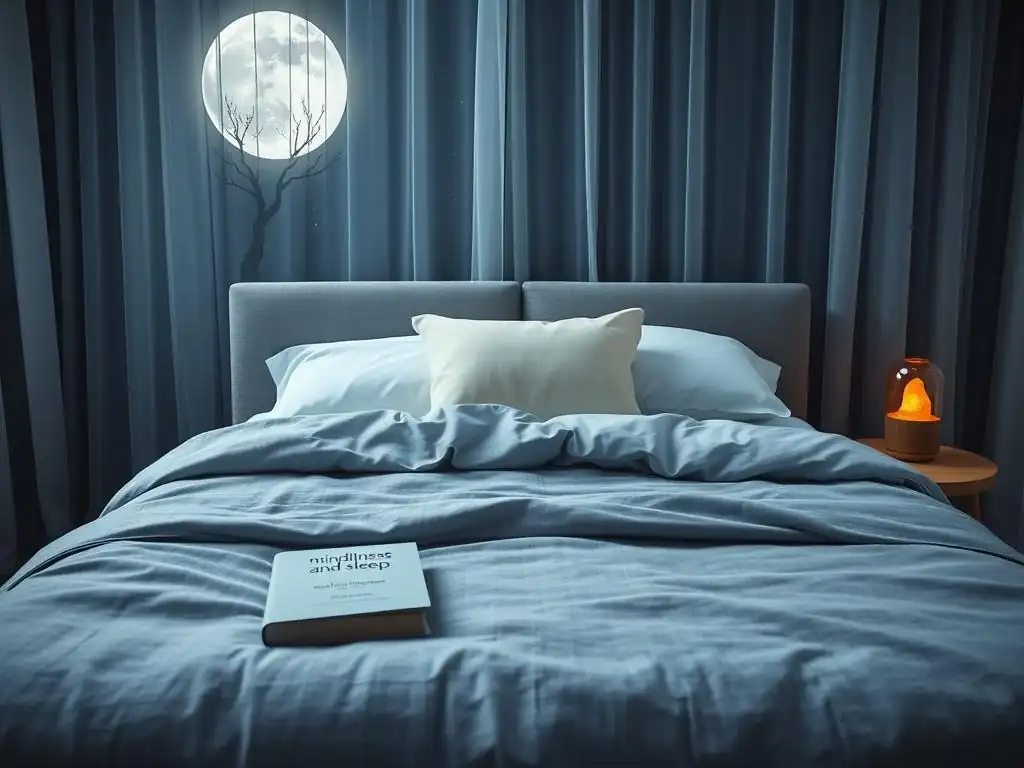
Beyond specific sleep aids for insomnia, establishing and maintaining good sleep hygiene is fundamental for long-term improvement. Sleep hygiene refers to the set of habits and environmental factors that can promote or interfere with sleep. While a gifted item can be a helpful tool, integrating it into a broader practice of healthy sleep habits yields the best results. These practices involve consistency, creating a relaxing environment, and making mindful choices about diet and activity.
Focusing on sleep hygiene empowers the individual to take control of factors within their environment and routine. It's a proactive approach that complements the use of sleep aids by addressing the foundational elements necessary for restful sleep. Educating oneself on these principles is a powerful step towards overcoming insomnia.
Creating a Relaxing Bedtime Routine
Developing a consistent bedtime routine signals to your body that it's time to wind down and prepare for sleep. This routine should ideally start an hour or more before your target bedtime. Activities can include taking a warm bath, reading a physical book (avoiding screens), listening to calming music or a podcast, gentle stretching or yoga, or practicing mindfulness or meditation.
Incorporating some of the gifted sleep aids for insomnia into this routine can enhance its effectiveness. For example, using an essential oil diffuser while reading, wearing blue light blocking glasses while finishing up evening tasks, or wrapping up in a weighted blanket while listening to calming sounds from a white noise machine. Consistency is key; performing the same sequence of calming activities each night helps train your brain to associate the routine with sleepiness.
Optimizing Your Sleep Environment
Your bedroom environment plays a significant role in the quality of your sleep. Ideally, a bedroom should be cool, dark, and quiet. The recommended temperature for sleep is often cited as between 60-67°F (15-19°C). Darkness is crucial for melatonin production, so blackout curtains or a good sleep mask are essential if your room isn't naturally dark.
Minimizing noise with earplugs or a white noise machine can prevent awakenings. Ensure your mattress and pillows are comfortable and supportive. Removing distractions like televisions, computers, and work materials from the bedroom helps reinforce the association of the room with sleep and intimacy only. Creating this optimal environment enhances the effectiveness of any sleep aids for insomnia you might use.
The Importance of Diet and Exercise for Better Sleep
Lifestyle factors like diet and exercise also profoundly impact sleep quality. Regular physical activity can improve sleep, but it's generally best to avoid vigorous exercise close to bedtime. Aim for at least 30 minutes of moderate exercise most days of the week, ideally finishing your workout a few hours before you plan to sleep.
Dietary habits also matter. Avoiding caffeine and nicotine in the late afternoon and evening is critical, as these are stimulants that interfere with sleep. Limiting alcohol intake before bed is also important; while it might initially make you feel drowsy, it disrupts sleep architecture later in the night, leading to fragmented sleep. Avoiding heavy meals or excessive fluids close to bedtime can also prevent discomfort that might wake you up. Making these lifestyle adjustments supports the effectiveness of sleep aids for insomnia and promotes natural, healthy sleep.
Conclusion: Giving the Gift of Restful Sleep
Insomnia is a challenging condition that affects millions, significantly impacting their mental and physical health. Choosing sleep aids for insomnia as a gift is a compassionate way to acknowledge a loved one's struggle and offer tangible support on their journey toward better sleep. From the comforting weight of a blanket to the masking sounds of a white noise machine or the calming aroma of essential oils, these gifts provide tools that can help create a more conducive environment for rest and relaxation.
However, it's important to remember that no single sleep aid is a miracle cure. The most effective approach to overcoming insomnia typically involves a combination of strategies.
Combining Sleep Aids with Healthy Habits for Optimal Results
The true power of sleep aids for insomnia lies in their integration with healthy sleep hygiene practices. A weighted blanket might help you feel calmer, but that calm is enhanced when combined with a relaxing bedtime routine. A blue light blocking mask is effective, but its benefits are maximized when paired with reducing screen time before bed. Melatonin can aid sleep onset, but it works best when you also maintain a consistent sleep schedule.
Encouraging the recipient to use the gifted item as part of a broader commitment to improving their sleep habits is key. This holistic approach addresses multiple facets of insomnia, leading to more sustainable and significant improvements in sleep quality and overall well-being. It's about building a foundation of healthy practices upon which sleep aids can provide additional support.
Finding the Best Sleep Solution for Individual Needs
Ultimately, the most effective sleep aids for insomnia and strategies will vary from person to person. What works wonders for one individual might have little effect on another. The journey to finding restful sleep often involves experimentation and patience. This is why a gift of a sleep aid should be seen as an offering of support and a potential tool, rather than a guaranteed fix.
Encouraging the recipient to explore different options, be patient with the process, and most importantly, consult with healthcare professionals is the most valuable gift you can give. By combining thoughtful sleep aids with education on sleep hygiene and professional guidance, you can empower someone struggling with insomnia to find their unique path to more peaceful nights and improved mental well-being.
Frequently Asked Questions
What are some natural sleep aids for insomnia that don't involve medication?
Natural sleep aids can include things like weighted blankets to reduce anxiety, aromatherapy with lavender essential oil, or a white noise machine to block out disruptive sounds.
How do sleep aids for insomnia like blackout curtains contribute to better sleep?
Blackout curtains help to create a darker sleep environment, crucial for regulating melatonin production. This hormone is vital for promoting natural sleep cycles and fighting insomnia.
Can certain types of sleep aids for insomnia actually make my sleep worse?
Yes, some sleep aids, particularly certain medications, can have side effects like daytime drowsiness or even dependence. It's crucial to consult a doctor before using any sleep medication.
Websites like Mind Care Guide offer information, resources, and support for various mental health challenges, including insomnia. You can also find help from mental health professionals and support groups.
Are there any sleep aids for insomnia that are considered "gifts" suitable for someone struggling with sleep?
Absolutely! Consider gifting a high-quality sleep mask, a subscription to a meditation app, or a comfortable body pillow. These can promote relaxation and improve sleep quality.
Final Reflection: Unlocking the Door to Restful Sleep
The pursuit of a good night's sleep is no longer a luxury; it's a necessity in our fast-paced, demanding world. The information presented in this article – exploring various sleep aids and their effectiveness – highlights the urgent need to address the pervasive issue of insomnia and its impact on our overall well-being. We've examined natural solutions, technological advancements, and lifestyle changes, all pointing towards a holistic approach to conquering sleeplessness.
The journey to understanding and improving sleep is a deeply personal one, shaped by individual experiences and unique challenges. The sheer volume of information available, often conflicting and confusing, underscores the importance of finding what works best for each individual. Sleep is the golden chain that ties health and our bodies together.
– Thomas Dekker. This quote perfectly encapsulates the fundamental role sleep plays in our physical and mental health, a role often underestimated until sleep deprivation takes its toll. The ongoing conversation surrounding sleep health is crucial, demanding further research and a continued focus on accessible and effective solutions.
Consider the information presented within this article as a starting point, a springboard to your own exploration of better sleep. Don't be afraid to experiment, to find what resonates with your body and mind. Start small, incorporate one or two suggestions, and observe the changes. Prioritize sleep, not just as a means to recharge, but as an essential component of a healthy and fulfilling life. Your journey to restful nights begins now.
Unlock Your Best Sleep Yet!
Thanks for exploring the world of better sleep with us! We hope you discovered some insightful tips and gift ideas to help you drift off easier. Ready to transform your sleep routine?
- Prioritize your sleep sanctuary: Start small – rearrange your bedroom for optimal sleep, try a new pillow, or invest in calming aromatherapy. This is your first step towards a more restful night.
- Share the sleep wisdom: Tell your friends and family about the gifts you found most helpful. Maybe you’ll inspire someone else to prioritize better sleep too!
- Join the conversation: What's your secret weapon for falling asleep quickly? Share your tips in the comments below!
What small change will you make tonight to improve your sleep?